Top 7 Natural Monuments in Redes
Best natural monuments in Redes are found within Redes Natural Park, a UNESCO Biosphere Reserve in Asturias, Spain. This region features diverse landscapes, including ancient forests, impressive waterfalls, karstic caves, and glacial formations. These sites showcase the park's natural splendor and historical human activity. The park offers a range of natural features for exploration.
Best natural monuments in Redes
- The most popular natural monuments is Texu la Oración Viewpoint, a viewpoint that offers one of the best views of…
Last updated: June 27, 2026
Texu la Oración Viewpoint
Highlight • Viewpoint
Translated by Google •
Tip by

Tabayón del Mongayu Waterfall
Highlight • Waterfall
Translated by Google •
Tip by
Sign up now to discover places like this
Get recommendations on the best single tracks, peaks, & plenty of other exciting outdoor places.
Sign up for free
Brañagallones Refuge
Highlight • Mountain Hut
In la Vega there is a …
Translated by Google •
Tip by

Collada d'Arniciu
Highlight • Mountain Pass
Translated by Google •
Tip by
Cueva Devoyu
Highlight • Cave
Translated by Google •
Tip by
Sign up for free to discover even more natural monuments in Redes.
Sign up for free
Already have an account?
Start today with a free account
Your next adventure awaits.
Login or Signup

Other adventures in Redes

Tips from the Community

A very broken road. On a road bike, you're guaranteed to get a flat if you don't break something, both uphill and downhill. Great on gravel.
0
0

It's a beautiful place and a dreamlike landscape. What a shame the shelter isn't working. These politicians we have don't do a single thing right.
0
0
In case of morning frost, when climbing the waterfall, put snow boots
1
0

Beautiful waterfall to see. "Tabayón" is synonymous with "waterfall" in Bable. To go up to the waterfall there is a slightly steep slope of loose stones, so especially to go down you have to be careful not to slip.
1
0
The Devoyu Cave is a cave of karstic origin through which the Nalón River flows. The river literally disappears under the mountain, near Les Llanes, and reappears some 200 meters below. It is where most of the bats in the reserve live, such as the Mediterranean horseshoe bat, the riverside bat and, to a lesser extent, the great horseshoe bat, dwarf bat and cave bat. Do not try to get in: it can be dangerous.
1
0
There are multiple points to collect water on the first half of the climb. At the top, there is a fountain a few meters below if you take the track to the right.
1
0
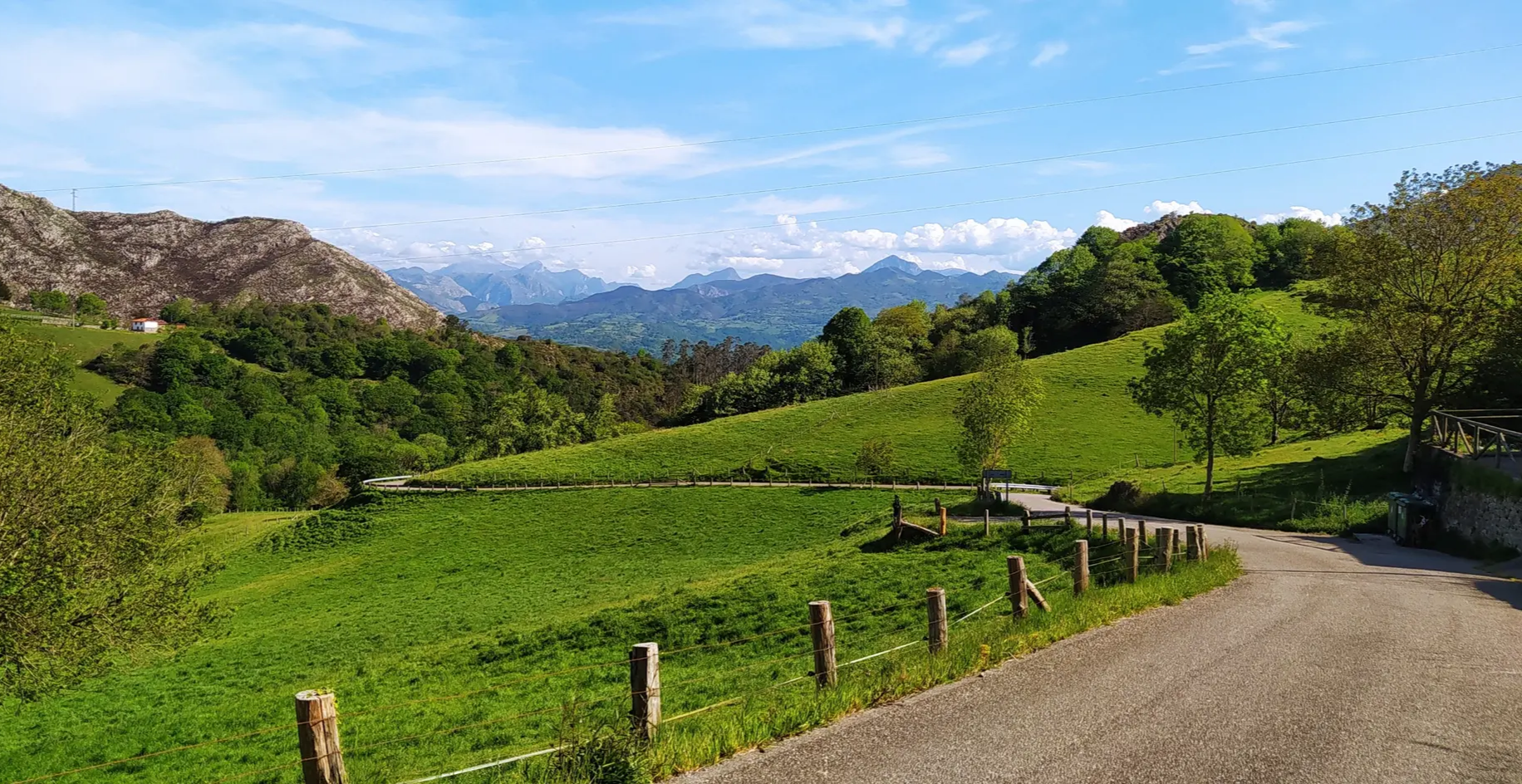
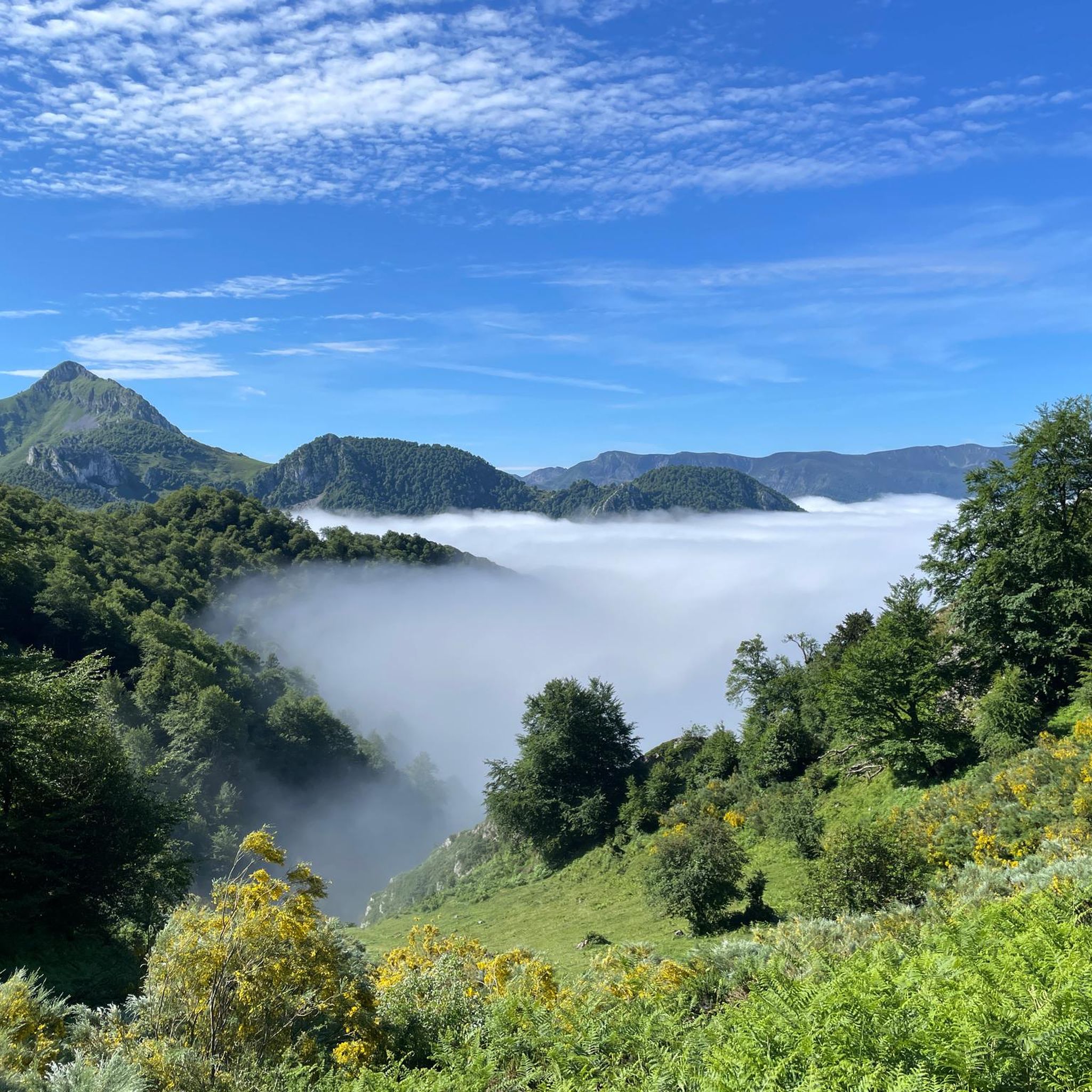
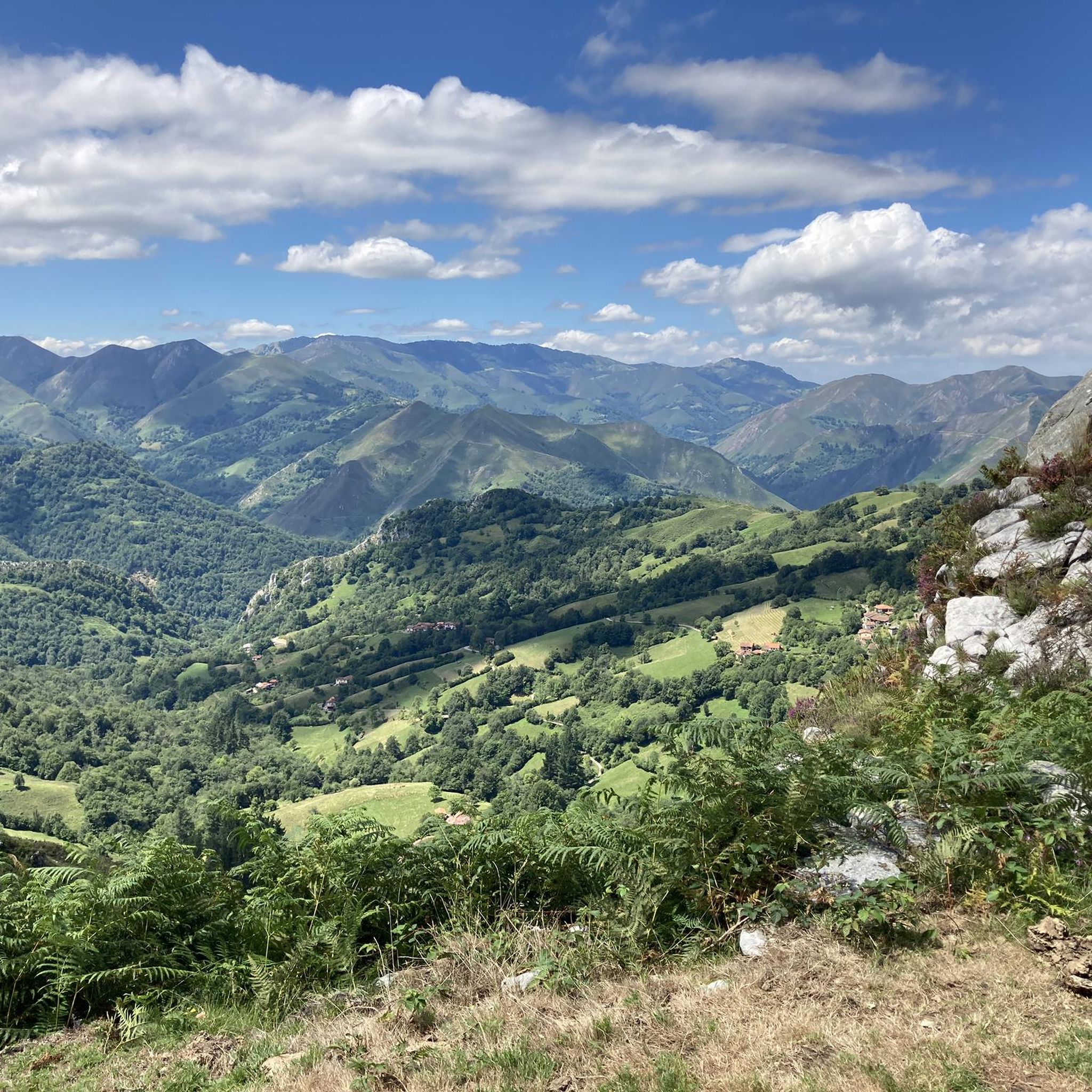
The viewpoint is in the heart of the Redes Natural Park. From Bezanes there is a path that leads to the braña de Brañagallones and that will allow you to approach this natural balcony, with one of the best views of the park. The masses of La Rapaona and Peña del Viento stand out.
2
0

The initial part of the route, starting from Bezanes, is the hardest part, hold out until the Crestón tunnel and the climb is yours.
0
0
Frequently Asked Questions
What are some of the most notable natural monuments to visit in Redes?
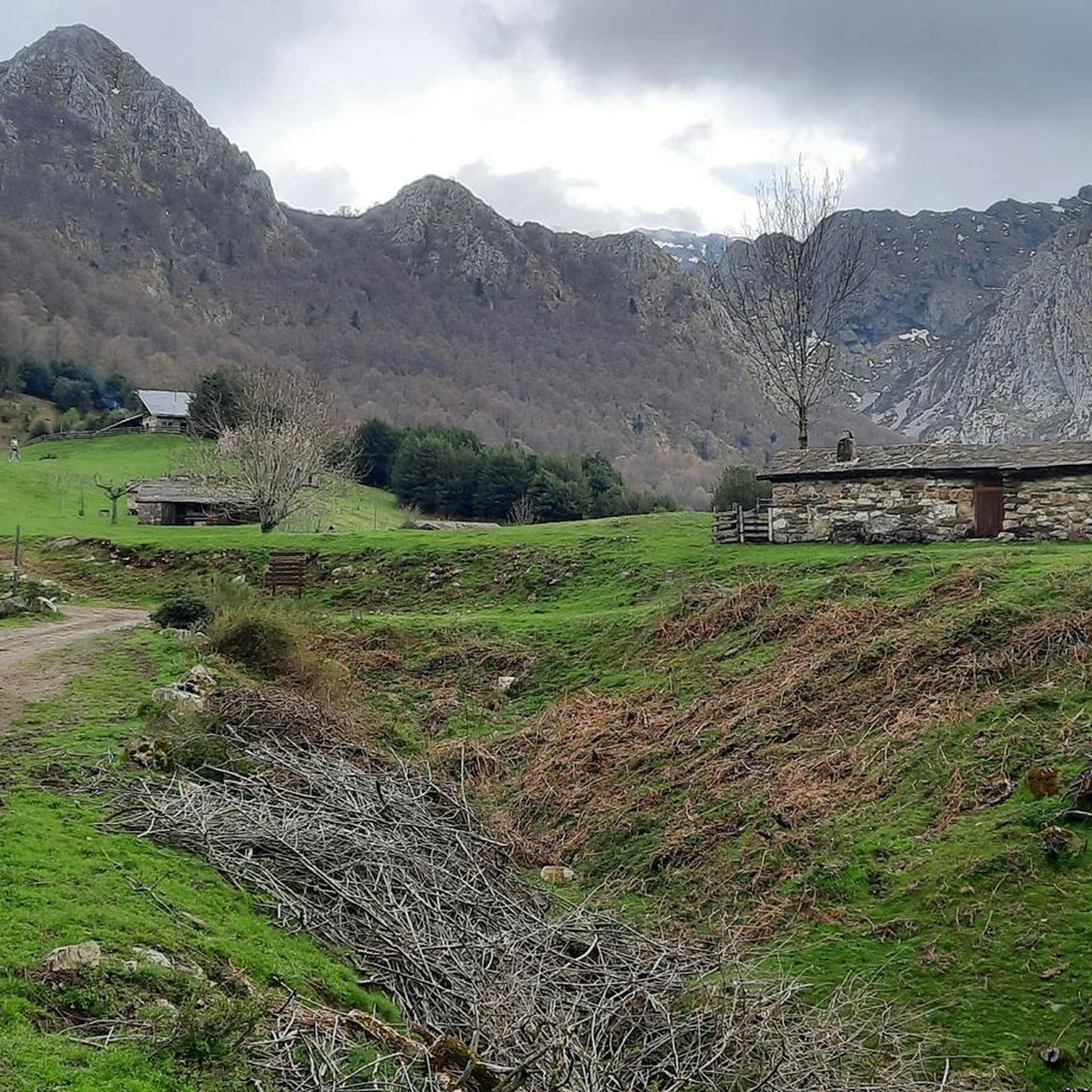
Redes Natural Park offers several remarkable natural monuments. You can experience the impressive Tabayón del Mongayu Waterfall, a powerful cascade over 60 meters high. For panoramic views, visit the Texu la Oración Viewpoint, offering vistas of La Rapaona and Peña del Viento. The picturesque high-mountain meadow of Brañagallones Refuge is also a cherished spot, known for its serene environment and traditional huts.
Are there family-friendly natural monuments or trails in Redes?
Yes, Redes has options suitable for families. The El Tabayón del Mongayu Waterfall Trail is described as a beautiful route with low difficulty, suitable for children. The Ruta del Alba, though not a komoot highlight, is also known for its accessible initial 5 kilometers, making it a good choice for families.
What kind of natural features can I expect to see in Redes Natural Park?
Redes Natural Park, a UNESCO Biosphere Reserve, boasts diverse natural features. You'll find ancient beech and lime forests, impressive waterfalls like the Tabayón del Mongayu Waterfall, and karstic formations such as Deboyu Cave where the Nalón River disappears underground. The park also features glacial formations, high-mountain meadows like Brañagallones, and stunning mountain passes like Collada d'Arniciu.
What is the best time to visit the natural monuments in Redes?
The best time to visit Redes generally depends on your preferred activities. Spring and autumn offer lush landscapes and pleasant temperatures for hiking, with autumn providing vibrant fall foliage, especially in the beech forests. Summer is ideal for enjoying the high-mountain areas and glacial lakes like Lake Ubales. While winter hiking is possible, be prepared for snow and ice, especially on higher trails and near waterfalls.
Are there any unique geological formations in Redes?
Yes, Redes is home to unique geological formations. Deboyu Cave is a notable karstic formation where the Nalón River dramatically disappears beneath a mountain and reemerges downstream, a rare geological phenomenon. The park also features glacial lakes, such as Lake Ubales, situated at high altitudes and offering pristine, icy waters.
What outdoor activities can I do near the natural monuments in Redes?
Beyond visiting the natural monuments, Redes offers a wide range of outdoor activities. You can explore numerous cycling routes, including challenging road cycling and mountain biking trails. For example, there are several MTB Trails in Redes that pass near viewpoints and through forests. Hiking is also very popular, with trails leading to waterfalls, viewpoints, and high-mountain meadows.
Are there hiking trails near these natural monuments?
Absolutely. Many natural monuments in Redes are accessible via hiking trails. The El Tabayón del Mongayu Waterfall Trail is a popular route. From Bezanes, you can access a path leading to the Texu la Oración Viewpoint and the Brañagallones Refuge, which serves as a base for several beautiful hiking trails. The Ruta del Alba is another well-known hiking path that winds through a wooded gorge.
What is the difficulty level of trails leading to natural monuments in Redes?
The difficulty levels vary. Some trails, like the initial sections of the Ruta del Alba or the El Tabayón del Mongayu Waterfall Trail, are considered low difficulty and suitable for families. However, routes to high-altitude areas like Lake Ubales or certain sections near the Tabayón del Mongayu Waterfall can involve moderate to steep sections with loose stones, requiring appropriate footwear and a reasonable fitness level.
Can I find accommodation or food near the natural monuments?
Yes, there are options for accommodation and food. The Brañagallones Refuge offers lodging and food, making it a convenient base for trekkers. Villages within and around Redes Natural Park, such as Soto de Agües, Tarna, or Bezanes, also provide various services including cafes, pubs, and restaurants.
What do visitors enjoy most about the natural monuments in Redes?
Visitors frequently praise the stunning natural beauty and the sense of tranquility. The powerful display of nature at the Tabayón del Mongayu Waterfall and the breathtaking panoramic views from spots like the Texu la Oración Viewpoint are highly appreciated. The lush beech forests, clear mountain waters, and the blend of natural splendor with historical elements, such as traditional pastoral huts in Brañagallones, also contribute to a memorable experience.
Is it possible to see wildlife near the natural monuments?
Redes Natural Park is a UNESCO Biosphere Reserve, providing excellent habitats for local flora and fauna. While specific sightings are never guaranteed, the diverse ecosystems, from dense forests to high-mountain meadows, support a variety of wildlife. Deboyu Cave, for instance, is restricted to protect significant bat colonies, including Mediterranean horseshoe bats and river bank bats, highlighting the park's biodiversity.
Are there any viewpoints offering extensive vistas of the park?
Yes, Redes is known for its spectacular viewpoints. The Texu la Oración Viewpoint is particularly renowned for offering some of the best views of the park, including the masses of La Rapaona and Peña del Viento. Additionally, the Collada d'Arniciu mountain pass also provides excellent vantage points.
Most popular routes in Redes
Most popular attractions in Redes

Get inspired with the komoot mobile app


Explore more
Extend your search for the best caves by checking out these guides of the top ones in Redes:
