The best running trails in Redes
3.8
(4)
578
runners
46
runs
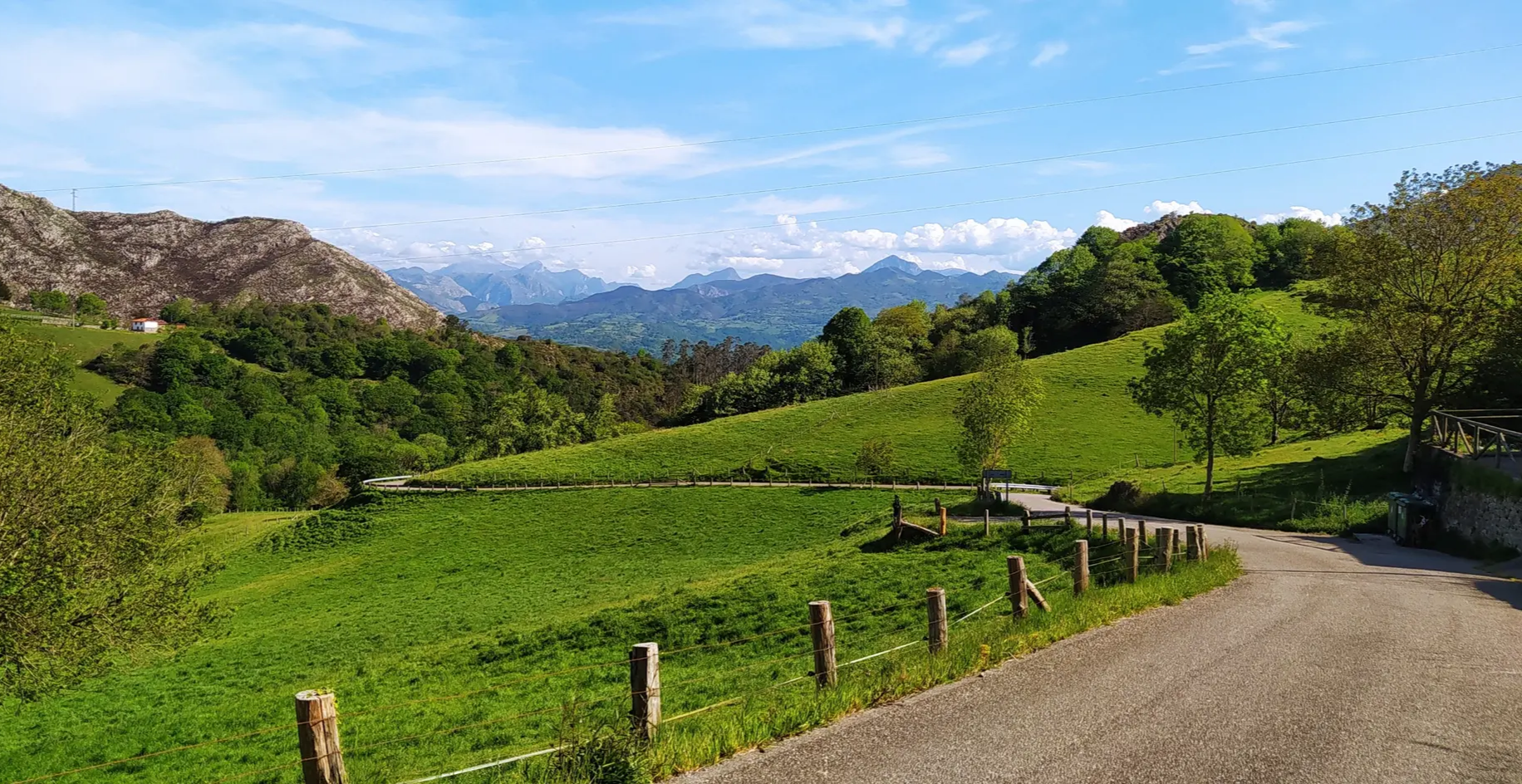
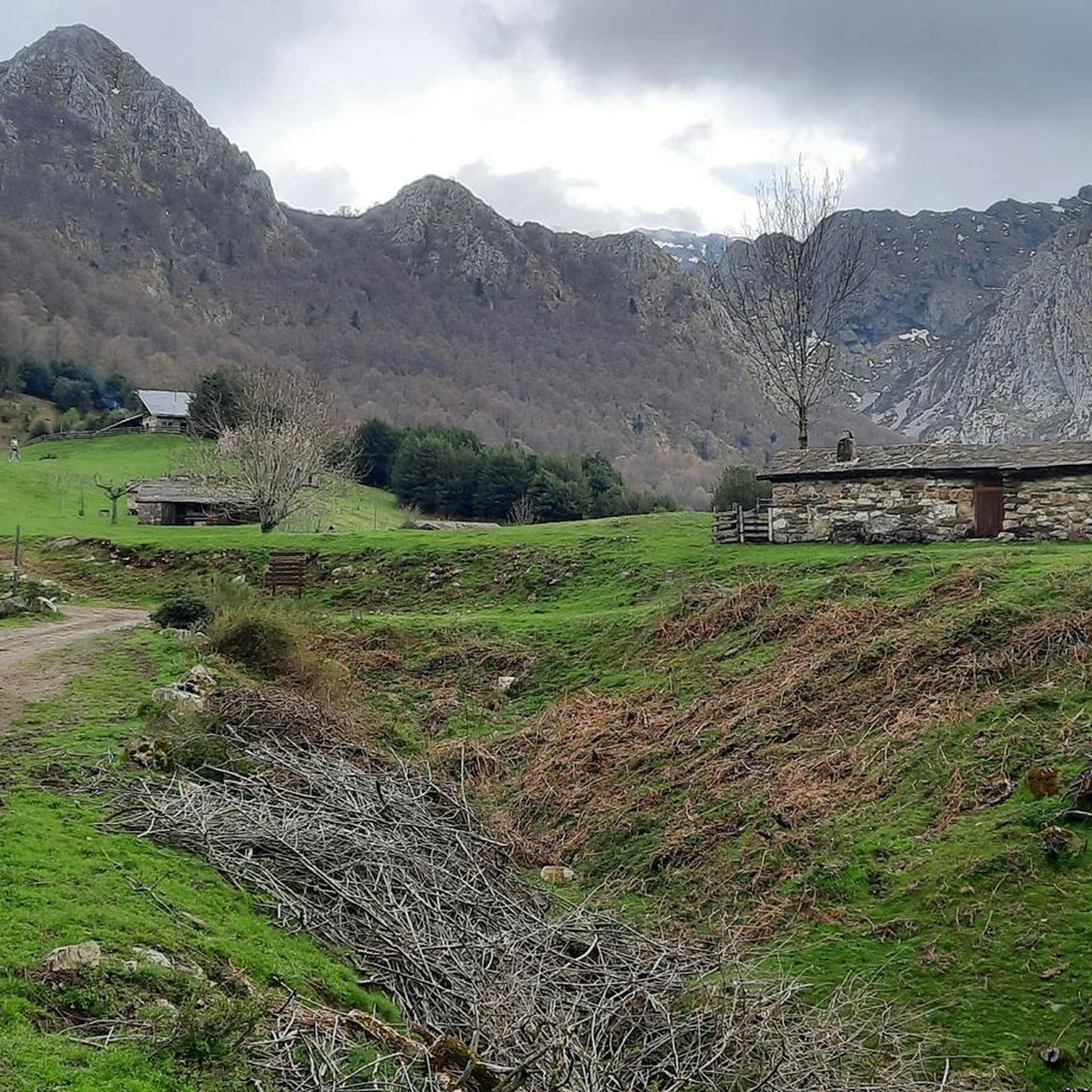
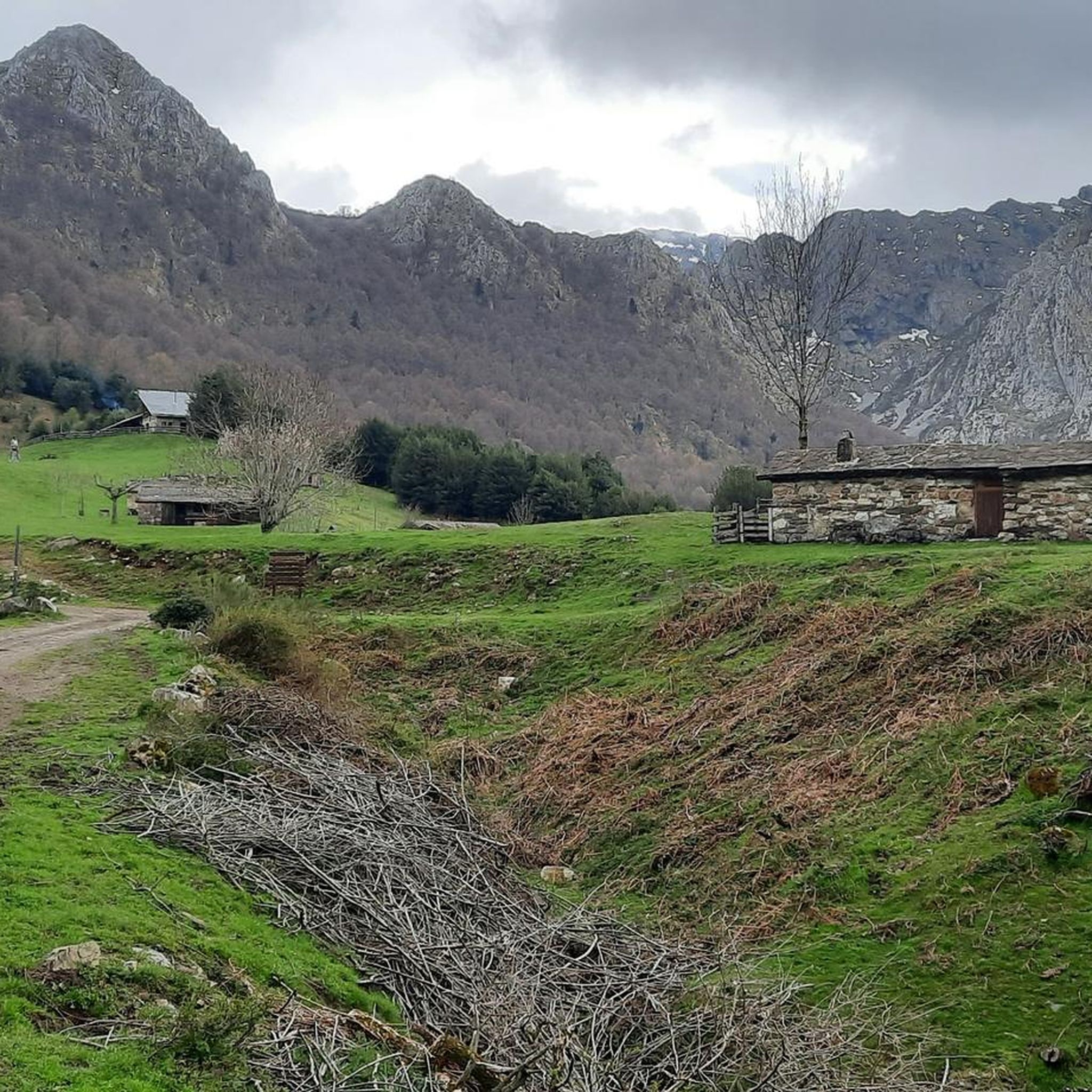
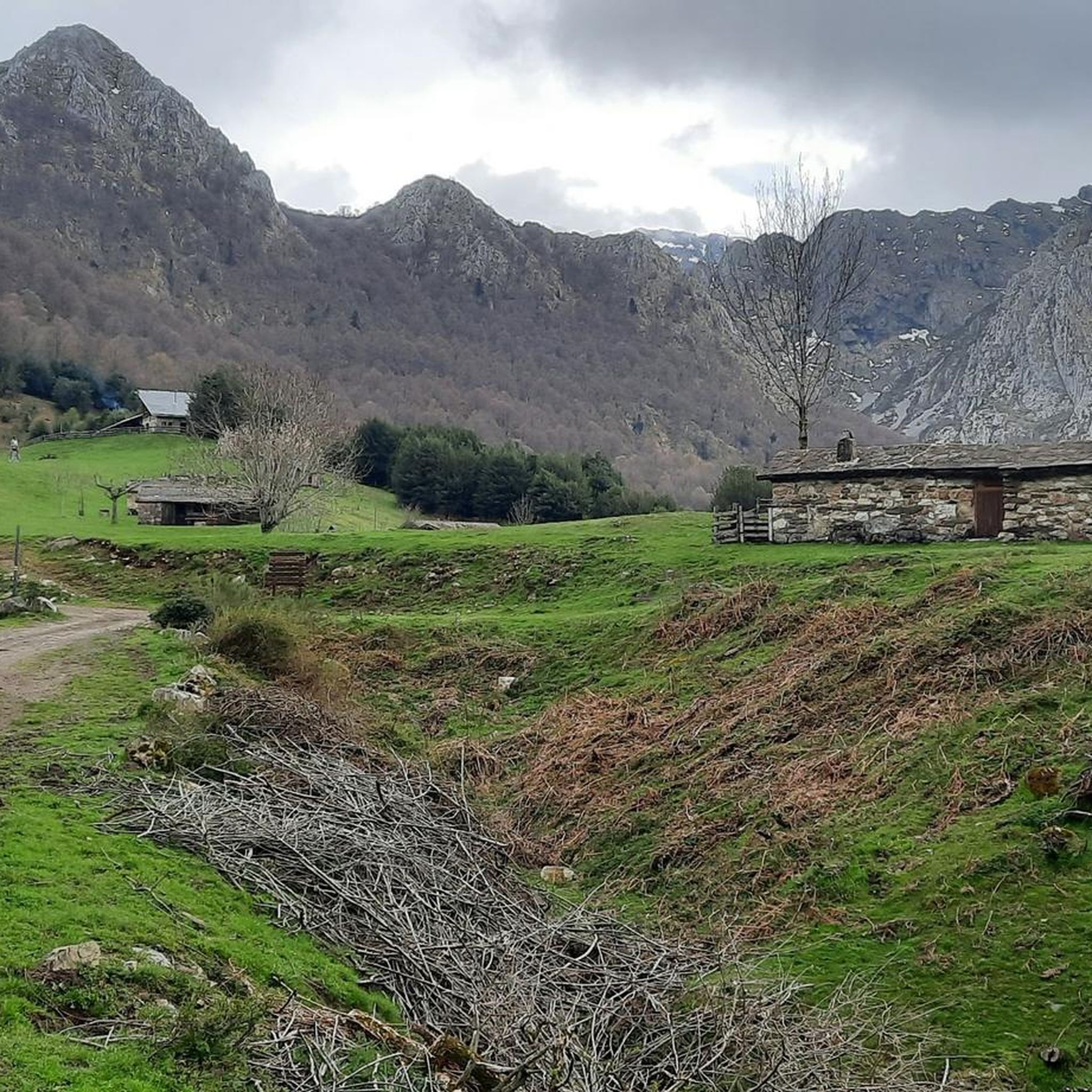
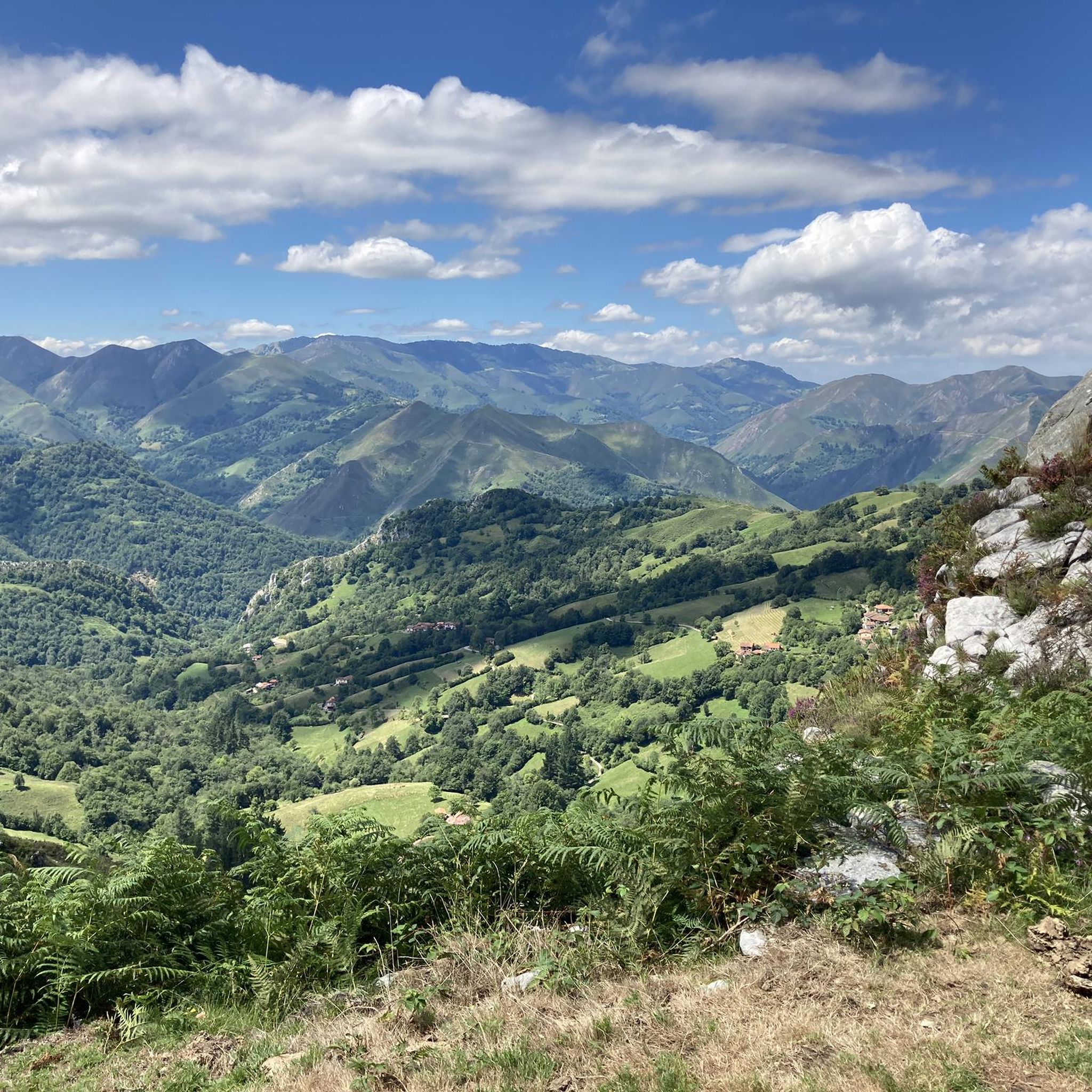
Jogging in Redes offers diverse natural landscapes within a UNESCO Biosphere Reserve, characterized by an extensive network of trails. The region features a "world of water" with numerous rivers, brooks, and waterfalls, alongside dense beech and lime tree forests. Joggers can experience varied terrain, from rolling meadows to gorges and challenging mountain ascents, providing a range of physical activities. This environment supports rich biodiversity and offers a tranquil setting for outdoor exercise.
Best jogging routes in Redes
- The most popular…
Last updated: June 28, 2026
34
runners
14.1km
02:23
830m
830m
Hard run. Very good fitness required. Sure-footedness, sturdy shoes and alpine experience required.
6
runners
12.2km
02:20
820m
820m
Hard run. Very good fitness required. Sure-footedness, sturdy shoes and alpine experience required.

Sign up for free
5
runners
11.6km
01:41
590m
590m
Hard run. Very good fitness required. Mostly paved surfaces. Suitable for all skill levels.
4
runners
12.2km
01:59
620m
620m
Hard run. Very good fitness required. Sure-footedness, sturdy shoes and alpine experience required.
21
runners
17.0km
02:55
1,010m
1,010m
Hard run. Very good fitness required. Sure-footedness, sturdy shoes and alpine experience required.
Get access to more routes and recommendations from other explorers.
Sign up for free
Already have an account?
Our route recommendations are based on thousands of hikes, rides, and runs completed by other people on komoot.
Start today with a free account
Your next adventure awaits.
Login or Signup

Other adventures in Redes

Tips from the Community

Several routes depart from Soto de Agues, including the typical Ruta del Alba.
0
0

Soto de Agues is a town in the council of Sobrescobio, located at 430 m altitude, at the end of one of the branches of the SC-2 road. It is divided into three neighborhoods: San Andrés, Agues and Soto. It preserves good examples of traditional architecture, a church dating from 1805, dedicated to San Andrés, and two hermitages, dedicated to San Antonio and Santa Ana, respectively. It is the starting point of several mountain routes, such as those of the Ruta del Alba (P. R. AS-62) and Cullargayos (P. R. AS-63).
11
0

At this point, a crossroads leaves us with beautiful views of the river and the huts in the area.
1
0
From Soto de Argues you can start several mountain routes. The best known is perhaps the dawn route. A route that runs along paths that are comfortable to walk.
1
0

Different routes of different levels
1
0

A nice circular through the Redes area. You will need about two and a half hours to go up and about an hour and a half to go down.
1
0
Soto de Agues is a small town located in the Asturias region in northern Spain. It is located in the Redes Natural Park, which is known for its beautiful mountainous landscapes, walking trails, and outdoor activities.
2
0
Frequently Asked Questions
How many running routes are available in Redes Natural Park?
Redes Natural Park offers a comprehensive network of trails, with over 40 dedicated running routes. These paths cover a total distance of 200 km, providing a wide array of options for joggers of all levels.
Are there running routes suitable for beginners or those looking for an easier jog?
While many routes in Redes are rated as difficult, there are 9 moderate trails available, offering less strenuous options for those new to running or seeking a more relaxed pace. The park's diverse terrain ensures there's something for everyone.
Can I find circular running routes in Redes Natural Park?
Yes, many of the running routes in Redes are circular, allowing you to start and finish in the same location. For example, the challenging Running loop from Área recreativa de Los Arrudos and the Llagu Colines – Llagu Obia loop from Bueres are popular circular options.
What kind of natural features can I expect to see while jogging in Redes?
Redes Natural Park is a 'world of water,' so you'll encounter numerous brooks, streams, rivers, and impressive waterfalls. The trails also wind through dense beech and lime tree forests, rolling meadows, and offer stunning mountain views. Don't miss the chance to see the magnificent Tabayón del Mongayu Waterfall, especially picturesque in autumn.
Are there any charming villages or historical sites along the running trails?
Absolutely. Many routes start from or pass through ancient villages with traditional thatched stone cottages, such as Soto de Agues Village, Tarna, Bezanes, and Caleao. You might also encounter historical elements like wash houses and hunting huts, adding a cultural dimension to your run.
What is the best time of year to go jogging in Redes Natural Park?
The park is beautiful year-round, but autumn is particularly stunning with the changing foliage, especially along routes like the Tabayón del Mongallu. Spring and summer offer pleasant temperatures for running, while winter can provide a unique, tranquil experience, though some higher trails might be more challenging due to snow.
Are the running routes in Redes dog-friendly?
Redes Natural Park is generally welcoming to dogs, but it's crucial to keep them on a leash to protect the local wildlife and respect other visitors, especially as it's a UNESCO Biosphere Reserve. Always check specific trail regulations before you go.
What do other runners enjoy most about jogging in Redes?
The komoot community highly rates the running experience in Redes, with an average score of 3.0 stars. Runners often praise the overwhelming silence and peacefulness, the diverse natural landscapes, and the chance to immerse themselves in an undisturbed natural setting, which helps reduce stress and boost mood.
Are there any long-distance running options for experienced runners?
Yes, Redes offers several challenging long-distance routes. For instance, the Llagu Colines – Llagu Obia loop from Bueres is a difficult 14.1 km path with significant elevation gain, perfect for those seeking a demanding run through varied landscapes and mountain views.
Where can I park when visiting Redes Natural Park for a run?
Many of the villages that serve as starting points for routes, such as Soto de Agues, Tarna, Bezanes, and Caleao, offer parking facilities. It's advisable to arrive early, especially during peak seasons, to secure a spot.
What are some of the more challenging running routes in Redes?
For experienced runners, routes like the Running loop from Área recreativa de Los Arrudos, an 8.3-mile difficult trail navigating a scenic gorge, or the Soto de Agues Village – Retorturiu Stone Building loop from Sobrescobio, which features significant elevation changes, offer a rewarding challenge.
Are there any viewpoints or scenic spots along the running trails?
Absolutely. The park's diverse terrain includes mountain views and scenic overlooks. The Texu la Oración Viewpoint is a notable spot, and many trails, like the Cabeza de Arco Trail, offer panoramic vistas of the natural landscape.
Most popular attractions in Redes

Get inspired with the komoot mobile app


Explore more
Browse the best Running Trails & Routes in other regions.
