Top 20 Natural Monuments around Parque Natural do Sudoeste Alentejano e Costa Vicentina
Best natural monuments around Parque Natural do Sudoeste Alentejano e Costa Vicentina are found along a protected coastline spanning over 100 km in Portugal. This region is characterized by dramatic steep cliffs, diverse ecosystems, and unique wildlife. It offers a blend of natural beauty, ecological importance, and historical significance, making it a notable destination for nature enthusiasts. The park's landscapes include rugged coastlines, estuaries, and areas where white storks nest on seashore rocks.
Best natural monuments around Parque Natural do Sudoeste Alentejano e Costa Vicentina
- The most popular natural monuments is Cabo de São Vicente Lighthouse, a man-made monument and natural monument that marks the southwesternmost tip of mainland Europe. This promontory features imposing cliffs rising 60 to 80 meters from the Atlantic.
- Another must-see spot is Amado Beach, a beach and natural monument. Visitors can expect a well-known surfing beach with characteristic red rocks at its northern end.
- Visitors also love Malhão Beach, a wide open sandy beach. This natural monument is known for its wild and unspoiled character, appealing to those seeking a remote spot with extensive sand.
- Parque Natural do Sudoeste Alentejano e Costa Vicentina is known for its dramatic coastal cliffs, pristine beaches, and unique estuaries. The region offers a variety of natural monuments to see and explore, from historical capes to diverse marine habitats.
- The natural monuments around Parque Natural do Sudoeste Alentejano e Costa Vicentina are appreciated by the komoot community, with 952 upvotes and 799 photos shared across 125 highlights.
Last updated: July 11, 2026
Cabo de São Vicente Lighthouse
Highlight • Monument
Wild, windy, and imposing, this promontory of steep cliffs plunges into the Atlantic, crowned by one of Europe's most powerful lighthouses.
Called by the Romans Promontorium Sacrum, the "end of the world" was for centuries a sacred place, shrouded in legends and mysteries. Today, it remains a pilgrimage point for sailors, hikers, and dreamers, where the horizon seems to dissolve into infinity.
Showing Translation
Tip by

Amado Beach
Highlight • Beach
Translated by Google •
Tip by

Sign up now to discover places like this
Get recommendations on the best single tracks, peaks, & plenty of other exciting outdoor places.
Sign up for free
Pessegueiro Island Beach
Highlight • Beach
The 1755 earthquake caused significant damage to this group of fortresses, and although classified as national monuments, they are being abandoned.
The fort has no opening times to the public.
There are fantastic sunsets.
Translated by Google •
Tip by

Malhão Beach
Highlight • Beach
Translated by Google •
Tip by

Engardaceira Beach
Highlight • Beach
Translated by Google •
Tip by

Sign up for free to discover even more natural monuments around Parque Natural do Sudoeste Alentejano e Costa Vicentina.
Sign up for free
Already have an account?
Start today with a free account
Your next adventure awaits.
Login or Signup
Popular around Parque Natural do Sudoeste Alentejano e Costa Vicentina
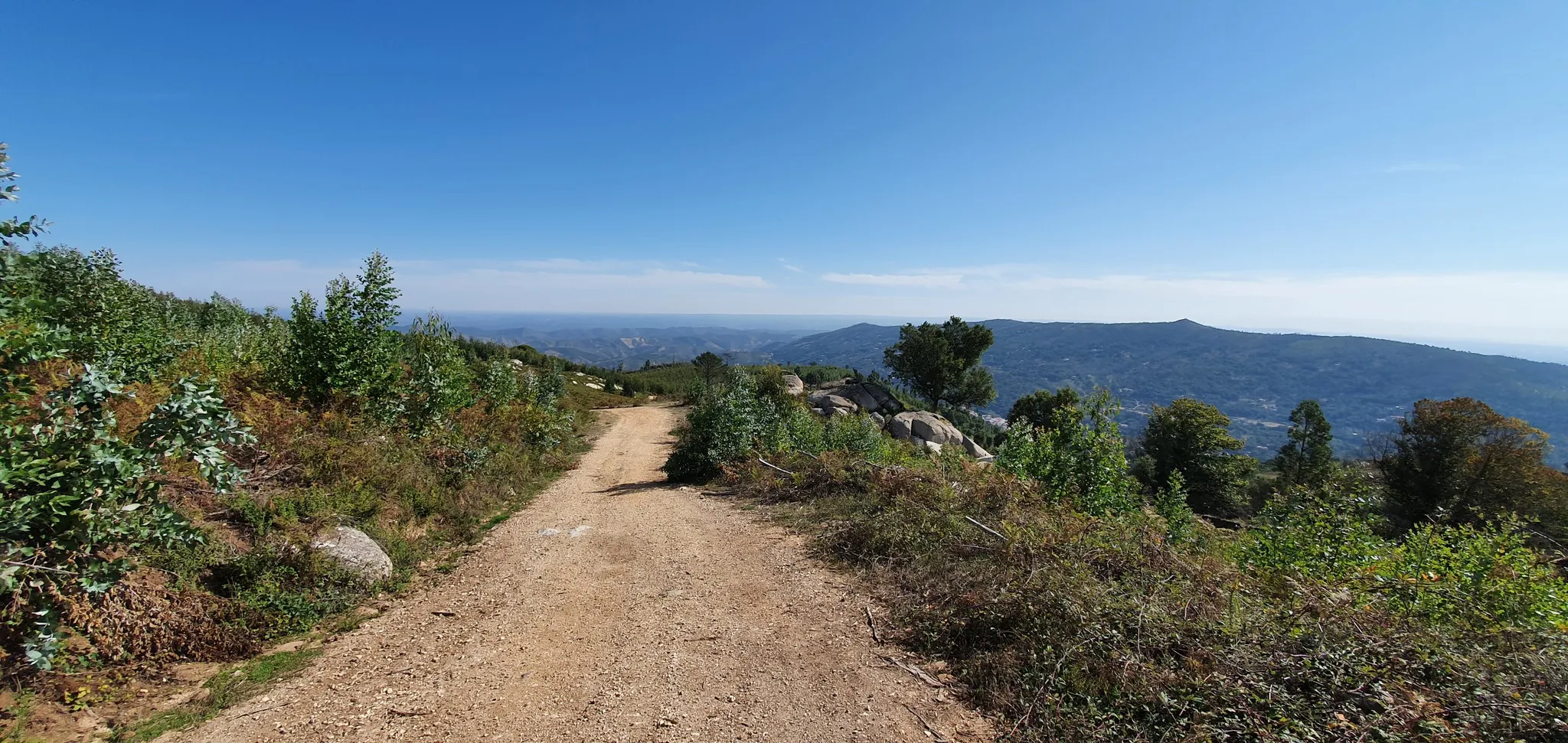
Via Algarviana (GR 13) - hidden corners of the south
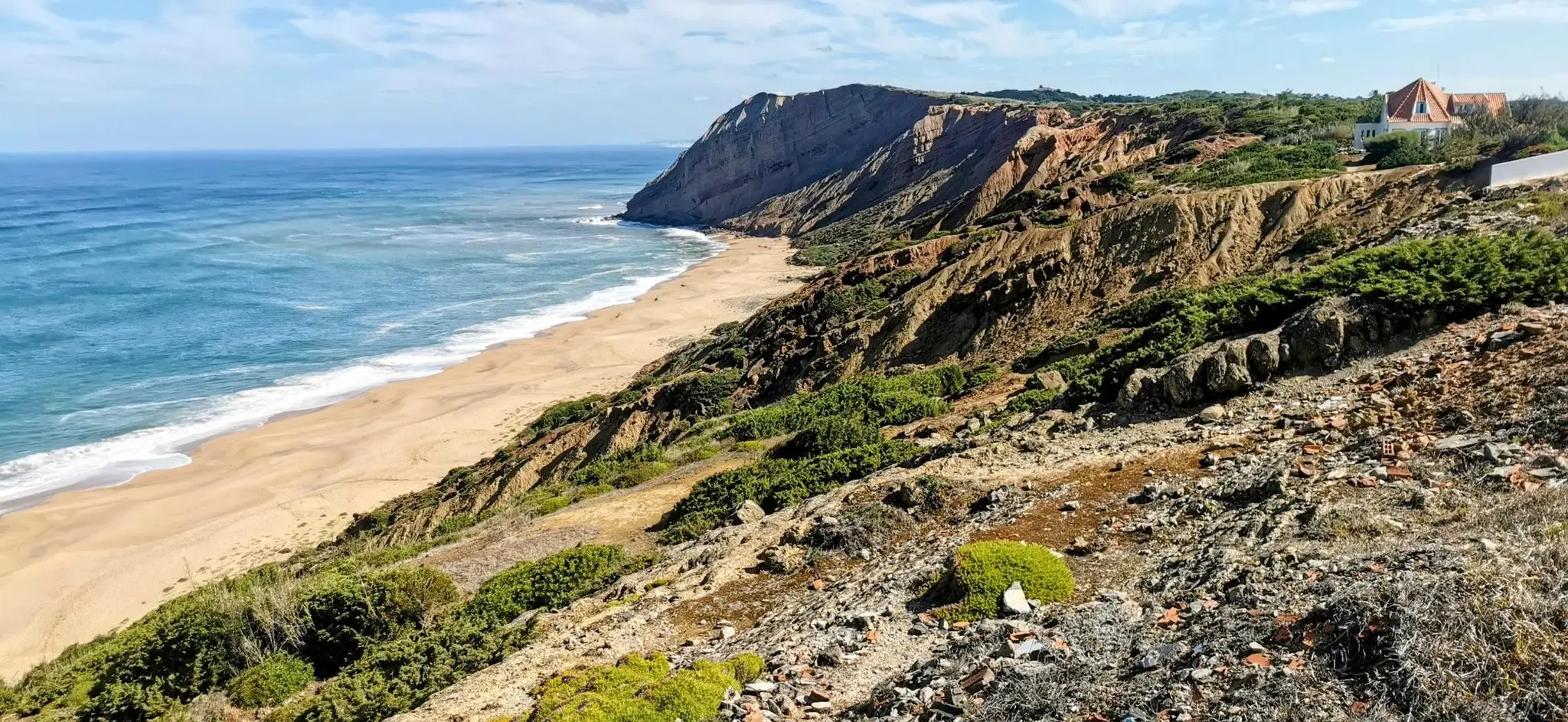
EuroVelo 1 Portugal – Cycle the Atlantic Coast
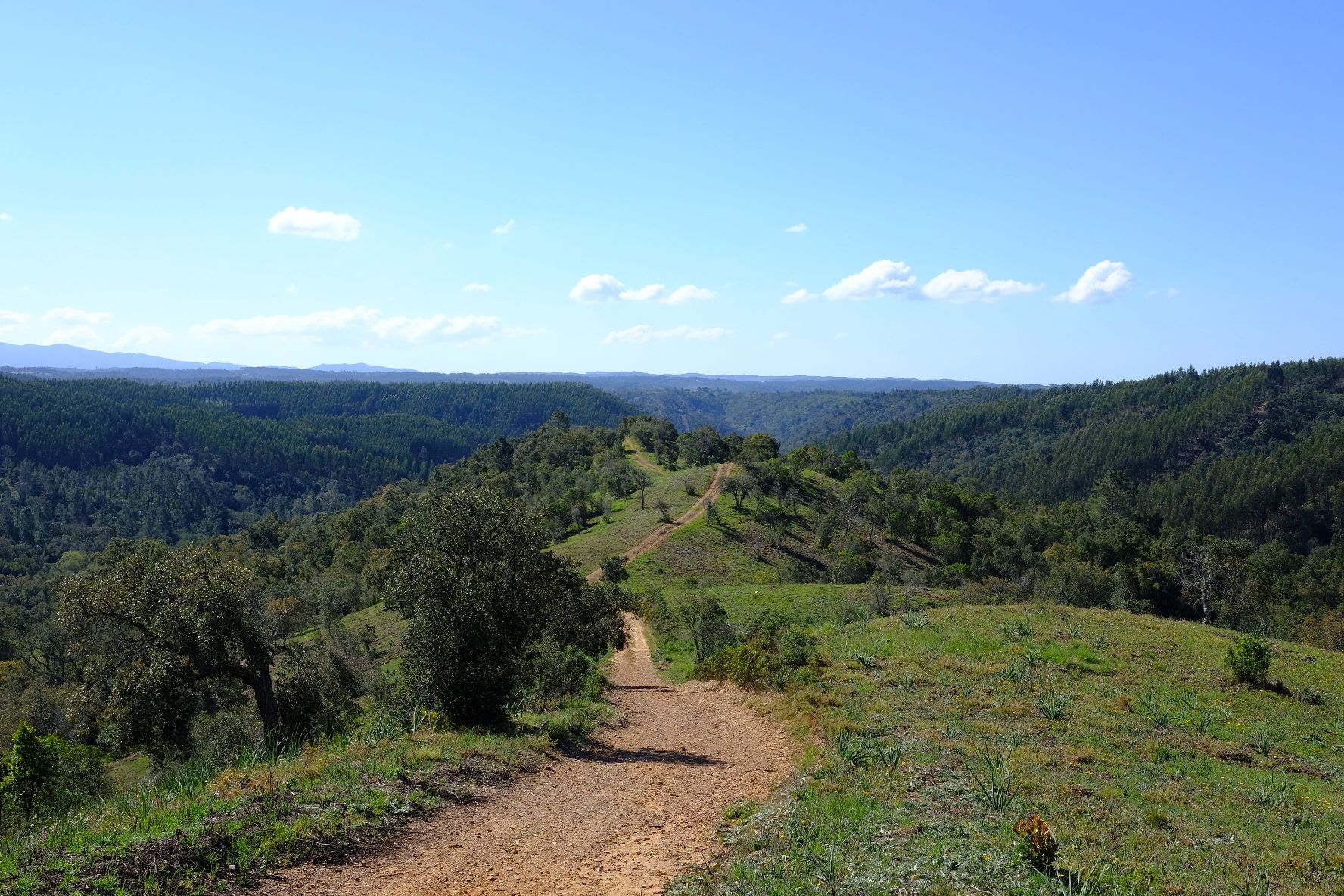
Caminho Histórico – Discover Portugal's beauty and history
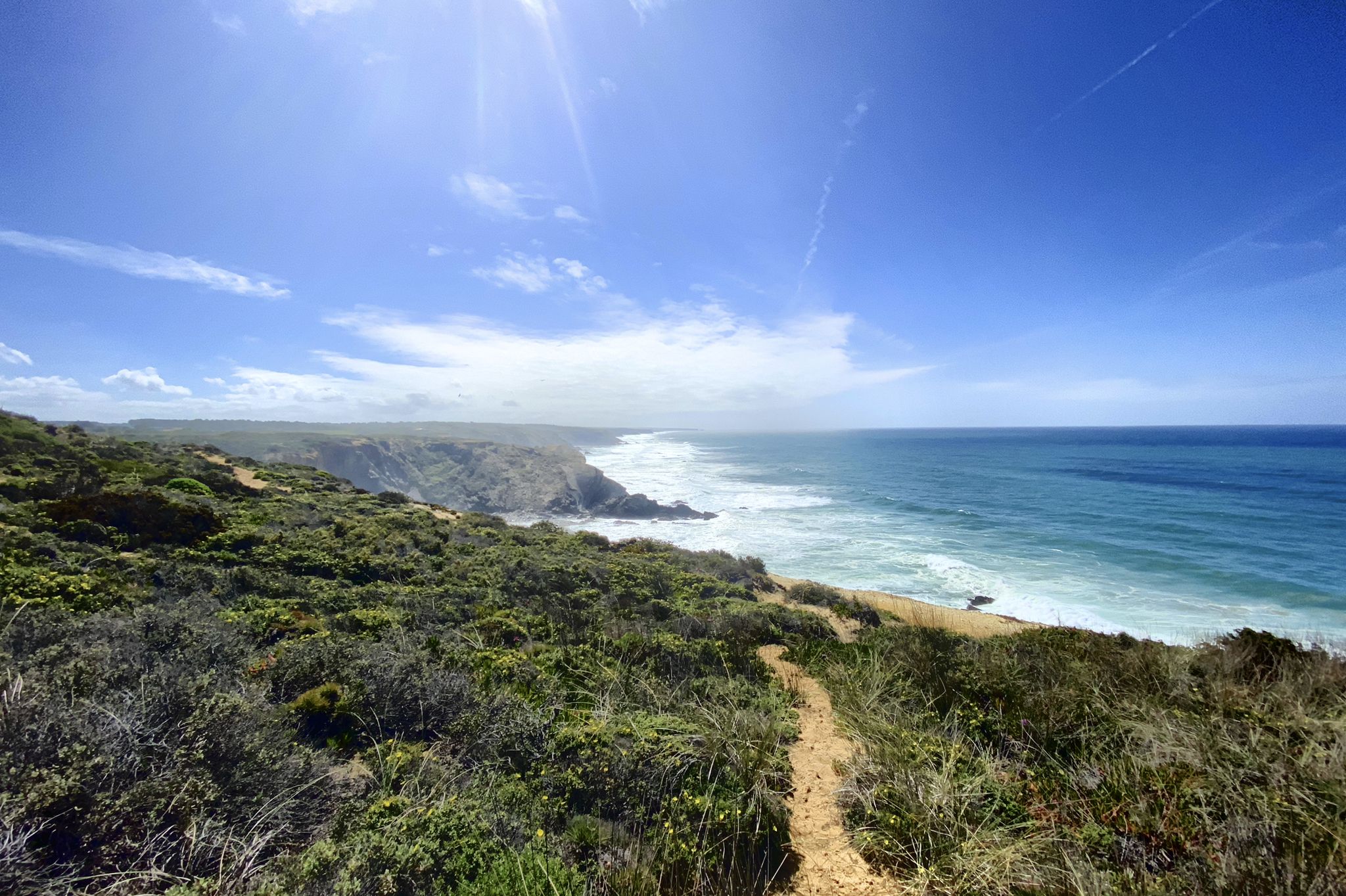
Trilho dos Pescadores – Portugal's Fishermen's Trail
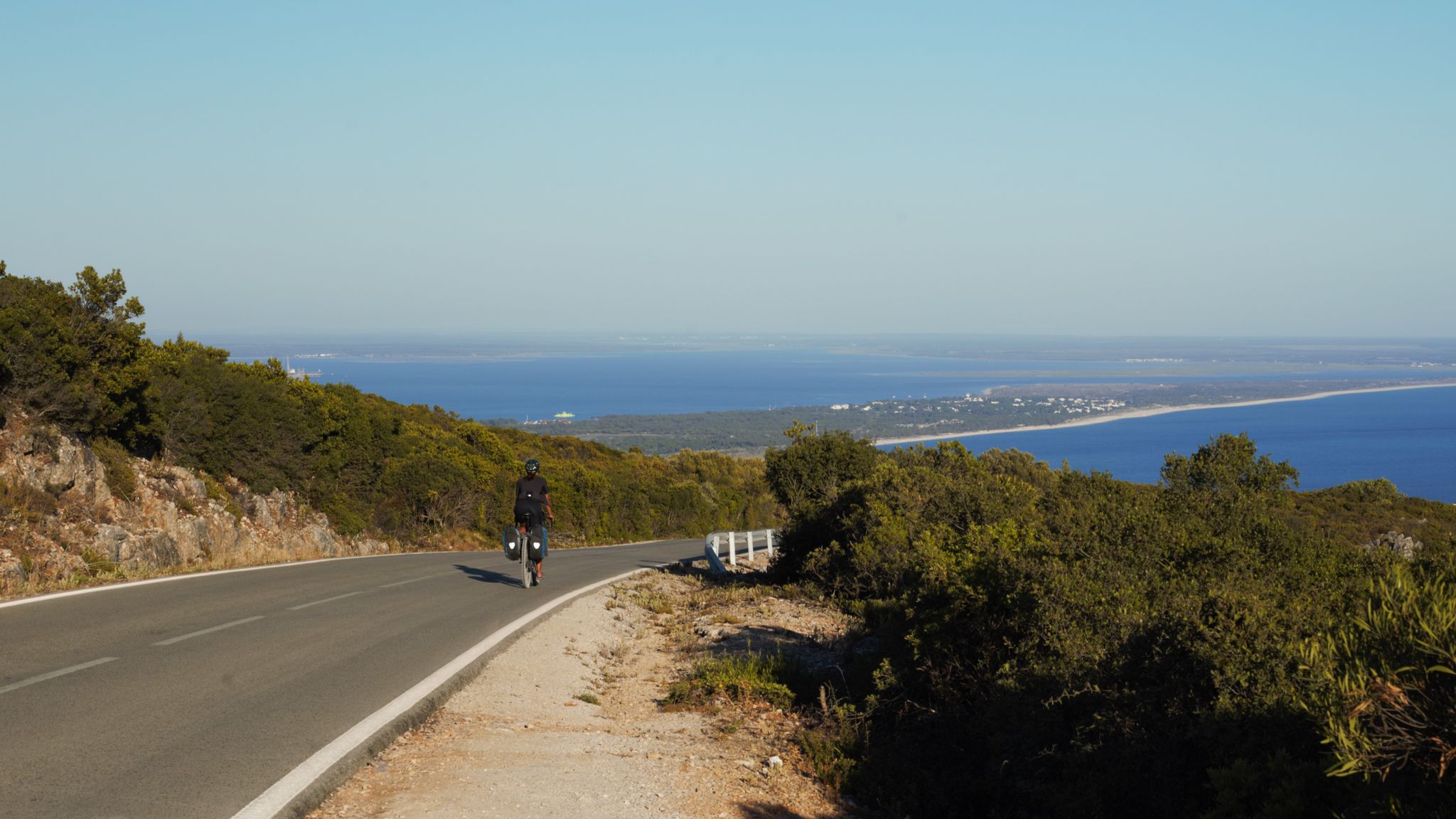
The breaking waves – cycle along the Atlantic coast of Portugal
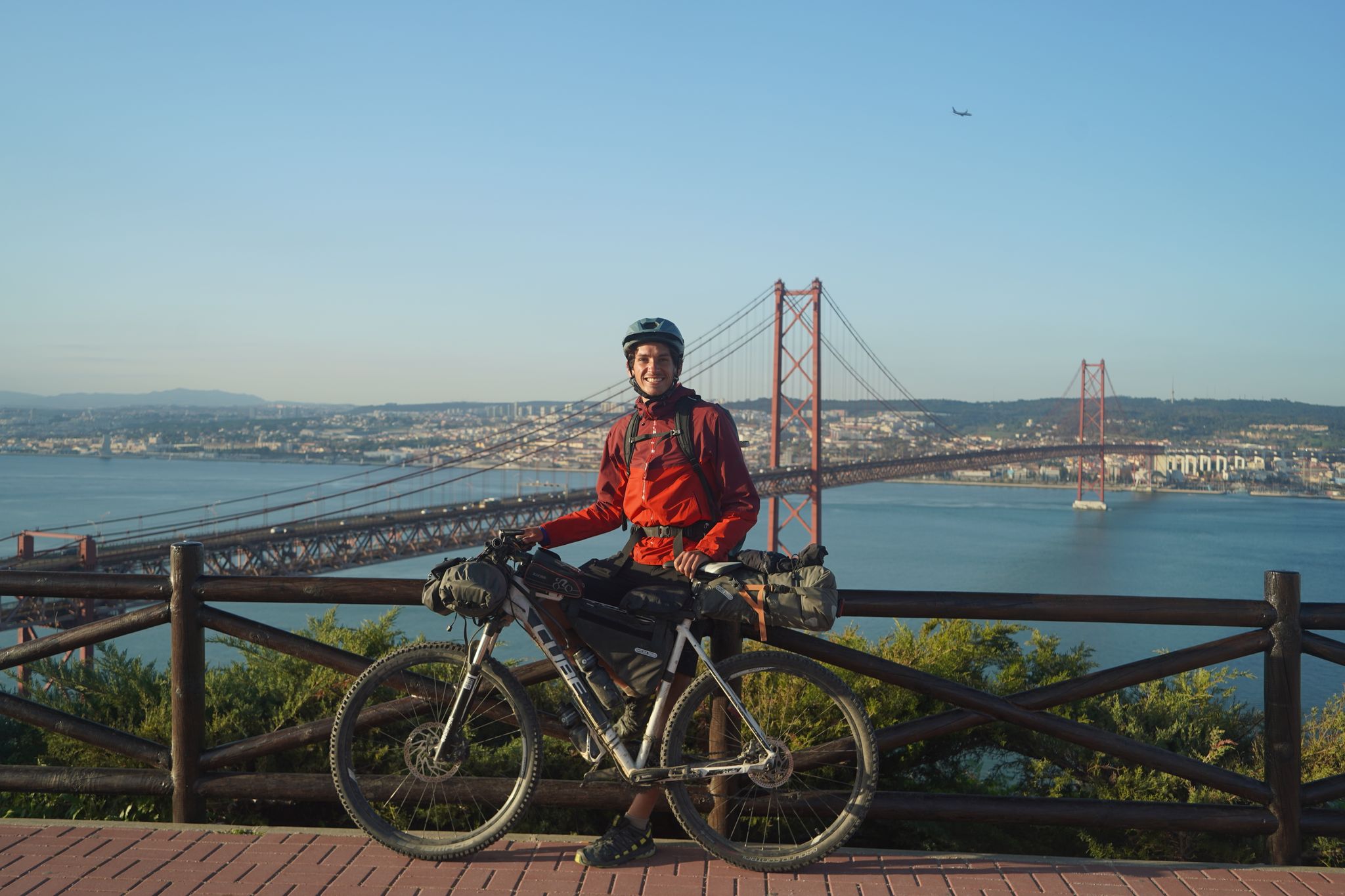
Road to Lisbon – bikepacking the Alps, Pyrenees and Picos de Europa
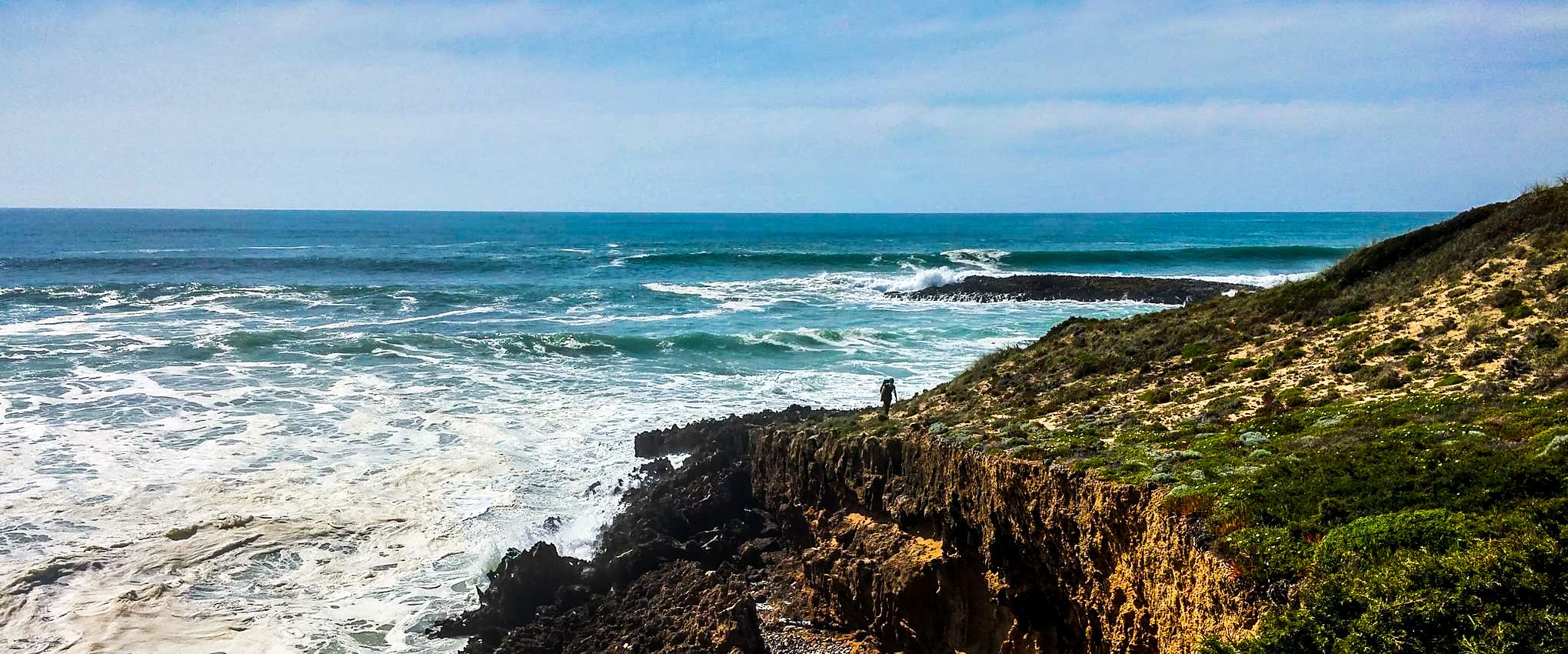
Fishermen's Trail – Discover Portugal's Atlantic Coast
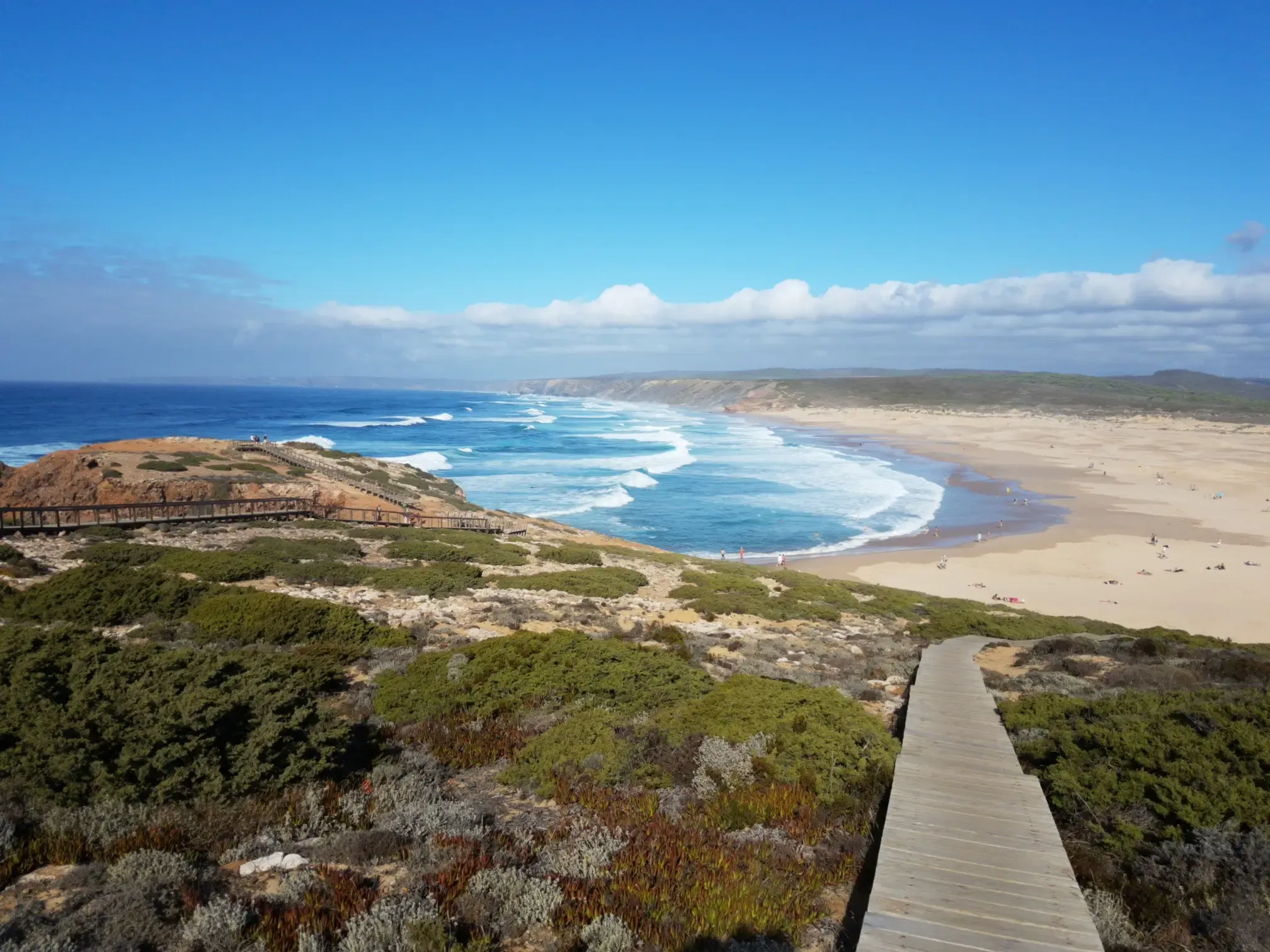
Lisbon to Santo António – The Atlantic Coast of Portugal (south)
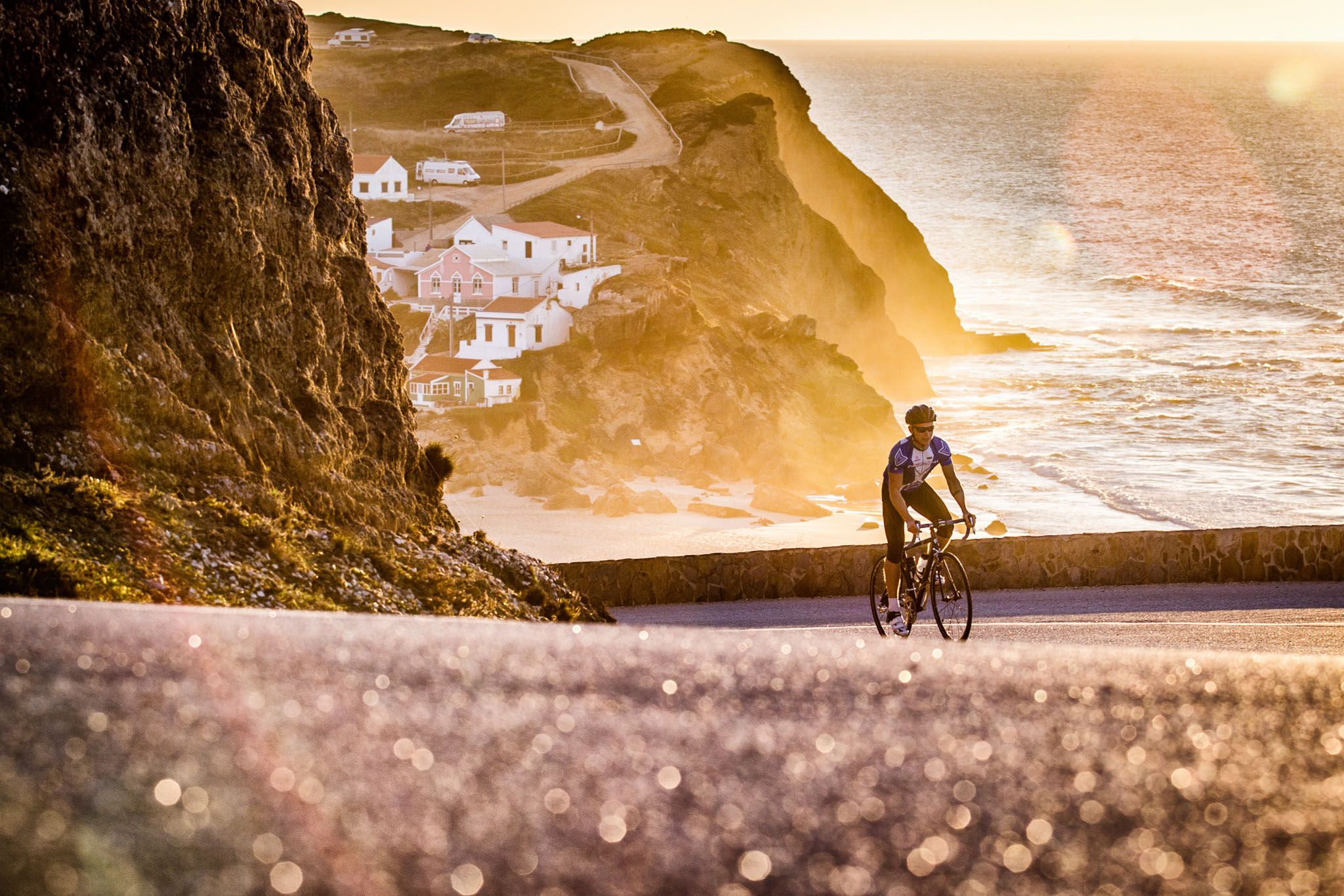
Sun, cliffs and endless roads in the Algarve
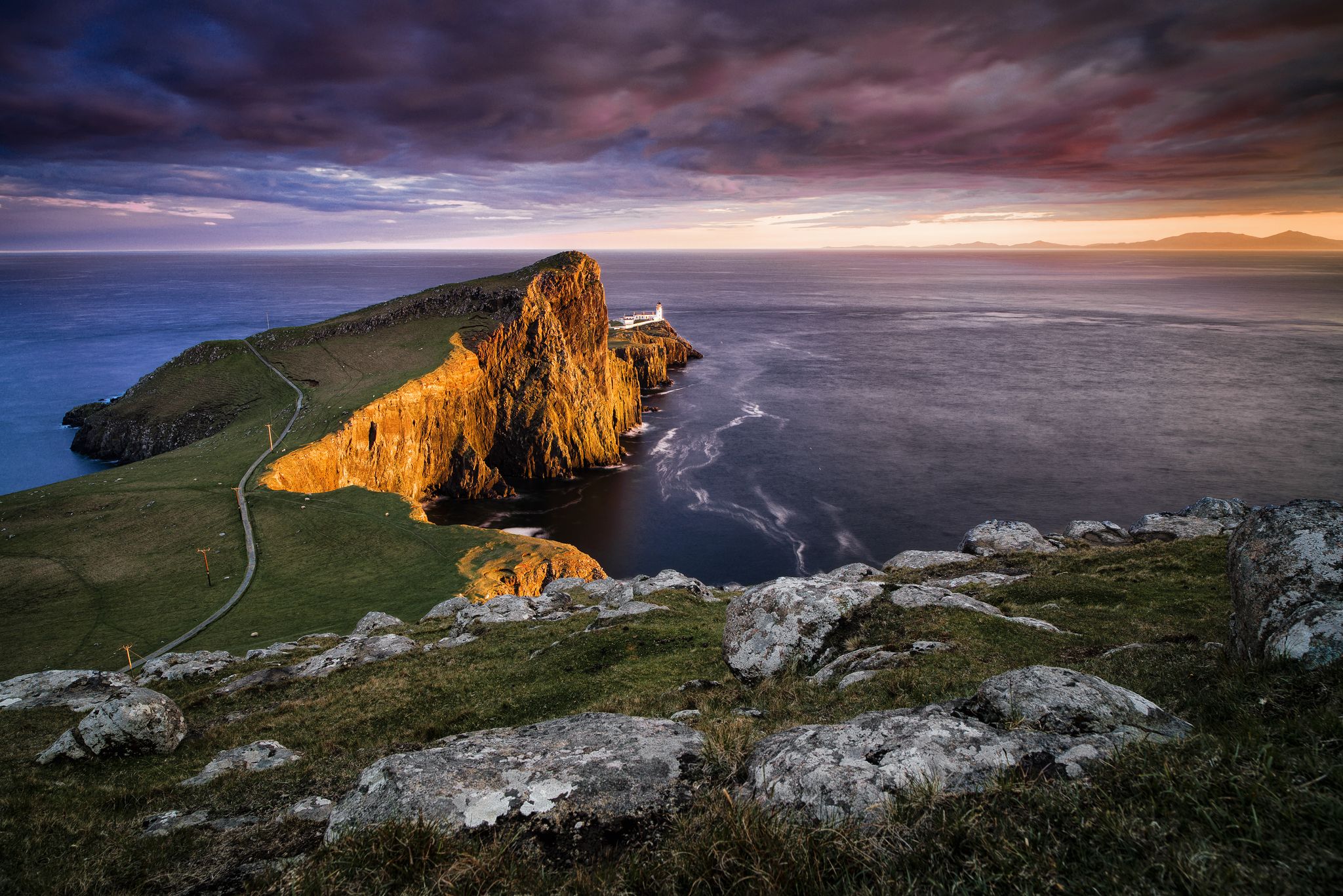
Epic sunset spots in Western Europe
Other adventures around Parque Natural do Sudoeste Alentejano e Costa Vicentina


Tips from the Community

Five kilometers from Sagres rises the mythical Cabo de São Vicente, the last gaze of land for explorers setting off towards the unknown of the vast ocean. Wild, windy, and imposing, this promontory of steep cliffs plunges into the Atlantic, crowned by one of Europe's most powerful lighthouses. Called by the Romans Promontorium Sacrum, the "end of the world" was for centuries a sacred place, shrouded in legends and mysteries. Today, it remains a pilgrimage point for sailors, hikers, and dreamers, where the horizon seems to dissolve into infinity.
2
0

Gorgeous bay on the Fisherman's Trail. Strenuous but incredibly rewarding trails in beautiful Portugal 🇵🇹👣
1
1

Pessegueiro Island The Romans constructed the first buildings on the island in the mid-1st century. The Roman ruins at the southern tip of the island were excavated between 1980 and 1984. Rectangular buildings, some with two or more interior rooms, and two circular floor plans are evident. A bread oven and a metal melting furnace are recognizable by the holes in the rammed earth floor. Fish processing basins, as well as a bathing facility, date from the 3rd or 4th century.
3
0

The beach is part of the Fisherman's Path, which begins not far from here. Early in the morning in May, a seemingly endless line of hikers moves across the beach.
2
0

Wonderful view of the bay. Lots of great views along the beautiful Rota Vincenta.
1
1

The Praia do Malhão is wide open sandy beach just over 5km to the north of Vila Nova de Milfontes. Set within the Southwest Alentejo Natural Park development here is prohibited so this is as wild and unspoiled beach as you will find on this coast. This beach will appeal to beachgoers seeking a relatively remote spot with plenty of empty space not those expecting all the facilities close at hand. There are no cafes, lifeguards or sun-loungers here, just endless sand. What you will often find here are a handful fishermen and towards the northern end of the beach a few naturists. Exposed to the full power of the Atlantic waves Praia do Malhão is also a popular spot with surfers given the right conditions. The southern end of Praia do Malhão becomes separated towards high tide by a rock formation known as the Galés, in fact this beach is sometimes called Praia das Galés. Here the sand dunes give way to gently sloping cliffs giving the beach a different character and some protection from the breeze.
3
1
Pessegueiro Island Beach is located opposite the island that gives it its name, where there are traces of a very ancient occupation, such as the fish salting factory from Roman times, which is thought to be the origin of its name, derived from the Latin "piscatorius". During the summer, several boats offer tours of the island, crossing the channel that was used as a safe haven by the Romans and Carthaginians and which today offers excellent conditions for water sports such as windsurfing, canoeing and diving.
9
1

Beautiful beach below the fort, ideal for watching the roaring sea & taking great photos.
9
2
Frequently Asked Questions
What are some unique natural features to see in the Parque Natural do Sudoeste Alentejano e Costa Vicentina?
The Parque Natural do Sudoeste Alentejano e Costa Vicentina is renowned for its dramatic steep cliffs, diverse ecosystems, and unique wildlife. A globally unique phenomenon is the presence of white storks nesting on seashore rocks and coastal cliffs, particularly around Cabo Sardão. The region also features the almost pristine Mira River Estuary, which boasts high biodiversity, and is one of the last places in Europe where marine otters can be found in their natural habitat.
Which are some of the most popular natural monuments to visit in the region?
Among the most appreciated natural monuments are Cabo de São Vicente Lighthouse, marking the southwesternmost tip of mainland Europe with its imposing cliffs. Amado Beach is a well-known surfing beach with characteristic red rocks, and Malhão Beach offers a wide, unspoiled sandy expanse.
Are there any historical sites associated with the natural monuments in this region?
Yes, several natural monuments have significant historical connections. Cape São Vicente was considered the "end of the known world" until the 14th century and holds strategic importance from the Age of Discoveries. The Sagres Promontory, near Cape São Vicente, was pivotal for Prince Henry the Navigator's nautical school in the 15th century and features archaeological remains including megalithic-era menhirs. Additionally, Pessegueiro Island Beach is opposite an island with traces of ancient Roman occupation and the remains of Fort Santo Alberto.
Are there family-friendly natural monuments to visit?
Many natural monuments in the region are suitable for families. Cabo de São Vicente Lighthouse offers stunning views and a sense of history. Beaches like Amado Beach and Pessegueiro Island Beach are also categorized as family-friendly, providing space for relaxation and exploration.
What is the best time of year to visit the natural monuments in the Parque Natural do Sudoeste Alentejano e Costa Vicentina?
The region is beautiful year-round, but for birdwatching, especially to see white storks nesting, early morning and late afternoon during their nesting season are ideal. The spring and autumn months generally offer pleasant temperatures for exploring the coastline and its natural features, avoiding the peak summer heat and crowds.
What outdoor activities can I do near these natural monuments?
The area offers a wide range of outdoor activities. You can find numerous trails for mountain biking, running, and road cycling. For example, there are challenging MTB loops around Cabo de São Vicente Lighthouse, moderate running routes like the 'Pontal da Carrapateira' circular route, and scenic road cycling routes from Salema. You can explore more options on the dedicated guides for MTB Trails, Running Trails, and Road Cycling Routes in the region.
Where can I observe unique wildlife, like white storks or marine otters?
To observe white storks nesting on seashore rocks, head to areas around Cabo Sardão. This is the only place in the world where they exhibit this unique behavior. For marine otters, while elusive, the rugged coastline with its caves and rocky crevices provides ideal habitats. The Mira River Estuary is also a prime location for birdwatching and observing diverse aquatic life due to its high biodiversity.
Are there any less-known or wilder natural monuments to explore?
If you're seeking a wilder experience, Malhão Beach is known for its unspoiled character and extensive sand, offering a relatively remote spot away from crowds. The natural park itself, being a protected area, ensures many areas retain their wild essence, inviting exploration of its diverse coastal landscapes.
What do visitors enjoy most about the natural monuments in the Parque Natural do Sudoeste Alentejano e Costa Vicentina?
Visitors frequently praise the breathtaking panoramic views, especially at sunset, from locations like Cabo de São Vicente. The powerful Atlantic waves and the opportunity to watch surfers at beaches like Amado Beach are also highly enjoyed. The wild and unspoiled nature of the beaches, such as Malhão Beach, is a significant draw for those seeking tranquility and natural beauty.
Are there natural monuments with easy access or parking facilities?
Yes, many popular natural monuments offer convenient access. For instance, Cabo de São Vicente Lighthouse has parking available just a few meters from the complex. While some wilder beaches might require a short walk, main attractions are generally accessible by vehicle with nearby parking options.
Can I bring my dog to the natural monuments or trails in the park?
While the Parque Natural do Sudoeste Alentejano e Costa Vicentina is a natural area, specific rules regarding dogs can vary. Generally, dogs are permitted on many trails and in natural areas, but it's crucial to keep them on a leash to protect wildlife and ensure the safety of other visitors. Access to certain beaches or protected nesting sites might be restricted, especially during breeding seasons. Always look for local signage or check with park authorities for the most current regulations.
Most popular routes around Parque Natural do Sudoeste Alentejano e Costa Vicentina
Most popular attractions around Parque Natural do Sudoeste Alentejano e Costa Vicentina

Get inspired with the komoot mobile app


Explore more
Extend your search for the best caves by checking out these guides of the top ones around Parque Natural do Sudoeste Alentejano e Costa Vicentina:
