Top 7 Natural Monuments around Baerler Busch
Best natural monuments around Baerler Busch include a diverse landscape shaped by its ice-age dune formations and heath forest. This recreational area, spanning parts of Duisburg, Moers, and Rheinberg, features sandy terrain, distinct flora, and several lakes. It offers a variety of natural features and points of interest for outdoor enthusiasts. The area is characterized by its unique topography and provides a tranquil environment for various activities.
Best natural monuments around Baerler Busch
- The most popular natural monument is View…
Last updated: June 27, 2026
View of 'Das Geleucht' on the Halde Rheinpreußen
Highlight • Viewpoint
Translated by Google •
Tip by

Shooting galleries from the Belgian occupation 1918-26
Highlight • Historical Site
Translated by Google •
Tip by

Sign up now to discover places like this
Get recommendations on the best single tracks, peaks, & plenty of other exciting outdoor places.
Sign up for free
Historic Border Fortification Between Repelen and Baerl
Highlight • Historical Site
During the occupation of the Rhineland between 1918 and 1926, Belgian occupation troops stationed in the Rheinkamp area maintained a shooting …
Translated by Google •
Tip by
Earthworks and Ditches from the 17th Century
Highlight • Historical Site
Translated by Google •
Tip by
Ice Age Parabolic Dune
Highlight • Natural Monument
Translated by Google •
Tip by
Sign up for free to discover even more natural monuments around Baerler Busch.
Sign up for free
Already have an account?
Start today with a free account
Your next adventure awaits.
Login or Signup
Tips from the Community

The forest here still has a true jungle feel in parts, although this is probably not accurate. However, there is quite dense undergrowth...
0
0

Traces of an unpleasant past that one usually passes carelessly. Very interesting explanatory signs were posted here at times.
0
0

(Station of the "Historical Trail in the Baerl Woods") During the occupation of the Rhineland between 1918 and 1926, Belgian occupation troops stationed in the Rheinkamp area maintained a shooting range with barracks at Bernshof on the Bernsberg hill. This rampart and ditch, which runs around the Bernsberg, is already documented on the Prussian map of 1891/1912, but is considerably older. The rampart and ditch run along the border of the former municipalities of Baerl and Repelen and extend from the railway embankment west of this point on the southern side of the Bernsberg (a glacial crescent dune) to Bernshof, where an equestrian center now stands. It seems likely that the border fortification was built in the 17th century. The rampart and ditch, now hidden under leaves and vegetation, remind us how wonderful it is to live together peacefully without borders.
4
0

Unfortunately there is nothing more to see here, but there is a beautiful small forest path as an alternative somewhat parallel to the main path
1
0

The Geläucht is always worth a visit.
7
0
In this area, the path repeatedly crosses the ramparts and ditches of a forest enclosure dating back to the 17th century, according to initial archaeological estimates. In the absence of wire mesh, newly planted trees were surrounded by stick and thorn hedges on ramparts to protect them from browsing by game.
1
0
Crescent-shaped dune blown up by westerly winds from sand from the Rhine glacial valley, which was largely dry during the Ice Age winter. Despite its shape, it is not a crescent dune, but a so-called parabolic dune, the crescent ends of which are not in the direction of the wind, but opposite to the direction of the wind, because the middle part advances faster. The path leads up the steep eastern flank. Currently very overgrown with blackberries.
2
0
The sand-covered trenches, breastworks, earthworks, trenches, and foxholes visible here in the landscape were constructed by Belgian soldiers stationed in Baerl during the occupation of the Rhineland (1918-26) as a trench warfare training ground in the "Rehwiese" clearing, a popular destination for outings in the 1920s. Before the war, hundreds of weekend visitors from the steamboat landing would come here on fine days. After the troops withdrew, the coal mine reforested the area against the wishes of the residents of Baerl. According to accounts, in March 1945, the Americans advancing from Moers were fired upon from the remaining trenches. Further details can be found in "Dispargum 8" published by the Duisburg City Archaeology Department. Today, the area is densely wooded, and birdsong replaces gunfire. It is a place of learning that makes one realize how beautiful it is to live in peace.
4
0
Frequently Asked Questions
What unique natural features can I explore in Baerler Busch?
Baerler Busch is characterized by its unique ice-age dune landscape and heath forest. You can also find several renatured lakes, such as Lohheider See and Waldsee, which offer picturesque views and recreational opportunities. A notable geological formation is the Ice Age Parabolic Dune, formed by westerly winds from sand during the Ice Age.
Are there historical sites integrated with the natural monuments in Baerler Busch?
Yes, Baerler Busch features several historical sites that have become part of the natural landscape. These include the Historic Border Fortification Between Repelen and Baerl, a rampart and ditch dating back to the 17th century, and the Shooting galleries from the Belgian occupation 1918-26, which were trench warfare training grounds now reforested.
What kind of trails are available for exploring the natural monuments?
The area offers an extensive network of cycling, hiking, and riding trails. The sandy terrain of the ice-age dune landscape makes for soft paths ideal for walking. You can find various routes, including easy hikes around Baerler Busch, such as the 'Baerler Busch – Waldsee Baerl loop' or the 'Baerler Busch Forest Trail loop'. For more options, explore the easy hikes guide.
Are there any family-friendly natural monuments or activities in Baerler Busch?
Many areas within Baerler Busch are suitable for families. The View of 'Das Geleucht' on the Halde Rheinpreußen is considered family-friendly and offers panoramic views. The Waldsee also features a sandy beach, making it a pleasant spot for families to relax by the water. The soft, sandy paths throughout the heath forest are generally easy to navigate for walks with children.
What is 'Das Geleucht' and where can I see it?
'Das Geleucht' is an art installation resembling a miner's lamp, located on Halde Rheinpreussen, adjacent to Baerler Busch. It's a significant landmark that lights up at night, symbolizing the region's mining history. The View of 'Das Geleucht' on the Halde Rheinpreußen offers panoramic views from its location.
Can I go swimming or relax by the water in Baerler Busch?
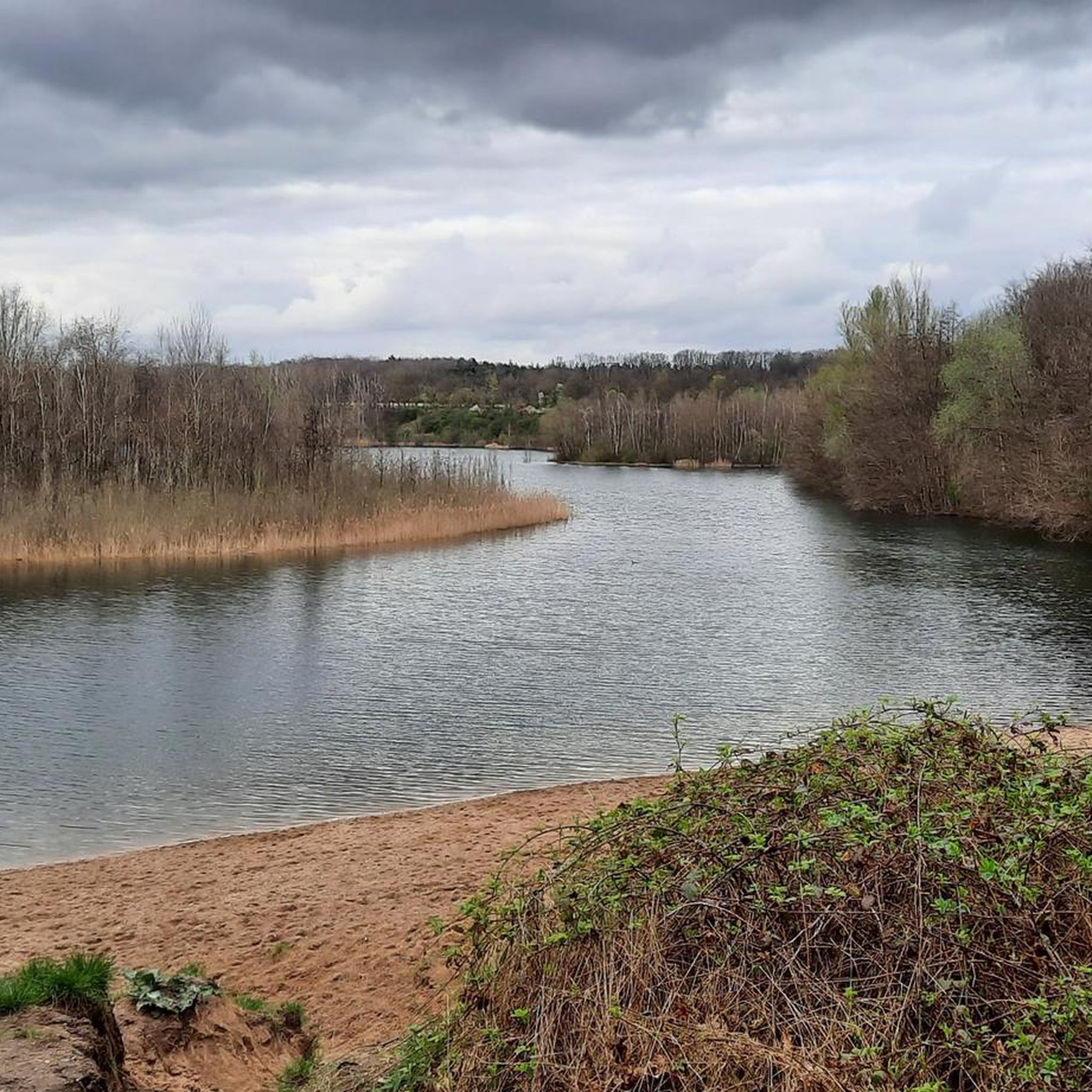
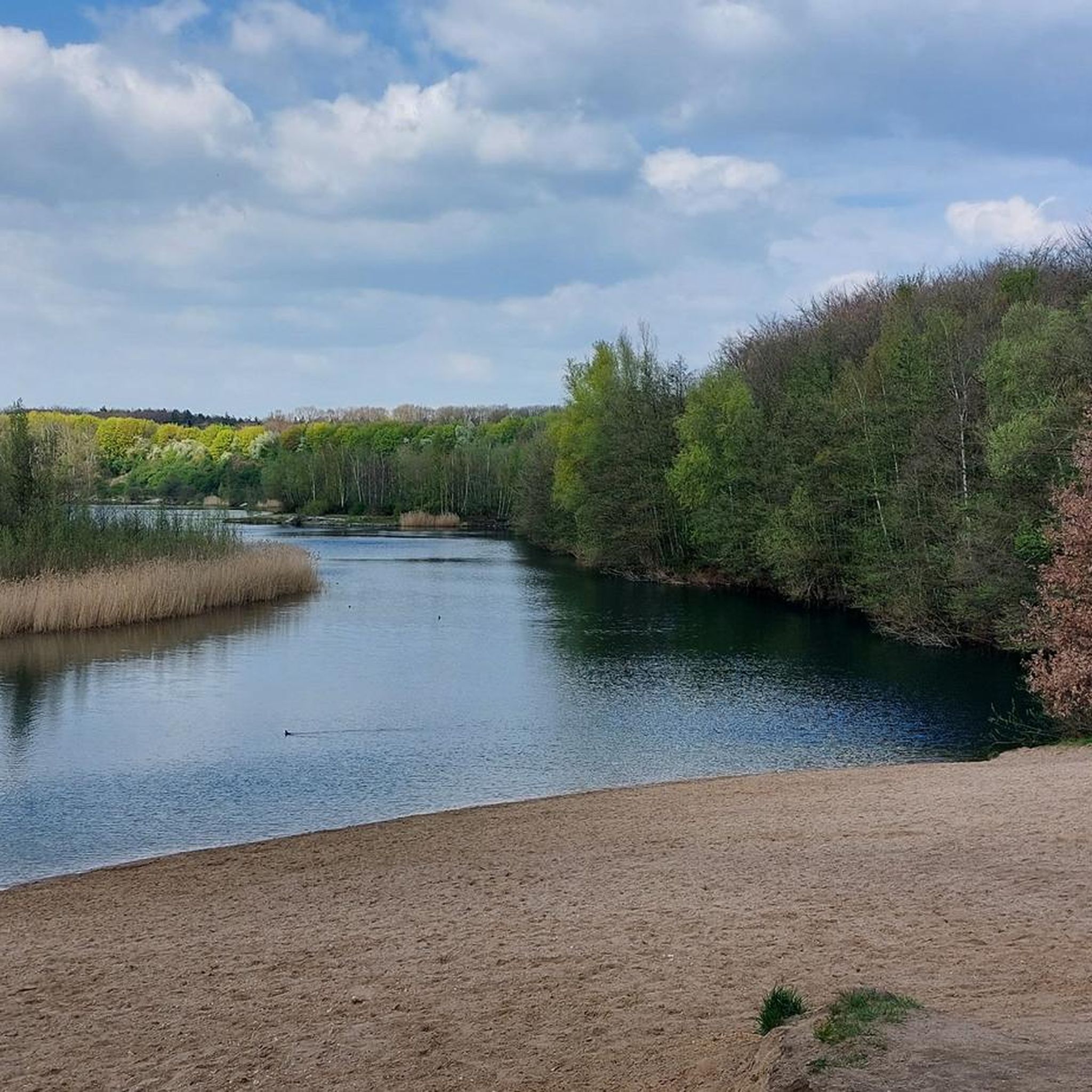
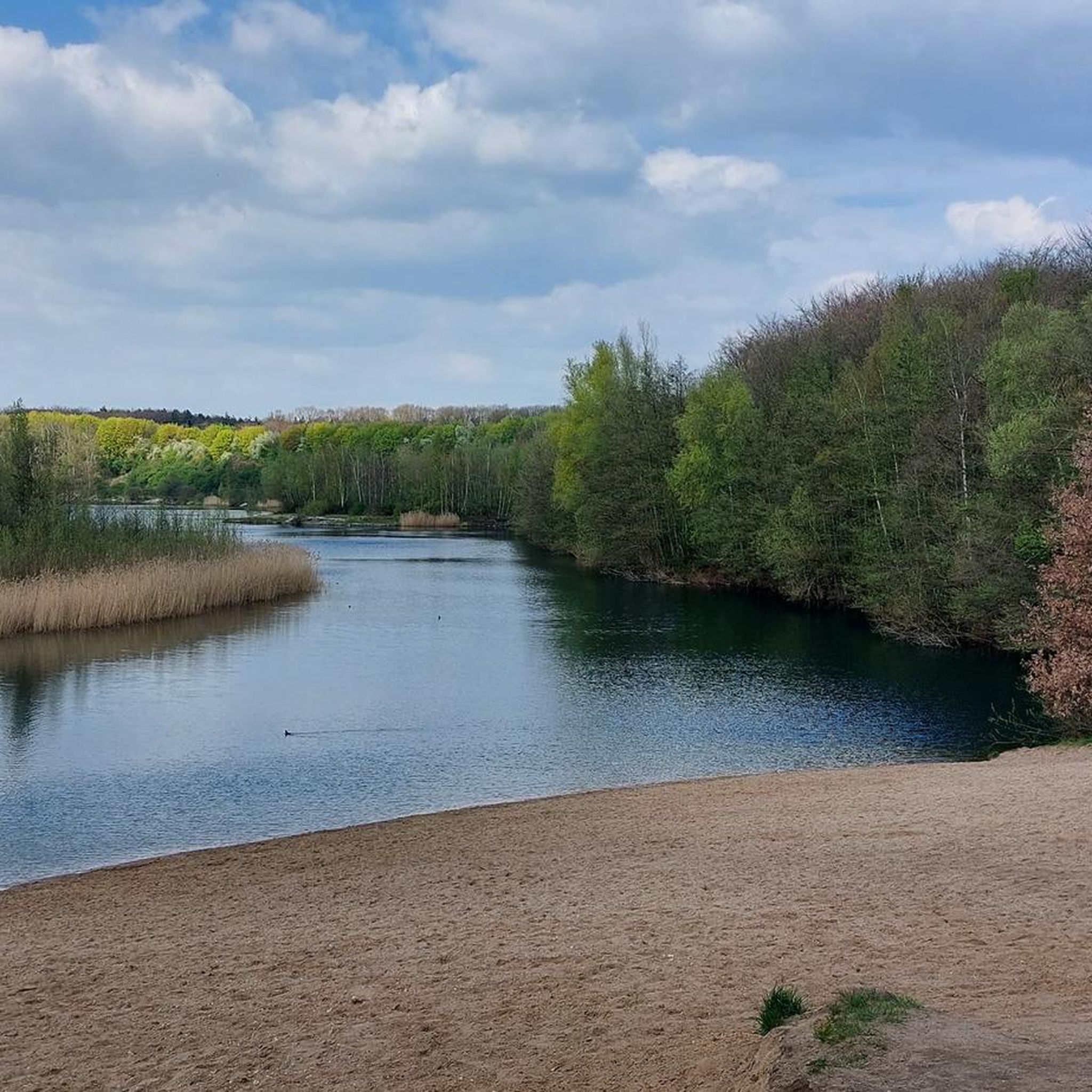
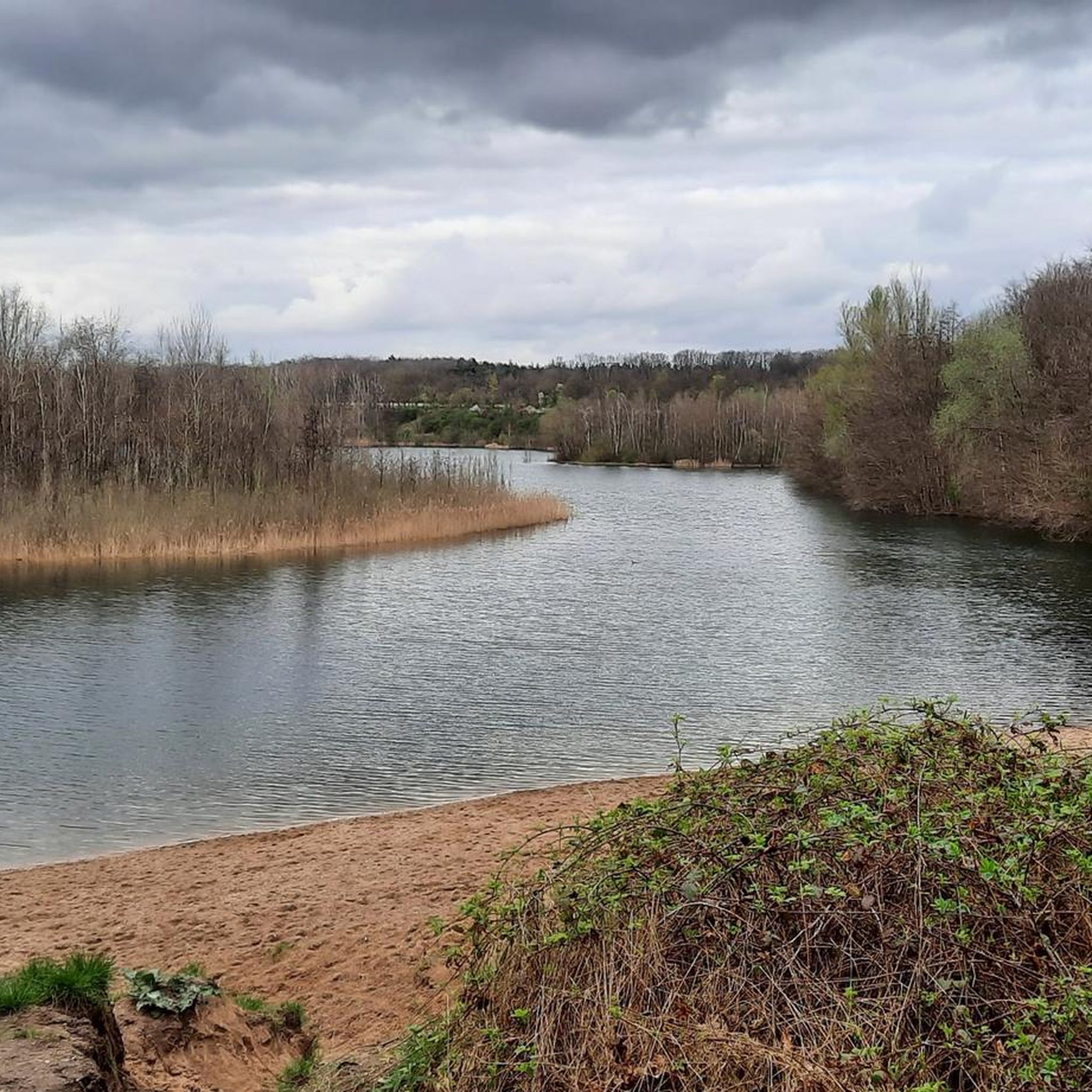
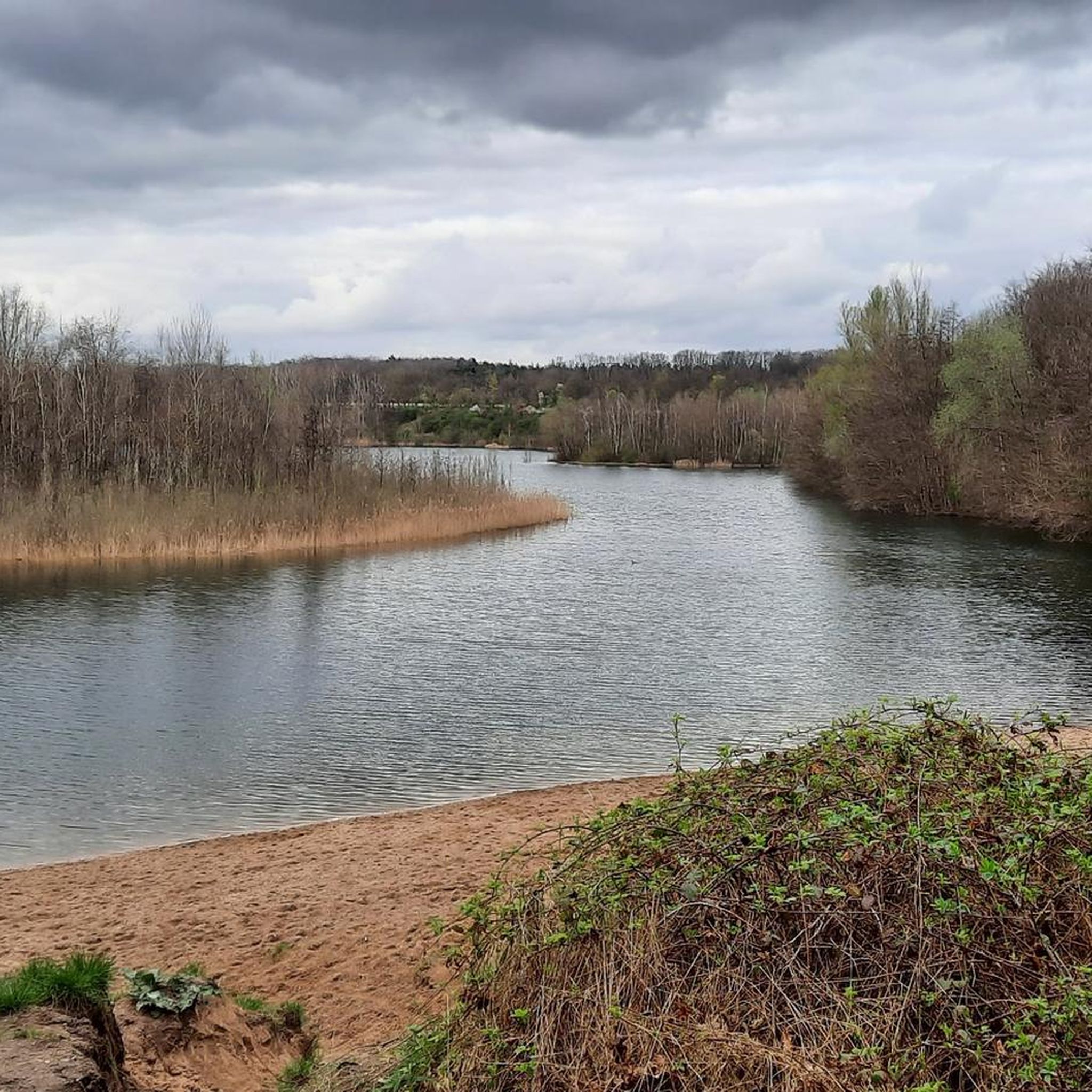
Yes, the Waldsee, one of the lakes formed from former gravel pits, is a popular spot for recreation. It features a sandy beach and a dock, inviting visitors to swim and relax by the water. The lake is known for its good water quality.
Are there options for cycling near the natural monuments?
Absolutely. Baerler Busch has an extensive network of cycling trails. You can find various routes for different cycling styles, including road cycling and gravel biking. For example, the 'Lake Lohheide – Waldsee Baerl loop' is a popular gravel biking route. Explore more options in the road cycling guide or the gravel biking guide.
What kind of trees and plants can I expect to see in the heath forest?
The heath forest in Baerler Busch, covering the ice-age dune area, supports distinct flora. You can find various tree species, including oaks, vinegar trees, and black locusts (Robinia). The sandy soil contributes to this unique vegetation.
Are there any ancient trees or notable individual natural monuments?
Yes, the region research mentions a 300-year-old Red Beech on Bernsberg as a specific natural monument within Baerler Busch. This venerable tree stands as a testament to the area's natural heritage.
Is Baerler Busch accessible for visitors with limited mobility?
Yes, the area is known for its accessibility. Some of the trails within Baerler Busch are wheelchair-accessible, making it possible for a wider range of visitors to enjoy the natural environment.
What do visitors enjoy most about the natural monuments around Baerler Busch?
Visitors frequently appreciate the tranquil escape into nature offered by the ice-age dune landscape and heath forest. The panoramic views from Halde Rheinpreußen and the serene lakeside paths of Waldsee are also highly rated. The combination of natural beauty and historical elements, like the ancient fortifications, provides a unique experience.
Are dogs allowed on the trails around the natural monuments?
Baerler Busch is generally considered dog-friendly, with many trails suitable for walks with pets. However, it's always advisable to keep dogs on a leash, especially in nature protection areas or where wildlife might be present.
Most popular routes around Baerler Busch
Most popular attractions around Baerler Busch

Get inspired with the komoot mobile app


Explore more
Extend your search for the best caves by checking out these guides of the top ones around Baerler Busch:
