Top 6 Natural Monuments around Brelinger Berge
Best natural monuments around Brelinger Berge offer insights into the region's unique geological history and natural features. This hilly landscape, formed approximately 230,000 years ago during the Saale ice age, is a push moraine complex rising to 92 meters above sea level. The area features a Geo-Adventure Trail, historical landmarks like the Gaußstein, and renatured former sand and gravel pits. Visitors can explore diverse landscapes, including forests, fields, meadows, and partially overgrown sand pits.
Best natural monuments around Brelinger Berge
…Last updated: August 21, 2026
Sound Stones on the Geological Adventure Trail
Highlight • Structure
Translated by Google •
Tip by

Moving Stones Geo Adventure Trail
Highlight (Segment) • Trail
There aren't that many rubbish bins and when they are, they are usually already full. You can only write it again and again, please take your …
Translated by Google •
Tip by

Sign up now to discover places like this
Get recommendations on the best single tracks, peaks, & plenty of other exciting outdoor places.
Sign up for free
Erratic Boulder Stack on the Geological Nature Trail
Highlight • Natural Monument
Translated by Google •
Tip by
NABU Bat and Bird Tower, Brelinger Berge
Highlight • Monument
Translated by Google •
Tip by

Path with Ancient Gnarled Oaks
Highlight • Trail
Translated by Google •
Tip by

Sign up for free to discover even more natural monuments around Brelinger Berge.
Sign up for free
Already have an account?
Start today with a free account
Your next adventure awaits.
Login or Signup
Tips from the Community


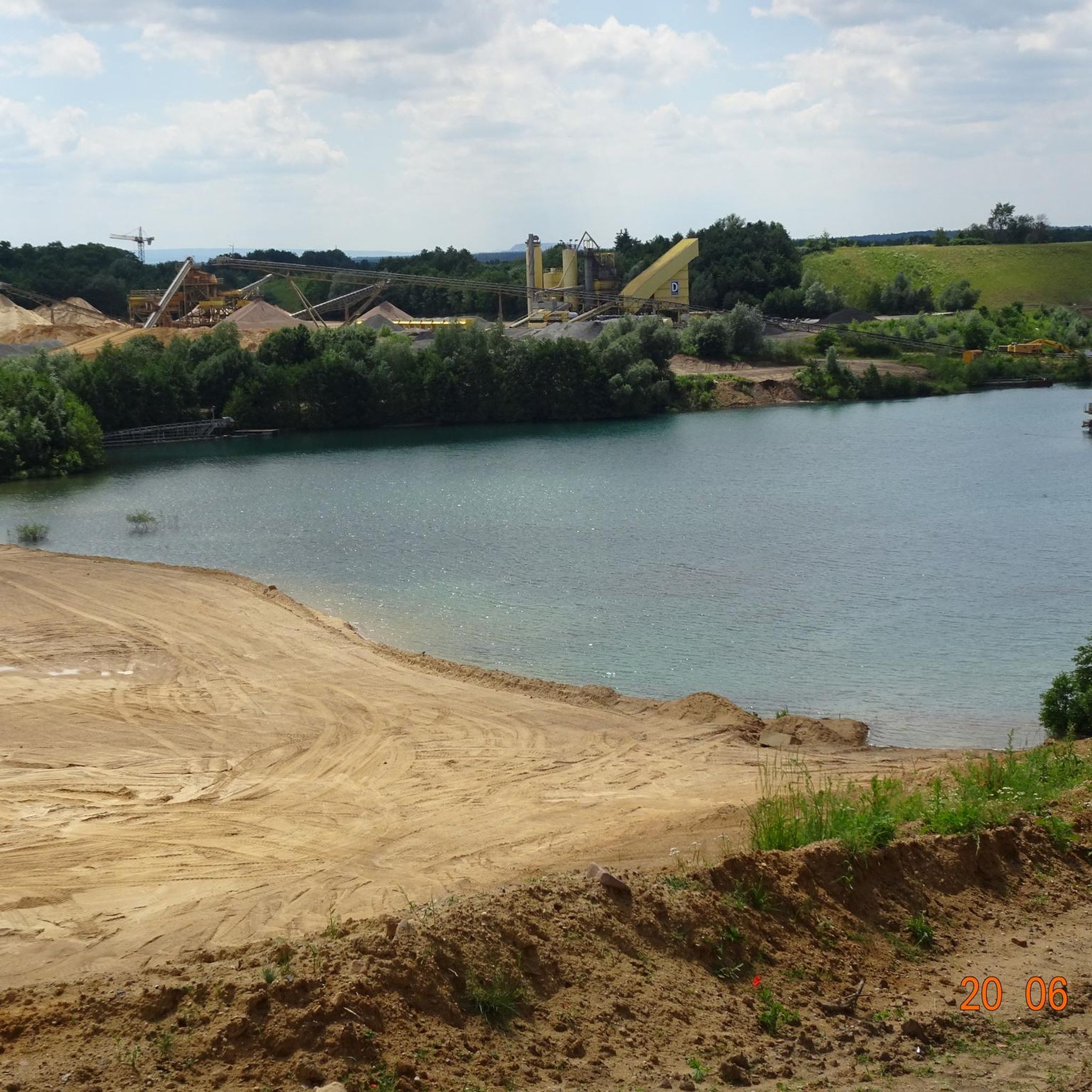
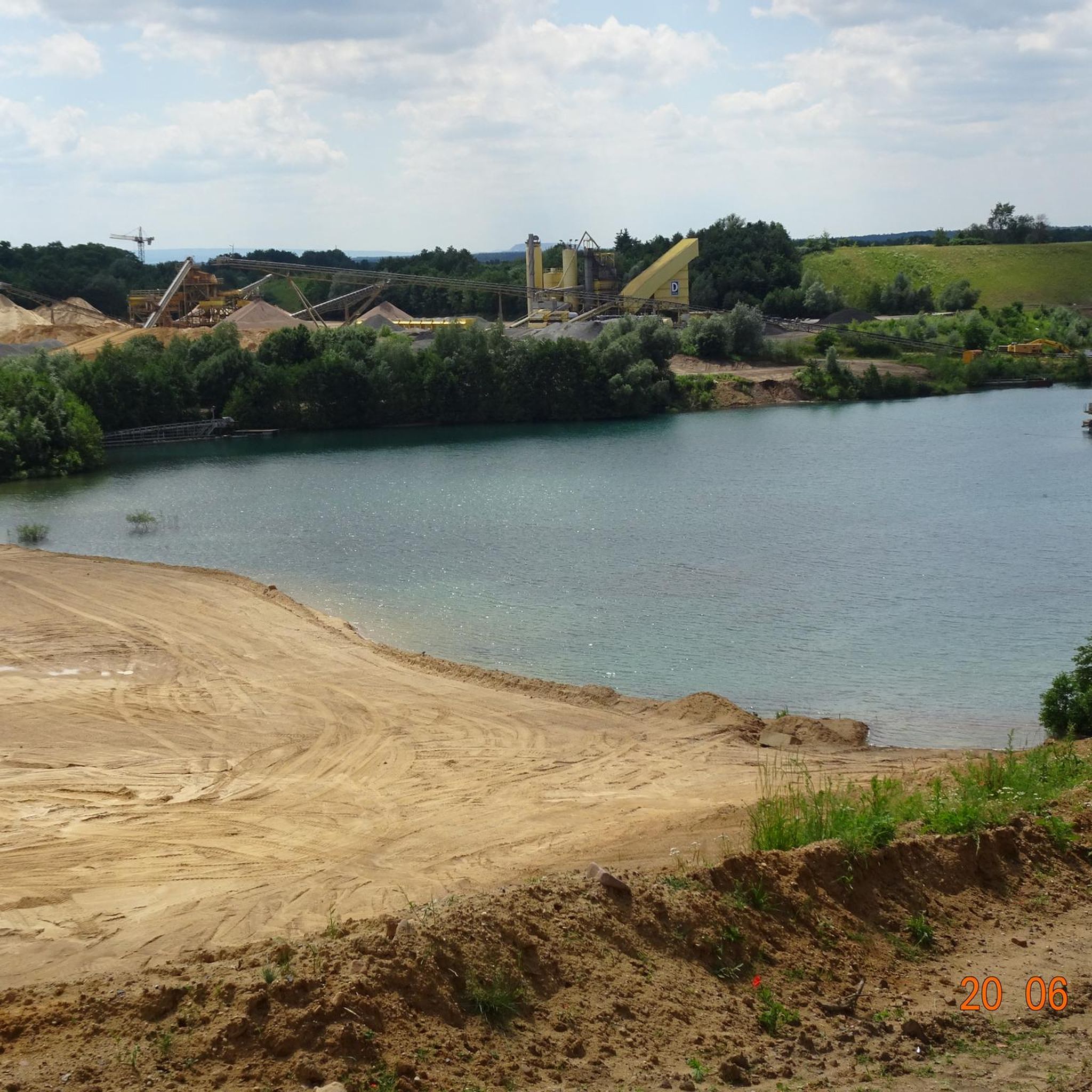
Since 2007, NABU has maintained a 5-hectare site in the Brelinger Berge landscape conservation area in Wedemark. Bats also live here.
0
0

former transformer station with information board
1
0
moving stones, telescope stones, it is worth looking through, as various distant cities are mentioned in the viewfinder
0
0

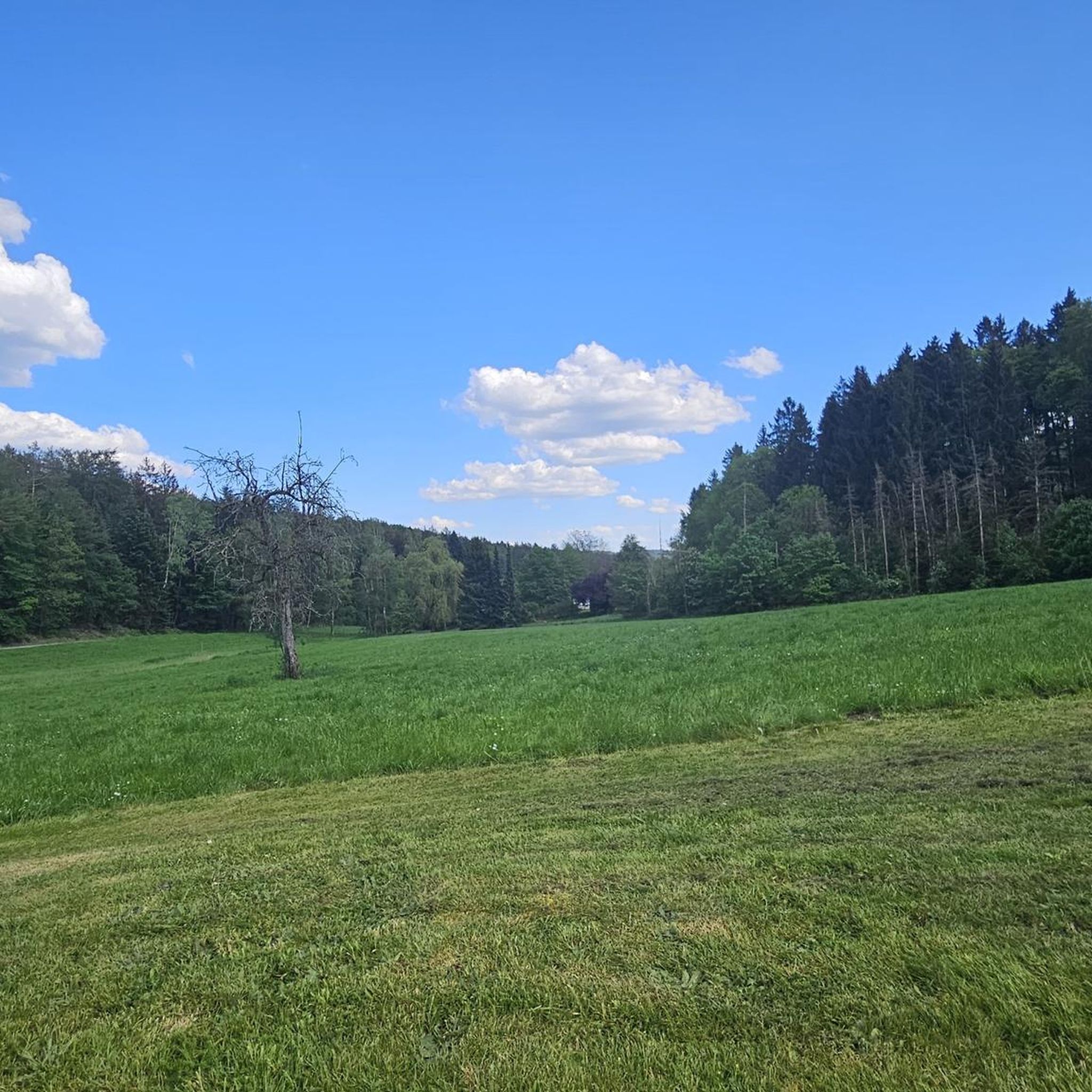
Narrow paths with dense vegetation are always interesting and constantly offer new perspectives on nature.
0
0

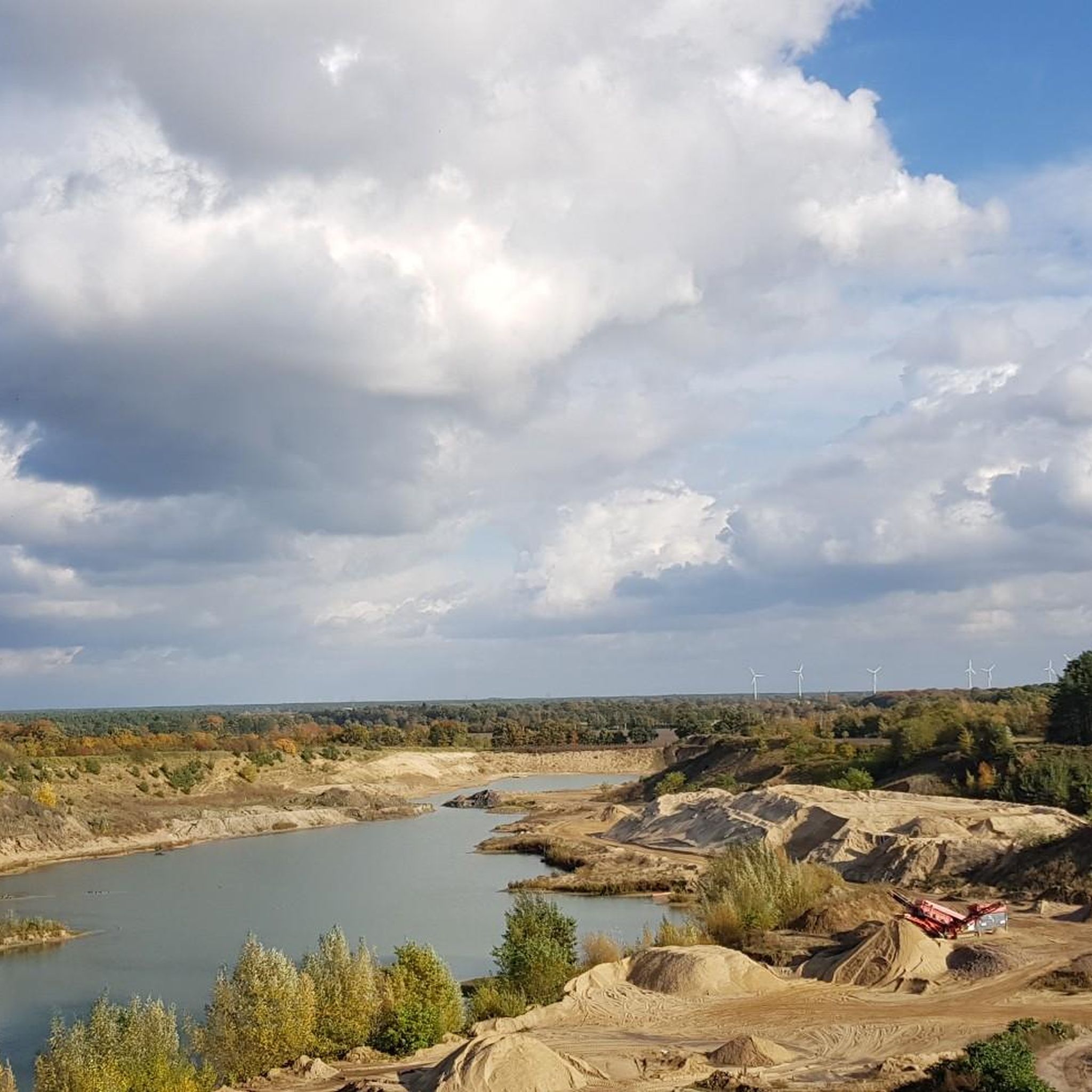
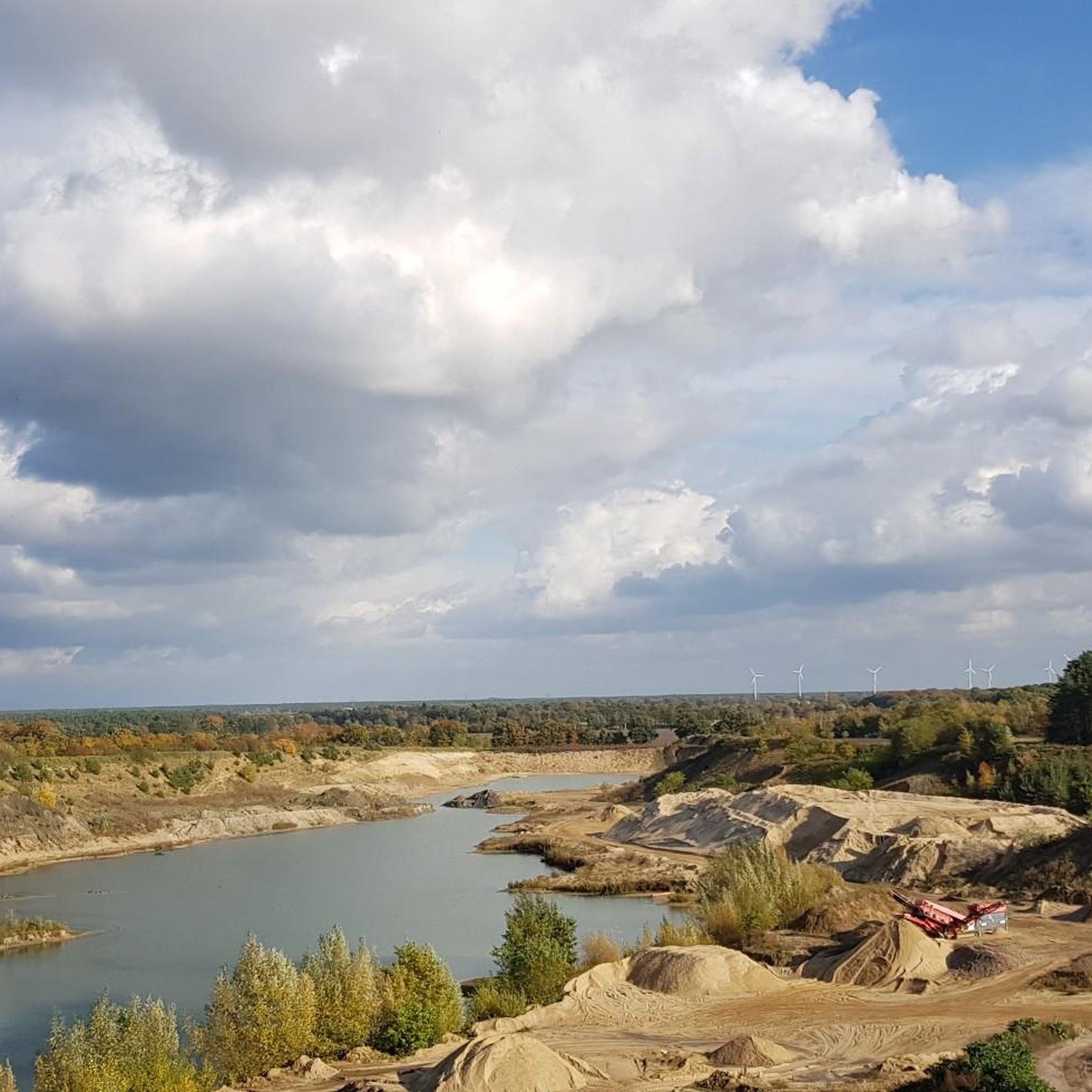
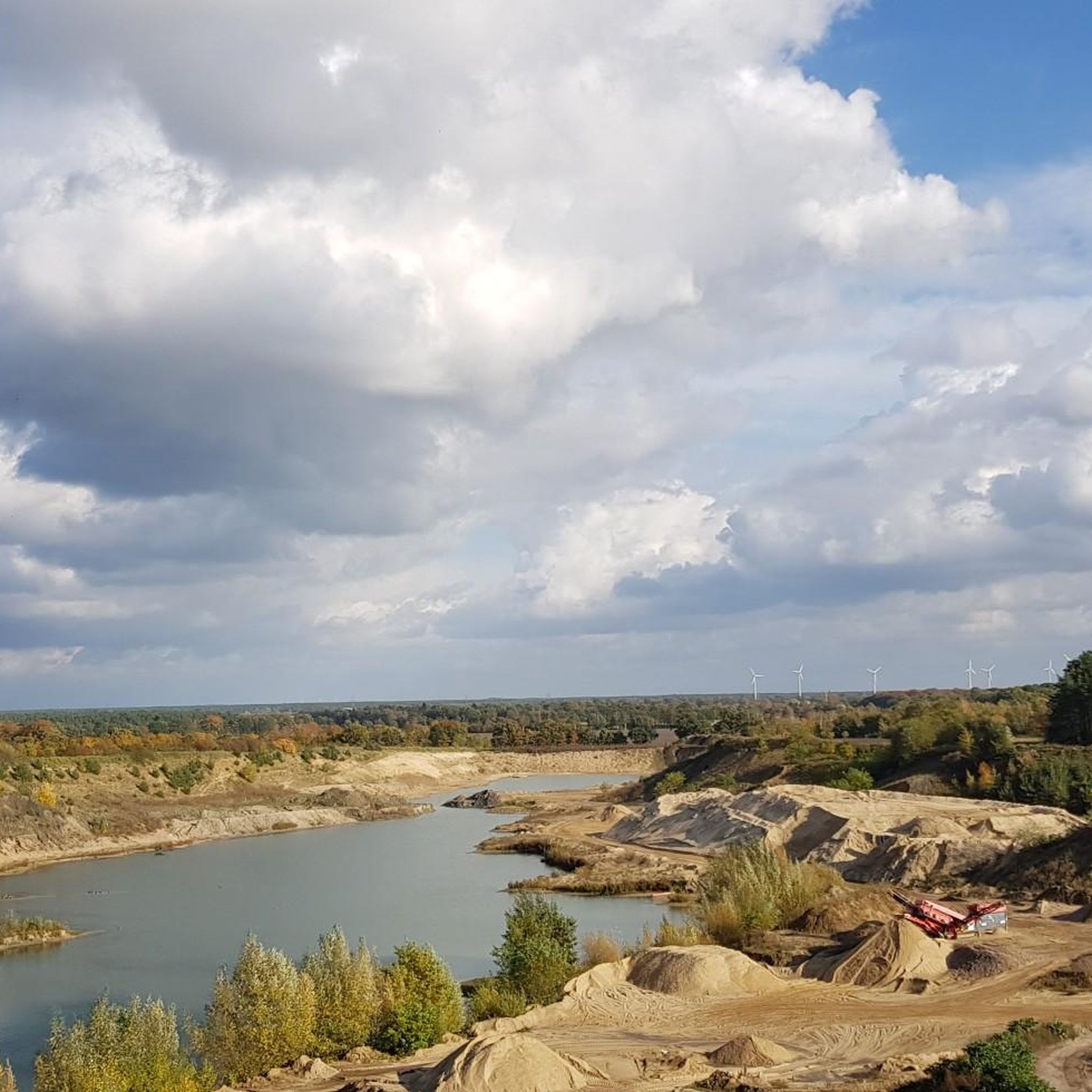
The path leads along the geological educational trail past several sand pits. The paths are partly sandy, but still easy to walk. Particularly recommended in spring
0
0

Geology you can touch - varied and explained in an exciting way.
0
0

Why do some stones sound bright and some dull? You will find out the answer at the Klangsteine station. When you throw a rock into the water, you'll see ripples spreading around where the rock meets the surface. It is similar with sound. When you hit a rock with a hammer, a sound wave propagates inside the rock. If it is finely crystalline or homogeneous, you will hear a bright sound. If there are crystal boundaries or microcracks that impede the propagation of the sound wave, a muffled tone is heard. Try it now!
3
1
Frequently Asked Questions
What are the most popular natural monuments to visit in the Brelinger Berge region?
The Brelinger Berge region offers several unique natural monuments. Highly recommended are the Sound Stones on the Geological Adventure Trail, where you can interactively explore how different stones produce distinct sounds. Another popular spot is the Erratic Boulder Stack on the Geological Nature Trail, which explains the four basic rock classes and allows visitors to feel their varied textures. Additionally, the NABU Bat and Bird Tower, Brelinger Berge, a renatured former gravel pit, provides a vital retreat for local wildlife.
Are there family-friendly activities or natural monuments in Brelinger Berge?
Yes, the Brelinger Berge is very family-friendly. The Geo-Erlebnispfad "Bewegte Steine" (Geo-Adventure Trail "Moving Stones") is a 5.5-kilometer circular trail designed to engage visitors of all ages with its artistic installations and explanations of geological processes. Highlights like the Sound Stones and the Moving Stone (Geo Discovery Trail) offer interactive experiences that children particularly enjoy.
What kind of geological features can I expect to see in Brelinger Berge?
The Brelinger Berge is a significant geological site, primarily a "stauchmoränenkomplex" (push moraine complex) formed during the Saale ice age. You'll encounter numerous glacial erratics (findlinge) pushed from Scandinavia, which are integral to the Geo-Adventure Trail. The landscape also features diverse terrain, including forests, fields, meadows, and partially renatured former sand and gravel pits, showcasing the region's dynamic geological history.
Are there any historical landmarks within the natural monuments of Brelinger Berge?
Yes, alongside its natural beauty, the Brelinger Berge holds historical significance. At its highest point, you can find the Gaußstein (Gauss Stone), a monument commemorating the land surveying work carried out by the renowned mathematician Carl Friedrich Gauss in 1828. This offers a historical perspective amidst the natural surroundings.
What outdoor activities can I do near the natural monuments in Brelinger Berge?
The Brelinger Berge area is excellent for various outdoor activities. You can explore numerous hiking trails, including the popular 5.5 km Geo-Adventure Trail. For those interested in cycling, there are options for gravel biking. Running enthusiasts will also find suitable routes. You can find detailed routes and guides for hiking, gravel biking, and running around Brelinger Berge.
What is the best time of year to visit the natural monuments in Brelinger Berge?
The Brelinger Berge offers a pleasant experience throughout the year. Spring and autumn provide mild temperatures and vibrant colors, ideal for hiking and exploring the trails. Summer is great for longer days outdoors, while winter can offer a serene, quiet landscape, though some paths might be muddy or icy. The Geo-Adventure Trail is accessible in most conditions.
Are there specific hiking trails that offer good views or showcase the natural features?
The Brelinger Berge itself, particularly the Brelinger Berg highlight, offers varied trails with constantly changing scenic views, transitioning between forests, fields, and meadows. The Geo-Adventure Trail is specifically designed to highlight the geological formations and renatured areas. For a circular walk, the "Brelinger Berg geo adventure trail" is a moderate 5.17 km route that covers many key features.
Can I bring my dog to the natural monuments in Brelinger Berge?
Generally, dogs are welcome on the trails in Brelinger Berge. However, it's always recommended to keep them on a leash, especially in areas with wildlife or near agricultural land, to protect both your pet and the local fauna. Please be mindful of other visitors and clean up after your dog.
What efforts are being made for nature conservation in Brelinger Berge?
Significant conservation efforts are underway in Brelinger Berge, particularly in areas that were formerly sand and gravel pits. A notable example is the 5-hectare site maintained by NABU (Nature and Biodiversity Conservation Union) since 2007, which has been renatured to serve as a crucial retreat for local flora and fauna, including bats. The NABU Bat and Bird Tower is a testament to these efforts.
Where can I find parking facilities when visiting the natural monuments?
Parking is generally available at various access points to the Brelinger Berge trails, including near the start of the Geo-Adventure Trail. Specific parking areas can be found in the vicinity of Brelingen and other surrounding villages, providing convenient access to the natural monuments and hiking routes.
What makes the Brelinger Berge unique compared to other natural areas?
The Brelinger Berge stands out due to its distinct geological origin as a push moraine complex from the Saale ice age, making it a living testament to glacial forces. Its blend of ancient geological formations, educational trails like the Geo-Erlebnispfad, historical landmarks such as the Gaußstein, and successful renaturation projects in former industrial sites creates a unique landscape that combines natural beauty with scientific and historical interest.
Are there any cafes or restaurants near the natural monuments for refreshments?
While the natural monuments themselves are in a natural setting, you can find cafes, restaurants, and pubs in the nearby villages within the Wedemark region, such as Brelingen. These establishments offer opportunities for refreshments and meals before or after your exploration of the Brelinger Berge.
Most popular routes around Brelinger Berge
Most popular attractions around Brelinger Berge

Get inspired with the komoot mobile app


Explore more
Extend your search for the best caves by checking out these guides of the top ones around Brelinger Berge:
