Top 11 Natural Monuments around Bienwald
Natural monuments around Bienwald are found within a vast contiguous forest spanning approximately 12,000 hectares in the southern Palatinate region of Germany. This area is characterized by diverse ecosystems, including dry dunes, wet alder swamp forests, meadows, and pastures. The Bienwald serves as a crucial "stepping stone biotope" connecting the Rhine and the Palatinate Forest. It provides habitat for various species and features a rich "biotope mosaic" for exploration.
Best natural monuments around Bienwald
- The most popular natural monuments is…
Last updated: June 27, 2026
Gutenbrunnen (near Büchelberg)
Highlight • Natural Monument
Translated by Google •
Tip by

Lourdes Grotto and Holy Spring (near Büchelberg)
Highlight • Religious Site
Translated by Google •
Tip by
Sign up now to discover places like this
Get recommendations on the best single tracks, peaks, & plenty of other exciting outdoor places.
Sign up for free
Hirschbrunnen (Deer Fountain)
Highlight • Natural Monument
Translated by Google •
Tip by

Saustegweiher
Highlight • Lake
He has a strange yellowish color.
Translated by Google •
Tip by

Redoubt of the Lauter Line
Highlight • Historical Site
The Lauterlinie was built during the War of the Spanish Succession between 1701 and 1714 under the French Marshal de …
Translated by Google •
Tip by

Sign up for free to discover even more natural monuments around Bienwald.
Sign up for free
Already have an account?
Start today with a free account
Your next adventure awaits.
Login or Signup

Tips from the Community

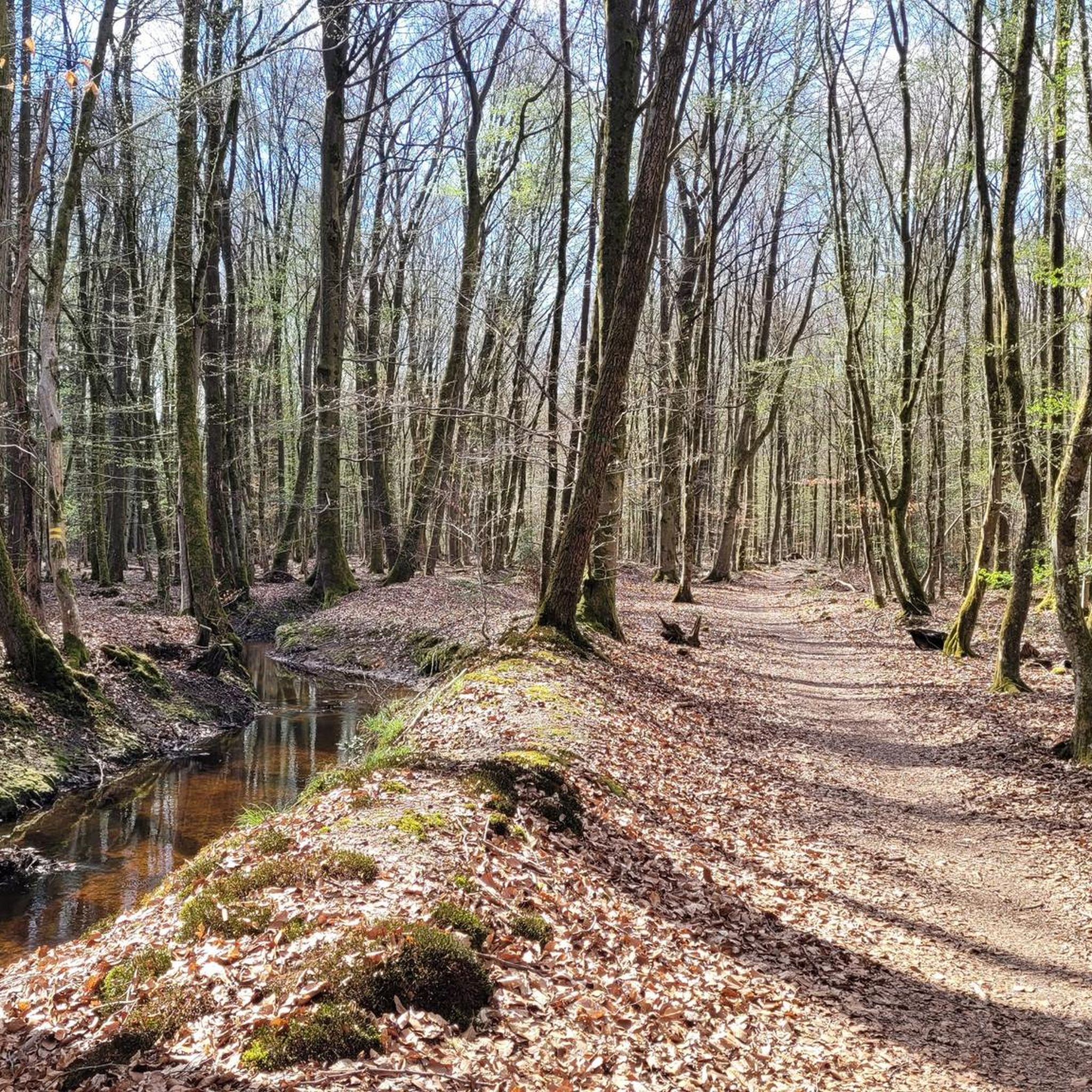
Here in the Bienwald forest, where the Schaidt-Lauterburg road crosses the Aschbach stream, a draw well has stood since ancient times: the Hirschbrunnen (Deer Well). It was fitted with a roof in 1912. The well was essential for watering teams of oxen and horses along what was then an important thoroughfare. Today, it is furnished with benches and a tabletop made from a section of the nearly 300-year-old Aschbach oak tree and serves as a rest area.
1
0

One of the few places where you can take a break. A place with a fountain, a chapel and several benches and chairs, ideal for a nice break.
1
0

You can take a nice break here. I recommend bringing a delicious cheese/sausage sandwich and a delicious beer.
3
0

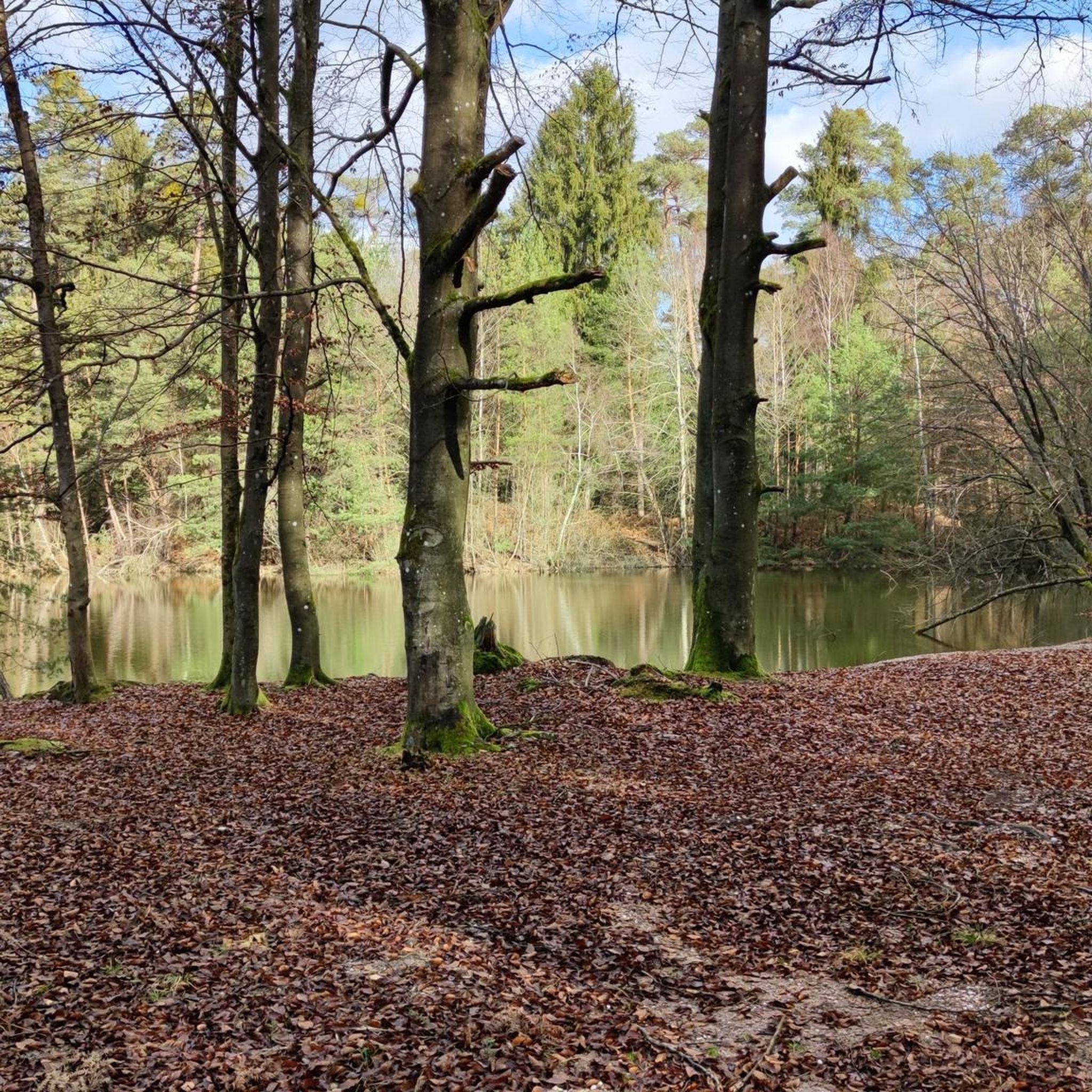
One of numerous ponds and lakes along the Schaidter Westwallweg. With a bit of luck you can see gray herons here.
1
0

just because it's a spring doesn't mean you should expect running water here ;)
3
0

At this point / I would like to quickly / say something about the source (whereby it corresponds to the art of poetry / if this 'source' is a 'well'): To quote the incomparable humorist Heinz Erhardt (1909 - 1979), who was known to a wide audience for his word jokes and "Noch'n poem", with a short quatrain: "There is certainly much beauty in on the element, the wet. Because you can drink the water. But you can - also leave it." (H.Erhardt)
2
1

Beautiful reflections and reflections
5
1

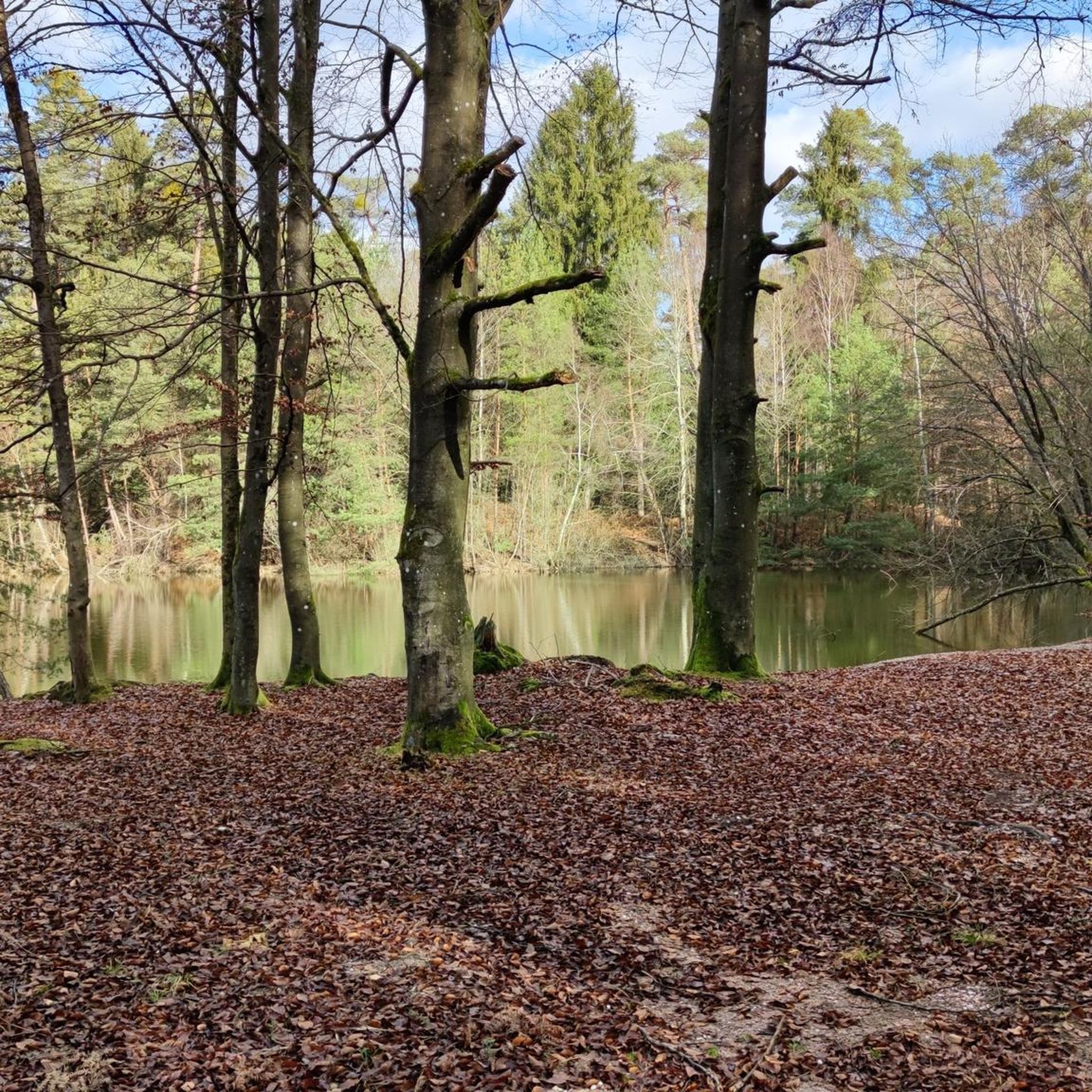
The fire-fighting water pond is also a beautiful biotope with a bench for observation.
6
0
Frequently Asked Questions
What unique natural features can I explore in the Bienwald?
The Bienwald is characterized by a rich "biotope mosaic" including dry dunes, wet alder swamp forests, meadows, and pastures. You can discover unique water landscapes formed from transformed anti-tank ditches, and experience undisturbed forest ecosystems along streams like the Saugraben and Aschbach in the 'wet' sections of the forest. The region is also home to ancient trees like the Bismarck Oak, estimated to be over 300 years old.
Are there historical sites among the natural monuments in Bienwald?
Yes, several natural monuments in Bienwald also hold historical significance. For instance, the Gutenbrunnen Spring (Büchelberg) was used by General Wurmser's officers in 1793. You can also visit the Lourdes Grotto and Healing Spring at Büchelberg, a site established after 1944. Additionally, the Redoubt of the Lauter Line offers a glimpse into historical fortifications that have now become natural features.
What outdoor activities can I do near the natural monuments in Bienwald?
The Bienwald offers an extensive network of paths for various outdoor activities. You can find numerous options for hiking, mountain biking, and cycling. Popular routes include the 'Bismarck Oak (Natural Monument) – Mundatweiher loop' for hiking, and various trails that incorporate the natural beauty of the forest.
Are there family-friendly natural monuments to visit in Bienwald?
Absolutely! Many natural monuments in Bienwald are suitable for families. The Gutenbrunnen Spring (Büchelberg), Lourdes Grotto and Healing Spring at Büchelberg, Hirschbrunnen (Deer Fountain), and Saustegweiher are all categorized as family-friendly. The Bienwald Nature Forest Trail is also designed to engage visitors of all ages with the natural environment through 14 educational stations.
Can I spot wildlife while visiting the Bienwald natural monuments?
Yes, the Bienwald is a crucial 'stepping stone biotope' and provides habitat for a diverse array of flora and fauna. The protected forest areas, especially the 'wet' sections, allow animals and plants to thrive undisturbed. Keep an eye out for rare species such as wild cats and wild bees, among other forest inhabitants.
What is the significance of the Bismarck Oak in Bienwald?
The Bismarck Oak is a prominent natural monument within the Bienwald, estimated to be between 300 and 350 years old with an impressive circumference of about 5.5 meters. It is named after Prince Otto von Bismarck, the first Chancellor of the German Reich, and represents a long tradition of preserving characteristic and strong oaks in the Bienwald, which have historically been important for forestry.
What is the Bienwald Nature Forest Trail?
The Bienwald Nature Forest Trail is an adventure and nature educational trail located between Weißen Kreuz and Büchelberg. It features 14 stations designed to help visitors engage with the natural environment. The trail leads through a protected forest area, offering opportunities to explore diverse flora and fauna, observe various tree growth forms, and learn about the Bienwald's ecological value.
Are there any natural springs or fountains to visit?
Yes, the Bienwald is home to several notable springs and fountains. The Gutenbrunnen Spring (Büchelberg) is a natural spring with historical significance. The Lourdes Grotto and Healing Spring at Büchelberg also features a spring whose sulphurous water has historically been attributed healing effects. Additionally, the Hirschbrunnen (Deer Fountain) is a historic draw well that now serves as a rest area.
What is the Saustegweiher?
The Saustegweiher is a lake and natural monument within the Bienwald. Originally created in 1990 as a fire extinguishing pond, it has evolved into a valuable biotope. It offers a peaceful resting spot with benches, making it a pleasant place to pause and enjoy the natural surroundings.
What do visitors enjoy most about the natural monuments around Bienwald?
Visitors frequently appreciate the diverse natural features, from ancient trees to unique water landscapes. The historical significance of sites like the Gutenbrunnen Spring and the tranquil beauty of places like the Saustegweiher are often highlighted. The komoot community has shown strong engagement, with over 190 upvotes and 110 photos shared, indicating a high level of enjoyment and exploration.
What is the best time of year to visit the Bienwald natural monuments?
The Bienwald offers different experiences throughout the year. Spring brings lush greenery and blooming flora, while summer is ideal for longer hikes and cycling. Autumn transforms the forest with vibrant colors, and even winter can be beautiful for quiet walks, though some paths might be less accessible depending on snow or ice. Generally, late spring to early autumn provides the most comfortable weather for exploring.
Are the trails around the natural monuments suitable for beginners or more challenging?
The Bienwald offers a range of trails suitable for various fitness levels. You can find easy hiking routes, such as the 'Bienwaldmühle Inn – Bienwaldmühle loop,' which is just over 3 km. There are also moderate options like the 'Boundary stone – Bienwaldmühle loop' for those seeking a bit more challenge. For cycling and mountain biking, routes vary from easy to difficult, ensuring there's something for everyone.
Most popular routes around Bienwald
Most popular attractions around Bienwald

Get inspired with the komoot mobile app


Explore more
Extend your search for the best caves by checking out these guides of the top ones around Bienwald:
