The best cycling routes around Bienwald
4.5
(6790)
35,463
riders
959
rides
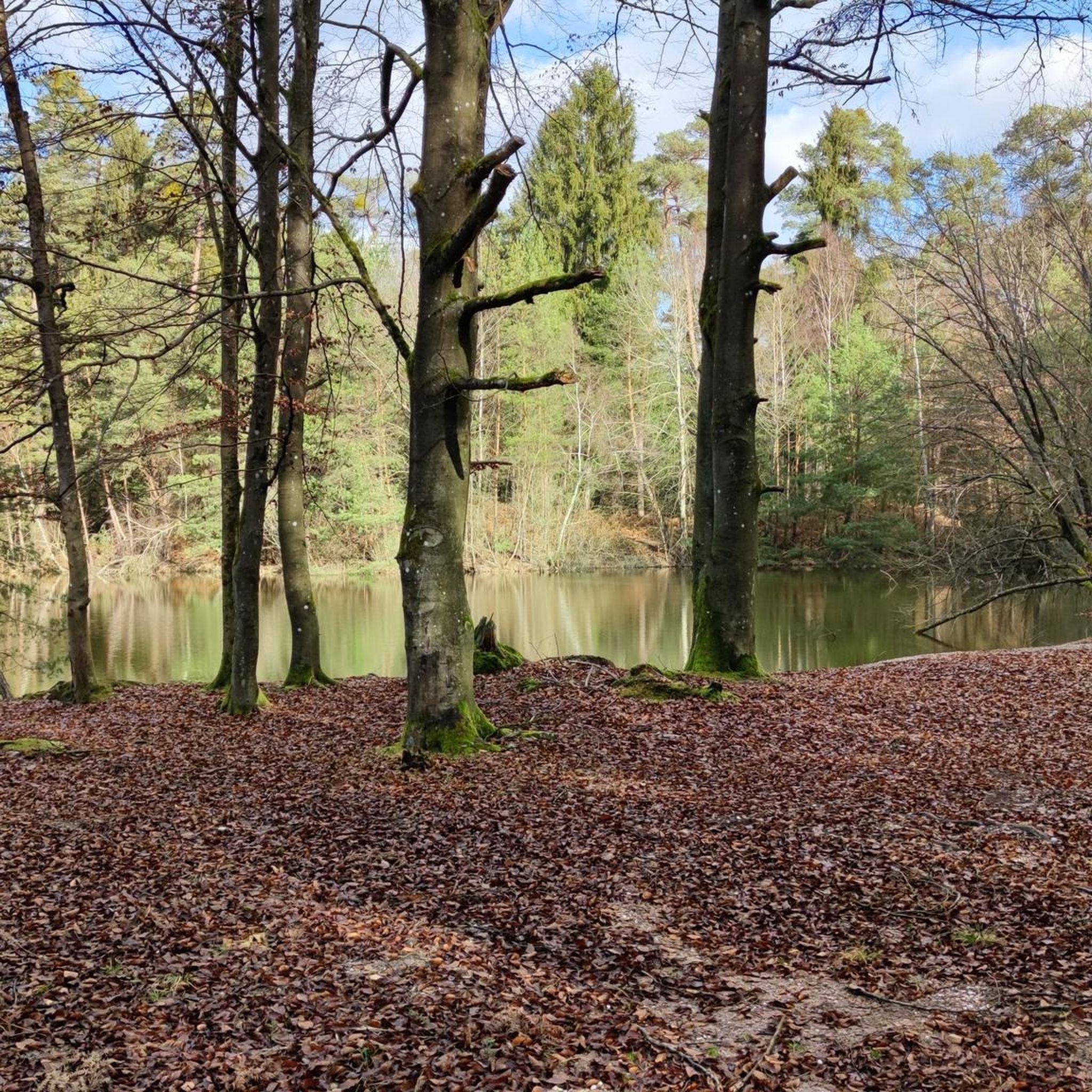
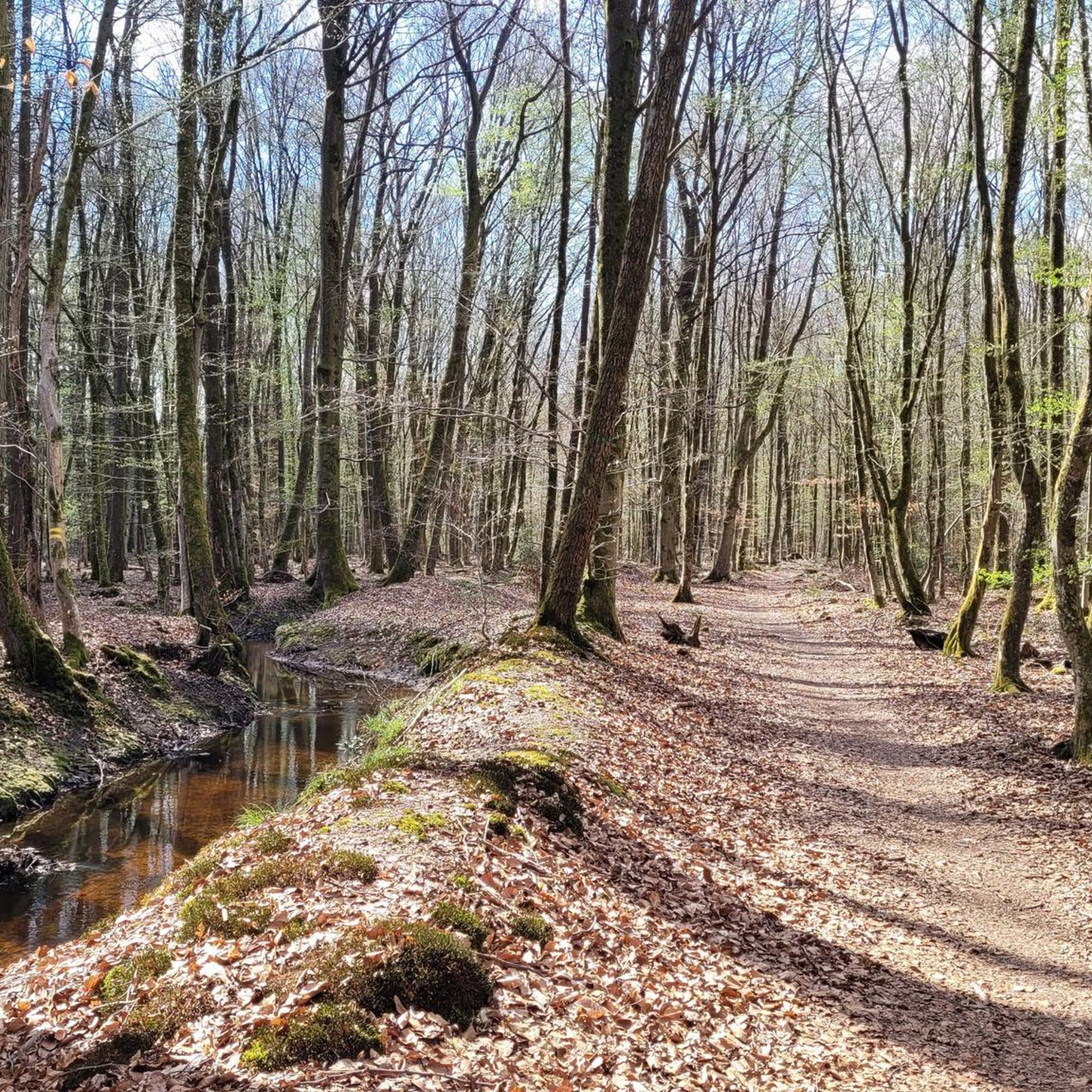
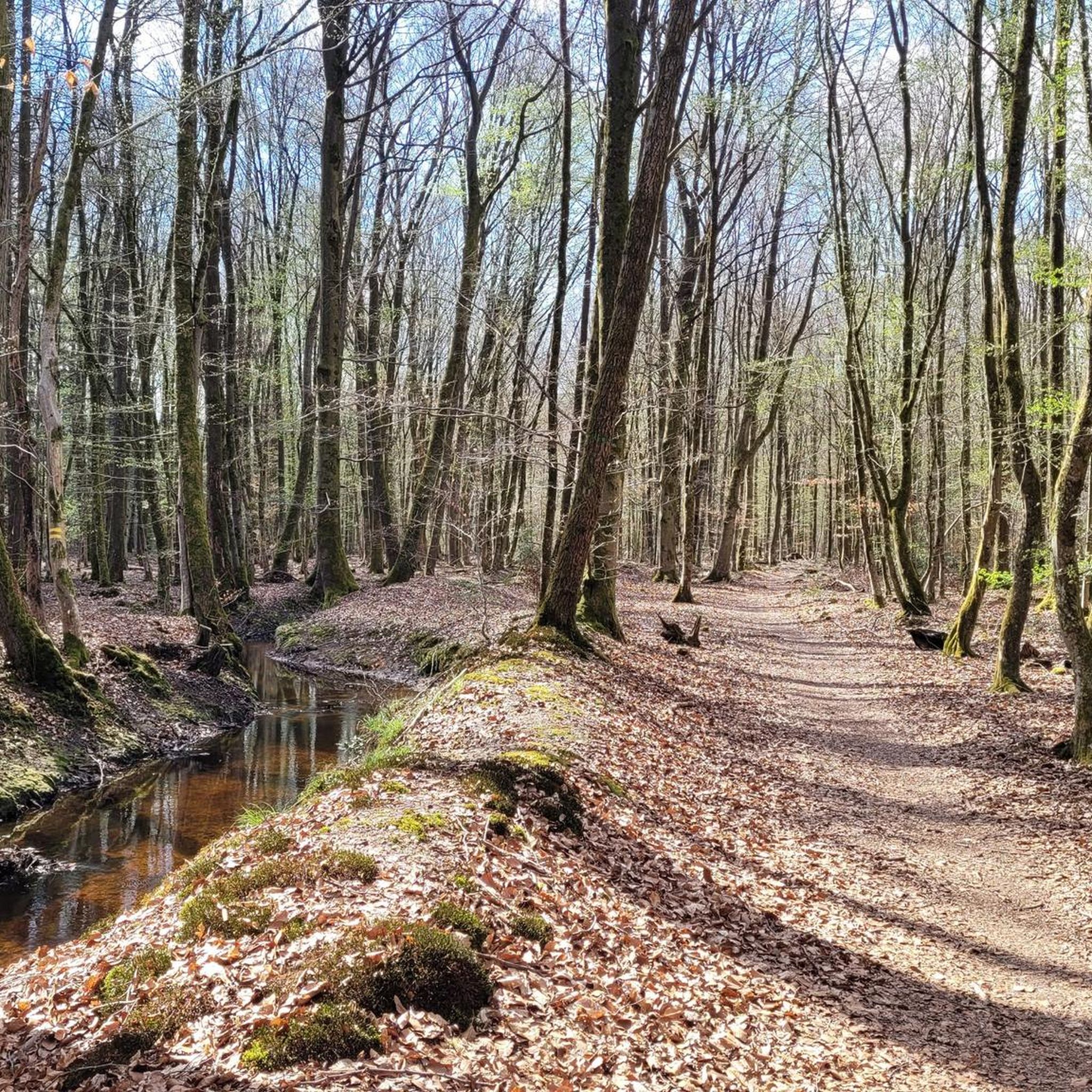
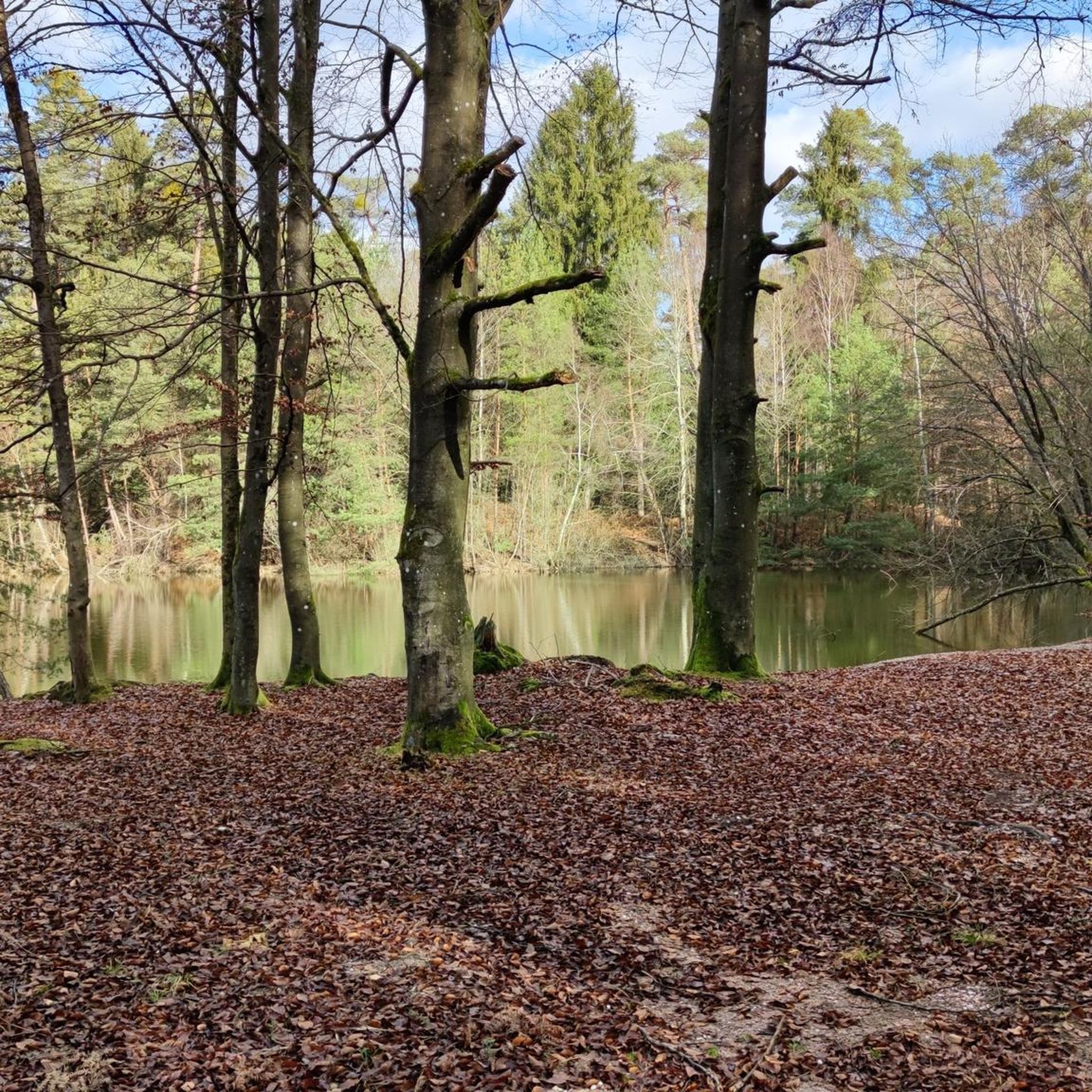
Touring cycling around Bienwald offers diverse landscapes, featuring enchanting forest scenery, the Rhine floodplains, and the Lauter river. The region provides a network of routes with mixed surfaces, including tracks and roads, suitable for various fitness levels. Cyclists can explore flat terrain, meadows, and fields, with some routes crossing between France and Germany. The area is characterized by its extensive woodlands and riverine environments.
Best touring cycling routes around Bienwald
- The most popular touring cycling route is Lauter washhouse –…
Last updated: June 25, 2026
4.5
(244)
993
riders
41.0km
02:23
100m
100m
Moderate bike ride. Good fitness required. Mostly paved surfaces. Suitable for all skill levels.
4.9
(113)
231
riders
Moderate bike ride. Good fitness required. Mostly paved surfaces. Suitable for all skill levels.

Sign up for free
4.5
(22)
77
riders
36.1km
02:12
80m
80m
Moderate bike ride. Good fitness required. Mostly paved surfaces. Suitable for all skill levels.
4.7
(9)
67
riders
Easy bike ride. Great for any fitness level. Mostly paved surfaces. Suitable for all skill levels.
5.0
(5)
49
riders
29.9km
01:45
110m
110m
Easy bike ride. Great for any fitness level. Mostly paved surfaces. Suitable for all skill levels.
Get access to more routes and recommendations from other explorers.
Sign up for free
Already have an account?
Our route recommendations are based on thousands of hikes, rides, and runs completed by other people on komoot.
Start today with a free account
Your next adventure awaits.
Login or Signup

Tips from the Community

The Westwall was a military defense system over 600 km long during World War II. It consisted of several thousand bunkers, tunnels, trenches, minefields, and anti-tank obstacles and stretched along the western border of the then German Reich from Holland to Basel. The Westwall was built between 1936 and 1940 in three defense lines, probably for propaganda reasons. Its French counterpart, the Maginot Line, was already built between 1930 and 1936. In the Palatinate, a 10 km long anti-tank obstacle ran from the Palatinate Forest near Oberotterbach, through the Weißenburg Gap, to Bienwald near Steinfeld. The second defense line led from Göcklingen via Mörzheim, Impflingen, Insheim, in the direction of Herxheim. The anti-tank obstacle was built in the form of "Höcker" lines. "Höcker" made of reinforced concrete, placed in several rows and connected by a foundation, were intended to prevent enemy tanks from entering. Today, most of the Westwall has been dismantled, bunkers have been blown up. Relics of the "Höcker" lines in the Palatinate can still be found near Steinfeld and Niederotterbach, as well as parts of the rear defense line in Göcklingen and Mörzheim.
0
0
The Westwall was a military defense system over 600 km long during World War II. It consisted of several thousand bunkers, tunnels, trenches, minefields, and anti-tank obstacles and stretched along the western border of the then German Reich from Holland to Basel. The Westwall was built between 1936 and 1940 in three defensive lines, likely for propaganda reasons. Its French counterpart, the Maginot Line, was built between 1930 and 1936. In the Palatinate, a 10 km long anti-tank barrier ran from the Palatinate Forest near Oberotterbach through the Weißenburg Saddle to the Bienwald near Steinfeld. The second defensive line led from Göcklingen via Mörzheim, Impflingen, Insheim, in the direction of Herxheim. The anti-tank barrier was built in the form of dragon's teeth lines. Dragon's teeth made of reinforced concrete, placed in several rows and connected by a foundation, were intended to prevent enemy tanks from entering. Today, most of the Westwall has been dismantled, bunkers have been blown up. Relics of the dragon's teeth lines in the Palatinate can still be found near Steinfeld and Niederotterbach, as well as parts of the rear defensive line in Göcklingen and Mörzheim.
2
0

The Rhine is one of the most important rivers in Europe and has a length of approximately 1,233 km. Its source lies in the Swiss Alps, where it originates from several mountain streams. From there, it first flows through Switzerland and then partly forms the border between Germany and France, before continuing through Germany and finally the Netherlands. Near Rotterdam, the Rhine divides into several distributaries and finally reaches the North Sea. Its catchment area is very large (approx. 185,000 km²) and includes many tributaries such as the Moselle, Main, or Neckar. The Rhine is of great importance to Europe: Shipping: One of the most important waterways in the world for trade and transport Economy: Connection of many industrial and port cities Nature: Habitat for numerous animal and plant species Energy: Utilization through hydropower in the Alpine regions Due to its location and use, the Rhine is considered one of the most important lifelines of Central Europe.
0
0

there are some seating options inside and in front of the hut. Outside also with a table, ideal for a picnic and/or beer break.
3
0

Magnificent view of the Rhine.
0
0
Beautiful path along the Rhine.
0
0

🧺 The Craft Today Even though the craft is no longer practiced on a large scale, the tradition is highly valued in Schaidt. Nearby (Hauptstraße 103) you can still find the Zeiter basket shop, where you can admire and purchase traditional basketry.
1
1
🧺 The basket maker's fountain in Schaidt (a district of Wörth am Rhein) is an important monument that honors the village's deep-rooted craft tradition. Schaidt was once known far beyond the borders of the Southern Palatinate as the "basket maker's village".
1
0
Frequently Asked Questions
How many touring cycling routes are available in Bienwald?
Bienwald offers a vast network for touring cyclists, with over 980 routes available. These routes cater to various preferences, from easy rides to more challenging excursions.
What kind of terrain and landscapes can I expect on touring cycling routes in Bienwald?
The Bienwald region is characterized by enchanting forest scenery, the Rhine floodplains, and the Lauter river. You'll find a mix of surfaces, including tracks and roads, leading through extensive woodlands, meadows, and fields. Many areas feature flat terrain, making them appealing for touring cycling, though some routes include unpaved segments and gentle elevation changes.
Are there touring cycling routes suitable for all fitness levels in Bienwald?
Yes, Bienwald offers routes for a wide range of fitness levels. There are over 440 easy routes, 320 moderate routes, and more than 210 difficult routes, ensuring options for leisurely rides as well as more challenging tours with greater distances and elevation gains.
Are there any cross-border touring cycling routes in Bienwald?
Yes, the region features cross-border tours that weave through the Bienwald forest, alongside the Lauter river, and past meadows and fields, offering scenic journeys between France and Germany. One notable route is the Rhine Cycle Path on the South Bank – Rhine Cycle Path loop from Scheibenhard, which offers views of the Rhine floodplains.
What natural features or landmarks can I see along the touring cycling routes?
Along the routes, you can discover various natural features and historical sites. Highlights include the Gutenbrunnen Spring (Büchelberg), the Hirschbrunnen (Deer Fountain), and the tranquil Saustegweiher lake. You might also encounter historical sites like the Redoubt of the Lauter Line or Westwall bunkers.
Are there any circular touring cycling routes in Bienwald?
Many touring cycling routes in Bienwald are designed as loops, allowing you to start and end at the same point. Examples include the popular Lauter washhouse – Bienwaldmühle loop from Forsthaus Salmbacher Passage, which traverses the Bienwald forest, and the Fields Near Minfeld – Wörther Altrhein loop from Waldparkplatz, leading through fields and along the Wörther Altrhein.
What do other cyclists say about the touring routes in Bienwald?
The touring cycling routes in Bienwald are highly regarded by the komoot community, with an average rating of 4.6 stars from over 6,900 reviews. Cyclists often praise the diverse landscapes, the enchanting forest scenery, and the well-maintained paths that offer a great outdoor experience.
What is the best season for touring cycling in Bienwald?
The Bienwald region is enjoyable for touring cycling throughout much of the year. Spring and autumn offer pleasant temperatures and beautiful scenery with changing foliage. Summer is also popular, especially for rides through the shaded forest paths. Always check local weather conditions before heading out.
Are there options for parking or public transport access for cyclists in Bienwald?
Yes, many routes in Bienwald are accessible with parking options at trailheads or nearby villages. For instance, the Fields Near Minfeld – Wörther Altrhein loop starts from a Waldparkplatz (forest parking lot). Public transport connections to towns like Kandel, which serves as a starting point for some routes, can also facilitate access to the region for cyclists.
Can I find family-friendly touring cycling routes in Bienwald?
Absolutely. With over 440 easy routes, Bienwald offers many options suitable for families. These routes often feature flatter terrain and well-maintained surfaces, allowing for a relaxed and enjoyable cycling experience for all ages. The diverse landscapes ensure there's always something interesting to see.
Are there any specific villages or points of interest I might pass through on a touring cycle?
Yes, touring routes often pass through charming small villages such as Schaidt, Steinfeld, Schweighofen, Schleithal, Scheibenhardt, and Büchelberg, adding cultural and scenic interest to your ride. You might also encounter specific points of interest like Bienwaldmühle, which can offer a pleasant stop.
Where can I find amenities like cafes or accommodation along the routes?
While cycling through Bienwald, you'll find opportunities for refreshments and breaks in the small villages along the routes. Places like Bienwaldmühle are known to offer amenities. For more extensive options, towns like Kandel or the villages mentioned (Schaidt, Steinfeld, etc.) often have cafes, pubs, or guesthouses.
Most popular routes around Bienwald
Most popular attractions around Bienwald

Get inspired with the komoot mobile app


Explore more
Browse the best Cycling routes in other regions.
