Reserva de la Biosfera de Babia
Reserva de la Biosfera de Babia
Top 7 Natural Monuments around Reserva de la Biosfera de Babia
Best natural monuments around Reserva de la Biosfera de Babia are situated within a UNESCO Biosphere Reserve in León, Spain. This region is characterized by limestone mountains, glacial valleys, and numerous peaks exceeding 2,000 meters. The landscape includes high mountains, rocky slopes, and relict forests, supporting a diverse array of flora and fauna. It provides a varied natural environment shaped by geological processes and traditional land use.
Best natural monuments around Reserva de la Biosfera de Babia
- The most popular…
Last updated: June 26, 2026
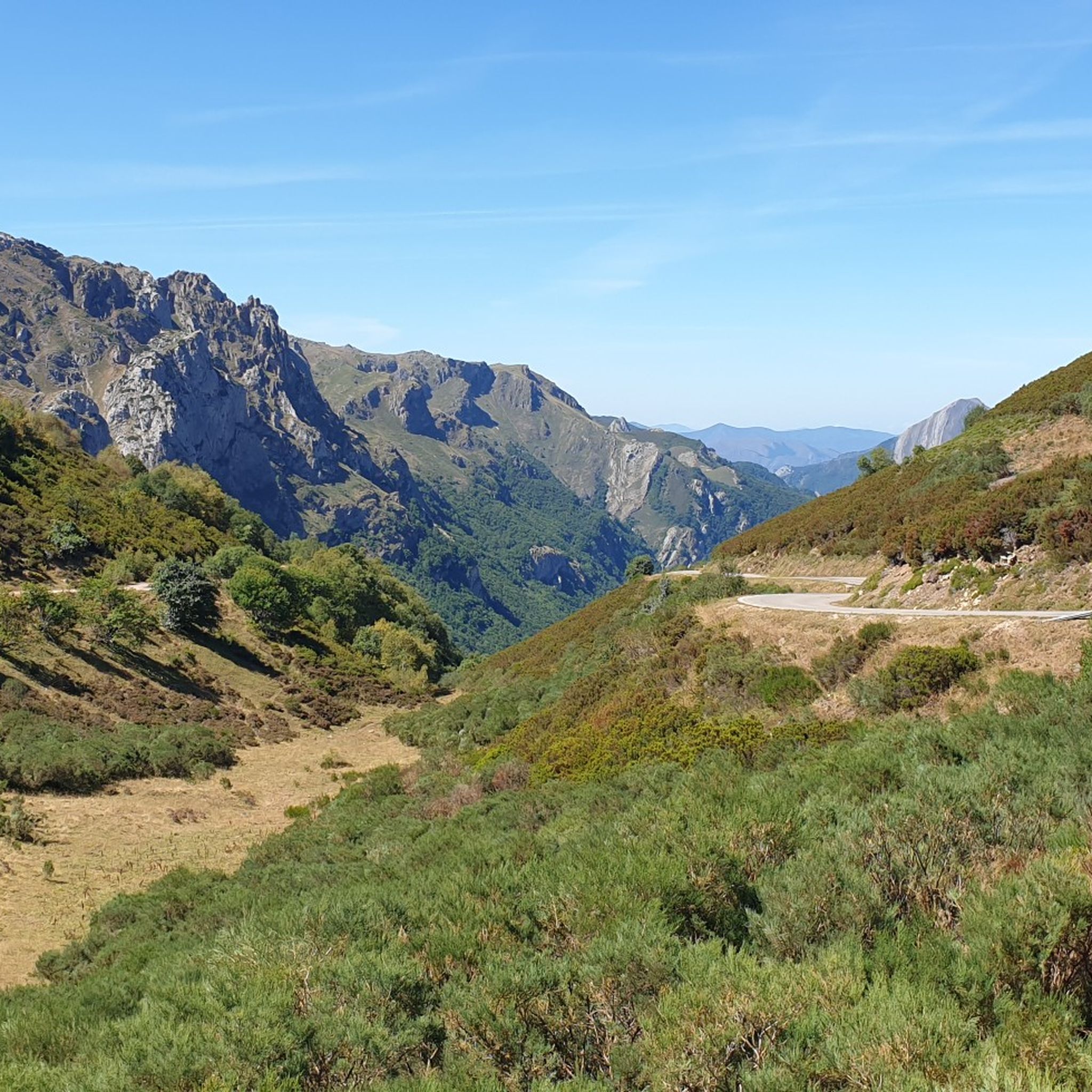
Alto de la Farrapona
Highlight • Mountain Pass
Translated by Google •
Tip by

La Cubilla Pass
Highlight • Mountain Pass
By MTB you can get there …
Translated by Google •
Tip by

Sign up now to discover places like this
Get recommendations on the best single tracks, peaks, & plenty of other exciting outdoor places.
Sign up for free
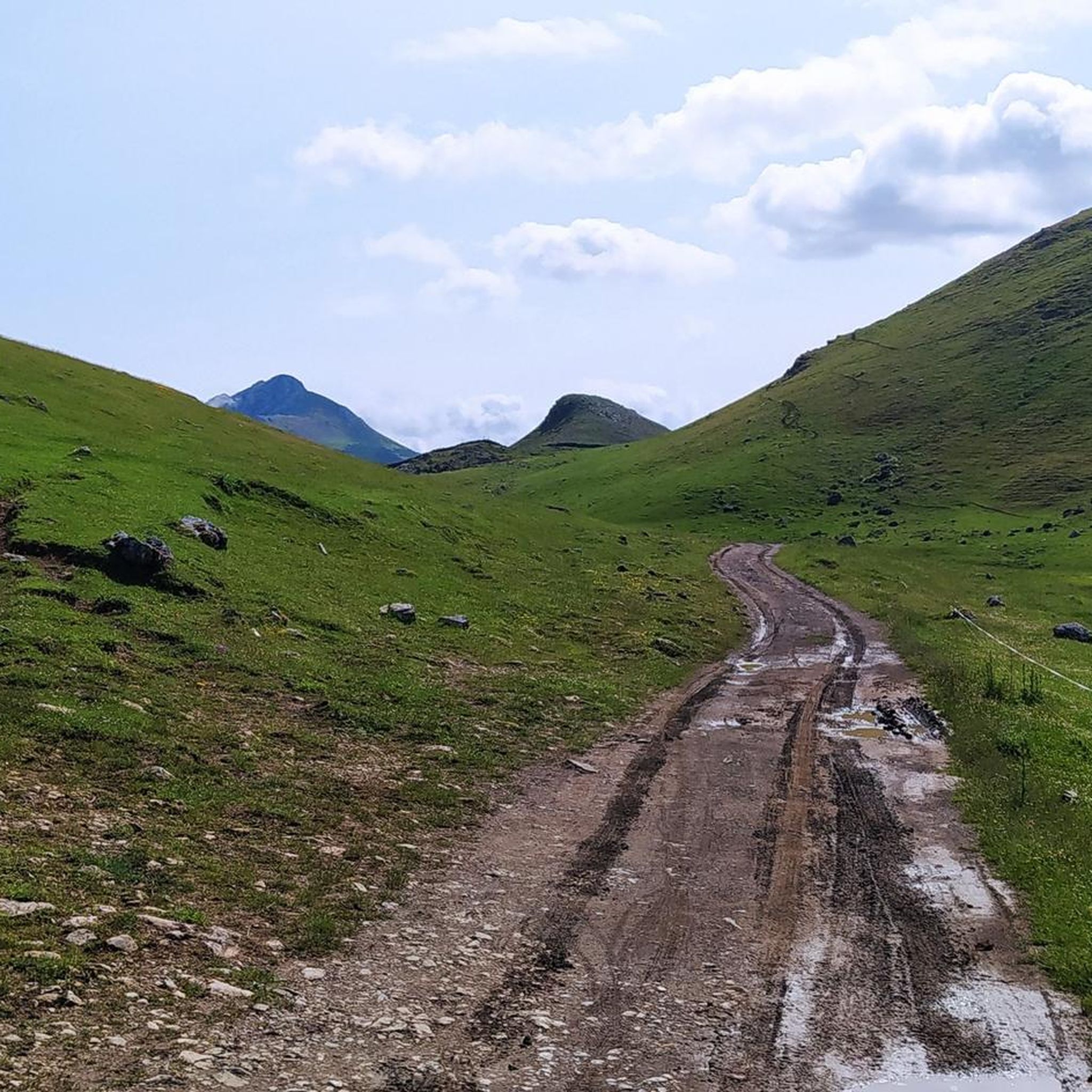
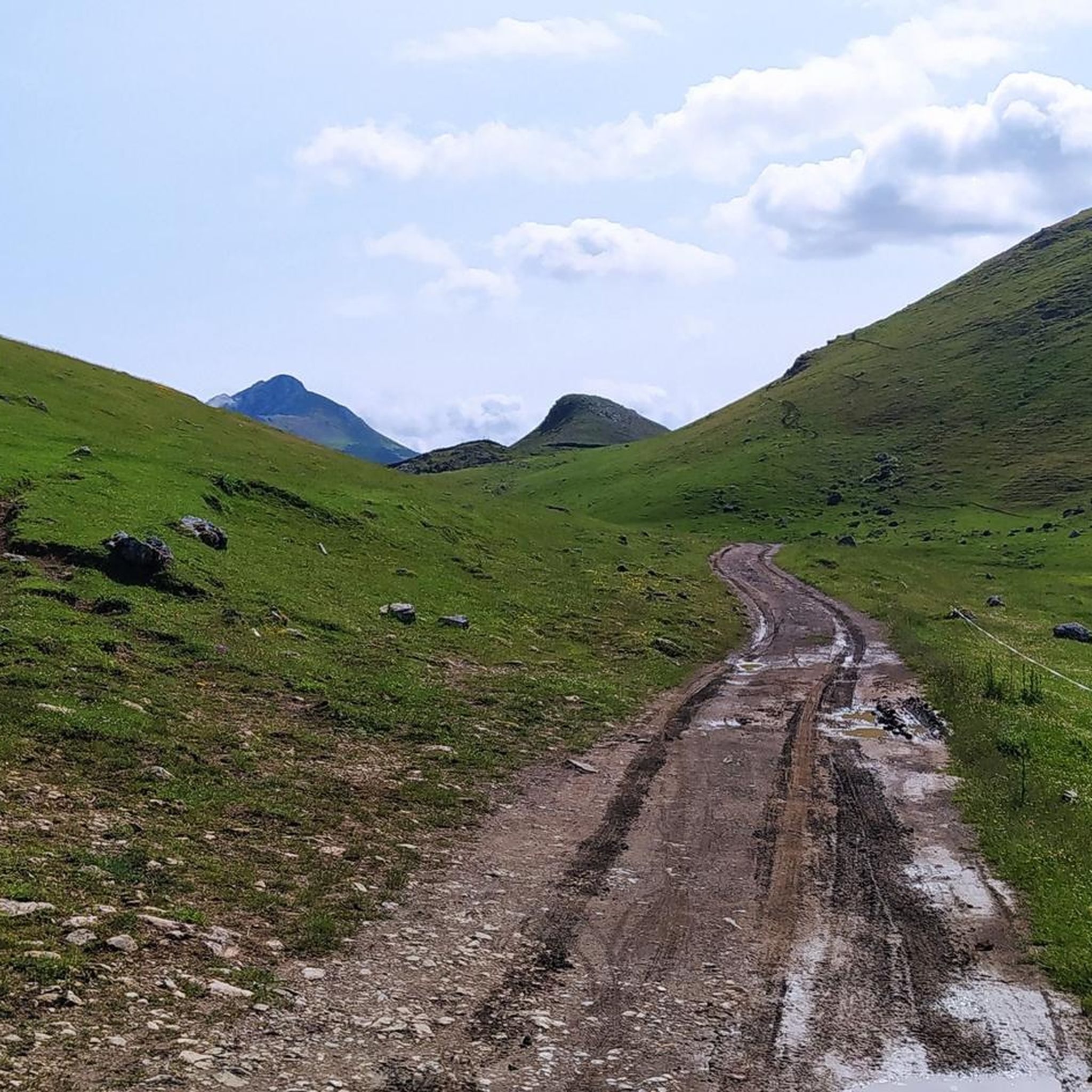
Ventana Pass
Highlight • Mountain Pass
Translated by Google •
Tip by

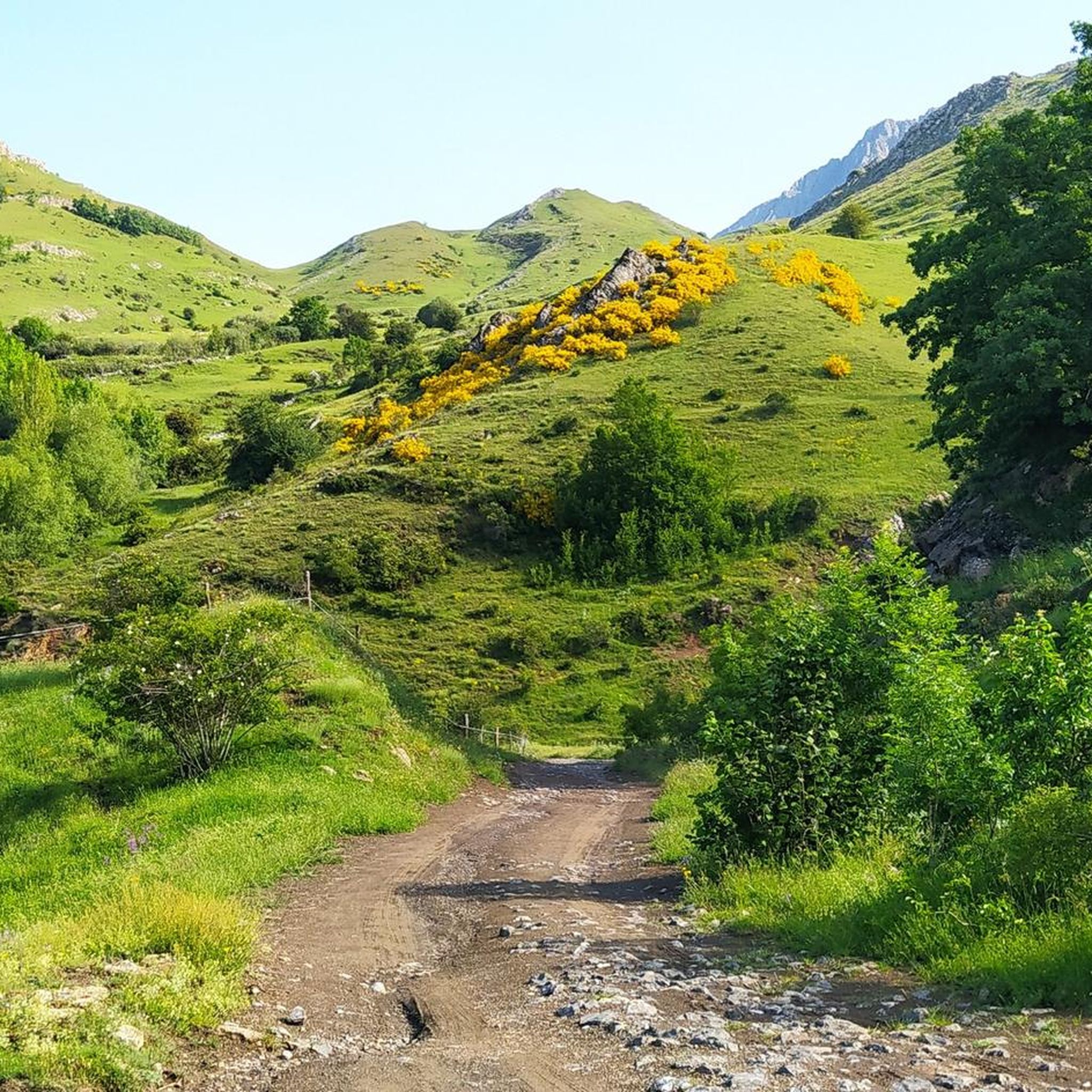
Ricabo Track
Highlight (Segment) • Trail
Tip by

Peña Orniz Summit (2,191 m)
Highlight • Summit
Translated by Google •
Tip by

Sign up for free to discover even more natural monuments around Reserva de la Biosfera de Babia.
Sign up for free
Already have an account?
Start today with a free account
Your next adventure awaits.
Login or Signup
Popular around Reserva de la Biosfera de Babia
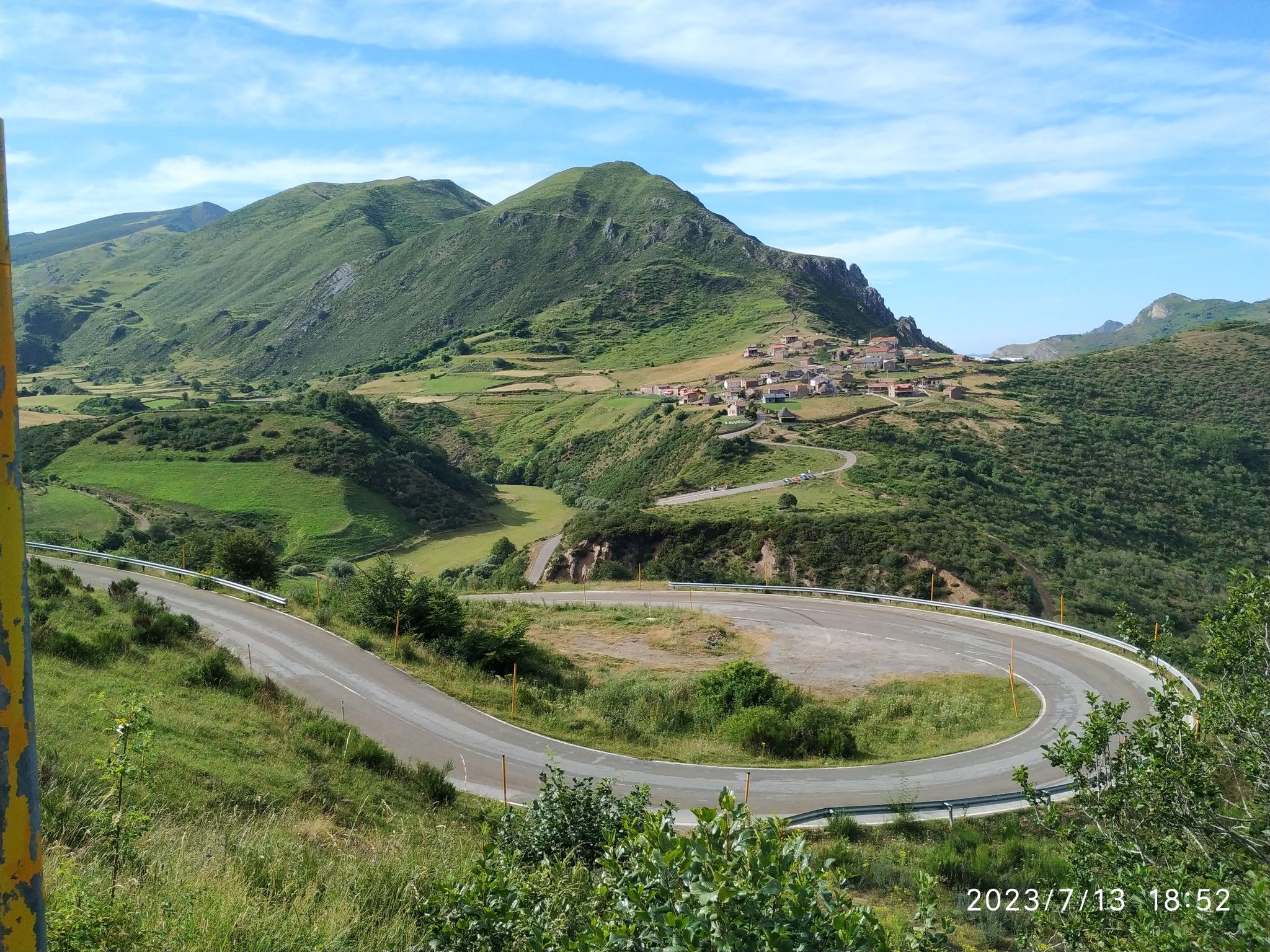
Height Challenges — Ports in Castilla y León
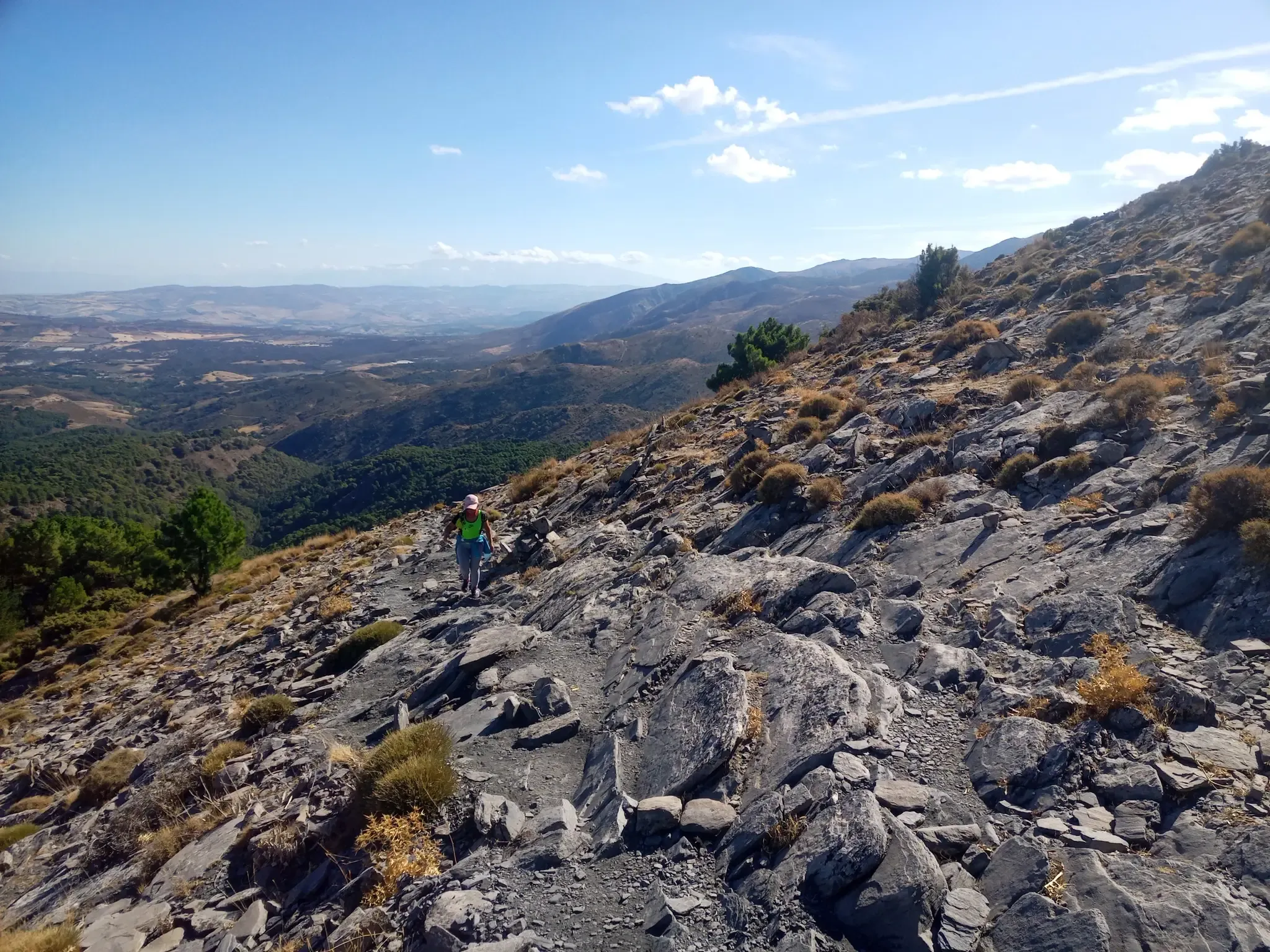
12 hiking gems throughout Spain
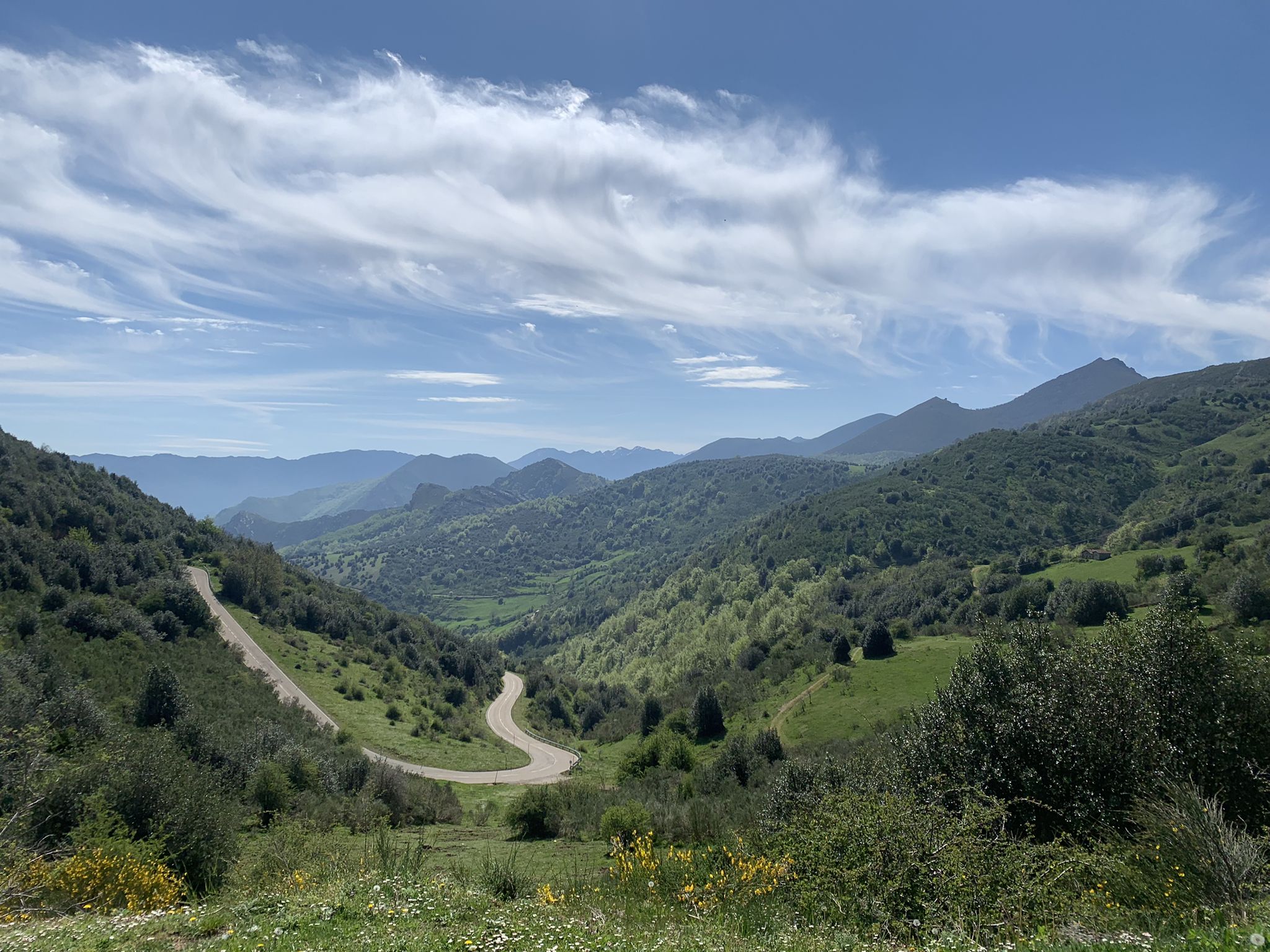
Along a Roman road to Asturias in Spain – Camino Real de la Mesa (GR 101)
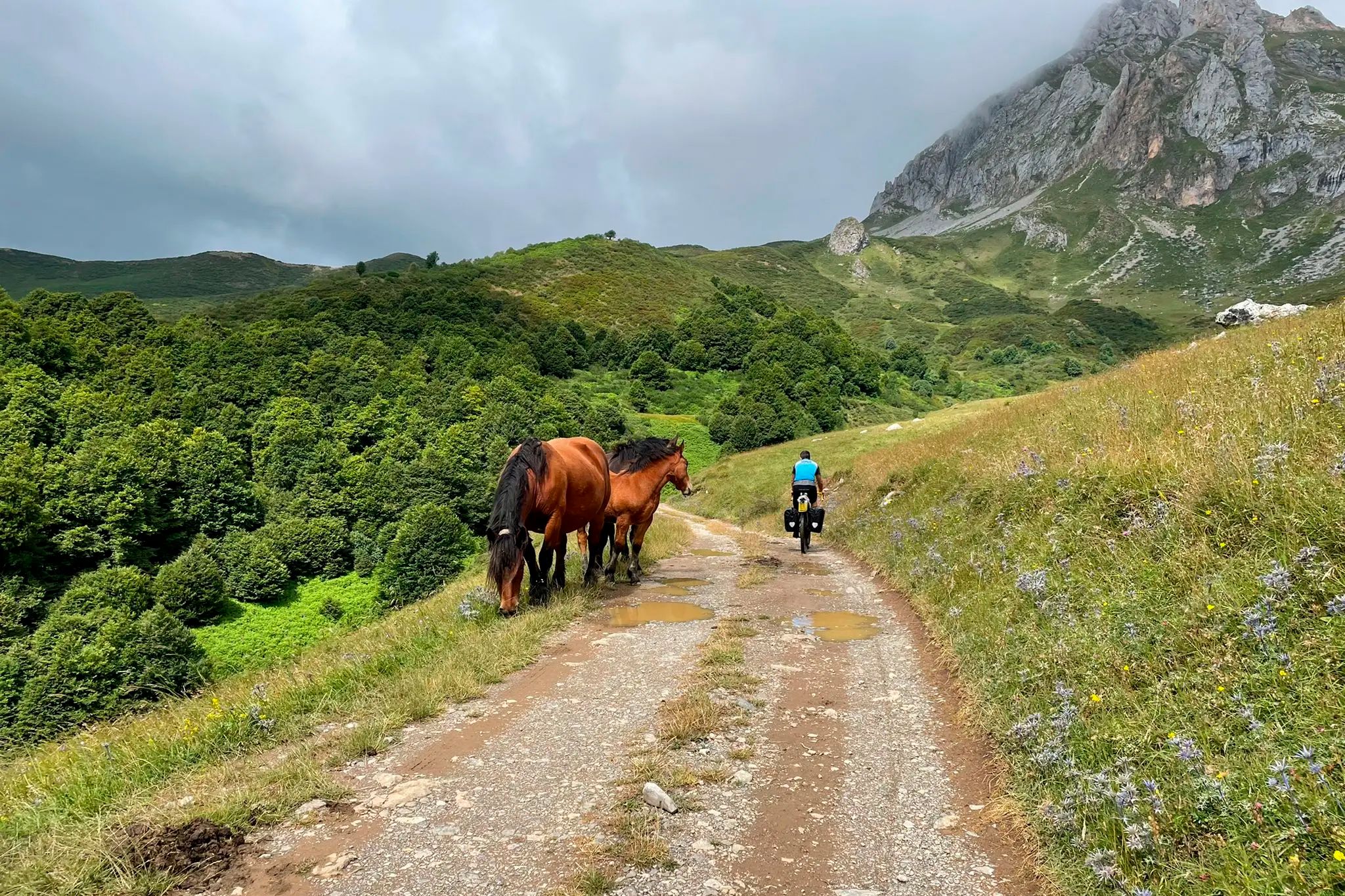
TransCantabrica – Extreme mountain biking in northern Spain
Hiking around Reserva de la Biosfera de Babia
MTB Trails around Reserva de la Biosfera de Babia
Road Cycling Routes around Reserva de la Biosfera de Babia
Running Trails around Reserva de la Biosfera de Babia
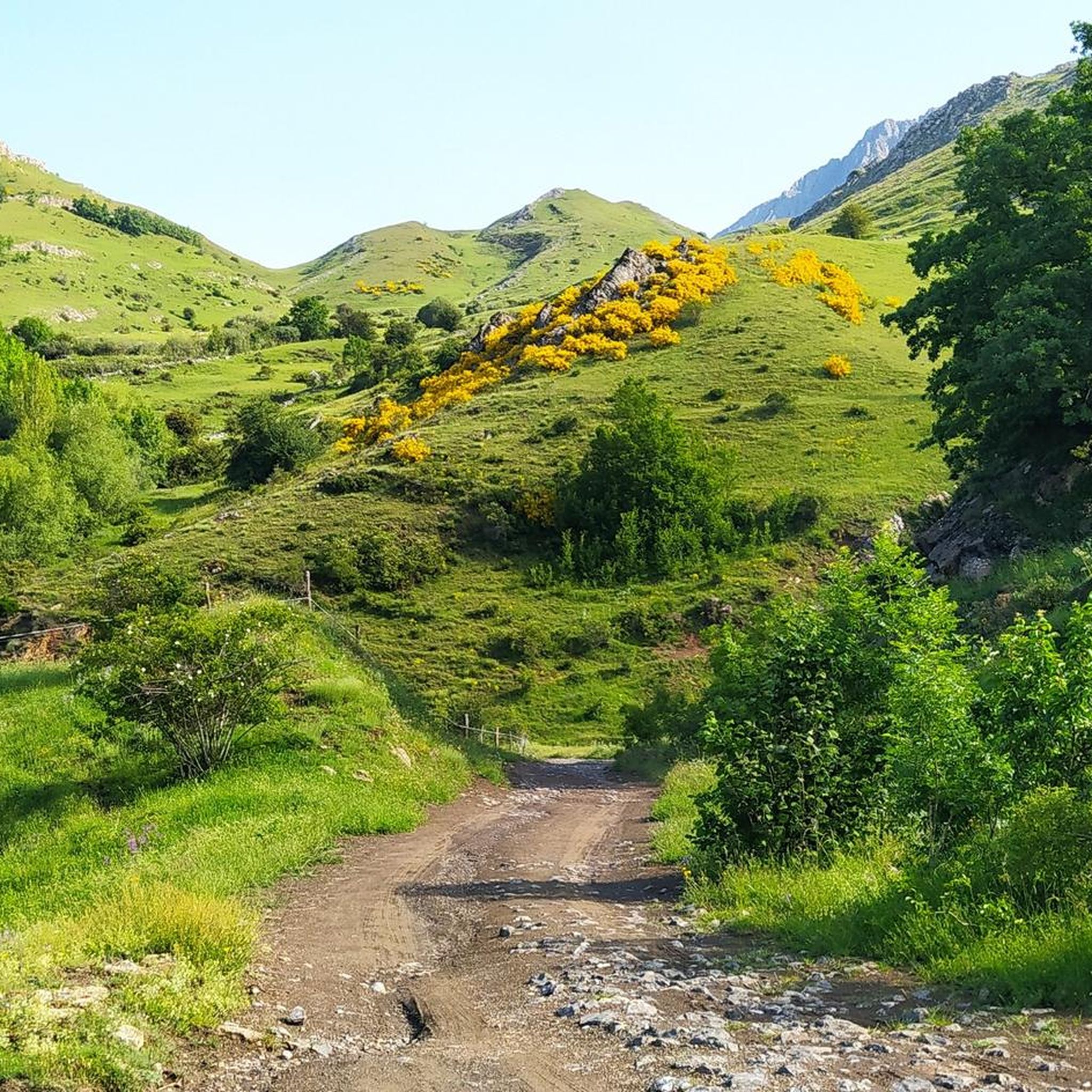
Cycling around Reserva de la Biosfera de Babia
Other adventures around Reserva de la Biosfera de Babia


Tips from the Community

The pass is now paved and can be driven on by car.
1
0

During the mining era, this pass served as a discreet link between mines on either side, and minimal traces of old cart and mule traffic remain, though they don't coincide with the current road. From above, the wind is almost constant, and the view towards the Saliencia lakes has that air of a "natural viewpoint" before the term even existed. It's perfect to mark on Komoot as a key point on your route due to its spaciousness, its somewhat hidden history, and its character as a natural border.
1
0
Upon reaching the summit, you don't arrive at a village or a tourist center, but rather at a kind of natural balcony overlooking the Lena mountain passes, which gives a strange feeling, as if you've stepped onto an empty stage. And on clear days, the wind is louder among the mountain passes than any car, because traffic is minimal.
0
0
For decades, La Cubilla was practically a ghost town: a road built to connect mining valleys, used more by livestock farmers and scattered trucks than by travelers. This lack of traffic left a remarkably clean route, free of curves, absurd straights, and modern widenings: pure mountain design from another era. That's why many cyclists say it "looks more like an Alpine pass than a Cantabrian one," with those giant limestone walls silently accompanying you.
0
0

The La Cubilla mountain pass is located at an altitude of 1,683 meters, on the border between Asturias and León. Its rugged terrain and the beauty of its surroundings have earned it the title of stage finisher of the Vuelta a España, making it one of the most iconic climbs among cyclists.
0
0

Puerto de Ventana is a mountain pass located in the Cantabrian Mountains, between the Principality of Asturias and the province of León. It lies at an altitude of 1,587 meters and connects the municipality of San Emiliano in León with the Asturian municipality of Teverga. From the pass, you can enjoy a breathtaking view of the San Emiliano Valley, known as Babia de Yuso.
2
0

Beautiful port with very very hard climbs on both sides.
1
0
Impressive views, both for Leonese lands and Asturian lands. The climbs on both slopes are very difficult, but spectacular, and are worth it.
0
0
Frequently Asked Questions
What are the most popular natural monuments to visit in Reserva de la Biosfera de Babia?
Among the most popular natural monuments, you'll find La Cubilla Pass, known for its scenic routes and as part of the TransCantábrica BTT. Another favorite is Ventana Pass, offering breathtaking views of the San Emiliano Valley. The Lagoon of Las Verdes is also highly appreciated for its serene glacial beauty.
Are there family-friendly natural monuments or trails in the Babia Biosphere Reserve?
Yes, the Lagoon of Las Verdes is noted as family-friendly, offering a relatively easy route suitable for all ages. The glacial lake provides a beautiful and tranquil setting for nature observation.
What kind of natural features can I expect to see in the Reserva de la Biosfera de Babia?
The reserve is characterized by limestone mountains, wide glacial valleys, and numerous peaks exceeding 2,000 meters. You'll encounter dramatic chasms, gorges, and relict forests. Significant features include the majestic Peña Ubiña Massif and serene glacial lakes like the Lagoon of Las Verdes.
What outdoor activities can I do near the natural monuments in Babia?
The region is excellent for various outdoor activities. You can explore extensive MTB trails, such as those found in the MTB Trails around Reserva de la Biosfera de Babia guide, or enjoy cycling routes detailed in the Cycling around Reserva de la Biosfera de Babia guide. There are also numerous running and hiking trails, including the challenging Ricabo to Alto de Ventana Trail, which you can find in the Running Trails around Reserva de la Biosfera de Babia guide.
Are there challenging hikes or summits for experienced adventurers?
Absolutely. For experienced adventurers, the ascent to Peña Orniz Summit (2,191 m) offers spectacular views and is considered challenging. The Peña Ubiña Massif, while not a specific highlight in this guide, is also a prominent feature in the region known for mountaineering.
What is the best time to visit the Reserva de la Biosfera de Babia?
The Reserva de la Biosfera de Babia is worth visiting year-round, as it offers different appeals in winter, spring, summer, or autumn. Each season brings unique landscapes and experiences, from lush green valleys in spring to snow-capped peaks in winter.
What kind of wildlife can be found in the Babia Biosphere Reserve?
The reserve boasts high biodiversity. You might spot various wildlife, including the endangered brown bear, grey partridge, and the Cantabrian piornal hare. The varied habitats, including relict forests and hay meadows, support a rich array of flora and fauna.
Can I find trails that go through forests in the area?
Yes, the Ricabo Track is a notable trail that takes you through a beautiful forest area, offering an 800-meter ascent towards Puerto de Ventana. The region also features relict forests of beech, birch, and oak groves.
What geological features are prominent in the Reserva de la Biosfera de Babia?
The region is dominated by limestone karst landscapes, resulting in a distinctive topography with an estimated complex of chasms, caves, and subterranean currents. The wide valleys were shaped by ancient glaciers, creating dramatic high mountains and rocky slopes, and glacial lakes like the Lagoon of Las Verdes.
What do visitors enjoy most about the natural monuments in Reserva de la Biosfera de Babia?
Visitors frequently highlight the magnificent landscapes and spectacular views, particularly from mountain passes like La Cubilla Pass and Ventana Pass. The tranquility of glacial lakes and the unique experience of cycling or hiking through fairytale forests, often above a sea of clouds, are also highly praised.
Are there any mountain passes that connect different regions?
Yes, the region is known for its mountain passes that serve as important connections. For instance, Ventana Pass connects San Emiliano in León with Teverga in Asturias, while La Cubilla Pass borders Asturias and Castilla y León, offering scenic routes between the two regions.
Most popular routes around Reserva de la Biosfera de Babia
Most popular attractions around Reserva de la Biosfera de Babia

Get inspired with the komoot mobile app


Explore more
Extend your search for the best caves by checking out these guides of the top ones around Reserva de la Biosfera de Babia:
