Top 20 Natural Monuments around Parc de Collserola
Best natural monuments around Parc de Collserola offer a natural escape near Barcelona. This expansive park covers over 8,000 hectares, characterized by its Mediterranean vegetation, diverse wildlife, and varied terrain. It serves as a significant green space, providing numerous natural features and landmarks for exploration. The park's accessibility makes it a convenient destination for outdoor activities.
Best natural monuments around Parc de Collserola
- The most popular natural monuments is Pi d'en Xandri, a natural monument that is one of…
Last updated: October 13, 2026
Cypresses Viewpoint
Highlight • Viewpoint
Translated by Google •
Tip by

Pi d'en Xandri
Highlight • Natural Monument
Translated by Google •
Tip by
Sign up now to discover places like this
Get recommendations on the best single tracks, peaks, & plenty of other exciting outdoor places.
Salt de l'Aigua Waterfall
Highlight • Waterfall
Translated by Google •
Tip by

Santa Maria de Collserola Sanctuary
Highlight • Religious Site
Translated by Google •
Tip by
Vallvidrera Reservoir
Highlight • Lake
Translated by Google •
Tip by

Sign up for free to discover even more natural monuments around Parc de Collserola.
Already have an account?
Start today with a free account
Your next adventure awaits.
Popular around Parc de Collserola
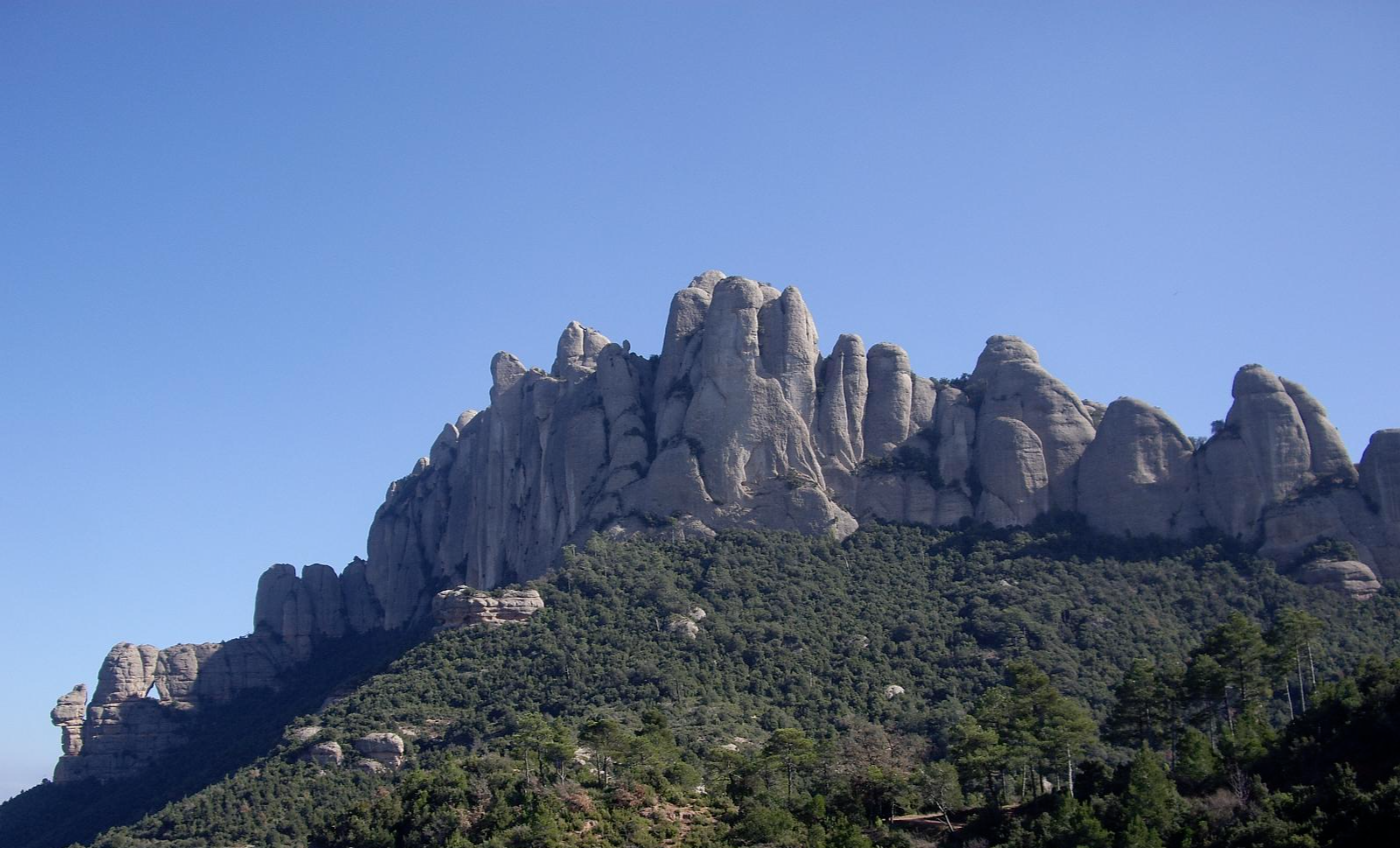
The Pilgrims' Road to Montserrat - GR 96
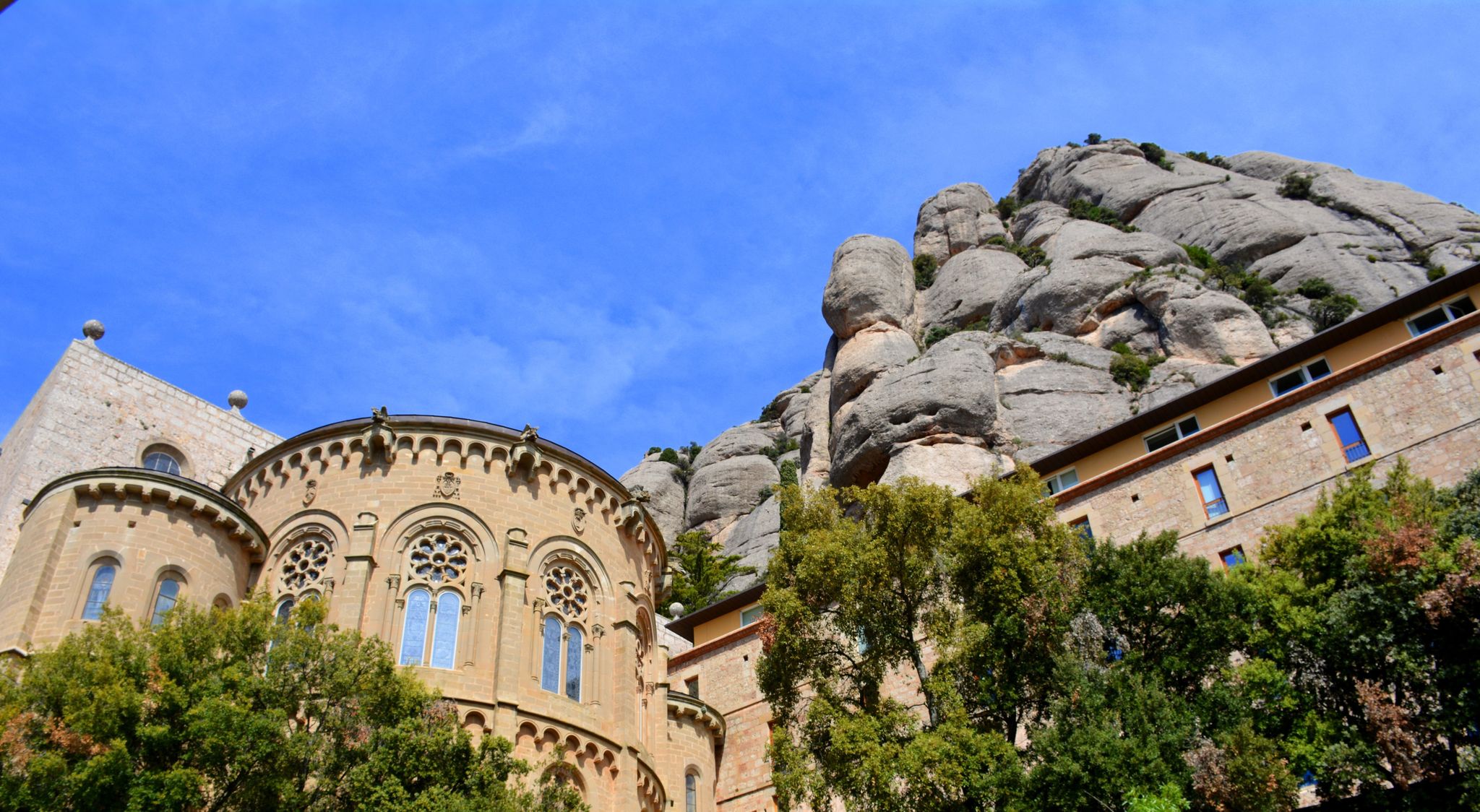
From the city to the forests – Camí Romeu de Montserrat (GR 96)
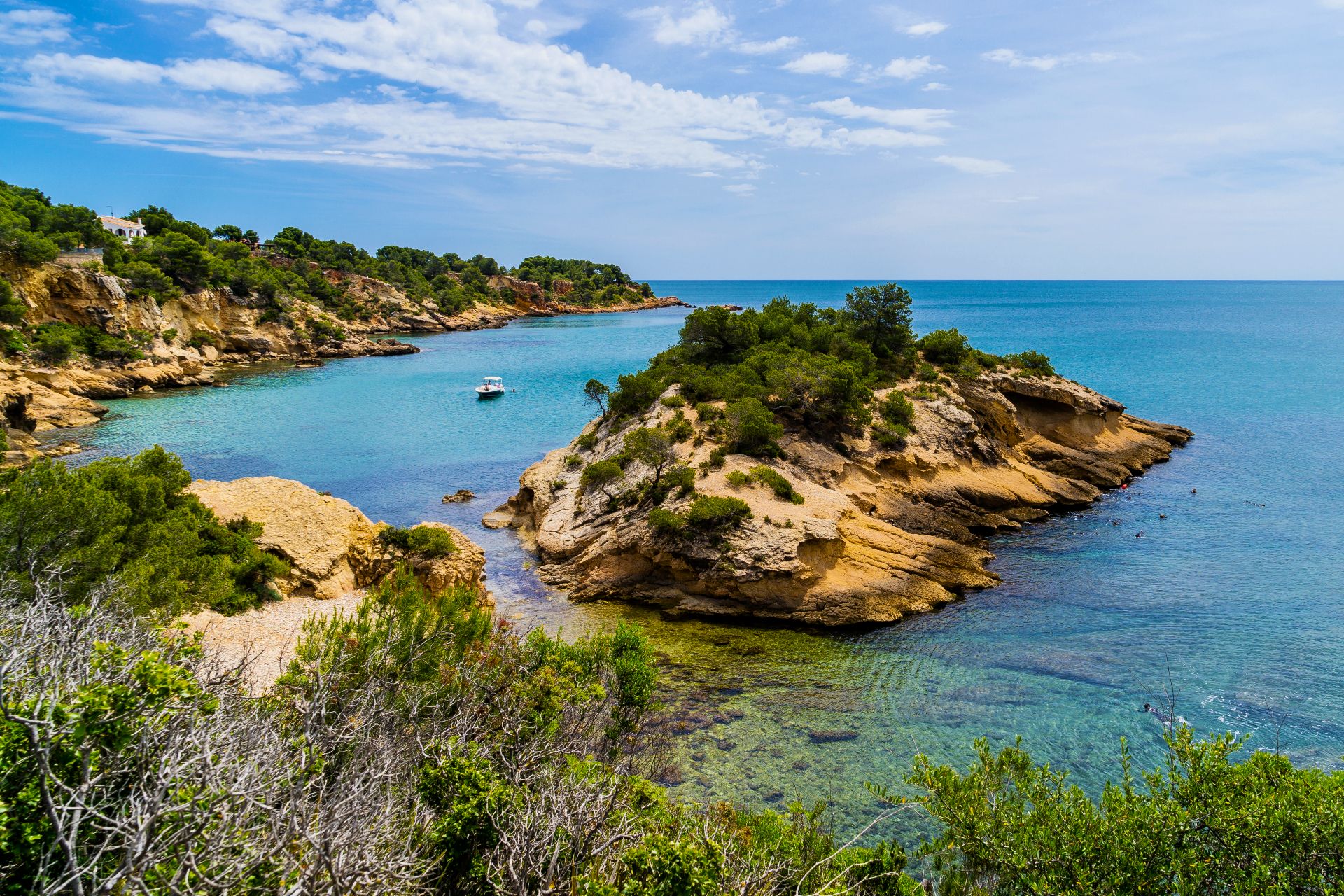
The Catalan coast on foot – Mediterranean Path (GR 92)
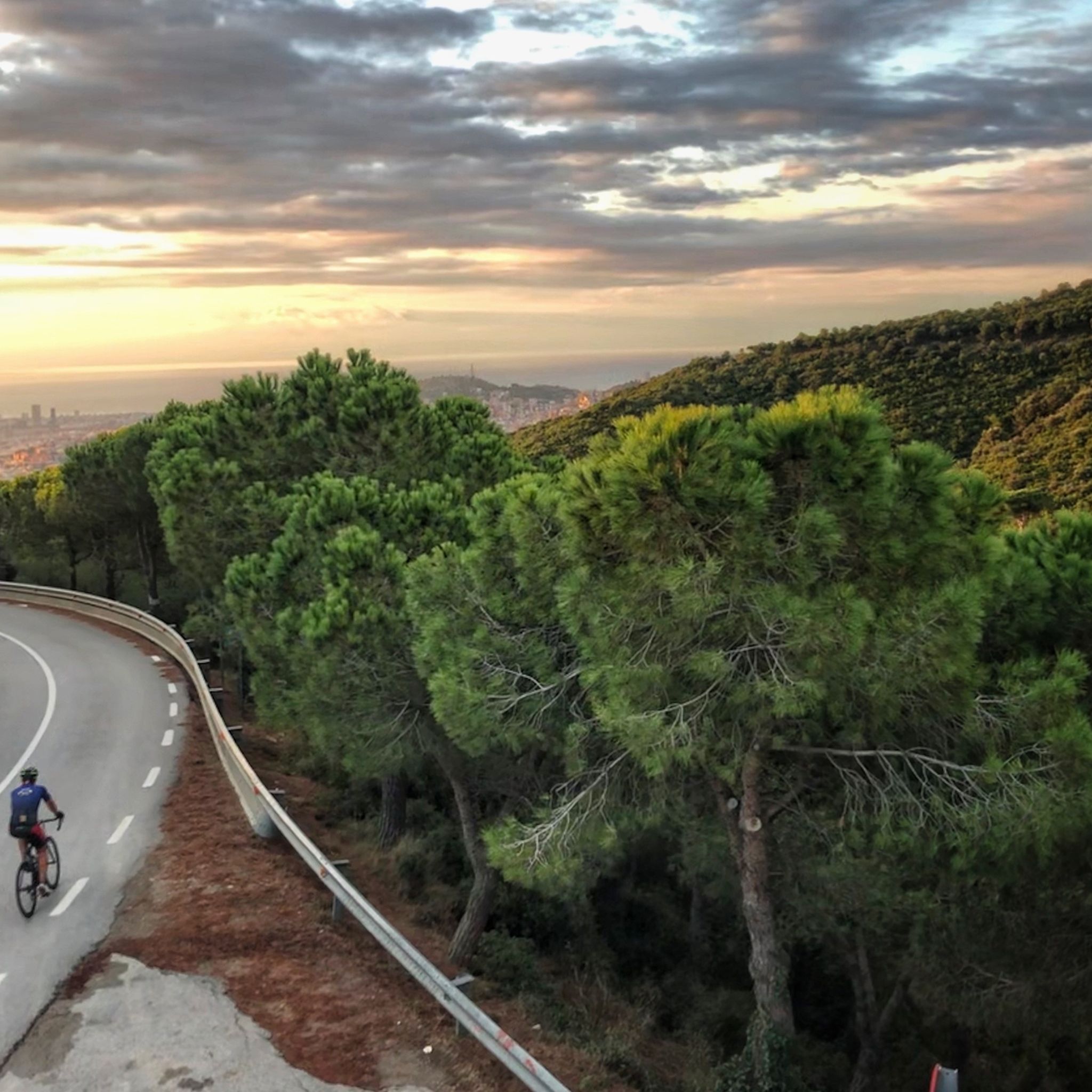
Road Cycling Routes around Parc de Collserola
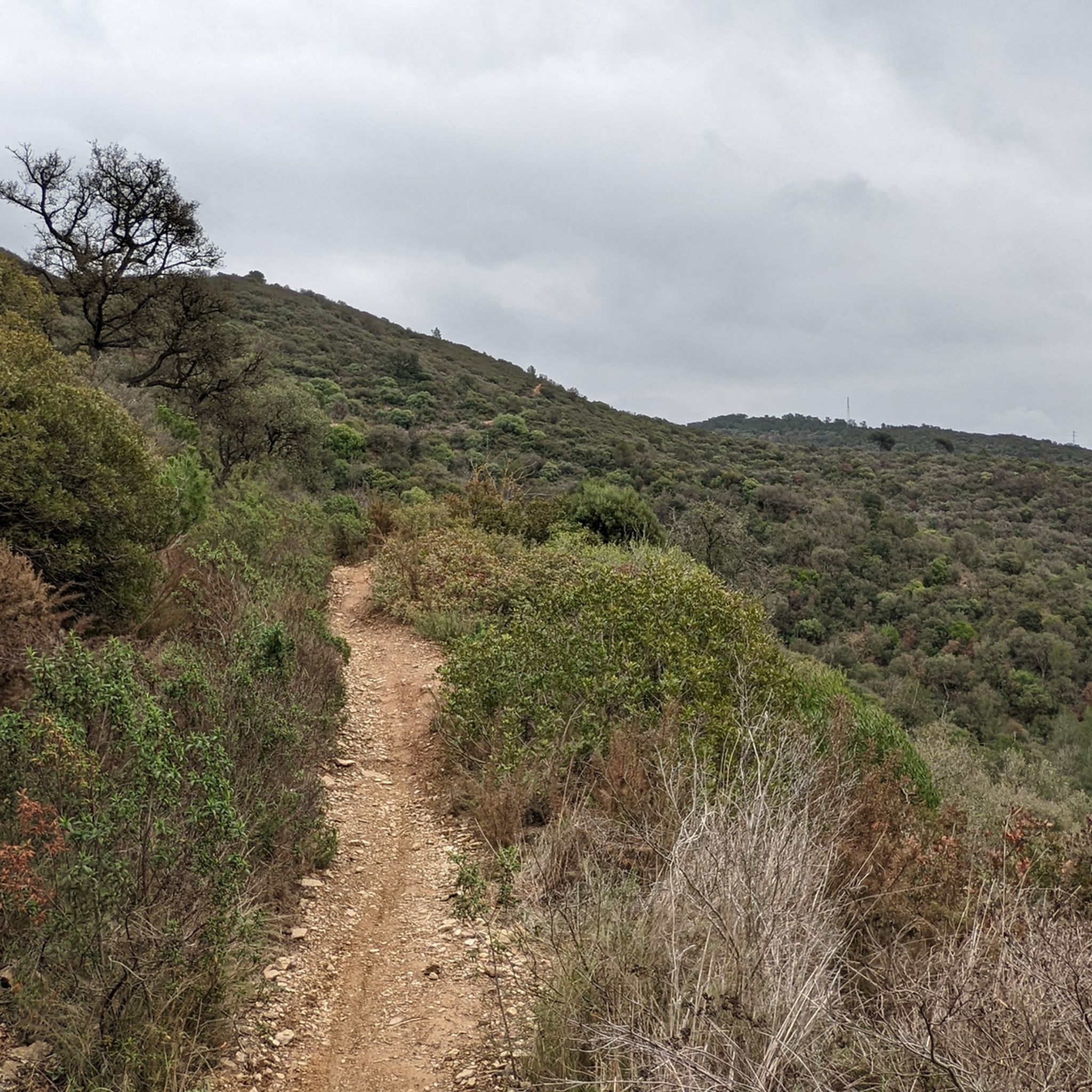
MTB Trails around Parc de Collserola
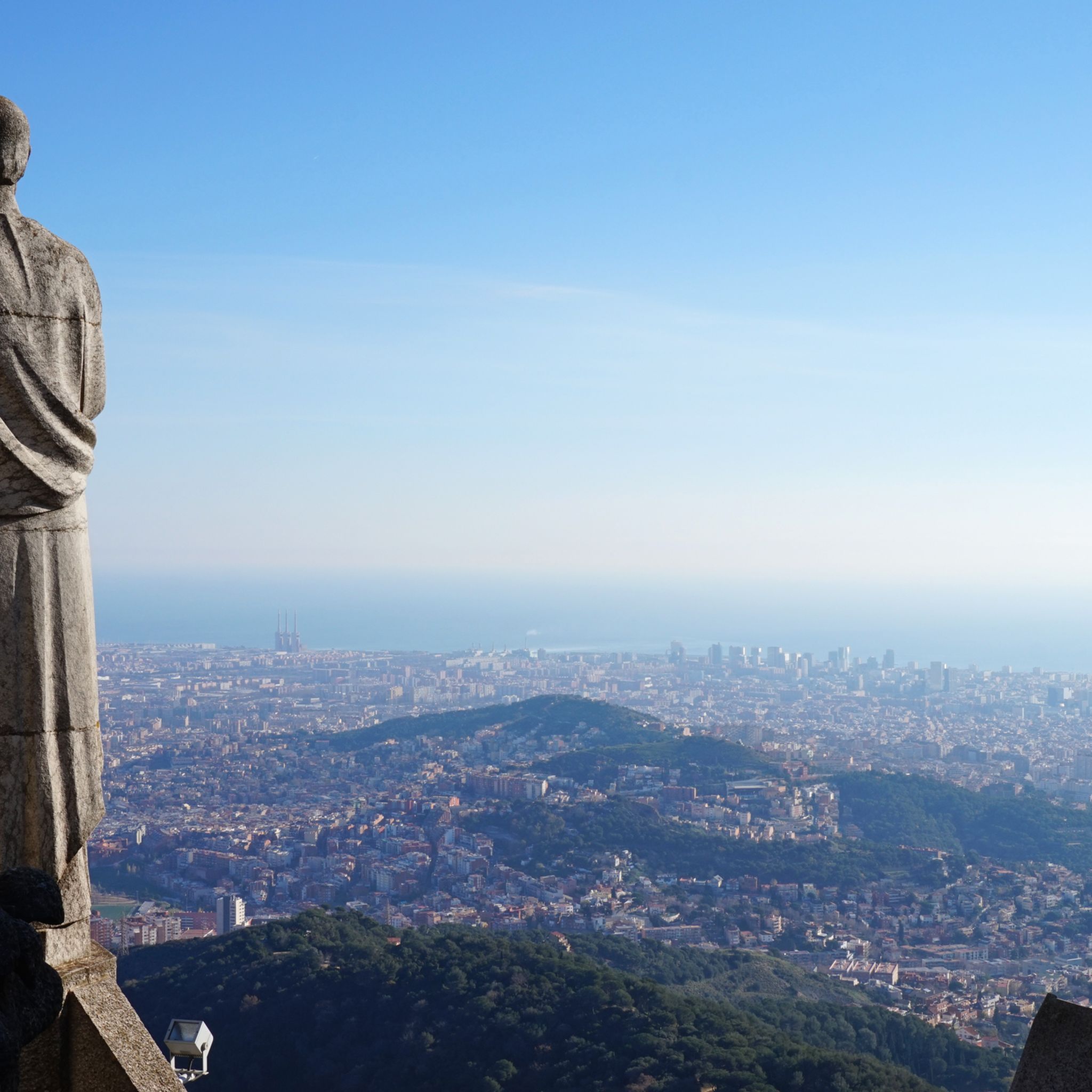
Hiking around Parc de Collserola
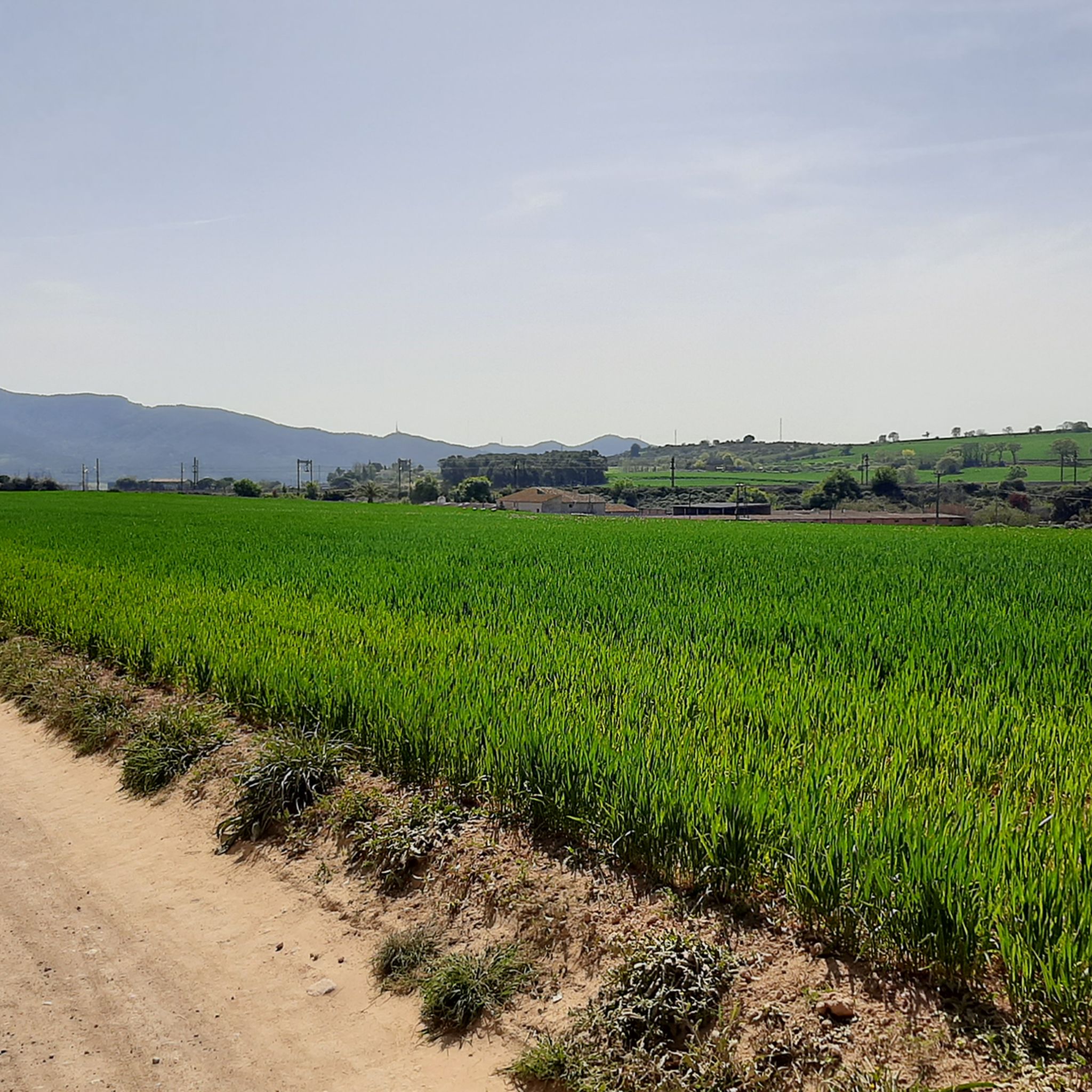
Running Trails around Parc de Collserola
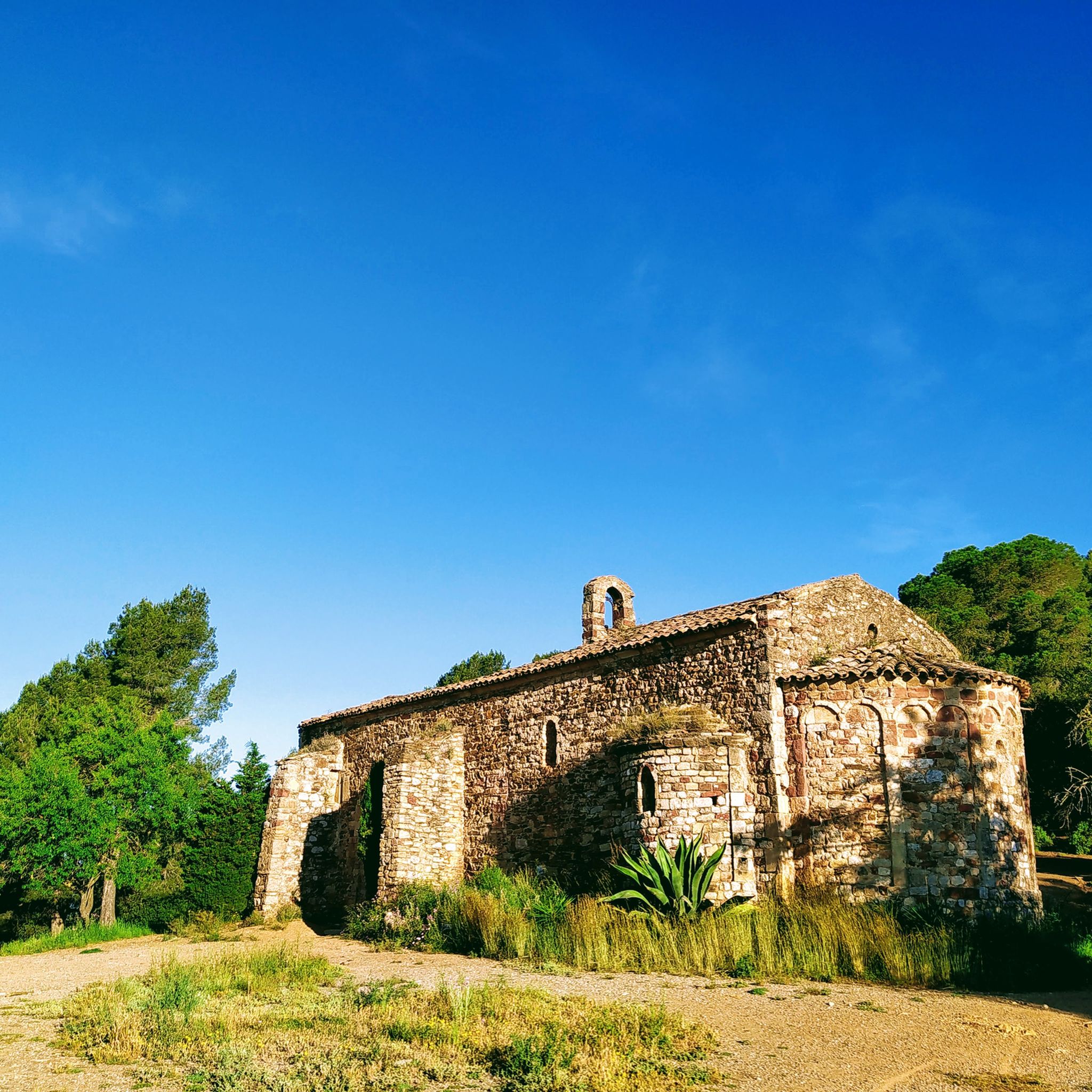
Cycling around Parc de Collserola

Gravel biking around Parc de Collserola
Other adventures around Parc de Collserola


Tips from the Community

Regarding the Mother of God, to whom this local shrine is dedicated, here is a reflection by Albino Luciani from his time as Patriarch of Venice (later Pope John Paul I): "A privileged place in the Bible is reserved for Mary, who was chosen to become the Mother of God and to participate positively in the Incarnation and the Redemption. In the past, the grace of divine election was emphasized above all. Today, Mary's response is also emphasized, her yes, or rather, her 'active and responsible consent.' A responsible and courageous yes to a task that encompassed the entire world..." Text: Albino Luciani (Pope John Paul I)
0
0

place of worship to the Virgin Mary of Collserola, and a point of reference and visit for mountain biking and hiking lovers 🥾
0
0

In front of the small sanctuary of Santa Maria de Collserola there is a large square with a stone circle and a cross.
4
0

A very good cycle path, with views of Barcelona
0
0

Simple and small sanctuary of bricks and tiles with the image of Santa Maria de Collserola, which from its tiny display case observes the Sacred Heart located at the top of Tibidabo.
25
0

The Xandri pine is a monumental pinyoner pine (Pinus pinea in Latin) located in the territory of the rural park of Torre Negra in Sant Cugat del Vallès, about 250 years old (according to a dendrological analysis it germinated in 1774). The tree has a height of 23 meters, a trunk circumference of 3.20 meters and a trunk thickness of 3.60 meters. Its head has a width of 21 by 15 meters. It is called Xandri because it is located on land that was once owned by a farmer named Xandri
3
0

Perfect to go out on a bike and take some photos
4
0
The Pi d'en Xandri is one of the oldest pines in Catalonia and an ecological, cultural and historical symbol of Sant Cugat. It is estimated that he was born around the year 1774, at the time of Mozart, Kant and Napoleon Bonaparte, now about 248 years ago. It is a stone pine (pinus pinea) and is located in the Torre Negra rural park. It has a considerable height -23 meters- and a trunk of 3.20 meters in diameter. Its crown is 21 meters wide and has a peculiar shape, like a parasol, with a wayward, half-naked branch. The Pi d'en Xandri lost part of its branches due to the snow that accumulated on Christmas night in the year 62, when a formidable snowfall covered Catalonia in white. In 1997 some vandals tried to saw it off and set it on fire. It was necessary to graft a piece of live trunk so that the sap could circulate again and it was held with the trunks that surround it today to facilitate its healing.
30
0
Frequently Asked Questions
What are some of the most notable natural features to explore in Parc de Collserola?
Parc de Collserola offers a diverse range of natural features. You can visit the tranquil Vallvidrera Reservoir, a former water reservoir now a peaceful lake. Another significant spot is the Salt de l'Aigua Waterfall, a spectacular natural feature in the Molins area. The park is also home to ancient trees, such as Pi d'en Xandri, one of the oldest pines in Catalonia.
Where can I find the best panoramic views in Parc de Collserola?
The park is renowned for its numerous viewpoints offering superb panoramic vistas. The Cypresses Viewpoint, located at the southern end of the Collserola mountain range, provides expansive views of the Barcelona plain, the Llobregat delta, and surrounding mountains. Other popular viewpoints include Mirador de Sarrià and Mirador de l'Arrabassada, while Mirador de Torre Baró and Mirador de la Font Groga offer equally stunning, often quieter, perspectives.
Are there any historical natural monuments in Parc de Collserola?
Yes, the park features natural monuments with significant historical context. The Pi d'en Xandri, for instance, is not only an impressive stone pine over 250 years old but also an ecological, cultural, and historical symbol of Sant Cugat. Its survival and protection efforts have made it a landmark of local identity.
What kind of outdoor activities can I do around Parc de Collserola's natural monuments?
Parc de Collserola is a haven for outdoor enthusiasts. You can enjoy various activities like hiking, road cycling, and mountain biking. For hiking, explore easy trails such as the "Vallvidrera Reservoir Trail" or the "Sant Medir Hermitage – Can Borrell Reservoir loop." Cyclists can find routes like "From the Turó Viewpoint to Tibidabo" for road cycling or challenging MTB trails like "Parc de Collserola, Can Borrell, Paseo de las aguas." You can find more details on these activities in the easy hikes, road cycling, and MTB trails guides for the region.
Are the natural monuments in Parc de Collserola suitable for families?
Many natural monuments in Parc de Collserola are family-friendly. For example, the Vallvidrera Reservoir is a pleasant spot for a family outing, offering a tranquil setting. The Pi d'en Xandri and the Salt de l'Aigua Waterfall are also accessible and enjoyable for families, providing interesting natural sights.
What is the best time of year to visit the natural monuments in Parc de Collserola?
The park's Mediterranean climate makes it enjoyable year-round. Spring and autumn generally offer the most pleasant temperatures for exploring, with lush vegetation and comfortable hiking conditions. However, the park's accessibility from Barcelona means it's a convenient escape to nature at any time, with each season offering its unique charm, from vibrant spring blooms to the rich colors of autumn.
How can I reach the natural monuments in Parc de Collserola?
Parc de Collserola is highly accessible from Barcelona. Many points, including the Cypresses Viewpoint, can be reached via Passeig de les Aigües, which is well-connected. Public transport options are available, and the park's proximity to urban areas makes it easy to get to by car or even on foot/bike from nearby neighborhoods.
What kind of wildlife and flora can I expect to see in Parc de Collserola?
Parc de Collserola is a haven for biodiversity. It's characterized by Mediterranean vegetation, including oak and pine forests. The park is home to approximately 190 species of vertebrates, such as wild boars, foxes, squirrels, and a wide array of bird life. Exploring the trails offers excellent opportunities for birdwatching and observing its rich flora and fauna.
Are there any less crowded natural monuments in Collserola for a quieter experience?
While popular spots can attract visitors, some areas offer a more serene experience. The Vallvidrera Reservoir is known for its tranquil setting, ideal for quiet contemplation. Additionally, viewpoints like Mirador de Torre Baró and Mirador de la Font Groga tend to be quieter than the more frequented Mirador de Sarrià or Mirador de l'Arrabassada, offering peaceful moments amidst stunning views.
Can I find water sources or places to refill bottles near the natural monuments?
Yes, some natural monuments and trails within the park offer amenities like water sources. For instance, near the Cypresses Viewpoint, there is a fountain where you can refill your water bottle. The historic Font Groga (Yellow Fountain) is another emblematic spring in the park, providing a refreshing stop for hikers.
What is the <strong><a href="https://www.komoot.com/highlight/122266" target="_blank" rel="noopener">Santa Maria de Collserola Sanctuary</a></strong> and how does it relate to the natural monuments?
The Santa Maria de Collserola Sanctuary is a simple and small religious building nestled within the park. While a man-made structure, its location deep within a leafy, narrow forest makes it feel like an integral part of the natural landscape. It offers a unique blend of cultural heritage and natural beauty, accessible via rewarding forest paths.
Most popular routes around Parc de Collserola
Most popular attractions around Parc de Collserola

Get inspired with the komoot mobile app


Explore more
Extend your search for the best caves by checking out these guides of the top ones around Parc de Collserola:
