Top 9 Natural Monuments around Natural Park Hohes Moor
Best natural monuments around Natural Park Hohes Moor include a significant natural reserve known for its successful renaturation and diverse ecosystem. This approximately 5000-year-old raised bog, located in Lower Saxony, Germany, underwent rewetting efforts that have restored its unique landscape. The area features a mosaic of open water, wet meadows, peat moss lawns, and moor forests. Visitors can explore a varied landscape with historical peat cuttings and rewatered areas, making it a compelling destination for nature enthusiasts.
Best natural monuments…
Last updated: October 13, 2026
Hohes Moor Nature Reserve
Highlight • Natural
Translated by Google •
Tip by

Information board at Hohes Moor
Highlight • Rest Area
Translated by Google •
Tip by

Sign up now to discover places like this
Get recommendations on the best single tracks, peaks, & plenty of other exciting outdoor places.
Lake Oldendorf
Highlight • Lake
Translated by Google •
Tip by
Krummer Damm, Hohes Moor
Highlight (Segment) • Natural
Translated by Google •
Tip by
Nature Reserve — Hohes Moor
Highlight • Natural
Translated by Google •
Tip by

Sign up for free to discover even more natural monuments around Natural Park Hohes Moor.
Already have an account?
Start today with a free account
Your next adventure awaits.
Tips from the Community

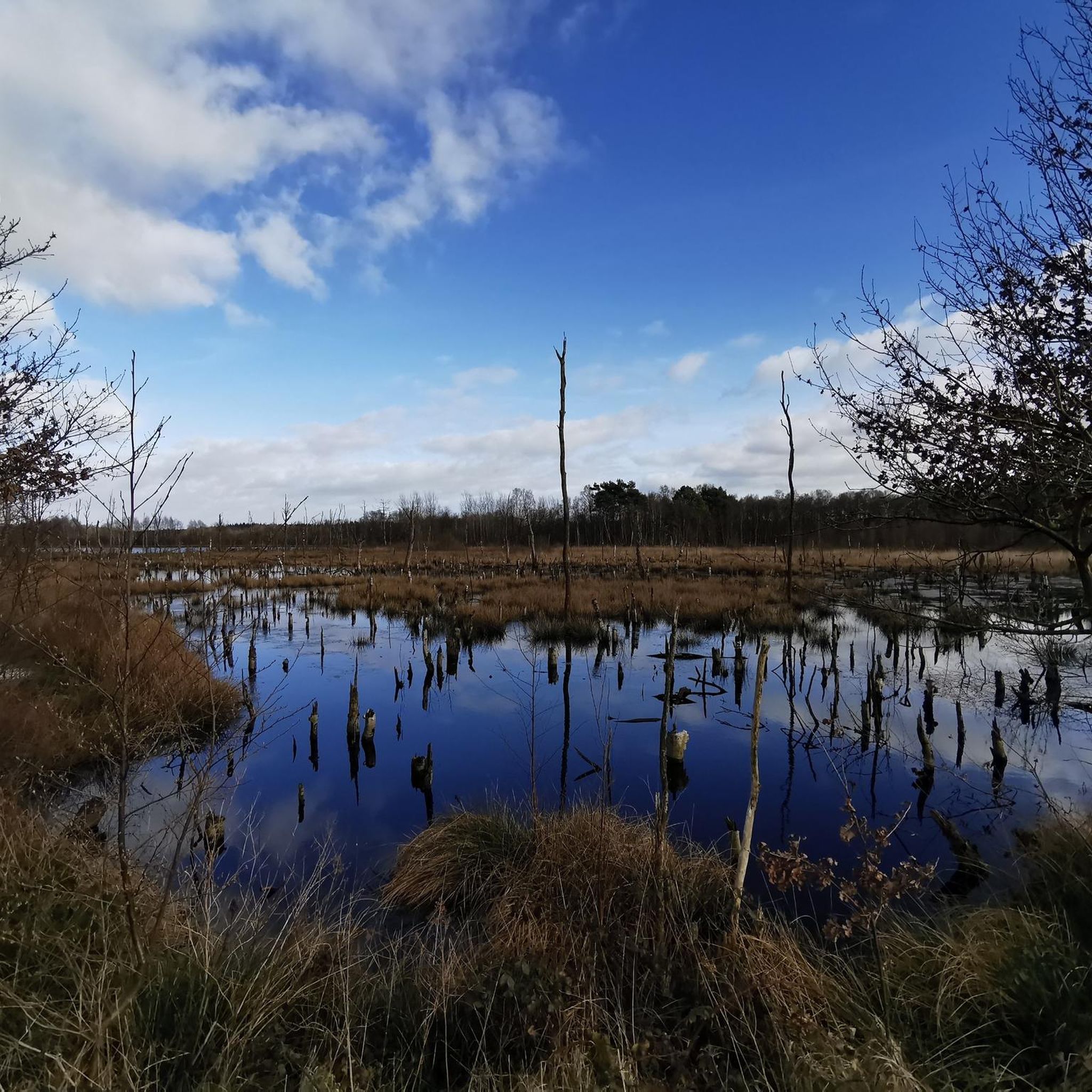
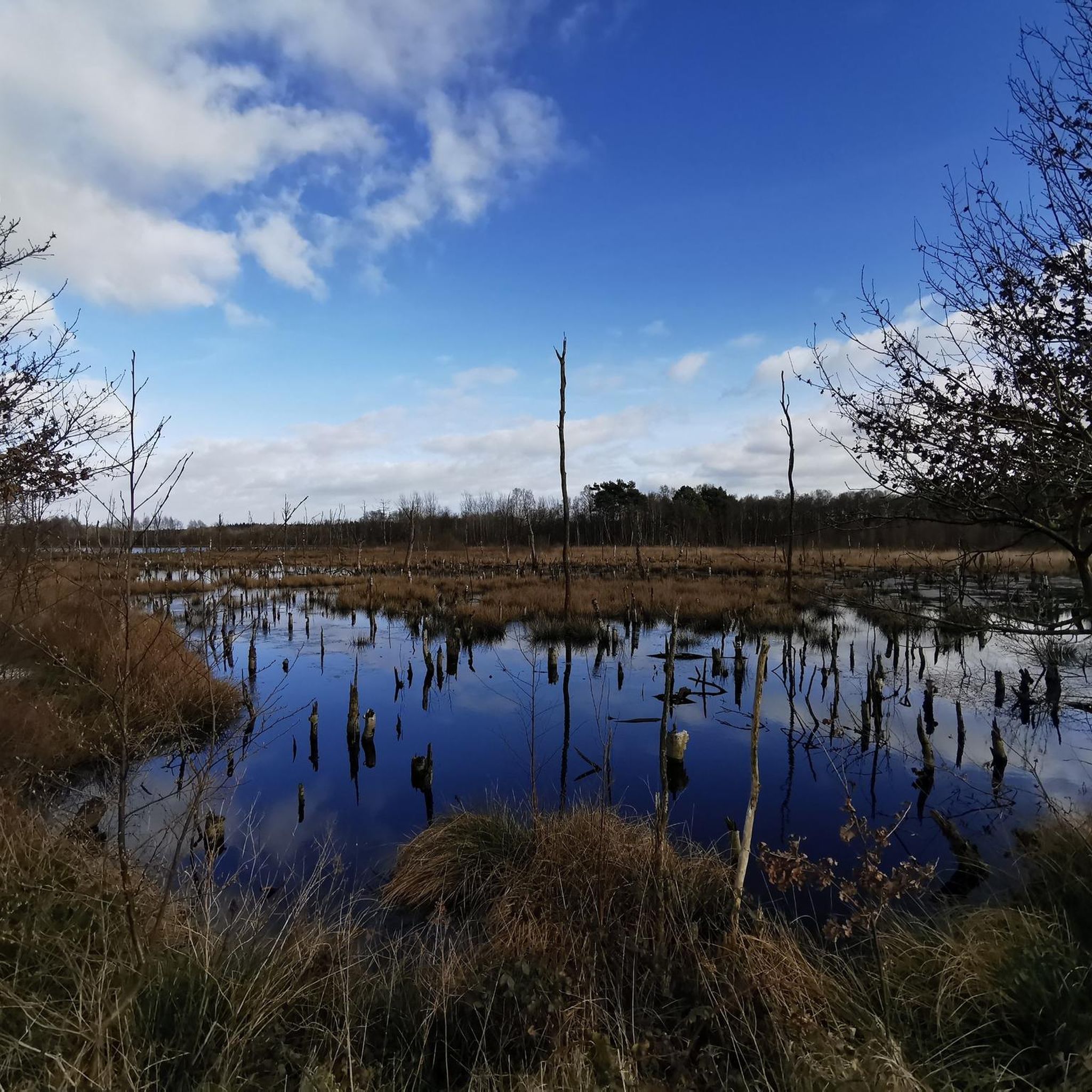
Das Hohe Moor is recommendable and interesting at the same time 👍🏼. Beautiful hiking trails 💚 are located here and great views of the moor as well as the surrounding nature. Dreamily beautiful here, the sun 🌞 should shine 🌄 everything is then reflected very beautifully. Yes, a bit dated but you can still get across.
1
0
A great hiking route leads through the Hohe Moor here. Various tours can be chosen. A visit is recommended at any time of the year.
1
0
A great hiking route leads through the Hohe Moor here. Various tours can be chosen. A visit is recommended at any time of the year.
1
0
The High Moor near Oldendorf is highly recommended and absolutely beautiful 👍🏼. A hike here is highly recommended. There are plenty of benches for relaxing and enjoying the scenery.
3
0
The High Moor is highly recommended and interesting 👍🏼. Beautiful hiking trails 💚 can be found here, offering fantastic views of the moor and the surrounding nature. It's absolutely stunning here; the sun 🌞 should be shining 🌄, then everything is reflected beautifully.
2
0
The High Moor is highly recommended and interesting 👍🏼. Beautiful hiking trails 💚 can be found here, offering fantastic views of the moor and the surrounding nature. Absolutely stunning 😊.
1
0
Here in the land area of the Hohes Moor, there's an information board and a seating area with a great view of the surrounding nature. A break is recommended.
6
0

This path is no longer accessible.
1
0
Frequently Asked Questions
What makes the Hohes Moor Nature Reserve a significant natural monument?
The Hohes Moor Nature Reserve is a significant natural monument due to its successful renaturation efforts. This approximately 5000-year-old raised bog underwent a rewetting process, leading to a remarkable comeback of typical bog plants like sundew and peat moss. It now boasts a diverse ecosystem with over 60 species of breeding birds, including cranes, marsh owls, and ospreys, making it a prime example of conservation success.
What unique natural features can I expect to see in the Hohes Moor area?
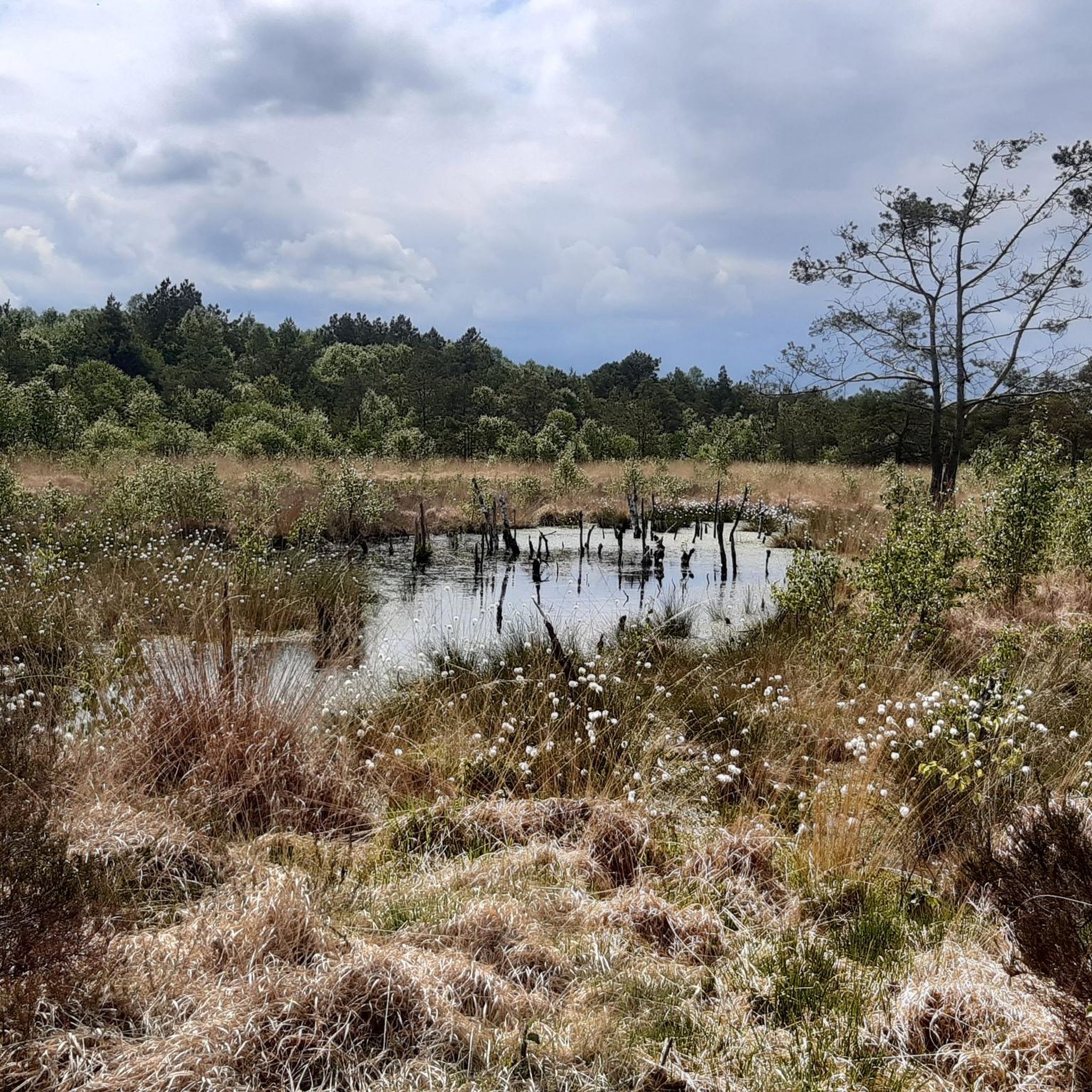
The Hohes Moor area offers a varied landscape, including open water, wet meadows, peat moss lawns, and moor forests. You can also observe historical hand-dug peat cuttings and drainage ditches. A notable feature is Lake Oldendorf, one of the original large moor lakes preserved in the region, whose water level has risen significantly due to rewetting.
What kind of wildlife can be observed in the Hohes Moor Natural Park?
The Hohes Moor Natural Park is rich in wildlife, especially birds. Visitors can spot cranes, marsh owls, nightjars, woodcocks, and even ospreys. The extensive moor lakes, particularly along the 'Alten Damm' path, are excellent for bird and duck watching. On sunny days, you might also see adders basking along the edges of old peat cuttings.
Are there specific viewpoints or scenic spots within the Hohes Moor Natural Park?
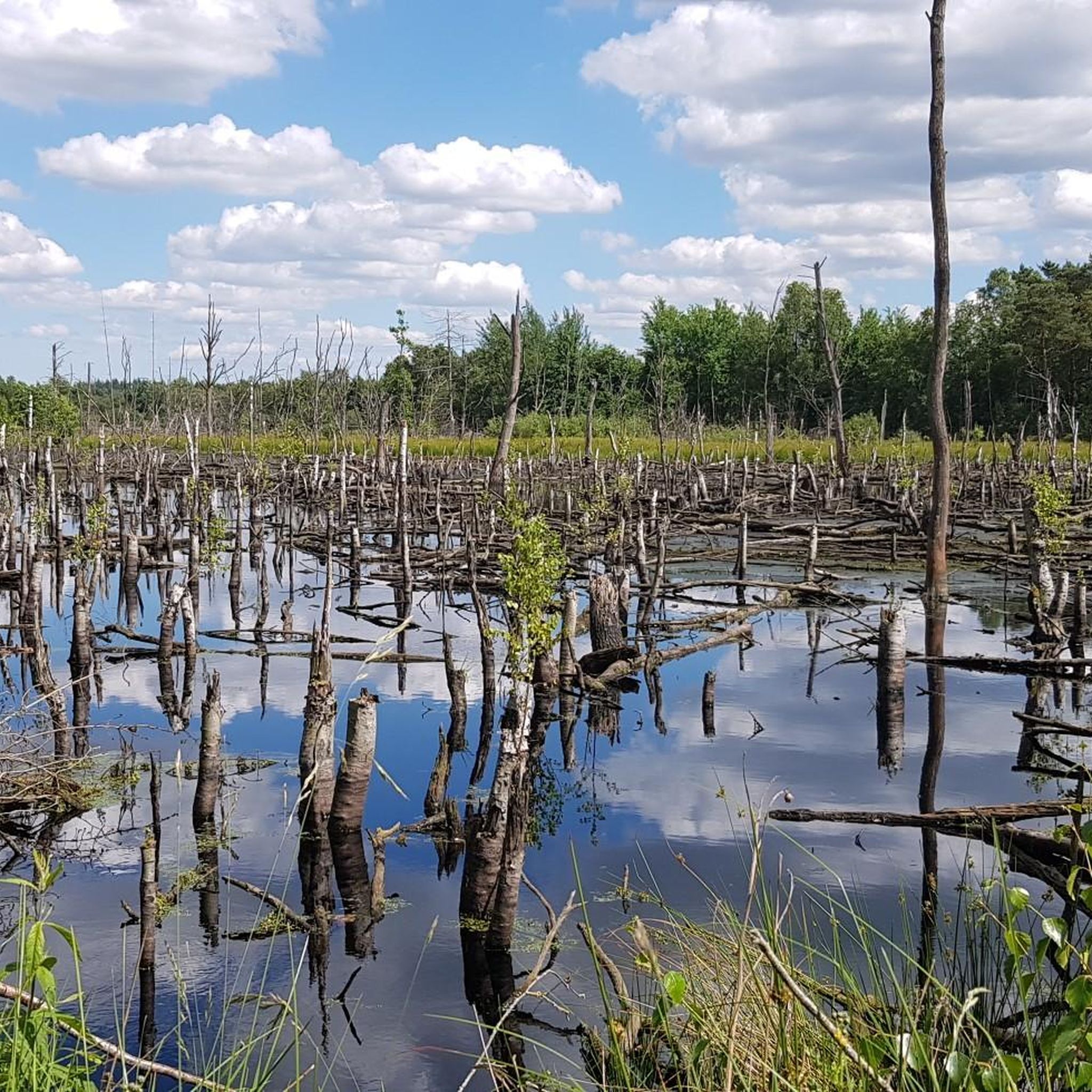
Yes, there are several scenic spots. The Krummer Damm offers a unique hiking experience with reflections of the sky on the moor water and visible signs of successful renaturation. Additionally, the Bench with a View over Hohes Moor provides a perfect spot to pause and enjoy the expansive landscape.
What are the best hiking opportunities around the natural monuments in Hohes Moor?
The Hohes Moor offers numerous walking trails with varying difficulty levels. A popular route is the 'Rundtour Naturschutzgebiet Hohes Moor,' a 9.4 km trail showcasing the renatured core landscape. For easier options, consider routes like the 'Resting boulder in Hohes Moor – Wooden bridge in Hohes Moor loop' or the 'Lake Oldendorf – Hohes Moor Nature Reserve loop.' You can find more hiking options in the Easy hikes around Natural Park Hohes Moor guide.
Are there cycling routes available near the natural monuments?
Yes, the area around Natural Park Hohes Moor offers various cycling opportunities. You can explore routes like the 'Großes Moor – Wooden bridge in Hohes Moor loop' for a moderate ride or the 'Himmelpforten Windmill – Sunder Lakes loop' for an easy tour. For more options, check out the Cycling around Natural Park Hohes Moor guide. There are also gravel biking routes available, such as the 'Hohes Moor – Großes Moor loop' for an easy gravel experience, detailed in the Gravel biking around Natural Park Hohes Moor guide.
Is the Hohes Moor Natural Park suitable for family visits?
Yes, the Hohes Moor Natural Park is suitable for family visits. Many trails are accessible and information boards along the paths educate visitors about the local flora, fauna, and the landscape's development, making it an engaging experience for all ages. Highlights like Information board at Hohes Moor and Lake Oldendorf are noted as family-friendly.
What is the best time of year to visit the natural monuments in Hohes Moor?
The Hohes Moor offers a beautiful landscape in every season. However, for optimal wildlife observation, especially bird watching, spring and autumn are often recommended. Sunny days are ideal for spotting adders. Information boards along the paths provide details on seasonal changes and what to look for.
What should I wear when hiking in the Hohes Moor natural monuments?
Given the moorland environment, it's advisable to wear sturdy, waterproof footwear, especially after rain or during wetter seasons. Layered clothing is recommended to adapt to changing weather conditions, and binoculars are highly recommended for wildlife and bird watching.
Where can I find information about the Hohes Moor Natural Park on-site?
You can find valuable information at the Information board at Hohes Moor. These boards provide details about the formation of the moor, its renaturation process, and the local flora and fauna, enhancing your understanding of this unique landscape.
What do visitors enjoy most about the natural monuments in Hohes Moor?
Visitors frequently praise the Hohes Moor for its serene and often solitary atmosphere, describing it as one of the most beautiful moors in Lower Saxony. The successful renaturation, visible through rising water levels and returning wildlife, is a highlight. The unique hiking experience over paths like the Krummer Damm, with reflections on the moor water, is also highly appreciated.
Most popular routes around Natural Park Hohes Moor
Most popular attractions around Natural Park Hohes Moor

Get inspired with the komoot mobile app


Explore more
Extend your search for the best caves by checking out these guides of the top ones around Natural Park Hohes Moor:
