Top 7 Natural Monuments around the Esla
Natural monuments around the Esla are concentrated along the Esla River, a major tributary of the Duero, flowing through the provinces of León and Zamora in northwest Spain. This region features a diverse landscape, including challenging peaks, serene reservoirs, and significant geological formations. The area offers various natural attractions for exploration.
Best natural monuments around the Esla
- The most popular natural monuments is Mina Imponderable, an other_man_made site that was historically used to extract iron. This location also features…
Last updated: June 26, 2026
Mina Imponderable
Highlight • Structure
Translated by Google •
Tip by

Peñas Pintas 1983 m.
Highlight • Summit
Translated by Google •
Tip by

Sign up now to discover places like this
Get recommendations on the best single tracks, peaks, & plenty of other exciting outdoor places.
Sign up for free
Alto de La Pintas
Highlight • Summit
Translated by Google •
Tip by
Ricobayo Reservoir
Highlight • Lake
Translated by Google •
Tip by
Pico de Huelde
Highlight • Summit
Translated by Google •
Tip by
Dueñas River Valley
Highlight (Segment) • Gorge
Translated by Google •
Tip by

León Fjords
Highlight • Lake
Translated by Google •
Tip by
Valley with views of the Riaño mountains
Highlight (Segment) • Viewpoint
Translated by Google •
Tip by

Start today with a free account
Your next adventure awaits.
Login or Signup

Other adventures around the Esla

Tips from the Community

Alto de Las Pintas, also known as Peñas Pintas or Peña de Salamón, is one of the three peaks that form a spectacular limestone trident in the Montaña de Riaño y Mampodre Regional Park in León. It's a challenging but highly rewarding route for mountain hiking enthusiasts.
3
0
Alto de Las Pintas, also known as Peñas Pintas or Peña de Salamón, is one of the three peaks that form a spectacular limestone trident in the Montaña de Riaño y Mampodre Regional Park in León. It's a challenging but highly rewarding route for mountain hiking enthusiasts.
4
0
It's a relatively unknown but very beautiful peak, ideal for hiking if you're looking for tranquility and wild nature. From the summit, you have spectacular views of the Mampodre massif and the Riaño Valley.
4
0
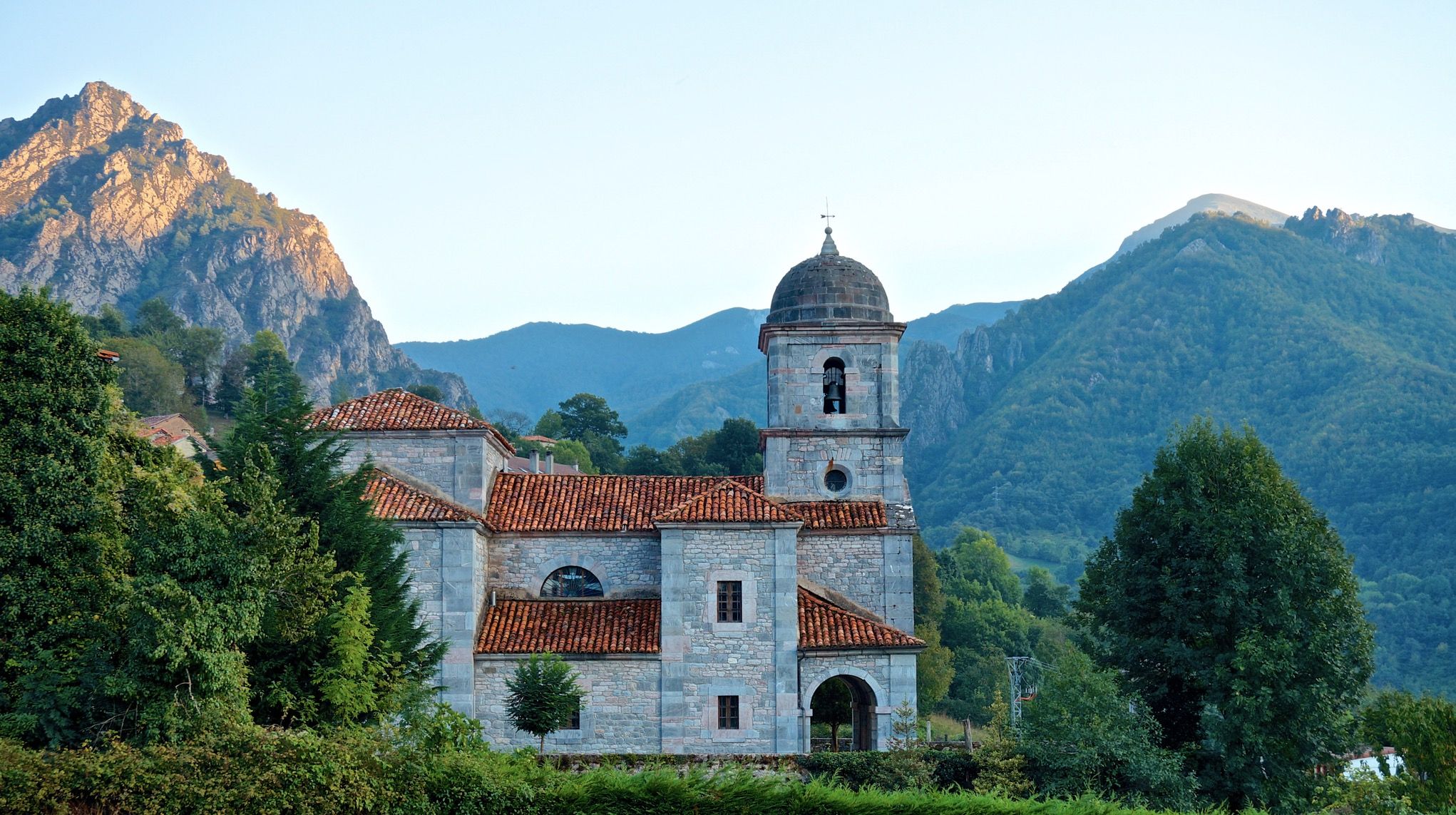
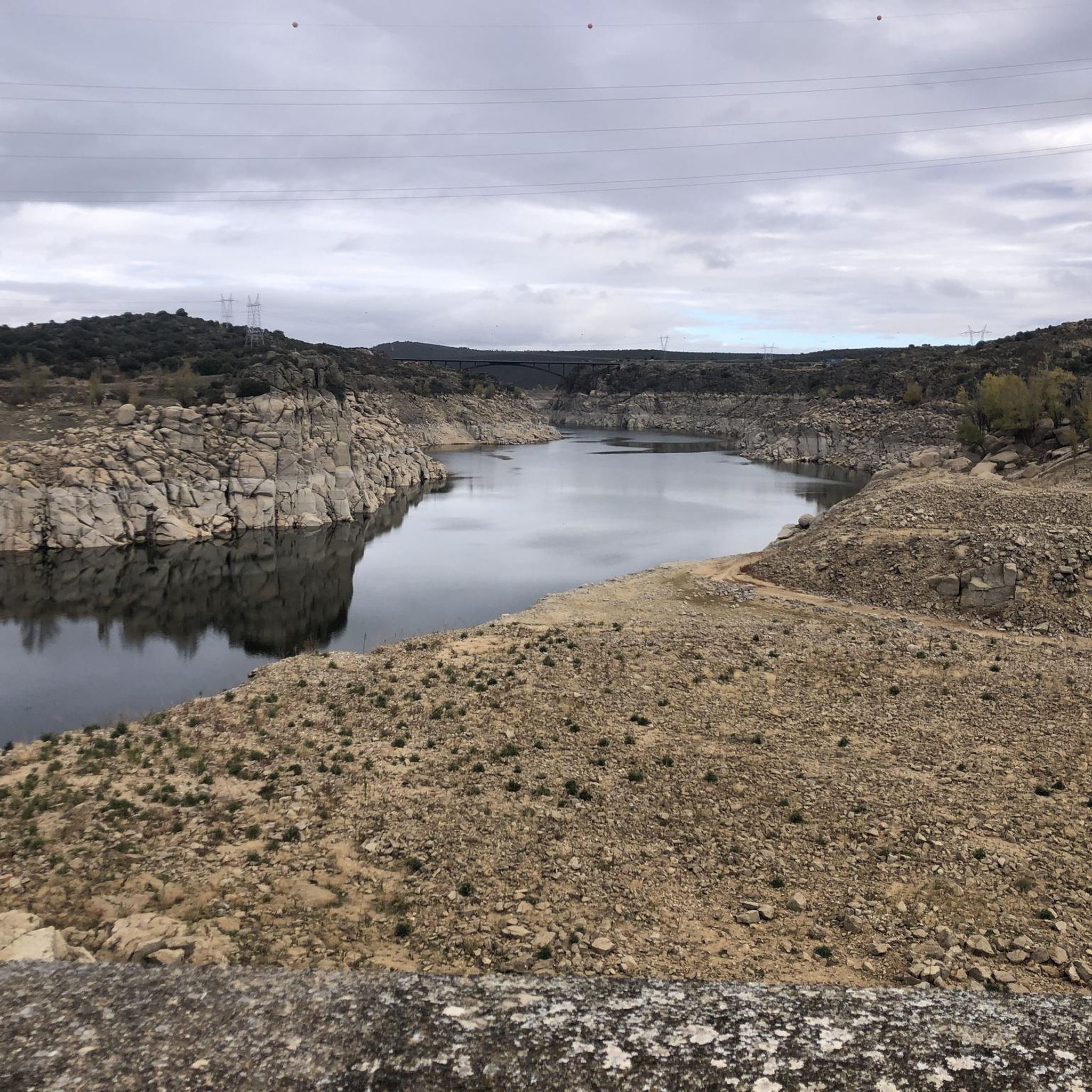
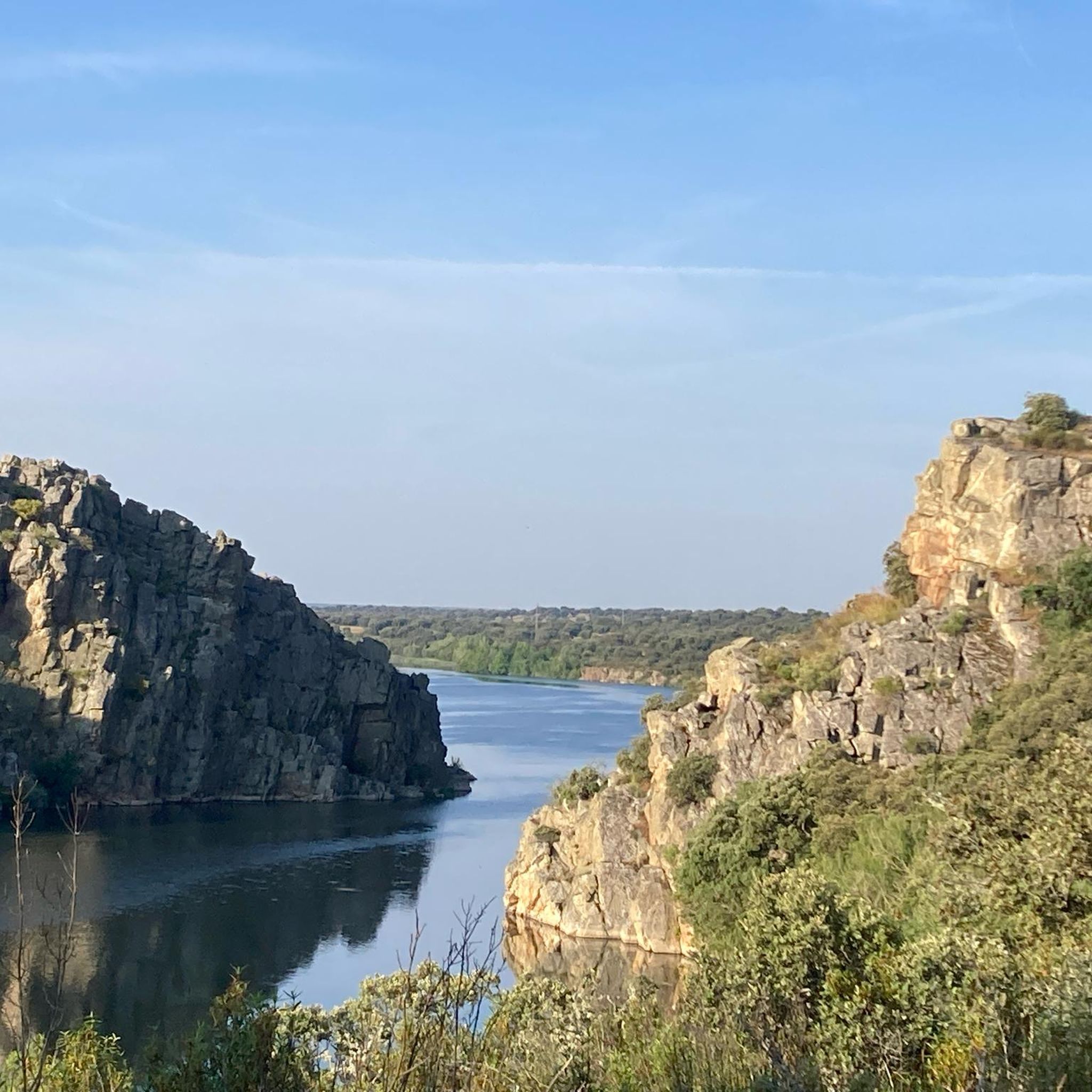
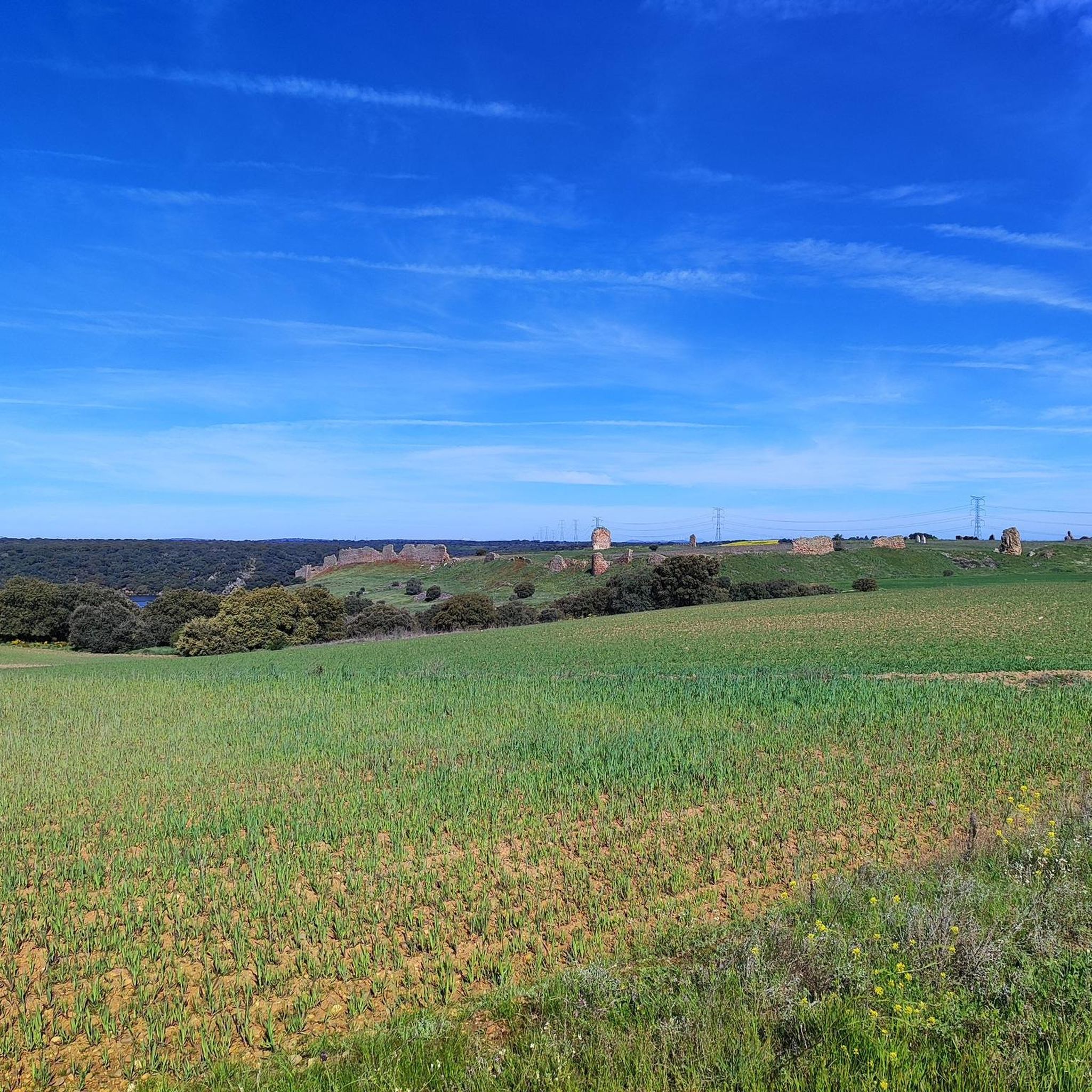
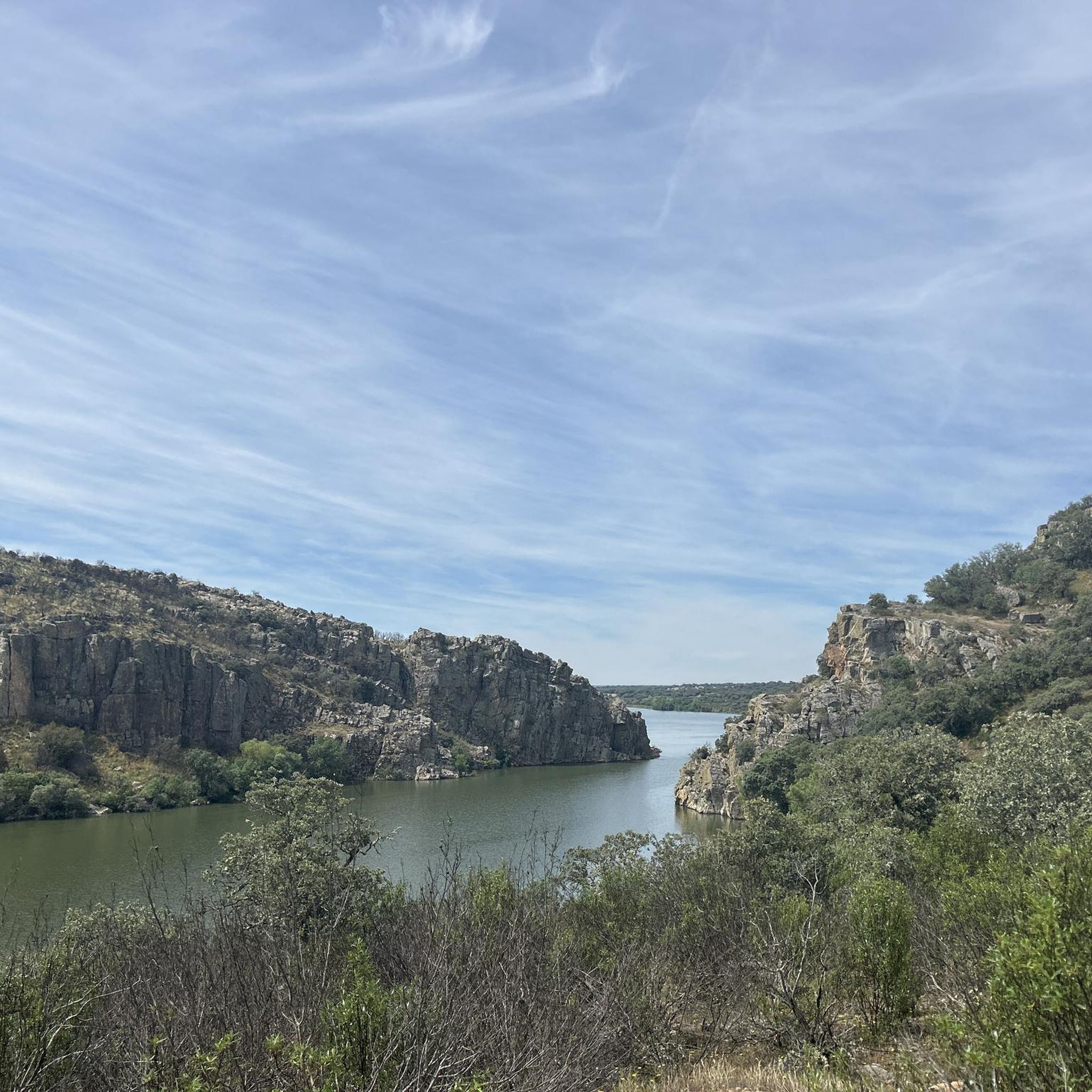
The Ricobayo Reservoir, also known as Salto de Ricobayo or Embalse del Esla, is an impressive hydroelectric engineering project located on the Esla River, less than 1 km from Ricobayo de Alba, in the municipality of Muelas del Pan. The reservoir is located in the area known as the Arribes del Esla, a deep geographic depression with spectacular landscapes.
1
0

A great ride in a breathtaking landscape
1
0

From Barrio de Allá Abajo to Lois, passing through Salamon. Beautiful road, through a gorge on the side of the Dueñas River, perfect asphalt, little traffic, to do it slowly, enjoying every corner and every landscape.
1
0

The milestones lead through uncomfortable terrain to the usual ascent path along the normal route of the mountain on the south face, from the town of Las Salas, marked with yellow paint on the rocks. The trail turns to the left and reaches the crest of the mountain, in a fantastic natural balcony of the Riaño Mountain, the fjords of the reservoir, the León peaks, the Picos de Europa and some peaks of the Palentina Mountain. The climb to the main summit of Las Pintas continues along the ridge towards the east, climbs a couple of simple climbs with a vertiginous atmosphere and culminates at the geodesic vertex. The descent returns along the same path, crosses the hill and continues along the rope towards the Pico del Medio (1,958 m), formed by two summits separated by a small gap. On the main summit there is a metal cross painted red.
1
0

Pico de Huelde (1975 m) is the easternmost peak of the group of three peaks called Peñas Pintas or Las Pintas. The climb is not easy at all, gaining height with each step very quickly, but the views are a true spectacle.
3
0
Frequently Asked Questions
What unique geological features can be explored around the Esla River?
The Esla region is rich in geological interest. A significant site is the Esla Unit Thrust System in the Cantabrian Mountains, an exceptional natural laboratory for understanding the region's geological evolution. Additionally, the Mina Imponderable, while a historical mining site, also features a spring with high iron content, indicating geological characteristics.
Are there any natural monuments around the Esla that offer panoramic views?
Yes, several natural monuments provide spectacular views. Alto de La Pintas (also known as Peñas Pintas or Peña de Salamón) offers 360º views from its summit in the Montaña de Riaño y Mampodre Regional Park. Similarly, Pico de Huelde provides spectacular views of the Mampodre massif and the Riaño Valley. The Ricobayo Reservoir also offers nice panoramic views of the impressive hydroelectric project and the surrounding 'Arribes del Esla' landscape.
What kind of wildlife can be observed near the natural monuments of the Esla region?
The diverse ecosystems around the Esla River support various wildlife. At the Lago de la Baña Natural Monument, for instance, you might spot roe deer, wolves, and a variety of bird species amidst the rich vegetation of oaks, birches, yews, and hollies.
Are there family-friendly activities or easy walks near the natural monuments around the Esla?
While many summits offer challenging routes, there are options for easier exploration. For family-friendly walks, consider the easy hikes around the Esla guide, which includes routes like the 'Abelón's Waterfalls and San Vicente Hermitage Viewpoint' or 'La Casita del Duende' that are suitable for a more relaxed pace.
What historical or man-made natural monuments are there in the Esla region?
The Mina Imponderable is a notable site. It was historically used to extract iron, and you can still see the color of the stones in the stream reflecting its past. This location combines natural features with a significant historical context of human activity.
Can I go hiking near the natural monuments of the Esla River?
Absolutely. The Esla region is excellent for hiking. For challenging mountain hikes, consider routes around Alto de La Pintas or Pico de Huelde. For a broader range of options, explore the hiking guide for the Esla, which features routes like the 'Ascent to Peñas Pintas from Las Salas' or 'Route of the Perones and Cadozos waterfall'.
What are the 'León Fjords' and where can I find them?
The 'León Fjords' refer to the dramatic mountainous scenery around the León Fjords, a lake area located in the northeast of the province of León. This picturesque destination is part of the Cantabrian Mountains and is protected within the Picos de Europa Regional Park, offering stunning landscapes reminiscent of fjords.
Are there opportunities for cycling near the natural monuments?
Yes, the region offers cycling opportunities. You can find various routes in the cycling guide around the Esla. Options range from difficult routes like 'Parque Regional de la Montaña de Riaño y Mampodre – circular from Crémenes' to moderate ones, allowing you to explore the natural beauty on two wheels.
What is the Ricobayo Reservoir known for?
The Ricobayo Reservoir, also known as Salto de Ricobayo or Embalse del Esla, is an impressive hydroelectric engineering project on the Esla River. It's situated in the 'Arribes del Esla,' a deeply incised geographical depression characterized by spectacular landscapes, making it a significant natural and man-made landmark.
What is the best time of year to visit the natural monuments around the Esla?
The best time to visit largely depends on your planned activities. Spring and autumn generally offer pleasant temperatures for hiking and exploring, with vibrant foliage or blooming wildflowers. Summer is ideal for water activities at the reservoirs, though it can be warmer. Winter can be challenging for mountain routes but offers a unique, tranquil experience for those prepared for colder conditions.
Are there any gorges or river valleys to explore?
Yes, the Dueñas River Valley is a notable gorge and river area that offers trails and viewpoints. The Esla River itself, as a major tributary of the Duero, carves out impressive landscapes, including the 'Arribes del Esla' around the Ricobayo Reservoir, which are characterized by deep geographical depressions.
What kind of vegetation can be found around the natural monuments?
The region boasts diverse vegetation. For example, around the Lago de la Baña Natural Monument, you can admire a variety of plant life, including oaks, birches, yews, and hollies, reflecting the rich biodiversity of the area.
Most popular routes around the Esla
Most popular attractions around the Esla

Get inspired with the komoot mobile app


