Top 20 Natural Monuments in the Japanese Alps
Best natural monuments in the Japanese Alps include a diverse range of geological features, high-altitude ecosystems, and significant cultural sites. The region features towering peaks, deep valleys, and pristine river systems, such as the Azusa River. Many areas are designated as Special Natural Monuments and Special Places of Scenic Beauty, preserving their natural state within national parks. These monuments offer opportunities to explore volcanic landscapes, alpine flora, and unique wildlife.
Best natural monuments in the Japanese Alps
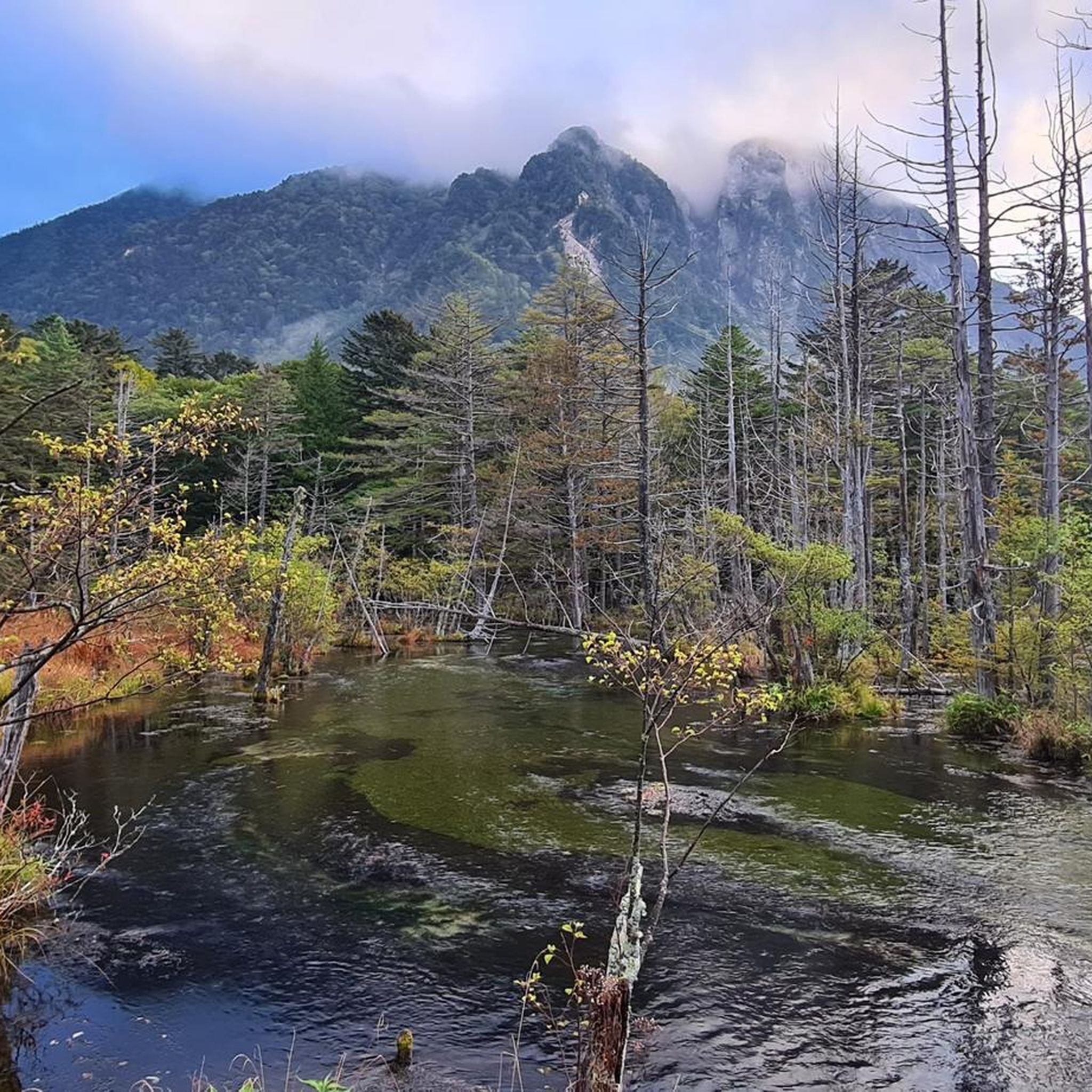
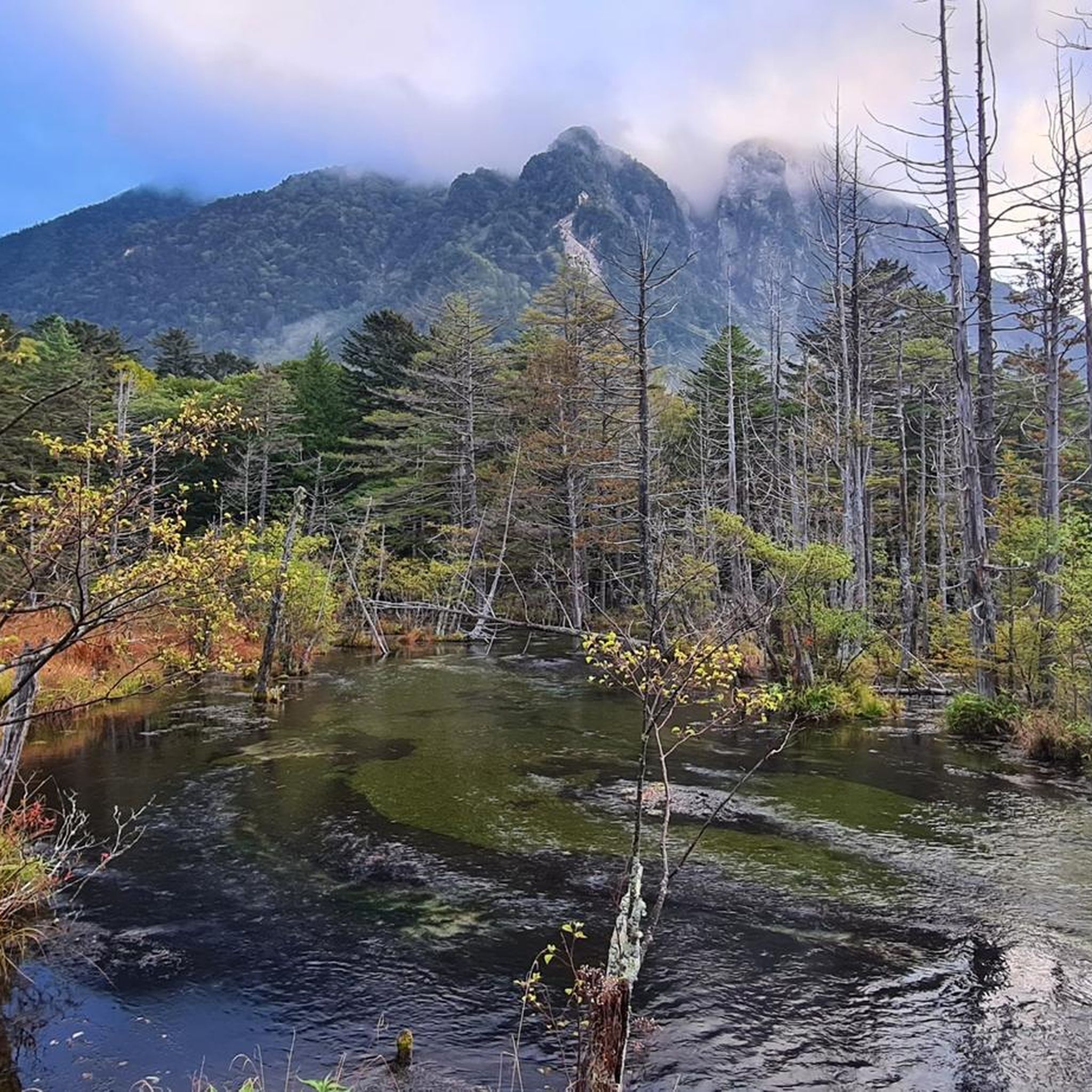
- The most popular natural monuments is Kamikochi Nature Trail, a trail offering a network of well-maintained paths suitable for various skill levels. This area is preserved within Chūbu-Sangaku National Park and is designated as a Special Natural Monument.
- Another must-see spot is View of Mount Fuji from the Chureito Pagoda, a viewpoint offering views of Mount Fuji. This location is a religious site with a pagoda, providing a distinct perspective of the volcano.
- Visitors also love Mount Kintoki Summit, a summit reaching 1,213 meters. The summit provides views of Mount Fuji and the surrounding Hakone mountains.
- Japanese Alps is known for its summits, trails, and viewpoints. The region offers a variety of natural monuments to see and explore, from volcanic landscapes to high-altitude lakes and rivers.
- The natural monuments in the Japanese Alps are appreciated by the komoot community, with 67 highlights and 94 upvotes. There are also 18 photos available to inspire your next adventure.
Last updated: July 10, 2026
Kamikochi Nature Trail
Highlight • Trail
Tip by

Owakudani sulfur springs
Highlight • Natural Monument
Owakudani at 1044 m is a volcanically active area in Hakone, known for its fumaroles that emit sulphur vents, and for its breathtaking views of Mount Fuji. The valley was formed by a volcanic eruption about 3,000 years ago and is one of the most popular tourist attractions in Hakone. Visitors can explore the area, visit the fumaroles and hot springs, and buy the famous black eggs, also known as "Kuro-Tamago", which are said to prolong life by seven years. The region is a perfect place for hiking enthusiasts, offering various hiking trails to impressive viewpoints.
Text / Source: Japan National Tourism Organization
japan.travel/de/spot/1566
Showing Translation
Tip by

Sign up now to discover places like this
Get recommendations on the best single tracks, peaks, & plenty of other exciting outdoor places.
Sign up for free
Mount Fuji Summit (Yoshida Trail)
Highlight • Summit
Translated by Google •
Tip by

Mount Kintoki Summit
Highlight • Summit
Translated by Google •
Tip by

View of Mount Fuji from the Chureito Pagoda
Highlight • Viewpoint
Tip by

Otoko-daki and Onna-daki Waterfalls
Highlight • Waterfall
A small detour is necessary, but it is definitely worth it!
Translated by Google •
Tip by

Oshino Hakkai (Eight Ponds of Oshino)
Highlight • Lake
Translated by Google •
Tip by

Lake Okutama
Highlight • Lake
Translated by Google •
Tip by
View of Mount Fuji
Highlight • Viewpoint
Fuji (Japanese 富士山) is a volcano and, at 3,776.24 m above sea level, the highest mountain in Japan. Its summit is located on the Japanese main island of Honshū on the border between Yamanashi and Shizuoka prefectures. It has been part of the World Heritage since 2013.
Text / Source: wikipedia.org
de.wikipedia.org/wiki/Fuji_(Vulkan)
Showing Translation
Tip by
Mount Komagatake, Japan
Highlight • Summit
The summit of Mt. Komagatake can be reached in 7 minutes by cable car. The valley station is down by the lake in Hakone-en. The length of the cable car is 1800 meters. An adult return ticket costs 1050 yen.
Translated by Google •
Tip by

Sign up for free to discover even more natural monuments in the Japanese Alps.
Sign up for free
Already have an account?
Start today with a free account
Your next adventure awaits.
Login or Signup
Popular around Japanese Alps


Tips from the Community

Fantastic, dreamlike landscape, created by a volcanic eruption 3,000 years ago Owakudani at 1044 m is a volcanic valley with active sulfur vents and hot springs, which was formed by a volcanic eruption over 3,000 years ago. Due to volcanic activity and impressive panoramic views – on a clear day, you have a fantastic view of Mt. Fuji – this area is one of the most popular tourist attractions in Hakone. Owakudani is occasionally closed due to the emission of volcanic gases, so please inquire about this before your visit. Text / Source: Japan National Tourism Organization https://www.japan.travel/de/spot/1566/
12
0
Sulphur Vents - volcanically active area in Hakone Owakudani at 1044 m is a volcanically active area in Hakone, known for its fumaroles that emit sulphur vents, and for its breathtaking views of Mount Fuji. The valley was formed by a volcanic eruption about 3,000 years ago and is one of the most popular tourist attractions in Hakone. Visitors can explore the area, visit the fumaroles and hot springs, and buy the famous black eggs, also known as "Kuro-Tamago", which are said to prolong life by seven years. The region is a perfect place for hiking enthusiasts, offering various hiking trails to impressive viewpoints. Text / Source: Japan National Tourism Organization https://www.japan.travel/de/spot/1566/
12
0
The Fuji – Volcano and Japan's sacred mountain The Fuji or Fuji-san (富士山), at 3,776.24 m above sea level, is Japan's highest volcano and mountain. Its distinctive appearance, its significance as a sacred mountain in the Shinto faith, and Fuji's deep roots in Japanese culture led to it being declared a UNESCO World Heritage Site in 2013. Text / Source: japanwelt.de https://www.japanwelt.de/blog/der-fuji-vulkan-und-japans-heiliger-berg-steckbrief
12
0
Fuji (Volcano) 富士山 3,776.24 m Fuji (Japanese 富士山) is a volcano and, at 3,776.24 m above sea level, the highest mountain in Japan. Its summit is located on the Japanese main island of Honshū on the border between Yamanashi and Shizuoka prefectures. It has been part of the World Heritage since 2013. Text / Source: wikipedia.org https://de.wikipedia.org/wiki/Fuji_(Vulkan)
12
0

Beautiful place. To get a good view of Mount Fuji and be sure of seeing it in summer, you have to go at 5 am. We came two days in a row to see it 😍😍🤩 Around 6 am it started to get completely covered in clouds.
0
0

As you take the gondola up from Lake Ashi, you can smell the sulfurous scent of the springs. At the top of the mountain station, you'll enjoy a magnificent view from the observation deck.
2
0
You have to be really lucky to see Mt. Fuji; on cloudy days it hides in the clouds.
3
0

The village is rather small, I would have liked a recommended itinerary to check ask the pounds, so I have made my own.
0
0
Frequently Asked Questions
What are some of the most popular natural monuments for hiking in the Japanese Alps?
For hiking, the Kamikochi Nature Trail is highly popular, offering well-maintained paths suitable for various skill levels through a valley often called the 'Japanese Yosemite Valley'. Another excellent option is Mount Norikura, known for being one of the easier 3,000-meter-class mountains to climb, with stunning alpine flower fields at the Tatamidaira plateau in summer.
Are there family-friendly natural monuments to visit in the Japanese Alps?
Yes, several natural monuments are suitable for families. Kamikochi Nature Trail offers leisurely walks along the Azusa River. Other family-friendly options include Lake Okutama, Hakone — Detached Palace Garden, and Oshino Hakkai (Eight Ponds of Oshino), which features clear spring water ponds.
What unique geological features can I explore in the Japanese Alps?
The Japanese Alps are rich in unique geological features. Mount Norikura, a volcano, showcases hardened lava flows near its summit and features seven crater lakes. Mount Tate (Tateyama) has active volcanic areas like Jigokudani (Hell Valley) with sulfurous fumes and the beautiful volcanic Mikurigaike Pond. You can also experience the Owakudani sulfur springs, where you can smell sulfurous scents and enjoy views from the Hakone Ropeway.
What is the best time to visit the natural monuments in the Japanese Alps?
The best time largely depends on the specific monument and activity. For alpine flower fields and easier high-altitude trekking, summer is ideal for places like Mount Norikura's Tatamidaira plateau. Kamikochi is also popular in summer and autumn for its vibrant foliage. The Tateyama Kurobe Alpine Route is famous for its impressive Snow Corridor, typically visible from April.
How accessible are the natural monuments in the Japanese Alps?
Accessibility varies. Kamikochi restricts private cars, with access primarily by bus or taxi to protect its environment. The Tateyama Kurobe Alpine Route offers an accessible way to experience the mountains using various transport modes like cable cars and buses. Some viewpoints, like the View of Mount Fuji from the Chureito Pagoda, involve steps but also offer sloped road alternatives.
Can I see Mount Fuji from any of the natural monuments in the Japanese Alps?
Yes, several locations offer stunning views of Mount Fuji. The View of Mount Fuji from the Chureito Pagoda is a famous spot. You can also get unforgettable views of Mount Fuji from the summit of Mount Kintoki Summit.
What kind of wildlife can I spot near the natural monuments?
The Japanese Alps are home to diverse wildlife. In Kamikochi, you might spot Japanese serows, deer, monkeys, and various bird species. Mount Norikura is known for its rock ptarmigan, which is designated as a natural monument. Mount Tate also supports rock ptarmigan and other rare alpine flora.
Are there any waterfalls worth visiting in the Japanese Alps?
Yes, the Otoko-daki and Onna-daki Waterfalls are beautiful and worth a small detour, located on the edge of Nakasendō. For more waterfall adventures, you can explore various routes in the region. Find more options in the Waterfall hikes in the Japanese Alps guide.
What outdoor activities can I do near these natural monuments?
Beyond hiking, the Japanese Alps offer a range of outdoor activities. You can find numerous cycling routes, from moderate to difficult, as detailed in the Cycling in the Japanese Alps guide. Mountain biking enthusiasts can explore trails like the 七国峠 loop, with options for various difficulty levels, as seen in the MTB Trails in the Japanese Alps guide.
Are there any historical or cultural sites near the natural monuments?
Yes, the region blends natural beauty with cultural significance. Mount Tate (Tateyama) is one of Japan's Three Holy Mountains, with pilgrimage traditions dating back to the 8th century. The View of Mount Fuji from the Chureito Pagoda is a religious site offering a distinct perspective of Mount Fuji. Additionally, the Hakone — Detached Palace Garden is a historical site with beautiful views.
What are the difficulty levels for hiking trails around the natural monuments?
The difficulty levels vary significantly. Kamikochi Nature Trail offers well-maintained paths suitable for various skill levels, including leisurely walks. Mount Norikura is considered one of the easier 3,000-meter-class mountains to climb, making it accessible for beginners. However, more challenging multi-day treks are available to peaks like Mount Oku-Hotaka and Mount Yari from Kamikochi, and Mount Tate also features rugged alpine terrain for experienced hikers.
What makes Kamikochi a special natural monument?
Kamikochi is designated as a Special Natural Monument and a Special Place of Scenic Beauty within Chūbu-Sangaku National Park. It's recognized for its preserved natural state, featuring an approximately 18-kilometer-long valley with the crystal-clear Azusa River, picturesque lakes like Taisho Pond and Myojin Pond, and towering peaks such as Mount Hotaka. Its pristine environment and diverse ecosystems make it a unique natural treasure.
Most popular routes in the Japanese Alps
Most popular attractions in the Japanese Alps

Get inspired with the komoot mobile app


Explore more
Extend your search for the best caves by checking out these guides of the top ones in the Japanese Alps:
