The best walks and hikes in the Japanese Alps
4.5
(1786)
15,747
hikers
353
hikes
Hiking in the Japanese Alps offers diverse terrain across three main ranges, featuring numerous peaks, many exceeding 3,000 meters. The landscape includes tranquil valleys with thick forests and clear rivers, alongside more challenging high-altitude paths. This region provides a wide range of experiences, from accessible nature trails to multi-day expeditions.
Best hiking trails in the Japanese Alps
- The most popular hiking route is Myojingatake and Myojogatake Traverse, a 7.0 miles (11.3 km) trail that takes 4 hours 24 minutes…
Last updated: July 7, 2026
4.6
(55)
188
hikers
11.3km
04:24
820m
820m
Moderate hike. Good fitness required. Easily-accessible paths. Suitable for all skill levels.
4.8
(170)
1,402
hikers
14.9km
04:34
540m
540m
Moderate hike. Good fitness required. Easily-accessible paths. Suitable for all skill levels.

Sign up for free
4.7
(113)
922
hikers
11.4km
03:01
110m
110m
Moderate hike. Good fitness required. Easily-accessible paths. Suitable for all skill levels.
4.8
(114)
1,025
hikers
15.7km
04:51
600m
600m
Moderate hike. Good fitness required. Easily-accessible paths. Suitable for all skill levels.
4.7
(111)
922
hikers
14.9km
03:59
160m
160m
Moderate hike. Good fitness required. Easily-accessible paths. Suitable for all skill levels.
4.7
(100)
793
hikers
11.9km
04:17
530m
530m
Moderate hike. Good fitness required. Mostly accessible paths. Sure-footedness required.
4.7
(60)
616
hikers
7.92km
02:42
410m
410m
Moderate hike. Good fitness required. Mostly accessible paths. Sure-footedness required.
4.6
(36)
136
hikers
11.8km
04:02
560m
560m
Moderate hike. Good fitness required. Easily-accessible paths. Suitable for all skill levels.
4.5
(45)
150
hikers
7.74km
03:06
580m
580m
Moderate hike. Good fitness required. Easily-accessible paths. Suitable for all skill levels.
4.9
(19)
157
hikers
13.9km
06:55
950m
950m
Hard hike. Very good fitness required. Sure-footedness, sturdy shoes and alpine experience required.
Get access to more routes and recommendations from other explorers.
Sign up for free
Already have an account?
Our route recommendations are based on thousands of hikes, rides, and runs completed by other people on komoot.
Start today with a free account
Your next adventure awaits.
Login or Signup
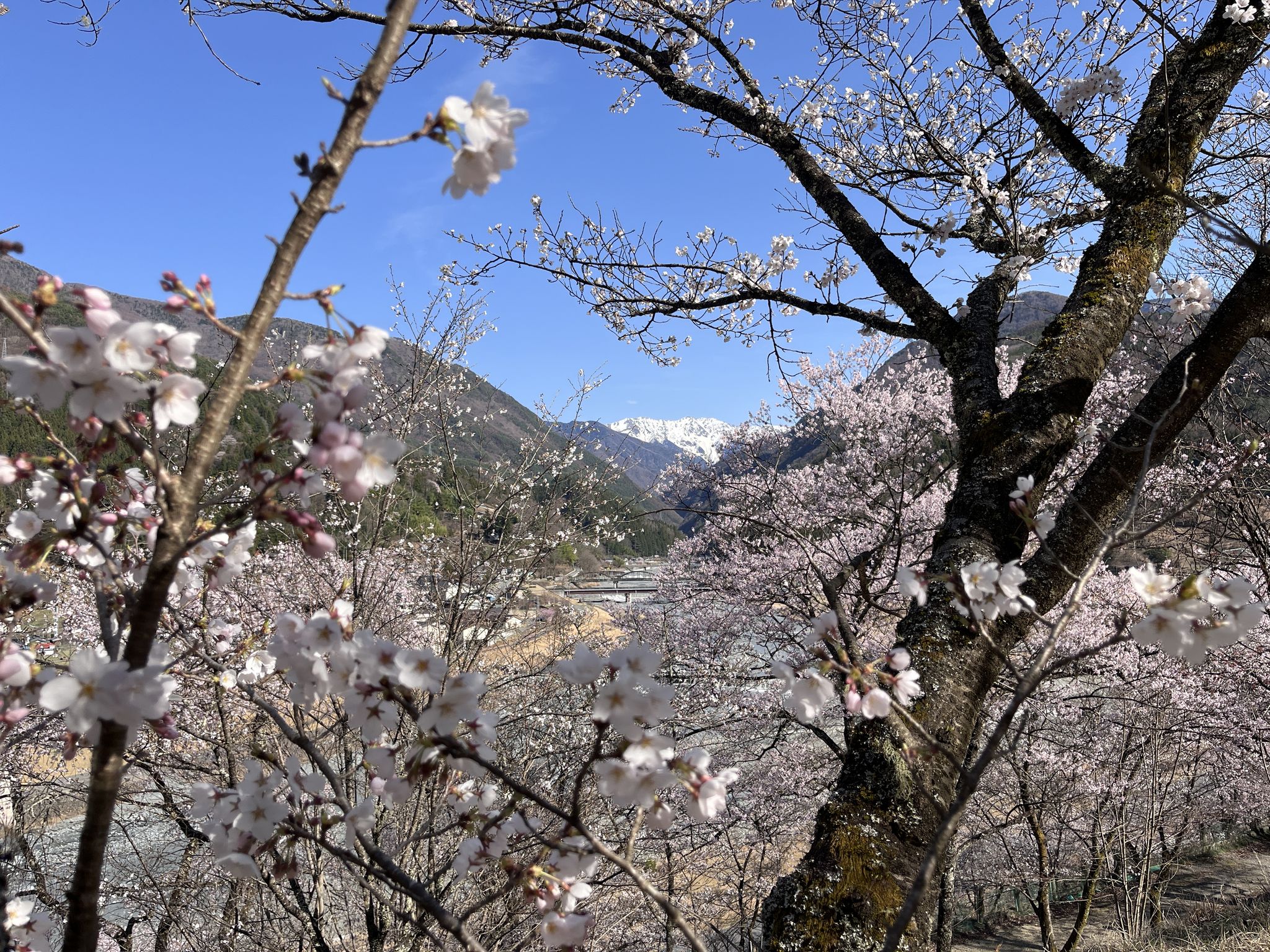
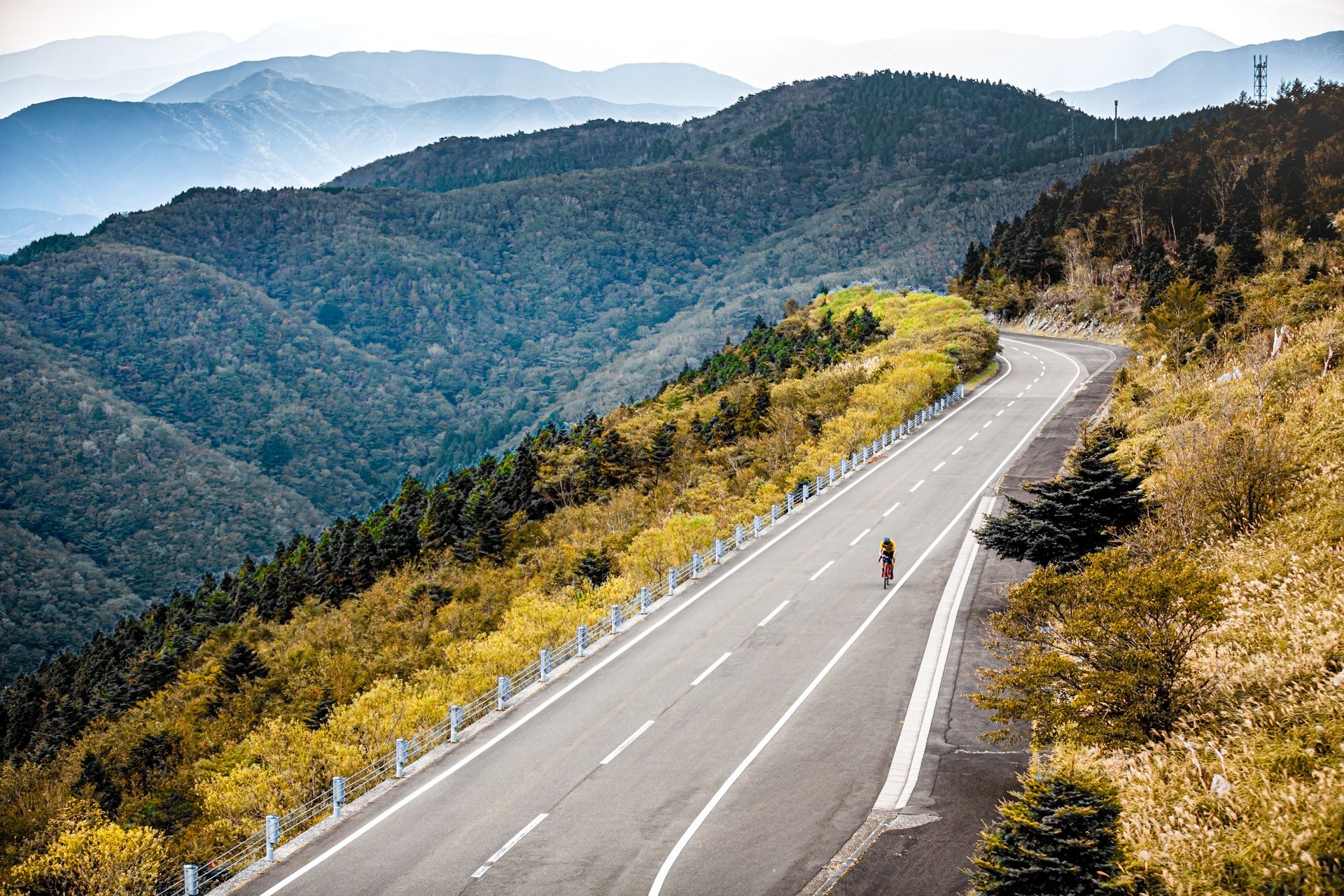
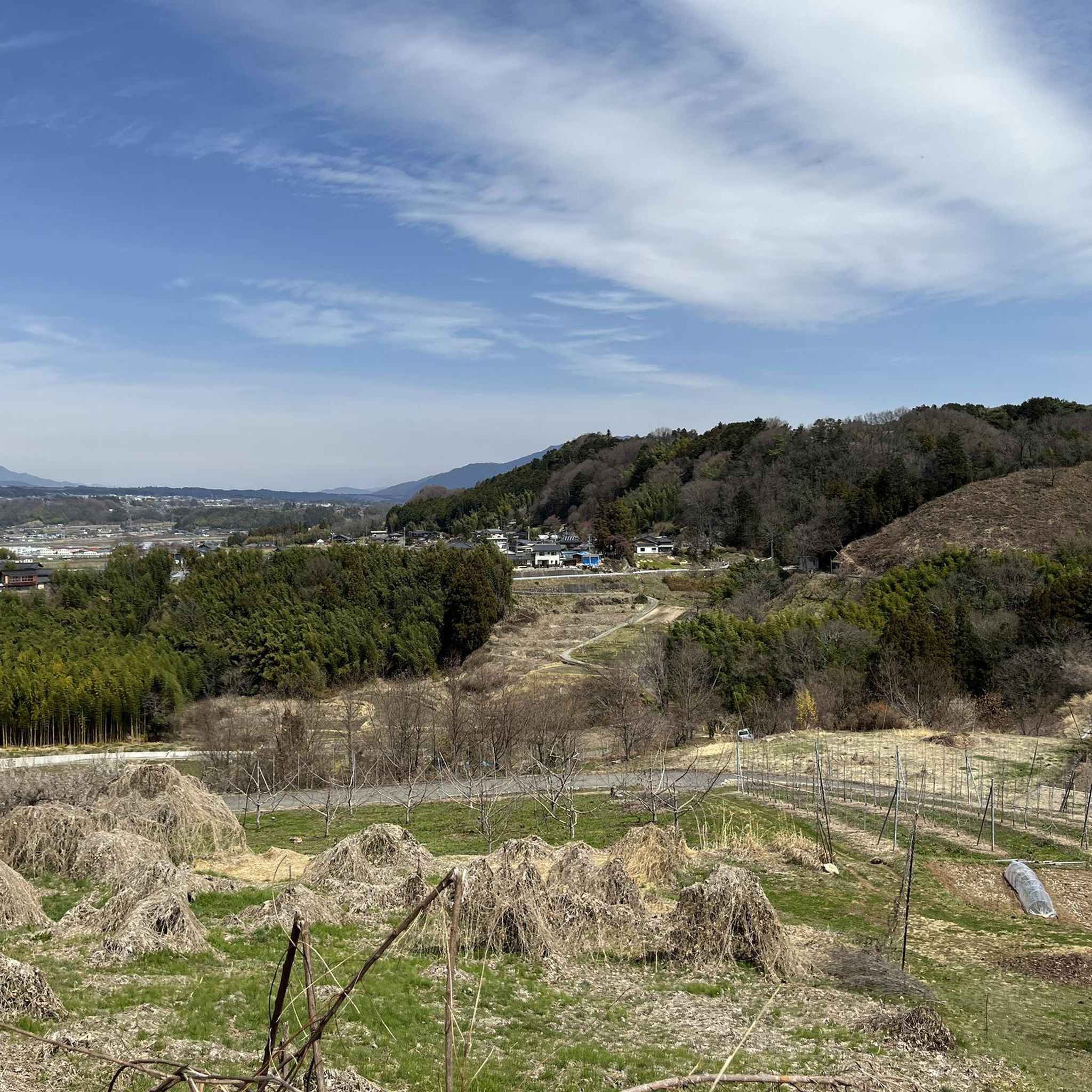
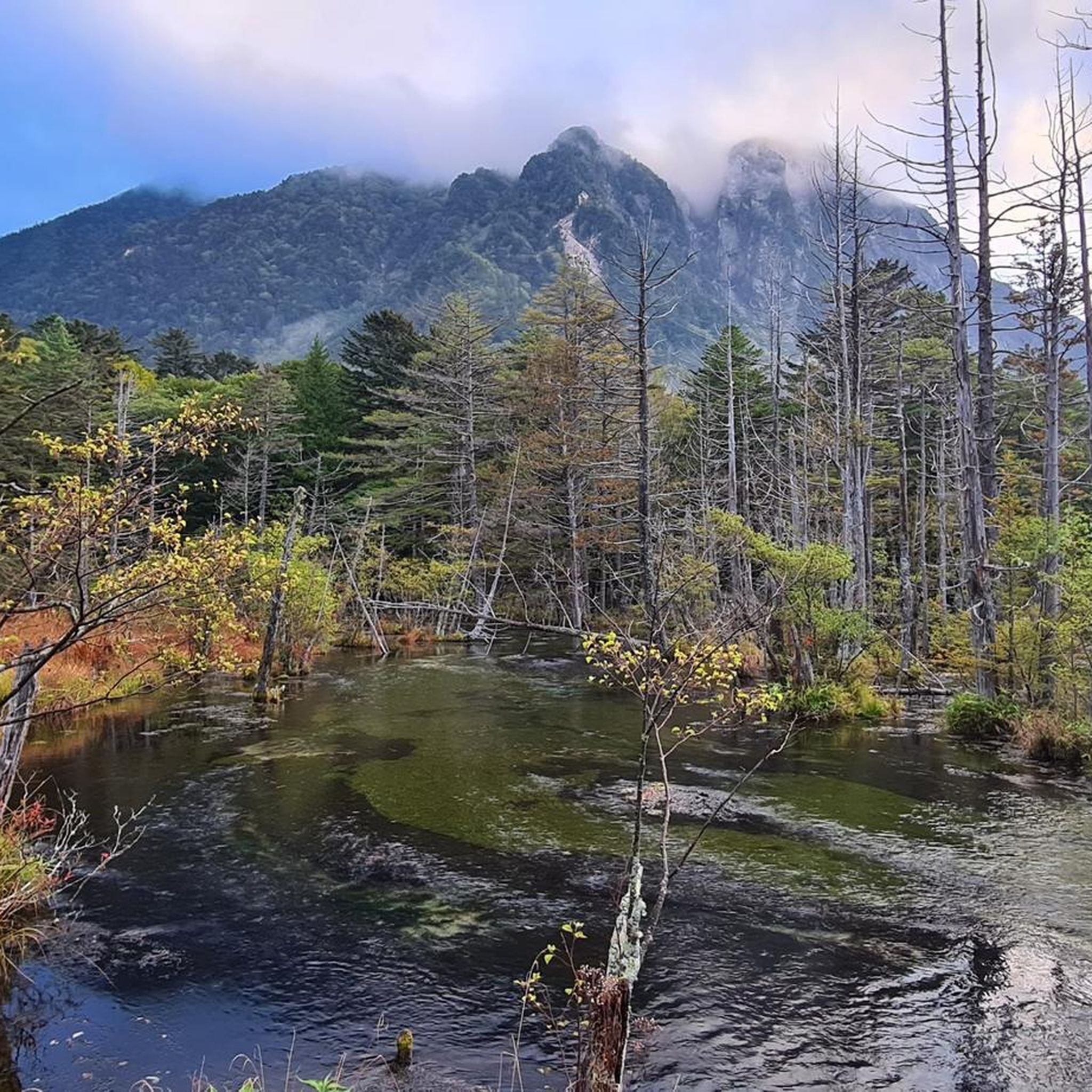
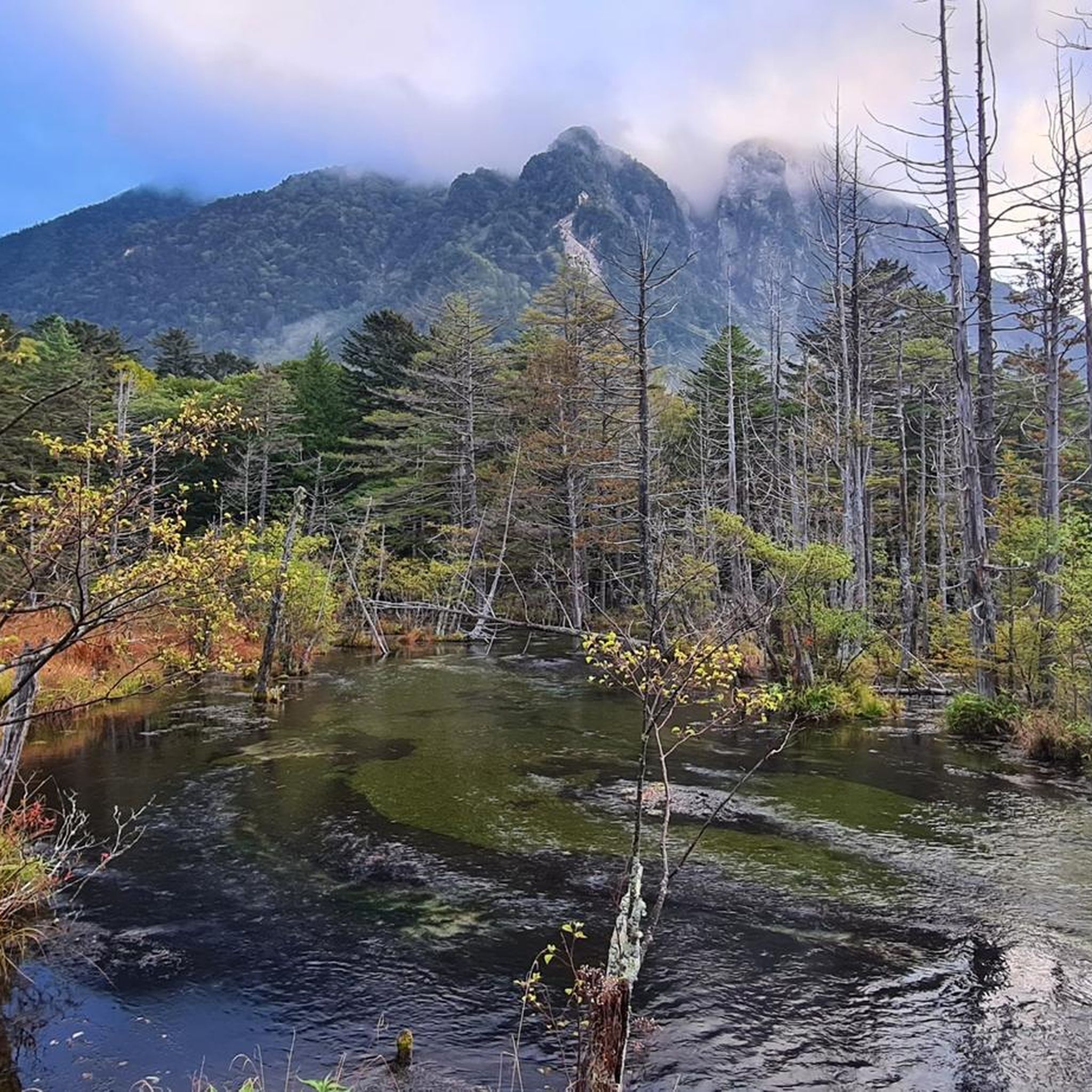
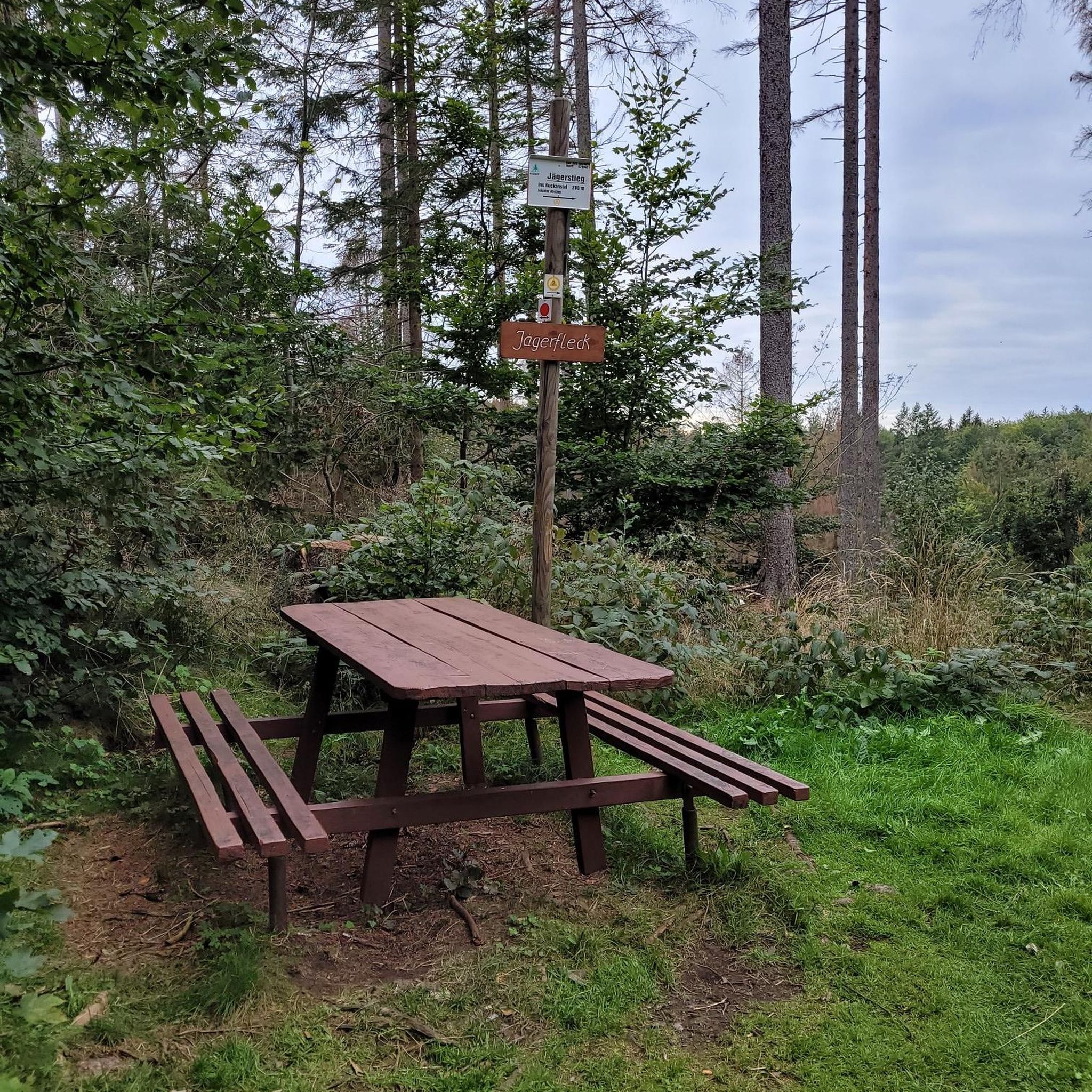
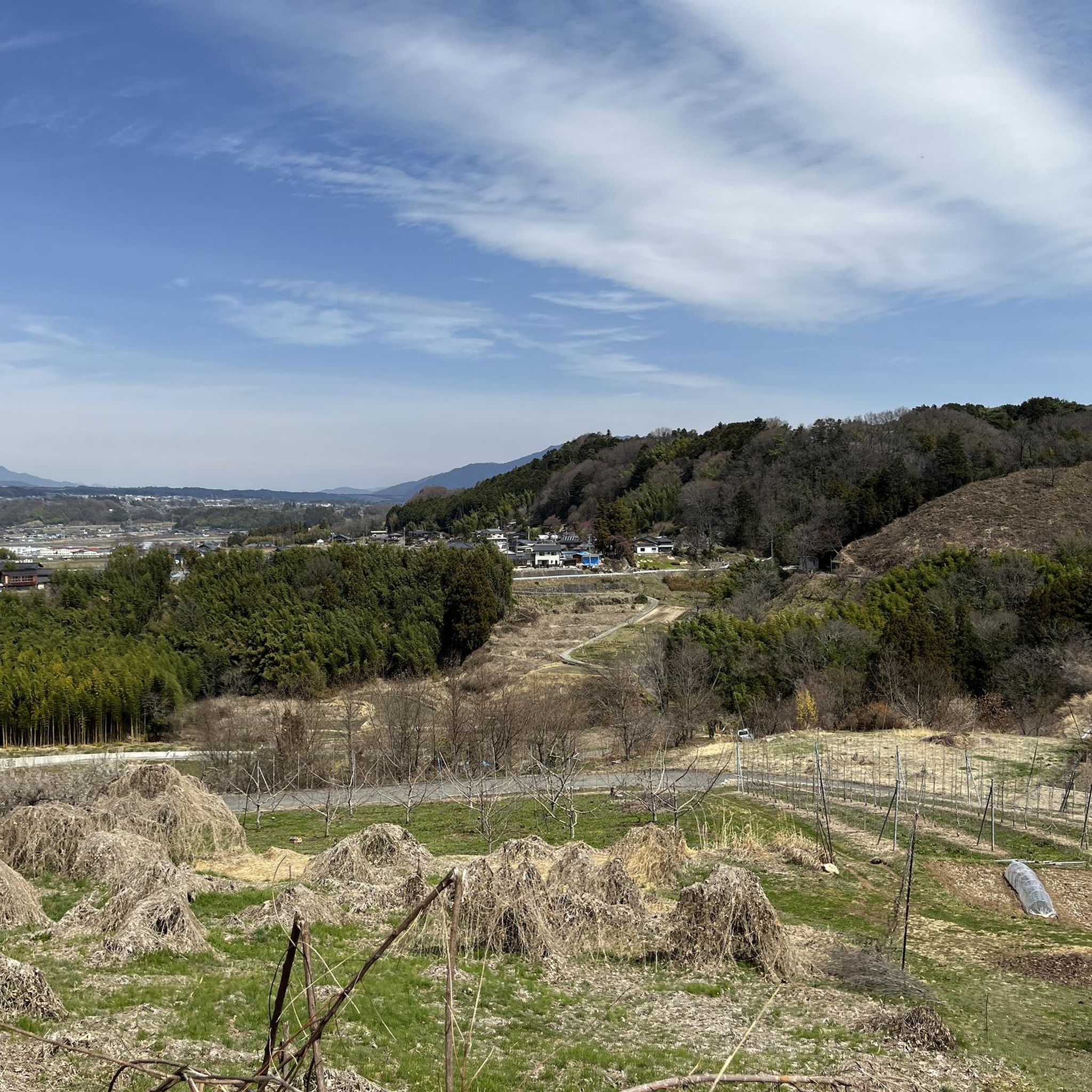


Tips from the Community


Beautiful place. To get a good view of Mount Fuji and be sure of seeing it in summer, you have to go at 5 am. We came two days in a row to see it 😍😍🤩 Around 6 am it started to get completely covered in clouds.
0
0

Right next to the park center there is a campsite with a fantastic mountain panorama directly on the river.
0
0


From the Myojin Bridge, choose the other side of the river on the way back to complete the tour as a circular tour with a very beautiful path.
0
0

Start of the hiking trail right next to the entrance/exit of the cable car
0
0

Here you are at the summit of Mt. Takao. The view is a few steps further
0
0
Frequently Asked Questions
How many hiking trails are available in the Japanese Alps?
The Japanese Alps offer a vast network of over 350 hiking routes. These range from easy valley walks to challenging multi-day alpine ascents, catering to all experience levels.
What are the different difficulty levels for hiking in the Japanese Alps?
The Japanese Alps provide a wide spectrum of hiking experiences. You'll find over 60 easy trails, more than 180 moderate routes, and over 100 difficult treks. This variety ensures options for everyone, from leisurely strolls to demanding high-altitude expeditions.
Are there any family-friendly hiking trails in the Japanese Alps?
Yes, there are several family-friendly options, particularly in areas like the Kamikochi Valley. A great example is the Kamikochi River Bend – Kappa Bridge loop from 奥飛騨温泉郷村上, which is an easy 7.4 km (4.6 miles) route, perfect for a relaxed outing with children. The tranquil valley setting and clear waters of the Azusa River make for a pleasant experience.
Can I find circular hiking routes in the Japanese Alps?
Absolutely. Many trails in the Japanese Alps are designed as loops, allowing you to start and end at the same point. For instance, the Nakasendo Old Post Road – Nakasendo Stone Path loop from Tsumago-juku offers a moderate 14.9 km (9.3 miles) journey through historic post towns and scenic paths.
What kind of natural attractions can I expect to see along the trails?
The Japanese Alps are rich in natural beauty. You can encounter dramatic gorges like Oshiba Cutting on the Seinaiji Kaido, stunning waterfalls such as Iwagakeishi and Suginosu Waterfalls, and breathtaking mountain passes like Wada Pass. The region also features active volcanoes, glacial cirques, and serene valleys like Kamikochi.
Are there any trails that offer views of Mount Fuji?
Yes, some trails provide spectacular views of Mount Fuji. For example, the View of Mount Fuji – Chureito Pagoda loop from 河口湖 is a moderate 11.8 km (7.3 miles) route that allows you to experience this iconic sight. Additionally, the View of Mount Fuji from Otome Pass is a notable highlight.
What is the best time of year to go hiking in the Japanese Alps?
The best time for hiking in the Japanese Alps is generally from late spring to early autumn (May to October). Summer offers lush greenery and warmer temperatures, while autumn brings stunning fall foliage. Some high-altitude routes may still have snow in early summer, and winter hiking is possible but requires specialized gear and experience due to heavy snowfall.
What do other hikers enjoy most about hiking in the Japanese Alps?
The Japanese Alps are highly rated by the komoot community, with an average score of 4.5 stars from over 1500 reviews. Hikers frequently praise the diverse terrain, from tranquil valleys to soaring peaks, the well-maintained trails, and the extensive network of mountain huts. The region's unique natural features and cultural immersion opportunities, such as the historic Nakasendo Trail, are also highly appreciated.
Are permits required for hiking in certain areas of the Japanese Alps?
While many trails do not require specific permits for day hikes, some popular areas, especially in national parks or for multi-day alpine treks, may have regulations or require registration. It's always advisable to check local guidelines for specific routes, particularly in areas like Kamikochi, where private vehicle access is restricted to preserve its natural beauty.
How accessible are the trailheads by public transport or car?
Accessibility varies across the region. Major hiking hubs like Kamikochi and the starting points for the Nakasendo Trail are generally well-served by public transport, including buses and trains. For Kamikochi, private cars are restricted, so you'll need to use designated parking areas outside the valley and take a shuttle. Many other trailheads offer parking facilities, but it's recommended to research specific access details for your chosen route.
Are there opportunities for multi-day treks with mountain hut stays?
Yes, the Japanese Alps are renowned for their extensive network of mountain huts, making multi-day expeditions very feasible. These huts often provide accommodation, meals, and basic provisions, allowing hikers to undertake challenging high-altitude traverses and explore remote areas without carrying full camping gear. The Kamikochi-Yari-Hotaka Circuit is a prime example of a multi-day trek facilitated by these huts.
What kind of wildlife might I encounter while hiking?
The diverse ecosystems of the Japanese Alps support a variety of wildlife. Hikers might spot various bird species, including the Rock Ptarmigan and Golden Eagle. Mammals such as the Asiatic Black Bear, Japanese Serow, and Japanese Macaque also inhabit the region. While encounters are not guaranteed, being aware of local wildlife and practicing responsible hiking is important.
Most popular routes in the Japanese Alps
Most popular attractions in the Japanese Alps

Get inspired with the komoot mobile app


Explore more
Browse the best Hikes in other regions.
