Top 20 Natural Monuments in Hjørring
Natural monuments in Hjørring offer diverse landscapes, from coastal dunes to tranquil forests and hilly terrain. This region in Northern Jutland features a unique blend of natural power and scenic beauty. The area is characterized by its dynamic coastline, shaped by wind and sea, alongside ancient woodlands and glacial formations. These natural attractions provide opportunities to experience the distinctive environment of Hjørring Kommune.
Best natural monuments in Hjørring
- The most popular natural monuments is Rubjerg Knude Lighthouse, a man-made…
Last updated: June 26, 2026
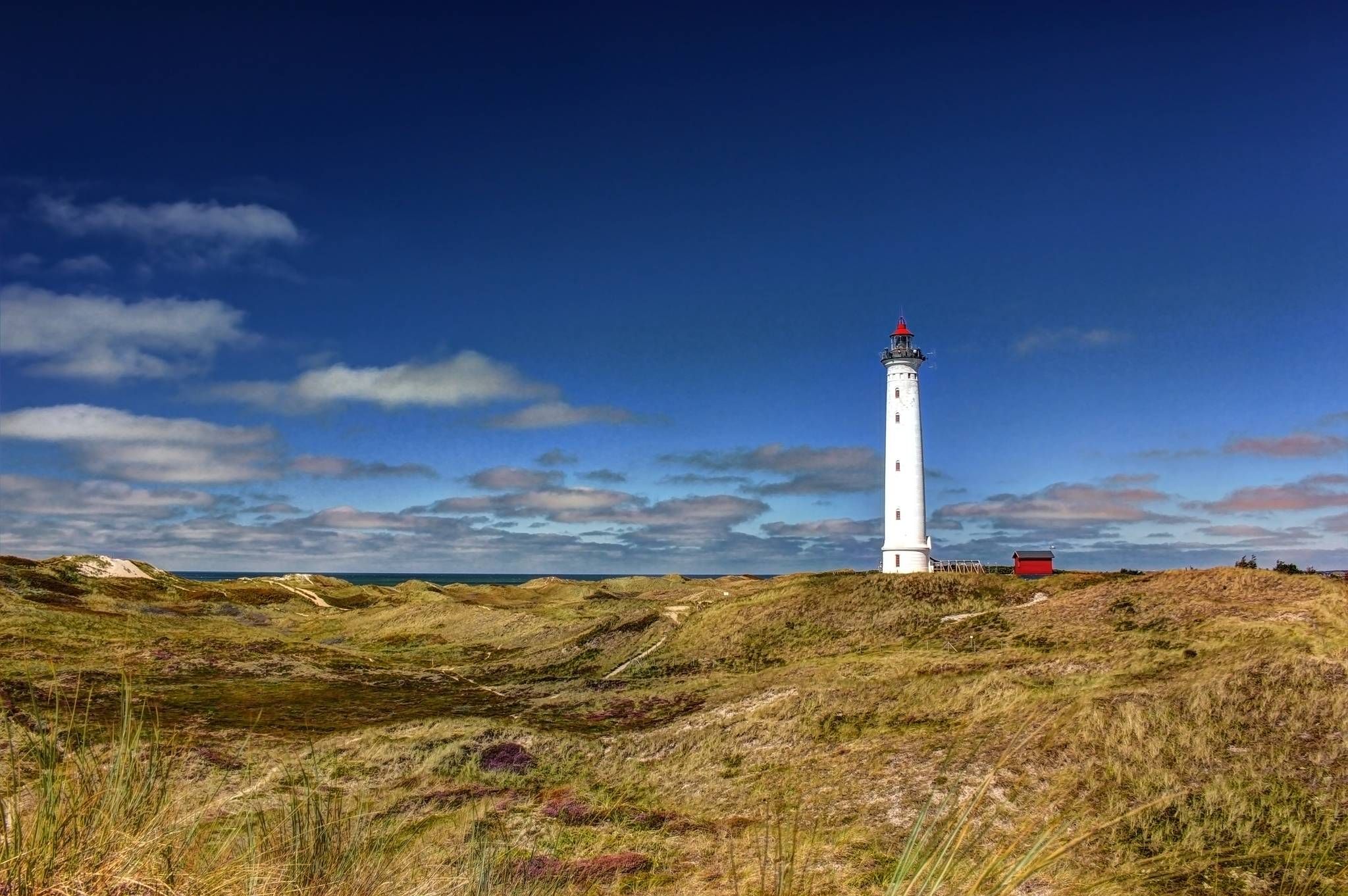
Rubjerg Knude Lighthouse
Highlight • Monument
Translated by Google •
Tip by

Rubjerg Knude Lighthouse and the Shifting Dune
Highlight • Natural Monument
Translated by Google •
Tip by

Sign up now to discover places like this
Get recommendations on the best single tracks, peaks, & plenty of other exciting outdoor places.
Sign up for free
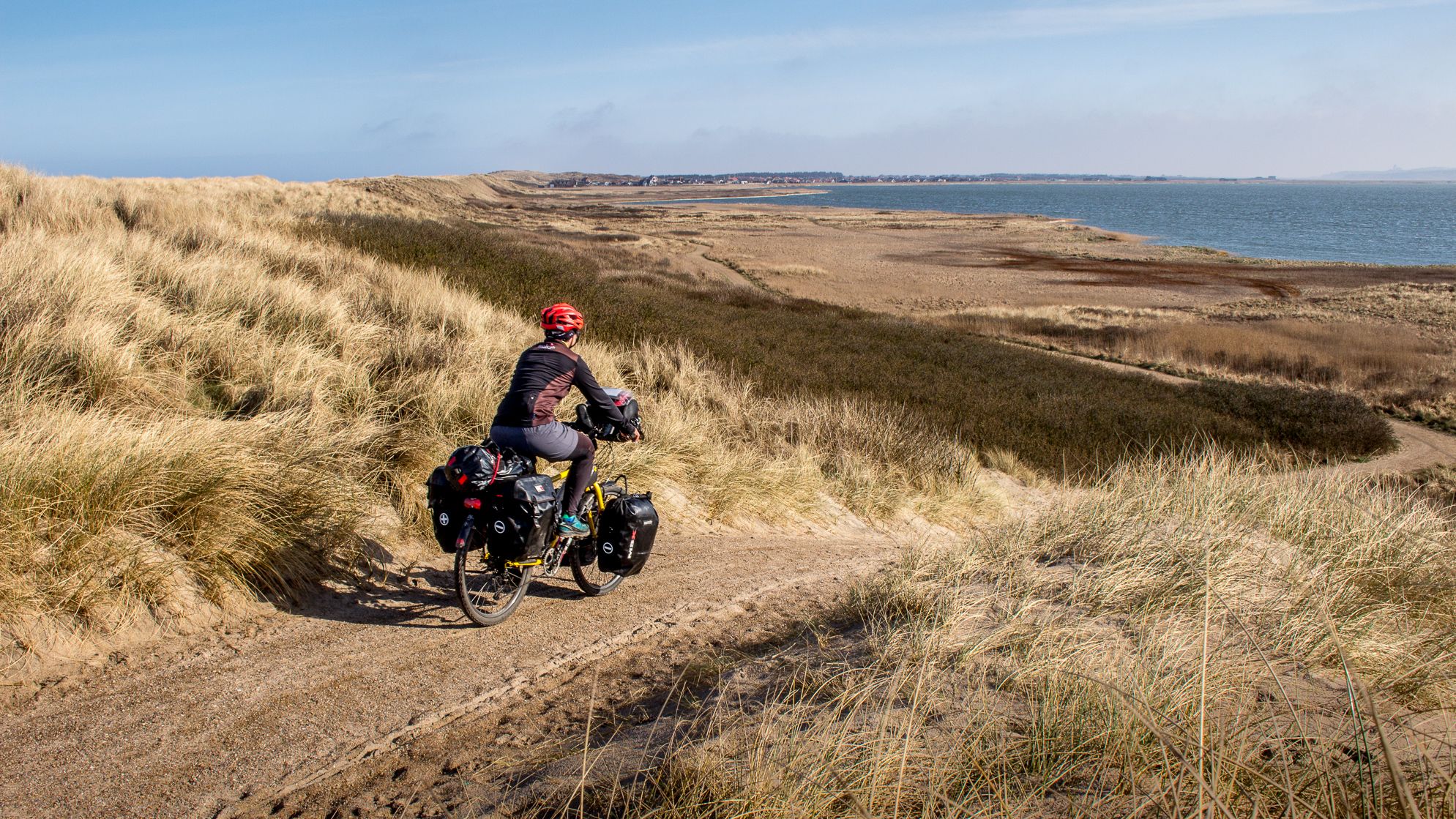
Råbjerg Mile
Highlight • Natural Monument
Translated by Google •
Tip by

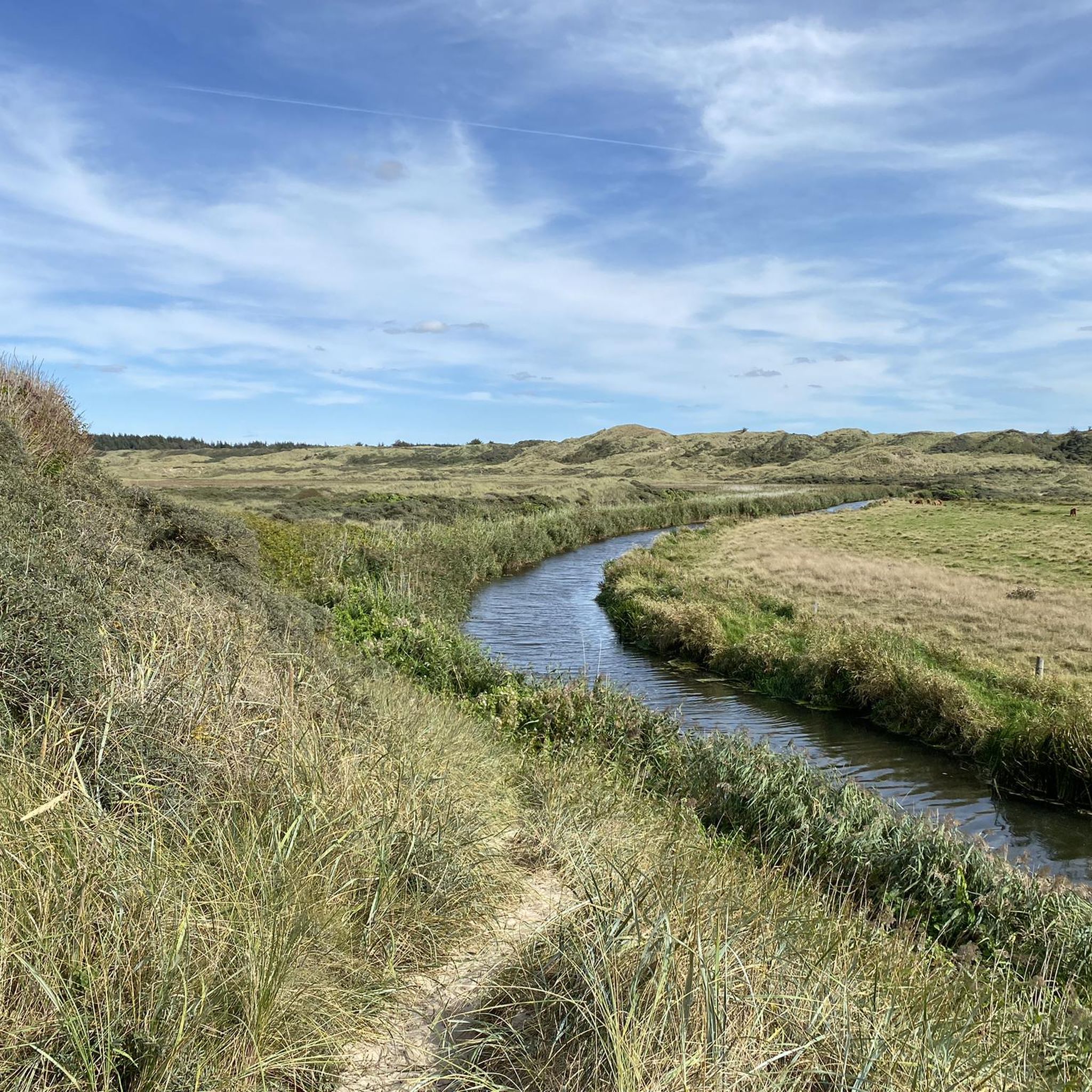
Path to Rubjerg Knude Lighthouse
Highlight • Trail
Translated by Google •
Tip by
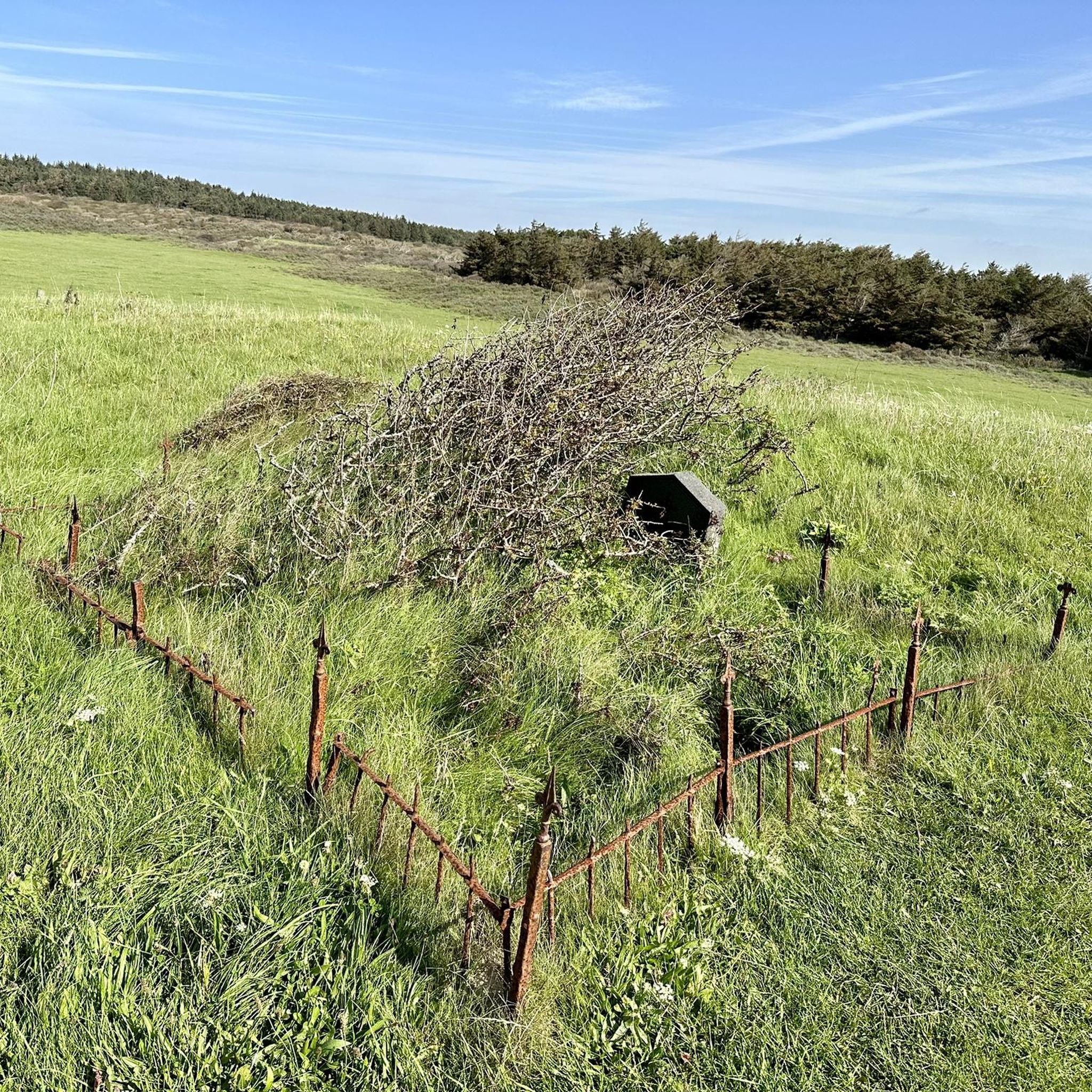
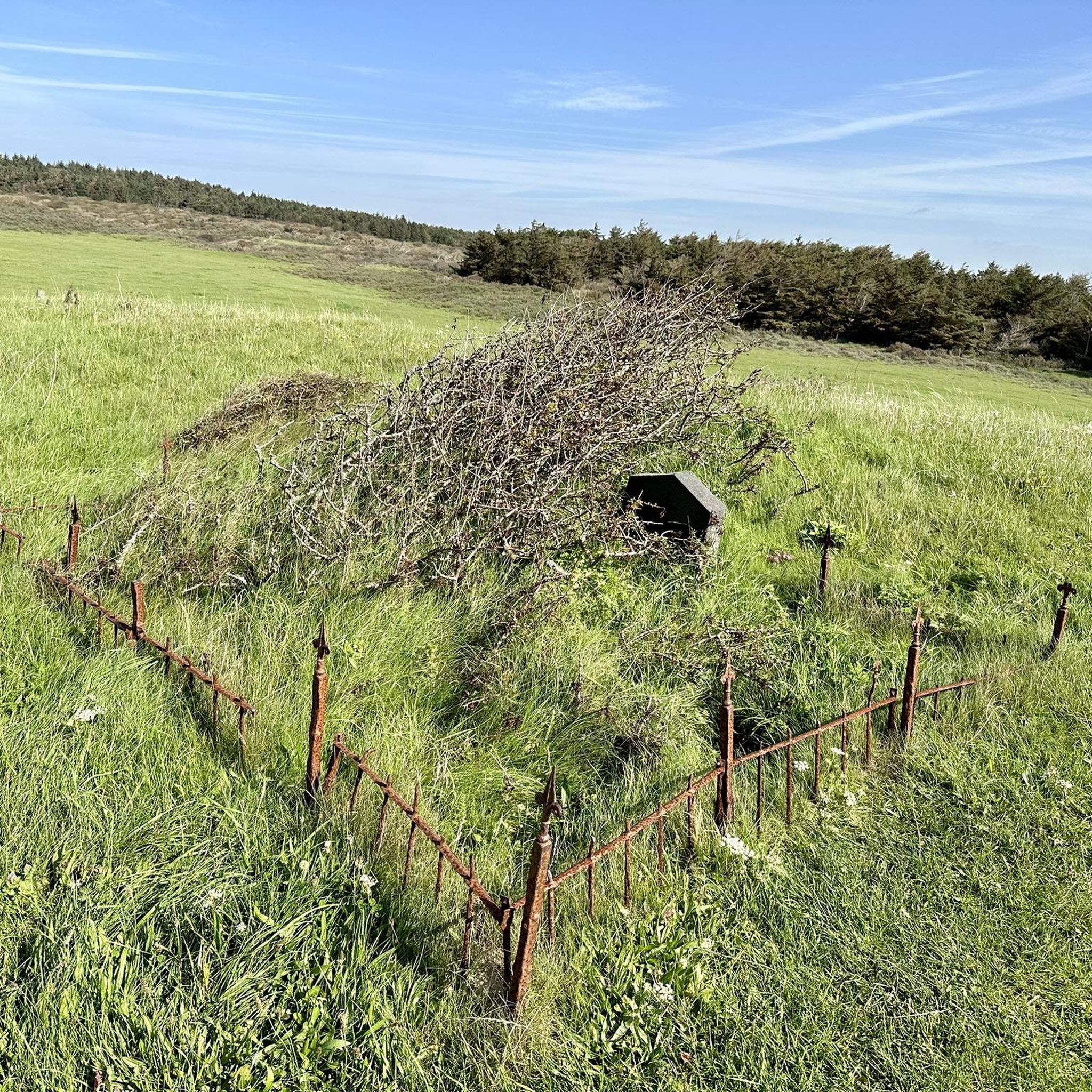
Mårup Church Cemetery
Highlight • Historical Site
Translated by Google •
Tip by

Sign up for free to discover even more natural monuments in Hjørring.
Sign up for free
Already have an account?
Start today with a free account
Your next adventure awaits.
Login or Signup


Tips from the Community

Definitely worth seeing, even if you have to dismount at some points.
1
0

You can see how the wind blows here.. very brilliant view..👍
5
0
Great atmosphere up here... and, who would have thought... a lighthouse for free..💰💲💲
5
0
Rugged cliffs that drop steeply and at the end of the dune open a narrow path to the coast
5
0

Be sure to go up. Pro tip: take off your shoes right at the bottom :)
2
0

In the far north on the edge of the North Sea you will find the famous Rubjerg Knude lighthouse. The landscape is constantly changing due to the harsh nature, which is why the lighthouse was moved 80 meters further inland in October 2019.
3
0

Råbjerg Mile is a massive shifting dune on the northern tip of Jutland, Denmark. It has been a nature reserve since 1900. This ensures that dune migration can continue unhindered. The sand masses reach heights of over 40 meters and cover an area of approximately 120 hectares. Due to prevailing westerly winds, the sand moves eastward toward the Kattegat. Each year, the dune moves an average of 15 meters. According to estimates, Råbjerg Mile will reach the 3.5 km distant road to Skagen around the year 2130 and disappear into the Baltic Sea after another 30 years. The question of whether the Frederikshavn–Skagen railway line would need to be rerouted westward around the dune in 100 years has not yet sparked any political debate. By the mid-19th century, the northern town of Skagen was also suffering from increasing drifting sand, a result of deforestation and the destruction of dune vegetation to meet the demand for fuel. The municipality eventually offered to transfer the inhospitable land to the state, which undertook an extensive reforestation program starting in 1887. The forests (klitplantager) in Bunken and Skagen were established. At the same time, Skagen received a paved road to Aalbæk and a railway connection. Previously, all transport had been accomplished by horse-drawn carts across the impassable Baltic Sea coast. However, the taming of the raw forces of nature also aroused resistance. The poet Jeppe Aakjær (1866–1930) was an early advocate for nature conservation. In 1900, the Danish state acquired the area around Råbjerg Mile to protect it from human interference. While World War I was raging in Europe, this desert-like panorama served as the backdrop for the Danish silent film Sfinxens Hemmelighed (English: "The Secret of the Sphinx") by director Robert Dinesen. The monumental wooden backdrop of a Sphinx of Giza rising from the sand attracted so many onlookers that filming was occasionally interrupted to allow summer visitors to enjoy themselves. https://de.wikipedia.org/wiki/R%C3%A5bjerg_Mile
3
0

The Rubjerg Knude dune with its lighthouse is one of the most scenic destinations in Jutland. On the 50 meter high cliff between Lønstrup and Løkken, a dune up to 25 meters high has formed over a length of almost two kilometers. A good 100 years ago there was little sand at this point. The lighthouse was built in 1900 along with four outbuildings. At that time the tower was 200 meters inland. Over the years the sea got closer to the lighthouse and the dune sand piled higher and higher around the buildings. All attempts to keep the sand away from the tower failed and so the dune grew to a height of 50 meters by 1968. The lighthouse was no longer visible from the sea and its operation was discontinued. In the years that followed, all efforts to curb the growth of the dunes were in vain. In 1990 the area was finally placed under nature protection.
5
0
Frequently Asked Questions
What unique natural features can I expect to see in Hjørring's natural monuments?
Hjørring's natural monuments showcase a diverse range of features. You can experience dramatic coastal landscapes with towering cliffs and dynamic shifting dunes, such as at Rubjerg Knude Lighthouse and the Shifting Dune and Råbjerg Mile. Inland, you'll find tranquil forests, rolling hills like those in Hjørring Bjerge, and glacial landscapes with ancient beech trees in areas such as Tolne Naturpark. These areas offer a unique blend of natural power and scenic beauty.
Beyond the well-known landmarks, are there other significant natural areas to explore in Hjørring?
Yes, Hjørring offers several other remarkable natural areas. Tolne Naturpark, near Hjørring, features a glacial landscape with ancient beech trees and high biodiversity, offering stunning views over Skagens Odde. The Hjørring Bjerge (Hjørring Mountains) provide picturesque rolling hills and trails. Additionally, Uggerby and Tversted Klitplantager (Dune Plantations) offer scenic trails through dunes and forests, ideal for wildlife spotting and exploring historical traces.
What historical elements are intertwined with the natural monuments in Hjørring?
Many natural monuments in Hjørring have significant historical connections. The iconic Rubjerg Knude Lighthouse, originally built in 1900, stands as a testament to human ingenuity against coastal erosion, having been moved inland in 2019. Nearby, the Mårup Church Cemetery illustrates the powerful impact of the sea on historical sites. Bangsbo Fort and Nature Reserve also combines historical significance with natural beauty, offering trails and vistas.
Are there good hiking opportunities around the natural monuments in Hjørring?
Absolutely. The region provides numerous hiking opportunities. For example, you can explore the Rubjerg Knude Lighthouse and Mulshøje Forest loop, a moderate 8.9 km trail. Other popular options include the Lønstrup Landscape Route and the Tversted Nature Loop. Many natural areas like Tolne Naturpark and Hjørring Bjerge also feature well-marked trails suitable for various skill levels.
Can I find trails for cycling or mountain biking near these natural monuments?
Yes, Hjørring is well-equipped for cycling and mountain biking. You can find dedicated mountain bike trails, such as the Official Tornby Klitplantage Mountain Bike Trail, which is an easy 14.5 km route. The Tversted Lakes area also offers a 10.2 km loop. These trails allow you to experience the diverse landscapes, from forests to coastal areas, on two wheels.
What other outdoor activities are popular in Hjørring's natural areas?
Beyond hiking and cycling, Hjørring's natural monuments are excellent for various outdoor pursuits. Birdwatching is popular, especially in areas like Bangsbo Fort and Nature Reserve during migration seasons, and Bagterp Plantage is known for its colorful birdlife. Many locations are perfect for picnics, and areas like Tolne Naturpark offer routes for horseback riding. Wildlife spotting is also a rewarding activity in the dune plantations and forests.
Are the natural monuments in Hjørring suitable for families with children?
Many natural monuments in Hjørring are very family-friendly. Råbjerg Mile, with its massive shifting dune, offers a unique and engaging experience for all ages. Hjørring Bjerge provides delightful trails perfect for leisurely strolls with family. The Tversted Klitplantage also features paths leading past the Tversted Lakes, which can be a fun exploration for children.
Which natural monuments are dog-friendly for walks?
Several natural monuments in Hjørring welcome dogs, often with specific areas designated for them. Hjørring Bjerge, for instance, features a fenced dog area, making it ideal for walks with pets. Many of the forest and dune plantation trails, such as those in Tolne Naturpark and Bagterp Plantage, are also suitable for dog walking, though it's always advisable to keep dogs on a leash and respect local regulations.
What is the best time of year to visit the natural monuments in Hjørring?
The natural monuments in Hjørring can be enjoyed year-round, but each season offers a different experience. Spring and summer provide lush greenery, longer daylight hours, and pleasant temperatures for outdoor activities. Autumn brings beautiful fall colors to the forests and can be ideal for hiking. Even winter offers a stark, dramatic beauty, especially along the coast at places like Rubjerg Knude, though sturdy footwear and warm clothing are essential.
Where can I find the best viewpoints for scenic photography in Hjørring?
For breathtaking views, head to Rubjerg Knude Lighthouse and the Shifting Dune, where you can ascend the tower for expansive coastal vistas. Hjørring Bjerge features the Bellevue Udsigtstårn (observation tower) offering extensive views of Hjørring city and glimpses of the sea. Tolne Naturpark also provides stunning views over Skagens Odde, making it a prime spot for photography.
Are there any running trails available near the natural monuments?
Yes, the diverse terrain around Hjørring's natural monuments is great for running. You can find several running trails, including the Lønstrup Clover Trail: Vesterhavet Red Route, a moderate 6.3 km run. Another option is the Trail running on the Rubjerg Knude, a moderate 14.7 km route that allows you to experience the unique coastal landscape while jogging.
What do visitors enjoy most about the natural monuments in Hjørring?
Visitors consistently praise the dramatic and ever-changing landscapes, particularly the coastal areas like Rubjerg Knude, for their visual impact and the sense of natural power. The opportunity to witness ongoing natural processes, such as sand migration, is a significant draw. Many also appreciate the well-maintained trails for hiking and cycling, the peaceful forest environments, and the stunning panoramic views from various viewpoints.
Most popular attractions in Hjørring

Get inspired with the komoot mobile app


Explore more
Extend your search for the best caves by checking out these guides of the top ones in Hjørring:
