Top 20 Natural Monuments in Loire-Atlantique
Best natural monuments in Loire-Atlantique include diverse landscapes from marshlands to coastlines and lakes. This department in western France features a rich array of protected natural areas. These sites are recognized for their ecological significance and scenic value. The region offers varied natural settings for outdoor activities.
Best natural monuments in Loire-Atlantique
- The most popular natural monuments is Guérande Salt Marshes, a historic salt marsh and wetland where traditional methods are used for sea salt production. This site is…
Last updated: June 26, 2026
Butte de la Roche
Highlight • Summit
Translated by Google •
Tip by

Tumulus of Dissignac
Highlight • Historical Site
Translated by Google •
Tip by

Sign up now to discover places like this
Get recommendations on the best single tracks, peaks, & plenty of other exciting outdoor places.
Sign up for free
Long Stone
Highlight • Monument
Translated by Google •
Tip by

Leaning Stone Pine of Rue de la Collégiale
Highlight • Natural Monument
Translated by Google •
Tip by

Les terrasses du midi
Highlight • Natural Monument
Translated by Google •
Tip by

Guérande Salt Marshes
Highlight • Structure
Tip by

Etang de Roche Ballue
Highlight • Lake
Be careful, beyond the buoys, the pond becomes very deep …
Translated by Google •
Tip by

Dolmens of Kerbourg
Highlight • Historical Site
Translated by Google •
Tip by

The Loire at Oudon
Highlight • River
Translated by Google •
Tip by

Dolmen de la Joselière
Highlight • Historical Site
This monument consists of a partially preserved square mound with a …
Translated by Google •
Tip by
Sign up for free to discover even more natural monuments in Loire-Atlantique.
Sign up for free
Already have an account?
Start today with a free account
Your next adventure awaits.
Login or Signup
Popular around Loire-Atlantique
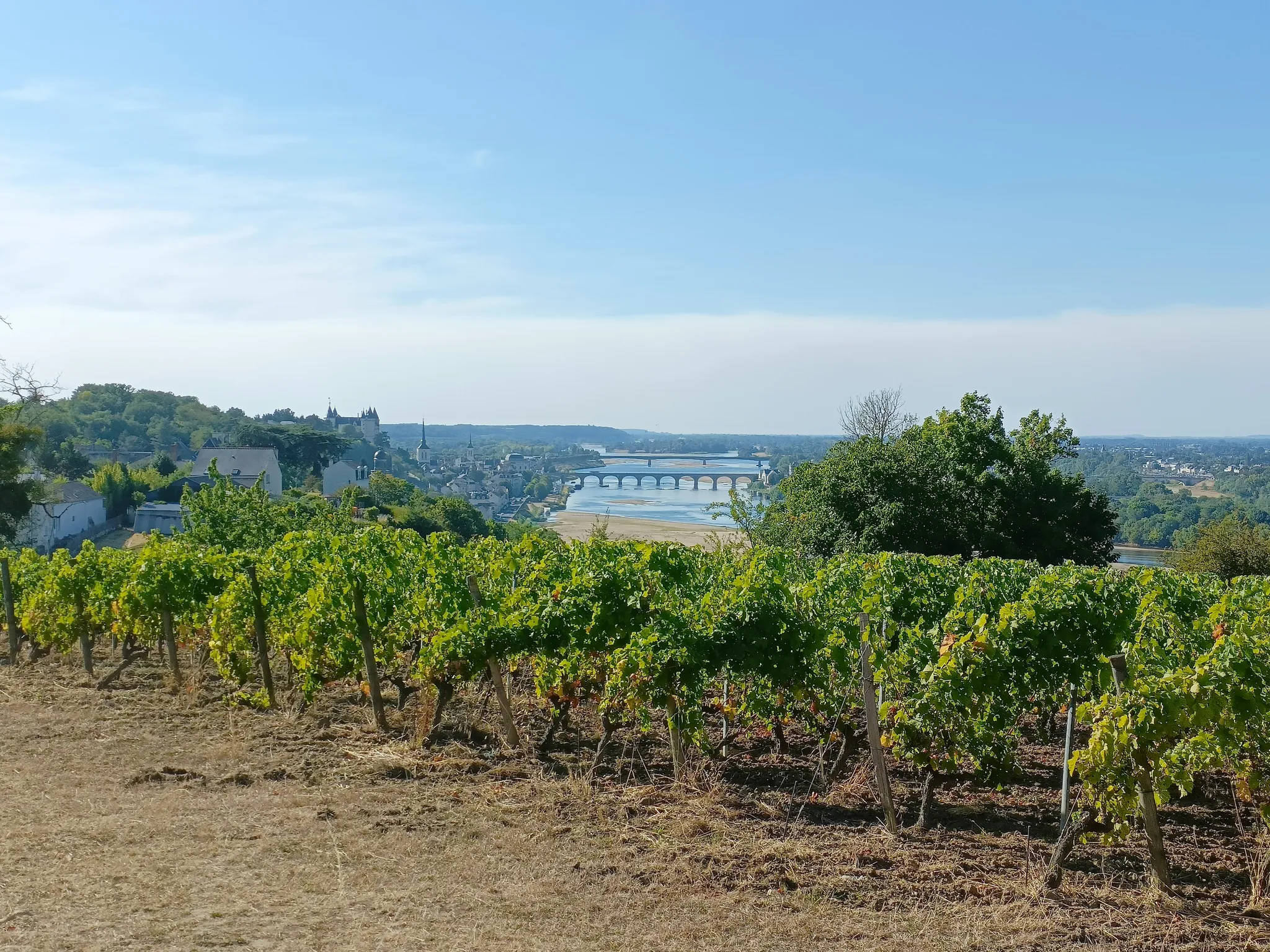
GR3 from the ocean to its source – The Loire, a wild European river
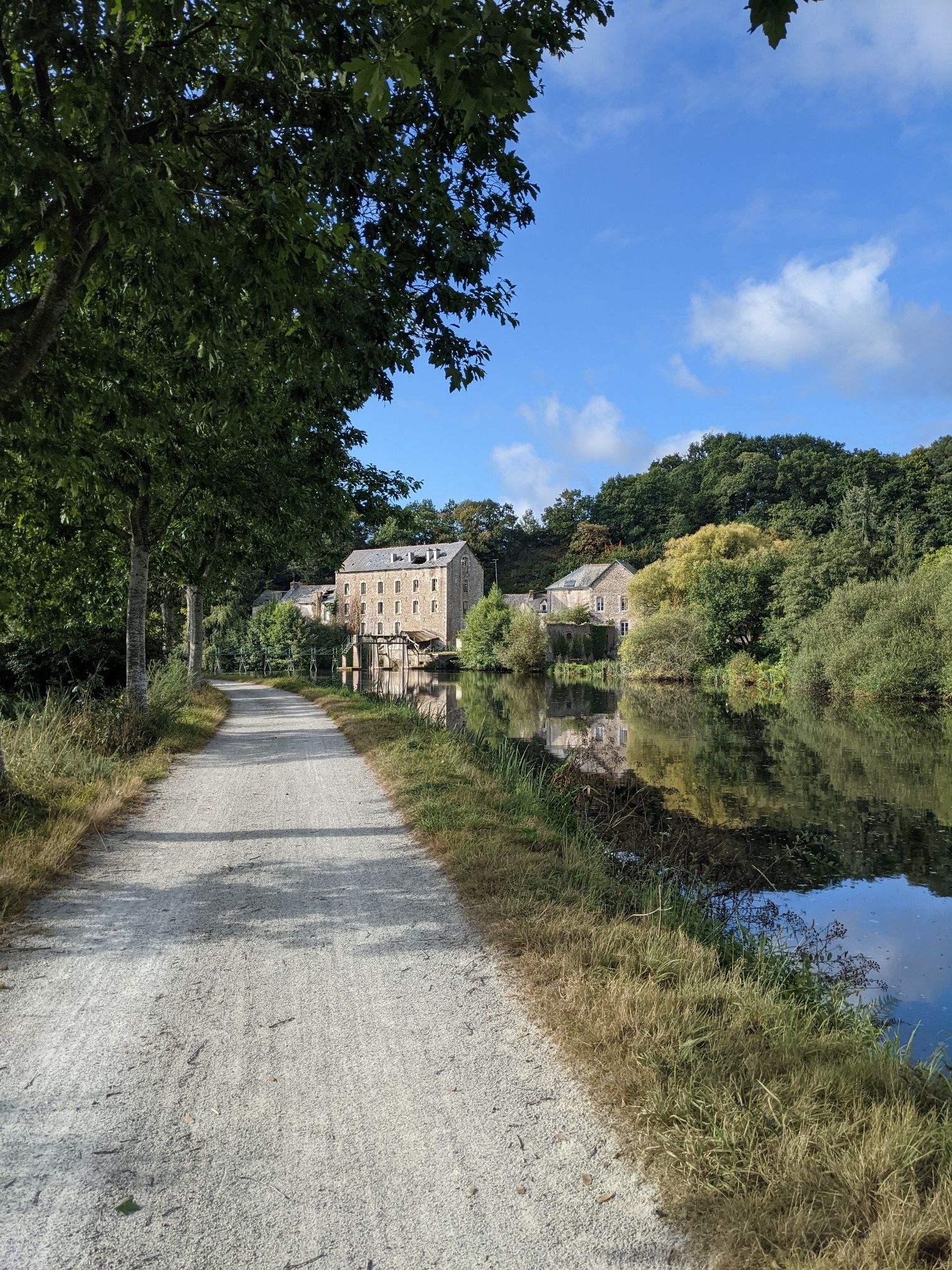
Nantes-Brest Canal – Cycling along Brittany's towpaths
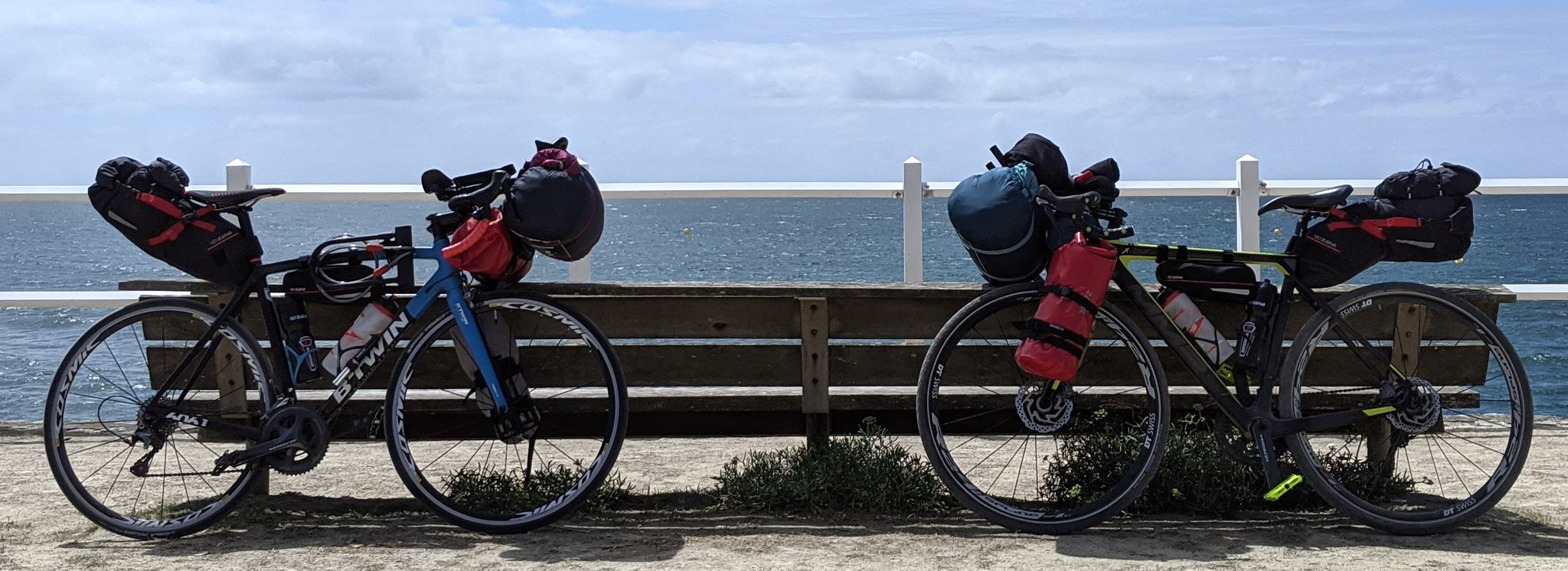
La Vélodyssée — From north to south via the ocean
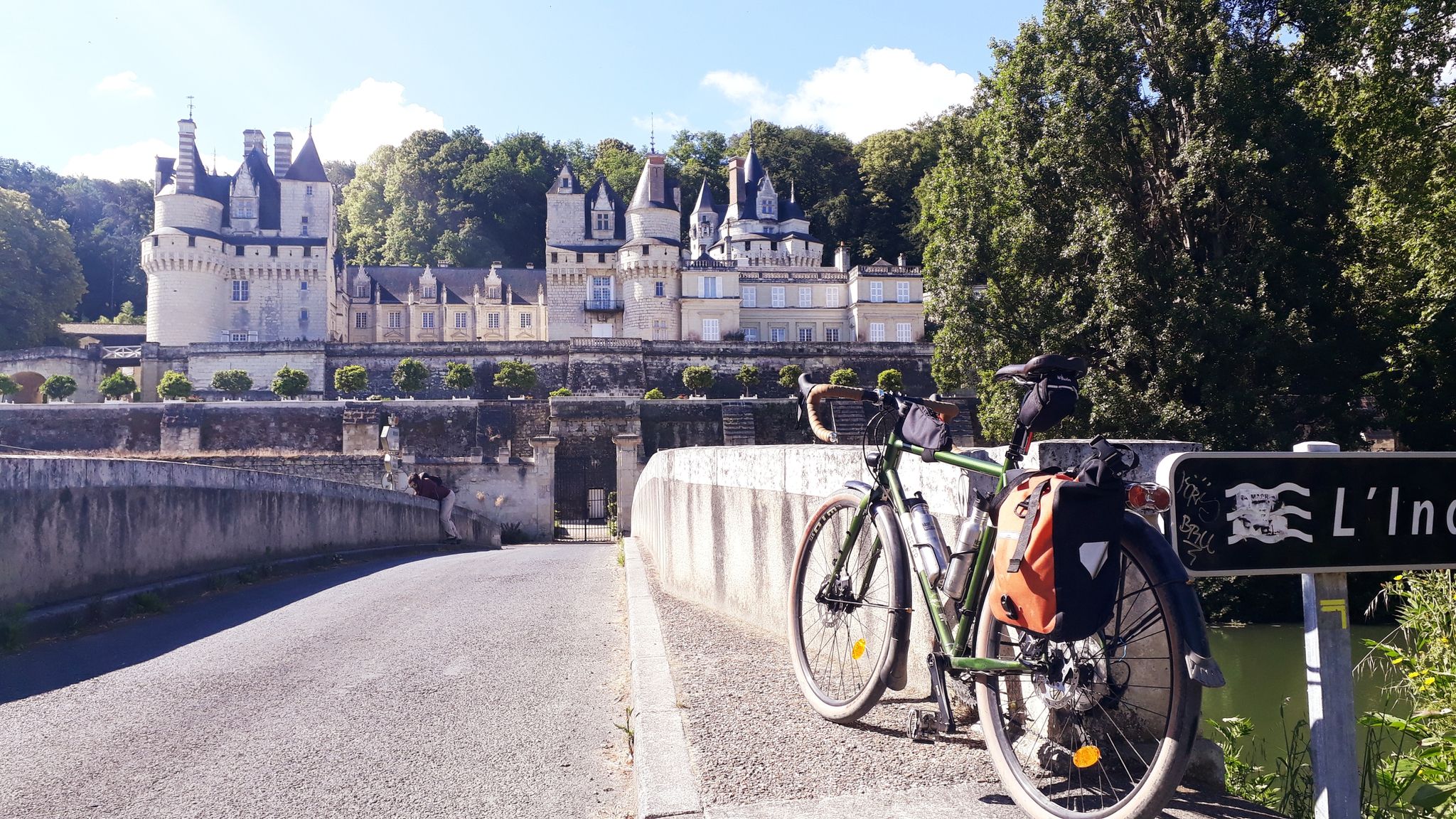
La Loire à vélo – Between nature and castles
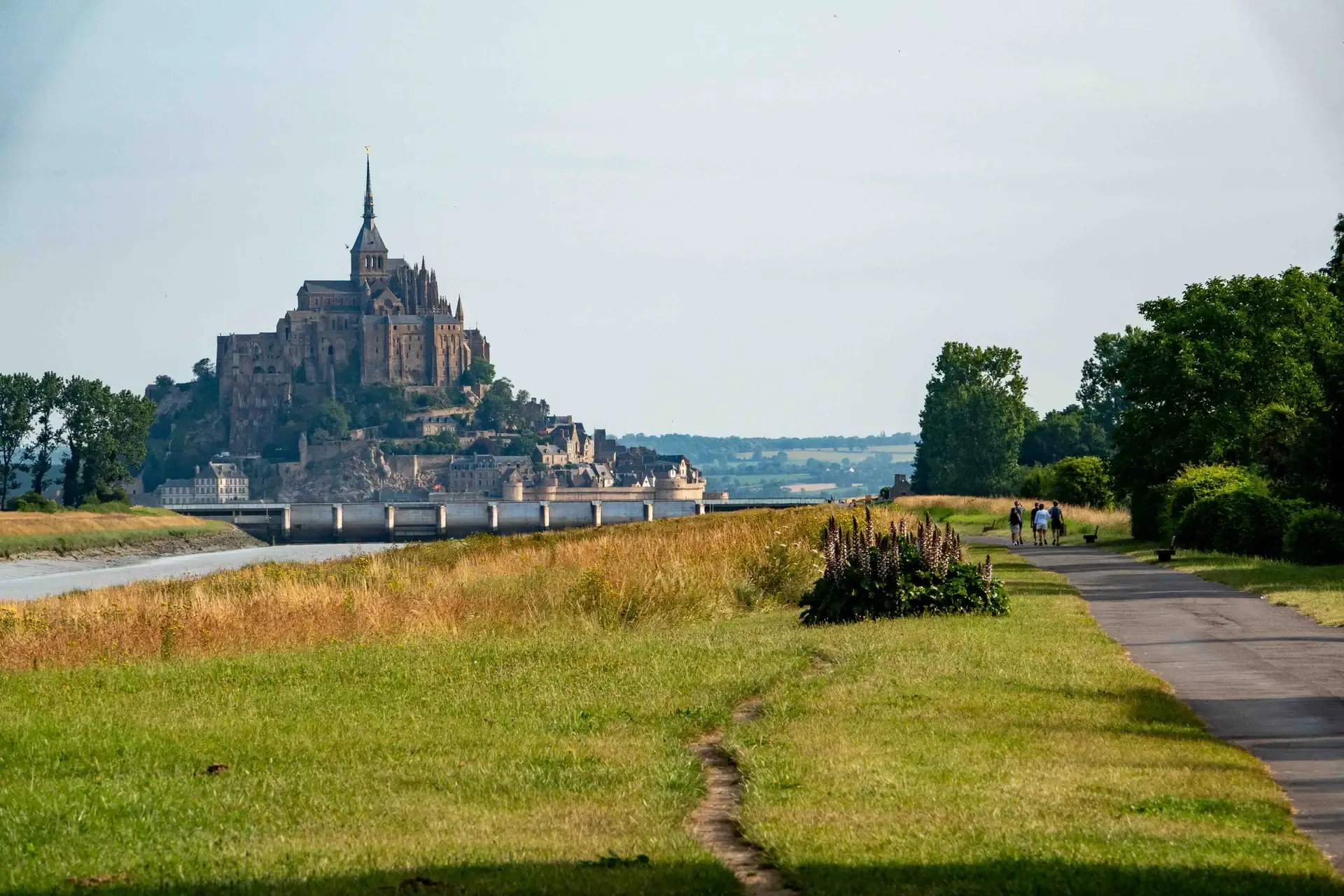
History and gastronomy - La Régalante
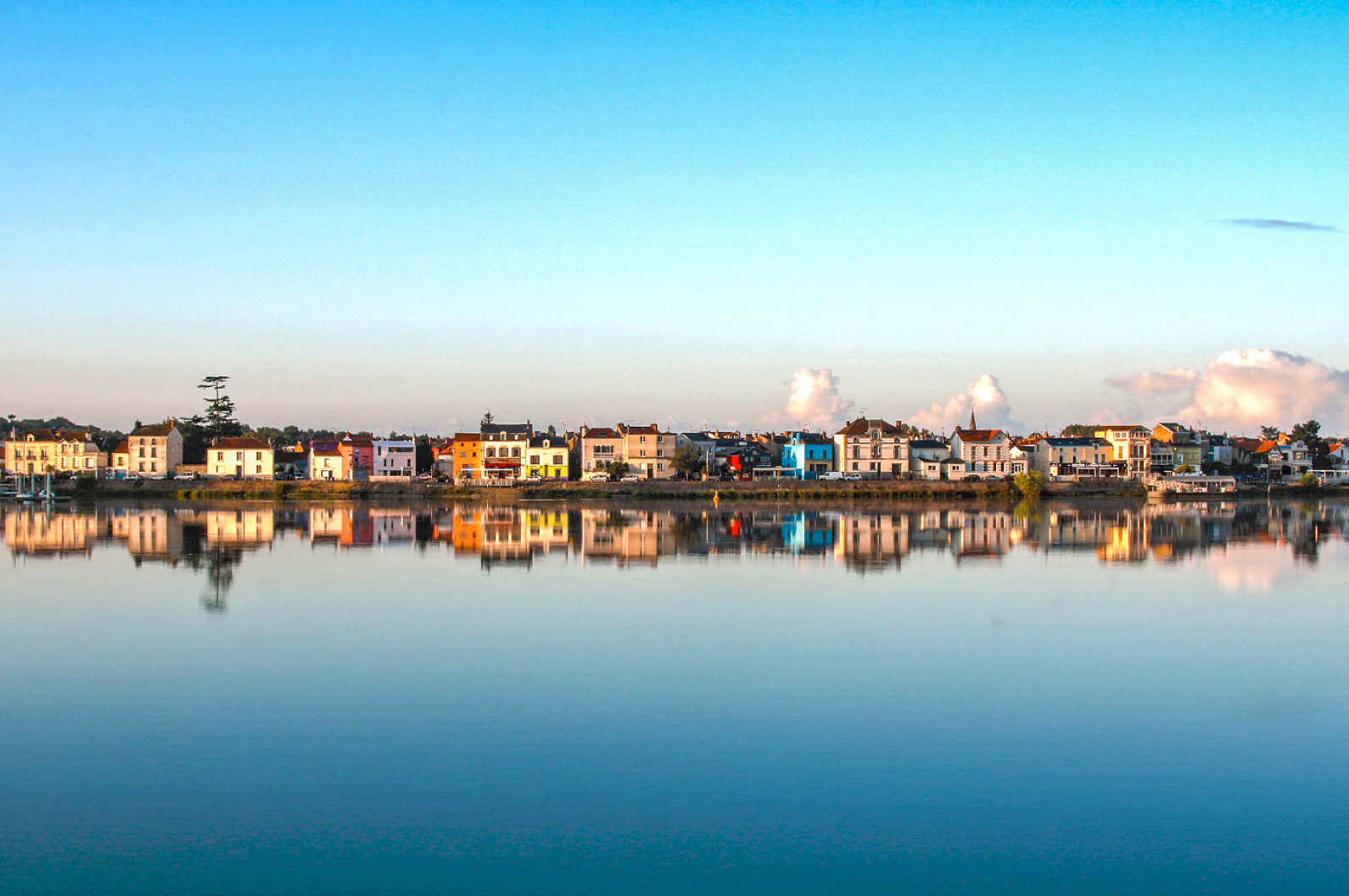
La Vélidéale - From the Limousin to the Atlantic
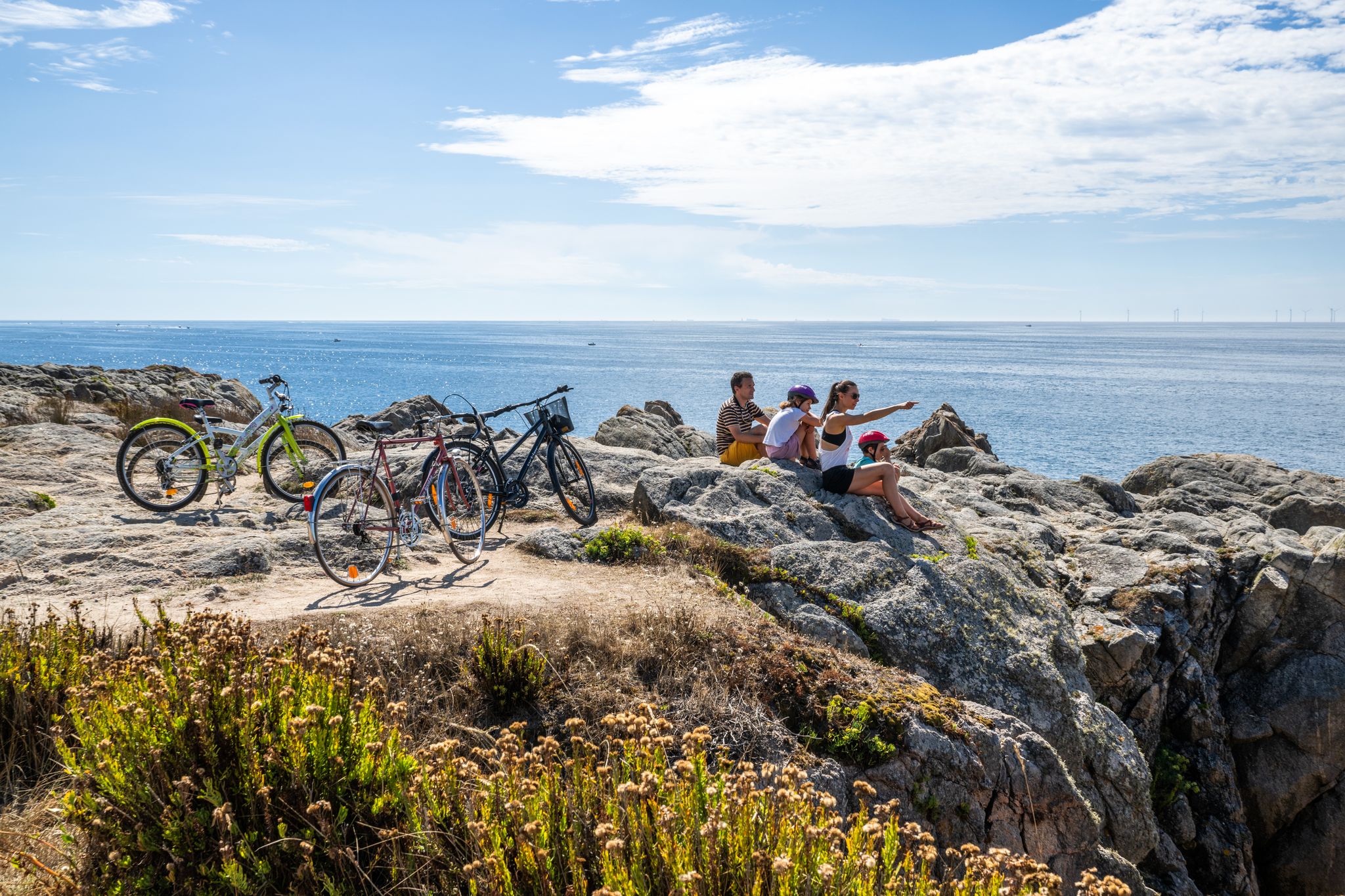
French Atlantic coast – 9 bike Tours from La Baule to Saint-Jean-de-Luz
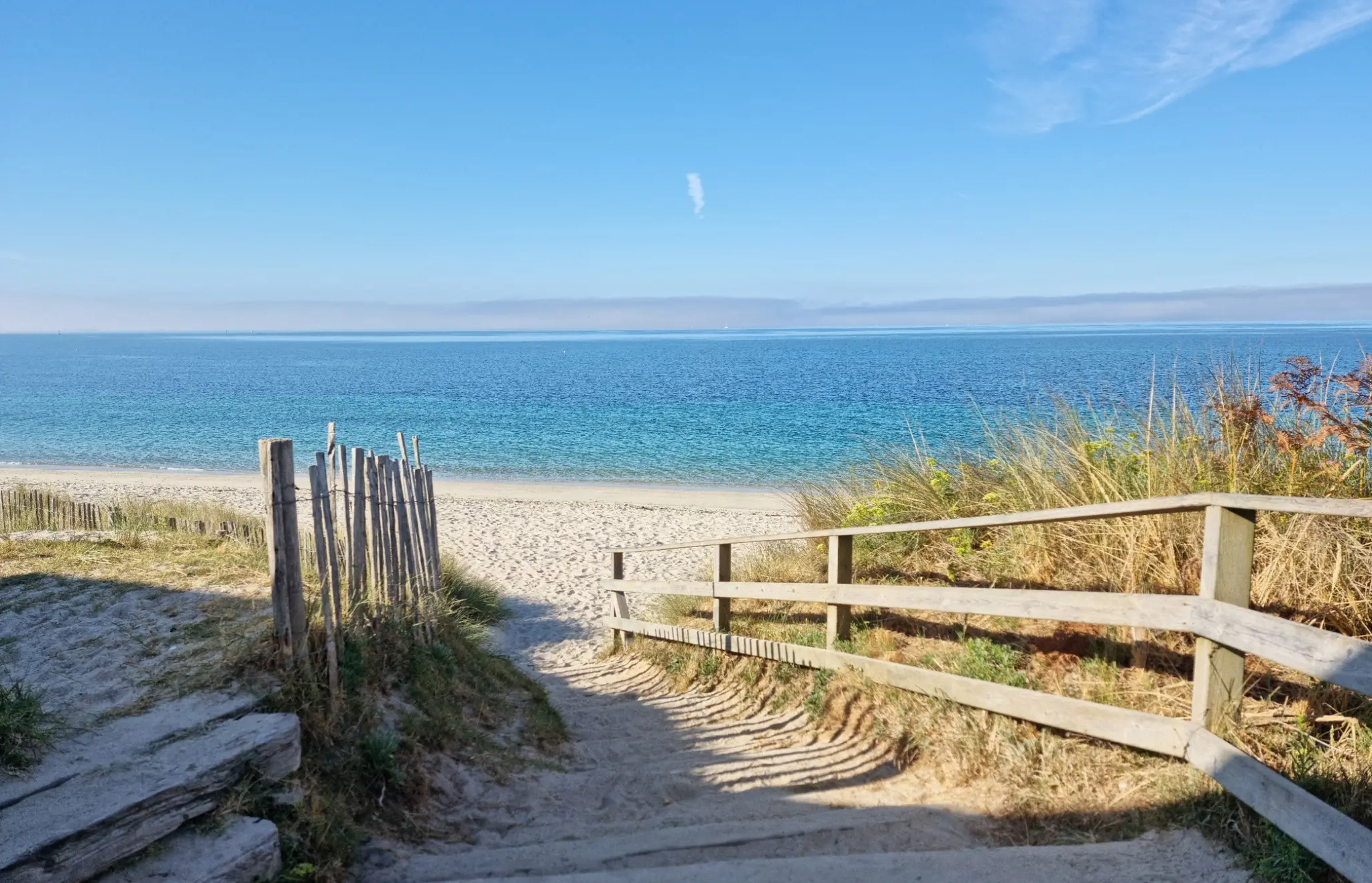
Cycling along the Breton coast - The Coastal (V45)
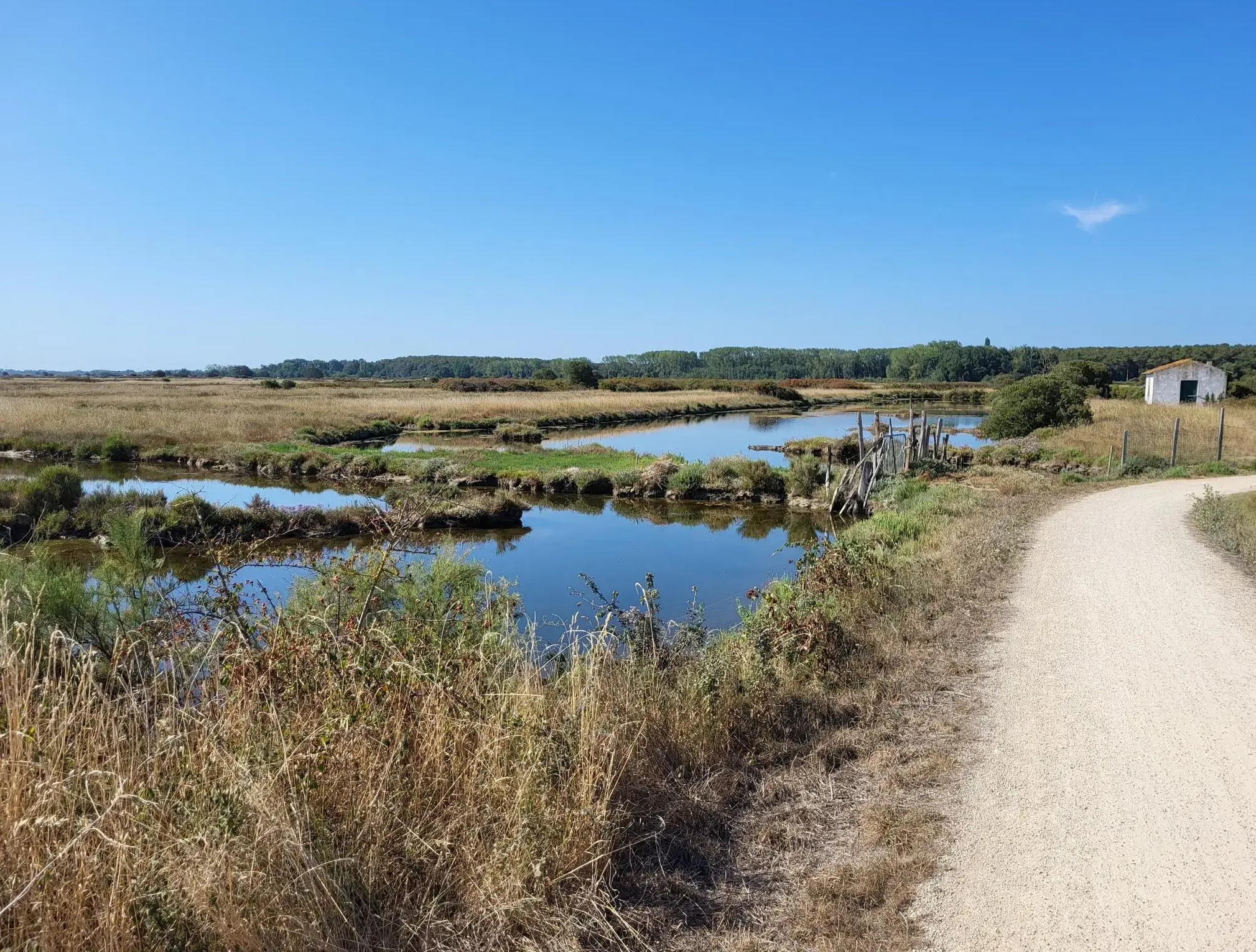
Coast, marshes and hedges — Vendée Vélo Tour
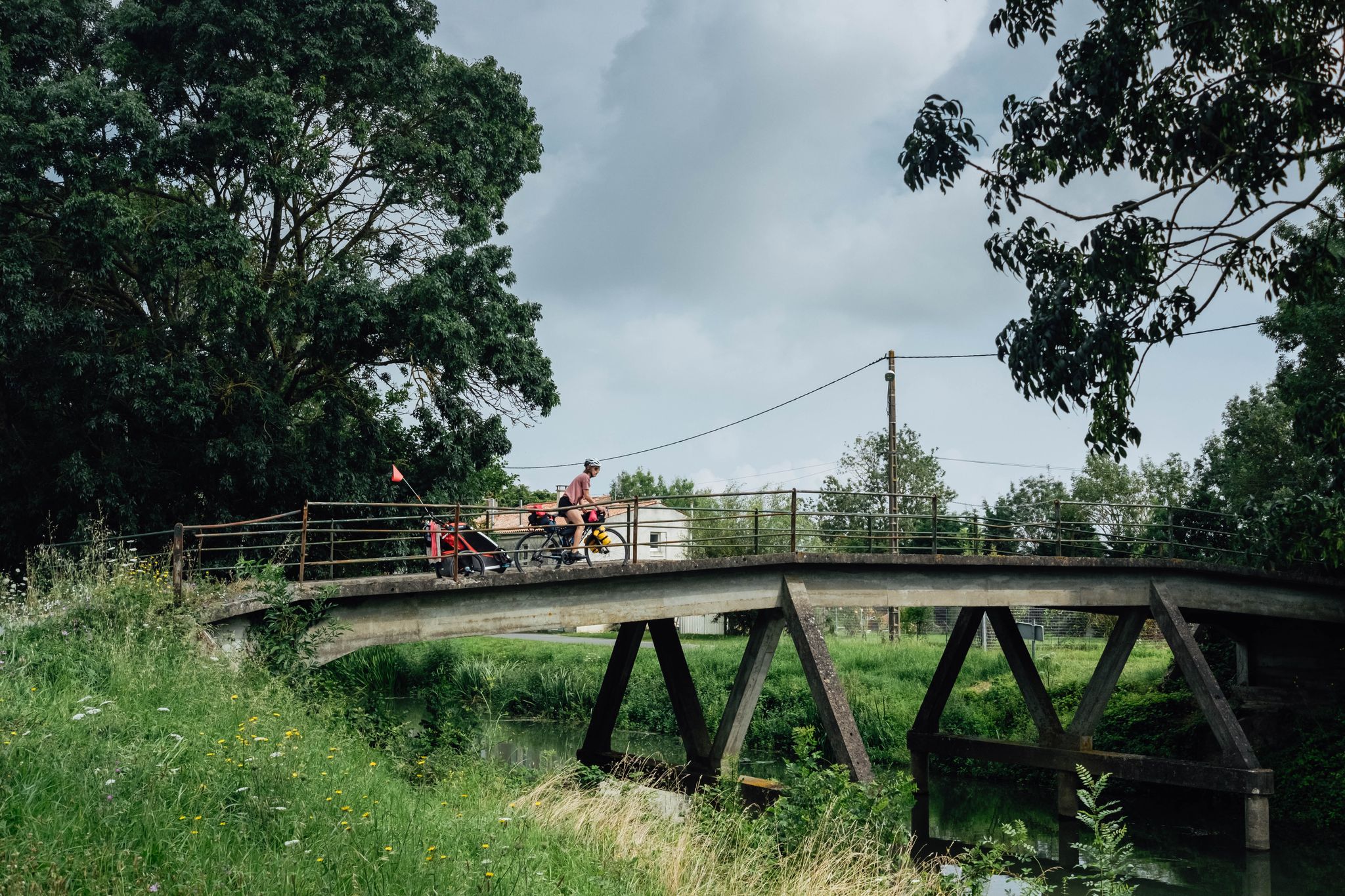
Our first family bike adventure in Western France
Other adventures in Loire-Atlantique


Tips from the Community


This megalithic tomb, built around 4300 BC, is the oldest monument in Loire Atlantique, dating back over 6,000 years.
0
0

Archaeological site unearthed in 2020 by villagers who, while clearing a low wall, realized that they were on a vast terraced wall 60 meters long. These dry stone walls are spread out over a height of 40 meters on the hillside. The origin, probably Celtic, remains uncertain and the function very mysterious. Military? Agricultural? Religious? Druidic? A bit of everything at once? This complex is part of a very pleasant natural site on the banks of the Divatte River. Numerous picnic tables, toilets and drinking water.
1
0

Actually, it's more of an allée couverte—but I don't even want to know what Komoot translates into. Fifty meters further on, there's a second collapsed dolmen.
1
0
A small additional highlight on the beautiful path along the Côte Sauvage.
0
0

Impressive dimensions. It is hidden away in a dead end street and absolutely worth seeing. In the immediate vicinity there is another dolmen, a pretty old mill and great little houses with thatched roofs.
0
0

The Pierre Longue or Signal menhir is a menhir located in the commune of Le Croisic, in the French department of Loire-Atlantique. https://fr.m.wikipedia.org/wiki/Pierre_Longue_(Le_Croisic)
0
0
Frequently Asked Questions
What types of natural monuments can I explore in Loire-Atlantique?
Loire-Atlantique offers a diverse range of natural monuments, from expansive marshlands and historic salt marshes to rugged coastlines, tranquil lakes, and scenic riverbanks. You can discover unique wetlands like the Regional Natural Park of Brière, coastal formations such as the Côte Sauvage, and significant lakes like Lake Grand-Lieu.
Are there family-friendly natural monuments in Loire-Atlantique?
Yes, many natural monuments in Loire-Atlantique are suitable for families. For instance, Guérande Salt Marshes offer an engaging experience, and Lake Grand-Lieu, Pierre Aiguë site, is generally accessible. Other family-friendly spots include Long Stone, Tumulus of Dissignac, and Etang de Roche Ballue, which even features a beach.
What historical or cultural natural monuments can I visit?
Loire-Atlantique features several natural monuments with significant historical and cultural ties. The Guérande Salt Marshes are a prime example, where traditional salt harvesting methods have been practiced for centuries. You can also explore ancient sites like the Tumulus of Dissignac, a 6000-year-old Neolithic burial mound, or the Dolmen de la Joselière, another historical monument.
Where can I find panoramic views of the landscape?
For breathtaking panoramic views, consider visiting Butte de la Roche, which offers extensive vistas of Nantes, the southern Loire, and the Goulaine marshes. The Pierre Aiguë site at Lake Grand-Lieu also provides excellent panoramic views of the lake, complete with a bird observatory. Additionally, Pointe Saint-Gildas on the coast is known for its dramatic ocean views.
What outdoor activities can I do near these natural monuments?
The natural monuments in Loire-Atlantique are excellent starting points for various outdoor activities. You can enjoy hiking, gravel biking, and running. For example, there are numerous hiking trails, including coastal tours near Le Croisic and loops around Pointe de Pen-Bron. Gravel biking routes are available around areas like Lac de Grand-Lieu, and running trails can be found near the Canal de la Martinière or Lac de Vioreau.
Are there opportunities for birdwatching and wildlife observation?
Yes, Loire-Atlantique is rich in biodiversity, making it ideal for birdwatching and wildlife observation. The Regional Natural Park of Brière, classified as a Natura 2000 area, is home to a wide variety of flora and fauna, including rare bird species. Lake Grand-Lieu is a significant ecological site, particularly for birdlife, and features an observatory for visitors.
What is the best time to visit the natural monuments in Loire-Atlantique?
The best time to visit often depends on the specific monument and your preferred activities. Generally, spring and summer offer pleasant weather for exploring coastal paths, marshlands, and lakes. However, some sites like Lake Grand-Lieu may have limited accessibility in winter when the lake doubles in size. Guided tours for historical sites like the Tumulus of Dissignac are typically available in July and August.
Can I explore the natural monuments with my dog?
Many natural areas in Loire-Atlantique are dog-friendly, especially for walks on trails and coastal paths. However, it's always advisable to check specific regulations for each site, particularly protected areas like the Regional Natural Park of Brière or nature reserves, where dogs might need to be on a leash or restricted in certain zones to protect wildlife.
What makes the Guérande Salt Marshes a unique natural monument?
The Guérande Salt Marshes are unique due to their historical significance in sea salt production using traditional methods, yielding the famous 'fleur de sel'. Beyond their cultural importance, they are also a vital wetland area, supporting local biodiversity and offering stunning landscapes, particularly at sunset. The nearby Côte Sauvage adds to the dramatic natural beauty of the peninsula.
Are there any natural monuments that offer a beach experience?
Yes, Etang de Roche Ballue is a natural monument that includes a beach, making it a great spot for relaxation and family activities. Additionally, coastal areas like the Côte Sauvage and Pointe de Pen-Bron offer sandy stretches and opportunities to enjoy the seaside environment.
What do visitors enjoy most about the natural monuments in Loire-Atlantique?
Visitors frequently praise the diverse and impressive landscapes, from the vastness of the marshlands to the dramatic coastal views. The opportunity for peaceful nature walks, observing rich birdlife, and experiencing unique cultural heritage like the salt marshes are often highlighted. Many appreciate the panoramic views offered by sites like Butte de la Roche and the serene atmosphere of places like Lake Grand-Lieu.
Can I take a boat trip to explore any of the natural monuments?
Yes, boat trips are a wonderful way to experience some of Loire-Atlantique's natural monuments. You can explore the labyrinth of canals and reed beds in the Regional Natural Park of Brière on traditional flatboats. Additionally, a boat trip along the Banks of the Loire River provides unique perspectives on the region's landscapes and picturesque villages.
Most popular routes in Loire-Atlantique
Most popular attractions in Loire-Atlantique

Get inspired with the komoot mobile app


Explore more
Extend your search for the best caves by checking out these guides of the top ones in Loire-Atlantique:
