Top 15 Natural Monuments in Indre-et-Loire
Best natural monuments in Indre-et-Loire are found within the Centre-Val de Loire region of France, known for its diverse landscapes. The department features the Loire River and its tributaries, contributing to a UNESCO World Heritage cultural landscape. Visitors can explore significant forest areas, valleys with unique geological formations, and various natural sites. These locations offer opportunities to experience the region's natural heritage.
Best natural monuments in Indre-et-Loire
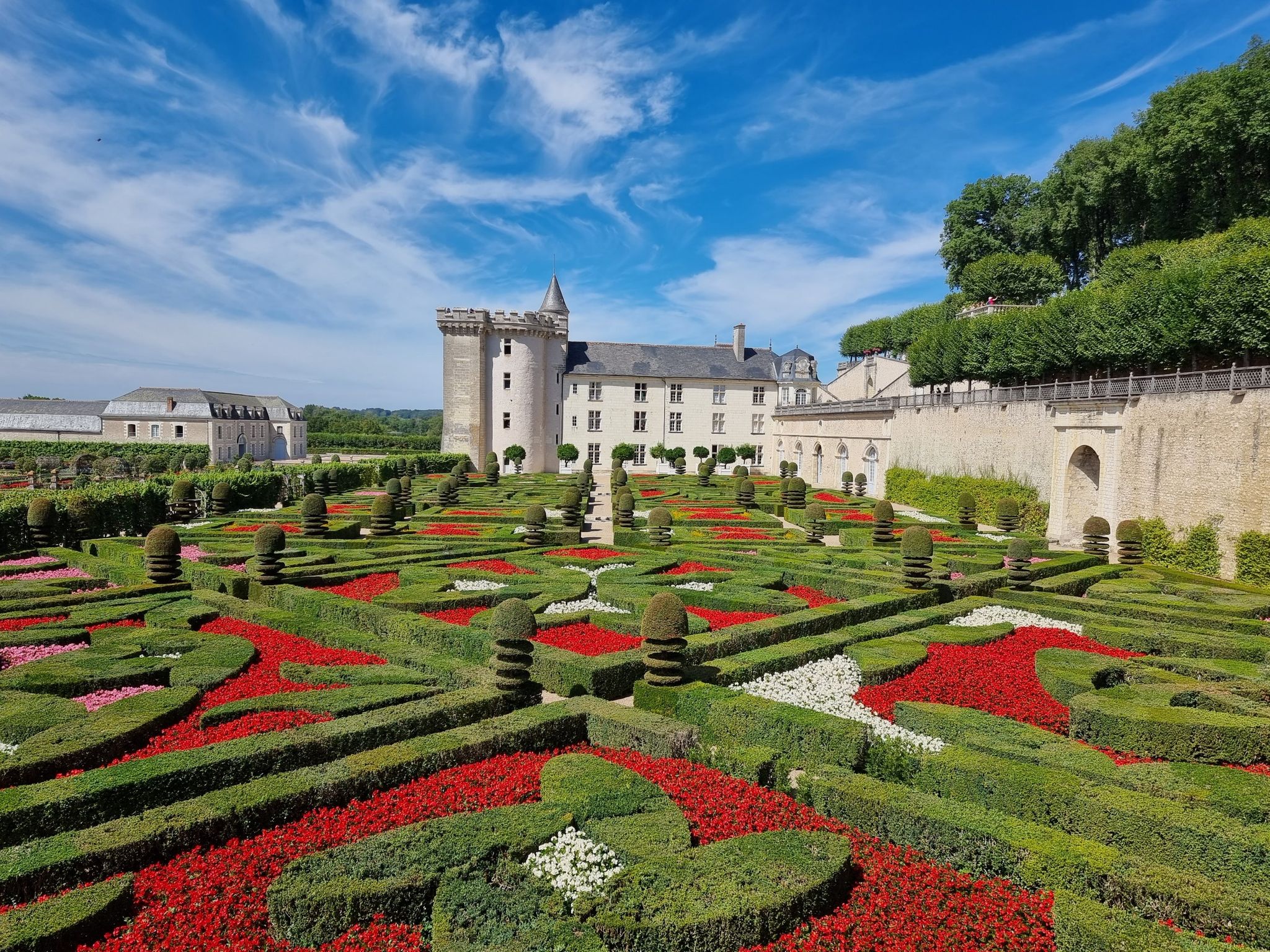
- The most popular natural monuments is Gardens of the Château de Villandry,…
Last updated: June 26, 2026
Gardens of the Château de Villandry
Highlight • Castle
Translated by Google •
Tip by

Château du Rivau
Highlight • Castle
Translated by Google •
Tip by

Sign up now to discover places like this
Get recommendations on the best single tracks, peaks, & plenty of other exciting outdoor places.
Sign up for free
Courtineau Valley and Troglodyte Houses
Highlight • Historical Site
Translated by Google •
Tip by

The petrifying caves of Savonnière
Highlight • Cave
February / March: 10h-12h / 14h-18h
April to June: 10h-19h
July / August: 9h30-19h30
September: 10h-19h
October / November: 10h-12h / 14h-18h
There are guided tours (duration approx. 1 hour).
Translated by Google •
Tip by

Prébendes d'Oé Garden
Highlight • Forest
Translated by Google •
Tip by

Confluence of the Cher and Loire Rivers
Highlight (Segment) • River
Translated by Google •
Tip by

Le Menhir de Vaujours
Highlight • Monument
Translated by Google •
Tip by

Views of Chinon and beyond
Highlight (Segment) • Viewpoint
Above all, in the old tufa quarries that dig the cliff, discover the troglodyte houses.
Translated by Google •
Tip by
Cinais Roman Camp
Highlight • Historical Site
Translated by Google •
Tip by
Botanical Garden
Highlight • Natural
Translated by Google •
Tip by
Sign up for free to discover even more natural monuments in Indre-et-Loire.
Sign up for free
Already have an account?
Start today with a free account
Your next adventure awaits.
Login or Signup
Popular around Indre-et-Loire
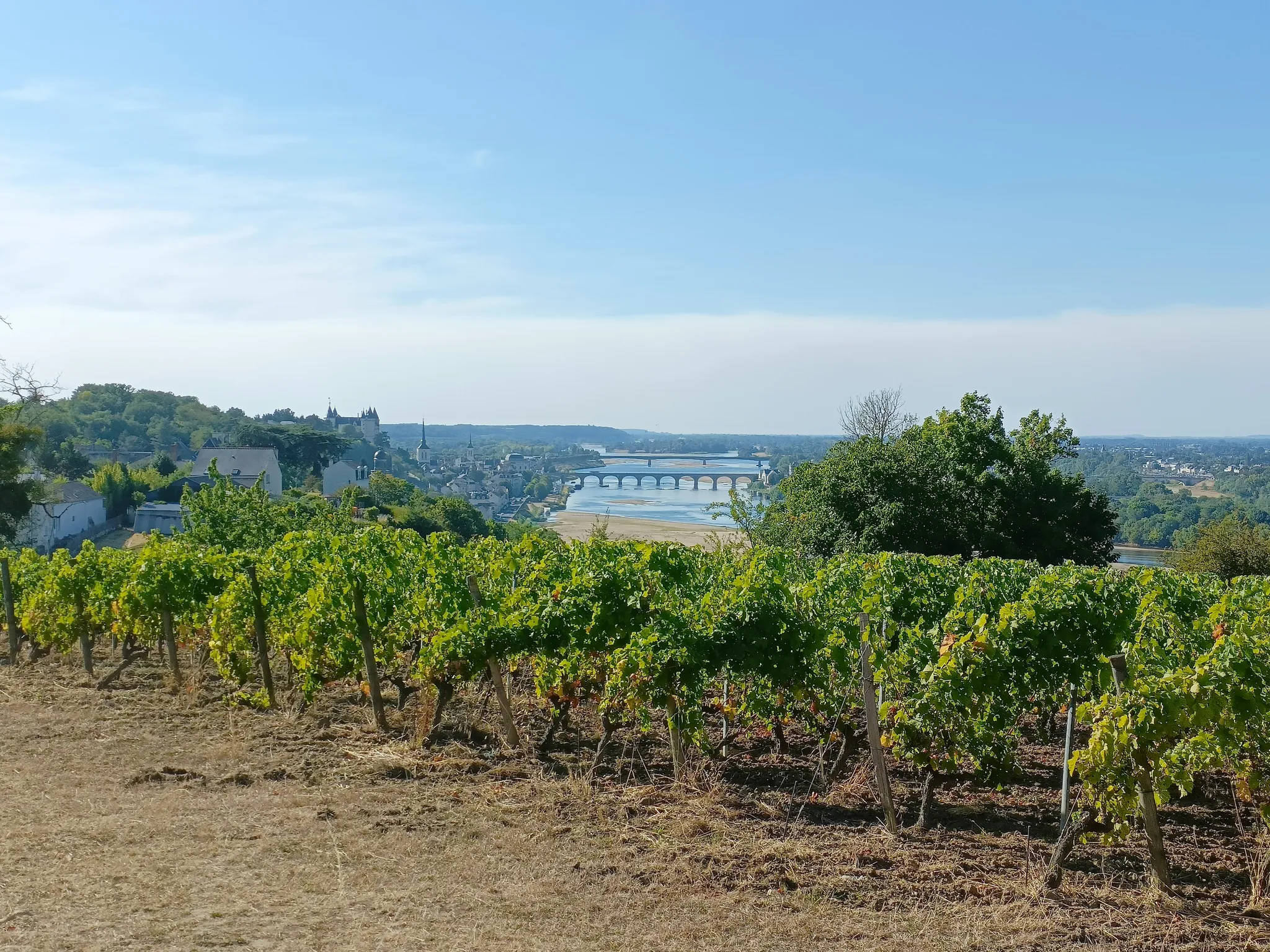
GR3 from the ocean to its source – The Loire, a wild European river
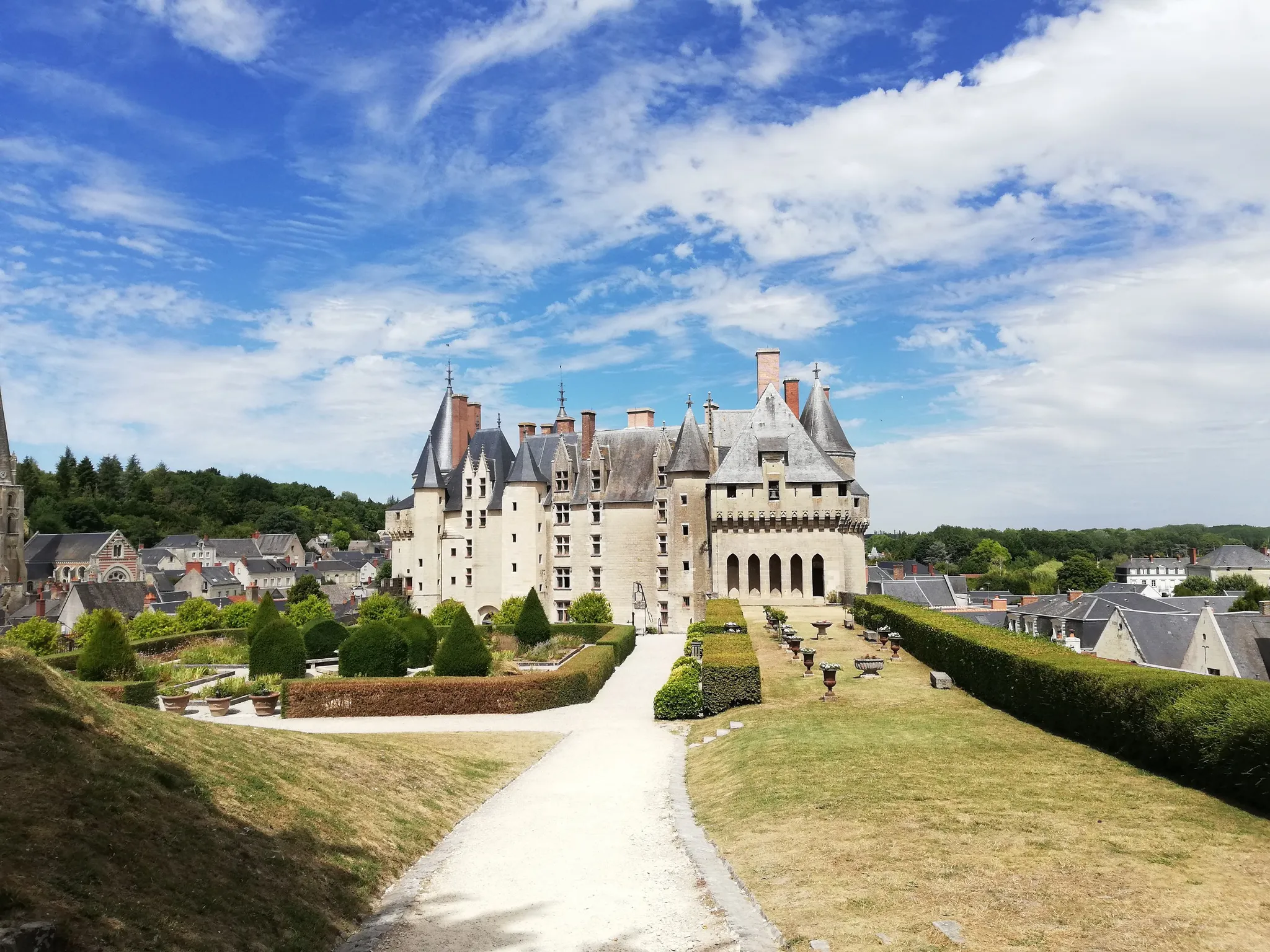
From one Châteaux to another – a long hike in the Loire Valley
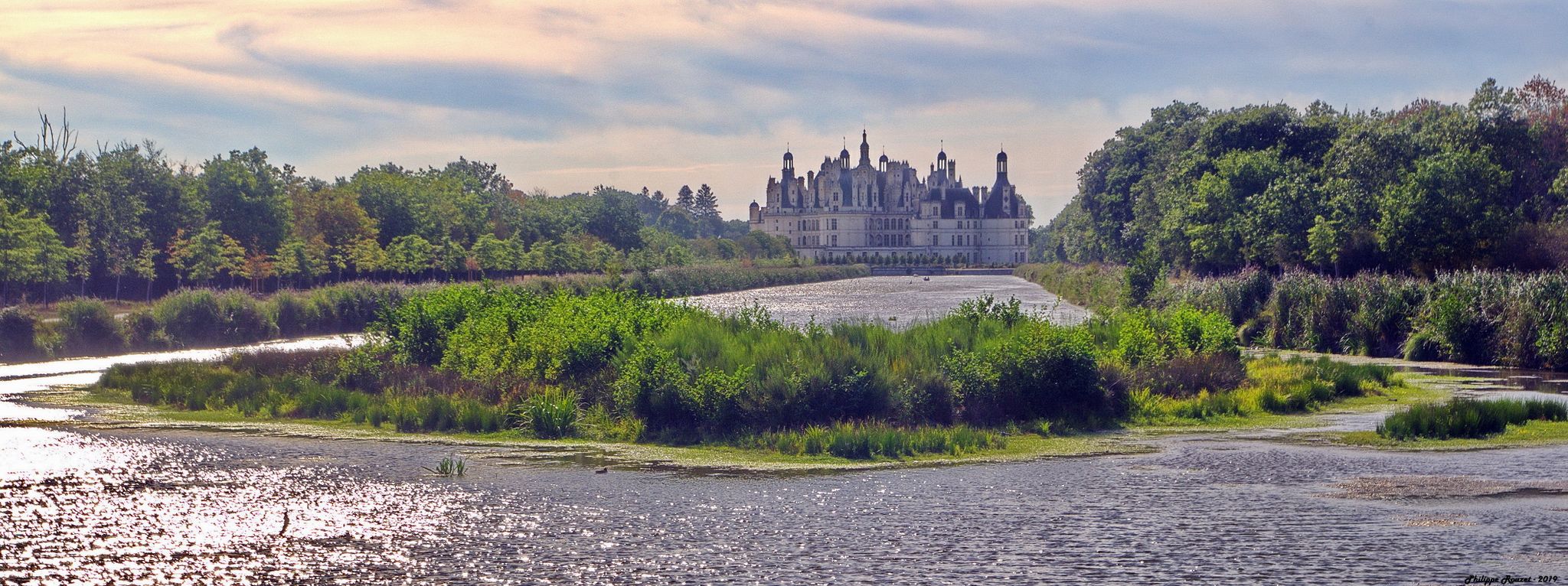
From one castle to another – the Loire to the Cher Valley

Around the World in 80 Days
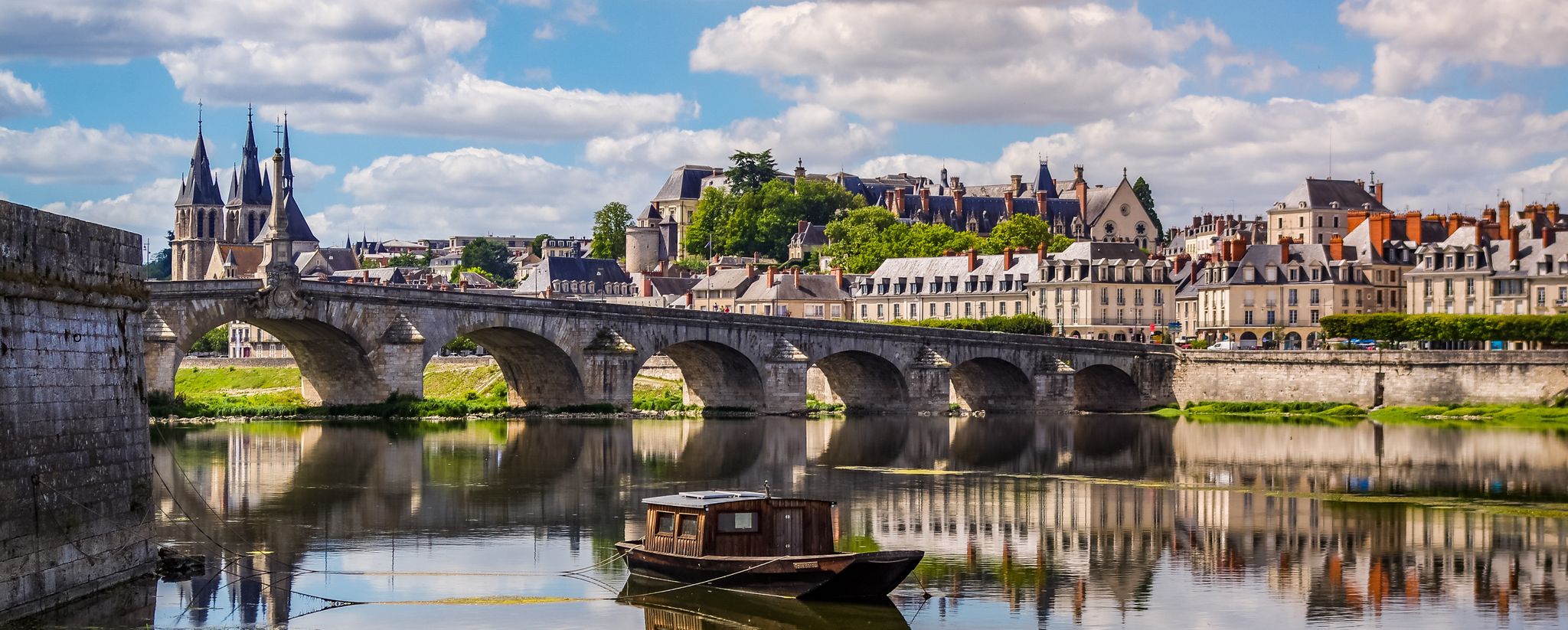
EuroVelo 3 – A cycling pilgrimage from Norway to France
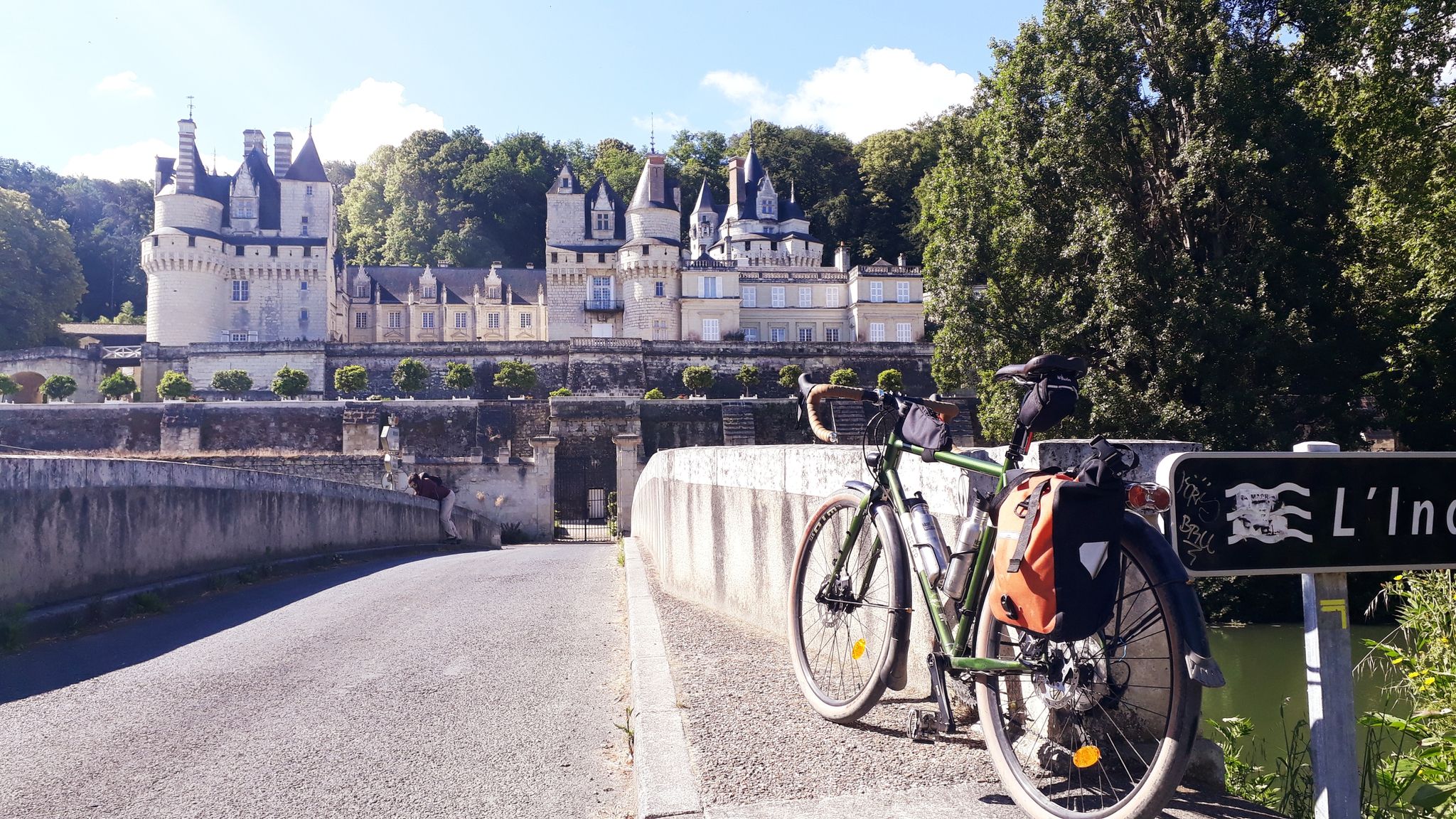
La Loire à vélo – Between nature and castles
GR 46 — The Truant School
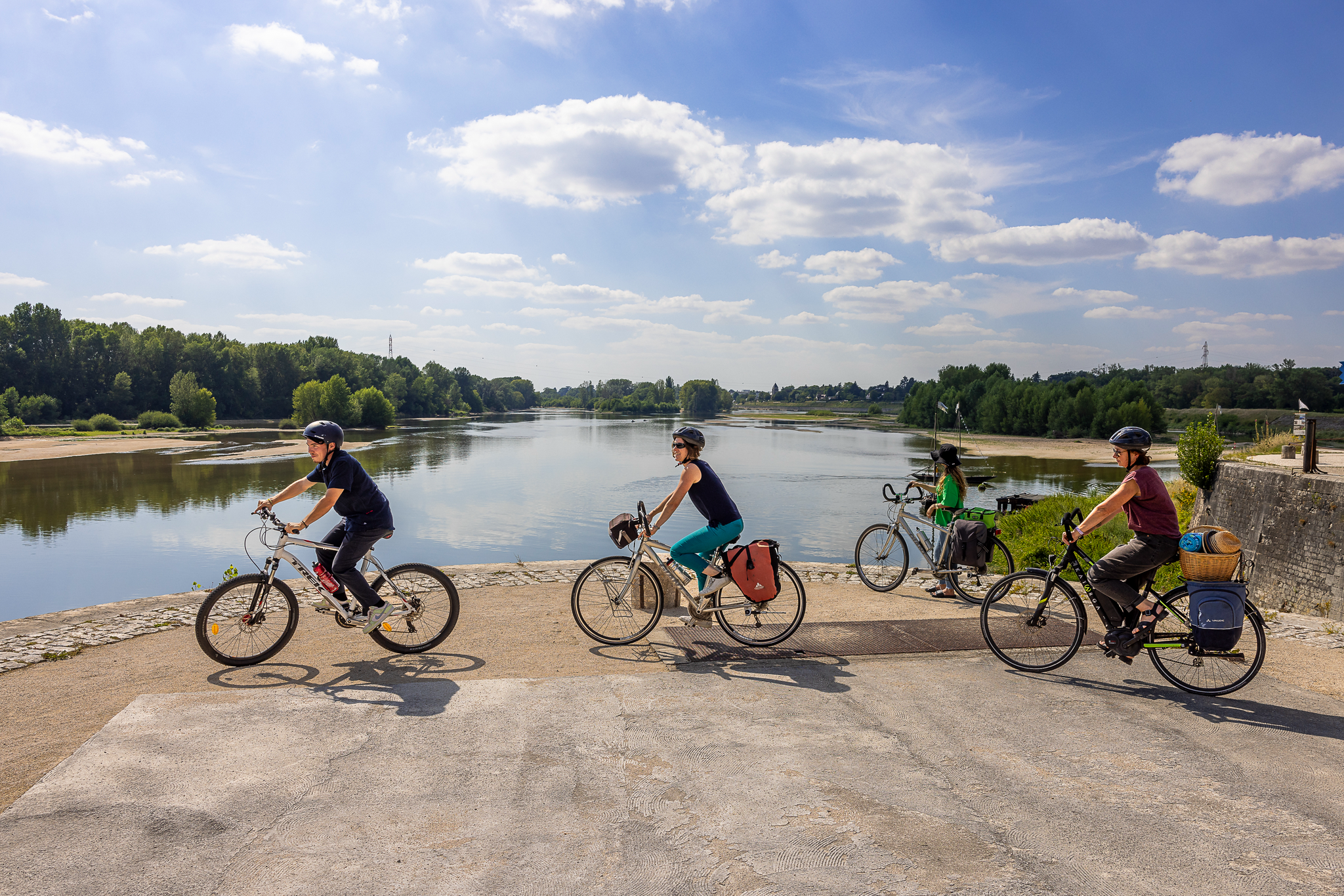
The most beautiful cycling routes in the Loire Valley
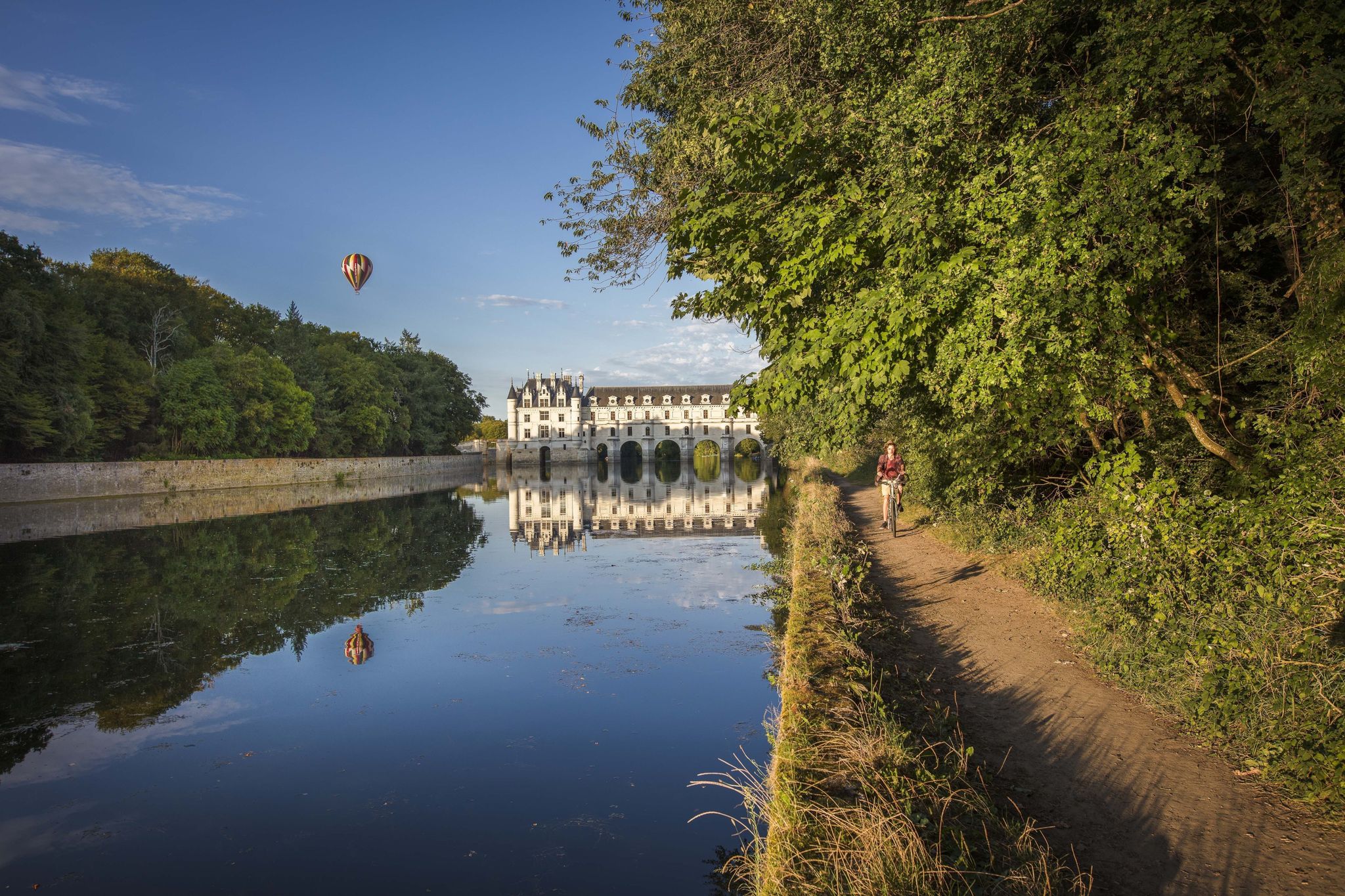
The Loire Valley – escape to the great outdoors
Between Tours and its rivers – Loire walks outside the city
Other adventures in Indre-et-Loire


Tips from the Community

Open all year round opposite Bretonneau Hospital
0
0

The route directly to the confluence is not really recommended for racing bikes
0
0


quiet and lively garden, beautiful stretch of water in the center
0
0

Beautiful gardens and an art collection in the castle.
0
0

The cave houses in question were carved into sandy limestone, which was probably deposited in the Cretaceous period. You can see from the layered structures that they were shallow sea or coastal deposits.
0
0

Between Loire and Cher, the botanical garden is a must in the city of Tours. The rich diversity of species that makes up its park makes this place the most complete garden in the city. Animal areas as well as a mini-farm open to the public increase its appeal tenfold. Wandering the paths of this green setting is not only a stroll for the body, but also an escape for the mind.
0
0
Built in 1872 on a former marshy area, the Prébendes d’Oé garden is the green lung of the city center of Tours. Designed like an English garden, it invites you to take a bucolic stroll. It also has the “Jardin Remarquable” label, awarded by the Ministry of Culture. On an area of 5 hectares, you travel to the four corners of the world. Poplars from Holland, hazel trees from Byzantium, tulip trees from Virginia and elms from Siberia adorn your route. A catering area, toilets and a water point are available in the park.
0
0
Frequently Asked Questions
What are some of the most popular natural monuments in Indre-et-Loire?
Among the most popular natural monuments in Indre-et-Loire are the Gardens of the Château de Villandry, known for their extensive and beautifully maintained gardens. Another highly regarded spot is the Confluence of the Cher and Loire Rivers, offering a peaceful setting where these two major rivers meet. The Courtineau Valley and Troglodyte Houses also draw many visitors with its unique blend of natural formations and historical dwellings.
Are there family-friendly natural monuments in Indre-et-Loire?
Yes, Indre-et-Loire offers several natural monuments suitable for families. The Gardens of the Château de Villandry and the gardens of Château du Rivau are great for all ages, with their imaginative designs and open spaces. The Prébendes d'Oé Garden and the Botanical Garden also provide pleasant, accessible environments. For a unique experience, the Petrifying Caves of Savonnière offer an intriguing underground exploration.
What kind of natural features can I explore in Indre-et-Loire?
Indre-et-Loire is rich in diverse natural features. You can explore the majestic Loire River and its tributaries like the Cher, offering scenic river landscapes. The region also features unique valleys such as the Courtineau Valley, extensive forest areas like the national forest of Loches, and various recreational lakes such as Lac de Rillé. Additionally, you'll find fascinating geological formations, including caves and troglodyte sites.
Can I find historical or cultural sites integrated with natural monuments?
Absolutely. Indre-et-Loire is known for its blend of natural beauty and historical significance. The Courtineau Valley and Troglodyte Houses exemplify this, with dwellings carved into rock formations. The Petrifying Caves of Savonnière also have historical ties. You can also visit ancient sites like the Cinais Roman Camp, nestled within natural surroundings, or discover the ancient Le Menhir de Vaujours.
What outdoor activities can I do near these natural monuments?
The natural monuments in Indre-et-Loire are excellent starting points for various outdoor activities. You can enjoy cycling along the Loire River, with routes like the Loire Valley cycling route, or explore the forests of Loches on foot. Lakes such as Lac de Rillé offer opportunities for wakeboarding, birdwatching, and hiking. For more detailed routes, you can find options for cycling, mountain biking, and easy hikes in the region.
Are there hiking trails near the natural monuments?
Yes, many natural monuments in Indre-et-Loire are surrounded by hiking opportunities. For instance, the forests of the region, including the national forest of Loches, offer numerous trails. You can also find easy hikes around lakes like Val Joyeux Lake or explore paths near the Loire River. For specific routes, consider exploring the easy hikes in Indre-et-Loire guide, which includes trails like 'The Isle of Gold and Amboise loop' and 'Forêt de Larçay loop'.
What is the best time of year to visit the natural monuments in Indre-et-Loire?
The best time to visit the natural monuments in Indre-et-Loire is generally from spring to early autumn (April to October). During these months, the weather is pleasant for outdoor activities, and the gardens, like those at Villandry, are in full bloom. The Loire River and its tributaries are also ideal for boat trips and cycling. While some sites, like the Gardens of the Château de Villandry, are open year-round, the vibrant colors of spring and autumn enhance the natural landscapes.
Are there any natural monuments with unique geological features?
Yes, the region has several sites with unique geological characteristics. The Courtineau Valley is recognized as a natural area of ecological, faunistic, and floristic interest (ZNIEFF) due to its remarkable character, including its troglodyte dwellings carved into the rock. The Petrifying Caves of Savonnière showcase fascinating geological processes where water rich in calcium carbonate forms unique concretions.
Are there any natural viewpoints offering panoramic views?
Indre-et-Loire offers several natural viewpoints. The Confluence of the Cher and Loire Rivers provides a serene vista where the two rivers meet. For broader landscapes, the Views of Chinon and beyond offers a panoramic perspective of the town and its surroundings, often revealing troglodyte houses carved into the cliffs. The village of Candes-Saint-Martin, at the confluence of the Loire and Vienne rivers, also provides breathtaking river views.
What are some lesser-known or 'hidden gems' among the natural monuments?
Beyond the well-known sites, exploring the extensive forest areas like the national forest of Loches can reveal tranquil, less-trafficked paths. The numerous vineyards, particularly around Bourgueil and Saint-Nicolas-de-Bourgueil, while cultivated, form a significant and scenic natural-cultural landscape that offers beautiful routes for exploration away from the main tourist hubs. The smaller recreational lakes, beyond Lac de Rillé, also offer peaceful natural settings.
Are there options for cycling near the natural monuments?
Cycling is a fantastic way to explore the natural monuments of Indre-et-Loire. The region is part of the extensive Loire Valley cycling route, with approximately 200 km within the department itself, allowing you to observe migratory birds and unique flora along the river. Many routes pass by or near natural sites. You can find various options in the Cycling in Indre-et-Loire guide, including easy and moderate routes.
What should I wear when visiting natural monuments in Indre-et-Loire?
When visiting natural monuments in Indre-et-Loire, especially if you plan to hike or cycle, it's advisable to wear comfortable walking shoes or hiking boots. Layered clothing is recommended as weather can change, particularly near the rivers or in forested areas. During warmer months, light, breathable clothing and sun protection (hat, sunscreen) are essential. For cave visits, a light jacket might be useful as temperatures can be cooler underground.
Most popular routes in Indre-et-Loire
Most popular attractions in Indre-et-Loire

Get inspired with the komoot mobile app


Didn’t find what you were looking for?
Find even more amazing natural monuments in Indre-et-Loire by checking out the top Highlights region by region:
Explore more
Extend your search for the best caves by checking out these guides of the top ones in Indre-et-Loire:
