Top 16 Natural Monuments in Kefallonia
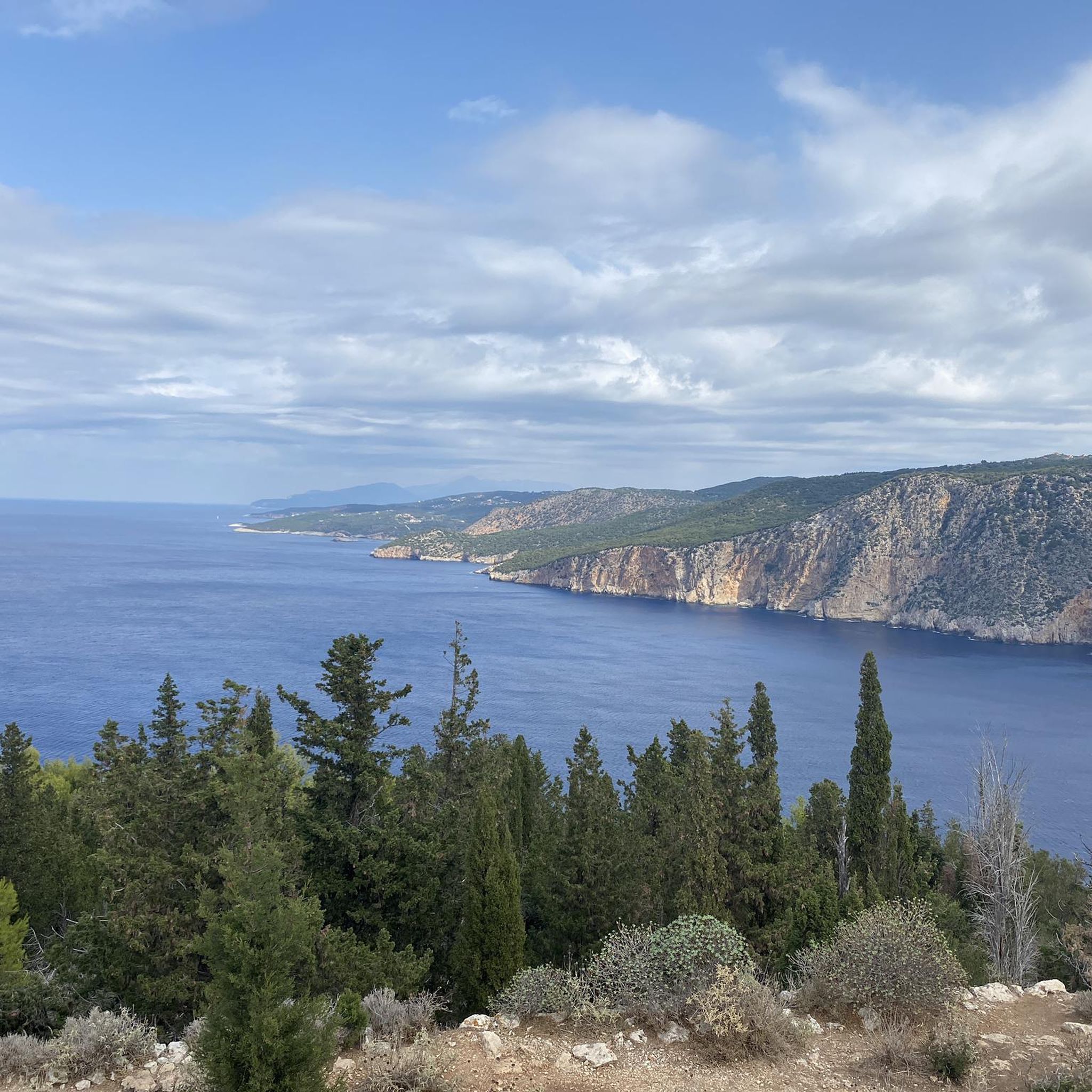
Best natural monuments in Kefallonia include a diverse collection of geological formations and unique landscapes across this Ionian island. Kefallonia features a rugged limestone terrain, dense forests, and a coastline with dramatic cliffs and clear waters. The island is home to 16 natural monuments, offering varied outdoor experiences. Its natural beauty is diverse, from caves to mountains and beaches.
Best natural monuments in Kefallonia
- The most popular natural monuments is Mount Ainos summit, a summit that offers great views. With a height of 1628 m, Aenos is the highest mountain on the Ionian island of Kefalonia.
- Another must-see spot is Rock Arches and Sea Caves of Kefalonia, a cave featuring very nice rock formations. Visitors can expect fantastically beautiful natural coastal scenery.
- Visitors also love Mount Ainos and Psyli Korfi Summit Hike, a challenging trail to the highest mountain on the Ionian island of Kefalonia. The reward for this moderately difficult tour is a unique all-round view.
- Kefallonia is known for its summits, caves, and ancient olive trees. The island offers a variety of natural monuments to see and explore, from high peaks to unique geological formations.
- The natural monuments in Kefallonia are appreciated by the komoot community, with 103 upvotes and 35 photos shared by visitors.
Last updated: June 26, 2026
Mount Ainos summit
Highlight • Summit
Translated by Google •
Tip by

Mount Ainos and Psyli Korfi Summit Hike
Highlight • Summit
Translated by Google •
Tip by

Sign up now to discover places like this
Get recommendations on the best single tracks, peaks, & plenty of other exciting outdoor places.
Sign up for free
Ancient Acropolis of Sami
Highlight • Historical Site
Translated by Google •
Tip by
Melissani Cave Lake
Highlight • Cave
Translated by Google •
Tip by
Ainos Ridge Trail
Highlight • Trail
This route does not require any special skills.
The time of the app for the walk is correct and then you can walk calmly.
Translated by Google •
Tip by

Sign up for free to discover even more natural monuments in Kefallonia.
Sign up for free
Already have an account?
Start today with a free account
Your next adventure awaits.
Login or Signup
Tips from the Community

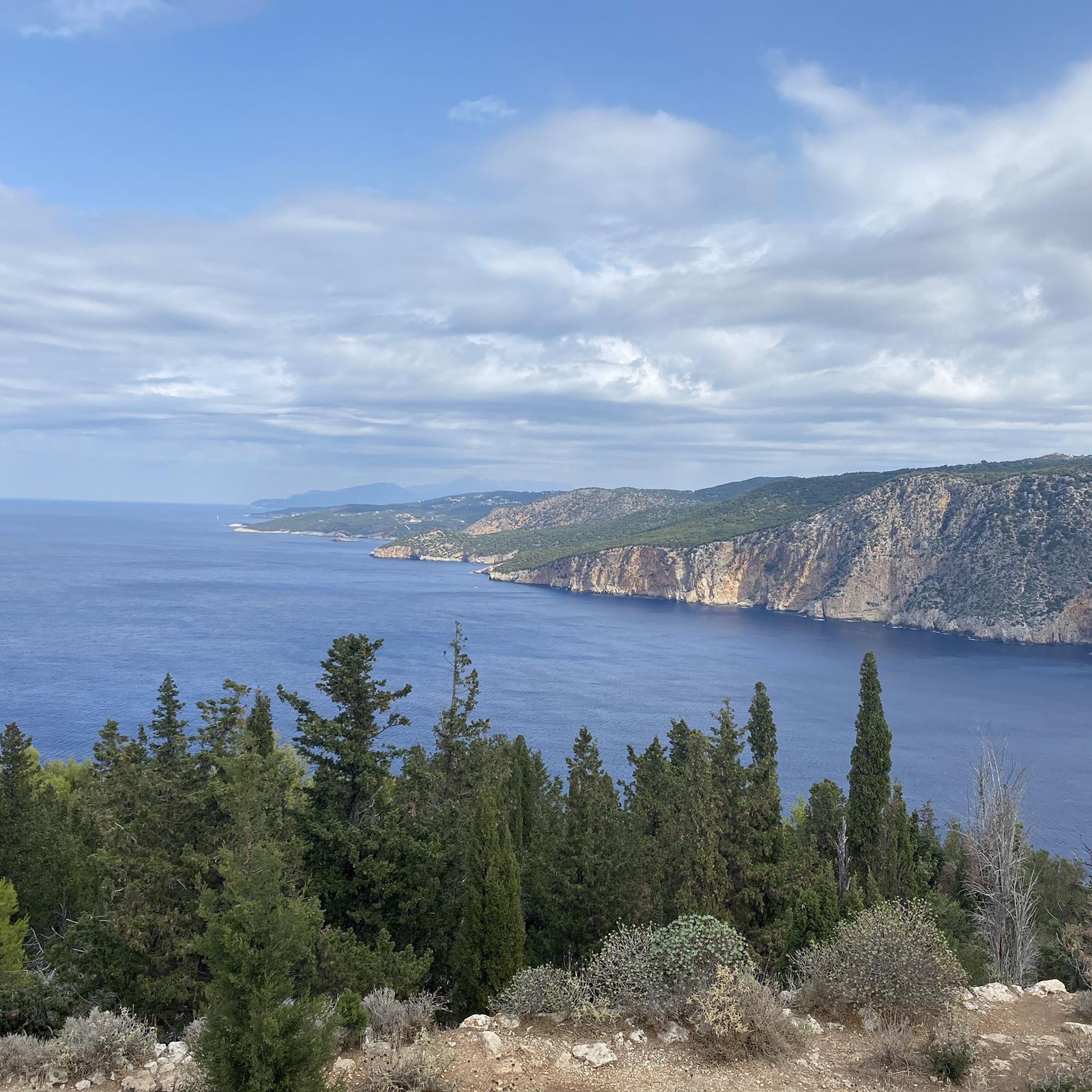
On a clear day, a fantastic view from the summit of Ainos (also called Mount Enos), the highest mountain on the Ionian island of Kefalonia in Greece, at 1,628 meters. The mountain is located in the Ainos National Park of the same name, which is known for its rare Kefalonian fir trees and a herd of semi-wild horses. The summit point is called Megas Soros. There are various ways to reach it. The easiest way: Drive by car on an asphalt road to the transmission stations (Chionistra). From there, a path about 2.1 km long (approx. 30 minutes to 1 hour walking time) leads to the summit.
0
0
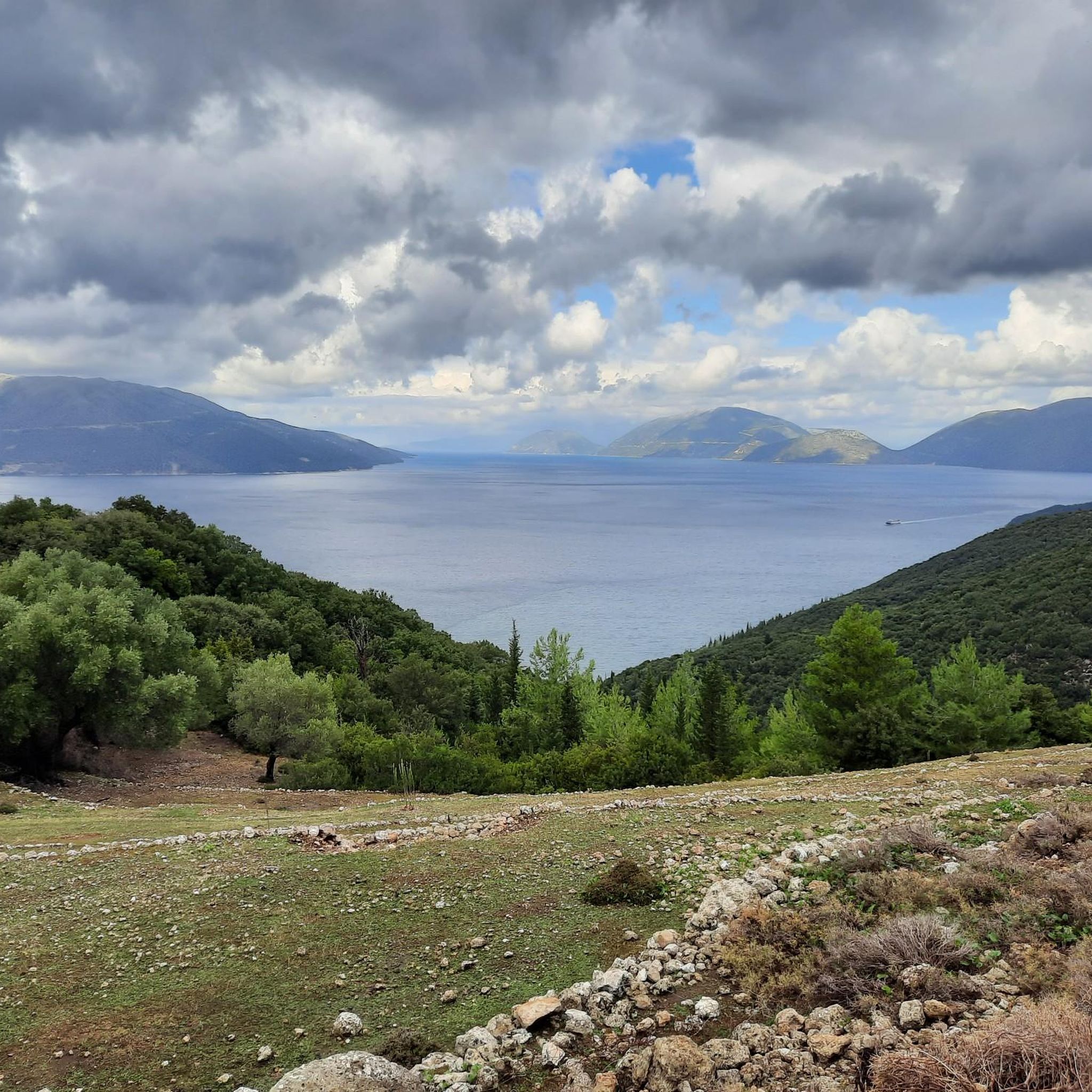
The "Gratweg" (or Ridge Trail) leads along the mountain ridge and, in clear weather, offers spectacular panoramic views of the neighboring islands of Zakynthos, Ithaka, and Lefkada, as well as the Greek mainland. Wild horses also live in the region, which with a bit of luck can be observed on the slopes. The wooden steps are typical of the well-developed ascent to the summit area, which is often started from a parking lot at the end of an asphalt mountain road.
0
0
On a clear day, there is a fantastic view from the summit of Ainos (also called Mount Enos), the highest mountain on the Ionian island of Kefalonia in Greece, at 1,628 meters. The mountain is located in the Ainos National Park of the same name, which is known for its rare Cephalonian fir trees and a herd of semi-wild horses. The summit point is called Megas Soros. There are various ways to reach it. The easiest way: Drive by car via an asphalt road to the transmission stations (Chionistra). From there, a path about 2.1 km long (approx. 30 minutes to 1 hour walking time) leads to the summit.
0
0
(2) The cave was named after the nymph Melissanthi, who, according to legend, took her own life there out of unrequited love for the god Pan. The hydrology is also unique: it takes about 14 days for the water to flow underground from the other side of the island (Argostoli) to the cave.
0
0
The Melissani Cave Lake (Greek Σπήλαιο Μελισσάνης) is a fascinating natural phenomenon. The cave, also known as the "Cave of the Nymphs", houses an underground lake with crystal-clear, turquoise brackish water. Entrance fees: Adults: €10. Children (6-18 years): €5. Combined ticket (Melissani + Drogarati Cave): €13. Opening hours: Summer (May-October): Daily from approx. 09:00 to 18:00. Winter (November-March): Restricted, often only Thu, Sat, Sun from 10:00 to 13:00/16:00. Best time to visit: Between 11:00 and 14:00, when the sun falls vertically through the collapsed cave roof and makes the water glow. The visit includes an approx. 10-20 minute boat trip with a guide. Tickets can be purchased directly at the entrance.
0
0
(2) - Roman conquest: In 189 BC, the Romans besieged the city for four months before finally taking and plundering it. In the Roman era, the city flourished again through trade; excavations revealed magnificent houses, mosaics, and thermal baths. A visit to the site is particularly recommended for history enthusiasts and hikers: Access is currently free. From the ruins, there is a spectacular panoramic view of the bay of Sami, the neighboring island of Ithaka, and the surrounding mountains. There are several marked paths to the Acropolis. A popular path starts at the cemetery of Sami and takes about 40 minutes.
0
0
The ancient Acropolis of Sami is an important archaeological site on Kefalonia. It is located on the summit of Mount Lapita. The site attests to a history dating back to the Paleolithic era. In ancient times, Sami was one of the four city-states (Tetrapolis) of Kefalonia and an autonomous state with its own currency. The Acropolis played a strategically important role and was secured by massive walls. Key historical milestones include: - Homeric Mention: Sami is already mentioned in Homer's epics (Iliad and Odyssey) as part of Odysseus's kingdom.
0
0

Definitely good shoes as you will walk in sharp stones. Prepare for mountain pack as there is not shop and no first aid kit. When alone think about what you would do in case of emergency. Save some phone battery, for case you will need a help. There is quite a high so think if you have fear of heights.
1
0
Frequently Asked Questions
What unique geological features can I explore in Kefalonia?
Kefalonia is renowned for its distinctive geological formations. You can visit the fascinating Rock Arches and Sea Caves of Kefalonia, which offer beautiful coastal scenery. The island also features mystical underground lakes like Melissani Cave, where sunlight illuminates crystal-clear waters, and Drogarati Cave, known for its impressive stalactites and stalagmites and exceptional acoustics.
Are there family-friendly natural attractions in Kefalonia?
Yes, Kefalonia offers several natural attractions suitable for families. The Ancient Olive Trees are a peaceful spot where children can appreciate nature. Exploring the Melissani Cave by boat is also a magical experience for all ages, and the accessible pathways in Drogarati Cave make it an easy visit for families.
What are the best natural monuments in Kefalonia for panoramic views?
For breathtaking panoramic views, head to the View from the summit of Mount Ainos, which offers expansive vistas across the island and beyond. The Mount Ainos and Psyli Korfi Summit Hike also rewards visitors with a unique all-round view from the highest point on the Ionian island. Additionally, the viewpoints overlooking Myrtos Beach provide iconic coastal scenery.
Can I find hiking trails near Kefalonia's natural monuments?
Absolutely. Mount Ainos National Park is a haven for hikers, offering numerous trails of varying difficulty through its unique fir forests. You can find easy hikes like the "Mount Ainos summit – View from the summit of Mount Ainos loop" or the "Assos Village – Venetian Fortress of Assos loop." For more options, explore the Easy hikes in Kefallonia guide.
What is the best time of year to visit Kefalonia's natural monuments?
The best time to visit Kefalonia's natural monuments is typically during the spring (April-May) and autumn (September-October) months. During these periods, the weather is pleasant for outdoor activities, the landscapes are lush, and the crowds are generally smaller than in peak summer. The Melissani Cave is particularly stunning around midday when the sun's rays directly illuminate the water.
Are there any historical sites among the natural monuments in Kefalonia?
Yes, some natural monuments in Kefalonia are intertwined with history. The Ancient Acropolis of Sami offers a beautiful hike with historical significance and great views. Assos Village, while not a geological monument, is set in a stunning natural bay and features a Venetian castle, blending natural beauty with historical charm.
What kind of outdoor activities can I do near these natural monuments?
Beyond hiking, you can enjoy various outdoor activities. Road cycling routes are available, such as the "Church of Troianata – Mount Ainos Summit loop," which can be found in the Road Cycling Routes in Kefallonia guide. Running trails are also popular, with options like the "Agios Theodoros Lighthouse – View of Kefalonia loop" detailed in the Running Trails in Kefallonia guide. Myrtos Beach is excellent for swimming and snorkeling.
Are there any less crowded natural wonders in Kefalonia?
While popular spots like Myrtos Beach can get busy, exploring the extensive trails within Mount Ainos National Park can lead to quieter, less crowded experiences amidst unique ecosystems. The Ancient Olive Trees also offer a serene and peaceful atmosphere, especially outside of peak tourist hours.
What should I wear for tours to Kefalonia's natural monuments?
For cave explorations like Melissani and Drogarati, comfortable clothing is suitable, and a light jacket might be useful as cave temperatures are stable around 18°C. For hikes, especially to summits like Mount Ainos, sturdy shoes are recommended, along with layers of clothing and enough water, as some ascents can be steep. For beach visits, swimwear and sun protection are essential.
Are there opportunities for wild swimming near Kefalonia's natural monuments?
Yes, Myrtos Beach is famous for its strikingly clear, turquoise waters, making it an ideal spot for swimming and snorkeling. The tranquil bay of Assos Village also offers small, pebbly beaches perfect for a peaceful swim. The unique brackish waters of Melissani Cave are explored by boat, not for swimming, but offer a distinct water experience.
What makes Mount Ainos National Park a unique natural monument?
Mount Ainos National Park is unique as the only national park on any Greek island. It's known as the "Black Mountain" due to its dense forests of endemic Kefalonian fir trees. It offers diverse flora and fauna, including semi-wild Ainos ponies, and provides a cooler, tranquil escape with panoramic views from its highest peak, Megas Soros.
What do visitors enjoy most about the natural monuments in Kefalonia?
Visitors frequently praise the breathtaking views, especially from the summit of Mount Ainos, which compensates for challenging climbs. The unique rock formations and fantastically beautiful coastal scenery of places like the Rock Arches and Sea Caves are also highly appreciated for photography. The serene beauty of ancient trees and the magical light in Melissani Cave also leave lasting impressions.
Most popular attractions in Kefallonia

Get inspired with the komoot mobile app


Explore more
Extend your search for the best caves by checking out these guides of the top ones in Kefallonia:
