Top 16 Natural Monuments in Sligo
Best natural monuments in Sligo showcase a landscape shaped by glacial activity and rich in ancient history. County Sligo, situated on Ireland's Wild Atlantic Way, features distinctive geological formations and significant archaeological sites. The region offers a variety of natural features, from flat-topped mountains to scenic lakes and waterfalls. These monuments provide opportunities to explore unique flora, historical cairns, and diverse ecosystems.
Best natural monuments in Sligo
- The most popular natural monument is Queen Maeve's Grave (Knocknarea Cairn), a historical site that is a large burial mound on Knocknarea. The climb offers a great panorama.
- Another must-see spot is Summit of Benbulben, a summit offering great views. Visitors can expect a walk suitable for various fitness levels, with panoramic views of the Sligo countryside.
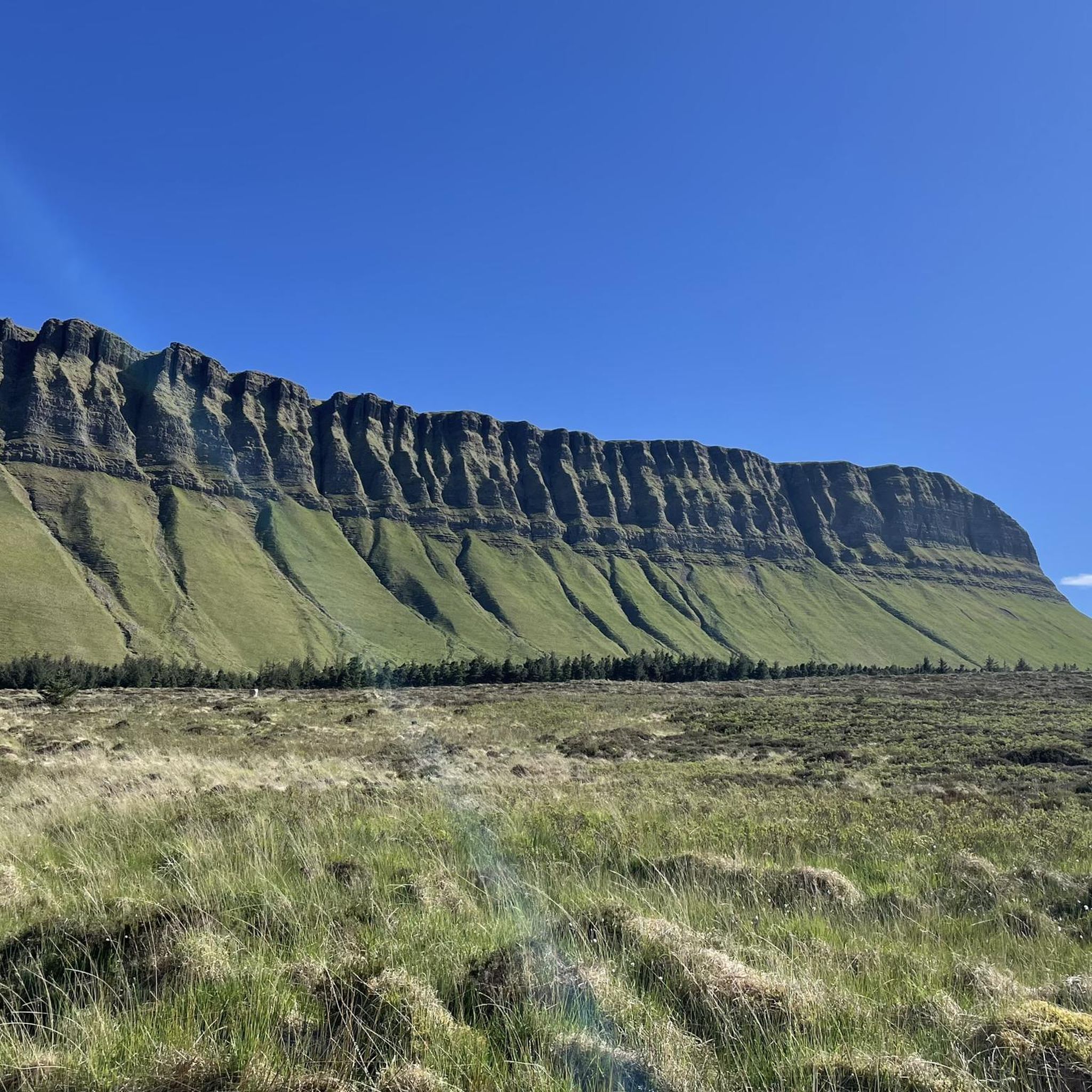
- Visitors also love Benbulben, a summit with beautiful views. This iconic flat-topped mountain, formed during the last Ice Age, is notable for its distinctive shape and unique flora.
- Sligo is known for its summits, waterfalls, and historical sites. The region offers a variety of natural monuments to see and explore, including caves, gorges, and coastal viewpoints.
- The natural monuments in Sligo are appreciated by the komoot community, with more than 130 upvotes and over 70 photos shared across 17 highlights.
Last updated: October 13, 2026
Queen Maeve's Grave (Knocknarea Cairn)
Highlight • Historical Site
Translated by Google •
Tip by

Carrowmore Megalithic Tombs
Highlight • Historical Site
Translated by Google •
Tip by
Sign up now to discover places like this
Get recommendations on the best single tracks, peaks, & plenty of other exciting outdoor places.
Benbulben
Highlight • Summit
Translated by Google •
Tip by

Mullaghmore Head
Highlight (Segment) • Viewpoint
Showing Translation
Tip by

The Devil's Chimney Waterfall
Highlight • Waterfall
Come in the Autumn and look down from the other side of the valley on the main Sligo Road to see the huge Celtic Trinity Knot design in the trees. It's amazing. In the right conditions (high wind from the West) you'll see why this waterfall is called a chimney. Check out the YouTube video in the link.
Tip by

Glencar Waterfall (High Moor Waterfall)
Highlight • Waterfall
Translated by Google •
Tip by
Caves of Keash
Highlight • Cave
Translated by Google •
Tip by

Carrowkeel Neolithic Cemetery
Highlight • Historical Site
Translated by Google •
Tip by
Gleniff Horseshoe
Highlight • Gorge
Tip by

Creevykeel Court Tomb
Highlight • Historical Site
Translated by Google •
Tip by

Sign up for free to discover even more natural monuments in Sligo.
Already have an account?
Start today with a free account
Your next adventure awaits.
Popular around Sligo
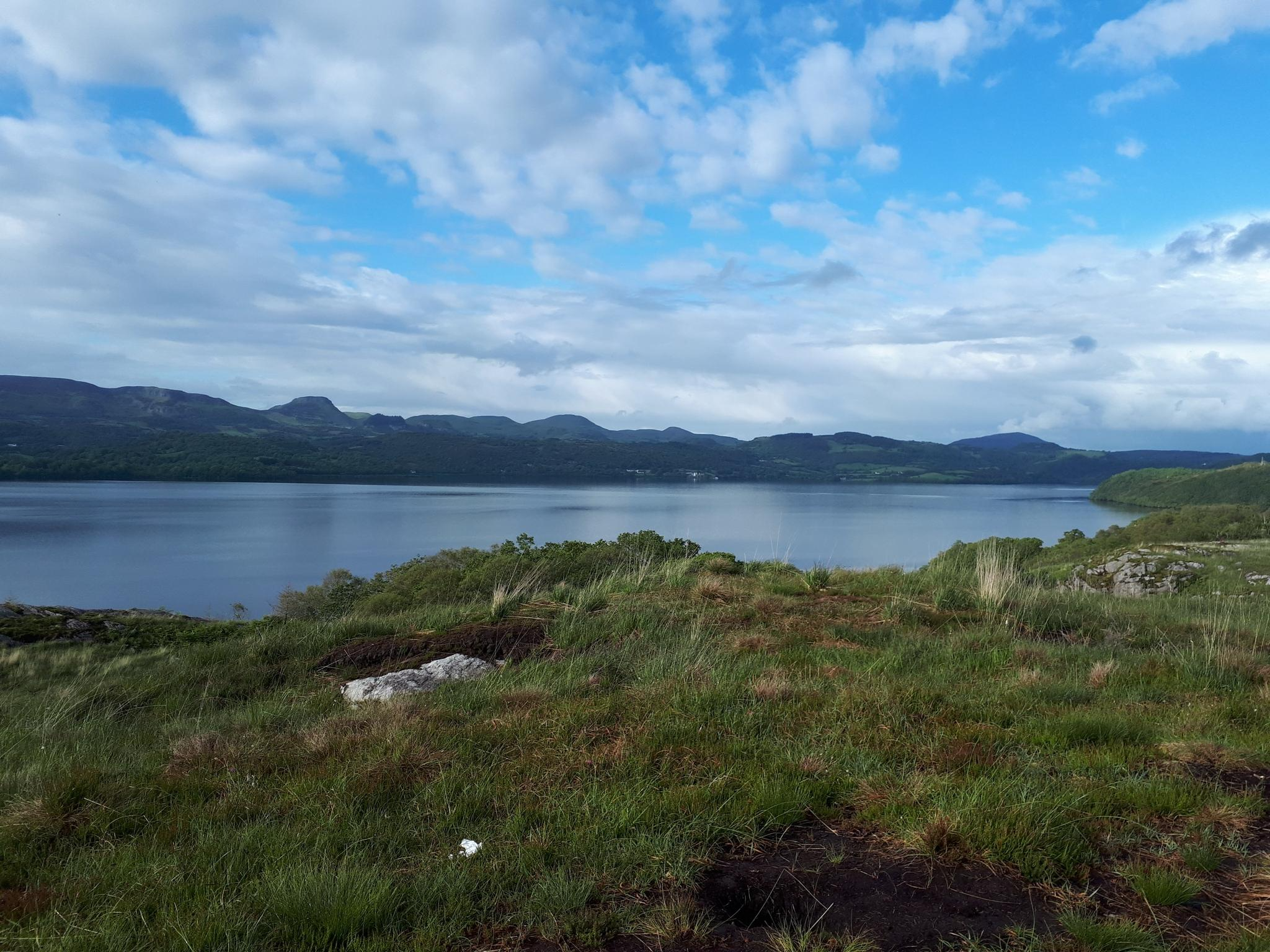
Sligo Way – Hiking through Yeats Country
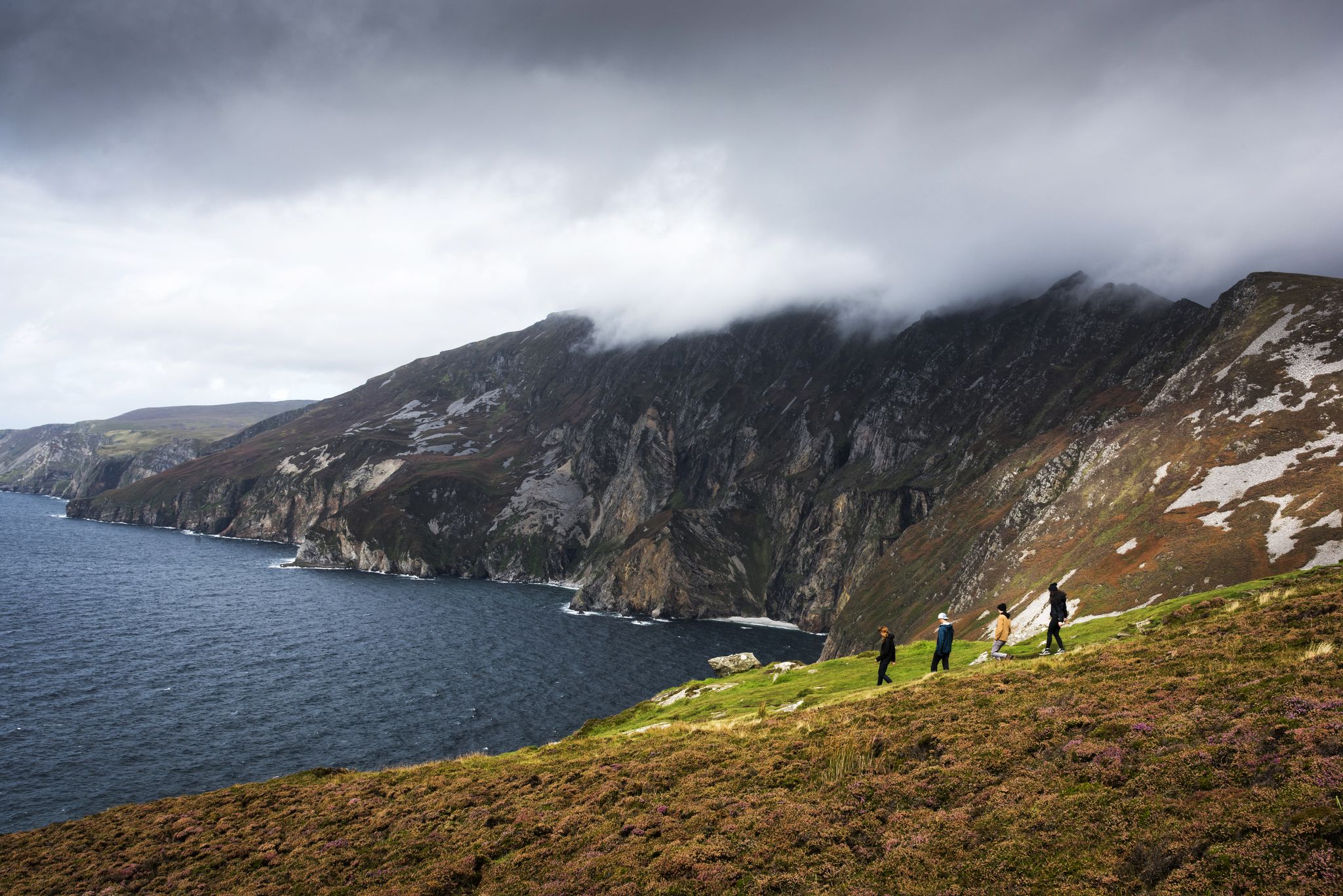
Hike Ireland's coast: cliffs, waves and wonderful wide beaches
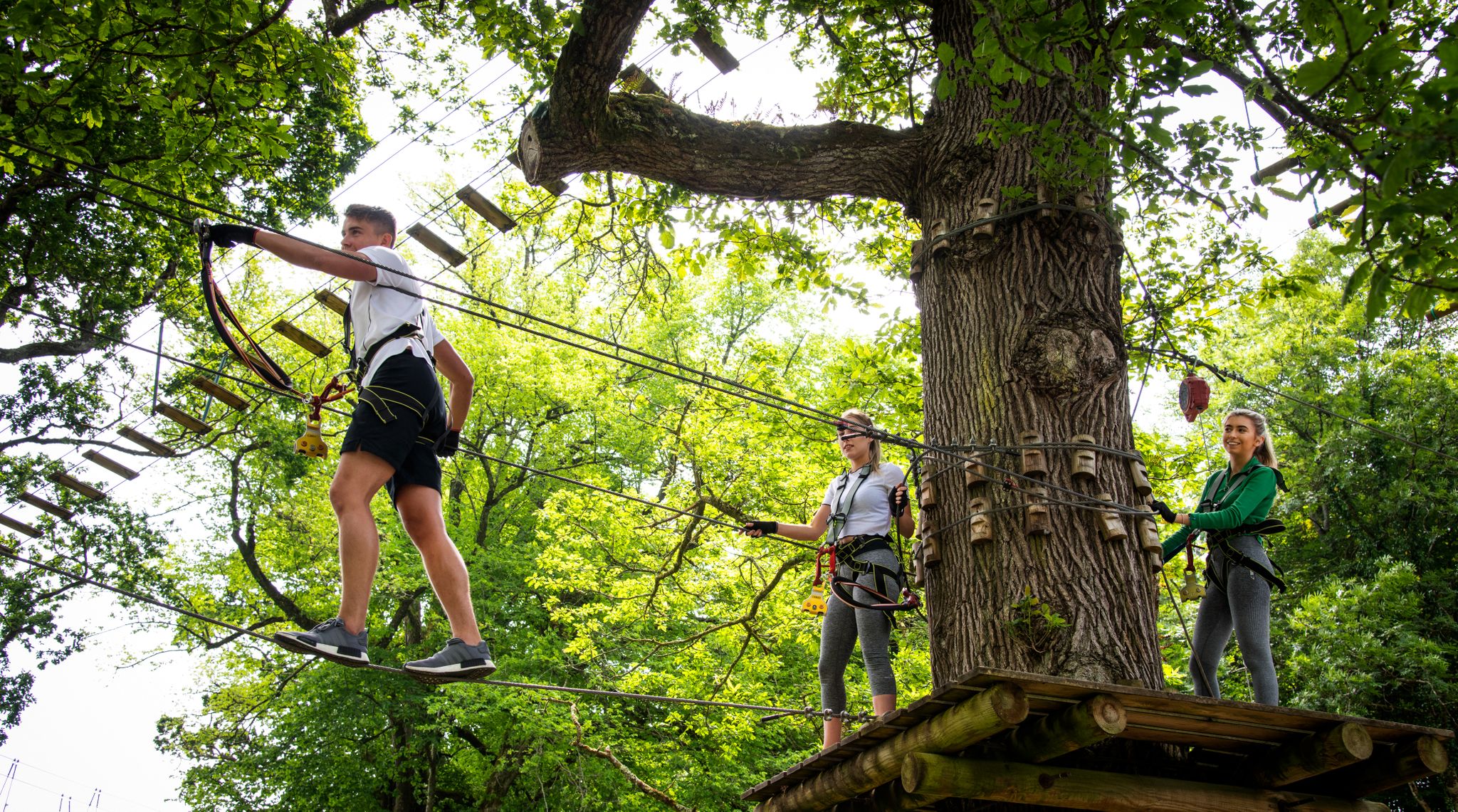
Awaken your spirit of discovery — family-friendly walks in Ireland
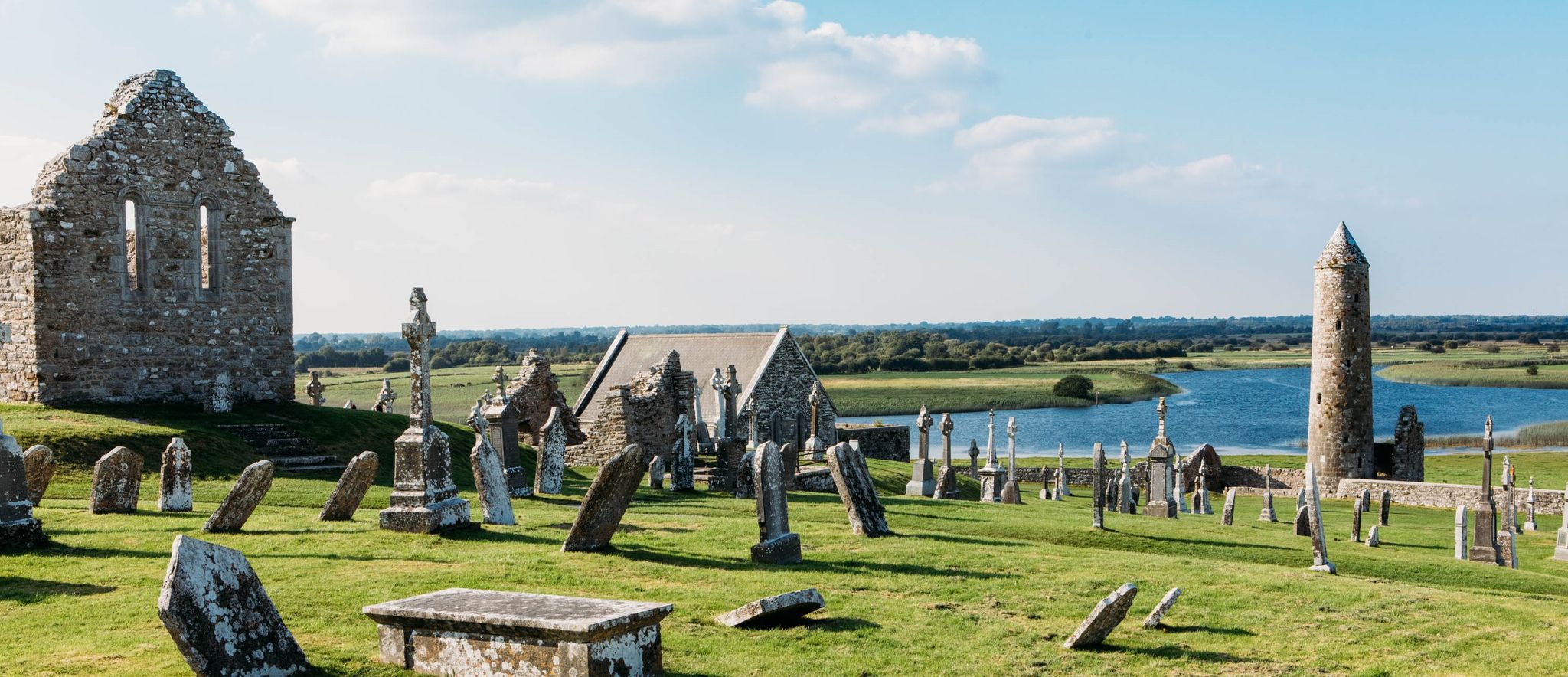
Discover Ireland's past – historical walks on the Emerald Isle
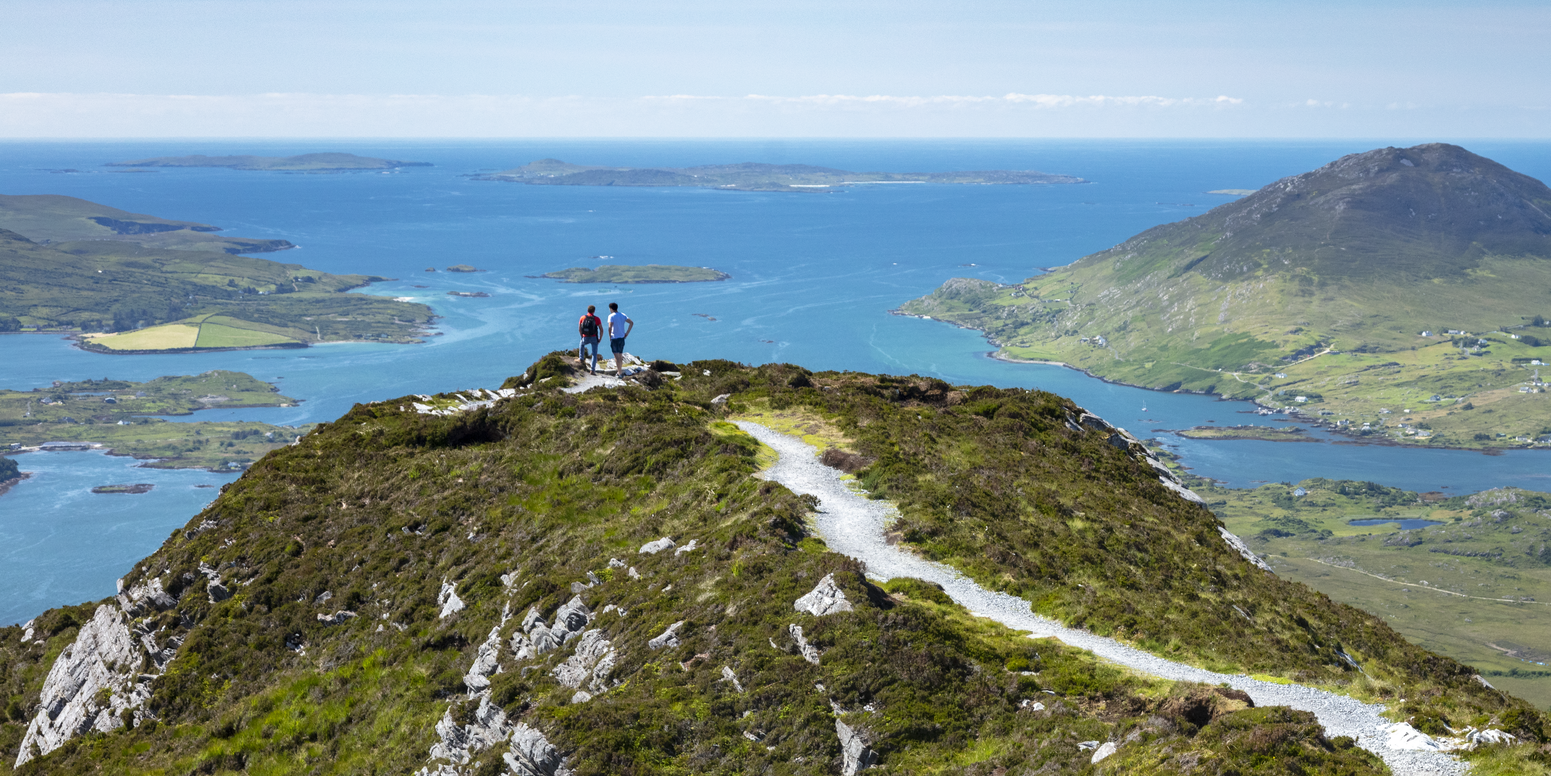
Between waves and peaks — to the best views in Ireland
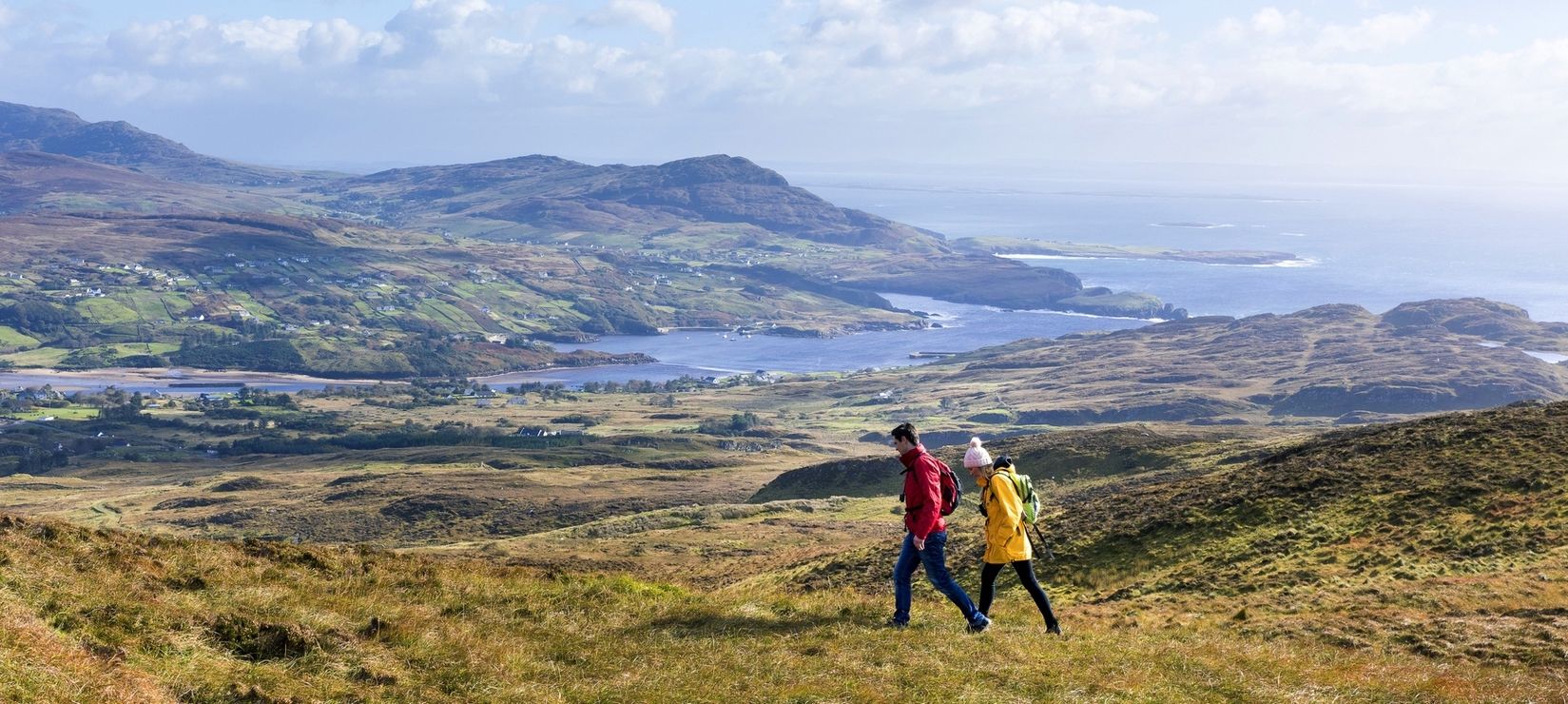
Wild Atlantic Way — day hikes for your road trip along Ireland's coastline
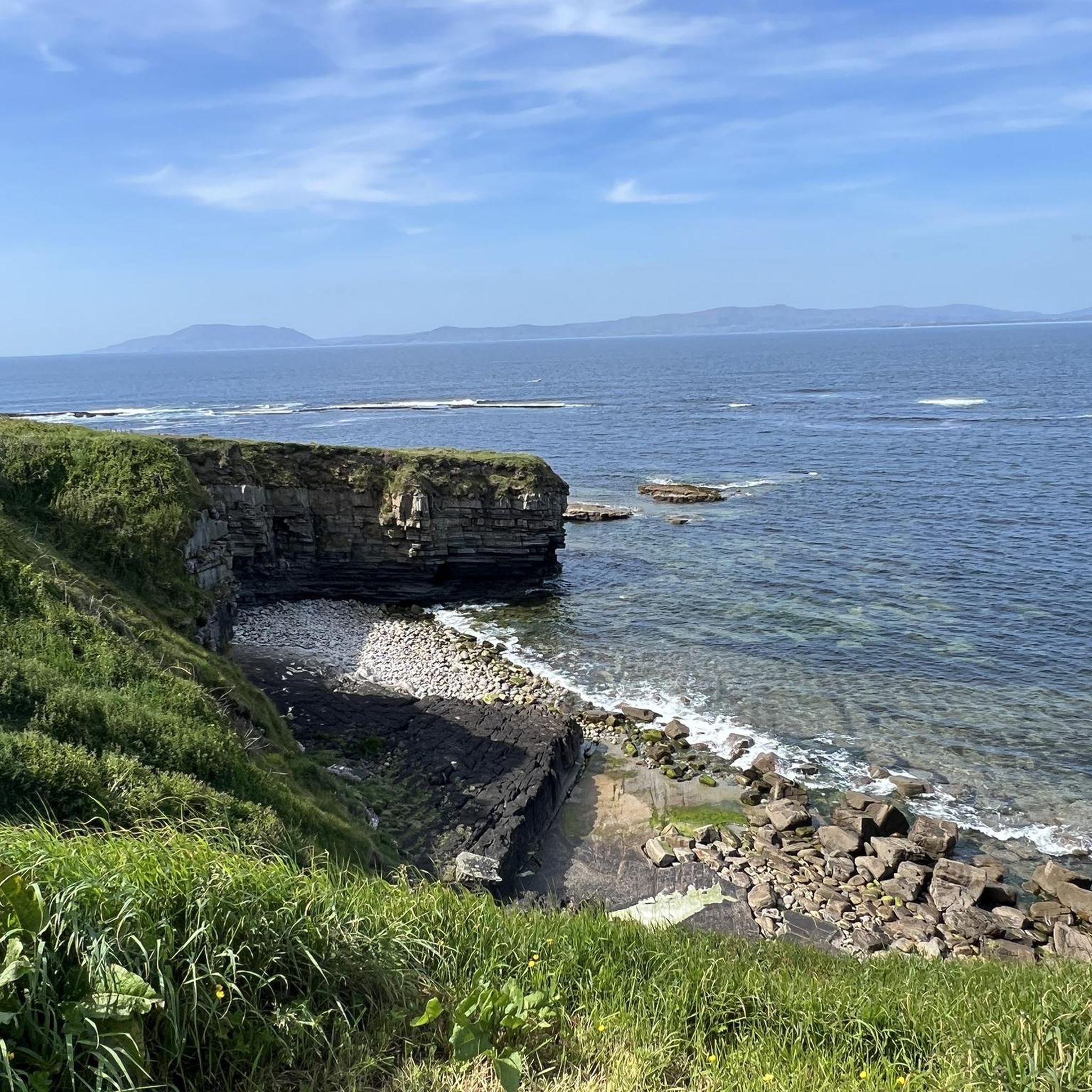
Hiking in Sligo
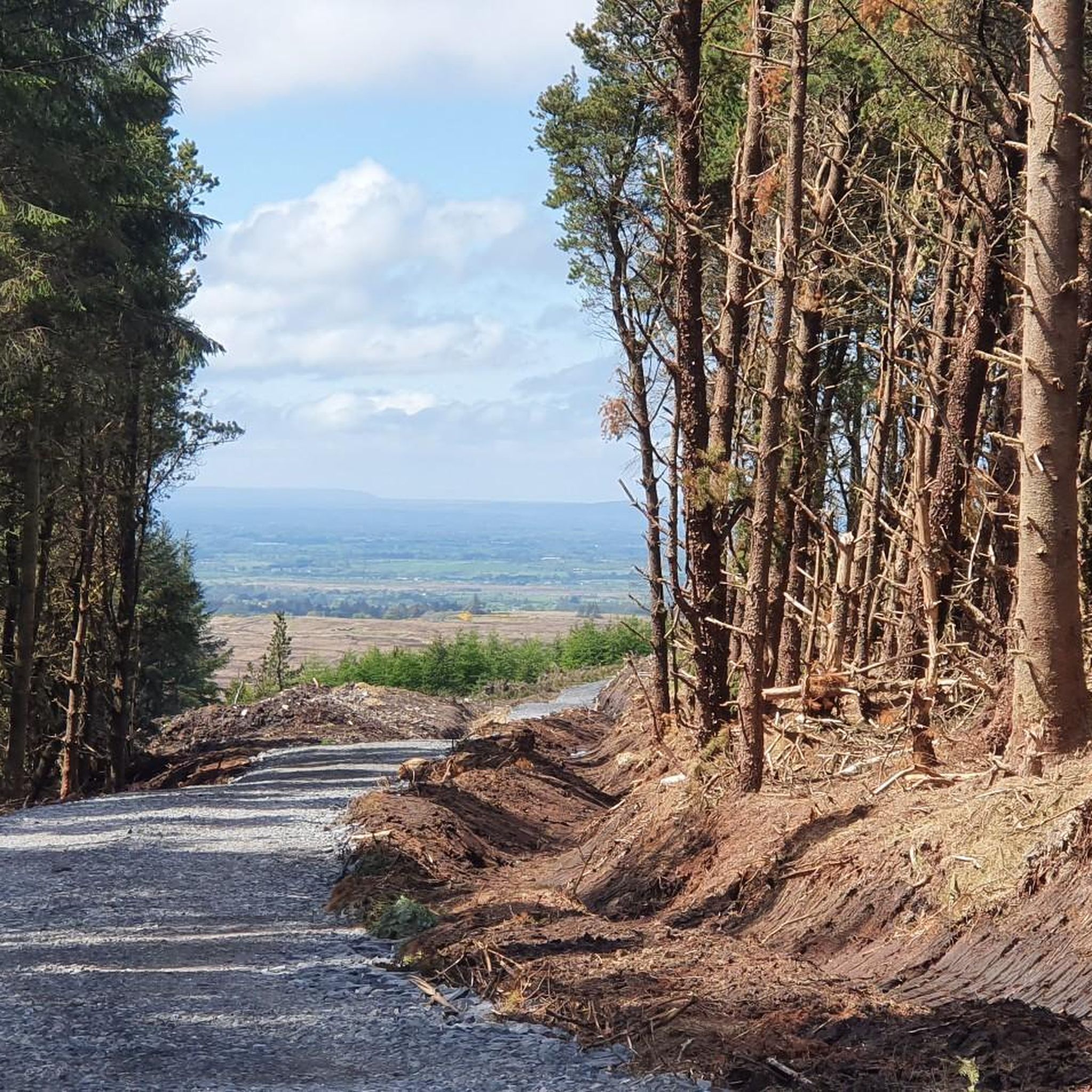
Cycling in Sligo
Running Trails in Sligo
Road Cycling Routes in Sligo
Other adventures in Sligo


Tips from the Community

Ideal to have a waterproof jacket and trousers. Visited in September 2026
0
0

Open viewpoint northeast of the Mullaghmore Head Sculpture, with a wide panorama over the Atlantic Ocean and the rugged cliffs of Mullaghmore. A quiet, windy photo spot on the highest part of the north coast, ideal between the sculpture and the western cliff strip.
5
0
Neolithic court tomb from c. 3500–3000 BC, one of Ireland's best-preserved megaliths. The oval forecourt and long grave chamber lie just off the road between Grange and Mullaghmore. A short, impressive stop where prehistory and landscape meet beautifully.
3
0

A huge piece, absolutely worth seeing!
1
0


At the Carrowmore Megalithic Cemetery, archaeologists have discovered the remains of more than 60 tombs, of which more than 30 have been excavated. The oldest tombs are about 700 years older than Newgrange and date from around 3800 BC.
0
0

See also: www.carrowkeel.com
0
0

A beautiful, very distinctive table mountain that dominates the landscape over a wide area.
0
0
Frequently Asked Questions
Which natural monuments in Sligo are most popular with visitors?
Visitors frequently enjoy the historical significance and panoramic views from Queen Maeve's Grave (Knocknarea Cairn). Another highly rated spot is Benbulben, known for its distinctive shape and beautiful vistas. The Summit of Benbulben also offers great views and is suitable for various fitness levels.
Are there any natural monuments in Sligo that are particularly family-friendly?
Yes, Carrowmore Megalithic Tombs is listed as family-friendly, offering an engaging historical experience. Additionally, Glencar Waterfall, while not in the highlights data, is known from region research to have amenities like a playground and easy walks to viewing platforms, making it suitable for families.
What kind of unique geological features can I expect to see in Sligo?
Sligo's landscape is rich in unique geological formations. Benbulben, often called 'Ireland's Table Mountain,' is a prime example, carved by glaciers during the last Ice Age, featuring steep-sided formations of limestone atop mudstones. You can even find fossils of seashells and corals within its rock layers. The Caves of Keash also offer a fascinating glimpse into the region's geological past.
What historical or archaeological sites are integrated with Sligo's natural monuments?
Sligo is deeply intertwined with ancient history. The most prominent is Queen Maeve's Grave (Knocknarea Cairn), a massive Neolithic burial mound on Knocknarea, believed to be older than Egypt's pyramids. The Carrowmore Megalithic Tombs are another significant historical site, and the Carrowkeel Neolithic Cemetery offers further insights into prehistoric life.
Are there good hiking opportunities near Sligo's natural monuments?
Absolutely. Sligo offers excellent hiking trails. For instance, you can find routes like the 'Knocknarea and Queen Maeve's Grave loop from Strandhill' or the 'Benbulben Loop' for various difficulty levels. You can explore more options in the Hiking in Sligo guide.
What other outdoor activities can I do around Sligo's natural attractions?
Beyond hiking, Sligo provides diverse outdoor activities. You can find running trails such as the 'Benbulben Forest loop' or 'Mullaghmore Head Loop'. For mountain biking enthusiasts, there are routes like the 'Bunnyconnellan Loop'. Discover more details in the Running Trails in Sligo and MTB Trails in Sligo guides.
Where can I find impressive viewpoints of the Sligo landscape?
Many natural monuments offer spectacular views. The summit of Knocknarea, home to Queen Maeve's Grave, provides stunning 360-degree panoramas. The Summit of Benbulben and Benbulben itself are renowned for their scenic outlooks. Additionally, Mullaghmore Head offers dramatic coastal views.
What is the best time of year to visit Sligo's natural monuments?
The best time to visit Sligo's natural monuments generally depends on your preferred activities. Spring and summer (April to September) offer milder weather, longer daylight hours, and vibrant greenery, ideal for hiking and exploring. Waterfalls like Glencar Waterfall are particularly dramatic after heavy rain, which is more common in autumn and winter, though these seasons can also bring strong winds, especially at exposed sites like Benbulbin.
Are there any natural monuments in Sligo associated with Irish folklore or literature?
Yes, Sligo is rich in such connections. Benbulben is deeply intertwined with Irish mythology, said to be a hunting ground of the Fianna warriors and the resting place of Diarmuid and Gráinne. Glencar Waterfall famously inspired William Butler Yeats's poem 'The Stolen Child,' adding a layer of literary magic. Lough Gill also features the iconic Lake Isle of Innisfree, immortalized in Yeats's poetry.
What kind of natural features can I explore around Lough Gill?
Lough Gill is a scenic freshwater lake surrounded by wooded hills. It's a protected site known for its unique ecosystem, including species like lamprey, Atlantic Salmon, and otters. The lake contains numerous islands, most famously the Lake Isle of Innisfree. The surrounding woodlands, such as Hazelwood Forest and Slish Wood, offer nature trails, and the lake itself can be explored by boat, making it a haven for nature lovers and birdwatchers.
Are there any less crowded natural spots or 'hidden gems' in Sligo?
While popular sites draw crowds, exploring areas like the Caves of Keash can offer a more secluded experience, with its fascinating history and natural formations. The Gleniff Horseshoe also provides a stunning, often quieter, scenic drive and walking opportunities through a dramatic glacial valley.
What should I wear when hiking or exploring Sligo's natural sites?
Given Sligo's often changeable weather, it's advisable to wear layers. Waterproof and windproof outer layers are recommended, especially for exposed areas like mountain summits or coastal viewpoints. Sturdy, waterproof hiking boots are essential, as many trails can be stony, wet, or boggy, particularly after rain. Even on an easy tour, damp feet can be an issue in raised bogs.
Most popular attractions in Sligo

Get inspired with the komoot mobile app


Didn’t find what you were looking for?
Find even more amazing natural monuments in Sligo by checking out the top Highlights region by region:
Explore more
Extend your search for the best caves by checking out these guides of the top ones in Sligo:
