Top 5 Mountain Passes in Cuenca
Best mountain passes in Cuenca are found within the Serranía de Cuenca mountain range, a region characterized by its dramatic landscapes and mountainous terrain. This area offers a variety of routes through natural surroundings, including karst formations and river valleys. The passes often serve as gateways to higher elevations and provide access to diverse ecosystems.
Best mountain passes in Cuenca
- The most popular mountain passes is El Cubillo Pass, a mountain pass located in the Serranía Alta de Cuenca…
Last updated: April 28, 2026
El Cubillo Pass
Highlight • Mountain Pass
Translated by Google •
Tip by

Puertecillo de Yemeda
Highlight • Mountain Pass
Translated by Google •
Tip by
Sign up now to discover places like this
Get recommendations on the best single tracks, peaks, & plenty of other exciting outdoor places.
Sign up for free
Puerto de Cabrejas
Highlight • Mountain Pass
Translated by Google •
Tip by

Collado de la Cañada
Highlight • Mountain Pass
Translated by Google •
Tip by

Collado de las Vigas
Highlight • Mountain Pass
Translated by Google •
Tip by
Start today with a free account
Your next adventure awaits.
Login or Signup
Popular around Cuenca
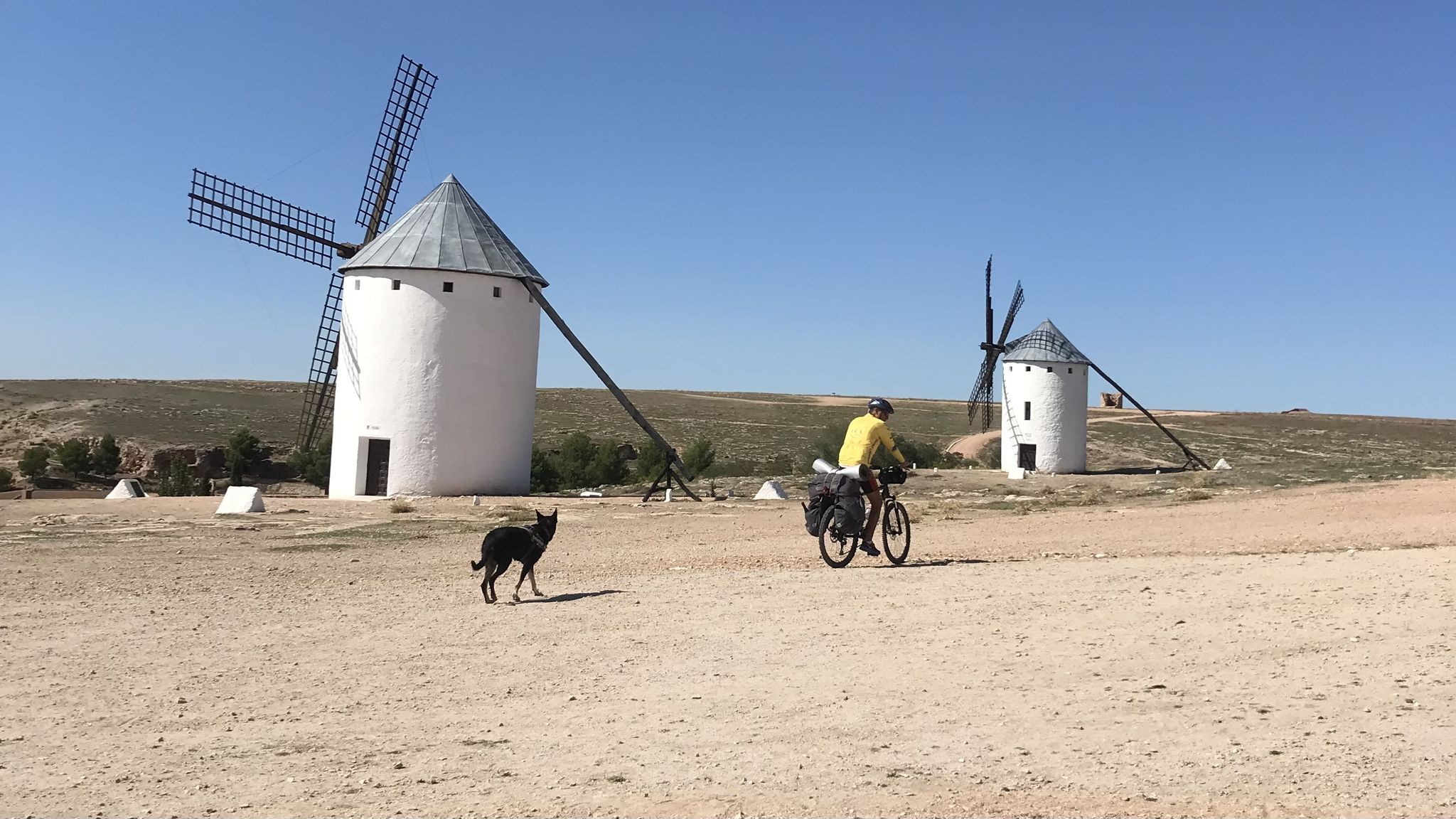
Don Quixote's route – The knight of the sorry face
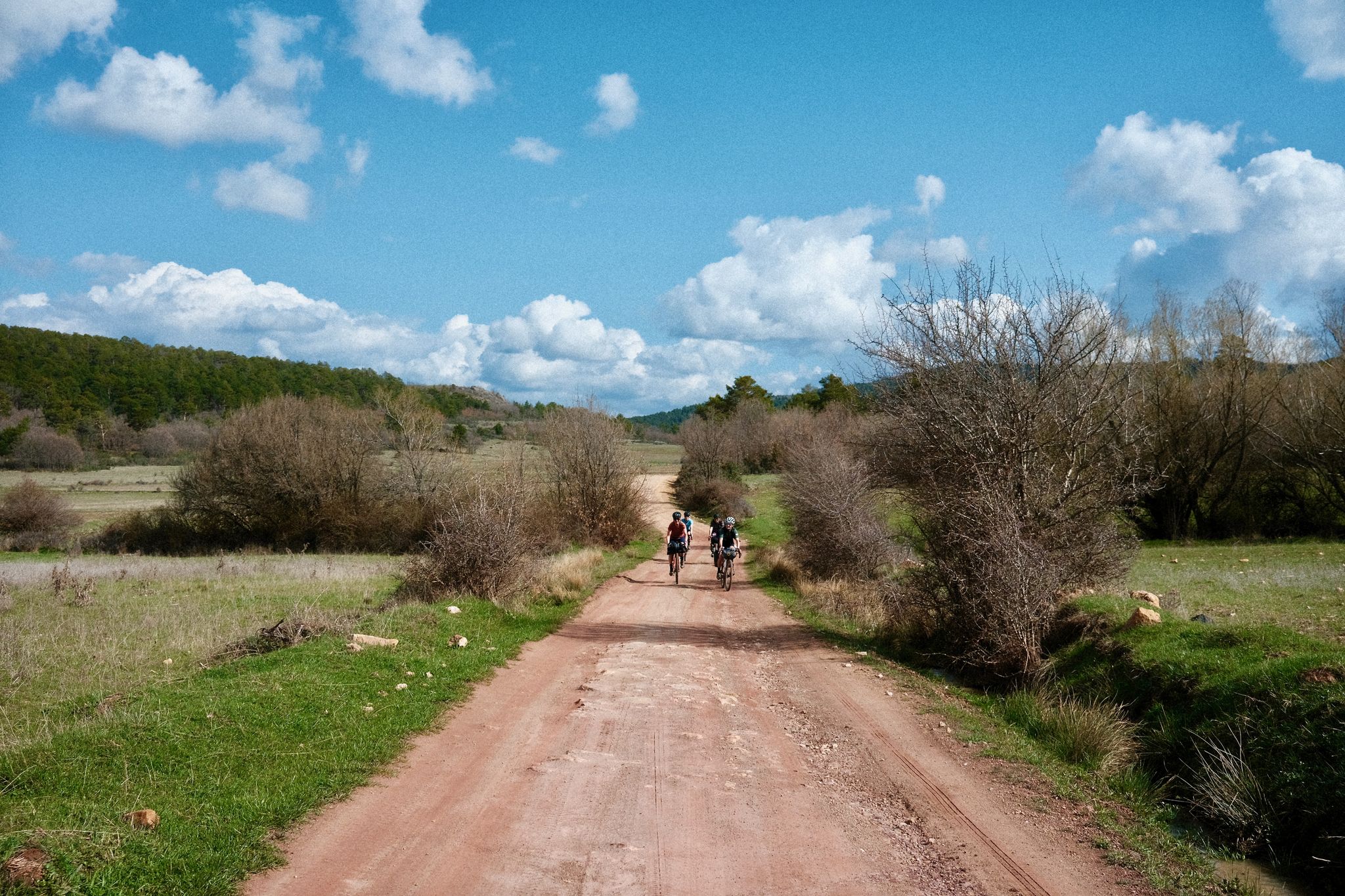
Women's Montañas Vacías 2022 — bikepack in rural Spain
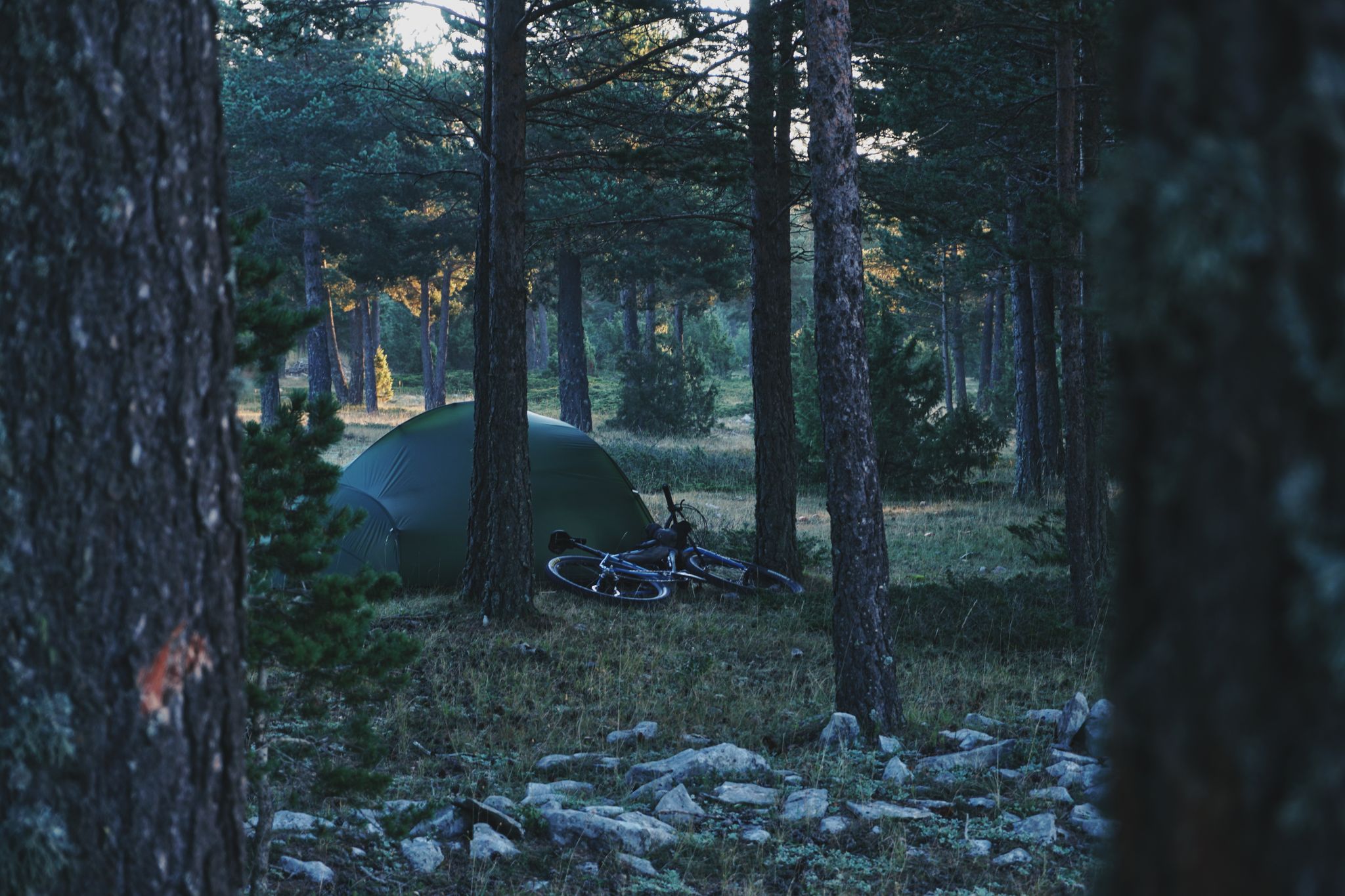
MontañasVacías official — bikepacking across the Spanish Lapland
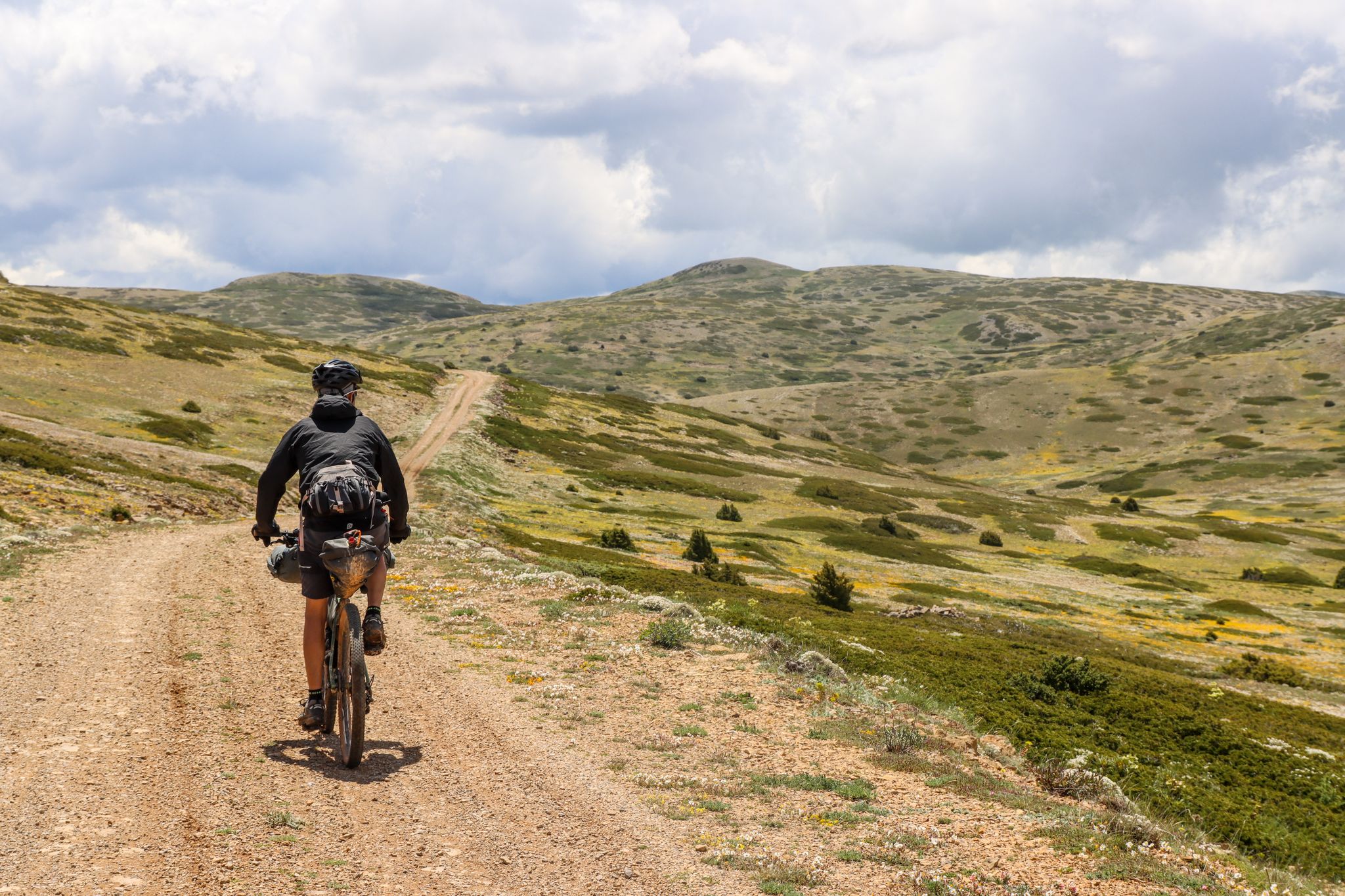
Montañas Vacías — bikepacking the wild and remote 'Empty Mountains'
9 mountain biking routes in undiscovered Spain
Path of the Templars — Path of the True Cross (GR 250)
The Reconquest of La Mancha on Foot - Camino Natural del río Riánsares
A gravel bike adventure between Madrid and Valencia
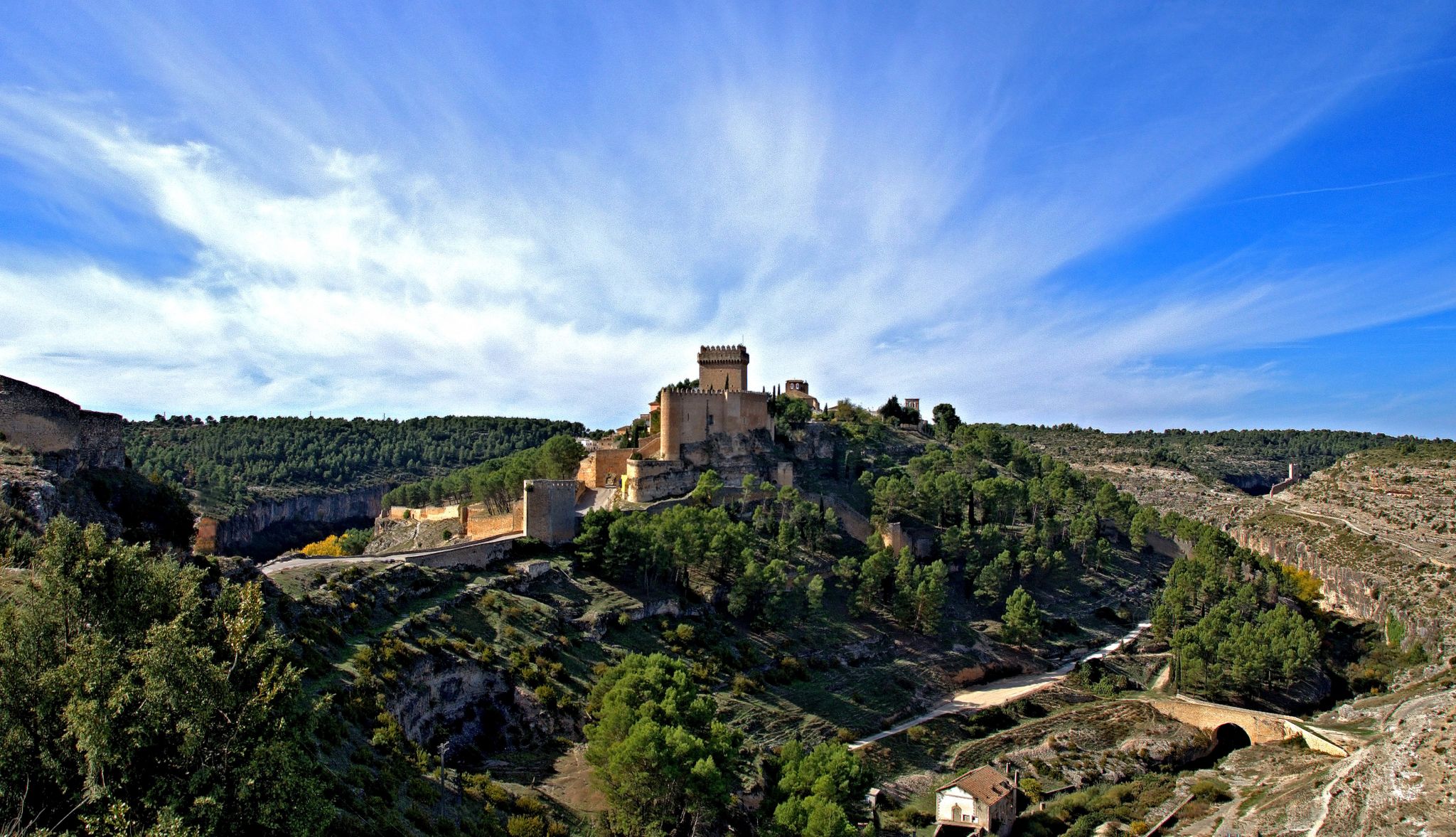
A walk through La Manchuela – hiking the GR 64
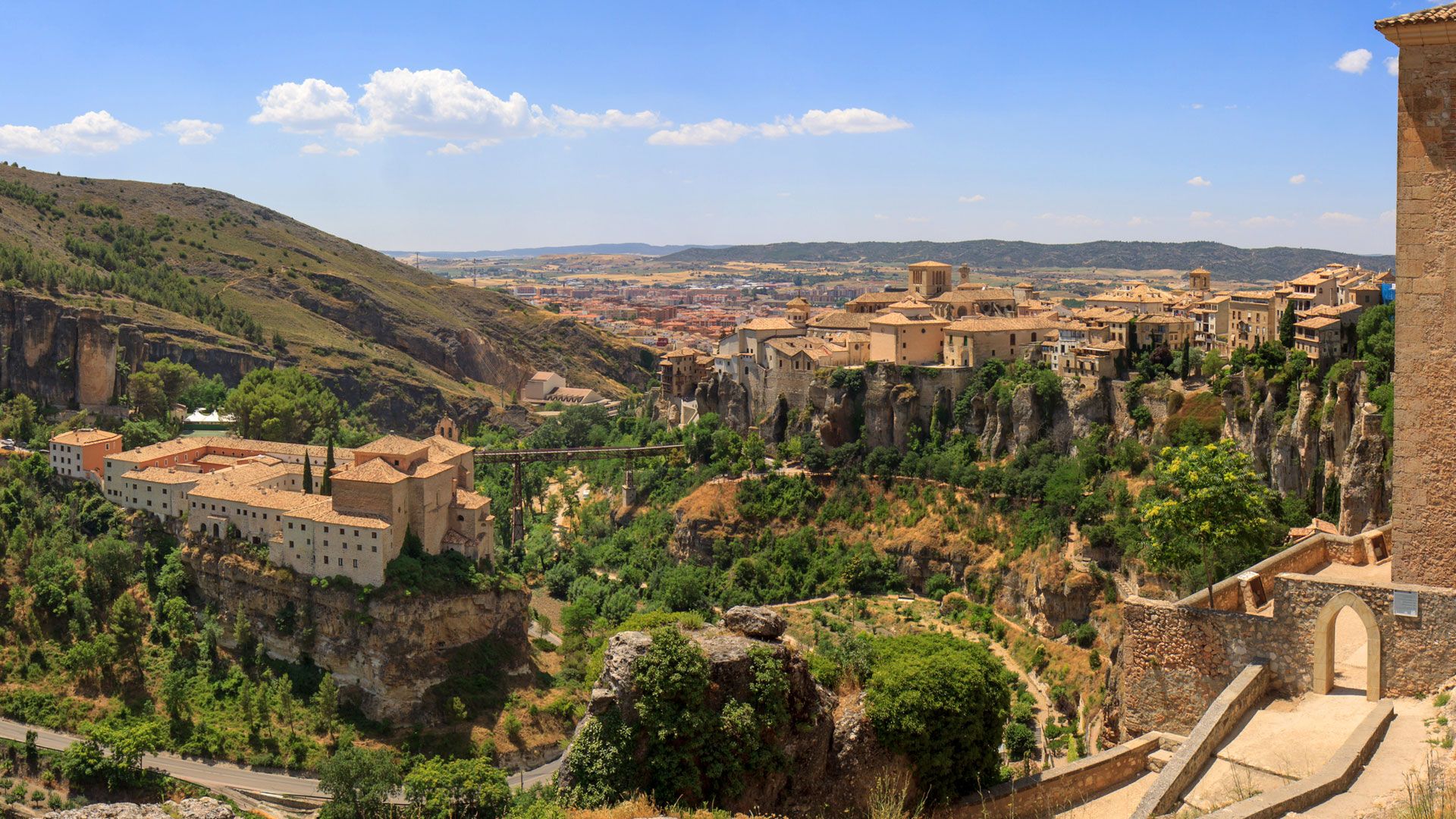
Levante to Castile – Ruta de la Lana Gravel Route
Other adventures in Cuenca


Tips from the Community

Given the relief and geography of Yémeda, a very narrow valley next to the Guadazaón river and surrounded by mountains.
3
0
Puerto del Cubillo is located in the Serranía Alta de Cuenca mountain range, a mountainous region known for its natural beauty and hiking trails. One of the most notable routes is the one that leads to Pico Mogorrita, the highest point in the Serranía de Cuenca mountain range at 1,864 meters. This route begins at Puerto del Cubillo and offers stunning views and the chance to see local wildlife such as deer and roe deer.
29
0
The Port of Cabrejas, located in Abia de la Obispalía, in the province of Cuenca, is a beautiful town that stands out for its enviable natural surroundings. Surrounded by mountains and valleys, this picturesque port captivates its visitors with its green meadows and lush forests. The crystal-clear waters of the rivers that flow through the area create a calm and serene atmosphere, perfect for those looking to escape the hustle and bustle of the city.
2
0

A hill that comes from the Barranco del Horcajo in the direction of the town of Masegosa with an altitude that exceeds one thousand five hundred meters. This offers a very cold harbor in the winter where, at times, you are likely to see snow!
0
0

Just 17 km from Cuenca, it is a fairly easy pass to climb, although there are some ramps of up to 12%, but the most difficult part is barely 3 km. Good idea to start the season.
4
0
Beautiful climb that is made up of esses and that rises from the town of Santa Cruz de Moya. Port of more than five kilometers in the Túria river valley.
0
0

Located in the Montes Universales, the port of El Cubillo is a very beautiful port, with a winding road, stuck between trees almost all the time and with the right dose of hardness. Its summit serves as the limit between Aragón and Castilla la Mancha.
6
0

Frequently Asked Questions
What are some recommended mountain passes for scenic views in Cuenca?
For breathtaking panoramic views, consider visiting El Cubillo Pass, which offers stunning vistas on the route to Pico Mogorrita, the highest point in the Serranía de Cuenca. Another excellent option is Puerto de Cabrejas, known for its beautiful natural surroundings, green meadows, and lush forests.
What kind of wildlife can I expect to see near the mountain passes in Cuenca?
When exploring mountain passes like El Cubillo Pass, particularly on routes leading to Pico Mogorrita, you have the chance to spot local wildlife such as deer and roe deer amidst the natural beauty of the Serranía Alta de Cuenca mountain range.
Are there mountain passes in Cuenca suitable for beginners or those looking for an easier climb?
Yes, Puerto de Cabrejas, located near Abia de la Obispalía, is considered a relatively easy climb. While it does feature some ramps up to 12%, the most challenging section is barely 3 km long, making it a good option to start the season or for less experienced climbers.
What are the best outdoor activities to do near the mountain passes in Cuenca?
The region around Cuenca's mountain passes offers diverse outdoor activities. You can find excellent opportunities for gravel biking, with routes like the 'Júcar Gorge – Júcar Riverside Walk loop' available. For runners, there are numerous trails, including the 'Parque Natural de la Serranía de Cuenca – trail run circular from Uña'. Road cyclists can enjoy scenic routes such as 'Ciudad Encantada y Ventano del Diablo — circular desde Cuenca'. You can explore more options on the Gravel biking in Cuenca, Running Trails in Cuenca, and Road Cycling Routes in Cuenca guide pages.
What unique natural features can I explore in the Cuenca mountain pass region?
Beyond the passes themselves, the Serranía de Cuenca is famous for its dramatic karst formations. You can visit the Ventano del Diablo (Devil's Window) near Villalba de la Sierra for panoramic views of the Júcar River canyon, or explore the Source of the Cuervo River (Nacimiento del Río Cuervo) for impressive waterfalls and crystal-clear pools.
Are there any mountain passes in Cuenca that are particularly challenging?
Puertecillo de Yemeda, situated in a narrow valley next to the Guadazaón river, is known for its hard ramps despite its relatively short length, offering a more challenging experience for cyclists.
What is the best time of year to visit the mountain passes in Cuenca?
The mountain passes in Cuenca offer different experiences depending on the season. While the region is beautiful year-round, some passes like Collado de la Cañada can be very cold in winter, with snow likely. For milder conditions and lush greenery, spring and early autumn are generally ideal for hiking and cycling.
Can I find forest routes or trails near the mountain passes in Cuenca?
Yes, many mountain passes in Cuenca are appreciated for their forest routes and trails. For example, Puerto de Cabrejas is surrounded by lush forests, offering a serene environment for exploration. El Cubillo Pass also features a winding road stuck between trees almost all the time.
What is the highest point accessible via a mountain pass in Cuenca?
From El Cubillo Pass, you can access a notable route that leads to Pico Mogorrita, which is the highest point in the Serranía de Cuenca mountain range, reaching an elevation of 1,864 meters.
Are there any mountain passes in Cuenca that are particularly high in altitude?
Collado de la Cañada, which comes from the Barranco del Horcajo in the direction of Masegosa, reaches an altitude exceeding one thousand five hundred meters, making it one of the higher passes in the region.
What is the general character of the mountain passes in Cuenca?
The mountain passes in Cuenca are primarily found within the Serranía de Cuenca mountain range, characterized by dramatic landscapes and mountainous terrain. They often serve as gateways to higher elevations and provide access to diverse ecosystems, offering a variety of routes through natural surroundings, including karst formations and river valleys.
Most popular routes in Cuenca
Most popular attractions in Cuenca

Get inspired with the komoot mobile app


Explore more
See even more epic mountain passes by checking out these guides in Cuenca:
