Top 5 Natural Monuments in the Australian Capital Territory
Natural monuments in the Australian Capital Territory feature diverse landscapes, from rugged national parks to unique geological formations. The region offers a variety of natural features, including mountainous terrain, extensive woodlands, and significant botanical collections. These sites highlight the area's natural beauty and biodiversity, providing opportunities for outdoor exploration. The territory's natural monuments are accessible and showcase a blend of urban and bush environments.
Best natural monuments in the Australian Capital Territory
- The most popular natural monuments is Mount Majura…
Last updated: July 10, 2026
Mount Majura Summit
Highlight • Summit
Tip by

Canberra National Arboretum
Highlight • Forest
Tip by

Sign up now to discover places like this
Get recommendations on the best single tracks, peaks, & plenty of other exciting outdoor places.
Sign up for free
Mount Ainslie Summit Lookout
Highlight • Viewpoint
Tip by

Mount Ainslie Lookout
Highlight • Viewpoint
Tip by
Cypress Pine Lookout
Highlight • Viewpoint
Tip by

Mount Tennent summit
Highlight • Summit
Tip by
Isaacs Ridge Trig Point
Highlight • Summit
Tip by

Mount Arawang Summit
Highlight • Summit
Tip by

Pinnacle Nature Reserve
Highlight • Forest
Tip by
Mount Painter Summit
Highlight • Summit
Tip by

Sign up for free to discover even more natural monuments in the Australian Capital Territory.
Sign up for free
Already have an account?
Start today with a free account
Your next adventure awaits.
Login or Signup
Popular around Australian Capital Territory
Tips from the Community

The Mount Ainslie Lookout is wheelchair accessible from the Mount Ainslie Lookout Bus and Car Park. The large observation deck is paved and has amazing views of Canberra and the Molonglo River. All around the viewing platform are informational plaques describing landmarks that can be seen from up here.
1
0
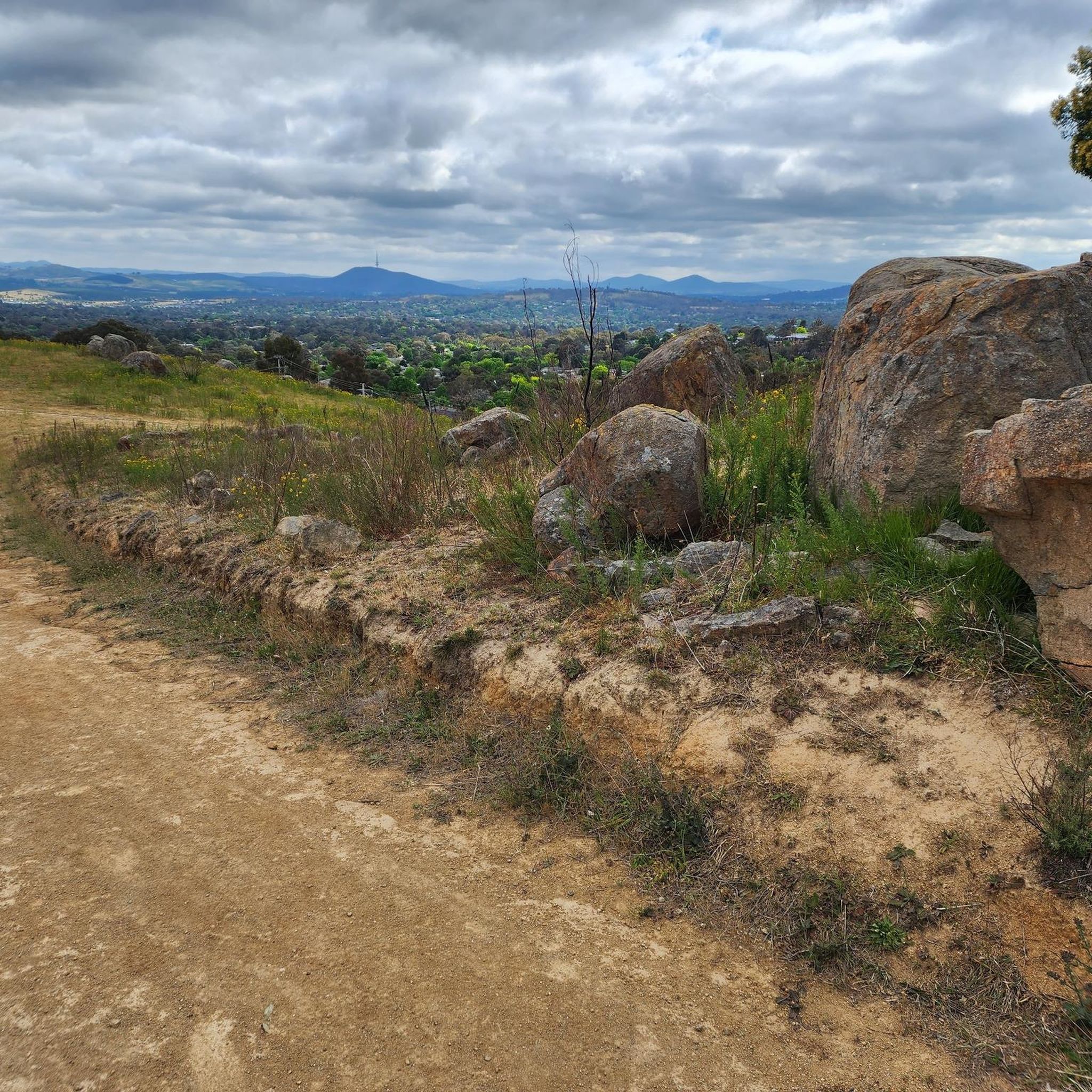
Mount Majura rises to 890 meters and is the highest peak in suburban Canberra. The summit can be reached by several tracks, including Mount Majura from Mackenzie Street, and the Mount Majura Summit Loop. The summit is marked with a white AirServices Australia Radar Tower, and there are nice views from beyond the trees. The area is dog-friendly on a leash, popular with locals, runners, bushwalkers and birdwatchers.
1
0

many opportunities to stop and enjoy the view. bench seats, rocks and logs
0
0

Pinnacle Nature Reserve protects 154 hectares of the Australian Capital Territory with great views across the Molonglo River valley. Many trails crisscross the landscape, including the 5,330-kilometre National Trail. While many trails are shared-use, bikes and equestrians are only allowed on designated paths.
0
0
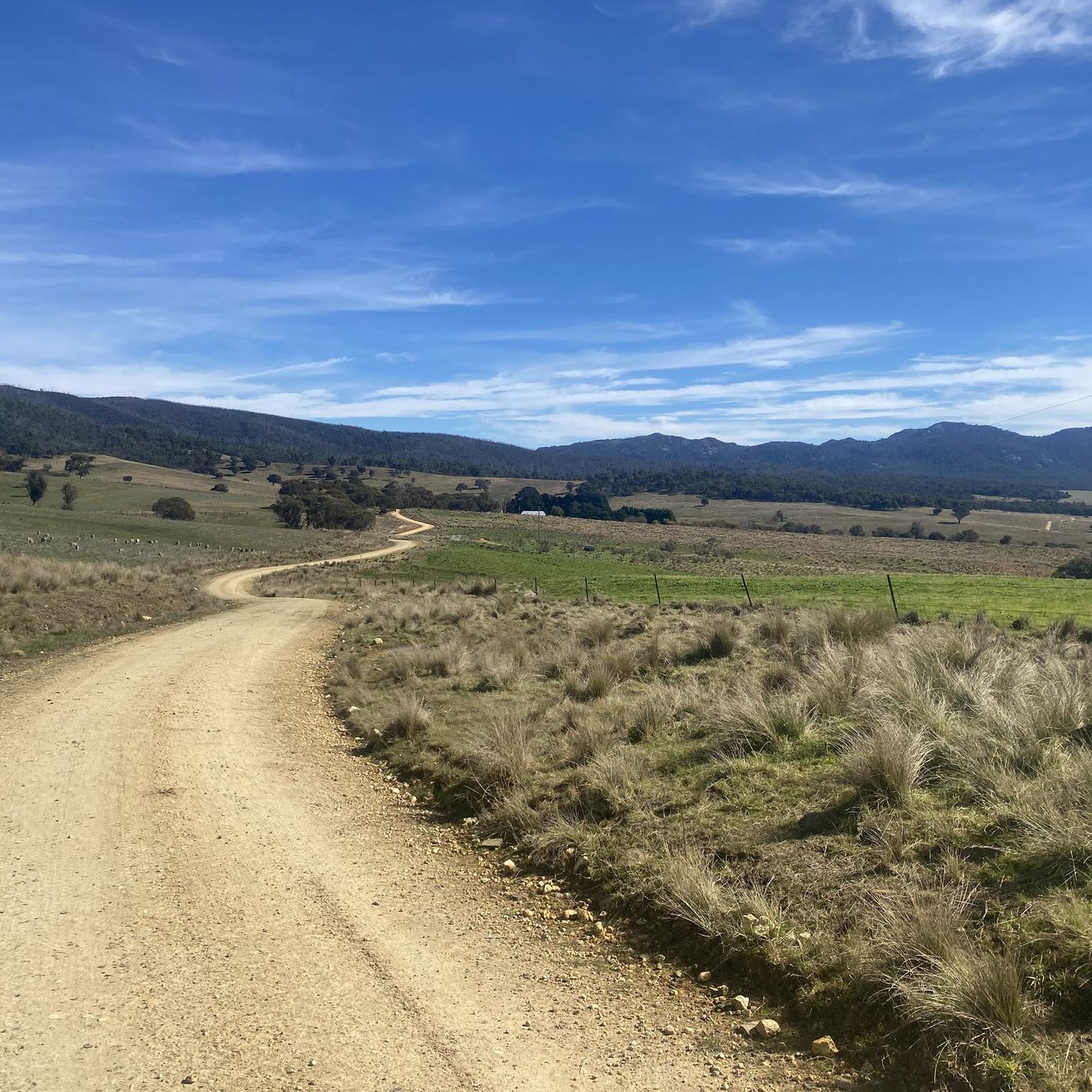
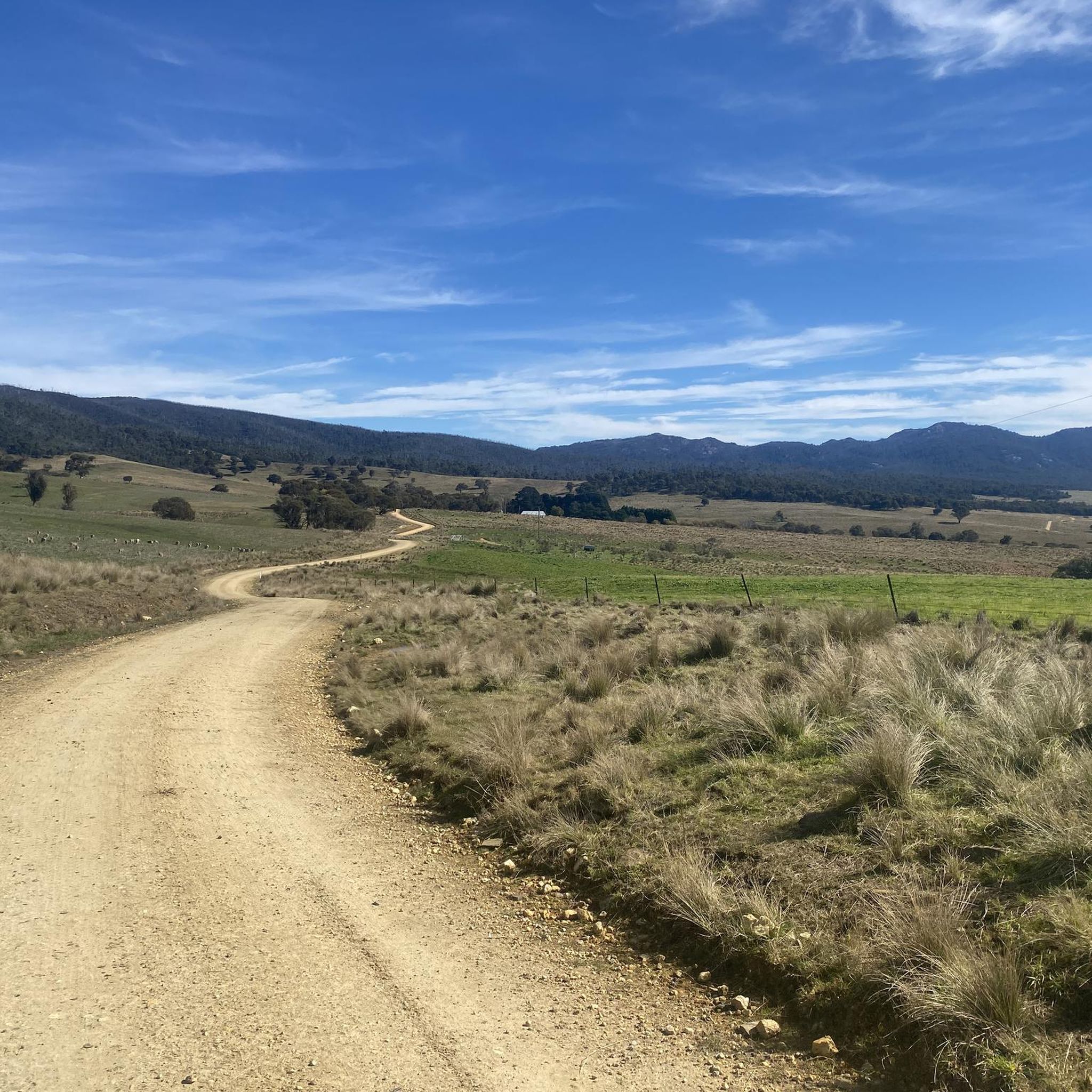
Mount Arawang Summit is an easily attainable peak located on the outskirts of Canberra. You can hike it as a short out and back or as part of a longer loop hike. There is a decent amount of elevation gain but nothing to strenuous, and the views from the top over the city and surrounding mountains are excellent.
1
0

The summit of Mount Tennent rises to about 1,375 metres, making it one of the most prominent peaks visible from southern Canberra. From the top, there are beautiful views across Namadgi National Park, including the Gudgenby Valley and distant peaks of the Australian Alps.
0
0
Cypress Pine Lookout is one of the main viewpoints along the Mount Tennent Track, roughly halfway up the mountain. The lookout sits near stands of native cypress pine and opens up to wide views across the Gudgenby Valley toward the surrounding ranges of Namadgi National Park. It’s an ideal place for a scenic break before continuing the climb toward the summit.
0
0

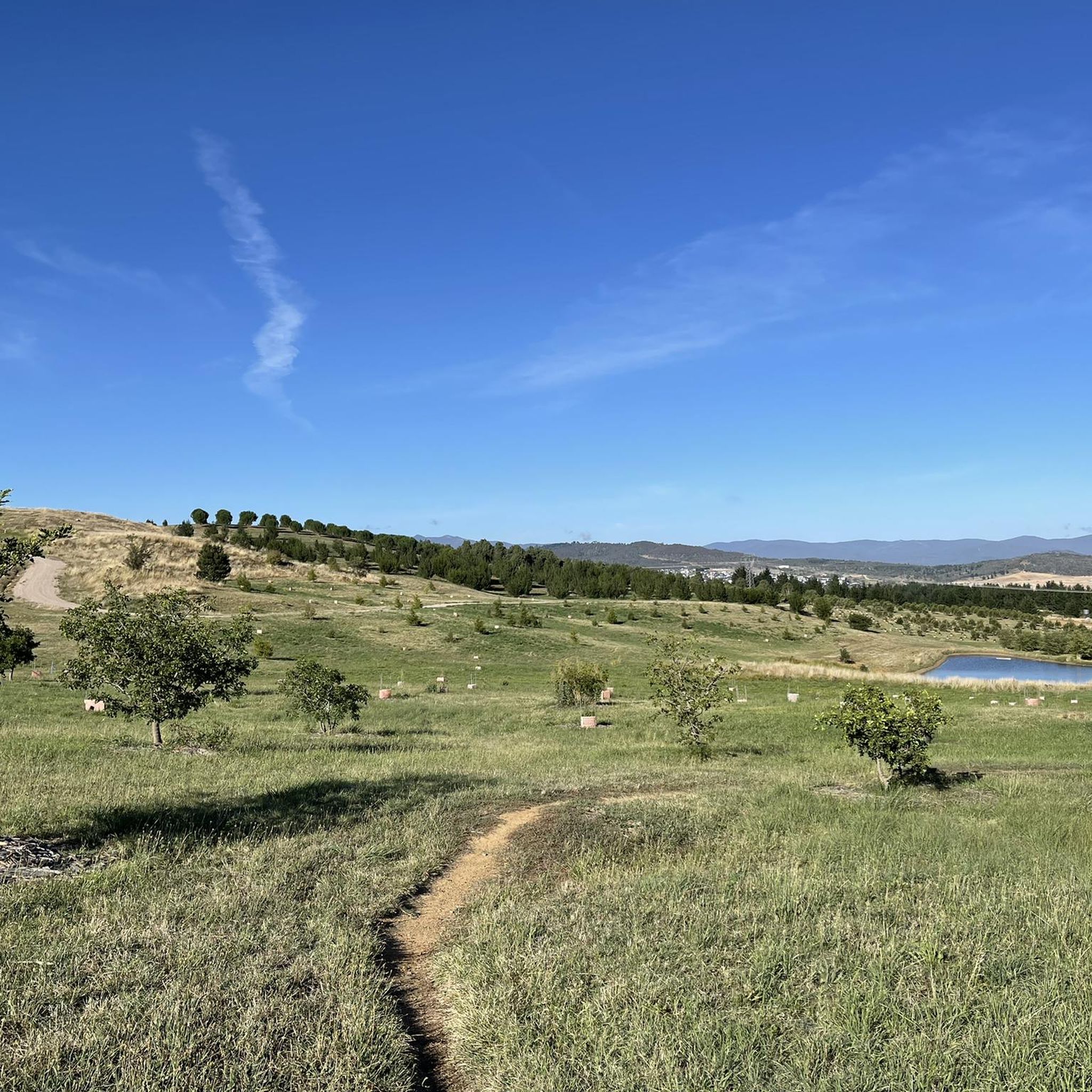
The National Arboretum in Canberra has beautiful cycling tracks that run across the whole place. It’s perfect for mountain or gravel bikes. The natural scenery combined with the zen of flowing tracks and change in elevation means you could simply ride forever.
0
0
Frequently Asked Questions
What kind of natural features can I expect to see in the Australian Capital Territory?
The ACT offers a diverse range of natural features, from rugged mountainous terrain and extensive woodlands to unique geological formations and significant botanical collections. You can find numerous summits offering panoramic views, dense forests, and serene lakes. Highlights include the expansive wilderness of Namadgi National Park and the unique flora at the Australian National Botanic Gardens.
Are there family-friendly natural monuments in the Australian Capital Territory?
Yes, several natural monuments in the ACT are great for families. The Canberra National Arboretum features cycling tracks and scenic views suitable for all ages. The Australian National Botanic Gardens also offers peaceful walking trails and a view of Lake Burley Griffin, providing a tranquil and educational experience. Tidbinbilla Nature Reserve is another excellent choice, known for its abundant native Australian animals and various trails, some of which are suitable for families.
What are some popular natural monuments for scenic views in the ACT?
For breathtaking vistas, consider visiting Mount Majura Summit, which is the highest point within Canberra's urban boundaries and offers unique city views. Mount Ainslie is another prominent landmark with well-maintained walking tracks leading to a summit that provides panoramic views of Canberra. Isaacs Ridge Trig Point and Mount Painter Summit also offer great views, showcasing the blend of urban and bushland that defines Canberra.
Where can I go for wildlife spotting in the ACT's natural monuments?
Tidbinbilla Nature Reserve is an excellent destination for wildlife spotting, where you can see native Australian animals like koalas, kangaroos, and wallabies in their natural habitats. Namadgi National Park also teems with wildlife, including kangaroos and wallabies, amidst its rugged wilderness. For a unique experience with rare and reintroduced native animals, visit Mulligans Flat Woodland Sanctuary, which often offers guided twilight tours.
Are there any unique geological formations to visit in the ACT?
Yes, the London Bridge Arch is a unique natural limestone arch shaped by the action of Burra Creek over millions of years. It's a fascinating example of natural erosion and offers a picturesque spot for hiking and photography, showcasing the geological history of the region.
What outdoor activities can I do near these natural monuments?
The ACT offers a wide range of outdoor activities. You can find numerous road cycling routes, such as those detailed in the Road Cycling Routes in the Australian Capital Territory guide. For off-road adventures, explore the gravel biking options in the Gravel biking in the Australian Capital Territory guide or tackle the mountain biking trails found in the MTB Trails in the Australian Capital Territory guide. Many natural monuments, like Namadgi National Park and Tidbinbilla Nature Reserve, also offer extensive bushwalking and hiking opportunities.
What is the best time of year to visit natural monuments in the ACT?
The best time to visit natural monuments in the ACT generally depends on your preferred activities. Spring (September to November) offers pleasant temperatures and blooming wildflowers, making it ideal for botanical gardens and general outdoor exploration. Autumn (March to May) provides mild weather and beautiful foliage. Summer (December to February) can be hot, but is good for early morning or late afternoon activities. Winter (June to August) is cooler, suitable for hiking, but some higher altitude areas might experience colder conditions.
Are there opportunities for camping near the natural monuments?
Yes, Namadgi National Park offers camping sites, such as Orroral Campground, which is known for stargazing and wildlife watching. Camping provides an immersive experience in the park's rugged wilderness.
Can I find any natural monuments with significant Indigenous cultural heritage?
Namadgi National Park holds significant Indigenous cultural heritage, featuring ancient Aboriginal rock art sites. Exploring the park offers opportunities to connect with the region's deep history and cultural significance.
What do visitors enjoy most about the natural monuments in the Australian Capital Territory?
Visitors frequently appreciate the blend of urban and bush environments, often referred to as Canberra being the 'Bush Capital.' They enjoy the rewarding hikes with spectacular vistas, especially from summits like Mount Majura Summit and Mount Ainslie. The opportunity for wildlife observation, the peaceful walking trails in places like the Australian National Botanic Gardens, and the diverse ecosystems for cycling and exploring are also highly valued.
Are there any natural monuments suitable for rock climbing?
Yes, Booroomba Rocks within Namadgi National Park is a notable rock formation popular for climbing and offers scenic views. It provides a challenging experience for climbers amidst the park's rugged landscape.
How accessible are the natural monuments in the ACT?
Many natural monuments in the ACT are quite accessible. Mount Ainslie, for example, is easily accessible from the city center. The Australian National Botanic Gardens are also well-equipped for visitors. While some areas like Namadgi National Park offer rugged wilderness, places like Tidbinbilla Nature Reserve have facilities and trails catering to various fitness levels, including families.
Most popular routes in the Australian Capital Territory
Most popular attractions in the Australian Capital Territory

Get inspired with the komoot mobile app


Explore more
Extend your search for the best caves by checking out these guides of the top ones in the Australian Capital Territory:
