Top 20 Natural Monuments in Victoria
Natural monuments in Victoria Australia showcase diverse landscapes, from ancient volcanic formations to coastal wonders and lush forests. The state features significant geological sites and culturally important Indigenous heritage. Visitors can explore a range of natural features, including dramatic coastlines, towering trees, and unique rock formations.
Best natural monuments in Victoria
- The most popular natural monuments is Pinnacle Lookout, a viewpoint with sweeping views over Halls Gap and the surrounding ranges. It is one of the most iconic viewpoints…
Last updated: October 13, 2026
Pinnacle Lookout
Highlight • Viewpoint
Tip by

Dights Falls
Highlight • Waterfall
Tip by
Sign up now to discover places like this
Get recommendations on the best single tracks, peaks, & plenty of other exciting outdoor places.
1000 Steps Walk (Kokoda Track Memorial Walk)
Highlight (Segment) • Trail
Tip by
Splitters Falls
Highlight • Waterfall
Tip by

One Tree Hill
Highlight • Viewpoint
Tip by
Little Oberon Beach
Highlight • Beach
Tip by
Grand Canyon
Highlight • Gorge
Tip by

Pillar Point lookout
Highlight • Viewpoint
Tip by

Norman Point
Highlight • Viewpoint
Tip by
Mount Bishop Summit
Highlight • Summit
Tip by
Sign up for free to discover even more natural monuments in Victoria.
Already have an account?
Start today with a free account
Your next adventure awaits.


Other adventures in Victoria

Tips from the Community

The Kokoda Track Memorial Walkway is a central place of remembrance in honour of all those who fought and served for Australia in World War II.
0
0

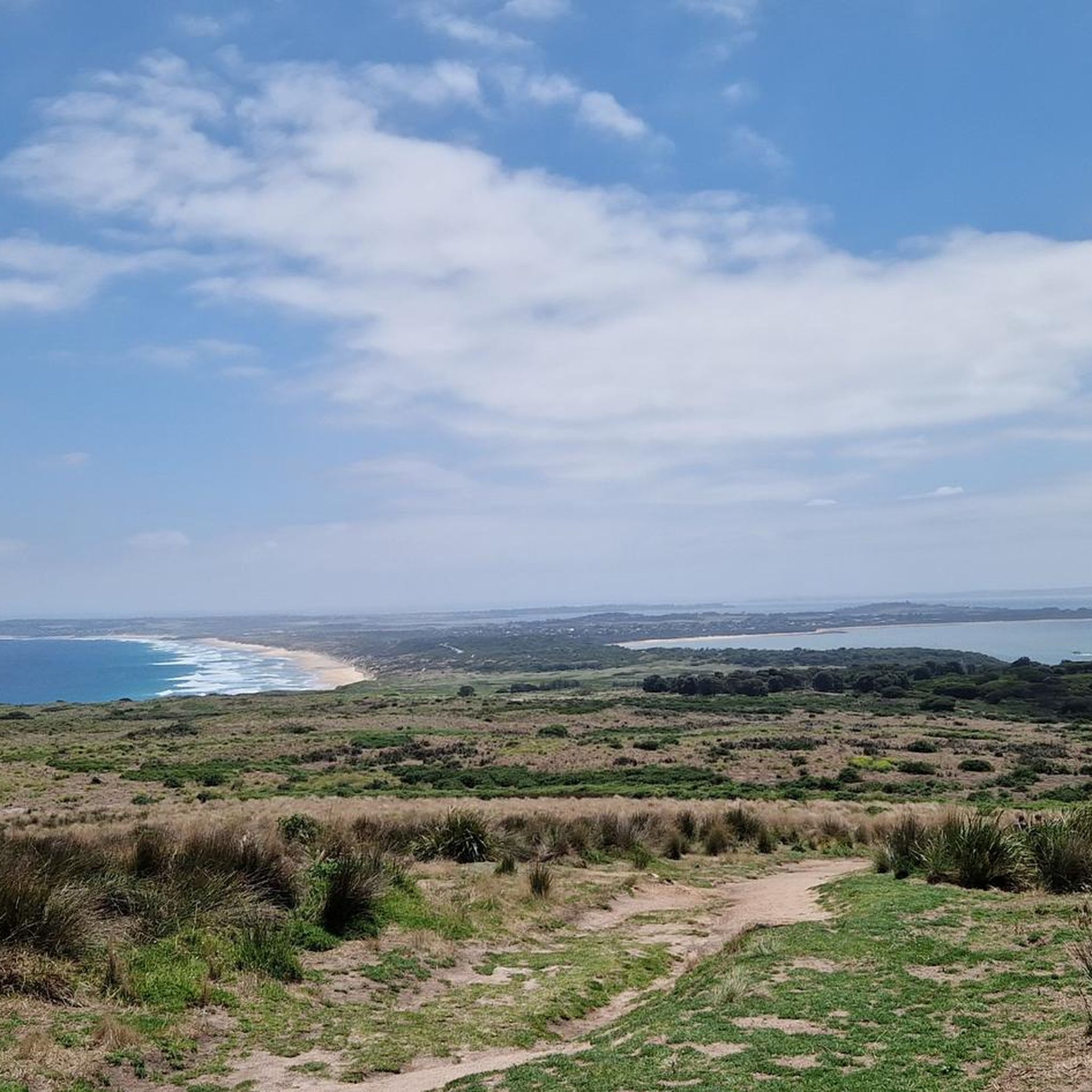
Norman Point is a worthwhile detour on the walk to Little Oberon Bay, with granite headlands overlooking Wilsons Promontory Marine National Park and the Anser and Glennie island groups. Just 300 metres from the main track, it's an easy side trip that rewards you with sweeping coastal views before the trail continues to the sheltered sands of Little Oberon Bay.
0
0
A short climb through a tunnel of tea-tree leads to the granite outcrops of Pillar Point, one of Wilsons Promontory's classic viewpoints. From here, the panorama stretches across Norman Bay, Squeaky Beach, Mount Oberon and the offshore islands scattered beyond the coast. It's easy to see why this rocky headland has become a favourite place to stop and soak up the Prom's spectacular scenery.
0
0
The summit of Mount Bishop opens up wide views across Tidal River, Norman Beach, and the granite peaks and coastline that make Wilsons Promontory so distinctive. Large granite slabs surround the lookout area, giving the summit a classic Prom landscape of exposed rock, coastal bush, and sweeping ocean scenery in nearly every direction. On clear days, you can see deep into the southern section of the national park.
0
0

Dights Falls is a picturesque rocky cascade on the Yarra River, situated at the junction with Merri Creek. The falls were created by a low bluestone weir constructed in the 19th century, resulting in a series of rapids that have become a distinctive feature of the river. Surrounded by lush parkland and shared walking and cycling trails, this area is a favourite spot for outdoor enthusiasts, as well as for those who enjoy watching kayakers skilfully navigate the rushing waters.
0
0
The Pinnacle is an impressive rock lookout with sweeping views over Halls Gap and the surrounding ranges. Reached via rocky steps and natural platforms, it’s one of the most iconic viewpoints in the central Grampians, with plenty of opportunities to take memorable photos across valleys, cliffs, and layered sandstone peaks.
0
0
One Tree Hill is a scenic lookout and picnic area set among tall eucalypt forest, with a rich history behind its current tranquil setting. Visitors once enjoyed panoramic views of Melbourne from a wooden outlook tower, later replaced in 1929 by a 33-metre steel tower repurposed from a Bendigo mining site; it was removed in 1991 after being declared unsafe, and gum trees have since grown back over the landscape. Four memorial cairns here are replicas of those at Kokoda Village in Papua New Guinea, installed in 2014 to enhance the Kokoda Track Memorial Walk that climbs the 1000 Steps to this site. Today, the site offers picnic tables, sheltered seating, toilets, a small car park, and access to nearby walking tracks, making it a peaceful spot to rest after the steep climb through ferns, gums, and blackwoods.
0
0
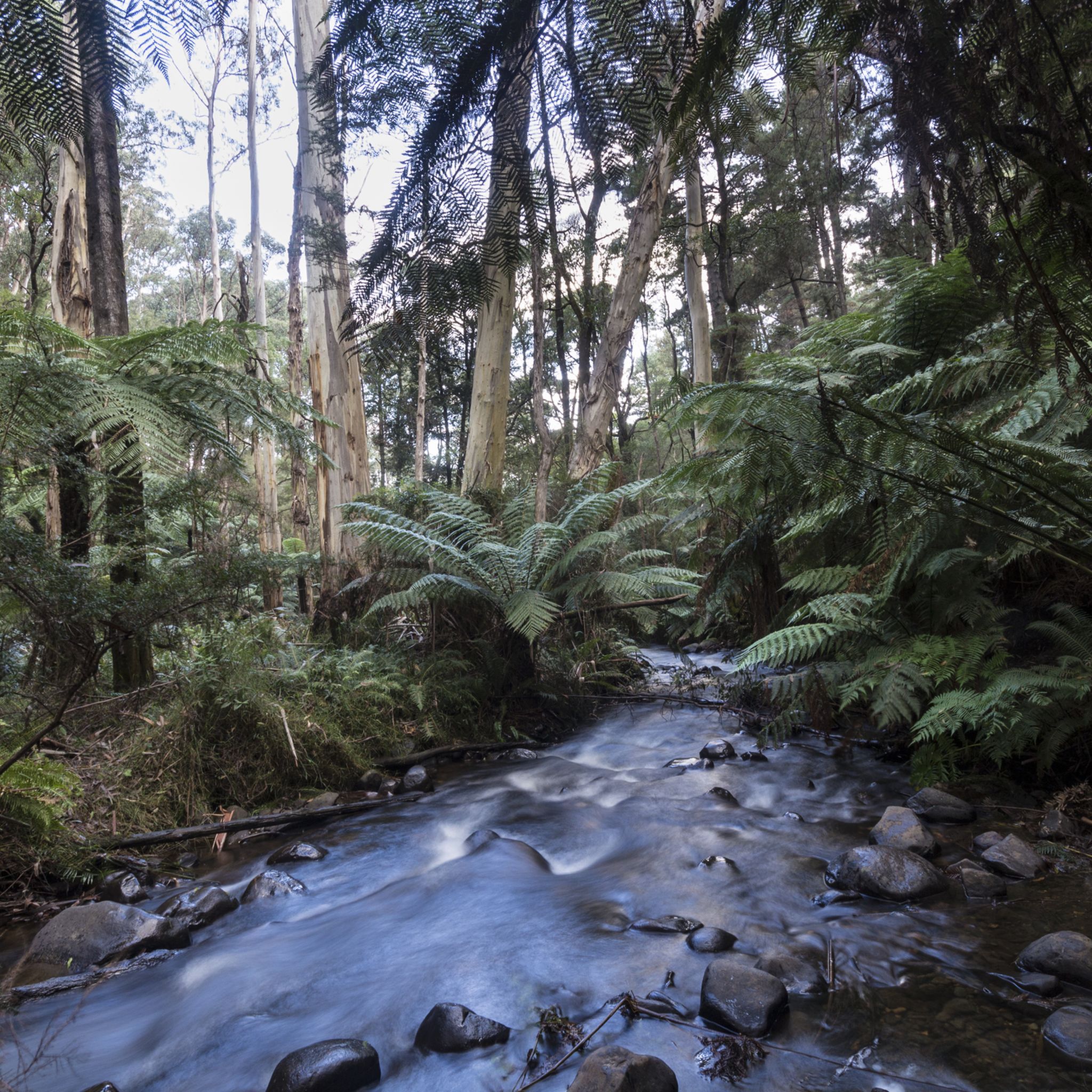
This memorial walk is a steady, relatively steep climb through lush rainforest under towering mountain ash. It tracks alongside Ferntree Gully Creek and up a long staircase to a small clearing with benches and filtered views toward Melbourne. Throughout the walk, bronze plaques honour soldiers who served and sacrificed their lives on the Kokoda Track in Papua New Guinea during World War II. Depending on your fitness, the walk can take fifteen minutes if you’re looking for a challenge, or up to an hour if you spend time reading the plaques and taking in the forest scenery. The ascent is continuous, so good footwear and a steady pace are a good idea for a comfortable experience.
0
0
Frequently Asked Questions
What are some unique geological natural monuments in Victoria?
Victoria is home to several remarkable geological formations. You can explore the dramatic limestone stacks of the Twelve Apostles along the Great Ocean Road, the ancient basalt columns resembling organ pipes at Organ Pipes National Park, or the distinctive volcanic rock formation of Hanging Rock. Another fascinating site is Budj Bim National Park, which features an ancient aquaculture system created by the Gunditjmara people, showcasing both geological and cultural significance.
Are there natural monuments in Victoria suitable for families?
Yes, many natural monuments in Victoria are family-friendly. For example, Dights Falls offers an easy loop trail with historical context. Sherbrooke Falls in the Dandenong Ranges is another accessible option with a gentle forest walk. Tower Hill Wildlife Reserve provides opportunities to see native animals in their natural habitat, which is often a hit with children.
What are some natural monuments near Melbourne for a quick escape?
For a quick trip from Melbourne, Organ Pipes National Park is just 20 kilometers north, offering unique basalt columns and walking trails. Hanging Rock, near Woodend, is another accessible option with historical and geological interest. The Californian Redwood Forest near Warburton provides an enchanting forest experience within a reasonable drive.
Can I find waterfalls among Victoria's natural monuments?
Absolutely. Victoria boasts several impressive waterfalls. Steavenson Falls near Marysville is one of the highest in Victoria, and it's illuminated at night. Great Otway National Park features numerous waterfalls like Erskine Falls, Sheoak Falls, and Triplet Falls amidst cool temperate rainforests. You can also visit Splitters Falls and Sherbrooke Falls, which are popular choices.
What kind of hiking experiences can I expect at Victoria's natural monuments?
Hiking experiences vary from easy strolls to challenging treks. The Grampians National Park offers trails like the one to Pinnacle Lookout, which can be accessed via different routes ranging from 1.5 hours to 5 hours, some passing through the impressive Grand Canyon. The 1000 Steps Walk (Kokoda Track Memorial Walk) provides a steady, steep climb through rainforest. For more options, consider exploring the many waterfall hikes in Victoria, which you can find in the Waterfall hikes in Victoria guide.
Are there any natural monuments with significant cultural or historical importance?
Yes, several sites hold deep cultural and historical significance. Budj Bim National Park is a UNESCO World Heritage site, recognized for its ancient Indigenous aquaculture system. Hanging Rock is famous for its geological features and its role in Australian literature and film, and it's also a sacred place for local Aboriginal people. Dights Falls was once a natural weir used by the Wurundjeri people and later became a site for European industry.
What is the best time of year to visit Victoria's natural monuments?
Victoria's natural monuments can be enjoyed year-round, but the best time often depends on the specific site and your preferred activities. Spring (September-November) offers wildflowers, especially in areas like the Grampians. Autumn (March-May) provides pleasant temperatures for hiking. Coastal areas like the Twelve Apostles are stunning in all seasons, though weather can be unpredictable. Some waterfalls, like Steavenson Falls, are illuminated at night, offering a unique experience after dusk.
Are there opportunities for outdoor activities like cycling near Victoria's natural monuments?
Yes, Victoria offers various outdoor activities, including cycling. You can find numerous routes for gravel biking and road cycling across the region. For example, the Gravel biking in Victoria guide and the Road Cycling Routes in Victoria guide provide detailed information on routes like the Lilydale-Warburton Rail Trail loop or coastal rides.
What are some coastal natural monuments in Victoria?
Victoria's coastline features spectacular natural monuments. The Twelve Apostles are iconic limestone stacks along the Great Ocean Road. Wilsons Promontory National Park offers stunning beaches like Squeaky Beach and Little Oberon Bay, as well as the unique Cleft Island (Skull Rock) offshore. Great Otway National Park also stretches along the coast, featuring ancient trees and waterfalls near the ocean.
Can I visit natural monuments that offer wildlife viewing opportunities?
Certainly. Tower Hill Wildlife Reserve, situated within an ancient volcanic crater, is a haven for native wildlife, including kangaroos, emus, koalas, and various birdlife. The Grampians National Park is also known for its abundance of wildlife, where you might encounter koalas, kangaroos, and echidnas on its trails. Great Otway National Park offers opportunities to spot koalas in their natural habitat.
Are there any natural monuments in Victoria known for unique plant life or forests?
The Californian Redwood Forest near Warburton is a unique natural monument, featuring almost 1,500 towering redwood trees that create an otherworldly atmosphere. Great Otway National Park is renowned for its cool temperate rainforests and ancient trees. The 1000 Steps Walk also takes you through lush rainforest under towering mountain ash.
What do visitors particularly enjoy about the natural monuments in Victoria?
Visitors frequently highlight the breathtaking views, especially from spots like Pinnacle Lookout in the Grampians, which offers sweeping panoramas. The unique rock formations, such as those in the Grampians and Organ Pipes National Park, are also a major draw. Many appreciate the diverse landscapes, from coastal wonders to serene forest walks, and the opportunities for memorable photos and encountering local wildlife.
Are there any natural monuments that are easily accessible or offer short walks?
Yes, several natural monuments are easily accessible. Organ Pipes National Park offers an easy escape from Melbourne with unique geological formations and simple trails. The short loop walk to the Grand Canyon from the Wonderland car park in the Grampians is another option. Steavenson Falls has well-maintained pathways leading to viewing platforms, making it accessible for many visitors.
Most popular routes in Victoria
Most popular attractions in Victoria

Get inspired with the komoot mobile app


Didn’t find what you were looking for?
Find even more amazing natural monuments in Victoria by checking out the top Highlights region by region:
Explore more
Extend your search for the best caves by checking out these guides of the top ones in Victoria:
