Top 3 Castles in Minsk Region
Best castles in Minsk Region offer a glimpse into the area's rich history and architectural heritage. The region features a diverse landscape, providing a backdrop for historical sites. These landmarks reflect centuries of cultural significance and development. Visitors can explore various historical structures, from well-preserved castles to ancient hillforts.
Best castles in Minsk Region
- The most popular castles is Nesvizh Castle, a castle that is a magnificent palace and park ensemble. It is included in the UNESCO World Heritage…
Last updated: October 13, 2026
Nesvizh Castle
Highlight • Castle
pl.wikipedia.org/wiki/Zamek_w_Nie%C5%9Bwie%C5%BCu
Translated by Google •
Tip by

Ruins of Former Prison
Highlight • Historical Site
Translated by Google •
Tip by

Sign up now to discover places like this
Get recommendations on the best single tracks, peaks, & plenty of other exciting outdoor places.
Val Hillfort
Highlight • Historical Site
Translated by Google •
Tip by

Skarbnitsa (Treasury) of the Čapski Estate
Highlight • Historical Site
Translated by Google •
Tip by

Maniushko Palace and Park Complex Ruins
Highlight • Historical Site
Translated by Google •
Tip by

Start today with a free account
Your next adventure awaits.
Tips from the Community

Скарбнице - квадратное двухэтажное здание с округлёнными башнями по углам служило для графа хранилищем сокровищ. На каждом этаже было по одному залу. В них находилась бесценная коллекция монет, древние гравюры и картины, оружие, ткани, слуцкие пояса, археологические ценности, огромная библиотека, включавшая в себя более 20-ти тысяч экземпляров. Пройти из дворца к сокровищам можно было через подземный ход, который прорыли ещё Радзивиллы, владевшие усадьбой до Чапских.
1
0
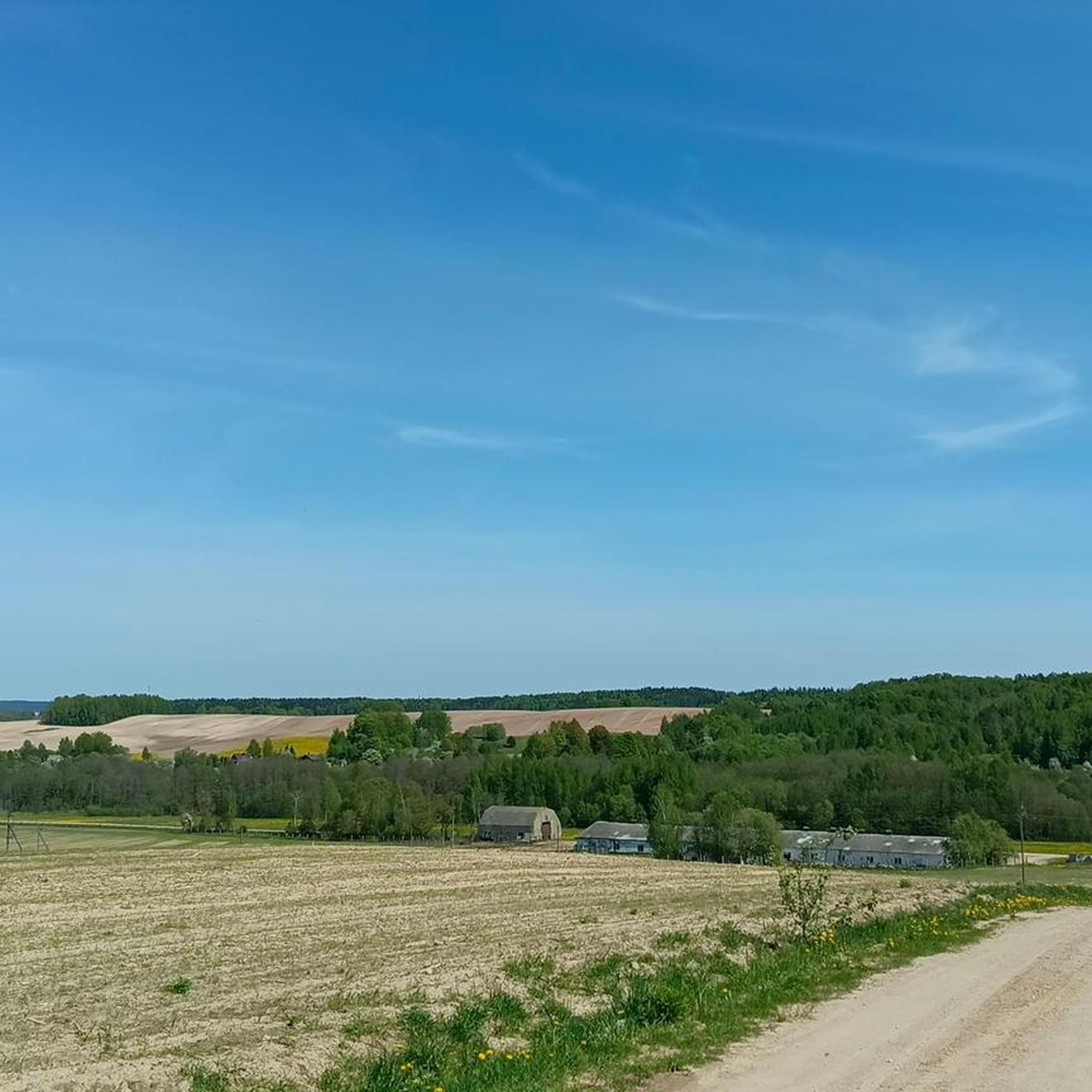
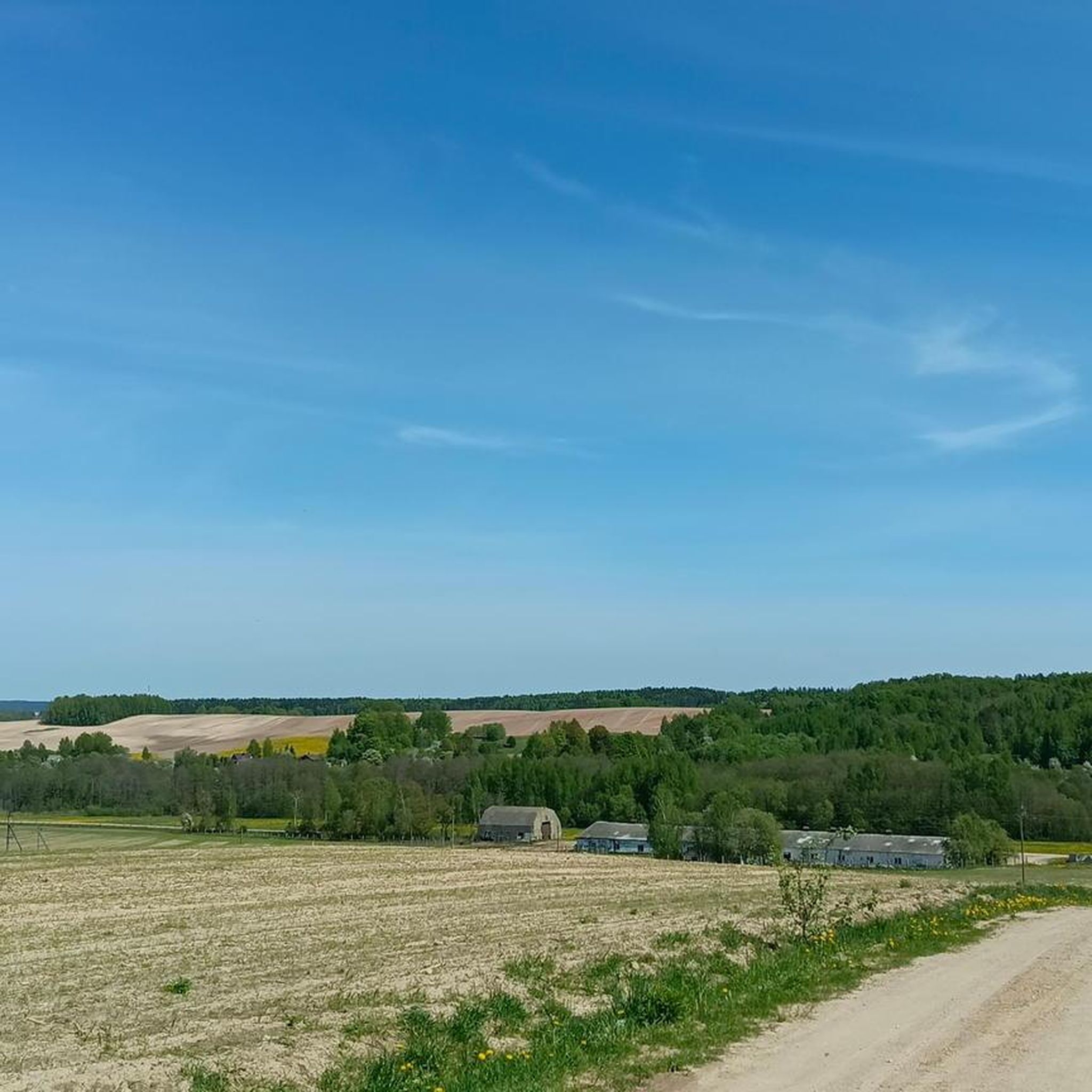
The Val Hillfort, also known as Zaslavl Castle, is an outstanding archaeological site from the 11th and 12th centuries. It is located in the town of Zaslavl, one of the oldest settlements in Belarus. In the Middle Ages, this site housed a "detinets"—the central fortified part of the town of Izyaslavl, founded in the late 10th century. The hillfort's defensive system included earthen ramparts 3-3.5 meters high, constructed of sand and reinforced on the inside with clay and stones. In some areas, wooden structures were used to enhance the fortress's defenses. The ramparts housed the entrance gates—the Great and Small Gates. For additional protection, a moat was dug around the fortress, and an artificial lake was created using the waters of the Svisloch River, which were held back by dams.
1
0

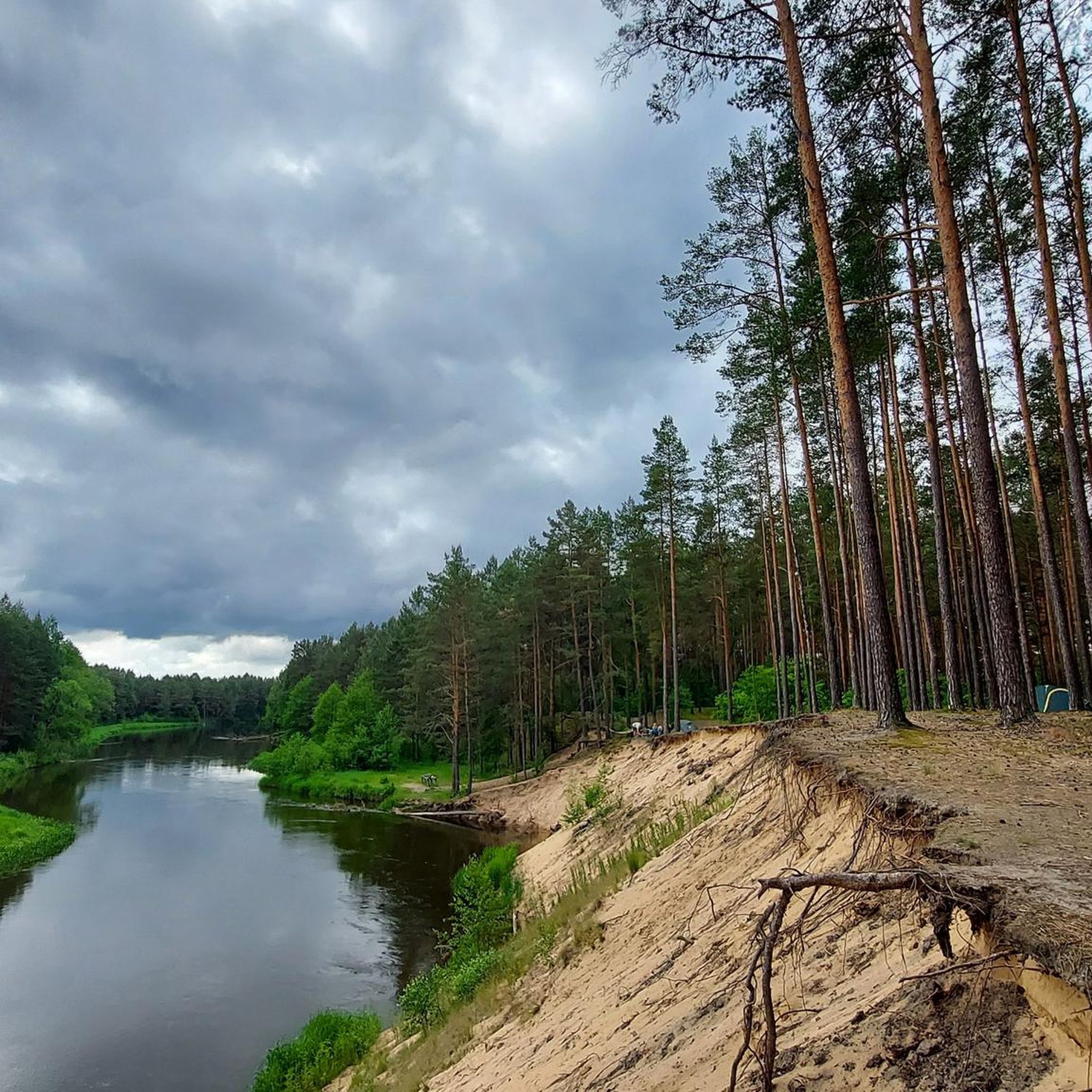
In the 12th century, a wooden castle-fortress appeared, which stood until the 18th century and protected the city from enemies. In the middle of the 19th century, new stone buildings were erected on the site of the old, already rather rotten buildings, and the castle itself began to serve as a prison. After the First and Second World Wars, the castle buildings were badly damaged, abandoned and began to crumble. Unfortunately, by now only small ruins with bars in the window openings, part of the brick fence and old ditches have survived.
0
0

A magnificent castle and park ensemble. Included in the UNESCO World Heritage List.
0
0

Abandoned treasury building at the Chapsky estate
1
0

In fact, everything is deplorable, there is nothing to look at (((
0
0
Unfortunately, the palace is currently closed to the public. Everything is fenced in, there is rubbish all around, empty bottles. You cannot ride in the park.
0
0

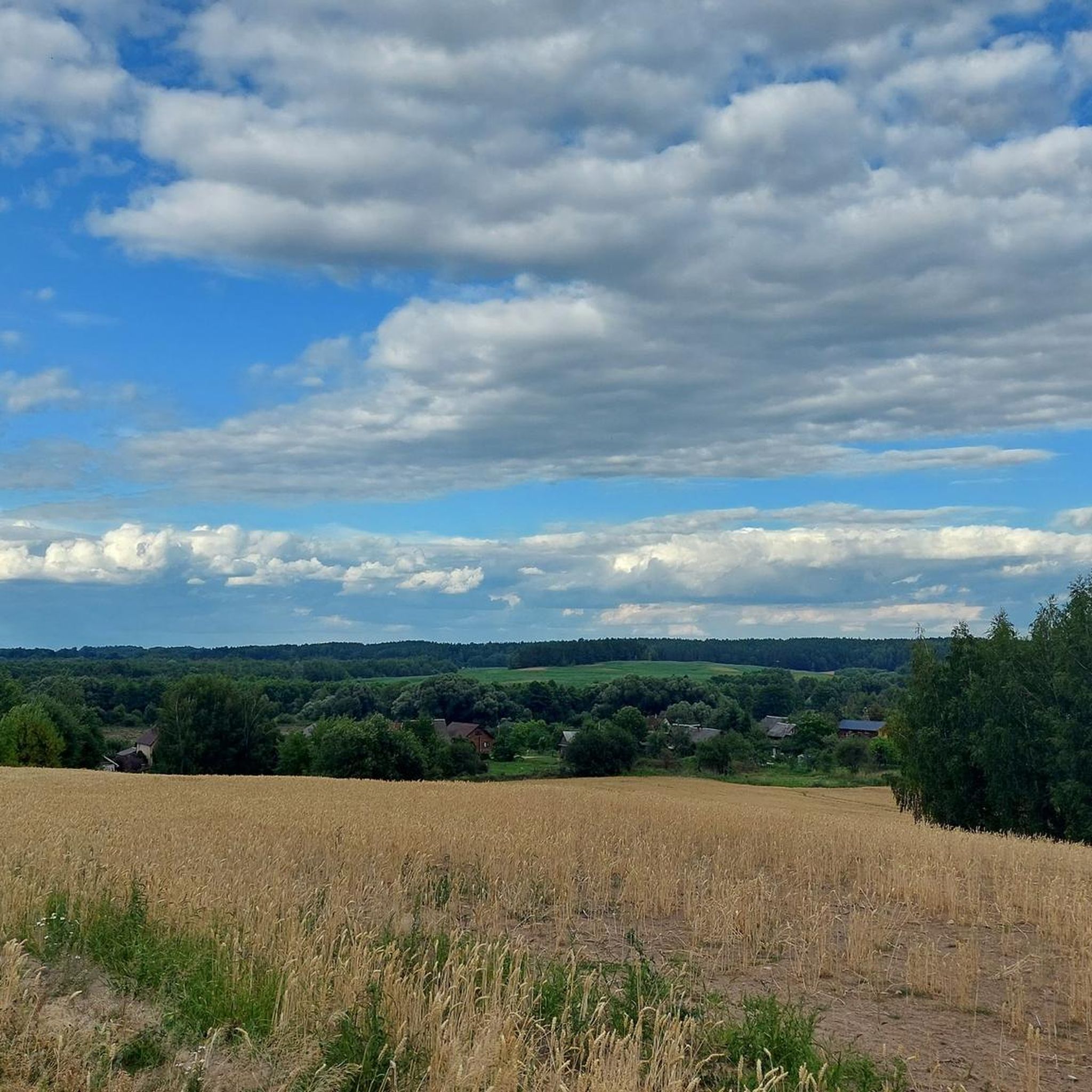
The palace and park complex of Moniuszko is a monument of architecture of the XIX - early XX centuries of pseudo-Gothic and Neo-Gothic style with elements of modernism. Built in g.p. Smilovichi (Cherven district) on the site of the castle of the XVI century. Included two palaces, a number of buildings, a landscape park (partially preserved). As of July 2021, it is closed and under reconstruction. The territory is fenced without access.
0
0
Frequently Asked Questions
What are the most historically significant castles in the Minsk Region?
The Minsk Region is home to several historical sites, but the most prominent castles are Nesvizh Castle and Mir Castle. Both are UNESCO World Heritage Sites, offering deep insights into the region's past and aristocratic heritage. Nesvizh Castle was the main residence of the powerful Radziwiłł family, while Mir Castle, though technically in the Grodno Region, is frequently visited alongside Nesvizh due to its historical connections and proximity.
What is the best time of year to visit castles in the Minsk Region?
The best time to visit castles in the Minsk Region generally depends on your preferences. Spring and summer (May to September) offer pleasant weather for exploring the castle grounds and parks, with Nesvizh Castle's gardens being particularly vibrant. During these months, you might also catch historical festivals or outdoor performances. Winter visits can offer a unique, picturesque experience, especially if there's snow, though some outdoor activities might be limited.
Are there family-friendly castles to visit in the Minsk Region?
Yes, Nesvizh Castle is listed as family-friendly. Both Nesvizh and Mir Castles offer engaging experiences for families, with extensive grounds to explore, museum exhibits, and often host interactive performances or events that can appeal to children. The spacious parks surrounding these castles provide ample space for families to enjoy.
How long should I plan for a visit to the main castles?
For a comprehensive visit to Nesvizh Castle, including the opulent interiors and expansive park, you should plan at least half a day, if not a full day. Mir Castle also warrants a significant amount of time, with its 39 exhibition halls and picturesque setting. Many visitors combine both Nesvizh and Mir Castles into a full-day trip from Minsk due to their proximity and historical significance.
What outdoor activities can I do near the castles in the Minsk Region?
While the castles themselves are the main attraction, the surrounding Minsk Region offers various outdoor activities. You can find numerous hiking and cycling routes. For example, there are several hikes from bus stations in Minsk Region, including easy to moderate routes like the Tsna River Promenade loop. If you prefer cycling, explore traffic-free bike rides or more challenging MTB trails in the region.
Are there any lesser-known historical sites or castle ruins in the Minsk Region?
Beyond the famous UNESCO sites, the Minsk Region has other historical remnants. The Val Hillfort (Zaslavl Castle) is an outstanding archaeological site from the 11th-12th centuries, featuring earthen ramparts and moats. You can also find the Zamchishcha Castle Ruins, which are remnants of a wooden castle-fortress that stood until the 18th century, though little remains today.
What are the accommodation options near the castles?
Both Nesvizh Castle and Mir Castle offer unique accommodation options directly within their complexes. Nesvizh Castle has a hotel, allowing visitors to stay overnight in the historic setting. Mir Castle also provides a hotel for guests. Additionally, there are guesthouses and hotels in the nearby towns for those looking for alternative lodging.
Can I find food and drink options at or near the castles?
Yes, both Nesvizh Castle and Mir Castle have facilities for visitors. Mir Castle features a restaurant and a souvenir shop. Nesvizh Castle also has dining options available. In the towns surrounding these castles, you'll find local cafes and restaurants offering Belarusian cuisine.
Is public transport available to reach the castles?
Public transport options are available to reach the main castles. Buses and marshrutkas (minibuses) connect Minsk with Nesvizh and Mir. It's advisable to check current schedules and routes in advance, as services might vary. For Nesvizh Castle, public transport typically drops you in the town of Nesvizh, from where the castle is a short walk or taxi ride.
Are the castles wheelchair accessible?
While historical sites often present accessibility challenges, significant efforts have been made at the major UNESCO sites. Nesvizh Castle and Mir Castle have undergone extensive restoration, which often includes improving accessibility for visitors. However, it's recommended to contact the specific castle administration directly for detailed information regarding wheelchair access to all areas, including interiors and park grounds, as some older sections might still have limitations.
What makes Nesvizh Castle unique compared to Mir Castle?
Nesvizh Castle is renowned for its magnificent palace and park ensemble, showcasing a blend of Renaissance, Baroque, and other architectural styles, reflecting its role as the opulent residence of the Radziwiłł family. It features lavish interiors and extensive landscaped gardens. Mir Castle, on the other hand, is a 16th-century fortification, an outstanding example of defense architecture blending Gothic, Renaissance, and Baroque styles, known for its distinctive towers and picturesque reflection on the adjacent pond. Both are UNESCO sites, but Nesvizh emphasizes palatial grandeur and parkland, while Mir highlights defensive architecture and a more compact, fortified design.
Most popular routes in Minsk Region
Most popular attractions in Minsk Region

Get inspired with the komoot mobile app


Explore more
Looking for the best castles somewhere else? Discover other guides in Minsk Region:
