Top 19 Natural Monuments in Minsk Region
Natural monuments in Minsk Region showcase a diverse landscape of ancient geological formations, expansive forest reserves, and serene water bodies. The region's natural features include significant glacial boulders, ancient trees, and hydrological sites. These locations offer insights into the area's natural history and varied ecosystems. Minsk Region provides opportunities to explore both well-known natural landmarks and lesser-known geological and botanical sites.
Best natural monuments in Minsk Region
- The most popular natural monuments is The Grand Oak of Karpilovka, a…
Last updated: July 10, 2026
Dubrava Nature Monument
Highlight • Natural Monument
Tip by

Yutskovsky Spring
Highlight • Natural
Translated by Google •
Tip by

Sign up now to discover places like this
Get recommendations on the best single tracks, peaks, & plenty of other exciting outdoor places.
Sign up for free
Berkava Spring
Highlight • Natural Monument
Tip by
The Grand Oak of Karpilovka
Highlight • Natural Monument
Translated by Google •
Tip by

Glacial Boulder 'Stone of Love'
Highlight • Natural Monument
Translated by Google •
Tip by
Memorial Boulder of the Minsk Hillfort
Highlight • Monument
Translated by Google •
Tip by

Holy spring in Rakov
Highlight • Natural Monument
Translated by Google •
Tip by
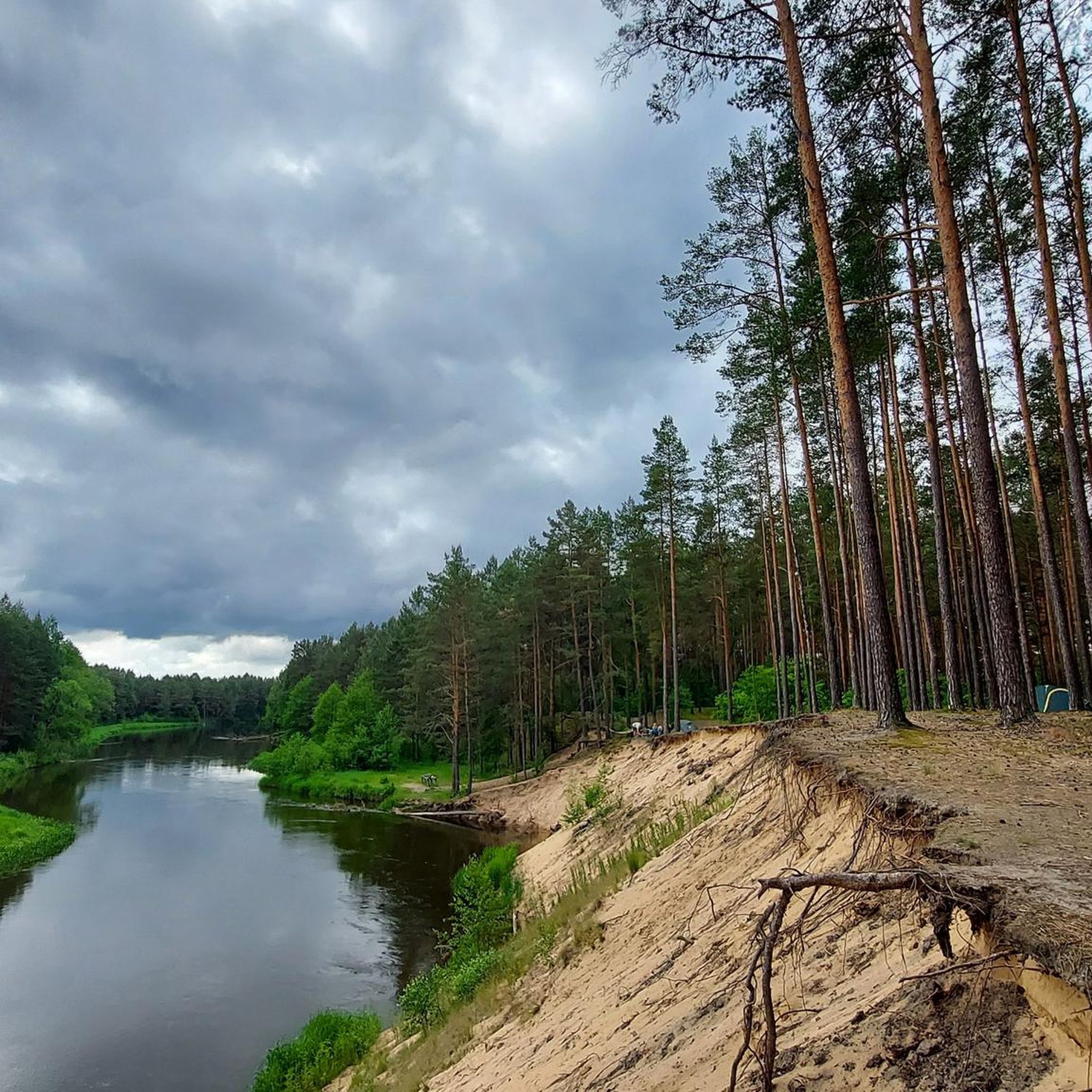
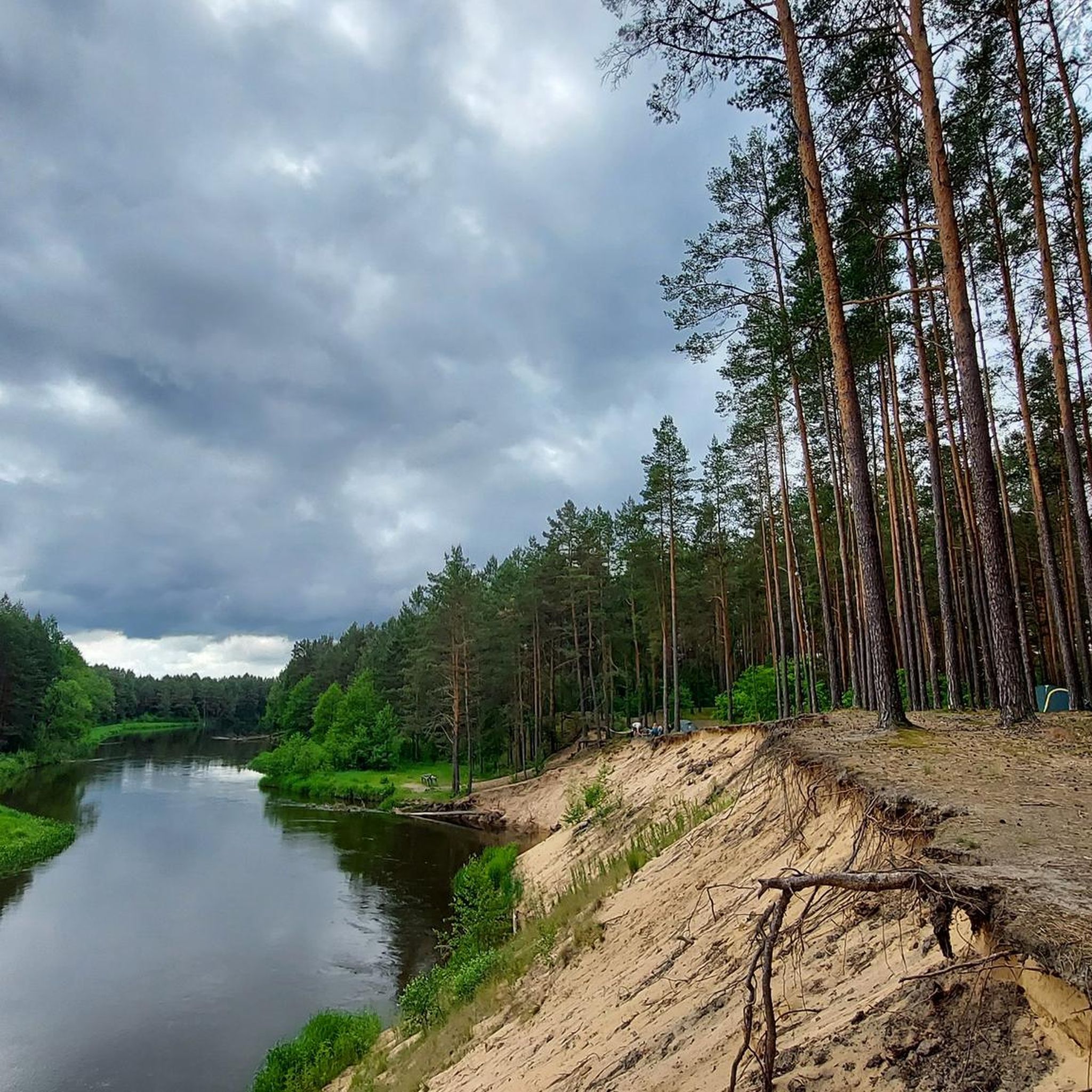
Camping on the high banks of the Islach River
Highlight • Rest Area
Даўжыня 102 км. Плошча вадазбору 1330 км². Сярэднегадавы расход вады ў вусці каля 10 м³/с. Сярэдні нахіл воднай паверхні 1,9 ‰.
be.wikipedia.org/wikiІслач
Tip by
St. Nicholas Spring
Highlight • Natural Monument
Translated by Google •
Tip by
Vorotishin Cross Boulder
Highlight • Monument
Translated by Google •
Tip by
Sign up for free to discover even more natural monuments in Minsk Region.
Sign up for free
Already have an account?
Start today with a free account
Your next adventure awaits.
Login or Signup
Tips from the Community

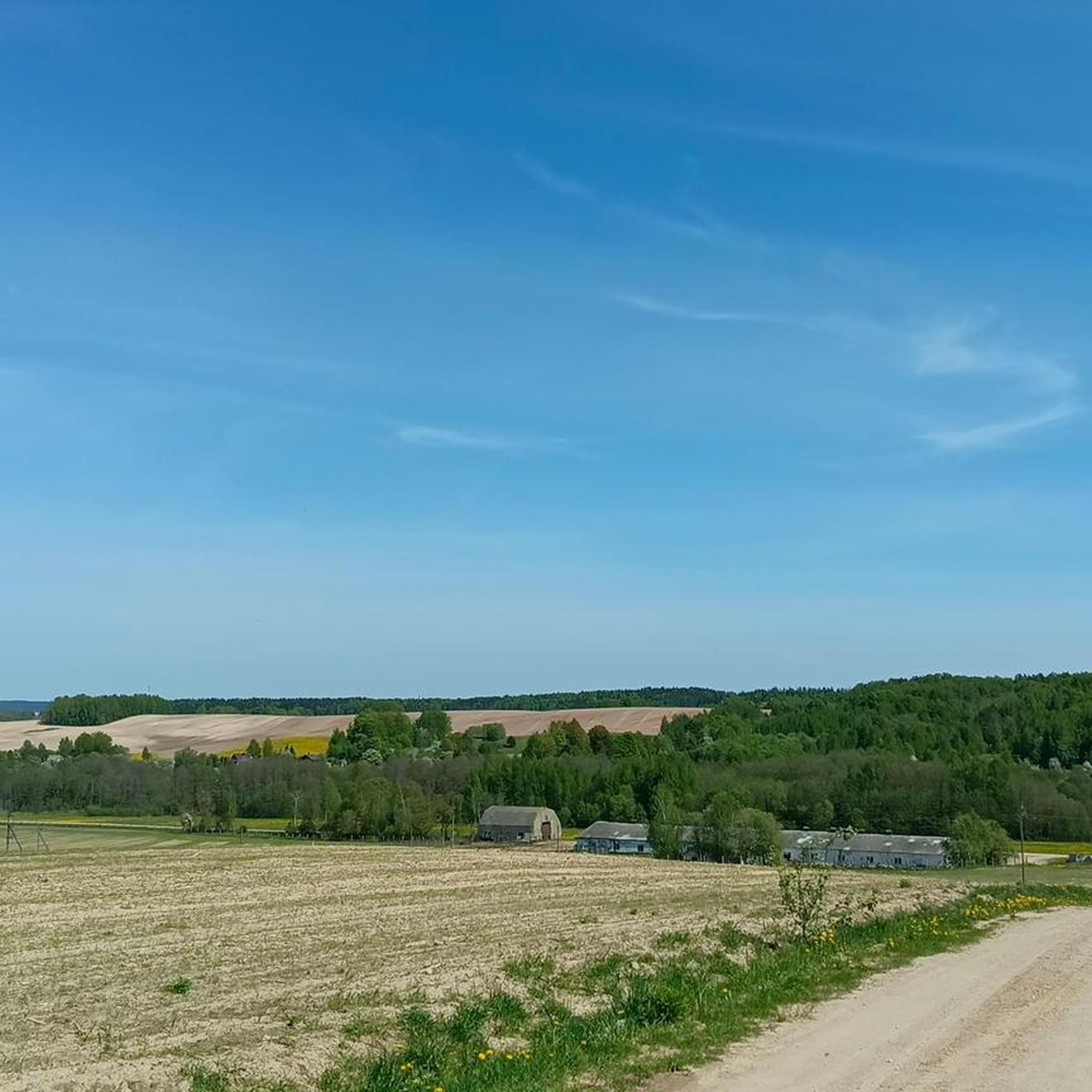
Изначально этот природный объект находился во владении местного землевладельца Яна Леймана, родившегося в 1894 году. В 1931 году его репрессировали во время кампании по раскулачиванию и вместе с семьей принудительно выслали в Пермскую область. Реабилитировали в 1993 году. Чистой водой из этого родника на протяжении десятилетий активно пользовалось несколько поколений местных жителей. После постройки центрального водопровода в 2010 году люди перестали брать воду из родника, из-за чего уникальный природный источник постепенно пришел в запустение. В 2021 году, благодаря инициативе энтузиастов и финансовой помощи жителей близлежащих деревень, стартовали работы по реконструкции. Активисты провели благоустройство прилегающей территории. Комплексное научное исследование Института природопользования НАН Беларуси подтвердило эталонное качество ресурса, зафиксировав оптимальные химические характеристики воды с уровнем кислотности pH 7,38.
1
0

Здоровенный и форме сердца. В этом что-то есть
0
0
Очень красивых родник, который расположен в живописном овраге. Есть небольшая беседка, где можно отдохнуть и охладиться в жаркий день.
0
0
Щомыслицкая дубрава, Дубрава «Щомыслицкая», также — Дубрава (бел. Шчомысліцкая дубрава) — дубрава в Белоруссии, расположенная к северу от агрогородка Щомыслица Минского района Минской области (непосредственно граничит с территорией Минска), ботанический памятник природы республиканского значения. Возникла как исследовательский дендропарк с большим количеством местных и интродуцированных видов растений. Помимо природоохранных функций, используется как дендропарк учебного ботанического сада Биологического факультета БГУ, расположенного через дорогу. https://ru.wikipedia.org/wiki/Щомыслицкая_дубрава
1
0
І́слач — рака ў Мінскай і Гродзенскай абласцях Беларусі, левы прыток Заходняй Бярэзіны (басейн Нёмана). Даўжыня 102 км. Плошча вадазбору 1330 км². Сярэднегадавы расход вады ў вусці каля 10 м³/с. Сярэдні нахіл воднай паверхні 1,9 ‰. https://be.wikipedia.org/wiki/Іслач
1
0
Гидрологический памятник природы республиканского значения «родник Юцковский». Комплекс родников. Находится в узком глубоком овраге, поросший лесом. Родник вытекает из холма в лесу и бежит вниз по склонам, образуя на своем пути небольшие природные водопады. Питание за счет атмосферных осадков. К родникам ведёт стальная лестница. Посередине оврага имеется беседка. Выходы родников оборудованы желобами. Вода относится к гидрокарбонатному классу кальциевой группы. Количество нитритов не превышает предельно допустимой концентрации. Вода пресная и пригодна для питья.
1
0

August 2025, everything is in its place, the area around the stone is clean and tidy. Judging by the tracks, people like to come here on quad bikes and dirt bikes.
0
0
End of August 2025, was covered with leaves, never collected water for the road. Visually neat place, I like to drive through it.
0
0
Frequently Asked Questions
What are some unique geological natural monuments in the Minsk Region?
The Minsk Region features several unique geological sites. The Glacial Boulder 'Stone of Love', weighing about 22 tons, is approximately 150,000 years old and believed to have been brought from Scandinavia by a glacier. Another significant site is the Zaslavl Outcrop, which holds scientific value for studying glacial relief. Additionally, Mount 'Zamechek' in the Volozhin district is a moraine hill formed around 220,000 years ago, showcasing the region's ancient glacial past.
Are there any natural monuments with historical or cultural significance?
Yes, several natural monuments in the Minsk Region have historical and cultural ties. The Memorial Boulder of the Minsk Hillfort is a huge boulder with engraved text marking the site of a 10th-century settlement on the Menka River. The Vorotishin Cross Boulder is a monumental monument of ancient Russian epigraphy from the 12th century. The 'Stone of Love' also has pagan myths and rituals associated with it, believed to help reunite soulmates.
What are the best natural monuments for experiencing ancient trees and forests?
For ancient trees and forests, visit The Grand Oak of Karpilovka, a 600-year-old oak tree with literary connections. The 'Shhomyslitskaya' Oak Grove is a fifty-year-old botanical monument with impressive trees, some reaching one meter in trunk diameter. The Oak Tree on the Bank of the Isloch River, within the Naliboksky Forest, is recognized as one of the oldest trees in Belarus. The former summer residence of the Radziwills in Kletsk district also features a late 18th-century landscape park with trees exceeding 200 years in age.
Are there any natural monuments related to water or springs?
The Minsk Region offers several hydrological natural monuments. The 'Saint Wells' complex of springs features an ecological trail that winds alongside its waters. The Holy Spring of Rakov, known since the 15th century, is believed to have healing properties, particularly for eye diseases. You can also visit Yutkovskiye Springs and St. Nicholas Spring for tranquil natural spring experiences.
What outdoor activities can I do near these natural monuments?
The Minsk Region offers various outdoor activities. For gravel biking, you can explore routes like the 'Hochtal Eco Trail' or the 'Sandy Beach on the Minsk Sea' loop. Hikers can enjoy trails such as the 'Blue Lakes Entrance' loop or the 'View of Lake Mertvoye' in Narochansky National Park. Running enthusiasts have options like the 'Vitruvian Man Mural' loop. For more details on routes and their difficulty, refer to the Gravel biking in Minsk Region, Hiking in Minsk Region, and Running Trails in Minsk Region guides.
Are there family-friendly natural monuments in Minsk Region?
Yes, several natural monuments are suitable for families. The Memorial Boulder of the Minsk Hillfort and the Holy Spring of Rakov are listed as family-friendly. The Minsk Sea (Zaslavl Water Reservoir) is also a popular recreational area near the capital, offering water-based activities and relaxation for all ages.
Where can I experience significant biodiversity and wildlife in the region?
For rich biodiversity and wildlife, the Naliboksky National Landscape Reserve is an excellent choice. This vast forest reserve features swamps, dunes, and mixed forests, serving as a haven for wildlife including bison, bears, wolves, and lynxes, as well as rare plant and bird species. While slightly further afield, the Berezinsky Biosphere Reserve is unique for encompassing four distinct ecosystems and is the only place in Europe where the 'European big five' large mammals can be found together.
What is the best time to visit the natural monuments in Minsk Region?
The best time to visit depends on your interests. Spring and autumn offer pleasant temperatures for hiking and exploring forests like the 'Shhomyslitskaya' Oak Grove. Summer is ideal for water-based activities at the Minsk Sea or exploring the lakes of Narochansky National Park. Winter can provide a unique, serene experience, especially for geological sites like the 'Stone of Love' or Mount 'Zamechek', though some trails might be less accessible.
Are there any unique natural landscapes formed by human activity?
Yes, the Salt Mountains in the Soligorsk District are a striking example of natural landscapes influenced by human activity. These unique formations are the result of centuries of natural sediment accumulation and subsequent salt extraction. They feature majestic white slopes, intricate landforms, and even small salt caves and grottoes, offering a fascinating and unusual visual experience.
What are some notable natural features within Narochansky National Park?
Narochansky National Park, partly accessible from the Minsk Region, is renowned for its numerous lakes, including Naroch Lake (the largest natural body of water in Belarus), Bolduk, Glublya, Glubelka, and the mysterious Dead Lake. Its clean ecosystem supports dozens of rare plants and rich biodiversity. The park is also known for its healing waters, mud springs, and pleasant climate, making it a popular health resort.
What kind of natural monuments are appreciated by the komoot community in Minsk Region?
The komoot community appreciates a diverse range of natural monuments in the Minsk Region. Highlights like the Grand Oak of Karpilovka, the Memorial Boulder of the Minsk Hillfort, and the Glacial Boulder 'Stone of Love' are particularly popular, receiving upvotes and shared photos from visitors. These sites offer a mix of ancient trees, historical significance, and unique geological formations.
Most popular routes in Minsk Region
Most popular attractions in Minsk Region

Get inspired with the komoot mobile app


Explore more
Extend your search for the best caves by checking out these guides of the top ones in Minsk Region:
