Top 20 Natural Monuments in Michigan
Best natural monuments in Michigan feature diverse landscapes, from towering sand dunes along Lake Michigan to dramatic sandstone cliffs on Lake Superior. The state's geography includes extensive forests, freshwater springs, and significant waterfalls. These natural formations offer varied outdoor experiences across Michigan's Upper and Lower Peninsulas. The region provides numerous opportunities to explore unique geological features and natural habitats.
Best natural monuments in Michigan
- The most popular natural monuments is Arch Rock, a natural monument characterized by its limestone arch formation. This geological feature stands 146 feet above the shoreline on Mackinac Island.
- Another must-see spot is Sleeping Bear Dunes National Lakeshore, a natural monument with bluffs that tower over 450 feet above Lake Michigan. Visitors can expect extensive dune formations, forests, and beaches.
- Visitors also love Tahquamenon Lower Falls, a waterfall within a forest setting. This natural monument features a series of smaller cascades, creating a distinctive tiered waterfall that can be explored via boardwalks.
- Michigan is known for its diverse natural monuments, including sand dunes, waterfalls, and unique rock formations. The state offers a variety of natural monuments to see and explore, from coastal bluffs to inland springs.
- The natural monuments in Michigan are appreciated by the komoot community, with more than 25 upvotes and 8 photos shared by users.
Last updated: October 13, 2026
Arch Rock
Highlight • Natural Monument
Showing Translation
Tip by

Presque Isle Park
Highlight • Natural
The paved road loop is closed to cars 2 hours each day, that way cyclists can safely have the road to themselves. Check at the visitor's center to get the daily closure hours!
Tip by

Sign up now to discover places like this
Get recommendations on the best single tracks, peaks, & plenty of other exciting outdoor places.
Gallup Youth Fishing Pond
Highlight • Lake
Tip by

Sleeping Bear Dunes National Lakeshore
Highlight • Natural Monument
Tip by

Tahquamenon Lower Falls
Highlight • Waterfall
Tip by

William G. Milliken State Park
Highlight • Viewpoint
Tip by

View of Lake Michigan from the Sleeping Bear Point Trail
Highlight (Segment) • Viewpoint
Tip by
Chapel Rock
Highlight • Natural Monument
Tip by

Centennial Park Fountain
Highlight • Monument
In 1902 Teunis TenHouten, a Dutch Immigrant, donated a rustic 20 foot fountain of rock, which was placed at this facility. The fountain was designed and built by Johannes Van Lente. Underground restrooms were added in 1904. In 1907 the bandstand was built on top of the restrooms. 1988 Mayor Philip Tanis directed a Buy-a-Brick campaign that paved the walks in this park.
In 1991 the Holland Area Home Builders Association contributed a gazebo. Also, in 1991 the City of Holland installed Victorian lighting throughout the park to continue with the Victorian park theme of this facility.
History
Centennial Park was originally set aside as the village market area, but was redeveloped and dedicated to park use in 1876. This 5.6 acre park is located between 10th and 12th Streets and River and Central Avenues.
Tip by

Oval Beach
Highlight • Beach
saugatuckcity.com/oval-beach.html
Tip by

Sign up for free to discover even more natural monuments in Michigan.
Already have an account?
Start today with a free account
Your next adventure awaits.
Popular around Michigan
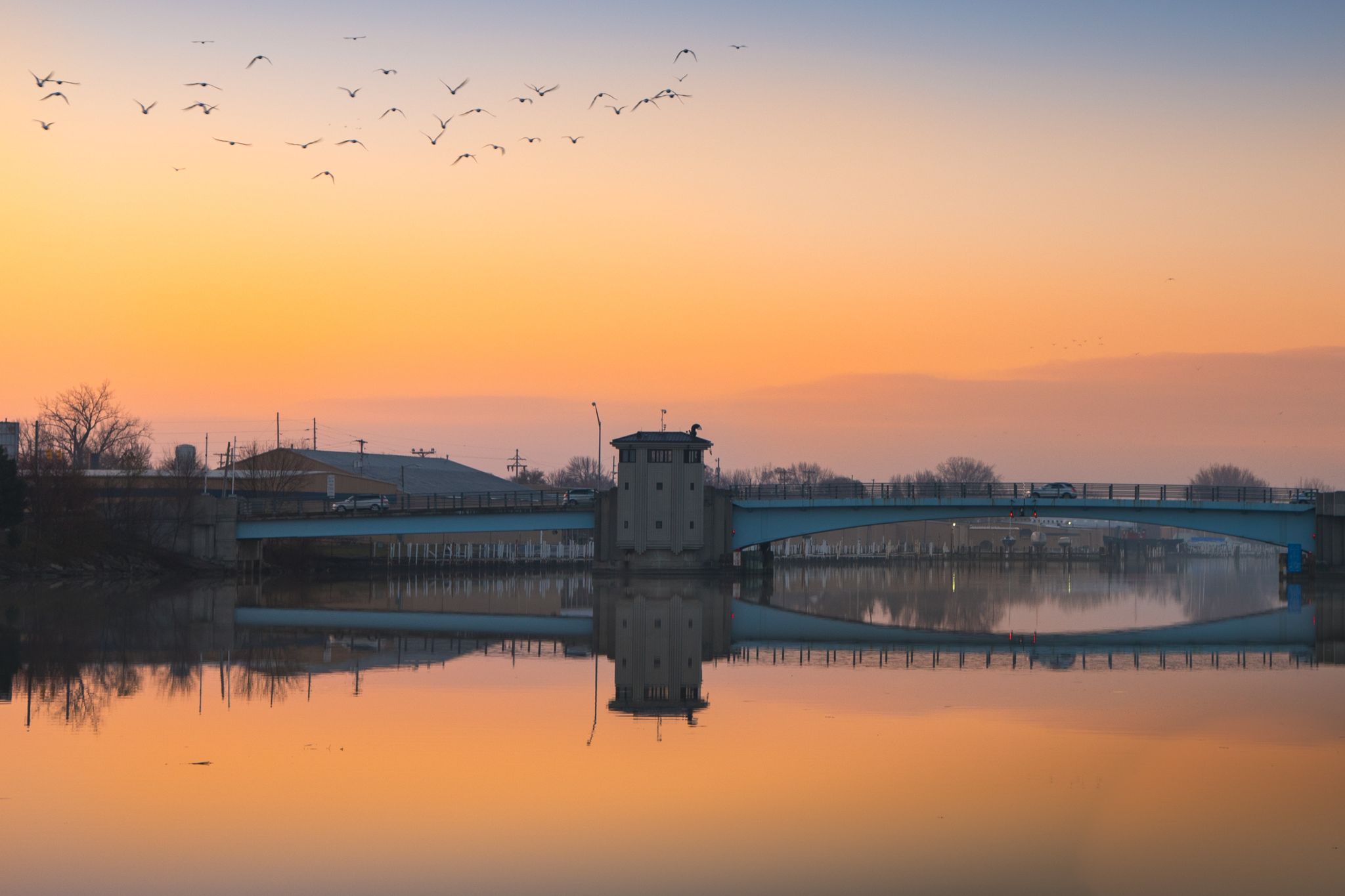
Iron Belle Trail — Cycling across the Wolverine State
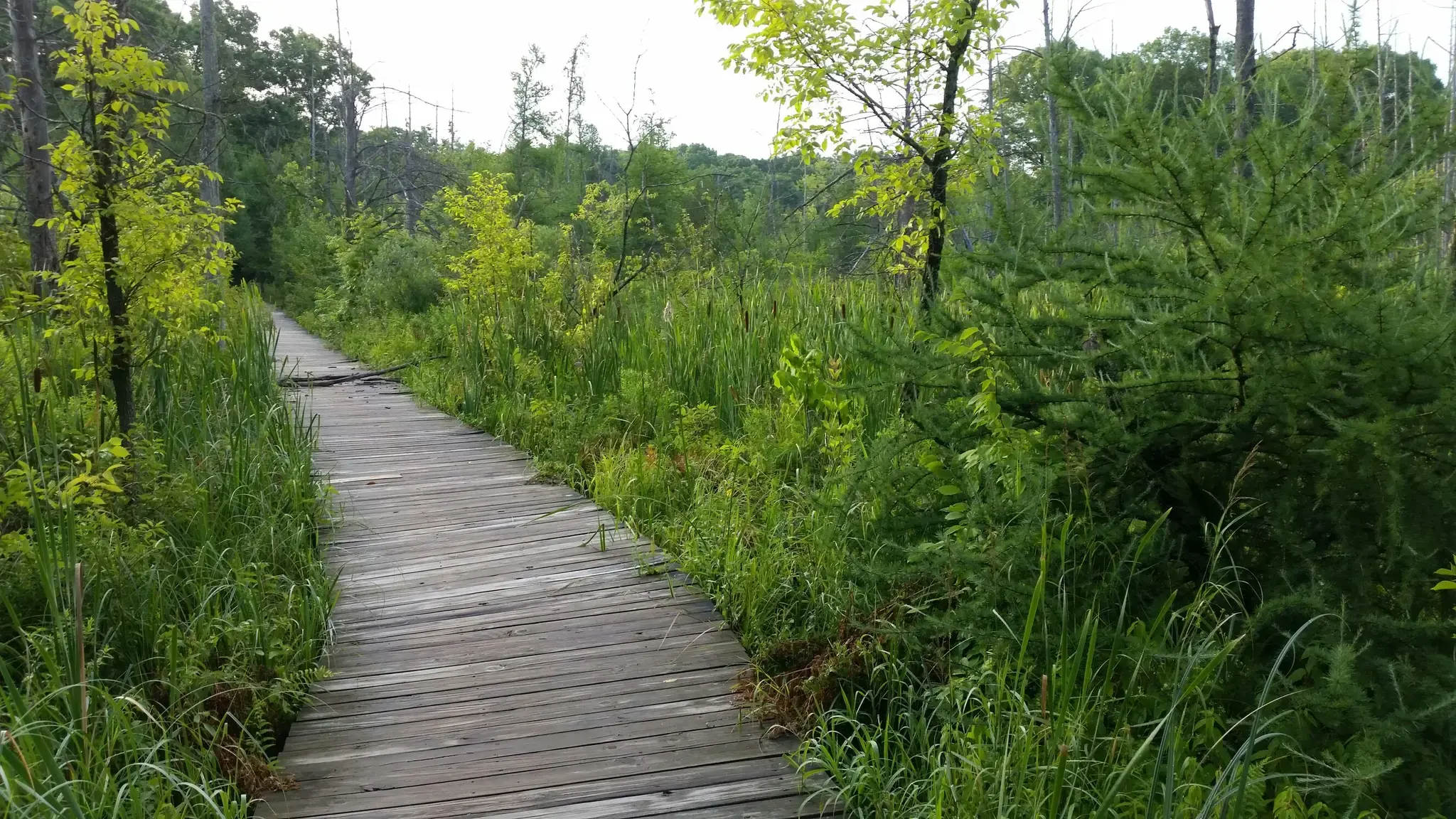
The Waterloo–Pinckney Trail — Hiking Michigan's Heartland
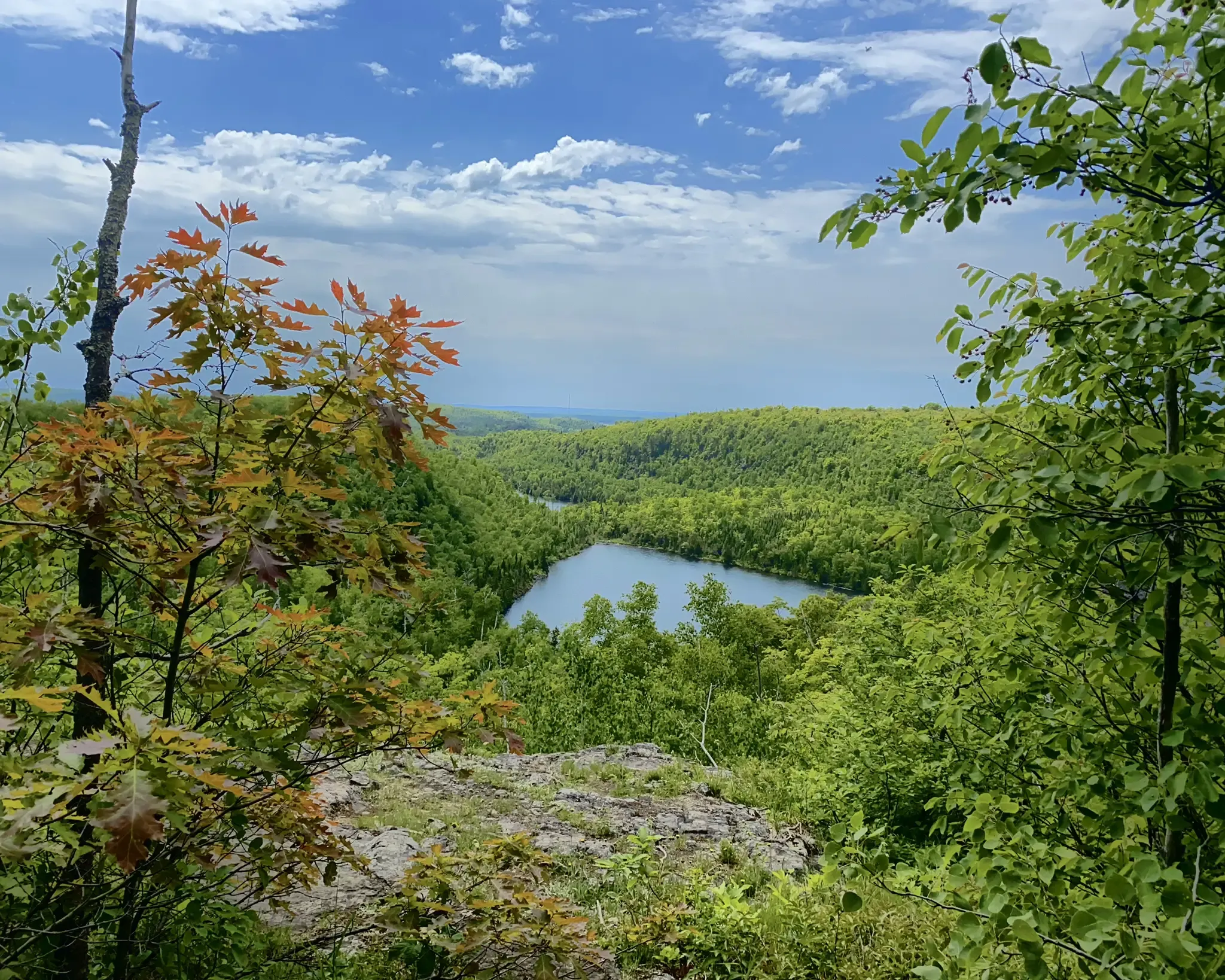
North Country Trail – 4,800 Miles along the edge of northern U.S.
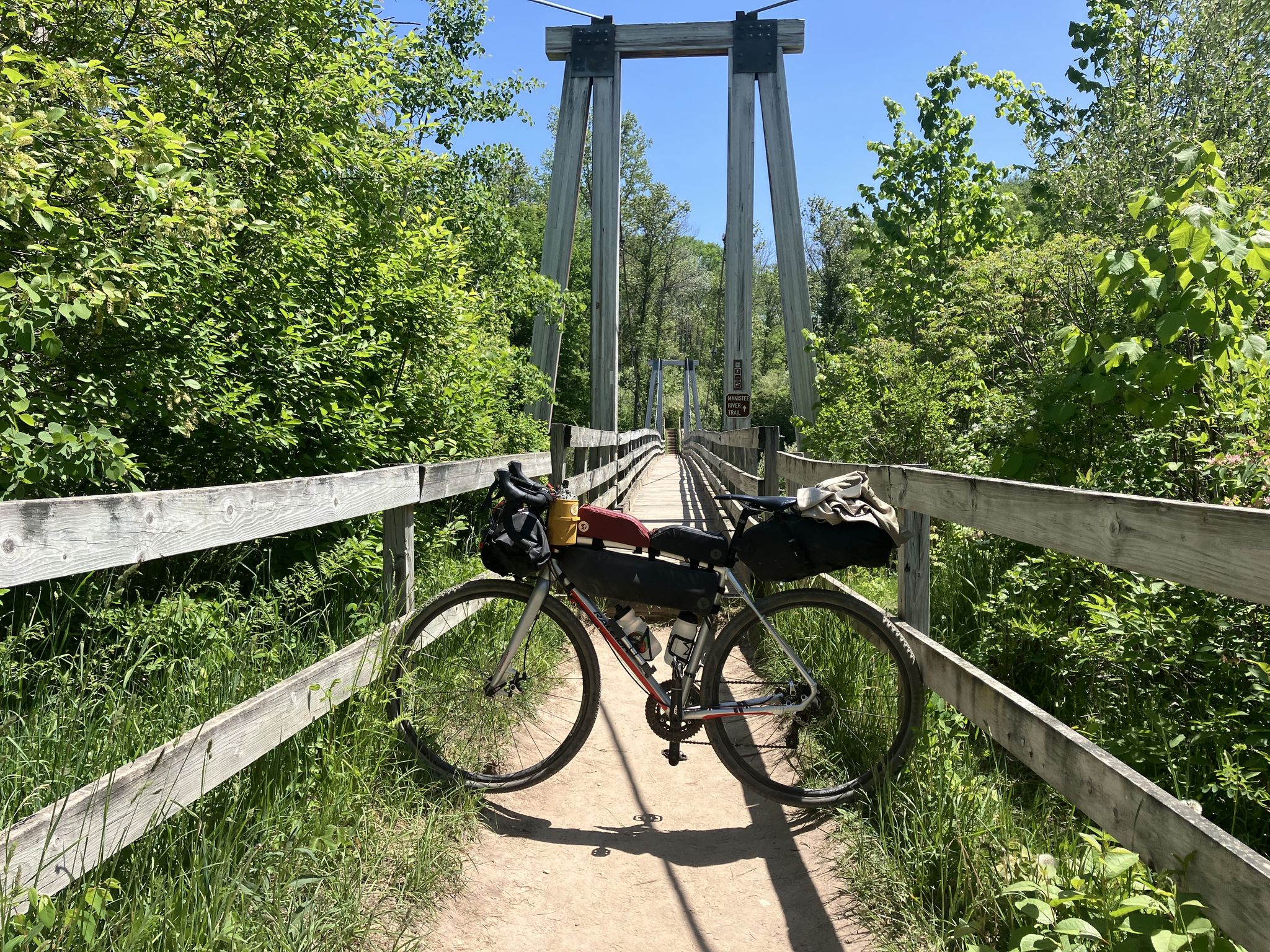
Bikepacking the Manistee River – A Reckoning on Returning

Around the World in 80 Days
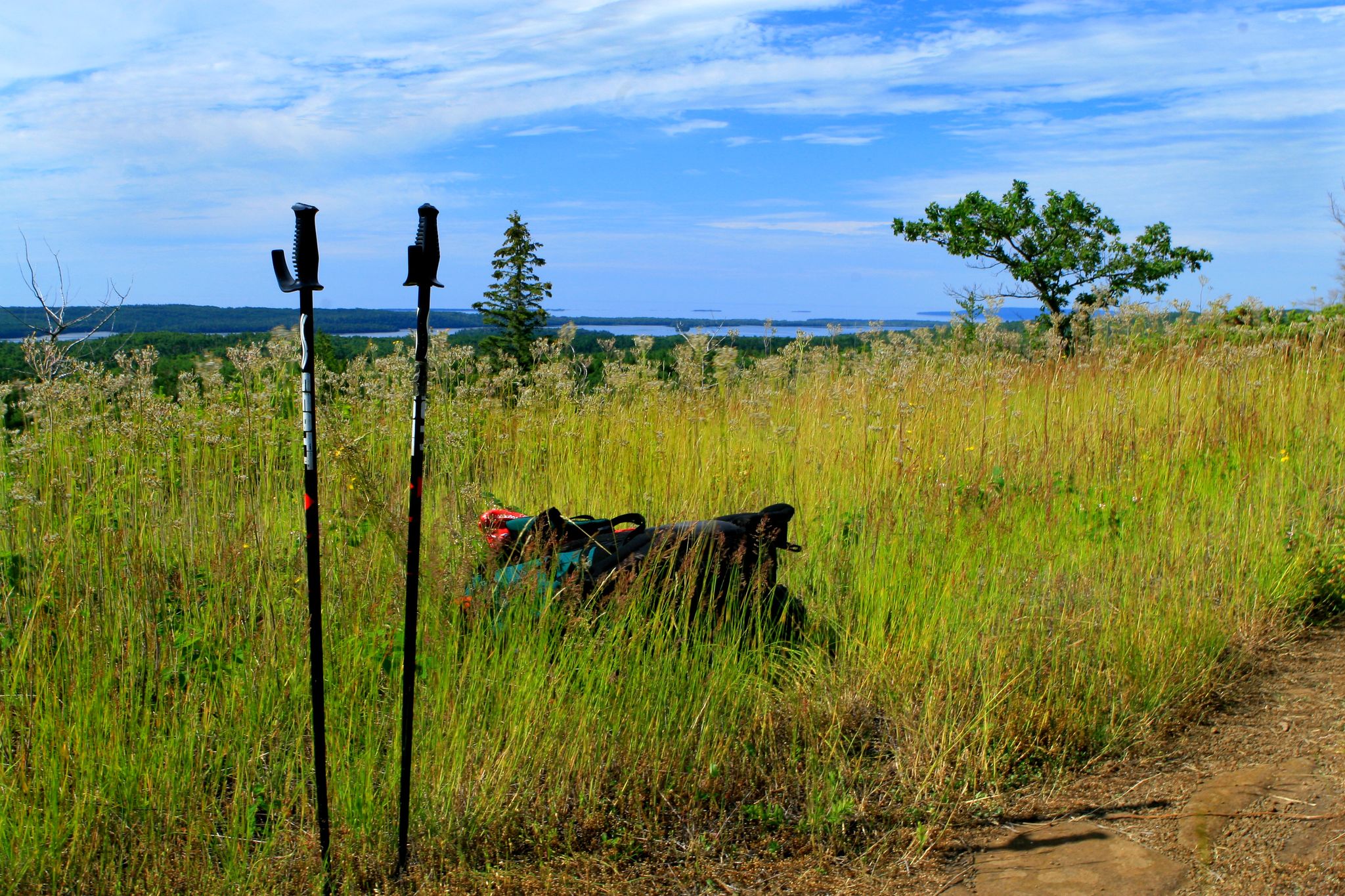
The Greenstone Ridge Trail – Across the heart of Isle Royale
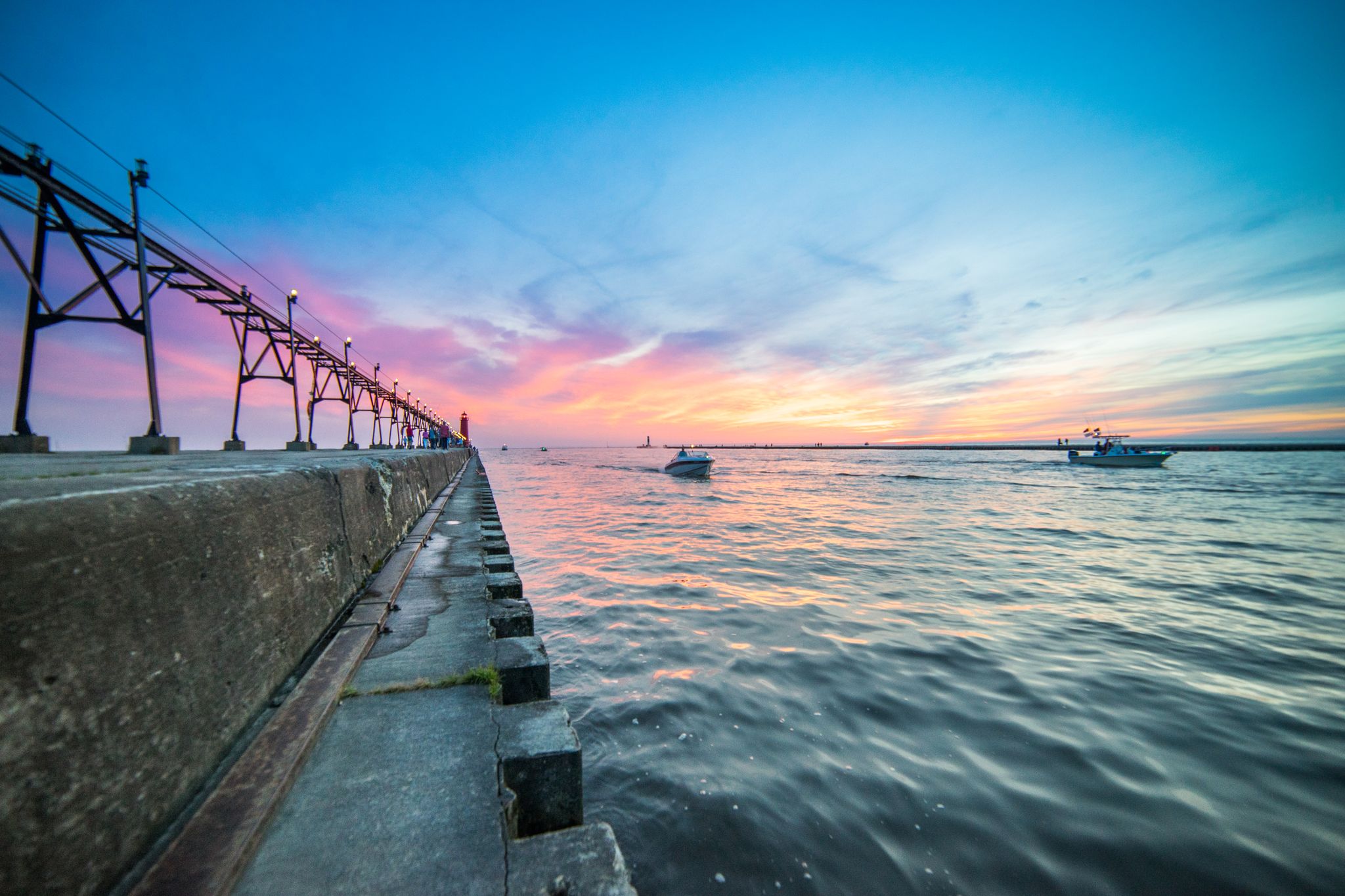
On the shores of the Great Lakes
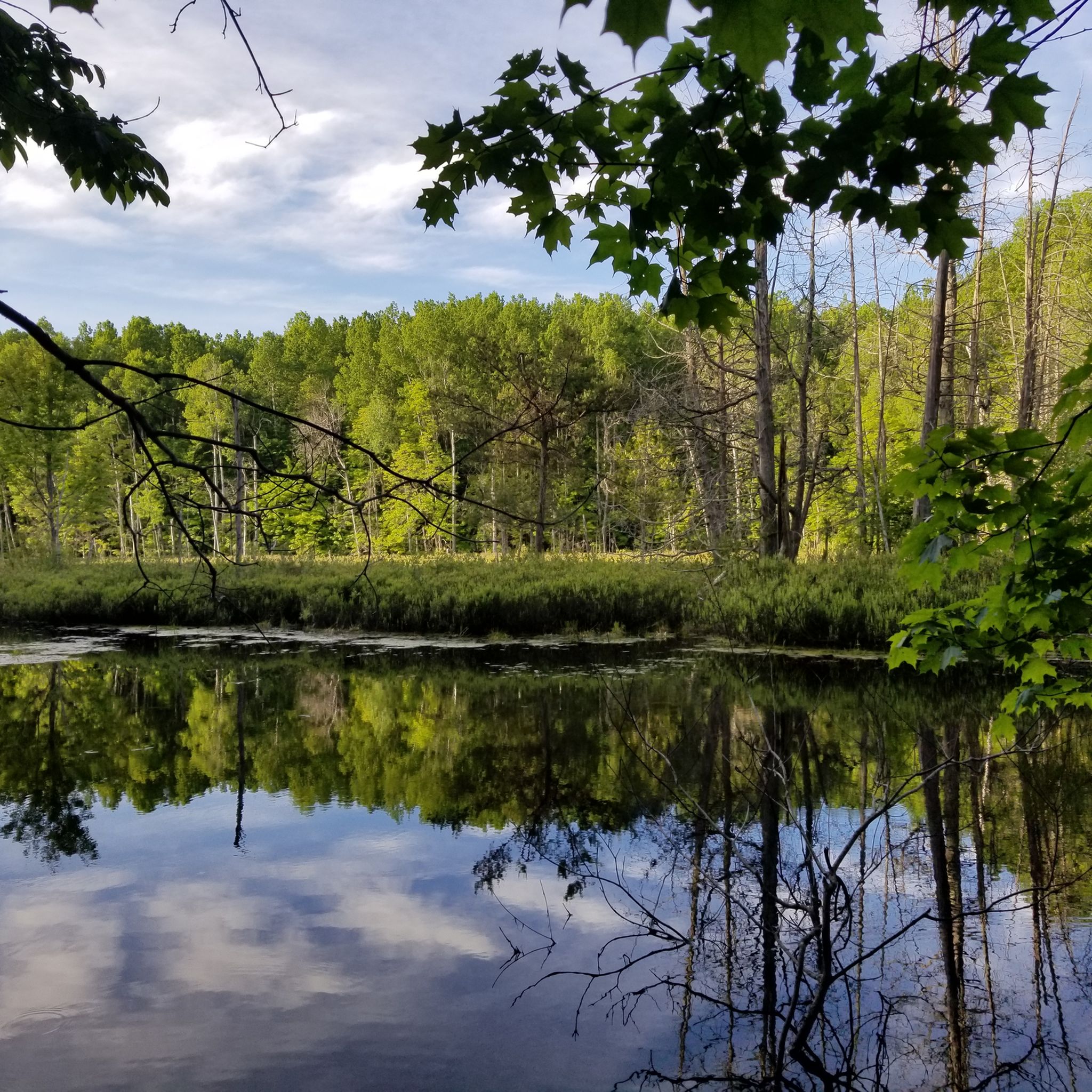
Hiking in Michigan
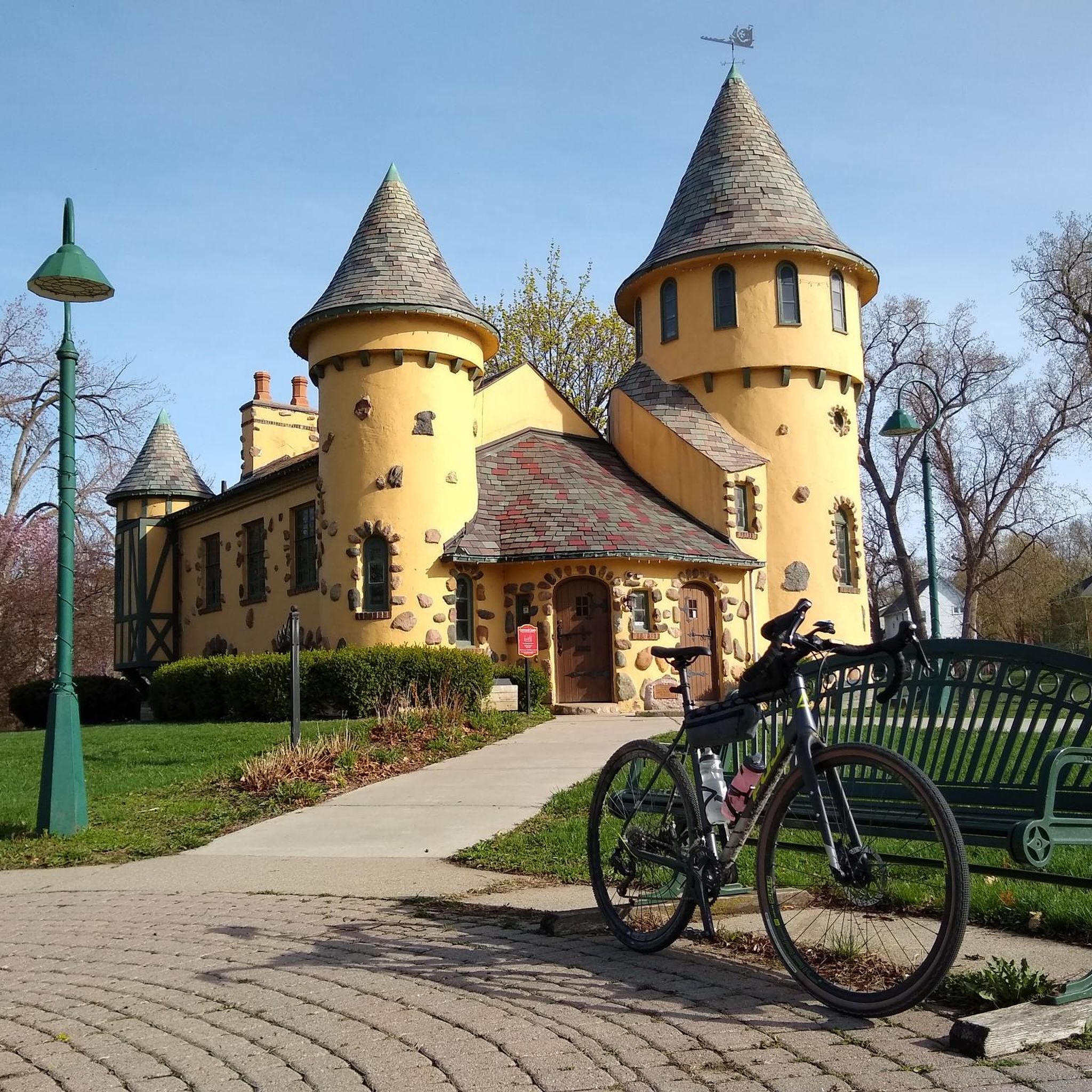
Cycling in Michigan
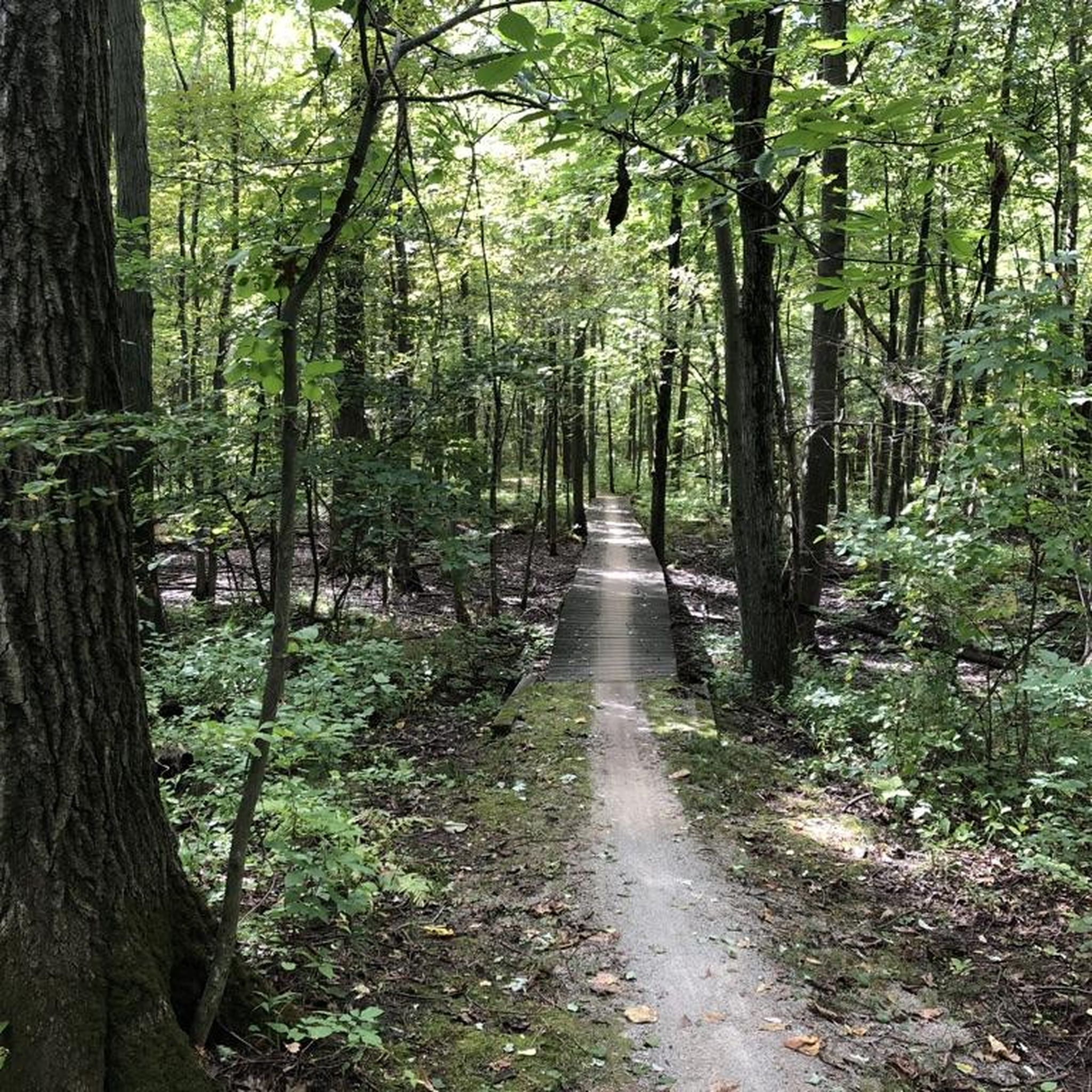
MTB Trails in Michigan
Other adventures in Michigan


Tips from the Community

The most famous of the island's rock formations, this arch juts out over the water and is more than fifty feet wide. It attracts the vast majority of tourists to the island and is accessible on foot, by taxi, by carriage, or by bicycle. It can also be viewed from below on the island's circumnavigation tour.
2
0

Very good views, without being very difficult to access. A good way to view the wildflowers in the srea and the nesting of bank swallows in the sand dune faces.
0
0

Nice pond in the middle of gallup park by the B2B. Fishing is very popular here in the summer.
0
0

Three Ann Arbor parks have been designated as wildlife sanctuary areas with limits placed on permitted activities there by City Council. The designations were given to Gallup Park, across the Huron River from Huron High School, Dolph Park, in the westside Lakewood subdivisión, and Bird Hills Park located in northern Ann Arbor off Newport Road. The wildlife sanctuary designations means no hunting or trapping of animals or waterfowl will be allowed. Also, in all three parks council prohibited group picnicking or any other use by groups of more than 10, except for natural history interpretation, to protect the areas. In Gallup Park, the new regulations designated the small lake there as a "youth fishing pond", meaning only youths and accompanying adults can fish here. In Dolph Park, family picnicking has been restricted to designated picnic areas. Also, use of the First and Second Sister Lakes has been restricted to fishing and motorless boating.
3
0

While the Tahquamenon Lower Falls are visible from the paved walkway, the most impressive view awaits those who venture onto the boardwalk. This path winds through dense coniferous forest, leading you to viewing platforms where the falls can be fully appreciated. Unlike the upper falls, the lower falls consist of a series of smaller cascades, creating a distinctive tiered waterfall that adds to the area's charm.
0
0

Nestled within Gallup Park in Ann Arbor, Michigan, the Gallup Youth Fishing Pond offers a serene spot for young anglers. Exclusively designated for youth fishing, accompanied by adults, it provides a unique experience. With its tranquil ambiance and special regulations, it's a cool destination for family outings.
1
0


Presque Isle Park is the crowned jewel for exploring nature in Marquette. The park features walking trails and paved roads for walking, driving, and biking. The isle stretches out into Lake Superior via some rocky outcrops and a breakwater, both of which you can walk out onto. The paved road loop is closed to cars 2 hours each day, that way cyclists can safely have the road to themselves. Check at the visitor's center to get the daily closure hours!
0
0
Frequently Asked Questions
What unique geological formations can I explore in Michigan's natural monuments?
Michigan is home to diverse geological wonders. You can witness the colossal dune formations and bluffs at Sleeping Bear Dunes National Lakeshore, which tower over Lake Michigan. The Upper Peninsula's Pictured Rocks National Lakeshore features vibrant sandstone cliffs, sea caves, and arches sculpted by Lake Superior. On Mackinac Island, discover the impressive limestone arch of Arch Rock and the towering Sugar Loaf stack. Additionally, Palms Book State Park hosts Kitch-iti-kipi, Michigan's largest freshwater spring, where you can observe fascinating underwater features through crystal-clear waters.
Are there family-friendly natural monuments in Michigan?
Yes, many natural monuments in Michigan are excellent for families. Tahquamenon Lower Falls offers boardwalks for easy viewing and opportunities to explore an island by rowboat. Mackinac Island, with its car-free environment, is perfect for biking and exploring sites like Arch Rock. Oval Beach provides a scenic beach experience, while Gallup Youth Fishing Pond is specifically designed for family fishing activities.
What are the best natural monuments in Michigan for scenic views?
For breathtaking vistas, Sleeping Bear Dunes National Lakeshore offers panoramic views from its towering bluffs over Lake Michigan. The Sleeping Bear Point Trail provides incredible views over the dunes and lake. Pictured Rocks National Lakeshore boasts dramatic cliffside views along Lake Superior, best experienced by boat or from its numerous hiking trails. Mackinac Island State Park also provides sweeping views of Lake Huron and the Straits of Mackinac from its high limestone bluffs.
What outdoor activities can I do near Michigan's natural monuments?
Michigan's natural monuments are surrounded by opportunities for outdoor adventure. You can find numerous hiking trails, including easy options like the Rosy Mound Natural Area Trail and the Chapel Rock Trail. For cycling enthusiasts, there are extensive routes for gravel biking and road cycling, such as the Polly Ann Trail and the Iron Belle Trail. Many parks also offer opportunities for swimming, kayaking, and wildlife viewing.
Are there any hidden gem natural monuments in Michigan worth visiting?
While many of Michigan's natural monuments are well-known, some offer a more secluded experience. Black Rocks, located in Marquette, provides a unique cliff-jumping experience into Lake Superior for the adventurous. Chapel Rock, within Pictured Rocks National Lakeshore, is a distinctive formation accessible via a scenic hike, offering a sense of discovery away from the main crowds. Palms Book State Park's Kitch-iti-kipi, with its self-propelled observation raft, offers a tranquil and unique natural spectacle.
What is the best time of year to visit Michigan's natural monuments?
The best time to visit Michigan's natural monuments largely depends on the activities you plan. Summer (June-August) is ideal for swimming, hiking, and enjoying the lakeshores. Fall (September-October) offers spectacular foliage, especially around areas like Tahquamenon Falls and Porcupine Mountains Wilderness State Park. Spring (April-May) brings blooming wildflowers and active wildlife. Winter (November-March) transforms many areas into snowy landscapes, suitable for activities like cross-country skiing, snowshoeing, and ice climbing at Pictured Rocks.
Can I find natural monuments with waterfalls in Michigan?
Absolutely. Michigan is renowned for its waterfalls, particularly in the Upper Peninsula. Tahquamenon Lower Falls, part of Tahquamenon Falls State Park, features a series of smaller cascades that can be explored via boardwalks. The park also hosts the dramatic Upper Tahquamenon Falls, Michigan's largest waterfall, known for its amber-colored water. Porcupine Mountains Wilderness State Park also contains several waterfalls amidst its dense forests.
Are there natural monuments in Michigan that are accessible for visitors with limited mobility?
While specific accessibility details vary, some natural monuments offer features for visitors with limited mobility. For instance, the boardwalks at Tahquamenon Lower Falls provide an accessible way to view the cascades. William G. Milliken State Park in Detroit, as Michigan's first urban state park, offers accessible pathways along the Detroit Riverfront with views of the city and river. It's always recommended to check the specific park's website for detailed accessibility information before your visit.
What kind of wildlife can I expect to see at Michigan's natural monuments?
Michigan's diverse natural monuments support a wide array of wildlife. At Tahquamenon Falls State Park, you might spot moose, black bears, and various bird species. Sleeping Bear Dunes National Lakeshore provides critical habitats for rare, threatened, and endangered species. Isle Royale National Park, a remote wilderness island, is famous for its moose and wolf populations. Many areas are also home to white-tailed deer, foxes, and a variety of waterfowl and migratory birds.
What are the best natural monuments in Michigan for hiking?
Michigan offers fantastic hiking opportunities across its natural monuments. Sleeping Bear Dunes National Lakeshore features numerous trails, including the challenging Dune Climb and the scenic Sleeping Bear Point Trail. Pictured Rocks National Lakeshore boasts over 100 miles of trails along its dramatic cliffs. Porcupine Mountains Wilderness State Park, Michigan's largest state park, provides extensive trails through dense forests, including the scenic Escarpment Trail. Mackinac Island also has over 70 miles of trails for hiking and biking.
Can I go wild swimming near Michigan's natural monuments?
Yes, Michigan's extensive coastline along the Great Lakes offers many opportunities for wild swimming. Oval Beach, near Saugatuck, is a popular spot for swimming and enjoying the Lake Michigan shoreline. While not strictly 'wild,' the pristine beaches at Sleeping Bear Dunes National Lakeshore and Pictured Rocks National Lakeshore provide natural settings for swimming in Lake Michigan and Lake Superior, respectively. Always be mindful of water conditions and local regulations.
Most popular routes in Michigan
Most popular attractions in Michigan

Get inspired with the komoot mobile app


Didn’t find what you were looking for?
Find even more amazing natural monuments in Michigan by checking out the top Highlights region by region:
Explore more
Extend your search for the best caves by checking out these guides of the top ones in Michigan:
