Top 20 Natural Monuments in Minnesota
Best natural monuments in Minnesota showcase a diverse landscape shaped by ancient geological forces. The state features a range of natural attractions, from significant waterfalls and vast wilderness areas to unique geological formations and extensive peatlands. These sites offer opportunities to explore Minnesota's natural beauty and historical significance. The region's famous natural features include ancient river channels, old-growth forests, and glacial remnants.
Best natural monuments in Minnesota
- The most popular natural monuments is Minnehaha Falls, a waterfall located in…
Last updated: August 19, 2026
Confluence of the Mississippi and Minnesota Rivers
Highlight • River
Tip by

Minnehaha Falls
Highlight • Waterfall
Tip by

Sign up now to discover places like this
Get recommendations on the best single tracks, peaks, & plenty of other exciting outdoor places.
Sign up for free
Gooseberry Falls
Highlight • Waterfall
Tip by
Glacial Potholes, Interstate State Park
Highlight • Natural Monument
Tip by
Indian Mounds Park
Highlight • Historical Site
Tip by
Spring Lake Park Bison Reintroduction Area
Highlight • Natural Monument
Tip by

Minneopa Falls in Minneopa State Park
Highlight • Waterfall
Tip by
Railroad Trail and Sandstone Bluffs, St. Croix River Valley
Highlight (Segment) • Trail
Tip by

Minnehaha Creek Flows into the Mississippi Rive
Highlight • River
Tip by
Summit Overlook Park
Highlight • Viewpoint
Tip by
Sign up for free to discover even more natural monuments in Minnesota.
Sign up for free
Already have an account?
Start today with a free account
Your next adventure awaits.
Login or Signup
Popular around Minnesota
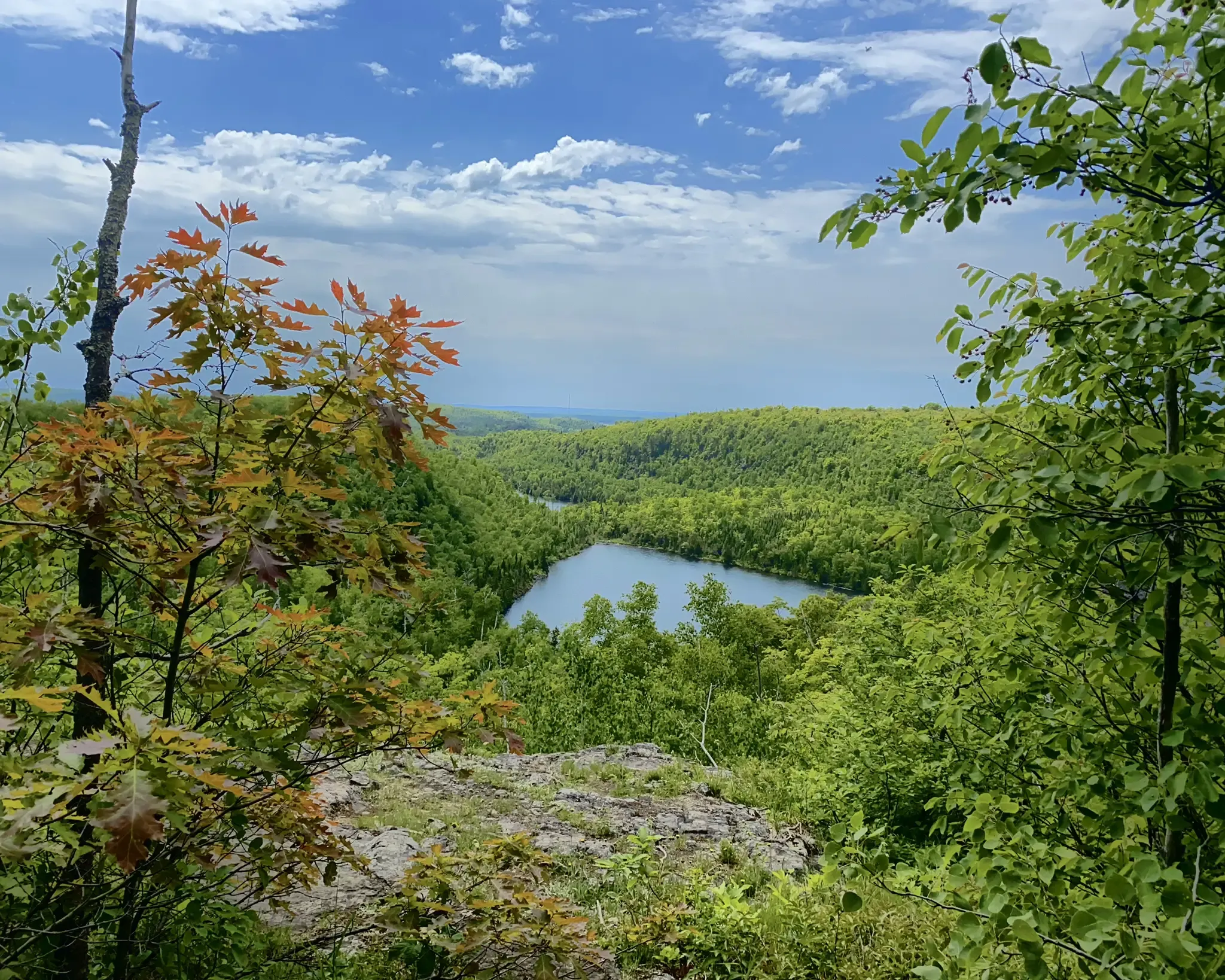
North Country Trail – 4,800 Miles along the edge of northern U.S.
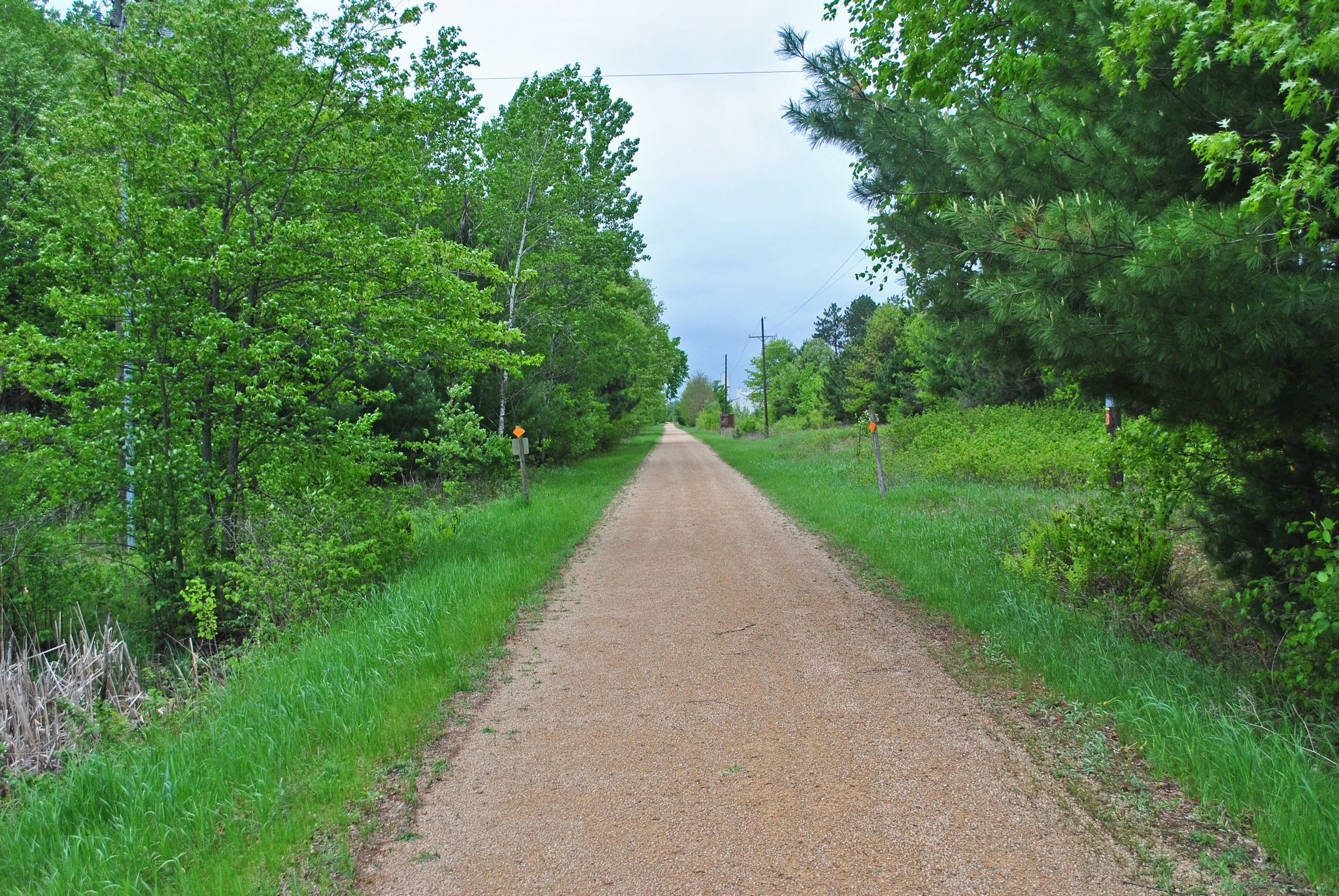
Gandy Dancer State Trail — In the footsteps of railroad workers
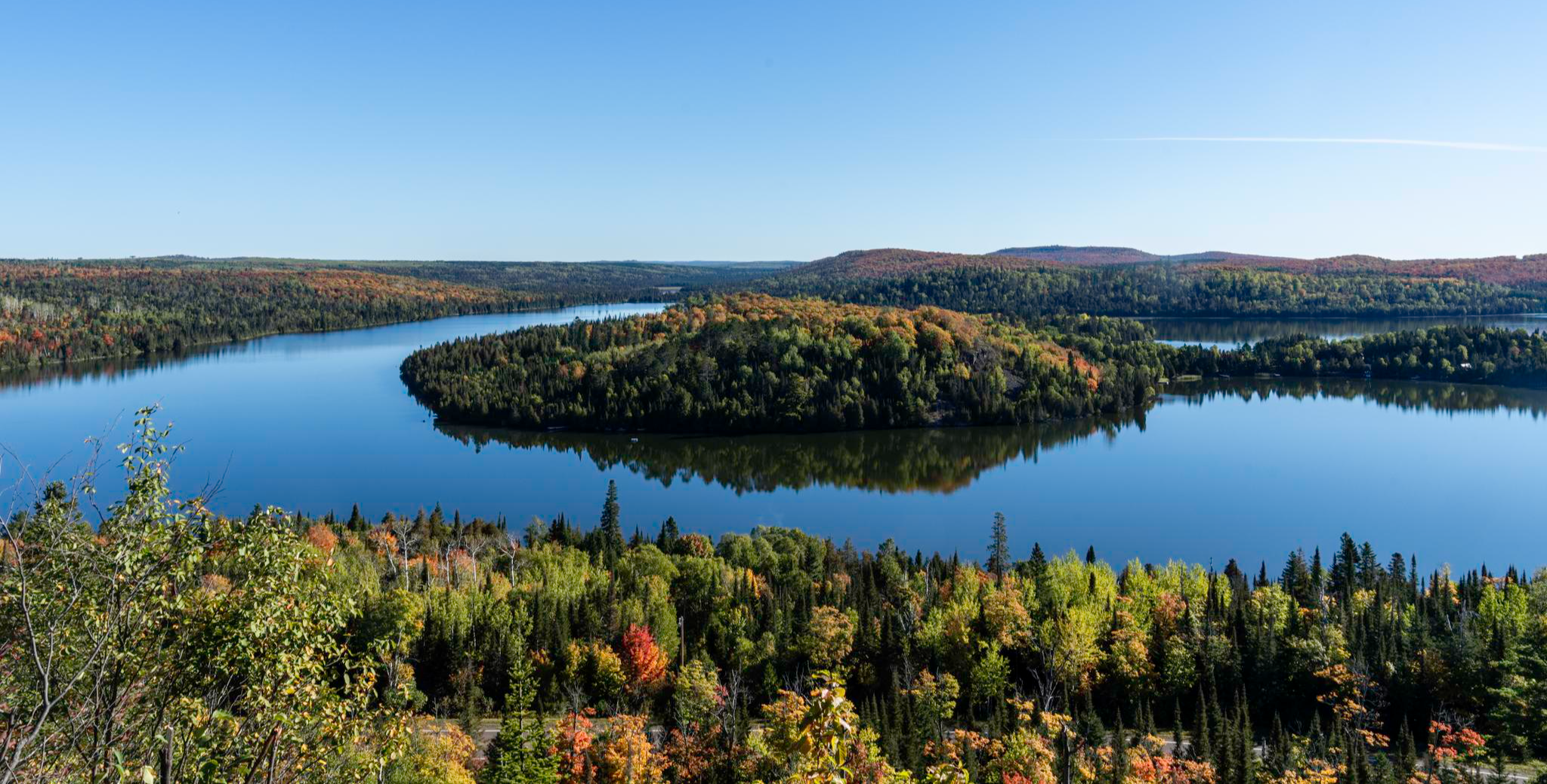
Superior Hiking Trail — Where the forest meets the lake

Around the World in 80 Days
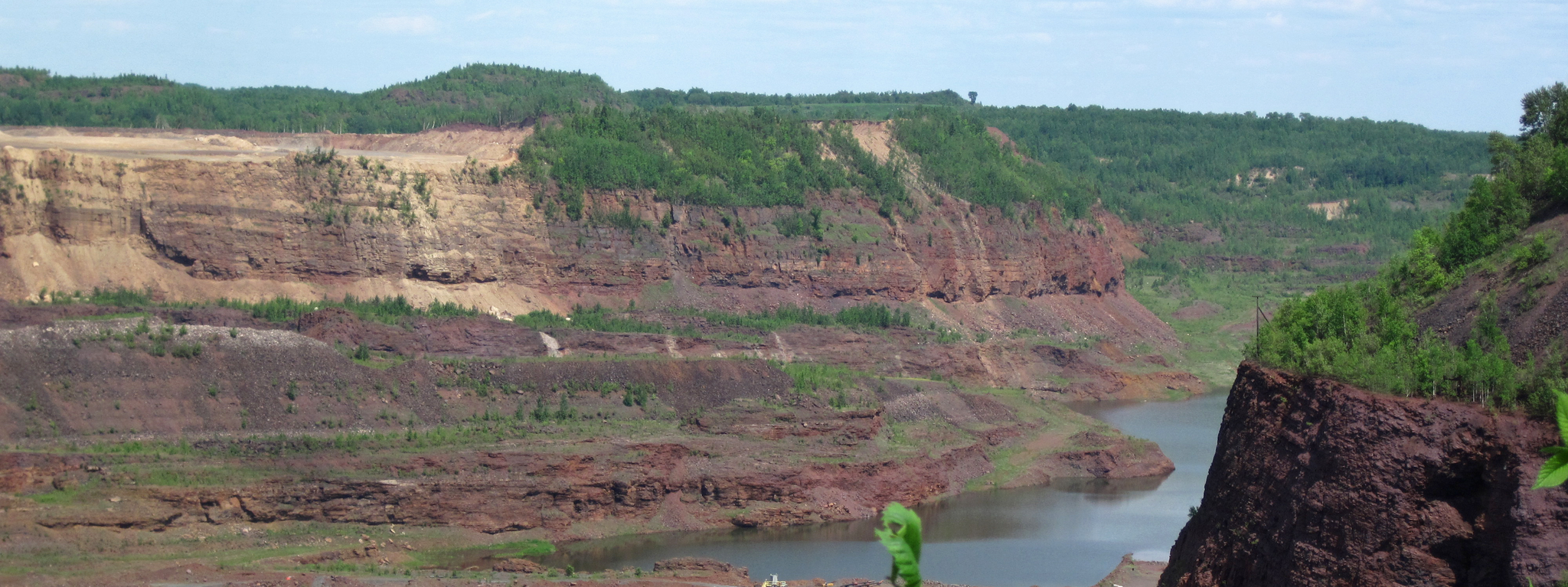
Mesabi Trail — Riding Minnesota’s Iron Range
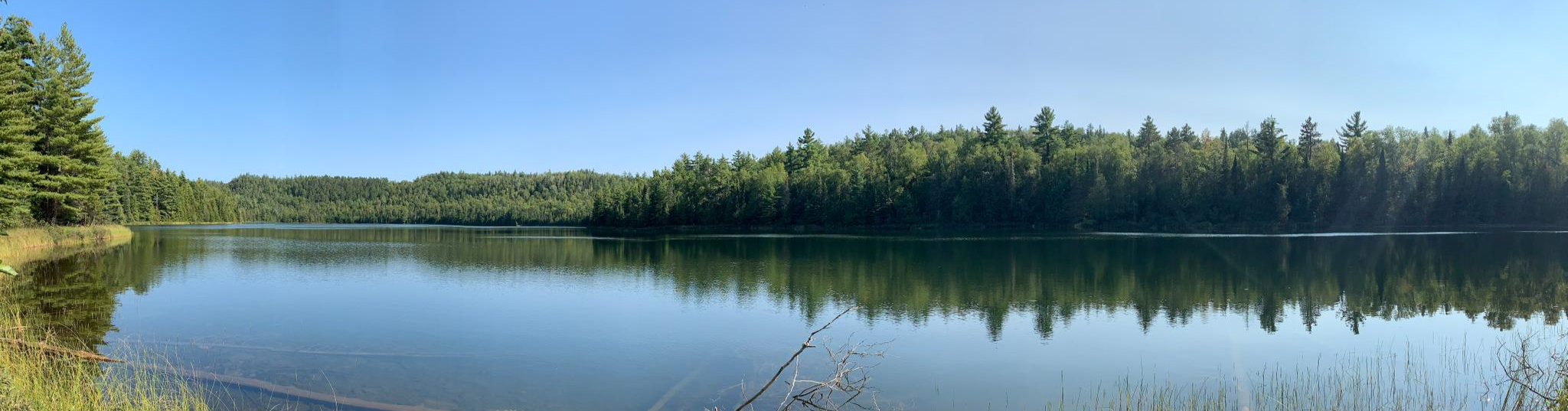
Border Route Trail — A remote Northwoods backpacking challenge
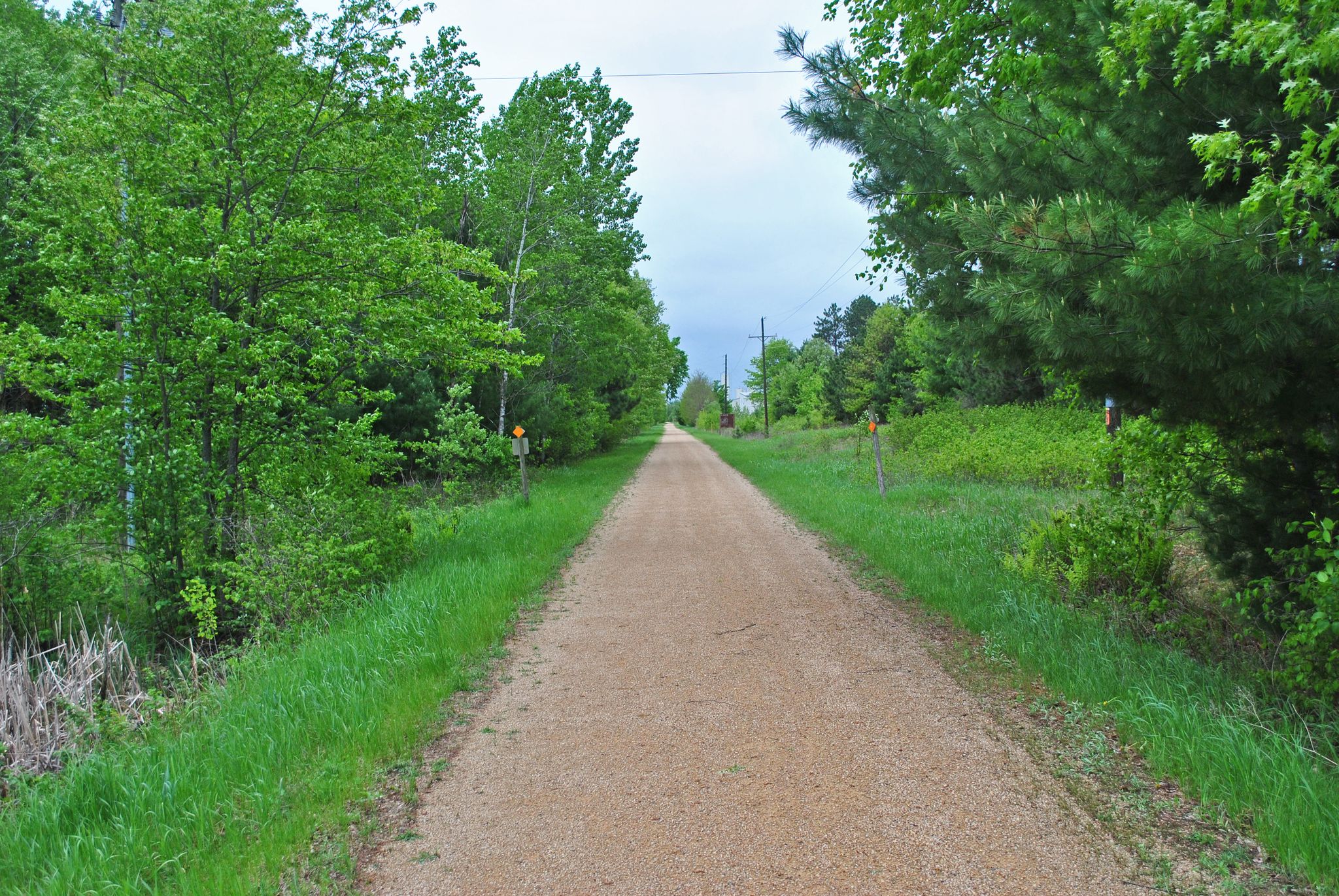
Gandy Dancer Trail — 98 miles of railroad history

The rhythms of the river – road trip along the Mississippi

On the shores of the Great Lakes
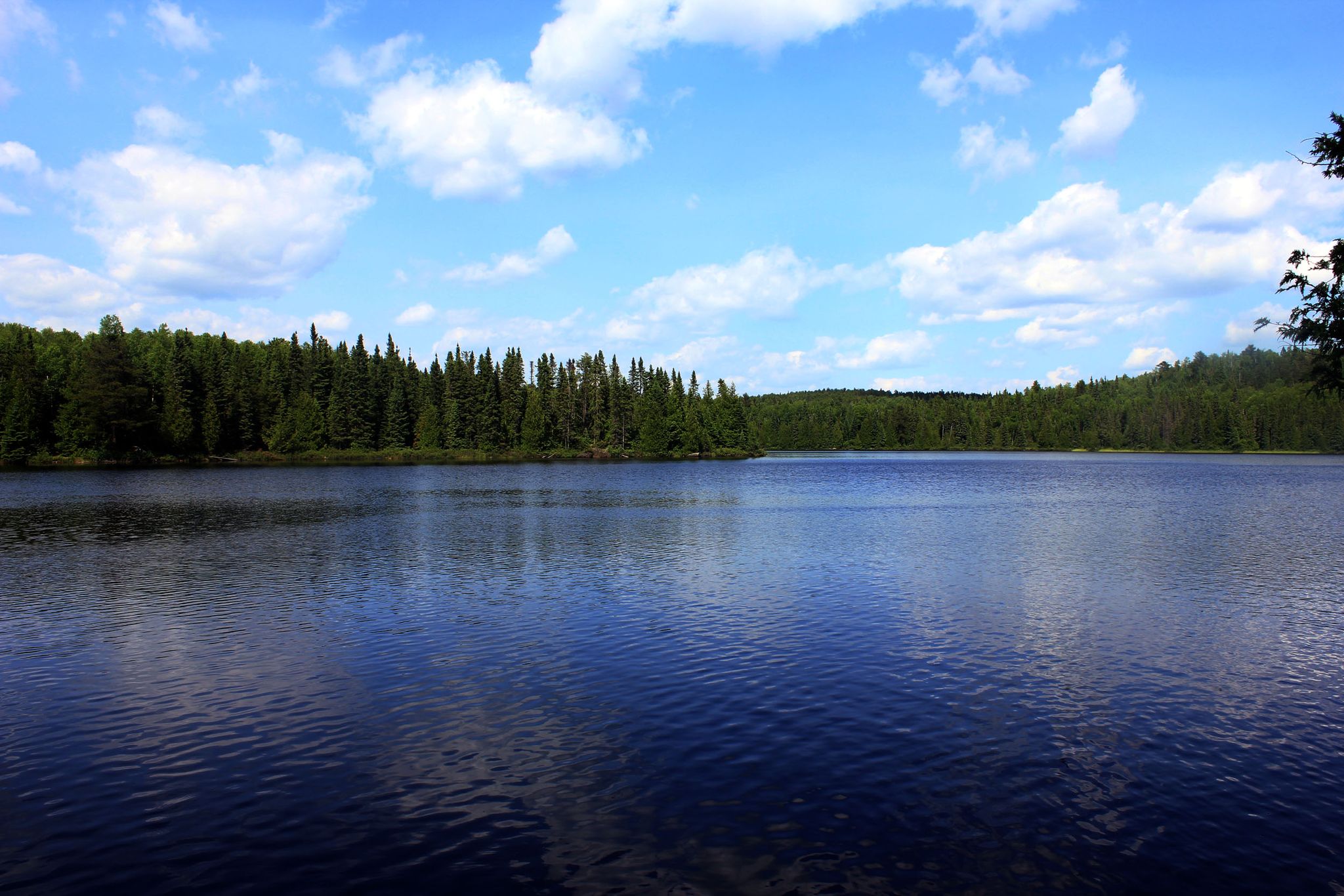
Sky-colored water – Mississippi River Trail
Other adventures in Minnesota


Tips from the Community


Didn't get to see them tonight, they must have been hiding
0
0
Probably one of the most highly trafficked of the Minnesota's State Parks. Worth at least the short walk around the potholes, and check out more of the park or the Wisconsin side which is much bigger.
1
0
It was getting late on my ride, I want to come back here and check it out one of these days.
1
0
Nice river views from the bike path.
0
0
The falls in the state park can be amazing, they were today for sure!
1
0

Here is a link to a Minnesota Department of Natural Resources map of summer trails at Fort Snelling State Park (https://files.dnr.state.mn.us/maps/state_parks/spk00154_summer.pdf). Although bicycles are allowed on many of the park trials, the legend on the map shows, sadly, that the circumferential trail on Pike Island is for hiking only.
0
0

at the tip of Pike Islands a very nice packed Earth bike route around this little Island
0
0
Frequently Asked Questions
What are some of the most popular natural monuments to visit in Minnesota?
Among the most popular natural monuments in Minnesota are Minnehaha Falls in Minneapolis, known for its 53-foot drop, and Gooseberry Falls on the North Shore of Lake Superior, which features multiple cascades. Visitors also frequently explore the unique Glacial Potholes at Interstate State Park, carved by ancient meltwater.
Are there family-friendly natural monuments in Minnesota?
Yes, many natural monuments in Minnesota are suitable for families. Besides the popular waterfalls like Minnehaha and Gooseberry, the Confluence of the Mississippi and Minnesota Rivers offers easy trails and scenic views. Spring Lake Park Bison Reintroduction Area is also family-friendly, offering a chance to see bison in their natural habitat.
What unique geological features can I find among Minnesota's natural monuments?
Minnesota boasts a rich geological history. You can explore the massive Glacial Potholes at Interstate State Park, which are deep formations carved by glacial meltwater. The state also features ancient geological formations like the Sioux quartzite cliffs at Blue Mounds State Park and some of the oldest exposed rock formations in Minnesota at the Gneiss Outcrops Scientific and Natural Area, dating back approximately 3.6 billion years.
What kind of wildlife can I expect to see at Minnesota's natural monuments?
Minnesota's diverse ecosystems support a variety of wildlife. At the Spring Lake Park Bison Reintroduction Area, you can observe bison. Areas like Cedar Creek Natural History Area are home to over 259 bird species and 61 mammal species, while Keeley Creek Natural Area features animals like ruffed grouse, snow rabbits, and white-tailed deer. The Boundary Waters Canoe Area Wilderness is also known for its abundant wildlife.
What outdoor activities are available near these natural monuments?
Many natural monuments offer opportunities for outdoor activities. You can find numerous hiking trails, such as those near Pine Bend Bluff SNA or Minneopa Falls. For more extensive adventures, explore easy hikes in the region like the Silver Creek Trail or Bluffside Trail, or try gravel biking routes such as the Luce Line and Dakota Rail Trail Loop. You can find more details on these activities in the easy hikes in Minnesota guide, the gravel biking in Minnesota guide, or the cycling in Minnesota guide.
Are there any natural monuments with historical or cultural significance?
Yes, Minnesota has natural monuments with deep historical and cultural roots. Indian Mounds Park in St. Paul preserves ancient burial mounds. Pipestone National Monument is a sacred site where Indigenous peoples have quarried red pipestone for ceremonial pipes for over 3,000 years. Grand Portage State Park, home to High Falls, also holds historical significance from the fur trade era.
What is the best time of year to visit Minnesota's natural monuments?
The best time to visit Minnesota's natural monuments often depends on the experience you seek. Spring and fall offer pleasant temperatures and beautiful foliage, with waterfalls like Minnehaha and Gooseberry being particularly impressive after rainfall or during spring melt. Summer is ideal for water activities in areas like the Boundary Waters Canoe Area Wilderness. Winter transforms many parks into scenic landscapes for cross-country skiing and snowshoeing, such as Itasca State Park.
Are there any natural monuments that offer dramatic viewpoints?
Absolutely. Pine Bend Bluff SNA provides excellent views. Palisade Head, rising nearly 350 feet above Lake Superior, offers breathtaking vistas of the lake and rugged cliffs. Tettegouche State Park also features dramatic cliffs and cascading waterfalls, with Shovel Point and Palisade Head within the park providing stunning cliff-top views.
What are some lesser-known or 'hidden gem' natural monuments in Minnesota?
Beyond the well-trodden paths, Minnesota offers several hidden gems. The Lake Agassiz Peatlands Natural Area in Koochiching County is one of the largest peatland areas in the U.S., featuring rare plant species. Iona's Beach Scientific and Natural Area is known for its unique 'singing rocks' that produce sound when waves crash upon them. The Morton Outcrop Scientific and Natural Area showcases some of the oldest rock types in the world.
Can I find old-growth forests among Minnesota's natural monuments?
Yes, Minnesota is home to significant old-growth forests. The Itasca Natural Area, part of Itasca State Park, contains some of the finest remaining stands of virgin red pine, spruce-balsam fir, and maple-basswood-aspen forests. Lac la Croix Research Natural Area also preserves old-growth virgin pine forests, offering a glimpse into Minnesota's pristine historical woodlands.
What do visitors enjoy most about Minnesota's natural monuments?
Visitors frequently express appreciation for the breathtaking sights and sounds of waterfalls, especially after rainfall, as noted at Minnehaha Falls. The unique geological formations, like the Glacial Potholes, are also a major draw. Many enjoy the opportunity to connect with nature, observe diverse wildlife, and explore the extensive trail systems available throughout the state's natural areas.
Are there any natural monuments related to the Mississippi River?
Yes, the Mississippi River is a prominent feature in Minnesota's natural landscape. The Itasca Natural Area in Itasca State Park is famously recognized as the headwaters of the Mississippi River, where visitors can literally step across its beginning. Further downstream, the Confluence of the Mississippi and Minnesota Rivers offers a unique viewpoint where these two major waterways merge.
Most popular routes in Minnesota
Most popular attractions in Minnesota

Get inspired with the komoot mobile app


Didn’t find what you were looking for?
Find even more amazing natural monuments in Minnesota by checking out the top Highlights region by region:
Explore more
Extend your search for the best caves by checking out these guides of the top ones in Minnesota:
