Top 20 Natural Monuments in Pennsylvania
Natural monuments in Pennsylvania feature a diverse array of landscapes and geological formations. The region includes vast canyons, unique rock formations, and expansive forests. These sites provide opportunities for outdoor recreation and offer scenic views. Pennsylvania's natural monuments showcase the state's varied geological history and ecological richness.
Best natural monuments in Pennsylvania
- The most popular natural monument is National Memorial Arch, a man-made monument and natural monument. It commemorates the arrival of General George Washington and his Continental Army…
Last updated: June 26, 2026
National Memorial Arch
Highlight • Monument
Tip by

Red Waterfall
Highlight • Waterfall
DO NOT DRINK this water, It is from an acid mine and the red-orange color comes from iron and rust.
Tip by

Sign up now to discover places like this
Get recommendations on the best single tracks, peaks, & plenty of other exciting outdoor places.
Sign up for free
Ohiopyle Falls Viewing Deck
Highlight • Viewpoint
Tip by

Great Allegheny Passage Trailhead – Point State Park
Highlight • Trail
Translated by Google •
Tip by

Buttermilk Falls
Highlight • Waterfall
Tip by

Devil's Pool
Highlight • River
Tip by

Settler’s Cabin Waterfall
Highlight • Waterfall
Translated by Google •
Tip by
Cucumber Falls
Highlight • Waterfall
Tip by

Raymondskill Falls
Highlight • Waterfall
Tip by

Cook Forest State Park
Highlight • Forest
Tip by

Sign up for free to discover even more natural monuments in Pennsylvania.
Sign up for free
Already have an account?
Start today with a free account
Your next adventure awaits.
Login or Signup
Popular around Pennsylvania
Mid State Trail — Traversing the Pennsylvania divide
Gerard Hiking Trail – The footsteps of Pennsylvania's oil boom
Tuscarora Trail — A remote trek across the backbone of Appalachia
The Appalachian Trail — America's most iconic long-distance hike
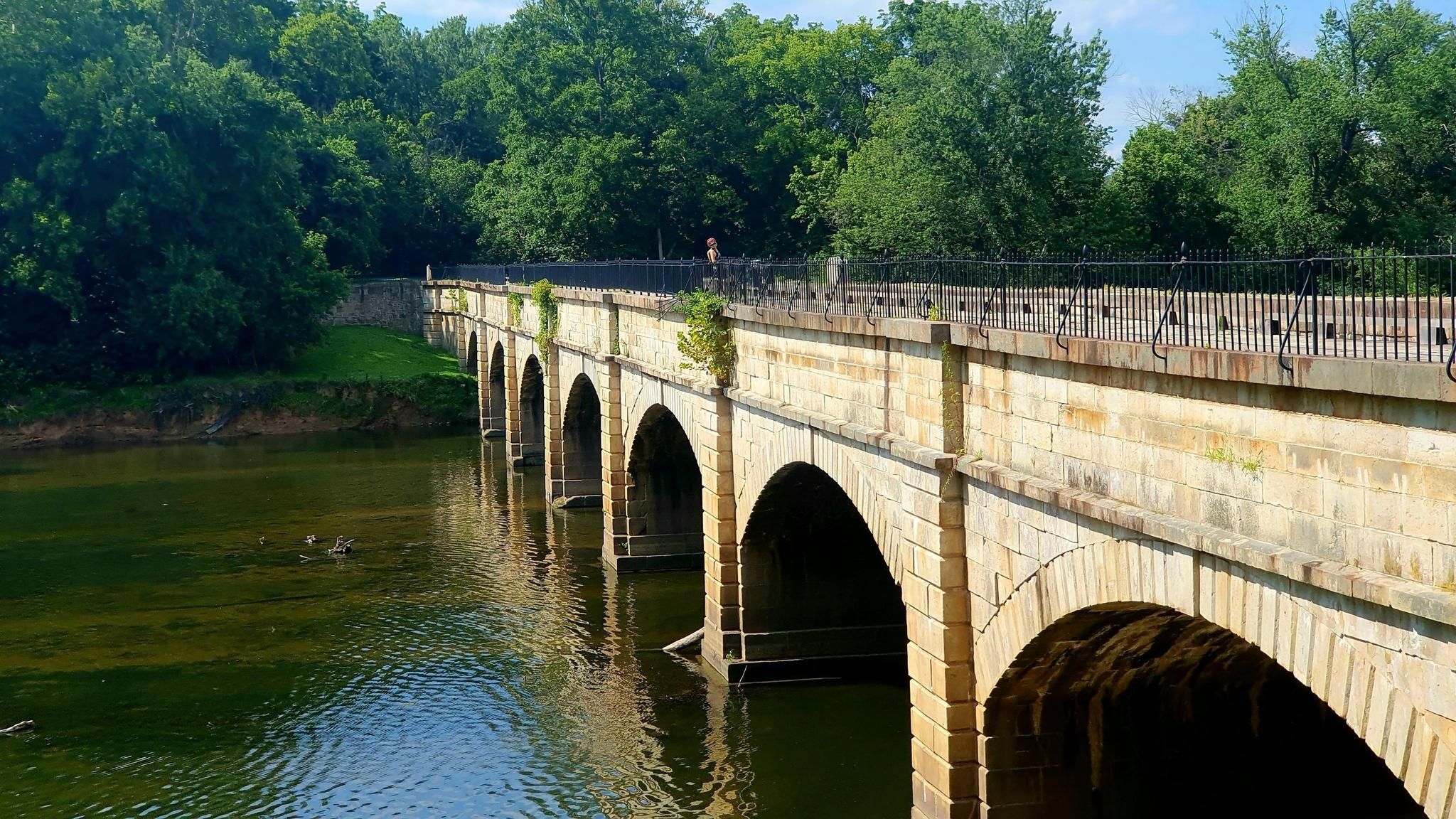
Potomac Heritage National Scenic Trail — Exploring a historic corridor
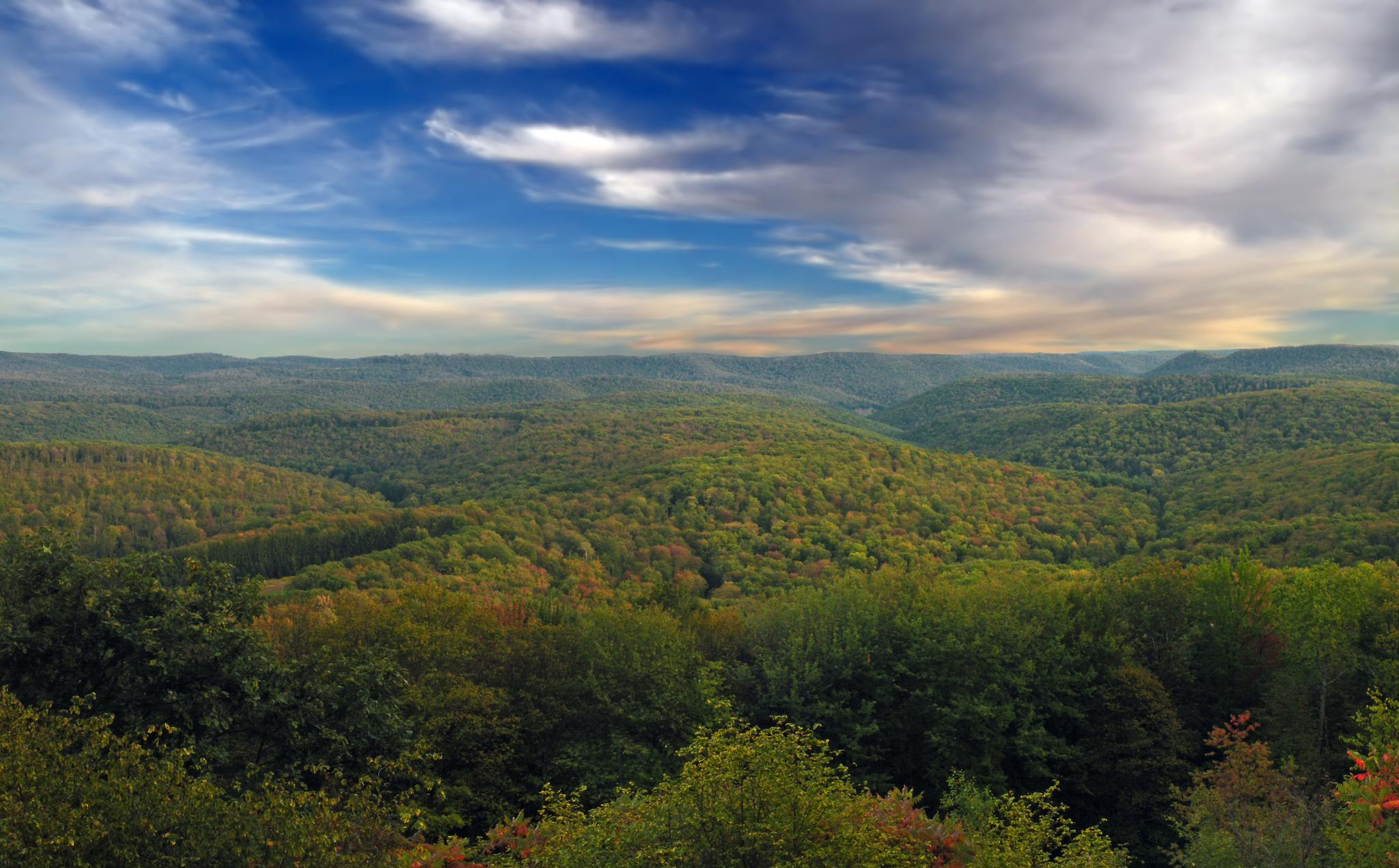
The Susquehannock Trail System — Pennsylvania's most remote loop
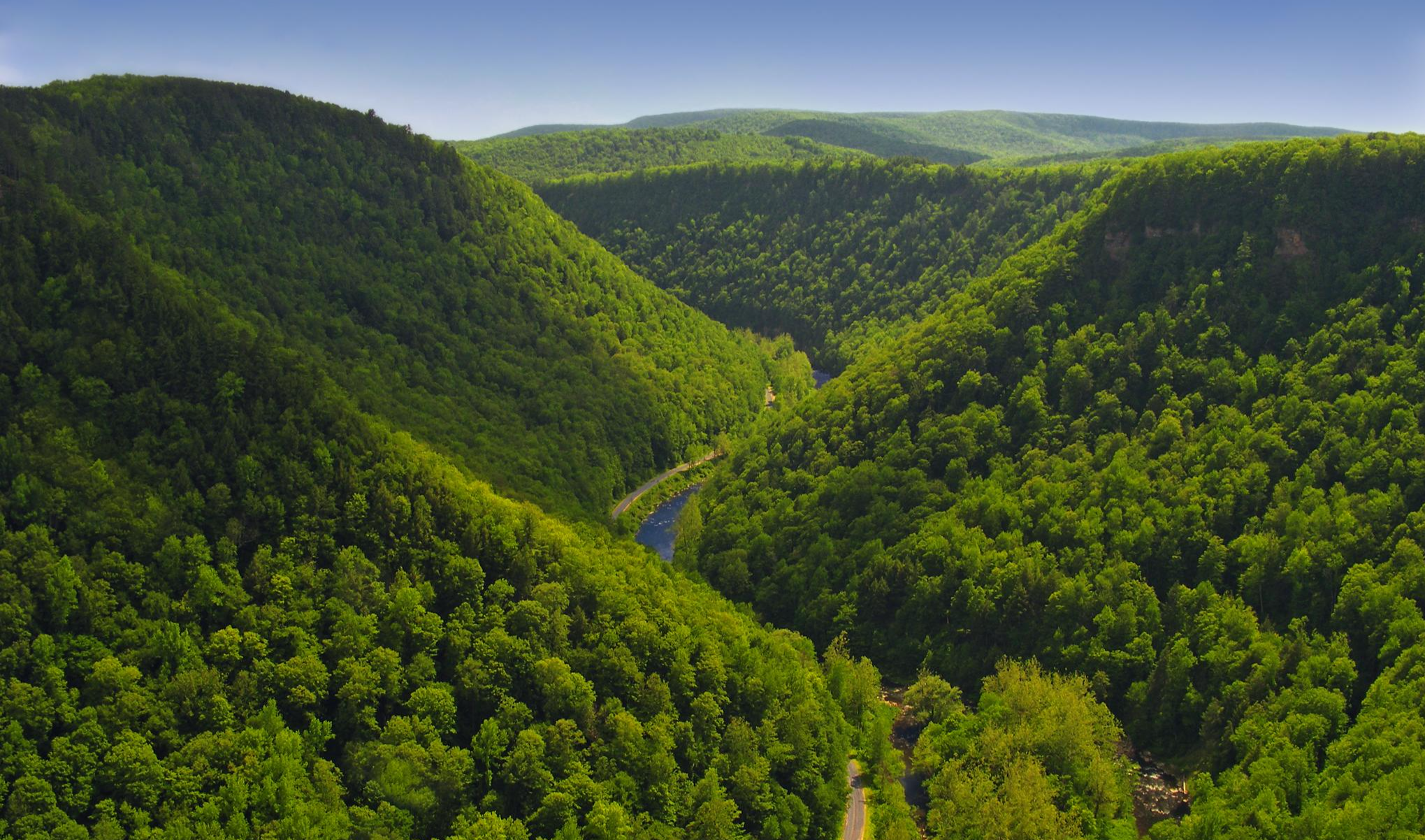
The West Rim Trail — Along Pennsylvania's grand canyon
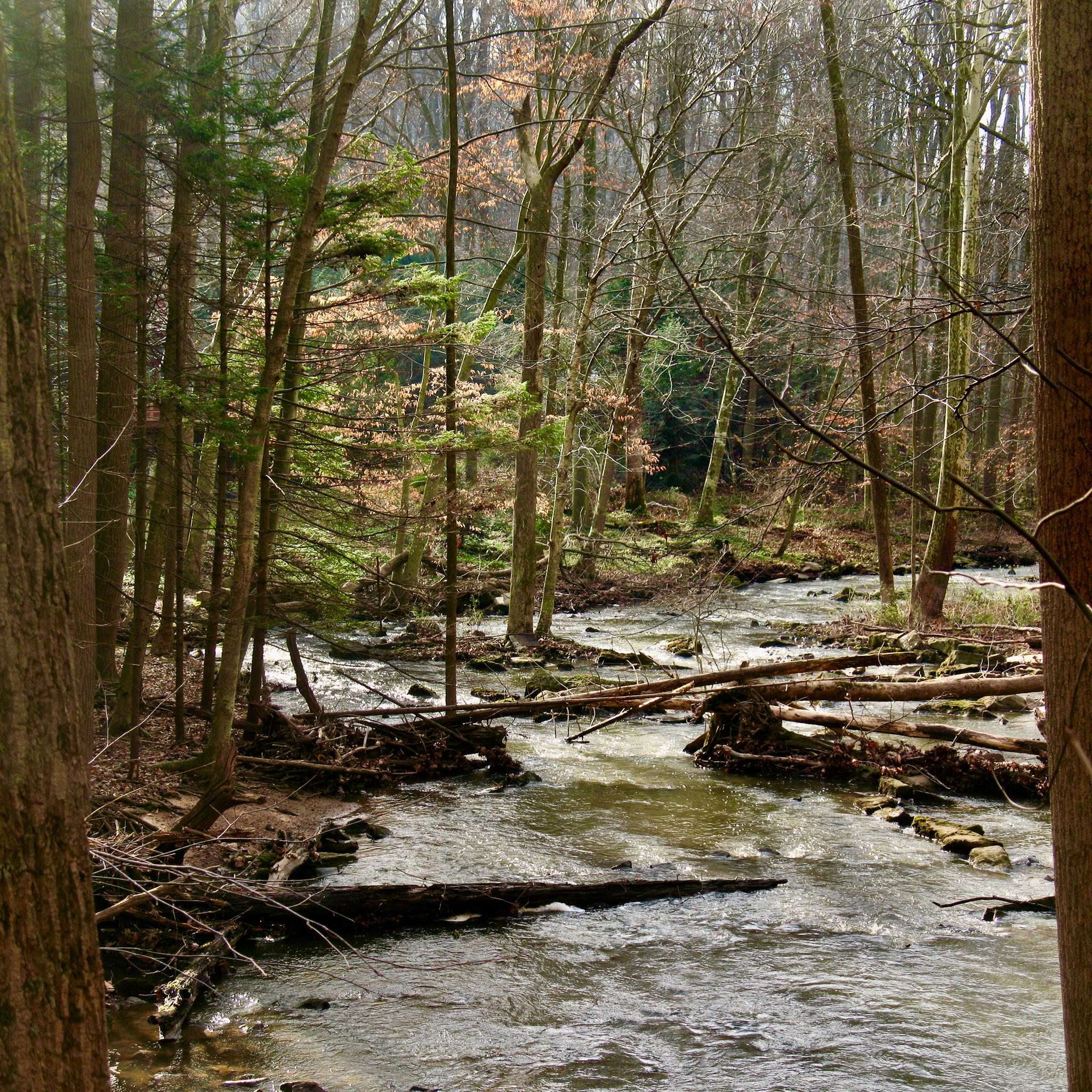
Horse-Shoe Trail — Hiking Pennsylvania's hidden gems
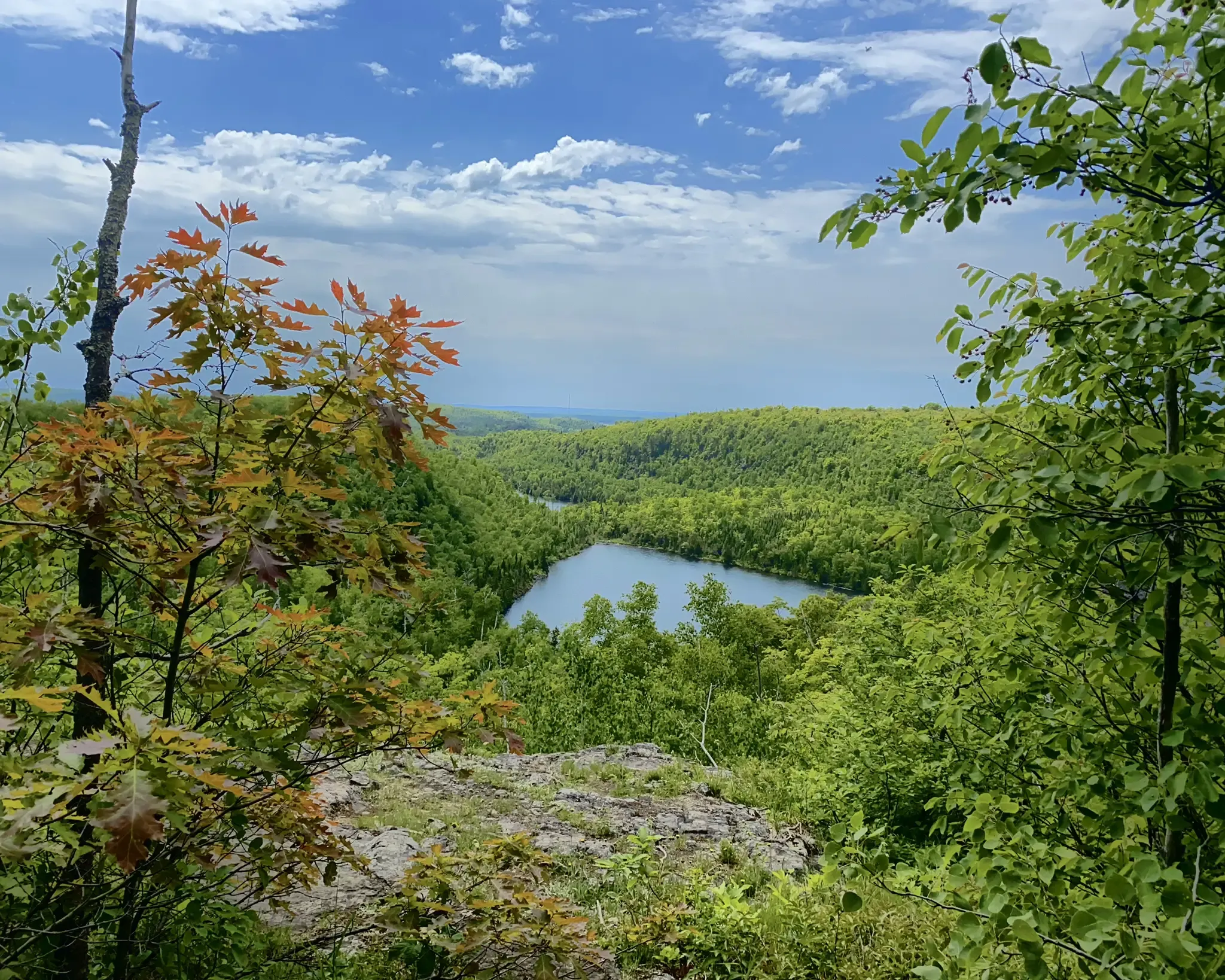
North Country Trail – 4,800 Miles along the edge of northern U.S.
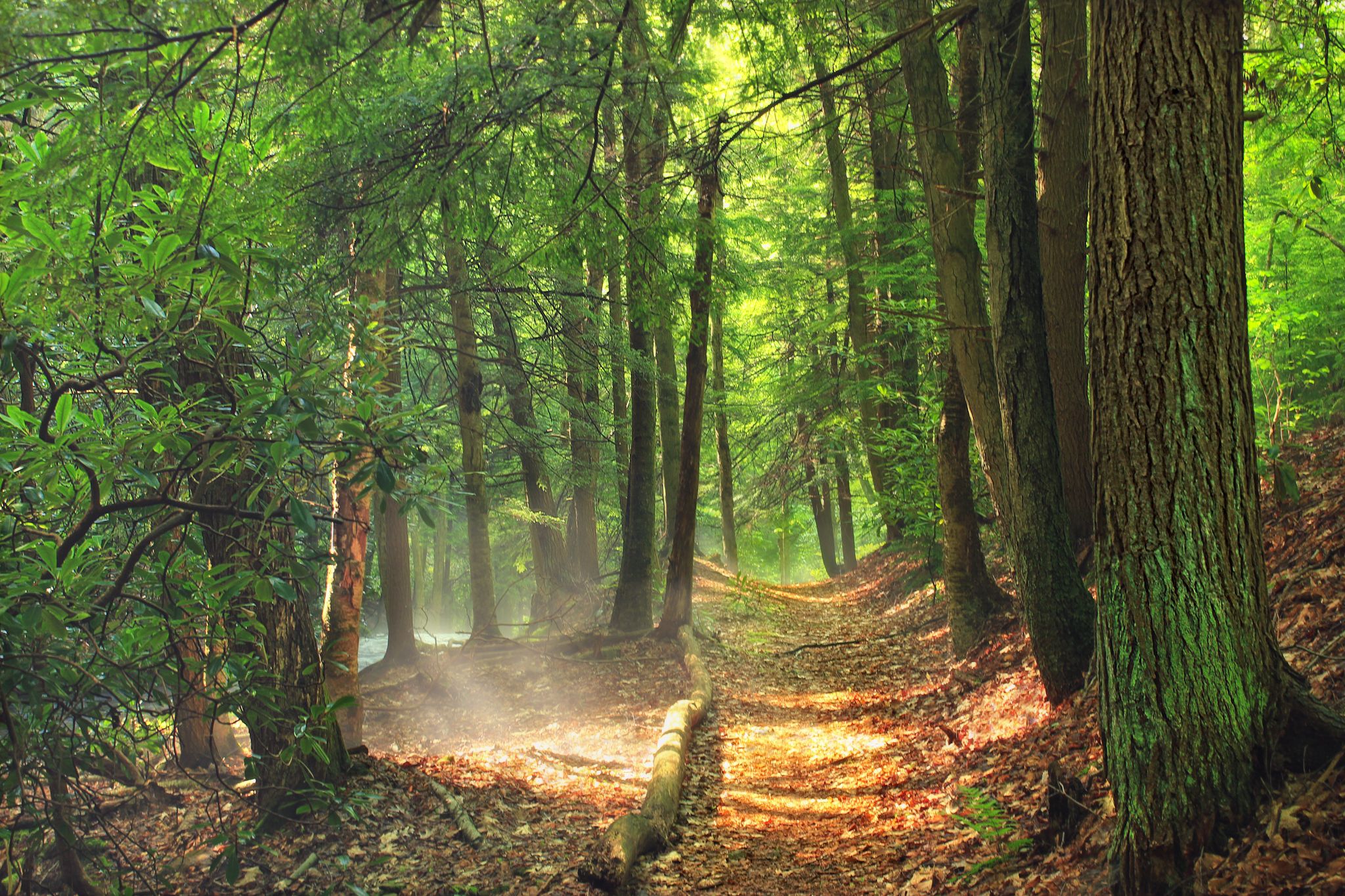
Chuck Keiper Trail — A loop through the untamed heart of PA
Other adventures in Pennsylvania


Tips from the Community

From the trailhead sign: The Forest Cathedral Natural Area contains one of the largest old growth forests of white pine and eastern hemlock in Pennsylvania. Many of these magnificent pine and hemlock trees now exceed three feet in diameter and approach 200 feet in height. Trees of this size are often over 300 years of age; dating to the era of William Penn, the first Governor of "Penn's Woods", and are often referred to as "William Penn Trees". It is perhaps fitting that this forest remains in the midst of an area which saw the greatest logging boom in the history of the Commonwealth - the period of the late 1800s, when thousands of acres of old growth forests were cut for the shipbuilding and constructions industries. The Forest Cathedral is registered as a National Natural Landmark and has been set aside for protection as a State Park Natural Area.
0
0

This is a waterfall, but you cant stay on a bike to view this.
0
0
This is a good place to take a break on a hot day, as the waterfall produces cold wind. DO NOT DRINK this water, It is from an acid mine and the red-orange color comes from iron and rust.
1
0
If You need water, don't count on public water fountains in Pittsburgh because they barely ever get turned on.
1
0
This is where the Allegheny River and the Monongahela River meat to form the Ohio River.
1
0

S THE WATERFALL Demonstrating acid mnine drainage The water here is acid and iron-rich, coming up to the surface from underground mines, stairung the-rocks ruspred. Acid mine drainage (AMID) is a major source of water pollution. Cause of extensive stream environmental damage. The Ocean Coal Company, a subsidiaries of Bevind- White Coal Company Philadelphia, PA, esaiblished several mines in this region including, in 1900, Ocean No. 2. It is purported that drainage from ocean No. 2 is the chief cause of the Red Waterfall Why is it acidic and full of iron? Hundreds of millions of years ago, the massive Pittsburgh Coal Seam formed underneath parts of Pennsylvania, West Virginia, and Ohiờ from ancient swamp plants. Sand, silts, shells, and other -matter were deposited and made a rock seal over the carbon-rich vegetation, This rock contained the mineral "pyrite," made of iron and sulfur Coal mining exposes pyrite to oxygen and ground water causing the formation of sulfuric acid and a number of red, orange, and yellow compound s. AMD occurs when this mine water seeps, or in this-case, bursts out into Streams. The yellow sulfur can be seen in the shale near coal seams. GRESCHIN DASSAGE SPONSORED BY: Southwestern PA Heritage Breservation- Commission Allegheny Trail Alliances Regional Trail Corpofation For moterinformation. www.gaptrail.org
0
0

Cook Forest State Park cover 8,500 acres and protects some of Northwestern Pennsylvania's last remaining old growth forests. The Forest Cathedral section of hemlock and white pines is a National Natural Landmark. The park has miles of hiking trails, campgrounds, and access to the Clarion River.
0
0

The Red Waterfall is one of the main highlights on the GAP between West Newton and McKeesport. The falls gets its name from the water that has been colored red by nearby underground coal mines, which has made the water acidic and iron-rich water.
0
0
Frequently Asked Questions
What are some of the most popular natural monuments in Pennsylvania?
Pennsylvania offers a variety of popular natural monuments. Among them, the National Memorial Arch, while man-made, is a significant landmark commemorating General George Washington's arrival at Valley Forge. For stunning views, Pulpit Rock Viewpoint offers panoramic vistas after a challenging hike. Waterfalls like Buttermilk Falls and Raymondskill Falls are also highly appreciated by visitors.
Are there family-friendly natural monuments in Pennsylvania?
Yes, many natural monuments in Pennsylvania are suitable for families. For instance, National Memorial Arch and Great Allegheny Passage Trailhead – Point State Park are both listed as family-friendly and wheelchair accessible. Buttermilk Falls and Settler’s Cabin Waterfall also offer accessible viewing and easy trails for all ages. Presque Isle State Park is another excellent choice, offering sandy beaches and various recreational activities.
What unique geological features can I explore in Pennsylvania?
Pennsylvania is rich in unique geological formations. You can visit the impressive Pine Creek Gorge, often called the 'Grand Canyon of Pennsylvania,' carved by glacial meltwater. Laurel Caverns, the state's largest cave, offers an adventurous underground experience. Ringing Rocks County Park features a unique boulder field where rocks produce musical sounds when struck. Hickory Run Boulder Field is a striking example of a glacial landscape, and Archbald Pothole is one of the largest glacial potholes globally.
What kind of outdoor activities can I do near Pennsylvania's natural monuments?
Many natural monuments are excellent starting points for outdoor adventures. You can find numerous routes for road cycling, gravel biking, and touring. For example, the Great Allegheny Passage and Schuylkill River Trail Loop are popular for road cycling. Gravel biking enthusiasts can explore routes like the Butler-Freeport Community Trail. For general cycling, the Capital Area Greenbelt Loop is a great option.
Where can I find ancient forests or majestic trees in Pennsylvania?
For an experience with ancient forests, visit Cook Forest State Park, also known as the 'Forest Cathedral.' This park is famous for its old-growth Eastern White Pine and Eastern Hemlock trees, some over 200 feet tall and dating back to the 17th century. It offers numerous walking trails to immerse yourself in this majestic ecosystem.
Are there any natural monuments with significant historical context?
Yes, several natural monuments have historical significance. The National Memorial Arch at Valley Forge commemorates a pivotal moment in American history. Additionally, sites like Nay Aug Gorge, a National Natural Landmark, were formed during the Ice Age, offering a glimpse into ancient geological processes that shaped the region.
What is the best time of year to visit natural monuments in Pennsylvania?
The best time to visit Pennsylvania's natural monuments largely depends on the experience you seek. Spring and fall offer pleasant temperatures and beautiful scenery, with fall foliage being particularly striking in places like Pine Creek Gorge and Nay Aug Gorge. Summer is ideal for water activities at Presque Isle State Park. Some sites, like Nay Aug Gorge, also offer unique beauty with ice formations in winter.
Can I bring my dog to natural monuments in Pennsylvania?
Many state parks and natural areas in Pennsylvania are dog-friendly, but policies can vary by specific location and trail. It's always best to check the individual park's regulations before your visit. Generally, dogs are welcome on trails and in many outdoor areas, provided they are leashed.
Are there any natural monuments that are particularly good for birdwatching?
Presque Isle State Park, located on Lake Erie, is an exceptional destination for birdwatching. This 3,000-acre peninsula contains seven unique ecological zones and supports more endangered species than any other comparable area in Pennsylvania, making it a significant birding hotspot.
What should I know about visiting Laurel Caverns?
Laurel Caverns in Fayette County is Pennsylvania's largest cave, offering guided tours, self-guided tours, and caving experiences. It's unique for its low-calcium limestone, resulting in rough walls and sandy floors rather than typical cave formations. It's also one of the steepest caves in the United States, providing an adventurous underground exploration.
Where can I find impressive waterfalls in Pennsylvania?
Pennsylvania is home to many impressive waterfalls. Buttermilk Falls, a series of cascades dropping over 60 feet to the Lehigh River, is easily accessible. Raymondskill Falls is another notable waterfall. Bushkill Falls, often called the 'Niagara of Pennsylvania,' features a series of eight waterfalls, with the tallest cascading down 100 feet.
Are there any natural monuments that are easily accessible within an urban setting?
Yes, Nay Aug Gorge is a prime example. Located within Nay Aug Park in Scranton, this beautiful geologic formation with waterfalls and rocky cliffs is easily accessible within an urban park setting. Its beauty changes seasonally, offering different experiences throughout the year.
Most popular routes in Pennsylvania
Most popular attractions in Pennsylvania

Get inspired with the komoot mobile app


Didn’t find what you were looking for?
Find even more amazing natural monuments in Pennsylvania by checking out the top Highlights region by region:
Explore more
Extend your search for the best caves by checking out these guides of the top ones in Pennsylvania:
