Attractions and Places To See around Silvares - Top 7
Attractions and places to see around Silvares, located in the Fundão municipality, offer a blend of traditional charm and natural landscapes. The region is characterized by its historical settlements, river valleys, and mountainous terrain, providing diverse points of interest. Visitors can explore areas along the Zêzere River and experience the cultural heritage of its villages. The surrounding landscape includes views of the Serra da Gardunha, making it suitable for outdoor exploration.
Best attractions and places to see around Silvares
- The…
Last updated: October 17, 2026
São Jorge da Beira
Highlight • Settlement
Translated by Google •
Tip by

Scenic road
Highlight • Viewpoint
Translated by Google •
Tip by

Sign up now to discover places like this
Get recommendations on the best single tracks, peaks, & plenty of other exciting outdoor places.
Dornelas do Zêzere
Highlight • Settlement
Translated by Google •
Tip by
Unhais-o-Velho
Highlight • Settlement
Translated by Google •
Tip by
Miradouro da Sarnadela
Highlight • Viewpoint
Translated by Google •
Tip by

Sign up for free to discover even more attractions around Silvares.
Already have an account?
Start today with a free account
Your next adventure awaits.
Tips from the Community

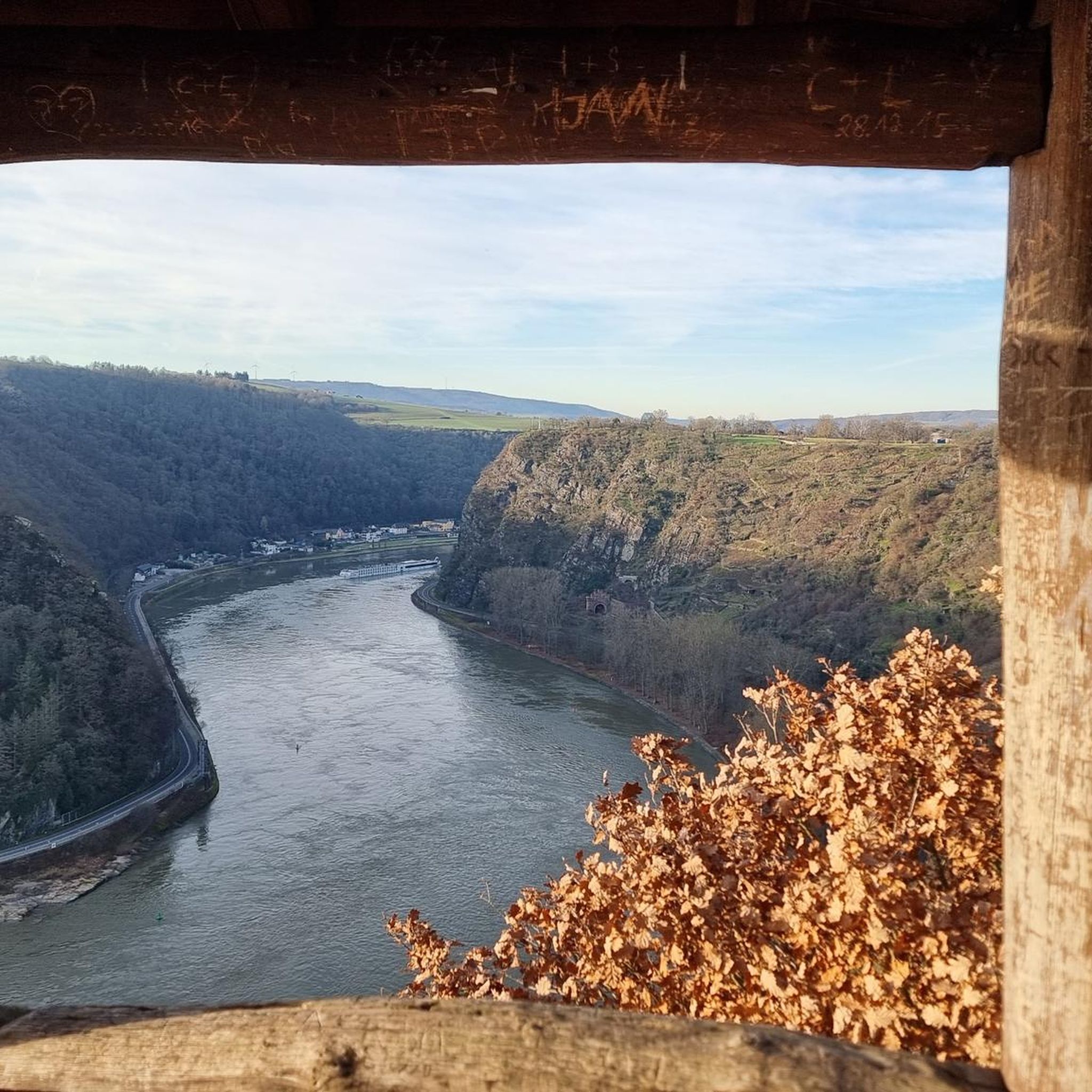
On the banks of the Zêzere River stands Dornelas do Zêzere, a land of memories and horizons. The Ethnographic Museum houses centuries-old utensils (from garlopas to limotes) and rare books that tell stories of times gone by. Nearby is a viewpoint, where the river view blends with engraved verses by Gil Vicente and Júlio Dias Nogueira, offering poetry to those who come to contemplate the landscape.
3
0
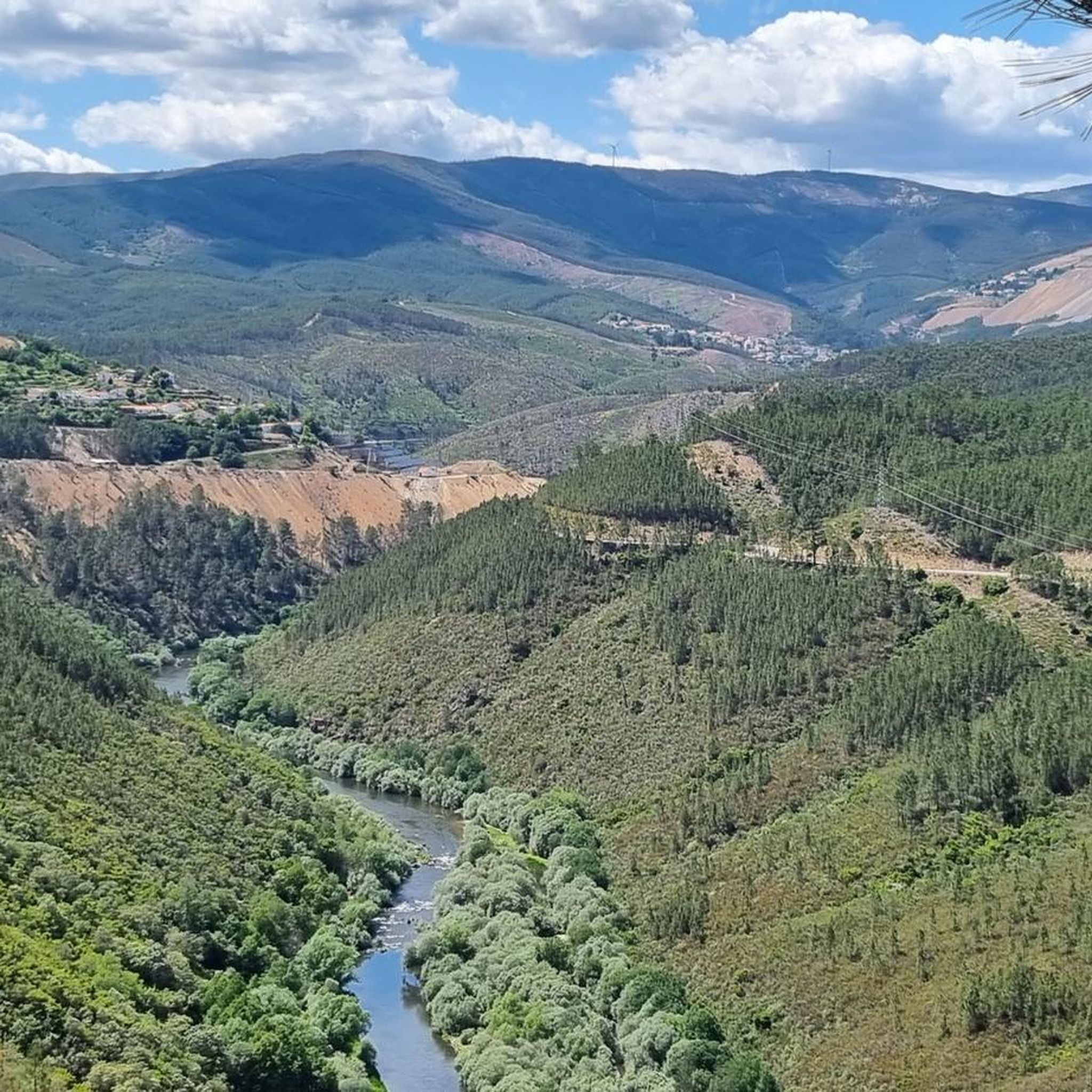
Unhais-o-Velho is steeped in history and tradition. Known as the "Queen of Honey," this is where the dense and therapeutic heather honey is harvested. The houses rise on a promontory next to the Unhais River, embraced by giant boulders, while the village's very name echoes legends of ancient peoples and the scavenging deer that left their mark here.
1
0
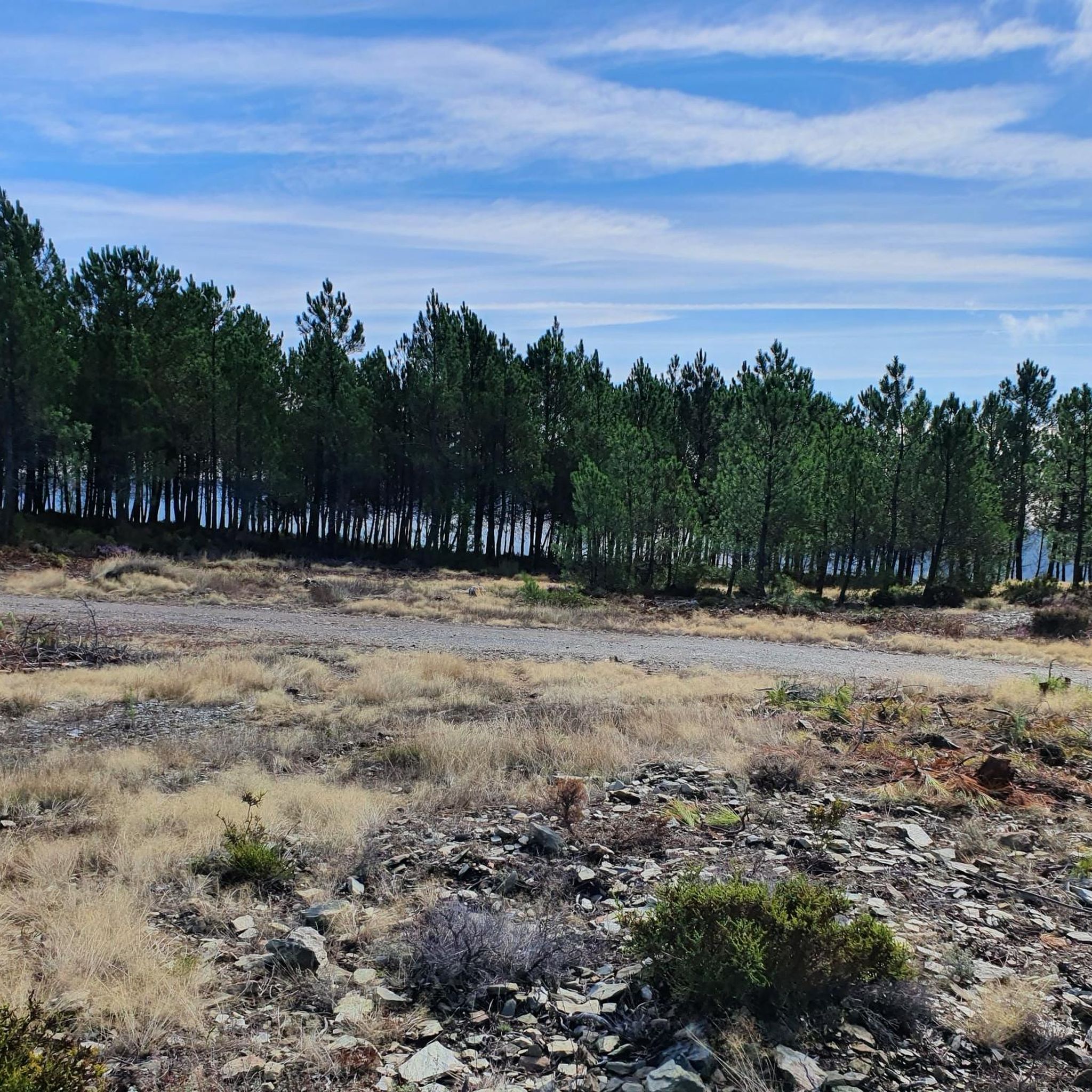
José Saramago described São Jorge da Beira as a village "thrown up the hillside," and perhaps there's no better image to convey the spirit of its people. Once called Cebola (Onion), after the neighboring peak, it was a land of shepherds, miners, and blacksmiths, until gaining autonomy in the 19th century and, later, the name of its patron saint. Amidst memories of tungsten and chestnut trees, the village has reinvented itself countless times and today keeps its identity alive, visible in the Museum and in the cultural associations that preserve the heritage of schist and the mountains.
1
0

This road offers you a suggestive panorama that embraces the artificial lake of the dam and the surrounding imposing and wild mountains.
1
0
This road offers you a suggestive panorama that embraces the artificial lake of the dam and the surrounding imposing and wild mountains.
1
0

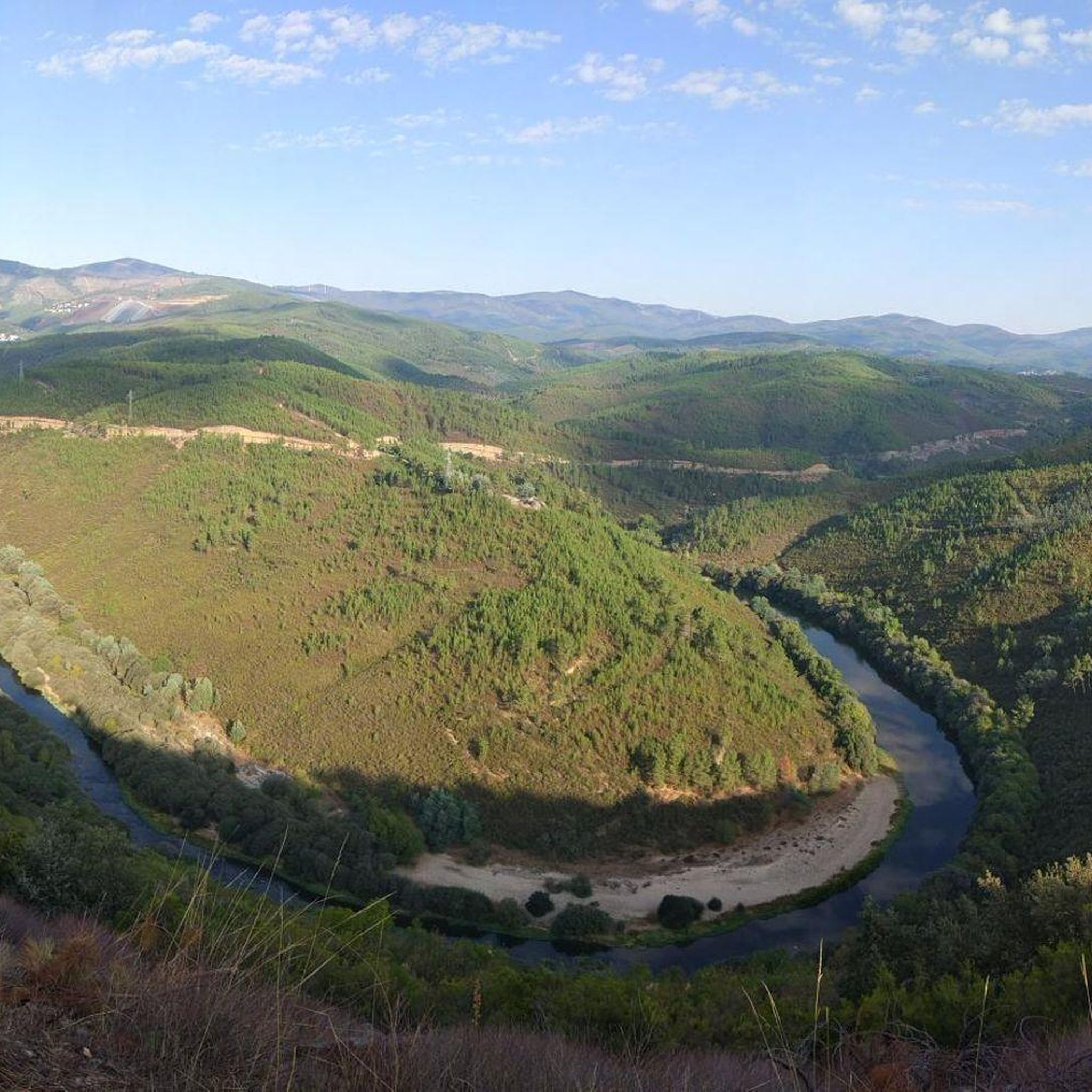
The Miradouro da Sarnadela is located at National 238 in the parish of Freguesia de Janeiro de Cima, a scenic place to enjoy the zigzag of the Zêzere River that passes through there, in addition to the surrounding pine forest landscape. It has a place to park the car off the road and a bench to relax and enjoy the scenery. The GPS coordinates are: 40.060346, -7.770206 or 40 ° 03’37.1 ″ N 7 ° 46’13.1 ″ W
1
0
Frequently Asked Questions
What natural features and viewpoints can I explore around Silvares?
The region offers several natural highlights. You can enjoy panoramic views from the Miradouro de Silvares, or ascend Pico de Cebola, which at 1,418 meters, is one of the highest points in mainland Portugal, offering breathtaking landscapes. The village is also situated on the banks of the Rio Zêzere, providing a serene environment, and the surrounding Serra da Gardunha mountains are perfect for outdoor activities.
Are there historical or cultural sites to visit in Silvares?
Yes, Silvares is rich in history and culture. The Igreja Matriz de Silvares / Igreja de Santa Ana, rebuilt in 1758, is a central historical and religious site. You can also find several chapels, Casa Fabião, and traditional schist houses. The Casa Museu Dona Ilda Valentim Mesquita, home to the Rancho Folclórico de Silvares, preserves traditional costumes and a typical Silvares house.
What kind of outdoor activities are available near Silvares?
The area around Silvares is ideal for outdoor enthusiasts. You can find numerous routes for cycling, hiking, and mountain biking. For cycling, explore options like the 'Bridge over the Zêzere River loop from Fundão' or 'Bike loop from Erada' found in the Cycling around Silvares guide. Hikers can enjoy trails such as the 'Hiking loop from Casal Álvaro Pires' or 'Miradouro da Amizade loop from Vales do Rio' from the Hiking around Silvares guide. Mountain biking trails are also available, including 'Dornelas do Zêzere loop from Fundão' in the MTB Trails around Silvares guide.
Are there specific hiking trails recommended around Silvares?
Yes, there are several hiking trails to explore. You can find routes like the 'Hiking loop from Casal Álvaro Pires' (9.18 km, moderate) or the 'Miradouro da Amizade loop from Vales do Rio' (9.01 km, moderate). For an easier option, consider the 'Albufeira de Porto das Vacas – Miradouro da Malhada loop from Janeiro de Cima' (7.15 km, easy). More details are available in the Hiking around Silvares guide.
Can I find cycling routes suitable for different skill levels?
Absolutely. Cyclists can choose from various routes. For a moderate challenge, try the 'Bike loop from Erada' (18.71 km) or 'Bike loop from Barco' (21.53 km). More difficult options include the 'Bridge over the Zêzere River loop from Fundão' (61.42 km) or 'Wolf Mural loop from Silvares' (49.88 km). Explore these and more in the Cycling around Silvares guide.
What are some family-friendly attractions or activities in the area?
For families, Dornelas do Zêzere is a great option, offering an Ethnographic Museum and a viewpoint over the Zêzere River. The Piscina Silvares provides a refreshing escape with swimming facilities and amenities. Exploring the traditional schist houses and narrow streets of the villages can also be an engaging activity for all ages.
Where can I experience the traditional charm of the region?
To experience traditional charm, visit São Jorge da Beira, a village known for its heritage of schist architecture and mountain traditions, with a local museum preserving its identity. Unhais-o-Velho, known as the 'Queen of Honey,' also offers a glimpse into history with houses built on a promontory next to the Unhais River, embraced by giant boulders.
What is the significance of the Zêzere River in Silvares?
The Rio Zêzere is a significant natural feature, with the village of Silvares situated on its banks. It provides a serene environment and is central to the landscape around settlements like Dornelas do Zêzere, where a viewpoint offers poetic vistas of the river.
Are there any unique local traditions or events in Silvares?
Silvares is home to the Rancho Folclórico de Silvares, a local folklore group that preserves cultural traditions. The village also hosts the Festival Internacional de Folclore da Beira Baixa, an international folklore festival showcasing the region's rich cultural heritage.
What makes Pico de Cebola a notable place to visit?
Pico de Cebola, at 1,418 meters above sea level, is a significant summit and the fifth highest point in mainland Portugal. It offers an impressive landscape and panoramic views that are truly awe-inspiring, making it a must-visit for those seeking stunning vistas.
Can I find places with traditional architecture around Silvares?
Yes, the village of Silvares itself features narrow streets lined with old houses, including traditional schist houses with small wooden balconies. Settlements like São Jorge da Beira also preserve their identity through schist architecture, offering a glimpse into the region's historical building styles.
What makes Dornelas do Zêzere a notable place to visit?
Dornelas do Zêzere, located on the banks of the Zêzere River, is a place of memories and horizons. It features an Ethnographic Museum housing centuries-old utensils and rare books. A nearby viewpoint offers beautiful river vistas, often accompanied by engraved verses, adding a poetic touch to the landscape.
Is there a place to learn about the mining heritage of the region?
Yes, the area around Silvares has a significant mining heritage. The Cabeço do Pião and Minas da Panasqueira site is notable for its tungsten wash house, offering insight into the region's industrial past and its connection to mining.
Most popular routes around Silvares

Get inspired with the komoot mobile app


Explore more
Still not found the Highlight you’re looking for? See guides of the top attractions in other regions:
