Top 9 Caves around Sarreguemines
Caves around Sarreguemines primarily consist of natural rock shelters, grottoes, and historical sites rather than extensive underground cave systems. The region, situated in the Moselle Valley, features a landscape characterized by forests and rock formations. These sites often served as shelters or have religious significance, contributing to the area's natural and cultural heritage. Exploration of these locations typically involves hiking through varied terrain.
Best caves around Sarreguemines
- The most popular caves is Erbsenthal Cave, a cave that is described…
Last updated: October 9, 2026
Salon de la Roche
Highlight • Cave
Translated by Google •
Tip by

Erbsenthal Cave
Highlight • Cave
Translated by Google •
Tip by

Sign up now to discover places like this
Get recommendations on the best single tracks, peaks, & plenty of other exciting outdoor places.
Grotto of the Virgin Mary, Meisenthal
Highlight • Religious Site
Every year a new creation of Christmas ball.
Free visit and very well done, we can see the glassmakers working on the production of the Christmas …
Translated by Google •
Tip by

Hasslingerfelsen Cave
Highlight • Gorge
Translated by Google •
Tip by

Choir Rocks
Highlight • Natural Monument
Translated by Google •
Tip by

Cave Beneath Falkenstein Castle
Highlight • Cave
You can't stand upright inside, and it's quite damp.
Translated by Google •
Tip by

Bat Cave Reserve – Rocky Outcrops and Bogs of the Pays de Bitche
Highlight • Cave
Translated by Google •
Tip by

Brizet Cave
Highlight • Cave
To avoid being arrested …
Translated by Google •
Tip by
Start today with a free account
Your next adventure awaits.
Popular around Sarreguemines
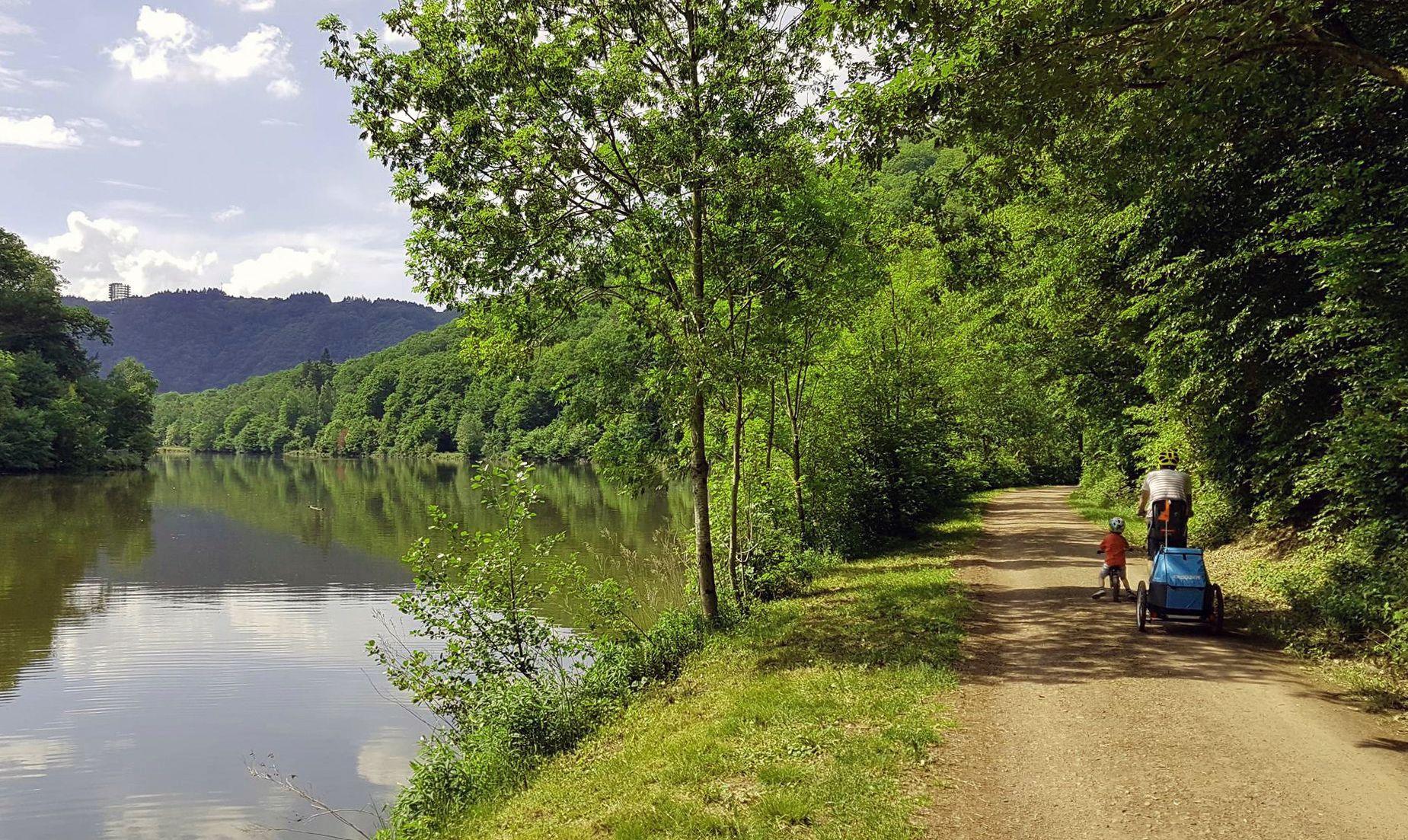
Saar Cycle Route — through the Saarland to the Moselle
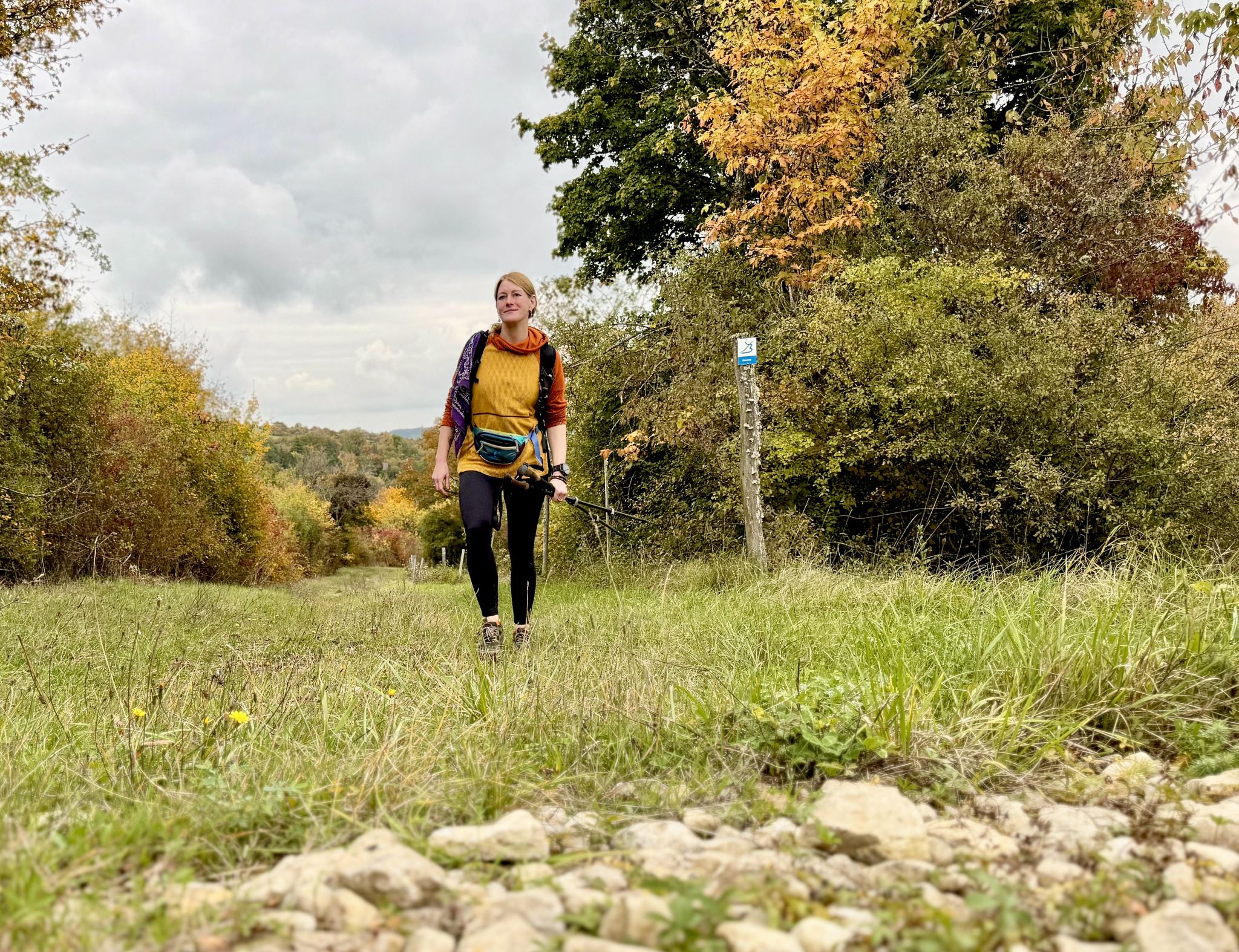
The Bliessteig – Saarland's colorful autumn dream
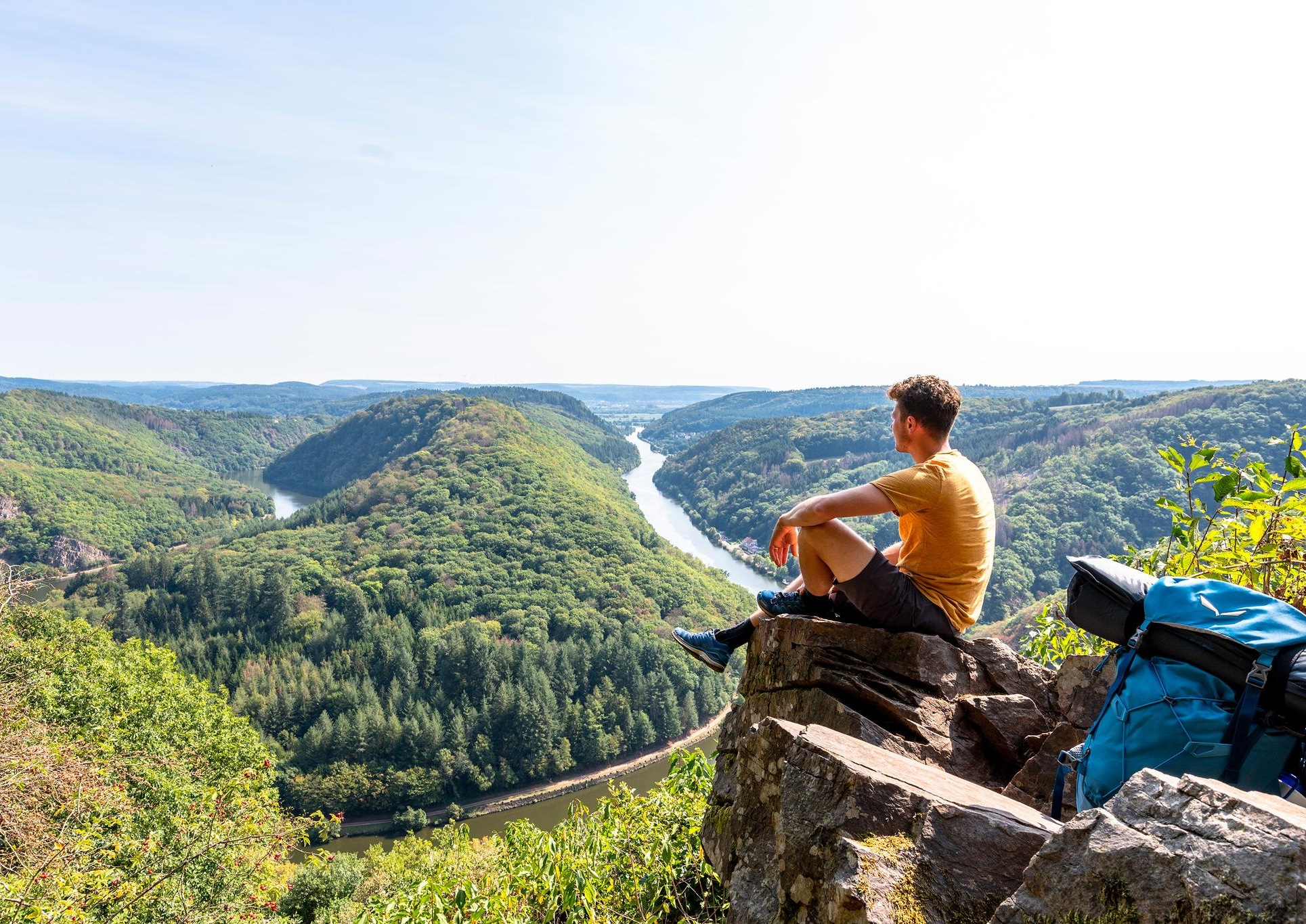
So close, so diverse – the most beautiful hikes in Saarland
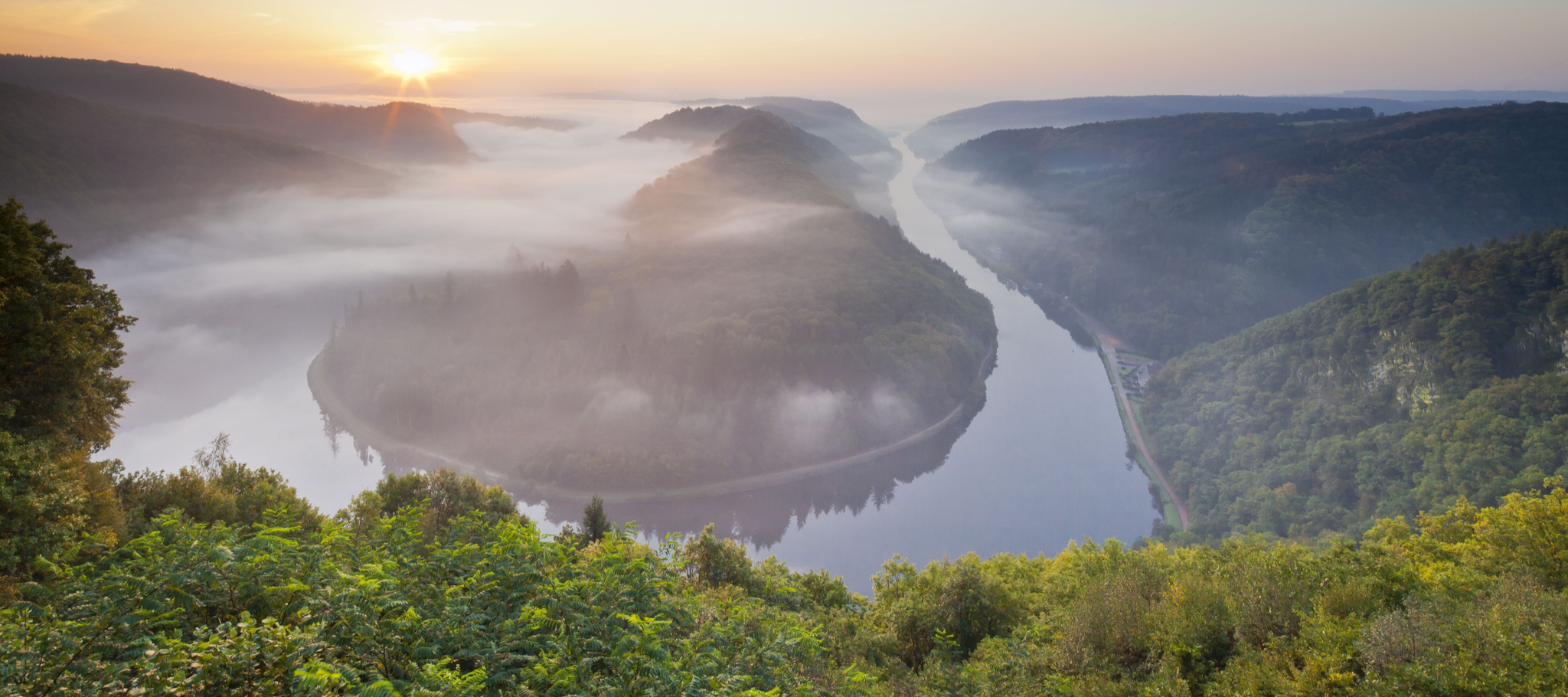
Between the Saarschleife and the Blies – the most beautiful hikes in Saarland
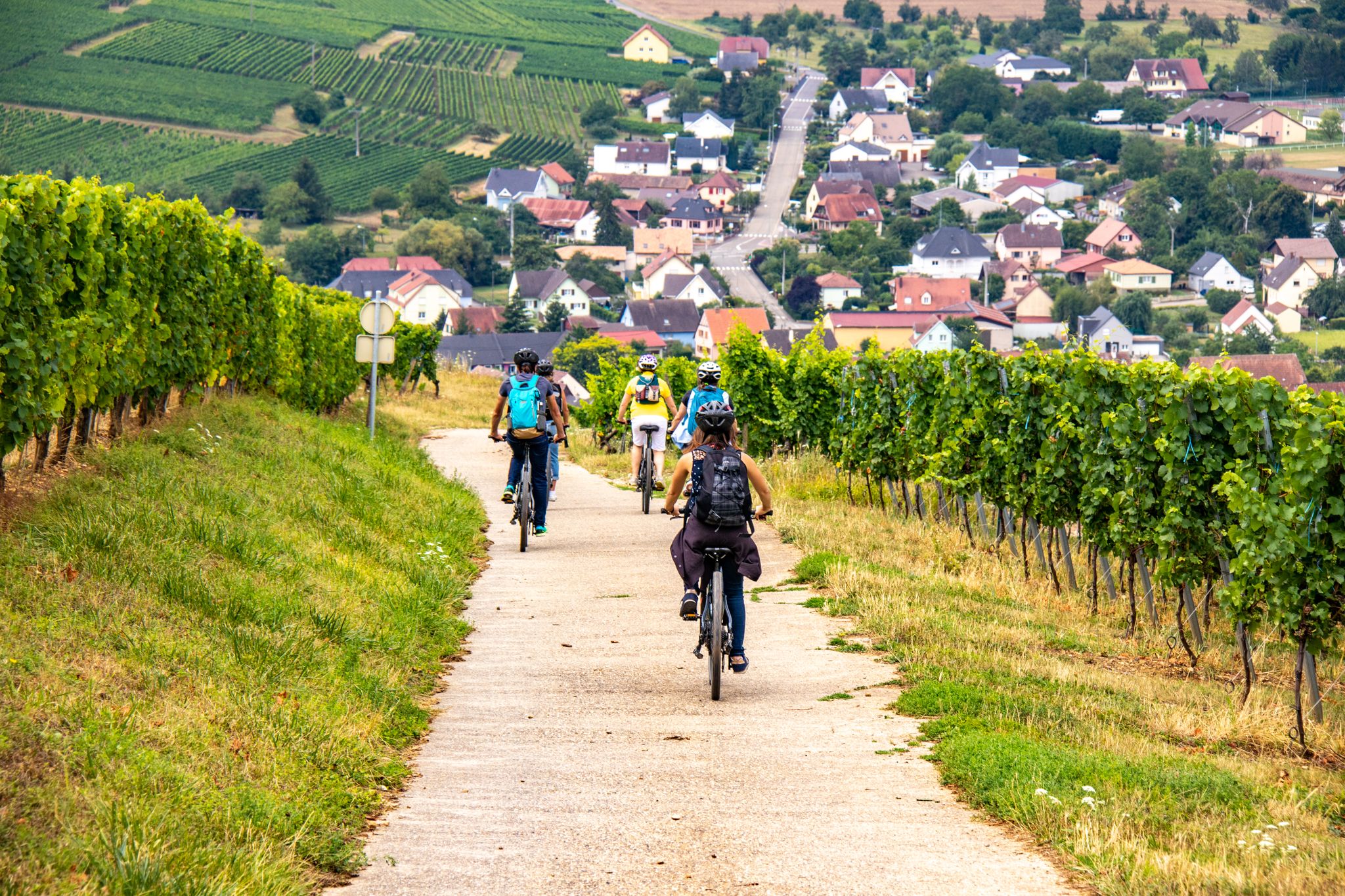
EuroVelo 5 - Via Romea (Moselle - Alsace)
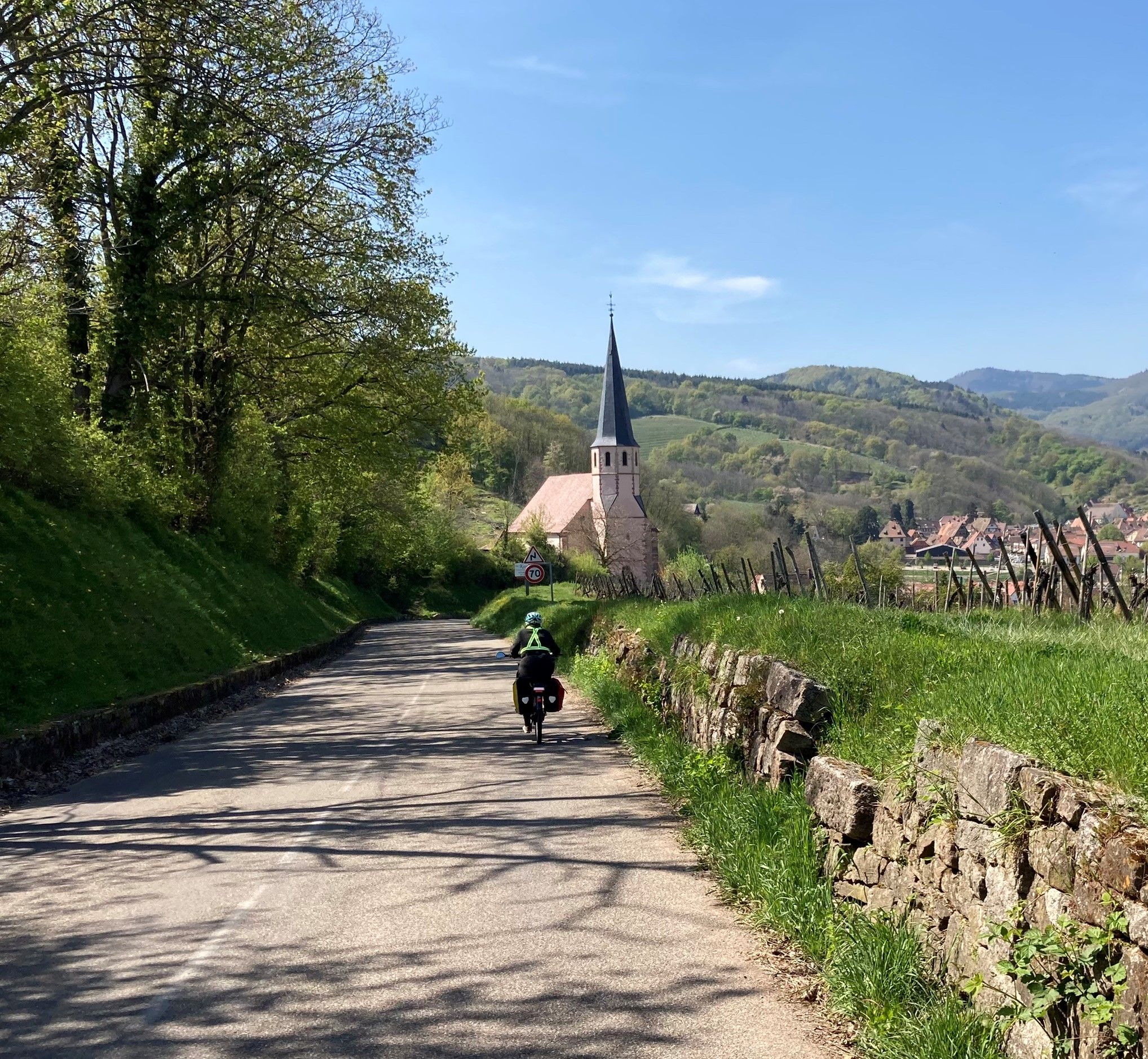
The Via Romea Francigena in Alsace-Moselle – EuroVelo 5
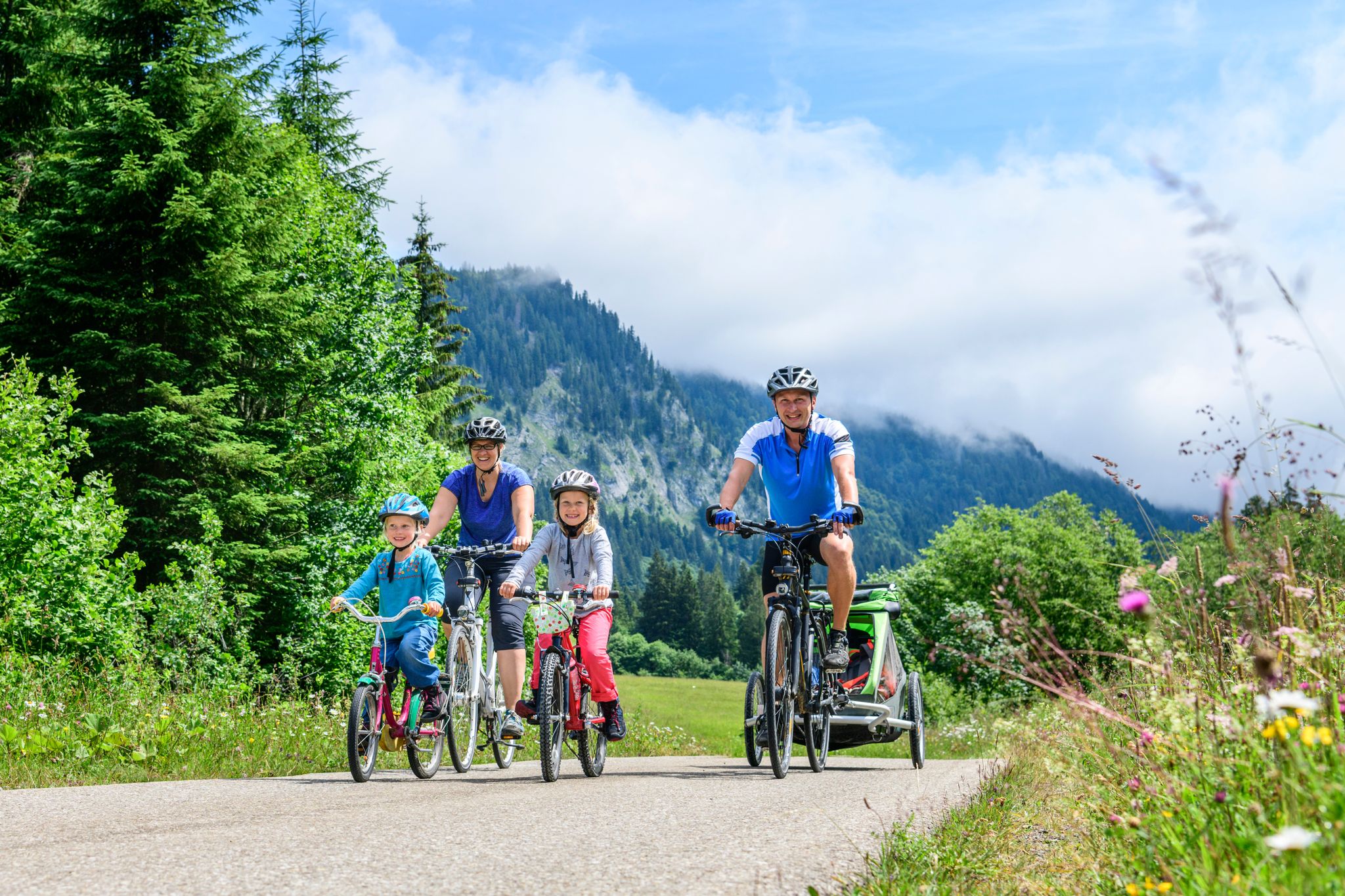
German Cycling Network – Cycling all over the country on the D-Routes
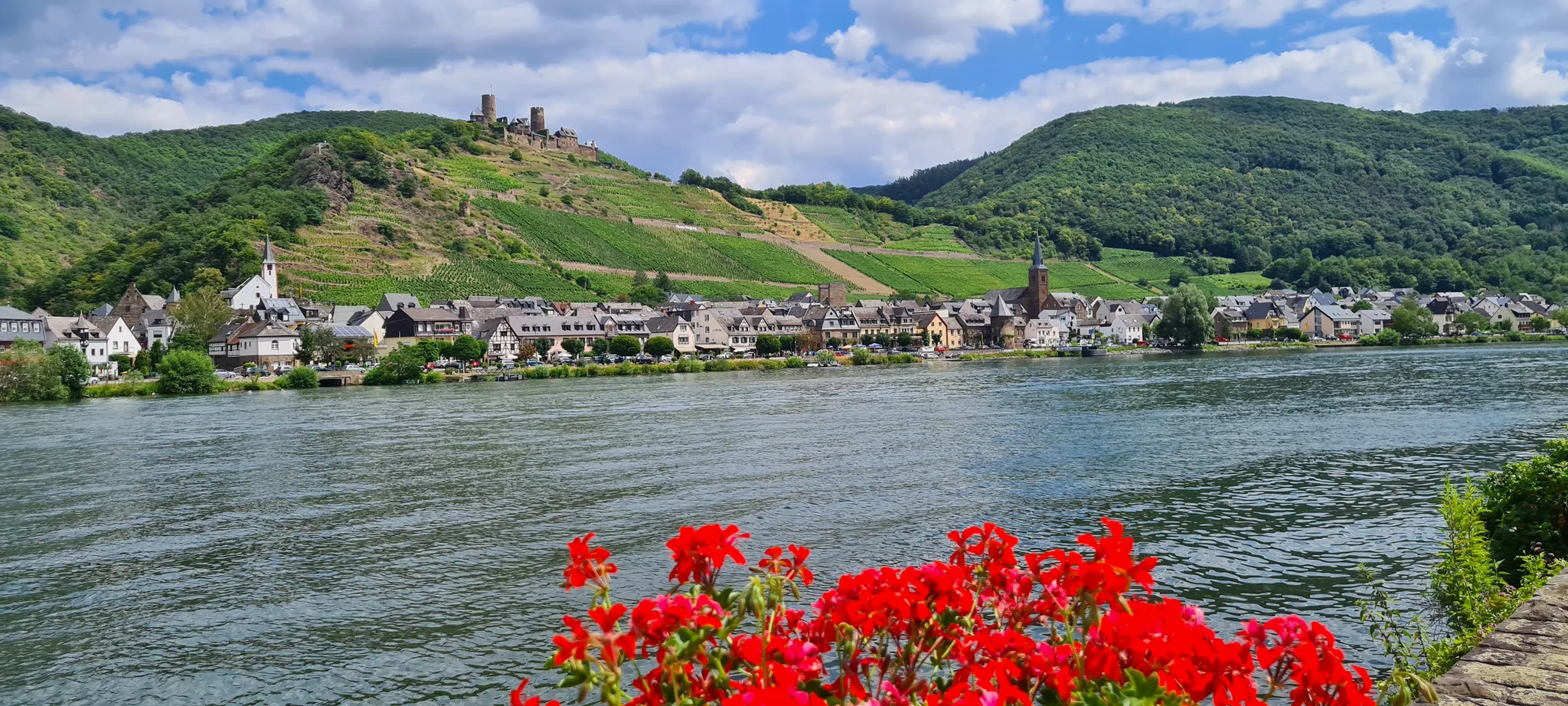
D-Route 5: Saar-Moselle-Main
The Glan-Blies cycle path - in 5 stages from Saarland to the Palatinate
Von Saarbrücken bis zur Mosel – Radwege im Saarland
Other adventures around Sarreguemines


Tips from the Community

This spot is actually called "Salon de bois," meaning "wooden living room," as indicated by the large wooden sign above the rock overhang and the fact that all the furniture is made of wood. Here, even larger groups can stay dry in any weather and even fire up the grill. 😉
0
0

A very varied circular hike with many rock formations and surprises. This route was recently completed. Highly recommended. There's also a barbecue grill at this spot. 😃
1
0

A really crazy rock formation where the roof rests on narrow pillars.
0
0

Chateau Ramstein isn't really signposted... just follow the small paths.
0
0

The rock looks like an elephant's face 🐘. Don't you agree? 😀
0
0

pretty cave with a puddle
1
0

This small grotto is located beneath the Falkenstein Castle ruins, on the way to Helfenstein. You can't stand upright inside, and it's quite damp.
1
0

The cave is named after Father Jean-Gabriel Brizet, who was born in Bitche on August 17, 1747. He was ordained a priest on September 18, 1773. To avoid being arrested in 1797, he went underground. He found refuge in a cave that was difficult to access to say mass and administer some sacraments. He died on January 21, 1814. The cave had become a place of pilgrimage that had fallen into oblivion and was restored during the bicentenary of the church of Lengelsheim in May 2004.
2
0
Frequently Asked Questions
What kind of "caves" can I expect to find around Sarreguemines?
The "caves" around Sarreguemines are primarily natural rock shelters, grottoes, and historical sites, rather than extensive underground cave systems. They are often found within rock formations and forests, offering natural and cultural points of interest.
Are there any historical sites among the caves in the Sarreguemines area?
Yes, several sites have historical significance. For example, Hasslingerfelsen Cave is known as the largest grotto in Lviv, where the local population found shelter during historical events. The Bat Cave Reserve also includes old galleries that were part of the Ligne Maginot and served as hiding places.
Are the caves around Sarreguemines suitable for families with children?
Yes, some sites are particularly family-friendly. Erbsenthal Cave, described as a small grotto with an interesting rock formation, is considered a great adventure for children.
What unique natural features can I see at these sites?
You can explore various rock formations. Choir Rocks, for instance, is a natural monument known for its distinctive rock features, which some visitors have noted include formations resembling two chairs. Salon de la Roche is another rock overhang with a unique setup, often featuring wooden furniture.
What outdoor activities can I do near these caves?
The area around Sarreguemines is excellent for hiking and gravel biking. You can find routes like the Altschlossfelsen Rock Circuit or the Green Ring Trail for hiking. For gravel biking, options include the Saar Cycle Path or the Dragonerweg. You can find more details on these activities in the Hiking around Sarreguemines and Gravel biking around Sarreguemines guides.
Are there any religious sites associated with caves in the region?
Yes, the Grotto of the Virgin Mary in Meisenthal is a notable religious site that incorporates a grotto.
What is the difficulty level for exploring these cave sites?
Many of the sites, such as Salon de la Roche and Erbsenthal Cave, are categorized as intermediate, often involving hiking through varied terrain. Some routes, like those leading to Brizet Cave, can be more challenging.
Is it possible to visit caves that are part of castles or historical structures?
Yes, you can visit the Cave Beneath Falkenstein Castle, which is a historical site integrated with the castle's structure.
Are there any caves in the Sarreguemines area that are important for wildlife?
The Bat Cave Reserve – Rocky Outcrops and Bogs of the Pays de Bitche is a significant site. Its old galleries now serve as habitats for various bat species, making it an important location for local wildlife.
What should I wear when visiting these cave sites?
Since exploring these sites often involves hiking through varied terrain and forests, it's recommended to wear comfortable hiking shoes and appropriate outdoor clothing. Layers are advisable, as temperatures can vary.
Are there any specific regulations or permits required to visit these sites?
Generally, these natural rock shelters and grottoes are accessible without special permits. However, for specific historical or protected areas like the Bat Cave Reserve, it's always good practice to check for any local regulations or access restrictions before your visit.
What do visitors enjoy most about the cave sites around Sarreguemines?
Visitors appreciate the unique rock formations, the opportunity for adventure, especially for children, and the integration of these sites into scenic hiking routes. The historical significance of some locations also adds to the experience.
Most popular routes around Sarreguemines
Most popular attractions around Sarreguemines

Get inspired with the komoot mobile app


Didn’t find what you were looking for?
Discover more caves around Sarreguemines region by region:
Explore more
Extend your search for the best caves by checking out these guides of the top ones around Sarreguemines:
