Top 16 Caves in Vercors
Caves in Vercors are a prominent feature of the region's remarkable karst system, offering diverse opportunities for underground exploration. The Vercors plateau, located in France, contains approximately 4,000 caves. This geological landscape provides a range of experiences, from accessible tourist attractions to challenging speleological expeditions. The area is characterized by its extensive network of underground rivers, impressive rock formations, and unique natural phenomena.
Best caves in Vercors
- The most popular caves include Font d'Urle Ice Cave, a cave that…
Last updated: August 11, 2026
Font d'Urle Ice Cave
Highlight • Cave
Translated by Google •
Tip by

Choranche
Highlight • Gorge
Translated by Google •
Tip by

Sign up now to discover places like this
Get recommendations on the best single tracks, peaks, & plenty of other exciting outdoor places.
Sign up for free
Cuves Trail
Highlight (Segment) • Cave
Translated by Google •
Tip by

Corrençon Natural Icehouse
Highlight • Cave
Translated by Google •
Tip by

Thaïs Cave
Highlight • Cave
visites-nature-vercors.com/fr/grotte-de-thais/decouvrir
Translated by Google •
Tip by

Sign up for free to discover even more caves in Vercors.
Sign up for free
Already have an account?
Start today with a free account
Your next adventure awaits.
Login or Signup
Popular around Vercors

Triathlon 360 – my journey around the world
La Grande Traversée du Vercors — In the West of the Alps
Naples to North Cape — Two friends, one purpose and many scoops of ice-cream
Follow the sun – riding from Germany to the south of France
GR 91 - From the Vercors High Plateaux to Provence
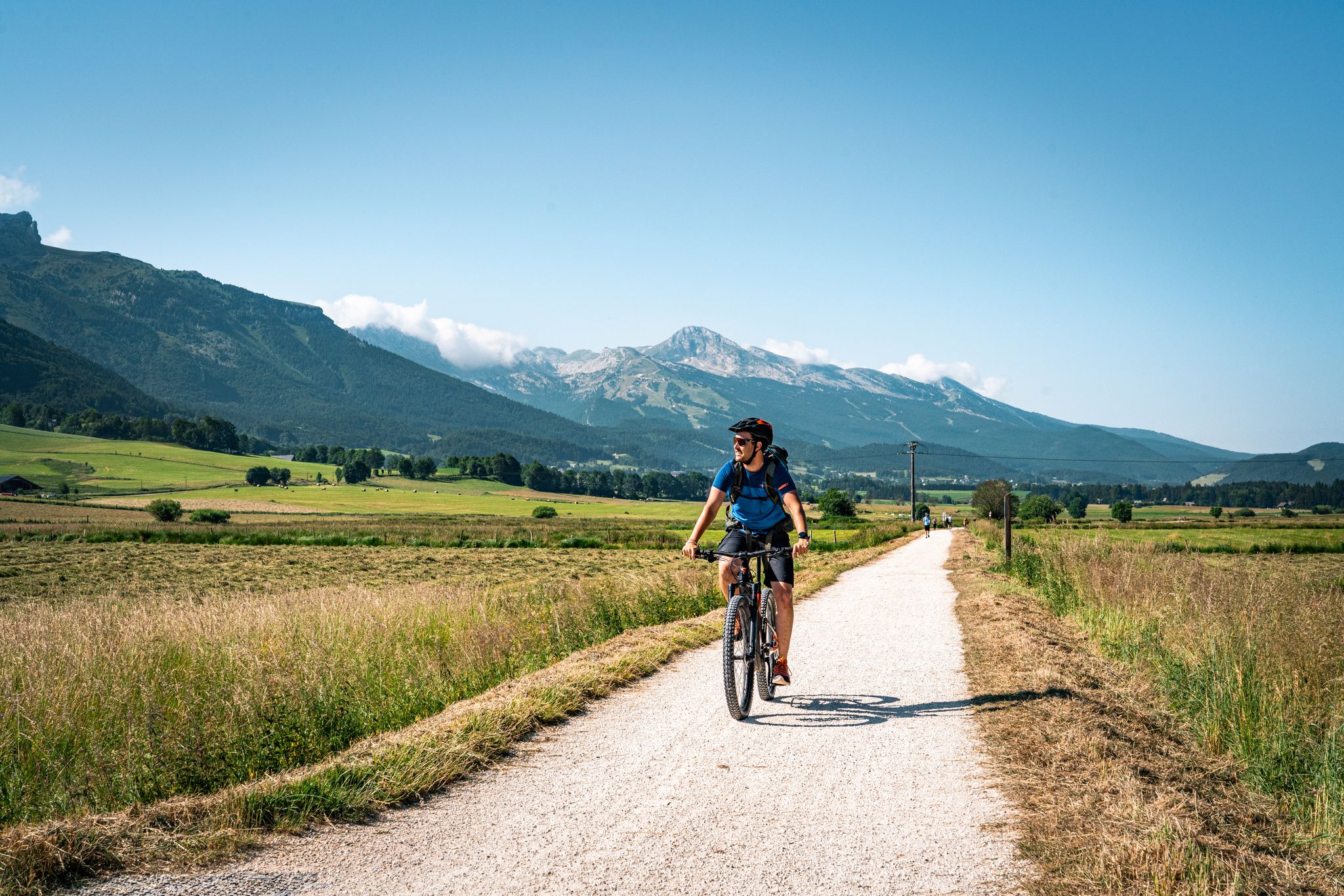
Vercors — the best gravel and mountain bike routes
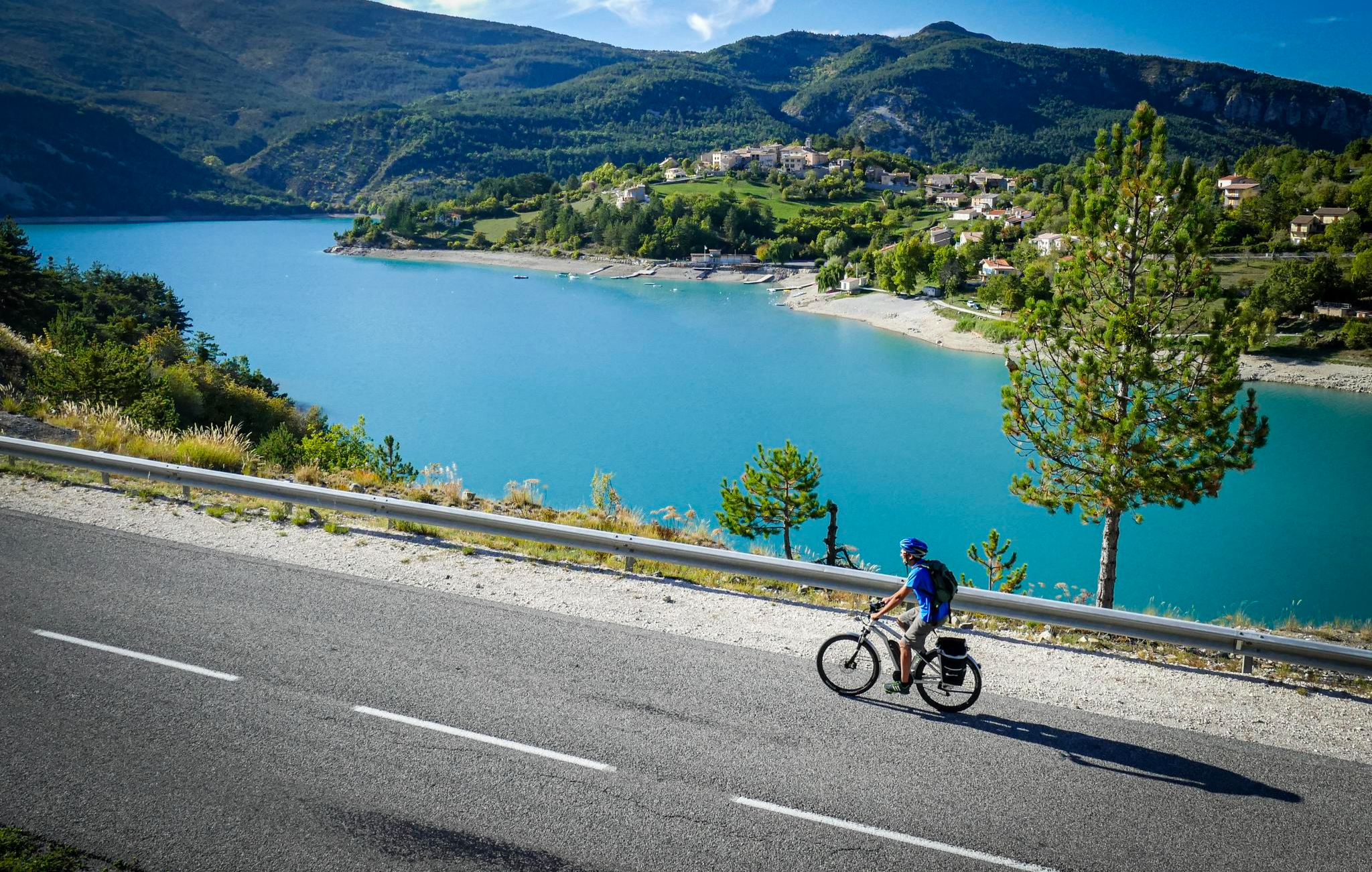
P'tites Routes du Soleil (Little Routes of the Sun)
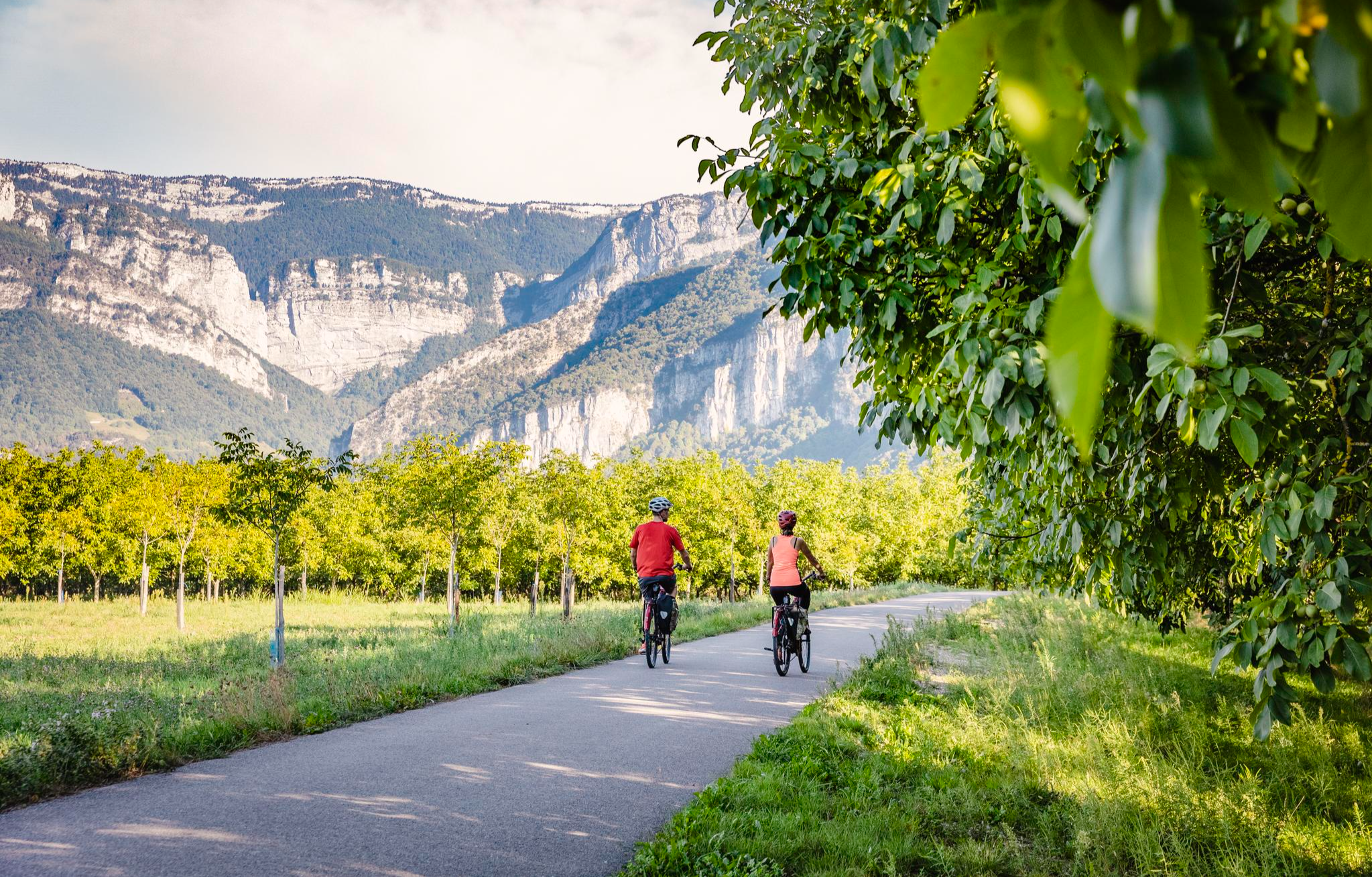
Cycling around La Belle Via — Bike rides in Isère
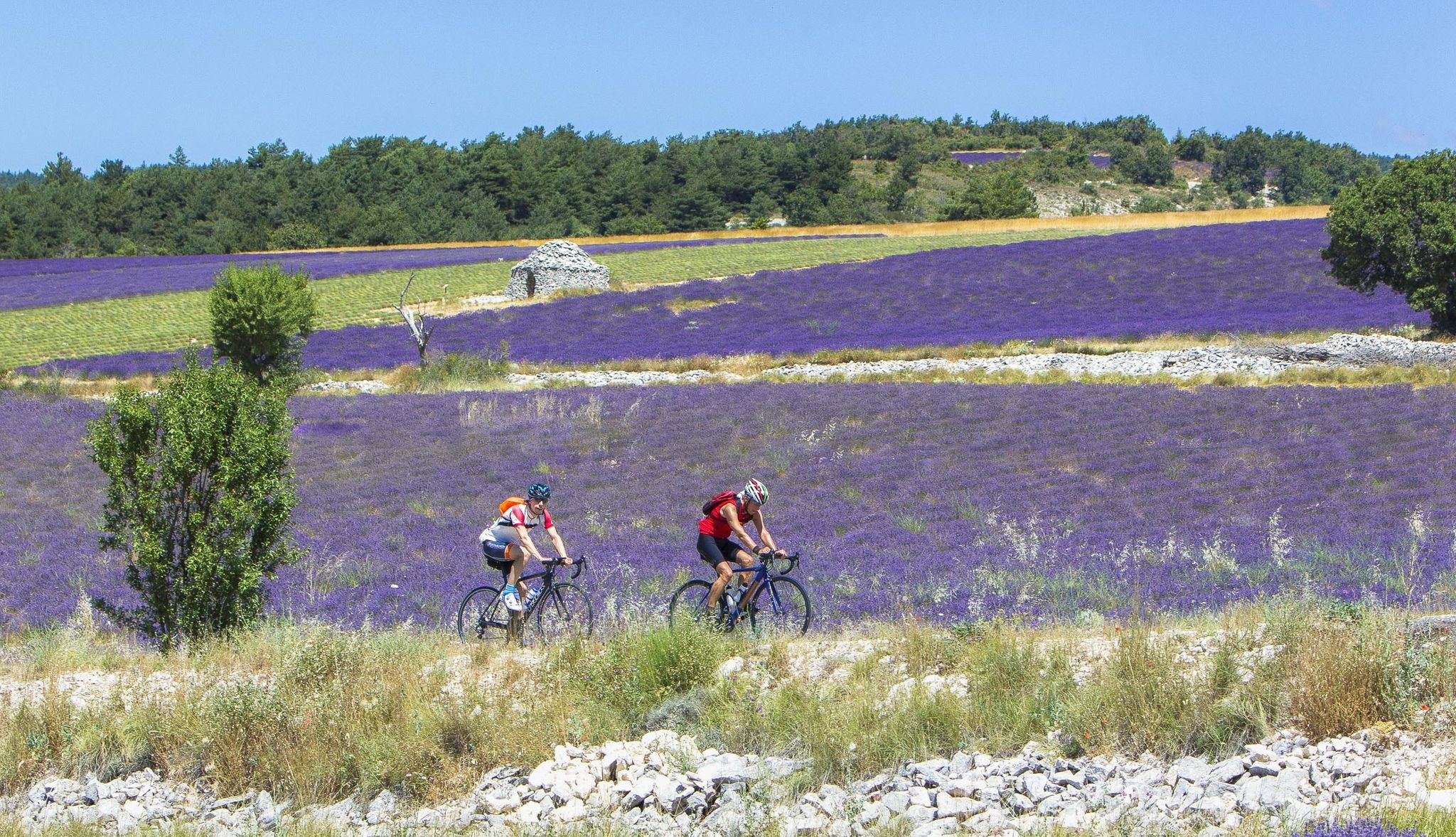
Between passes and mountain villages – bike rides in the Drôme
Grand Tour of the Vercors – third section
Other adventures in Vercors


Tips from the Community

The path of the vats is a very easy hike, the Furon at one point plunges under the rock. Spectacular
0
0

Nice little place, the climb up to here is still manageable. Nice views nonetheless.
0
0

Ice reserve still exploited not so long ago (until the mid-20th century). Interesting explanatory panels.
1
0

Magnificent and impressive natural cavity that can be explored with a lamp. At the bottom there are beautiful ice formations even in summer. This phenomenon is due to the shrinkage of the cavity which traps cold air at the bottom. When moisture seeps through the ceiling, the temperature is low enough for the water to freeze and form stalactites.
1
0

This underground landscape once invaded by water is now punctuated by rock sculptures with natural pigments. Through objects found in this millennial cave, we relive the daily life of Homo Sapiens. During the visit, the guide illustrates the formation of this cavity and its occupation during the last ice age. More info here: https://www.visites-nature-vercors.com/fr/grotte-de-thais/decouvrir/
0
0

La Glacière is a 14 m deep cave. It is the result of the dissolution and erosion of limestone by the long work of water. In the 1700s, landmarks bear witness to the presence of men who came here to exploit the ice. The latter will engrave various inscriptions on the wall. But it was at the beginning of the 20th century that this cave was mainly exploited. Indeed, the ice extracted using a sled is used by cafeterias in Grenoble and hospitals. In 1964, the cooler was 4 m thick, today it is endangered. The rockslides made access to the cooler dangerous and it was closed to the public in 1999.
0
0

Parking and map displayed. Departure on a very pleasant and marked path. Magnificent view and several impressive and accessible hollow "coolers" which are indicated (10 points to be indicated on the map and trail). I was able to see the 1st nearby as I broke my toe before...next time for the rest. Thought of a lamp, it's better inside dark, in the first you can cross and come out on the other side...
0
0

An underground world in the heart of a picturesque village. https://www.visites-nature-vercors.com/fr/grotte-de-thais/decouvrir/
8
0
Frequently Asked Questions
What types of caving experiences can I find in the Vercors region?
The Vercors region offers a wide range of caving experiences, from easily accessible tourist attractions to challenging speleological expeditions. You can explore caves with impressive formations like Grotte de Choranche, suitable for general tourism, or opt for introductory caving experiences at places like Grotte de Ture. For more adventurous visitors, caves such as Grotte de la Luire provide sporting explorations.
Are there family-friendly caves in Vercors?
Yes, several caves in Vercors are suitable for families. Gournier Cave is noted as family-friendly, with an accessible trail. Grotte de Choranche is also very popular for families due to its well-lit pathways, sound and light shows, and the presence of proteus in aquariums. The Cuves Trail leading to the Cuves de Sassenage is described as a very easy family outing.
What unique geological features can I expect to see in Vercors caves?
Vercors caves are renowned for their diverse geological formations. Grotte de Choranche is famous for its exceptional concentration of delicate 'fistula' stalactites and underground lakes. You can also find impressive ice formations year-round at Font d'Urle Ice Cave, and vast halls with thousands of stalactites in Grotte de la Draye Blanche. Grotte de Bournillon features one of Europe's biggest cave porches and an impressive ceiling height of 140 meters.
Which caves are suitable for beginners or those new to caving?
For those new to caving, Grotte de Ture in Autrans offers an easy introduction to underground exploration with stalagmite and stalactite formations. Grotte de la Cheminée provides a manageable route with historical and geological interest, while Grotte des Ours offers beautiful underground landscapes without requiring specific skills. Grotte de Ferrières is also considered easy for speleologists, though basic rock climbing knowledge can be helpful.
What is the best time to visit the caves in Vercors?
Many caves in Vercors are open year-round, making them a great destination in any season. For example, Font d'Urle Ice Cave maintains its ice formations even in summer. However, during wet seasons, some caves like Grotte de la Luire can experience significantly higher water levels, which might affect access for certain activities. It's always advisable to check specific cave opening hours and conditions before your visit.
Are there any caves in Vercors with historical significance?
Yes, some caves in Vercors hold historical importance. Grotte de Thaïs offers a journey into prehistoric times, featuring a reproduction of a prehistoric habitat. Neolithic deer antlers were found in Grotte de la Cheminée. Grotte des Ours has a history of hosting bears and later, resistance fighters during WWII. Additionally, the Corrençon Natural Icehouse was historically exploited for ice until the mid-20th century, with landmarks from the 1700s.
What should I wear when visiting caves in Vercors?
When visiting caves in Vercors, it's generally recommended to wear adapted footwear, such as sturdy walking shoes or hiking boots, as paths can be uneven or wet. Even in summer, cave temperatures are consistently cool, so bringing an extra layer like a light jacket is advisable. For exploration in darker caves, don't forget to bring a flashlight or headlamp.
What outdoor activities can I do near the Vercors caves?
The Vercors region, known for its stunning natural park, offers a variety of outdoor activities near its caves. You can explore numerous mountain hikes, with routes like the Pic Saint-Michel loop. The area is also excellent for gravel biking and cycling, with routes like the Vercors plateau loop. Some sites, like Grotte de Bournillon, even offer activities such as climbing and base jumping nearby.
How long do typical cave tours or visits last in Vercors?
The duration of cave visits in Vercors varies depending on the type of experience. Guided tours of tourist caves like Grotte de Choranche typically last around an hour. For more sportive caving trips, such as at Cuves de Sassenage, you might expect a 3-hour experience, while advanced explorations like Grotte d'Eymards can take up to 4.5 hours.
Are there any caves in Vercors that involve water or underground rivers?
Yes, several Vercors caves feature impressive water elements. Gournier Cave is known for its underground lake and river, offering opportunities for caving excursions and autonomous diving. Cuves de Sassenage also features an underground river, allowing visitors to interact with the water. Grotte de la Luire's water level can rise significantly during wet seasons, and Grotte de Bournillon is notable for being the third-largest emergence in France for its water flow, merging with a nearby waterfall.
Which caves in Vercors are recommended for experienced speleologists?
For experienced speleologists seeking a challenge, Grotte de la Luire is a vast system known as the longest cave in Vercors at 45 km, offering sporting explorations. Gournier Cave is excellent for experienced cave divers, featuring an underground lake crossing by boat. Grotte d'Eymards is geared towards more experienced speleologists, requiring abseiling and offering a complete underground itinerary including a 28-meter pit drop.
Is there parking available near the Vercors caves?
Yes, parking is generally available near the popular Vercors caves. For instance, for the Cuves Trail, you can park near the Château de Sassenage. For Font d'Urle Ice Cave, parking is available with a map displayed at the departure point. Major tourist caves like Grotte de Choranche also provide dedicated parking facilities for visitors.
Most popular routes in Vercors
Most popular attractions in Vercors

Get inspired with the komoot mobile app


Explore more
Extend your search for the best caves by checking out these guides of the top ones in Vercors:
