The best mountain hikes in Vercors
4.8
(31)
216
hikers
32
hikes
Mountaineering in Vercors offers diverse terrain characterized by towering limestone cliffs, deep gorges, and high plateaus. The region features a network of trails through dense forests, lush valleys, and mountain pastures. This varied landscape provides numerous opportunities for vertical experiences, from challenging ascents to ridge traverses.
Best mountaineering routes in Vercors
- The most popular mountaineering route is Pic Saint-Michel (1966 m) – Arc Pass loop from Parking des Barnets, a 5.6 miles (9.0 km) trail that takes 3 hours…
Last updated: October 4, 2026
5.0
(5)
26
hikers
8.90km
04:06
700m
700m
Hard mountaineering route. Good fitness required. Sure-footedness, sturdy shoes and alpine experience required.
5.0
(1)
12
hikers
12.2km
06:41
1,080m
1,080m
Hard mountaineering route. Very good fitness required. Sure-footedness, sturdy shoes and alpine experience required.

5.0
(3)
9
hikers
12.3km
04:54
600m
600m
Moderate mountaineering route. Good fitness required. Mostly accessible paths. Sure-footedness required.
14
hikers
8.38km
03:36
610m
610m
Moderate mountaineering route. Good fitness required. Mostly accessible paths. Sure-footedness required.
5.0
(1)
7
hikers
16.9km
07:14
1,000m
1,000m
Hard mountaineering route. Very good fitness required. Sure-footedness, sturdy shoes and alpine experience required.
Get access to more routes and recommendations from other explorers.
Already have an account?
Our route recommendations are based on thousands of hikes, rides, and runs completed by other people on komoot.
Start today with a free account
Your next adventure awaits.
Popular around Vercors
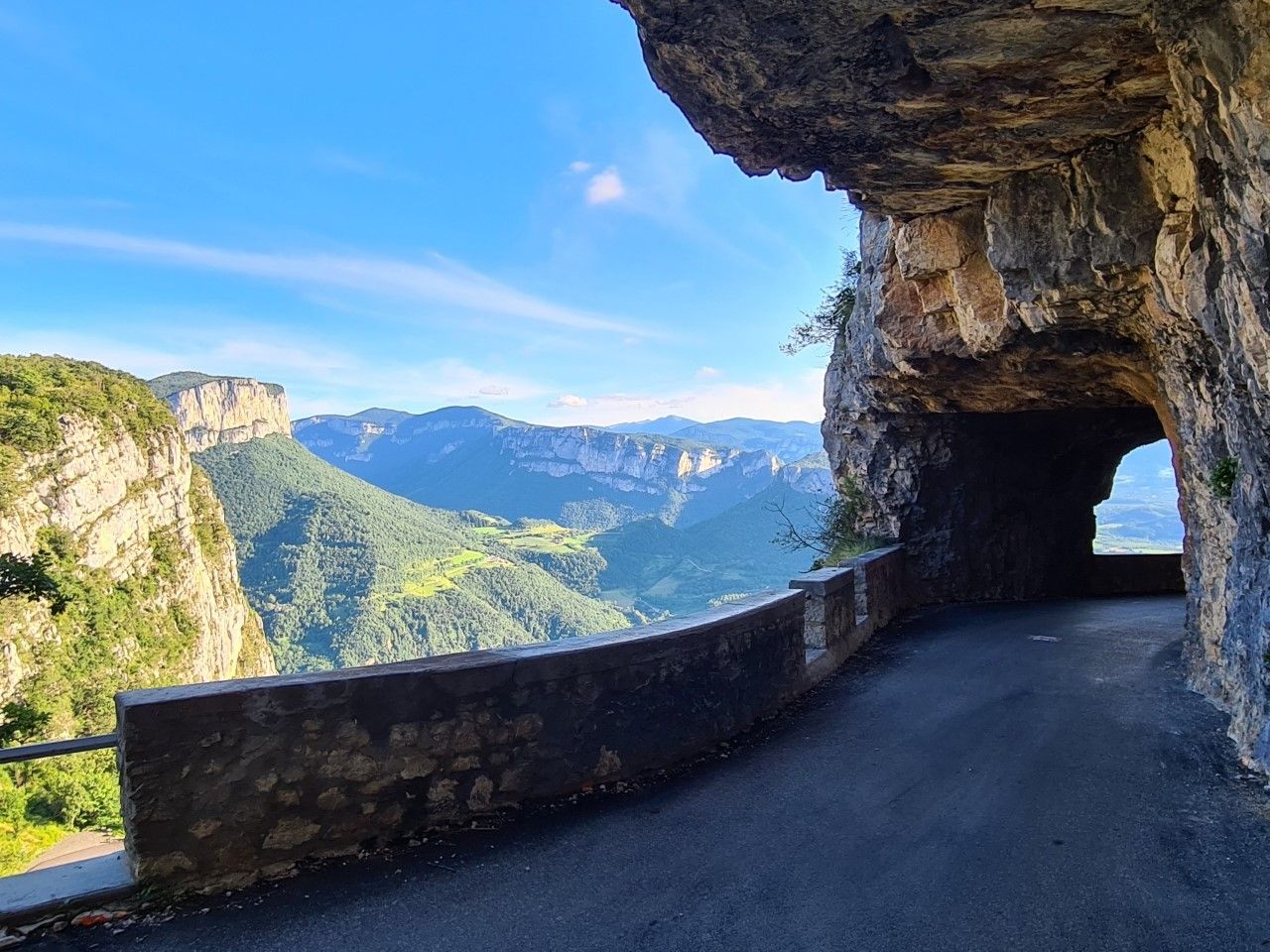
La Grande Traversée du Vercors — In the West of the Alps
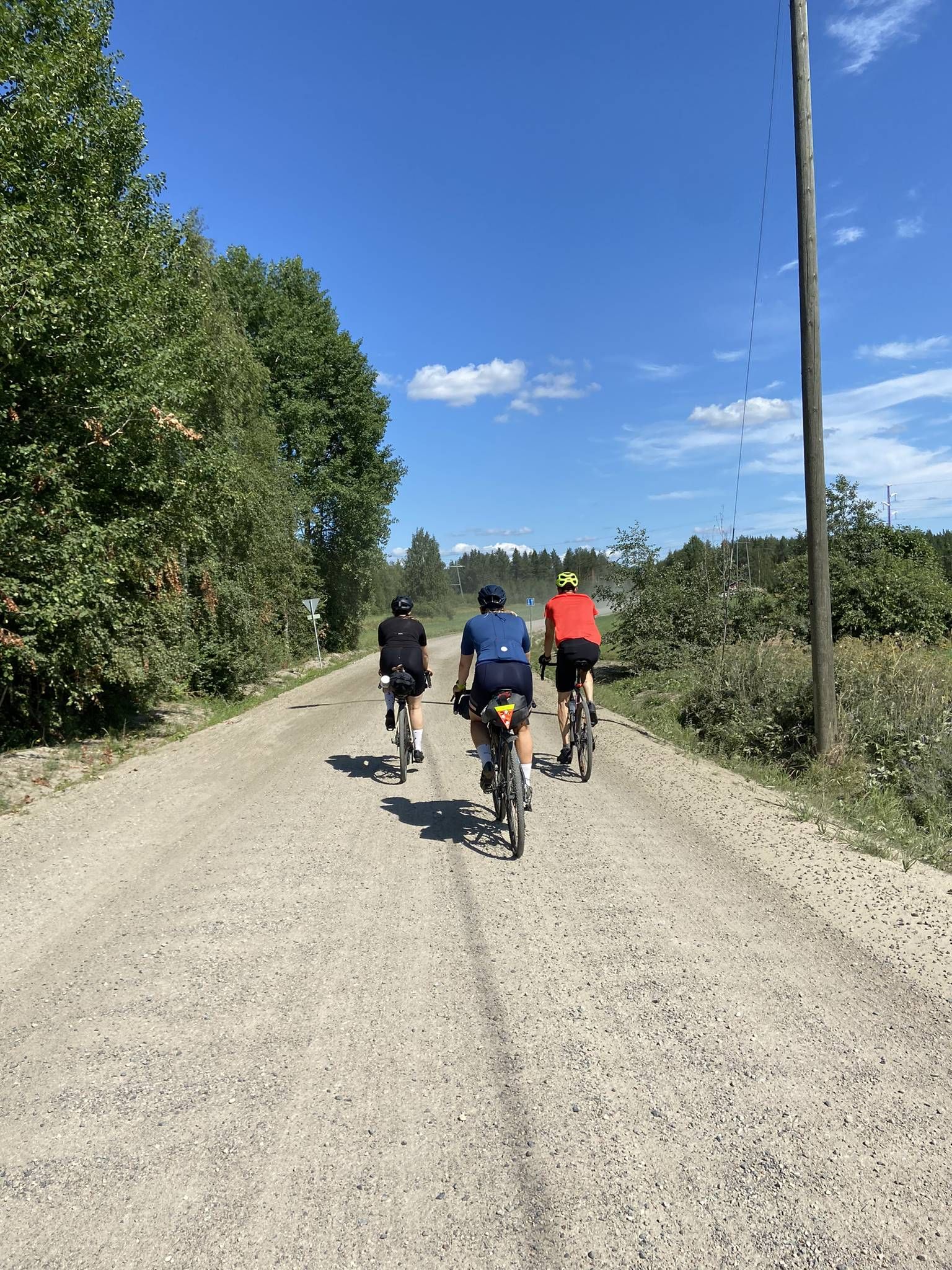
Naples to North Cape — Two friends, one purpose and many scoops of ice-cream
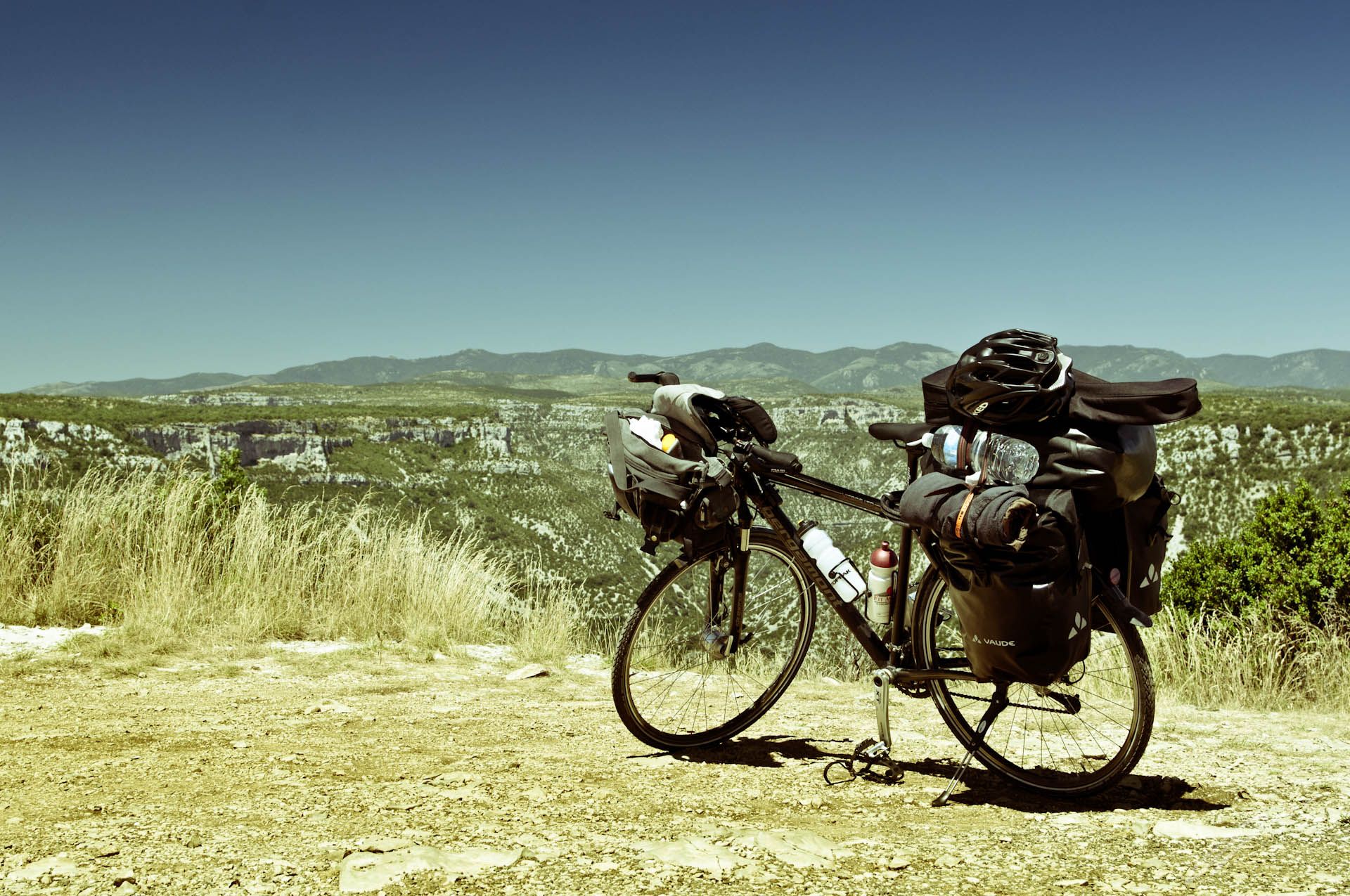
Follow the sun – riding from Germany to the south of France
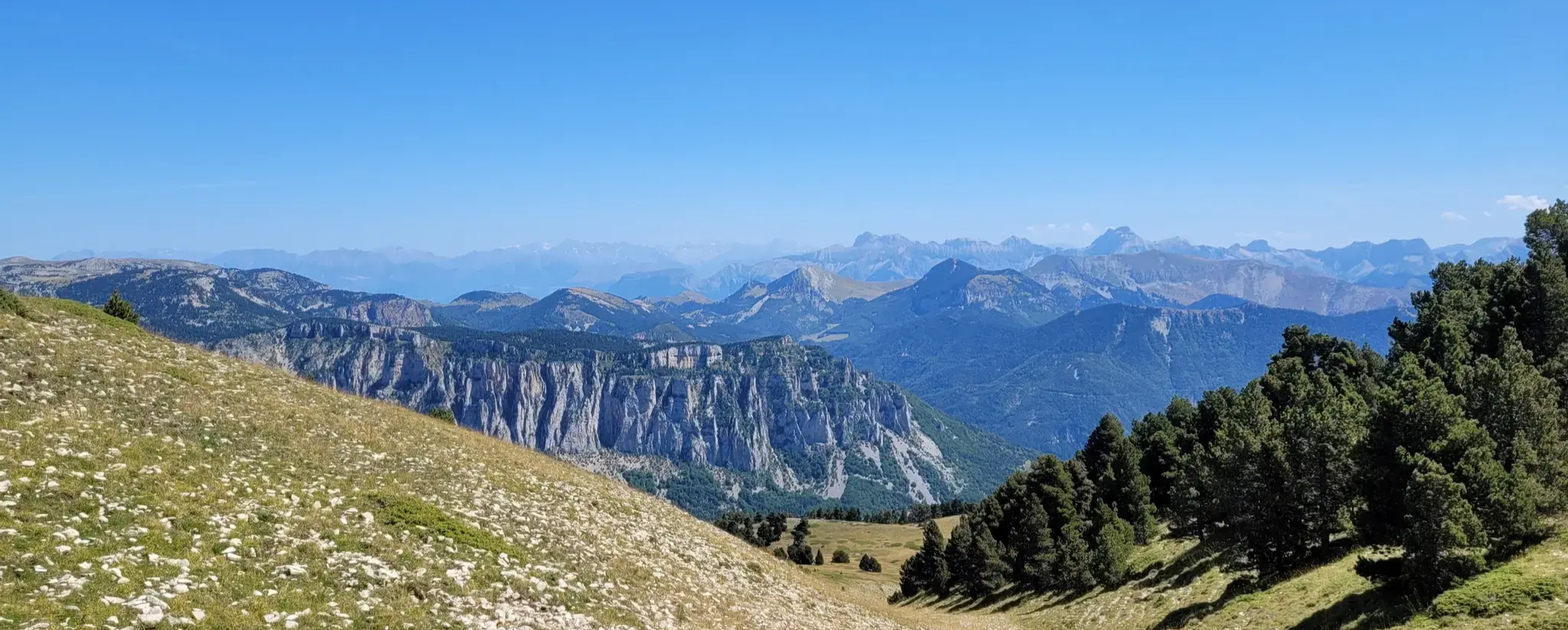
GR 91 - From the Vercors High Plateaux to Provence
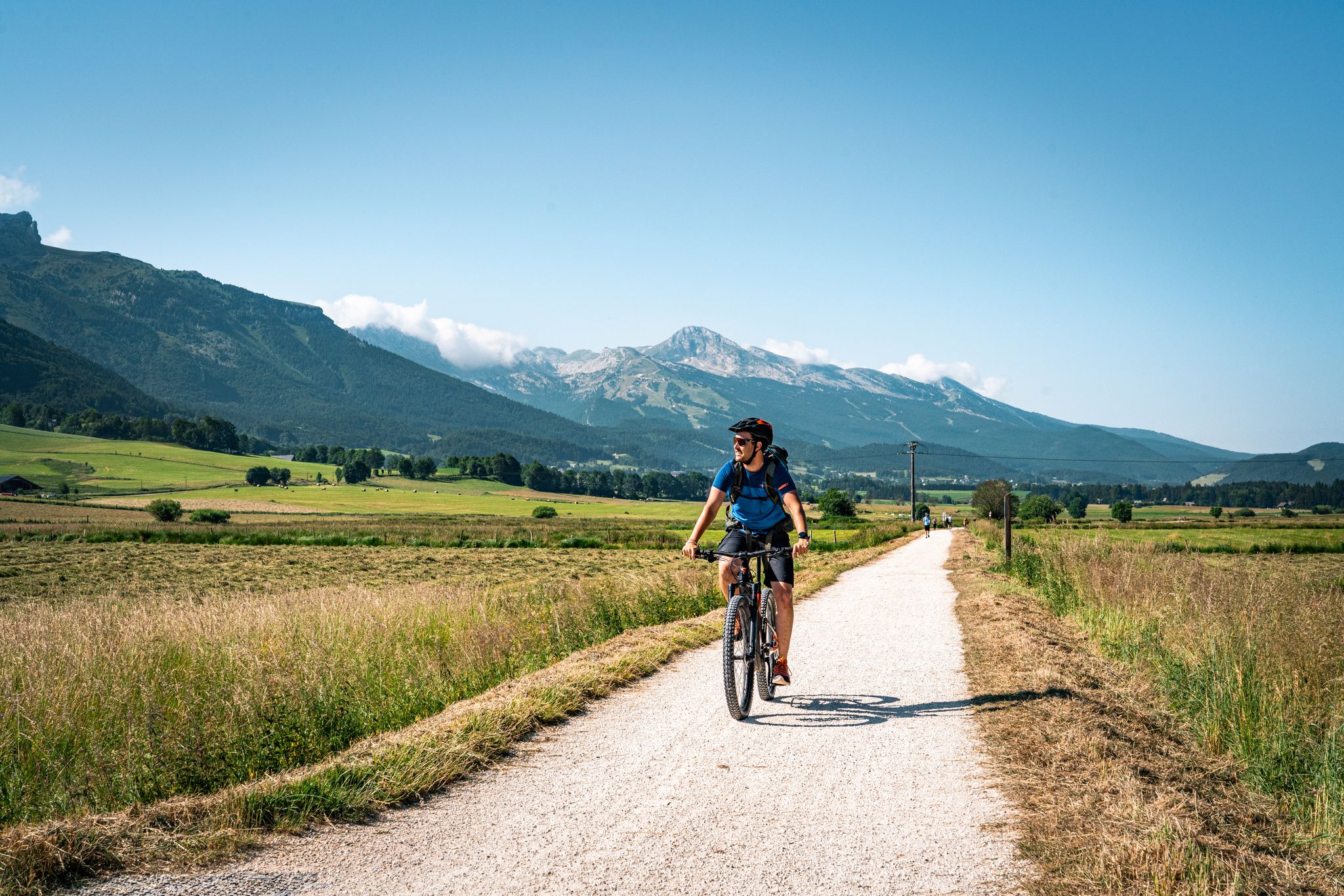
Vercors — the best gravel and mountain bike routes
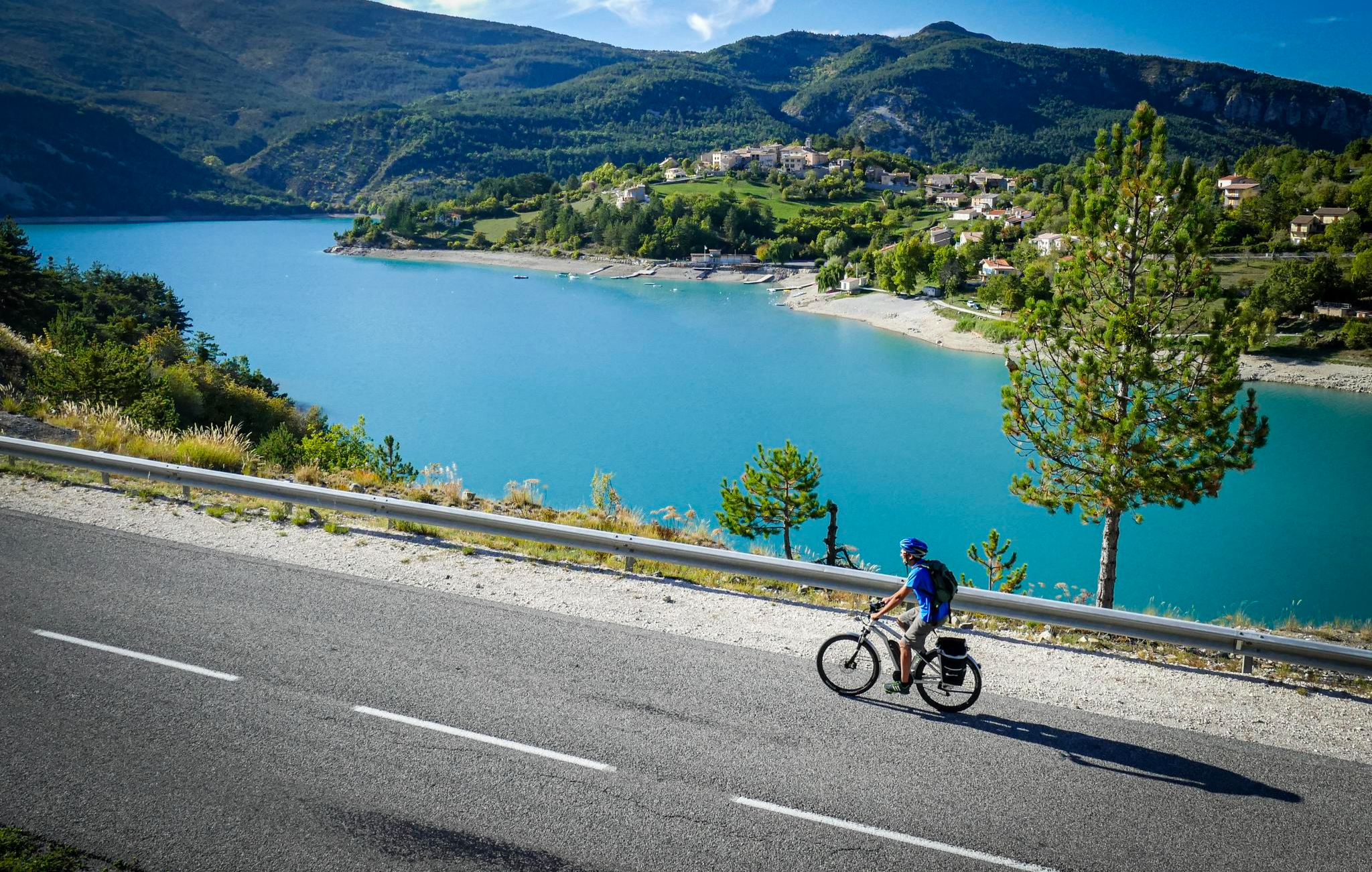
P'tites Routes du Soleil (Little Routes of the Sun)
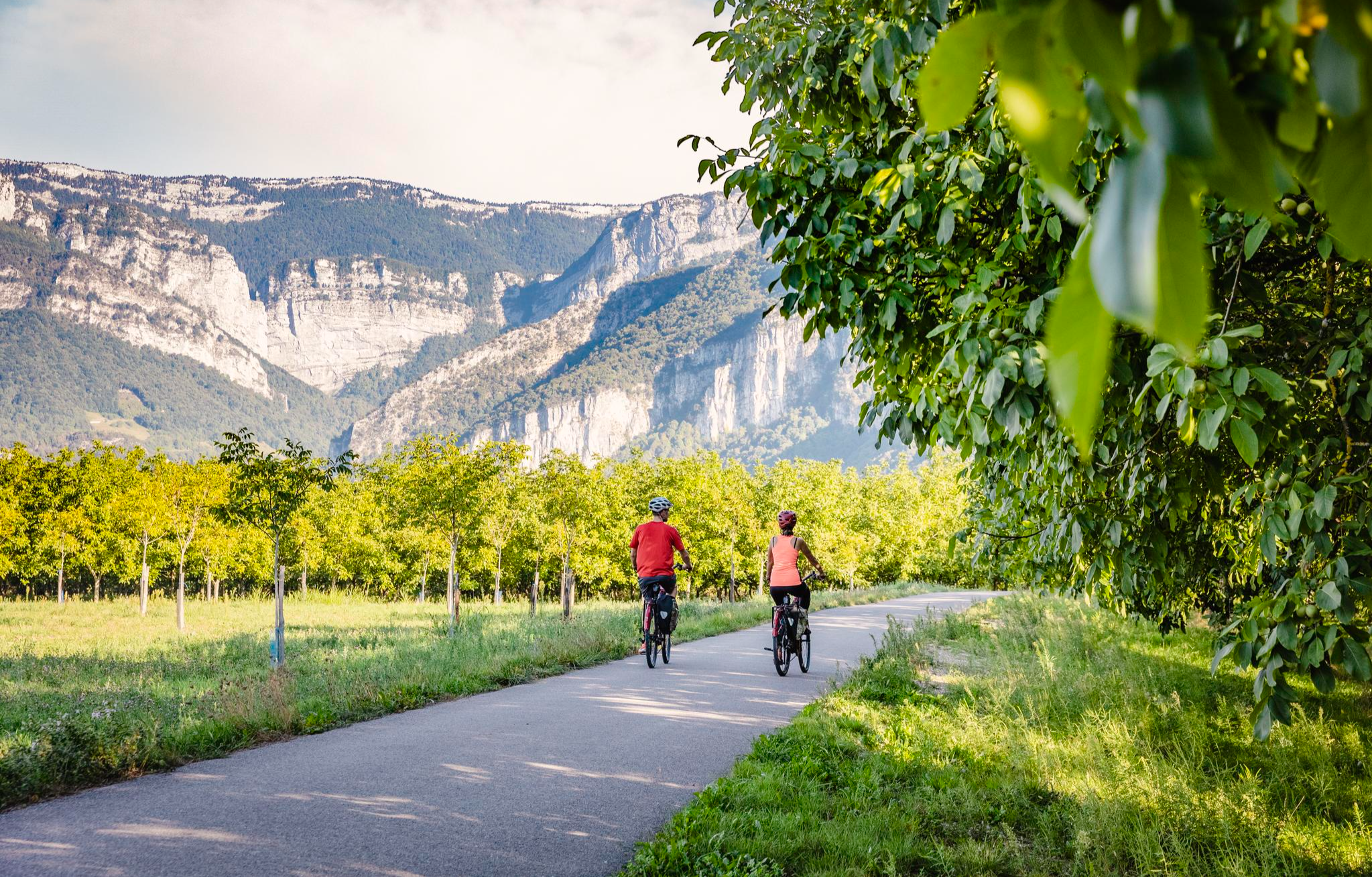
Cycling around La Belle Via — Bike rides in Isère
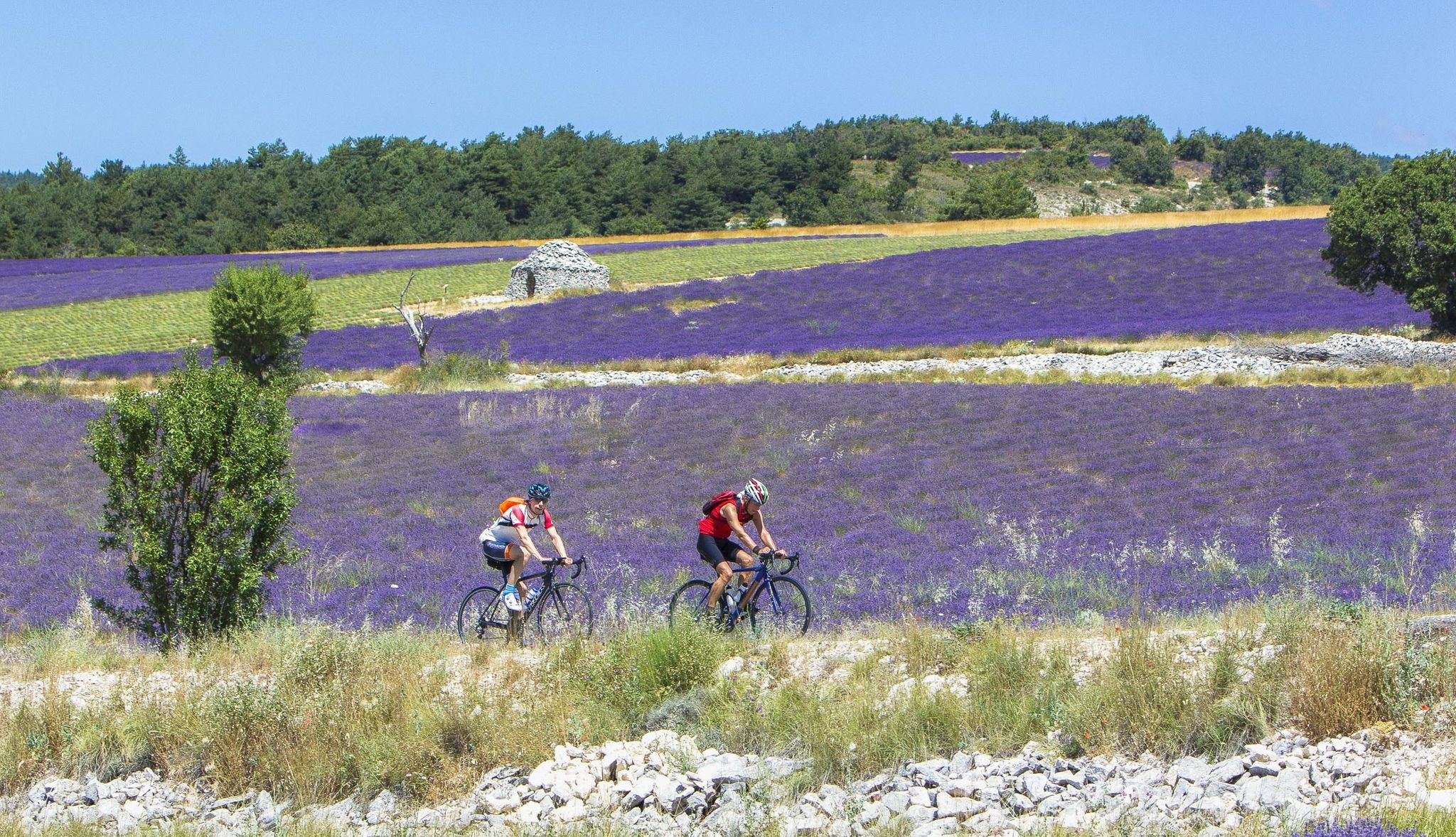
Between passes and mountain villages – bike rides in the Drôme
Grand Tour of the Vercors – third section
Grand Tour of the Vercors – first section
Other adventures in Vercors


Tips from the Community

Stunning view and perfectly marked trail. Remember to bring water, there are no springs on the plateau.
0
0

As pretty at the top as at the bottom, lots of ways to get to the top, accessible for all levels (not technical but lots of elevation gain depending on your starting point) but it's worth it!
1
0
Great view! And those on all sides, some areas where it is easier to get your hands on (over 100 meters) but nothing insurmountable! No dangerous areas!
0
0


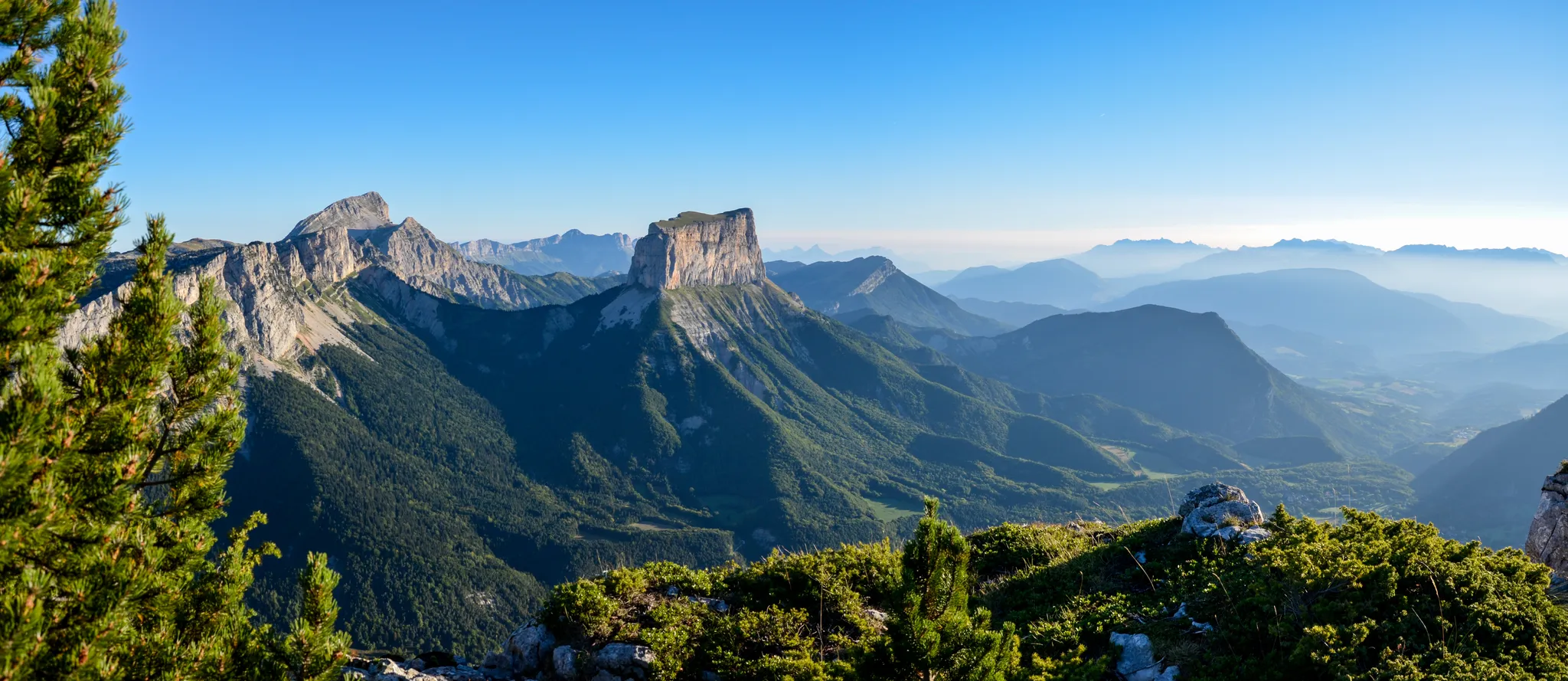
Breathtaking view of the two very distinctive peaks.
1
0
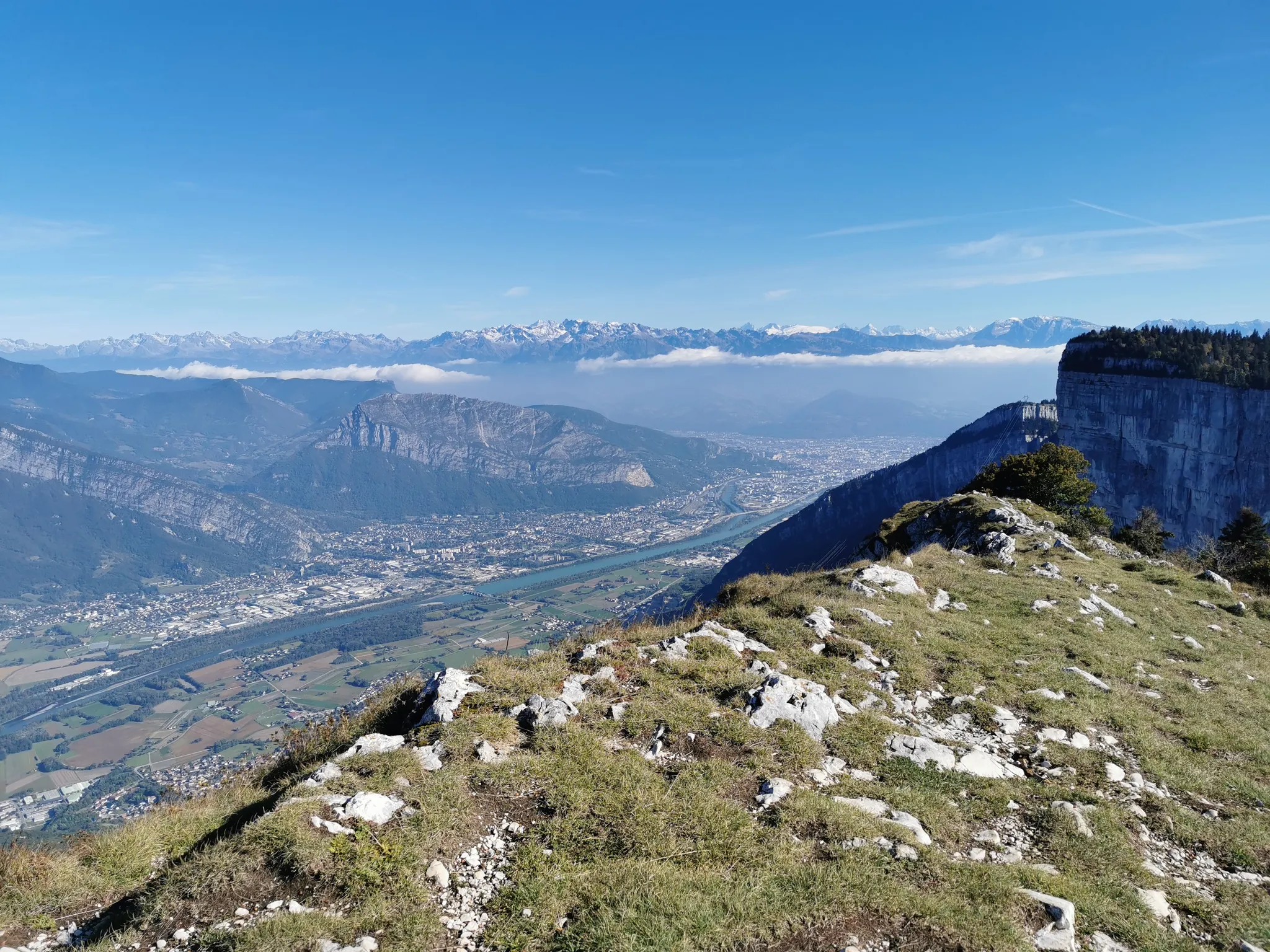
Magnificent view from the summit over Belledonne, Les Rousses, and in the background, Les Écrins. The ridge separating the Gresse valley and the Lans-en-Vercors plateau.
0
0

This hike offers superb panoramas and the arrival at Pic Saint-Michel, if you go clockwise, reveals a breathtaking view of the valley.
0
1
Frequently Asked Questions
What kind of terrain can I expect on mountaineering routes in Vercors?
The Vercors Massif is characterized by its dramatic and diverse natural features. You'll encounter towering limestone cliffs, deep gorges, and high plateaus. The routes often traverse lush green valleys, mountain pastures, and dense forests, offering a wide array of vertical experiences and spectacular backdrops.
Are there mountaineering routes suitable for different skill levels in Vercors?
Yes, Vercors caters to a wide range of abilities. While all 42 mountaineering routes listed are either moderate or difficult, the region's extensive trail network includes options for various skill levels. For example, the Pic Saint-Michel (1966 m) – Arc Pass loop is a moderate route offering panoramic views, while the Grand Veymont loop from Gresse-en-Vercors presents a more challenging ascent to the highest point of the Massif.
Are there family-friendly mountaineering routes in Vercors?
While many mountaineering routes in Vercors are classified as moderate to difficult, the region does offer a diverse terrain. For families, it's best to look for routes with lower elevation gain and shorter distances. The Vercors also has many easier hiking trails that might be more suitable for younger children or those new to mountain environments, though these are not specifically categorized as mountaineering routes in this guide.
Can I bring my dog on mountaineering routes in Vercors?
The Vercors Massif is home to the Réserve Naturelle des Hauts-Plateaux, France's largest terrestrial nature reserve, where specific regulations apply to protect wildlife. While dogs are generally allowed on many trails in the wider Vercors Regional Natural Park, they are often required to be on a leash, especially in protected areas. Always check specific route regulations before heading out, particularly if your route enters the nature reserve.
Are there circular mountaineering routes available in Vercors?
Yes, many mountaineering routes in Vercors are designed as loops, allowing you to start and end at the same point. For instance, the Saint-Nizier-du-Moucherotte loop offers superb vistas over the Isère valley, and the Col Vert loop provides another excellent circular option.
What notable landmarks or natural features can I see while mountaineering in Vercors?
Vercors is rich in dramatic landscapes. You can expect to see iconic limestone cliffs, deep gorges, and high plateaus. Notable peaks like Mont Aiguille and Grand Veymont offer stunning views. Beyond the natural beauty, you might also encounter historical sites such as the Plateau de Château Julien or the Ramparts of Die, adding a cultural dimension to your adventure.
What kind of wildlife might I encounter on Vercors mountaineering trails?
The Vercors Massif is known for its diverse wildlife. On your mountaineering routes, especially in higher altitudes and more secluded areas, you might spot chamois and ibex. The region's dense forests and varied habitats also support a range of bird species and other mammals, making wildlife spotting a rewarding part of the experience.
When is the best time of year for mountaineering in Vercors?
The best time for mountaineering in Vercors is typically from late spring to early autumn (May to October). During these months, the weather is generally more stable, and trails are free of snow, making ascents safer and more enjoyable. Summer offers warmer temperatures and longer daylight hours, while spring and autumn provide cooler conditions and vibrant foliage.
Are there options for winter mountaineering in Vercors?
Yes, Vercors transforms into a winter wonderland, offering opportunities for winter mountaineering, ski touring, and snowshoeing. However, winter conditions require specialized gear, experience, and careful planning due to snow, ice, and potential avalanche risks. Always check local conditions and forecasts before attempting winter routes.
Do I need any special permits for mountaineering in Vercors?
For general mountaineering routes within the Vercors Regional Natural Park, special permits are typically not required. However, if your route enters the Réserve Naturelle des Hauts-Plateaux, which is France's largest terrestrial nature reserve, specific regulations apply regarding camping, fires, and group sizes. It's always advisable to check the official Vercors Natural Park website for the latest information on regulations, especially for overnight stays or large groups.
Where can I find parking for mountaineering routes in Vercors?
Many popular mountaineering routes in Vercors, such as the Auberge des Allières – Pic Saint-Michel loop, start from designated parking areas like Parking des Barnets. Access points for trails are generally well-marked, and you can often find parking at trailheads or near villages that serve as starting points for routes. Always check the specific route details on komoot for recommended parking locations.
Is public transport available to access mountaineering trails in Vercors?
While some villages in the Vercors Massif are served by regional bus lines, direct public transport access to all mountaineering trailheads can be limited. It's often easier to reach starting points by car. However, for certain popular areas, you might find seasonal shuttle services or local taxis. Planning your route in advance and checking local transport schedules is recommended.
What do other mountaineers appreciate most about Vercors?
The Vercors Massif is highly rated by the komoot community, with an average score of 4.9 stars from over 40 reviews. Mountaineers often praise the region's diverse terrain, from challenging limestone cliffs to serene high plateaus, and the magnificent panoramic views from peaks like Pic Saint-Michel and Moucherotte. The extensive network of trails and the opportunity to experience unspoiled wilderness are also frequently highlighted.
Most popular routes in Vercors
Most popular attractions in Vercors

Get inspired with the komoot mobile app


Explore more
Browse the best Mountain Hikes & Routes in other regions.
