Top 6 Caves in Meuse
Best caves in Meuse are often historical war shelters, providing a unique glimpse into both natural formations and human endeavors during conflict. The department is known for its rich history, particularly from World War I, with many subterranean sites serving as significant shelters. These locations offer insights into the conditions faced by soldiers and the strategic importance of underground structures. The region features a blend of natural caves and man-made underground systems, primarily limestone quarries and military fortifications.
Best caves…
Last updated: August 23, 2026
Douaumont Cave Shelter
Highlight • Historical Site
Source: Trace of War
Translated by Google •
Tip by

Abri DV3 (Fort de Vaux Shelter)
Highlight • Historical Site
Translated by Google •
Tip by
Sign up now to discover places like this
Get recommendations on the best single tracks, peaks, & plenty of other exciting outdoor places.
Sign up for free
Combat Shelter - PC 118
Highlight • Historical Site
Tip by

Gibet Caves
Highlight • Cave
Translated by Google •
Tip by

Intermediate Depot Under Rock
Highlight • Historical Site
You can only take a look into the tunnel complex at the first meters.
Translated by Google •
Tip by
Gouffre de la Sonnette
Highlight • Cave
A well about 30 meters deep and nicely corroded shaft is the entrance to the cave.
Many other smaller caves can be found in the quarry.
Translated by Google •
Tip by

Start today with a free account
Your next adventure awaits.
Login or Signup
Popular around Meuse
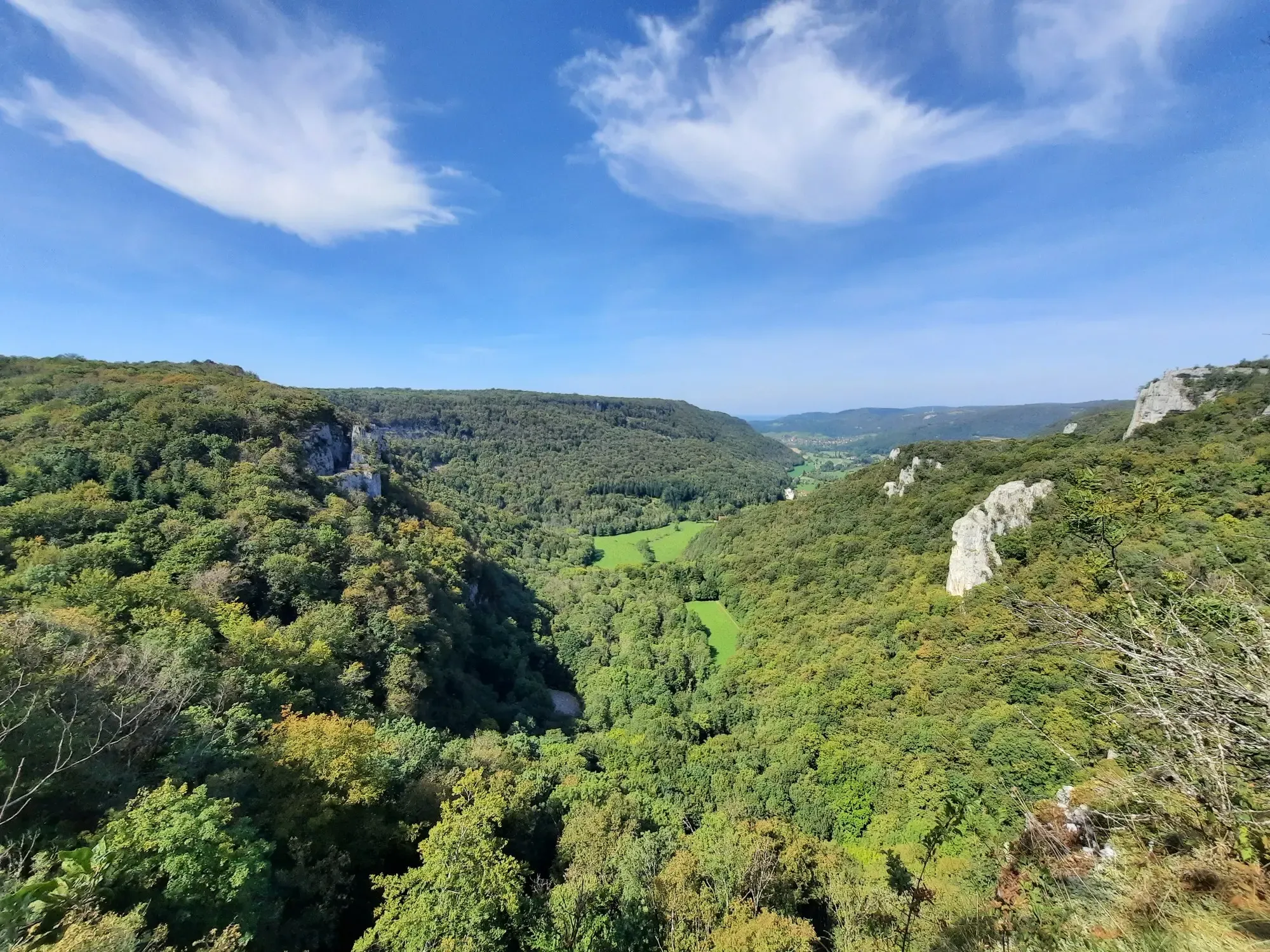
The Ardennes Trail (GR 14) – From Paris to the Belgian border
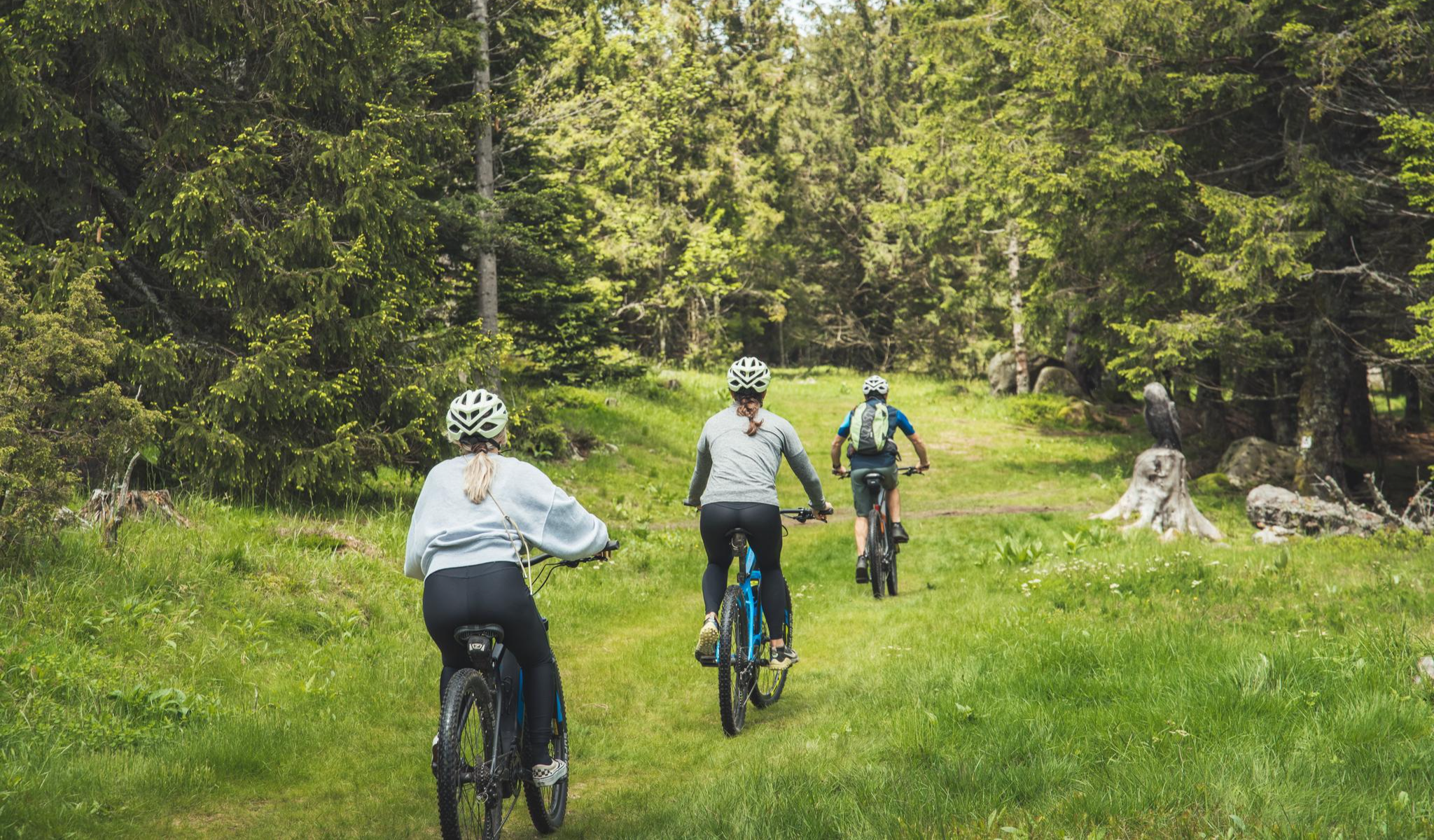
MTB and gravel in the Grand Est – the joy of the low mountains
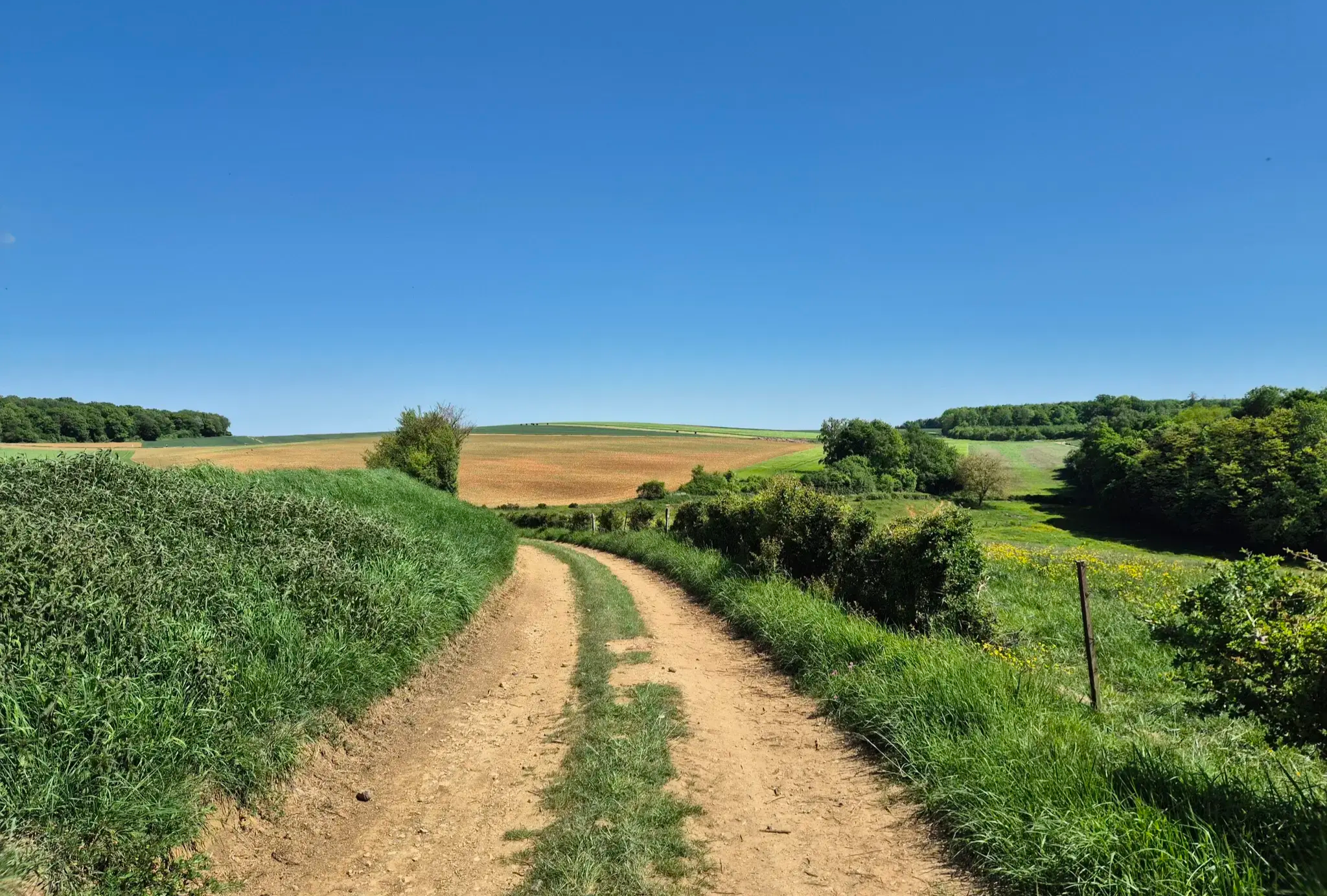
Une randonnée aux airs de Provence — La Transgaumaise
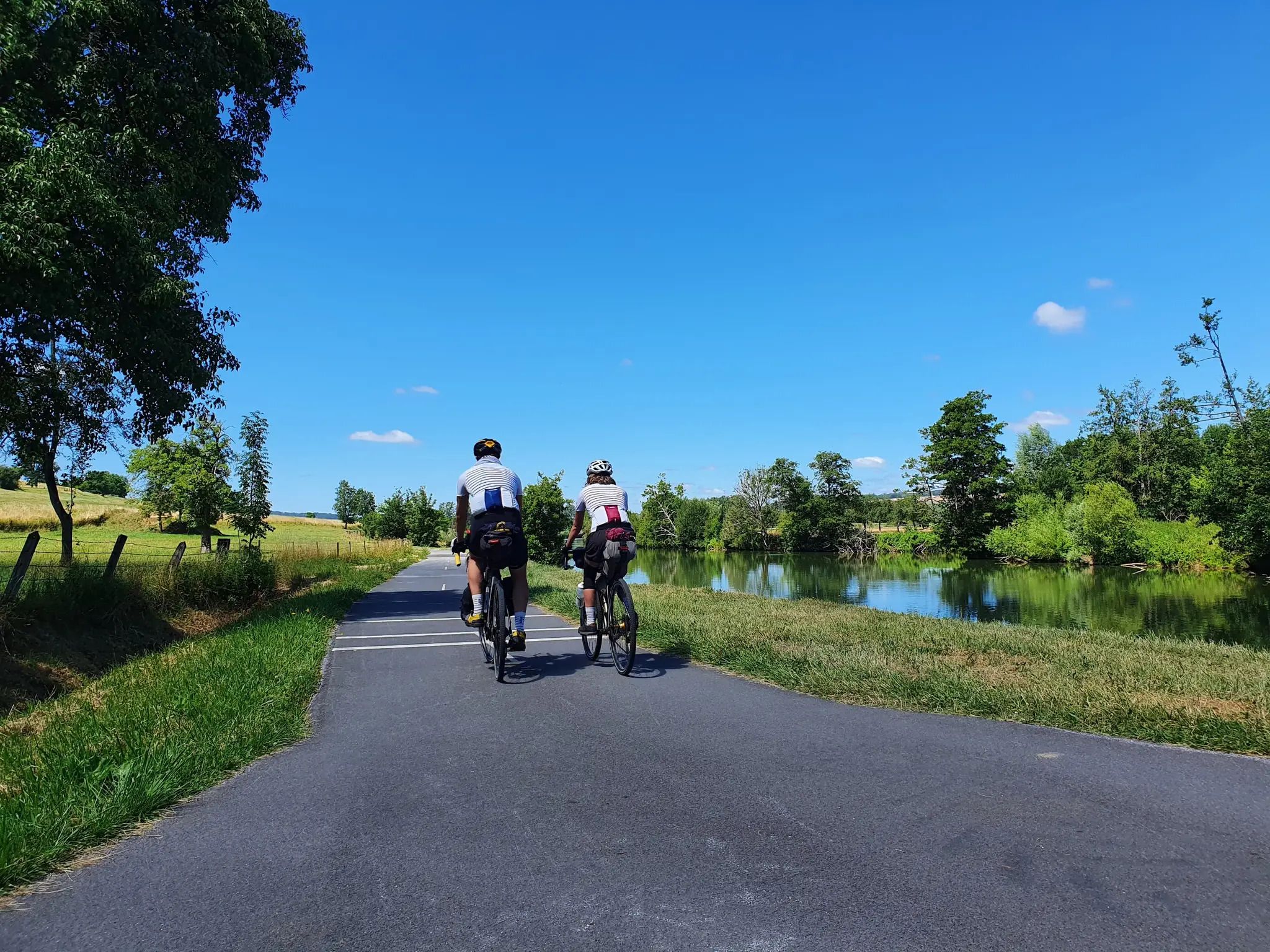
A river, three countries, countless experiences – Meuse Cycle Route

Walking in fresh air or alongside water in the Grand Est
Transcontinental Race No9 2023
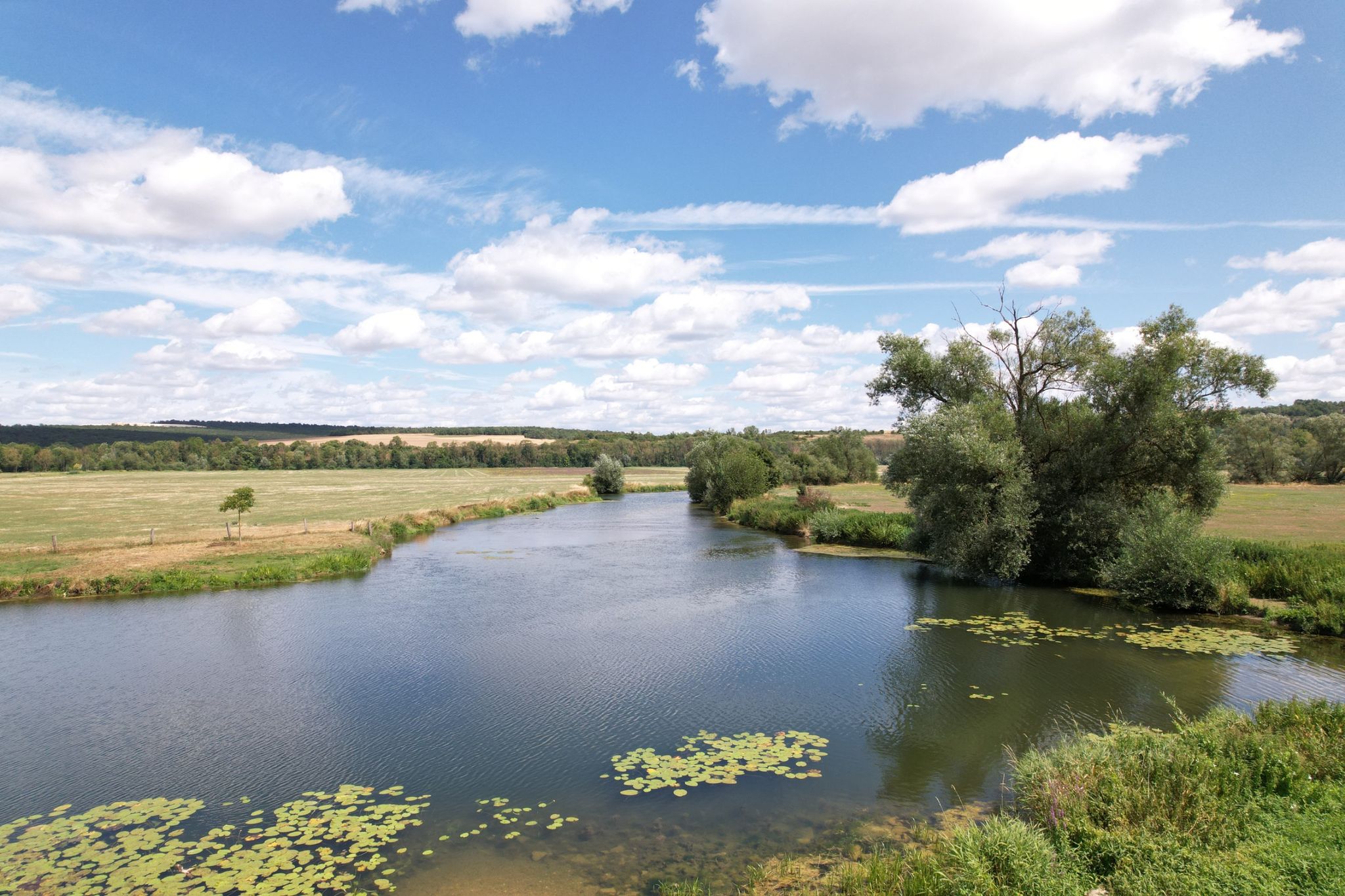
Along the Meuse River – an adventure on EuroVelo 19
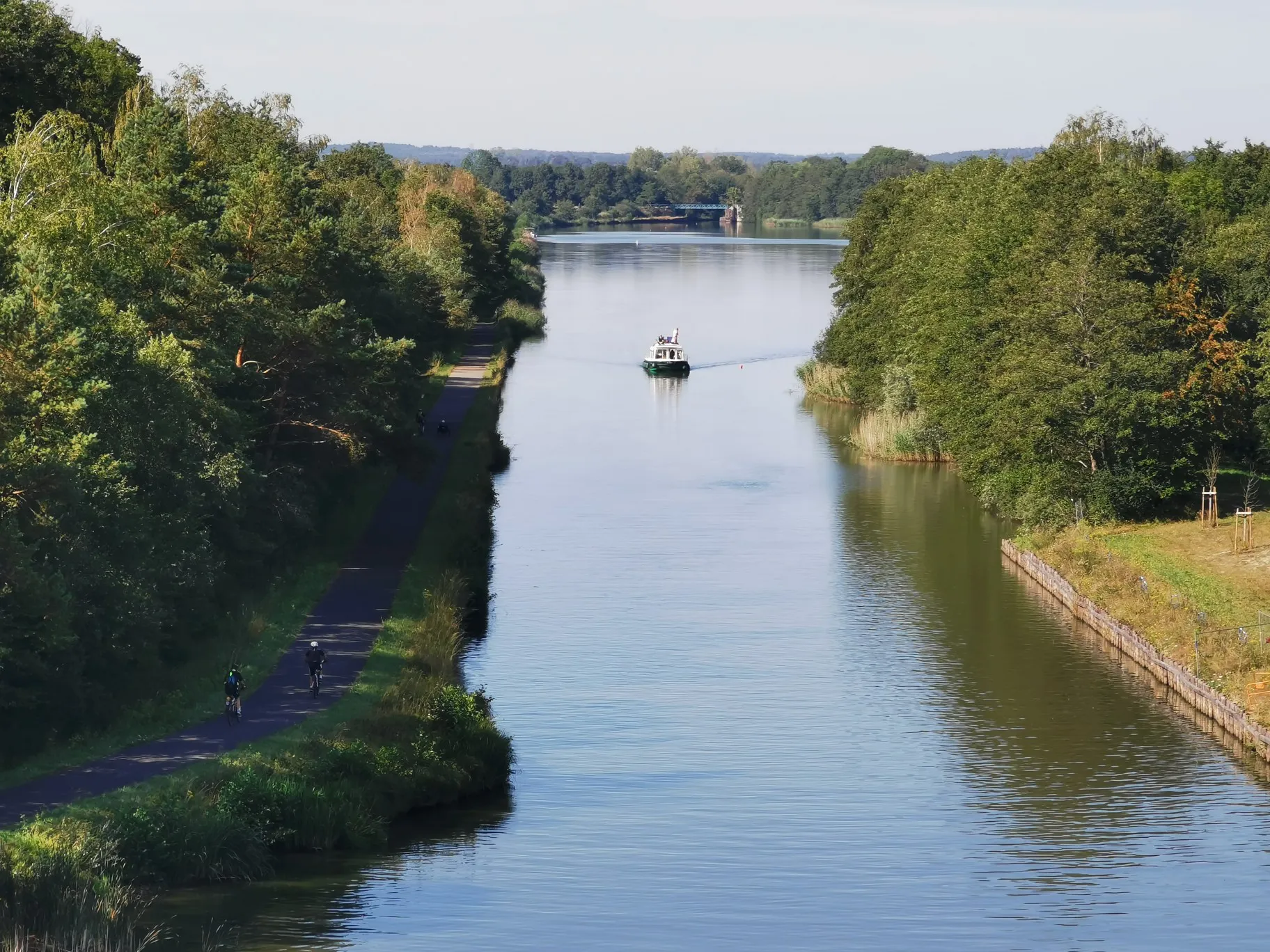
A river getaway – along the Marne-Rhine Canal
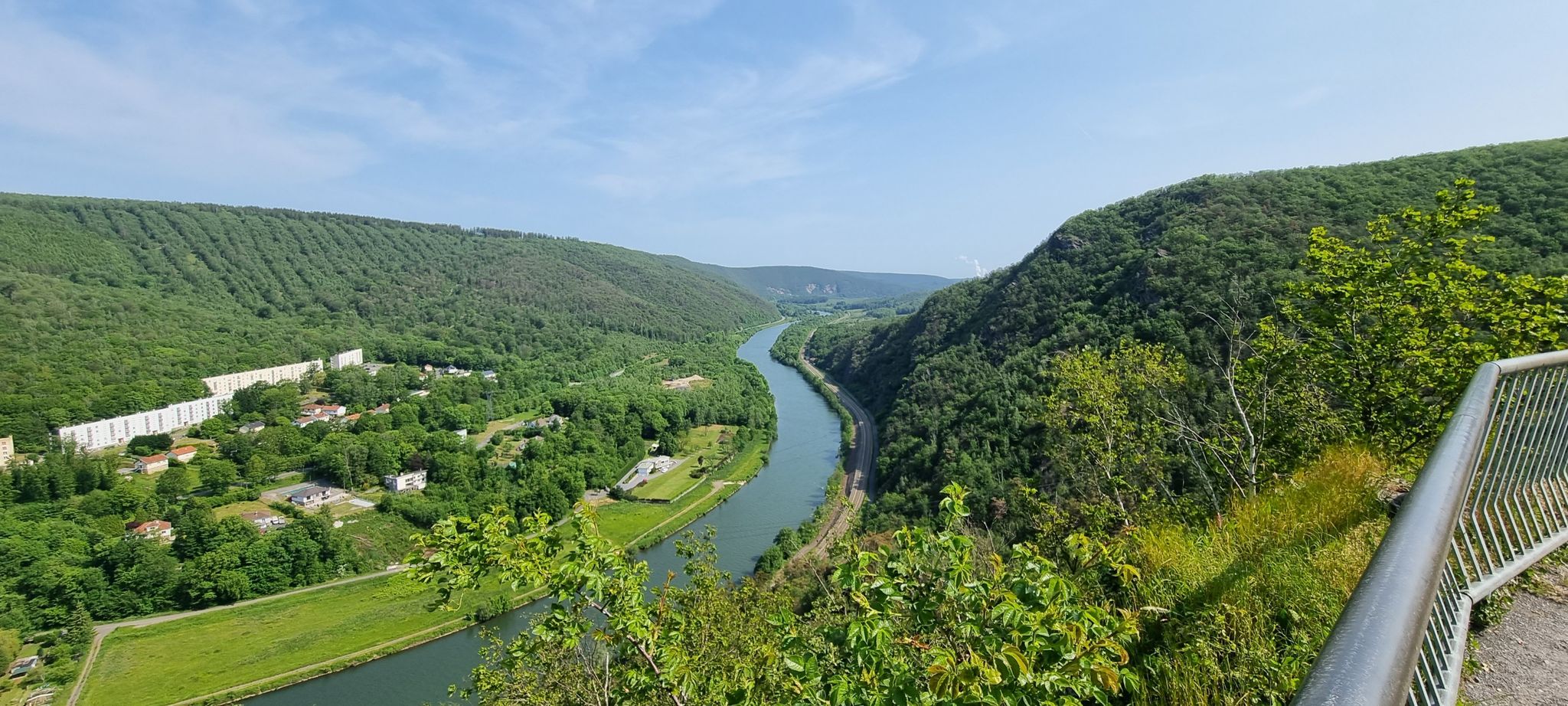
In the footsteps of the First World War — EuroVelo 19
A cycling adventure from Paris to Prague – Pan-European Cycle Route
Other adventures in Meuse


Tips from the Community

The shelter now serves as a summer roost for a large colony of bats that should not be disturbed by visitors.
2
1
The FT3 combat shelter was built in 1906 on the right bank of the Meuse River as part of the Verdun fortress system, designed to house 100 infantry soldiers. During the Battle of Verdun in 1916, it was converted into a command post (PC118) and changed hands multiple times between French and German forces. The shelter was heavily damaged by French artillery when occupied by German troops, particularly on its vulnerable masonry facade facing Verdun, rendering it unusable.
2
1

The Abri-Caverne de Douaumont was an underground shelter for French troops during the Battle of Verdun. Carved into the limestone bedrock, this shelter offered protection from artillery fire and served as a rest and assembly point close to the front line. Strategically located near Fort de Douaumont, it played a crucial role in supplying and sheltering soldiers during the fiercest fighting of 1916.
6
0

Abri is forbidden access. Still, it gives an impression of what war violence can do.
3
0
Abri-Caverne de Douaumont, also known as Abri 320, is located approximately 8 meters underground in the slope there. This Abri is located near the Ossuary and the French cemetery. The Abri could accommodate 300 men. Source: Trace of War
6
0
A special location that is forbidden to enter. You can only take a look into the tunnel complex at the first meters.
3
0
Abri-Caverne de Douaumont, also known as Abri 320, is located approximately 8 meters underground in the slope there. This Abri is located near the Ossuary and the French cemetery. The Abri could accommodate 300 men. Source: Trace of War
5
0

This bunker facility is certainly not a risk-free area... bringing your own light source is an absolutely sensible thought
1
0
Frequently Asked Questions
What historical war shelters can be visited in Meuse?
The Meuse department is rich in historical war shelters, particularly from World War I. You can visit sites like the Douaumont Cave Shelter, known as Abri 320, which accommodated 300 men. Another significant site is Combat Shelter - PC 118, part of the Verdun fortress system, which served as a command post during the Battle of Verdun.
Are there natural caves to explore in Meuse, or are they mostly historical shelters?
While many subterranean sites in Meuse are historically significant war shelters, the region also features natural geological formations. For instance, the Gibet Caves offer a natural cave experience. Additionally, the Gouffre de la Sonnette is a natural well and shaft system discovered during quarry expansion.
What is the significance of the Douaumont Cave Shelter?
The Douaumont Cave Shelter, also known as Abri 320, is a historical site located approximately 8 meters underground near the Ossuary and the French cemetery. It was designed to accommodate around 300 men, offering crucial protection from artillery fire and serving as a rest and assembly point for French troops during the intense Battle of Verdun in 1916.
Can I visit Combat Shelter - PC 118?
Yes, Combat Shelter - PC 118 is a historical site that can be visited. Originally built in 1906 as part of the Verdun fortress system, it was converted into a command post during the Battle of Verdun. It now also serves as a summer roost for a large colony of bats, which should not be disturbed by visitors.
Are there any hidden or less-known underground sites in Meuse?
Beyond the well-known historical shelters, the Meuse region also has intriguing lesser-known subterranean sites. The Carrière souterraine de Savonnières-en-Perthois, for example, is an old underground limestone quarry with 400 km of tunnels explored by speleologists, offering a unique, vast man-made subterranean world.
Are the caves in Meuse family-friendly?
Many of the historical cave shelters in Meuse offer a poignant educational experience for families interested in history. However, some sites, like Abri DV3 (Fort de Vaux Shelter), are noted for potential hazards like shafts and darkness, making them less suitable for young children without close supervision. Always check specific visitor information for each site.
Can I bring my dog to the caves in Meuse?
Policies regarding dogs vary by site. While some outdoor areas around the caves might be dog-friendly, access to the interior of historical shelters or natural caves is often restricted for pets due to safety or preservation concerns. It's best to verify with individual sites before planning your visit with a dog.
What is the best time to visit the caves in Meuse?
The best time to visit the caves and historical shelters in Meuse is generally during the spring, summer, or early autumn months (April to October). This allows for more comfortable exploration of the surrounding outdoor areas and historical battlefields. Indoor temperatures in the caves remain relatively constant year-round.
What outdoor activities can I do near the caves in Meuse?
The Meuse region offers various outdoor activities. You can find numerous hiking trails, including easy hikes like the Botanical trail — loop from Génicourt-sur-Meuse or moderate options like the Tour of Lake Madine Trail. Cycling is also popular, with routes such as the Meuse Cycle Route: Verdun Loop available.
Are there specific hiking trails that lead to or near the caves?
Yes, many of the caves and historical shelters in Meuse are integrated into hiking networks, especially around the Verdun battlefields. For example, the Douaumont Cave Shelter and Combat Shelter - PC 118 are often part of longer historical walking tours. You can explore various hiking routes in Meuse to discover these sites.
What should I wear when visiting caves in Meuse, especially in winter?
Even in summer, cave interiors maintain a cool, constant temperature, so bringing a light jacket or sweater is advisable. In winter, dress in warm layers. Sturdy, comfortable shoes with good grip are essential, as paths can be uneven or damp. For some sites, especially less developed ones, a headlamp or flashlight is recommended.
How long does it typically take to explore the caves in Meuse?
The duration of your visit depends on the specific site. For historical shelters like the Douaumont Cave Shelter, a visit might take 30 minutes to an hour. Larger or more complex sites, or those combined with surrounding historical areas, could require several hours. Always check the estimated visit time for each specific location.
Most popular routes in Meuse
Most popular attractions in Meuse

Get inspired with the komoot mobile app


Explore more
Extend your search for the best caves by checking out these guides of the top ones in Meuse:
