Top 5 Caves in Kefallonia
Best caves in Kefallonia offer a diverse subterranean landscape on this Greek island. The region features notable geological formations, including underground lakes and extensive limestone chambers. Kefallonia's caves provide insights into natural processes and historical human activity. The island's terrain supports a variety of cave types, from sea caves to those with significant archaeological and religious importance.
Best caves in Kefallonia
- The most popular caves is Rock Arches and Sea Caves of Kefalonia, a cave that features very nice rock formations. This natural monument offers picturesque coastal views.
- Another must-see spot is Melissani Cave Lake, a limestone cave with a lake. Visitors can expect to see water that takes on a spectacular turquoise color due to sunlight filtering in.
- Visitors also love Cave by the Trail, a naturally formed cave. This large cave is located directly on a path, making it easily accessible for exploration.
- Kefallonia is known for sea caves, limestone caves, and caves with underground lakes. The island offers a variety of subterranean environments to explore, from coastal formations to large internal chambers.
- The caves in Kefallonia are appreciated by the komoot community, with 61 upvotes and 46 photos shared by users.
Last updated: October 16, 2026
Melissani Cave Lake
Highlight • Cave
Translated by Google •
Tip by

Drogarati Cave
Highlight • Cave
Tip by

Sign up now to discover places like this
Get recommendations on the best single tracks, peaks, & plenty of other exciting outdoor places.
Rocky Coastal Landscape with Cave
Highlight • Cave
Translated by Google •
Tip by

Rock Arches and Sea Caves of Kefalonia
Highlight • Cave
Translated by Google •
Tip by
Cave by the Trail
Highlight • Cave
Translated by Google •
Tip by

Sign up for free to discover even more caves in Kefallonia.
Already have an account?
Start today with a free account
Your next adventure awaits.
Tips from the Community

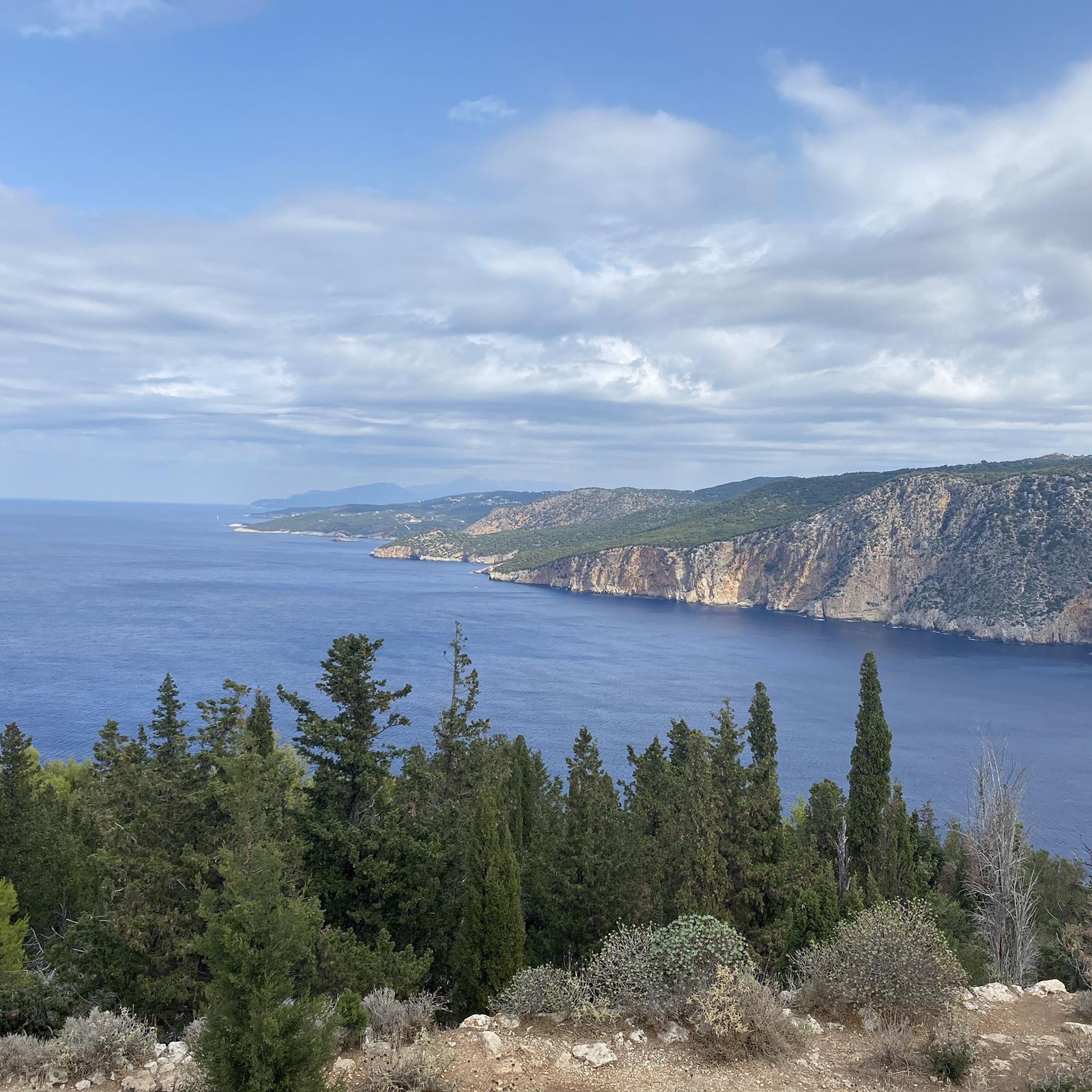
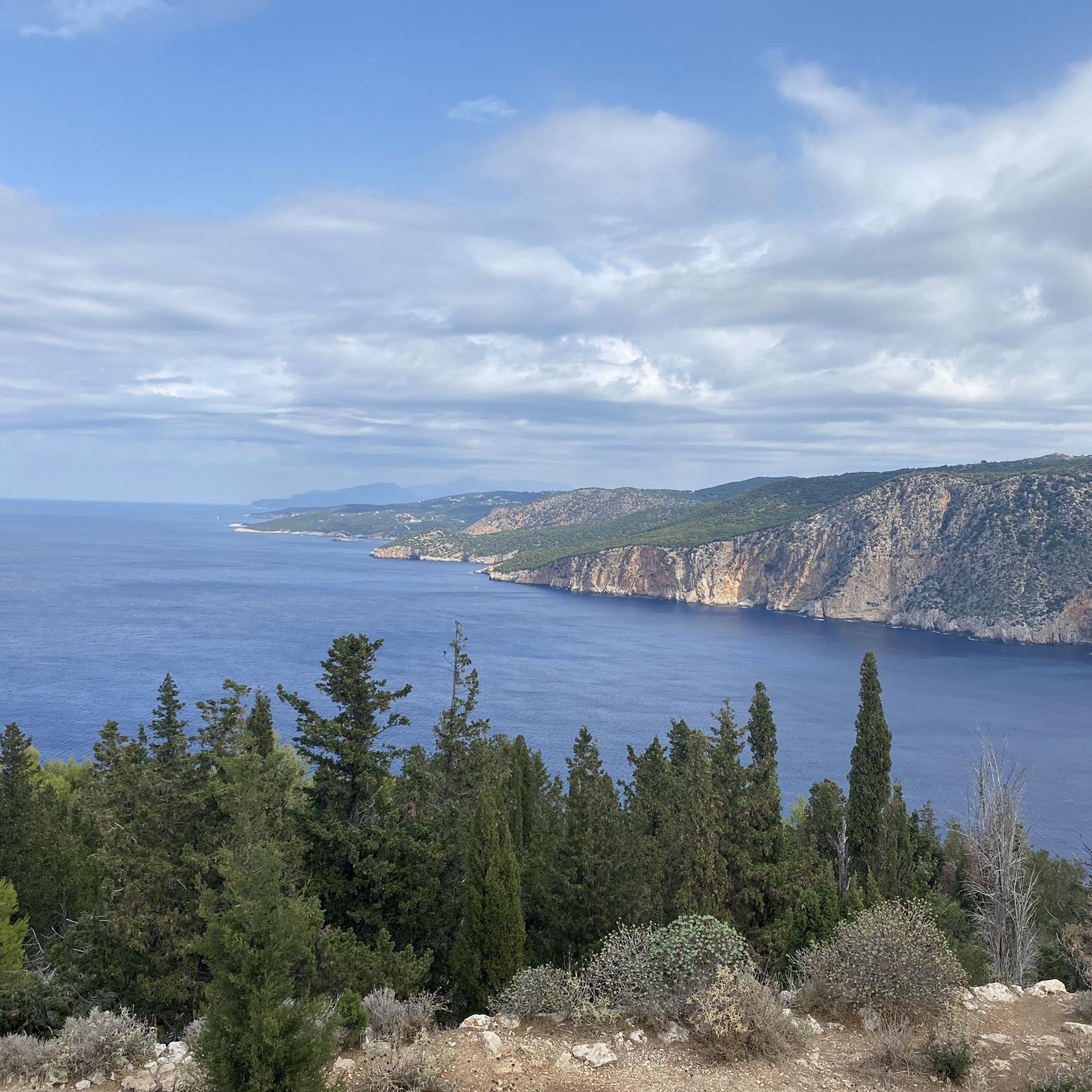
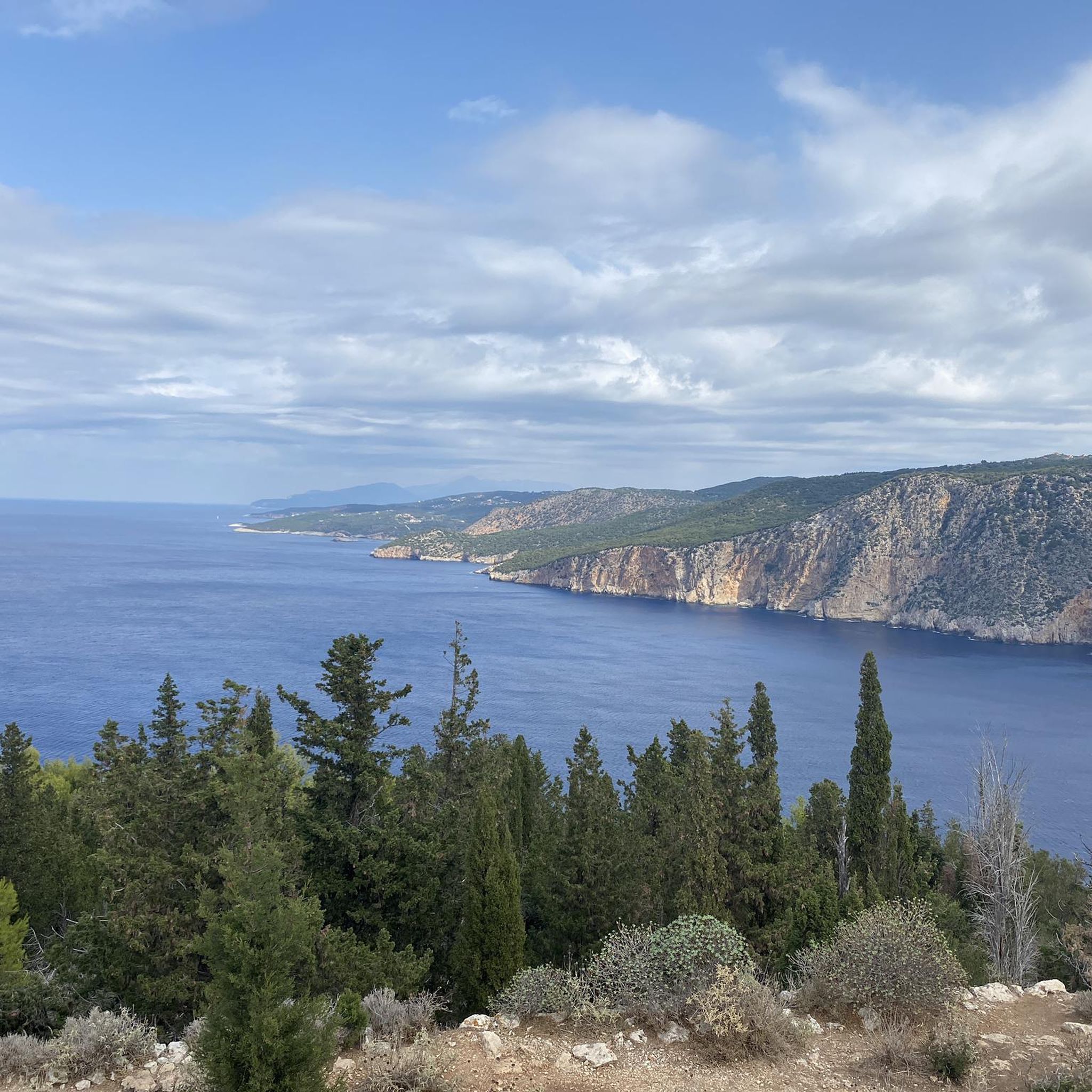
Along the rugged limestone coast below the hiking trail, there are numerous small caves and arches, often only accessible from the sea. There are rocky sections with interesting erosional features, typical of Kefalonia's karst landscape.
0
0
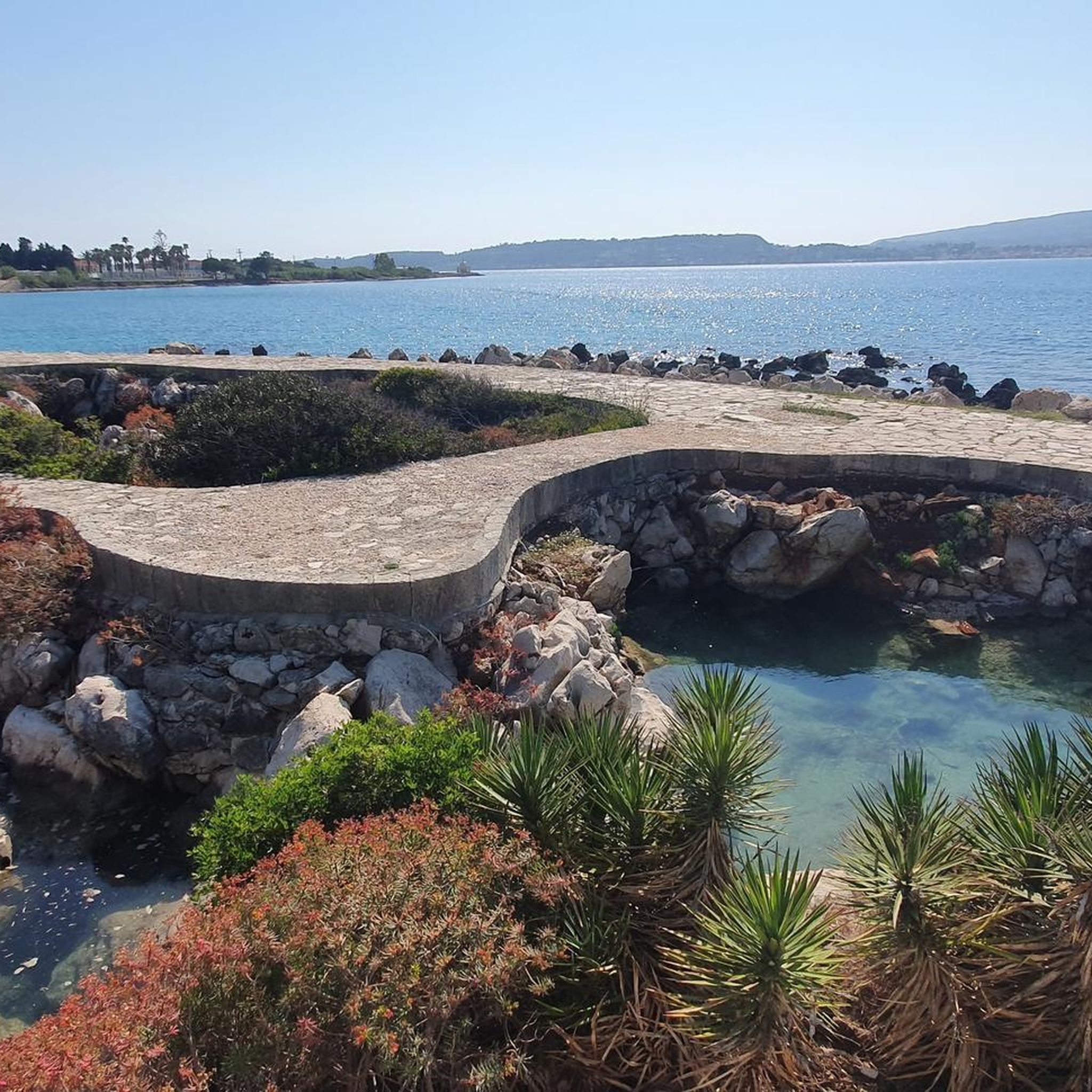
The cave is located on the west coast of the Argostoli peninsula, just a short walk from the historic Saint Theodore lighthouse. This region is known for its rugged limestone formations and small sea caves, typical of the coasts of Kefalonia. Directly above is also the geological phenomenon of Katavothres (seawater mills), where seawater disappears into sinkholes in the ground. The coastal path is a popular, relatively easy hiking trail, often used for sunset walks.
0
0
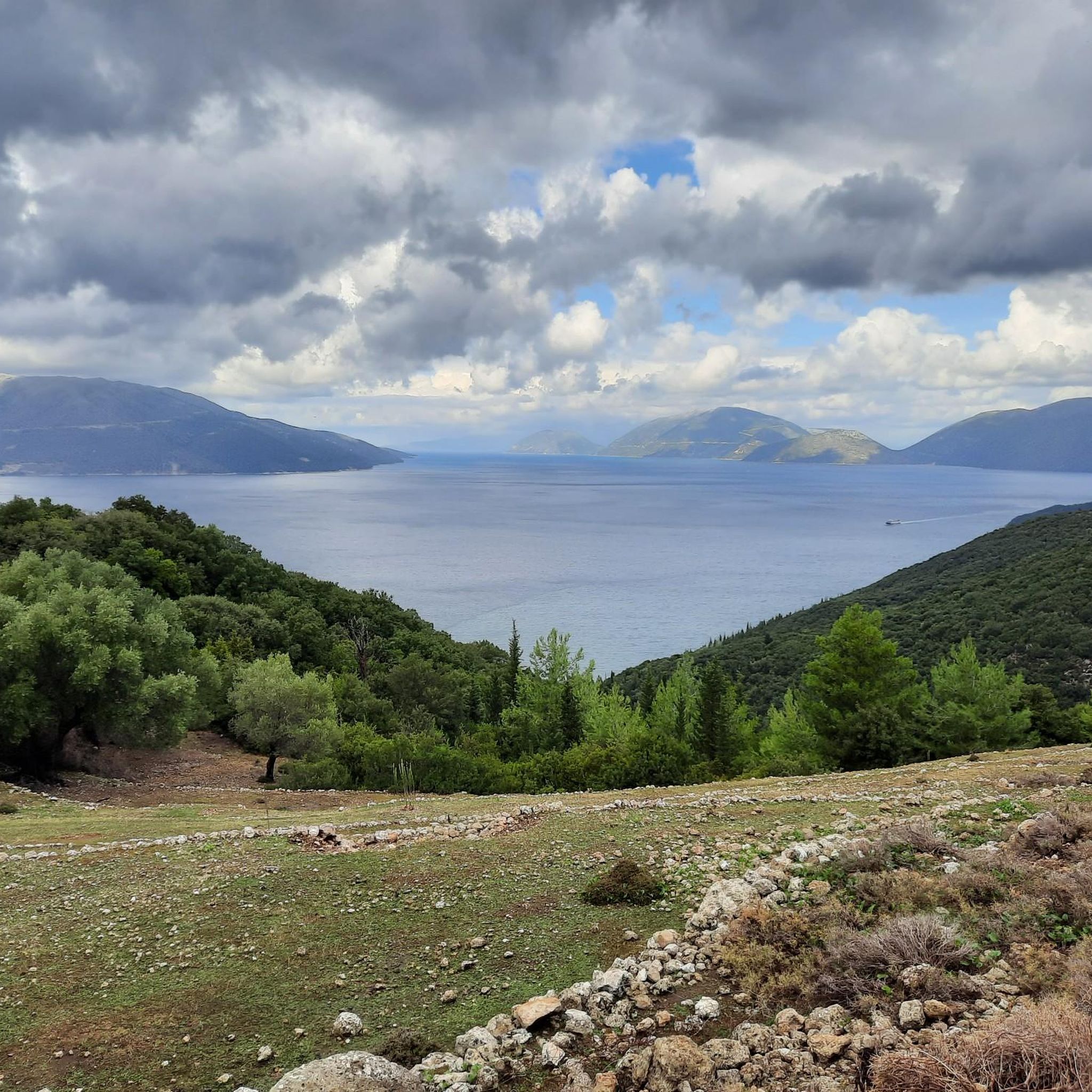
It is probably one of the karst caves along the hiking trails in the National Park, such as the Petasi or Nyfi caves. It is located on routes leading to the island's highest peak, Megas Soros (1,628 m). Popular starting points are the Ainos Environmental Center or the village of Digaleto.
1
0
(2) The cave was named after the nymph Melissanthi, who, according to legend, took her own life there out of unrequited love for the god Pan. The hydrology is also unique: it takes about 14 days for the water to flow underground from the other side of the island (Argostoli) to the cave.
0
0
The Melissani Cave Lake (Greek Σπήλαιο Μελισσάνης) is a fascinating natural phenomenon. The cave, also known as the "Cave of the Nymphs," houses an underground lake with crystal-clear, turquoise brackish water. Entrance fees: Adults: €10. Children (6-18 years) and seniors (65+): €5. Combo ticket (Melissani + Drogarati Cave): €13. Opening hours: Summer (May-October): Daily from approx. 09:00 to 18:00. Winter (November-March): Limited, often only Thu, Sat, Sun from 10:00 to 13:00/16:00. Best time to visit: Between 11:00 and 14:00, when the sun falls vertically through the collapsed cave roof and makes the water glow. The visit includes an approx. 10 to 20-minute boat trip with a guide. Tickets can be purchased directly at the entrance.
0
0
The cave is known for its impressive stalactites and stalagmites, as well as its exceptional acoustics. The price for adults is around €5 to €6, children pay approx. €3. Combo tickets for the Drogarati Cave and the nearby Melissani Lake are also offered, which can be purchased through platforms like GetYourGuide or Viator. During the high season (approx. May to October), the cave is usually open daily from 09:00 to 18:00 or 09:30 to 16:30. Current seasonal changes can be viewed on sites like KefaloniaWay. The main hall, also called the "Sala of Apotheosis", can accommodate up to 500 people and has already been used for concerts (including by Maria Callas) due to its acoustics.
0
0

Simply fantastically beautiful here
1
0
Limestone cave with a lake whose water takes on a spectacular turquoise color due to the sunlight.
2
0
Frequently Asked Questions
What are some of the most unique caves to visit in Kefalonia?
Kefalonia offers several unique subterranean experiences. Melissani Cave Lake is famous for its partially collapsed roof, allowing sunlight to illuminate its turquoise waters, creating a magical effect. Drogarati Cave, near Sami, is known for its vast chamber with impressive stalactites and stalagmites, and its exceptional acoustics, often used for concerts. For a more rugged experience, explore the Rock Arches and Sea Caves of Kefalonia, offering picturesque coastal views and interesting rock formations.
Are there family-friendly caves in Kefalonia?
Yes, several caves in Kefalonia are suitable for families. Melissani Cave Lake is a popular choice, offering easy boat tours on its underground lake. Drogarati Cave is also generally accessible for families, with clear paths to explore its large chamber. These sites provide an engaging natural wonder for all ages.
What natural features can I expect to see in Kefalonia's caves?
Kefalonia's caves showcase diverse natural features. You'll find stunning limestone formations like stalactites and stalagmites, particularly prominent in Drogarati Cave. Melissani Cave Lake features an underground lake with crystal-clear, turquoise waters. The island also boasts sea caves and rock arches along its coastline, like the Rock Arches and Sea Caves of Kefalonia, shaped by the sea.
What is the best time to visit caves like Melissani Cave?
The best time to visit Melissani Cave Lake is typically during midday, especially between 11 AM and 2 PM. During these hours, the sun is directly overhead, allowing its rays to penetrate the collapsed roof and illuminate the lake's waters, creating the most vibrant turquoise colors and light effects. This period offers the most spectacular visual experience.
What historical or religious significance do some of Kefalonia's caves hold?
Some caves in Kefalonia have significant historical and religious importance. Agia Eleousa Cave, near Poros, was used as a place of worship in ancient times, with archaeological findings suggesting human activity over thousands of years. The Cave of Agios Gerasimos, located above Lassi, is a site of pilgrimage, as it was where the patron saint of Kefalonia lived an ascetic life in the 16th century.
How accessible are Kefalonia's caves for visitors?
Accessibility varies among Kefalonia's caves. Melissani Cave Lake is highly accessible, with visitors exploring by boat. Drogarati Cave has well-maintained paths within its main chamber. However, some natural caves, like Cave by the Trail or Cave, might require a short detour or have uneven terrain. The Cave of Agios Gerasimos is accessed via a narrow staircase.
What should I wear when visiting caves like Drogarati Cave?
When visiting caves like Drogarati Cave, it's advisable to wear comfortable shoes with good grip, as surfaces can sometimes be damp or uneven. The cave maintains a constant temperature of around 18°C (64°F) year-round, so a light jacket or sweater might be comfortable, especially if you are sensitive to cooler temperatures. High humidity is also typical inside.
Are there any less crowded caves to explore in Kefalonia?
While Melissani and Drogarati caves are popular, you can find less crowded options. The Rock Arches and Sea Caves of Kefalonia offer a more expansive coastal exploration. For a simpler, natural experience, consider visiting the Cave by the Trail or the Cave, which are often found along hiking paths and offer a quieter encounter with nature.
What outdoor activities can I do near Kefalonia's caves?
Kefalonia offers various outdoor activities near its caves. You can find excellent running trails, such as those around Argostoli or Fiskardo. For cyclists, there are numerous road cycling routes across the island, including challenging climbs and scenic coastal rides. Mountain biking enthusiasts can explore trails with varying difficulty levels. You can find more details on these activities in the Running Trails in Kefallonia, Road Cycling Routes in Kefallonia, and MTB Trails in Kefallonia guides.
Are there cafes or restaurants near Melissani Cave Lake?
Yes, there are cafes and restaurants located near Melissani Cave Lake, particularly in the nearby village of Karavomilos and the town of Sami. These establishments offer options for refreshments and meals before or after your cave visit.
What are the typical entrance fees and opening hours for Kefalonia's main caves?
Entrance fees and opening hours for caves like Melissani and Drogarati can vary by season. It's recommended to check the most current information directly. For Melissani Cave, you can often find up-to-date details on the official tourism website: visitkefaloniaisland.gr. Other natural caves might not have formal entrance fees or set hours.
Can I reach Kefalonia's caves using public transport?
While public transport options exist on Kefalonia, reaching some of the more remote caves might be challenging. Major caves like Melissani and Drogarati are generally accessible by local buses or organized tours from main towns like Argostoli or Sami. For more flexibility, renting a car is often recommended to explore the island's various cave sites at your own pace.
Most popular attractions in Kefallonia

Get inspired with the komoot mobile app


Explore more
Extend your search for the best caves by checking out these guides of the top ones in Kefallonia:
