Top 4 Caves in Minnesota
Best caves in Minnesota offer a diverse range of underground experiences, from natural geological formations to historic mines. The state's unique karst topography, particularly in the "driftless area," has led to the formation of numerous caves and sinkholes. These subterranean sites provide insights into ancient geology, mining history, and unique ecosystems. Visitors can explore various types of underground environments across the region.
Best caves in Minnesota
- The most popular caves is Sandstone Overhang, a natural monument where Minnehaha Creek…
Last updated: October 2, 2026
Sandstone Overhang
Highlight • Natural Monument
Tip by

Boom Site Cave
Highlight • Cave
Tip by

Sign up now to discover places like this
Get recommendations on the best single tracks, peaks, & plenty of other exciting outdoor places.
Niagara Cave
Highlight • Cave
Tip by

Tip by
Big Spring
Highlight • Natural Monument
Tip by
Jordan Brewery Ruins
Highlight • Historical Site
Tip by
Man-made cave
Highlight • Cave
Tip by
Old cheese cave and other remains
Highlight (Segment) • Cave
Tip by
Start today with a free account
Your next adventure awaits.
Popular around Minnesota
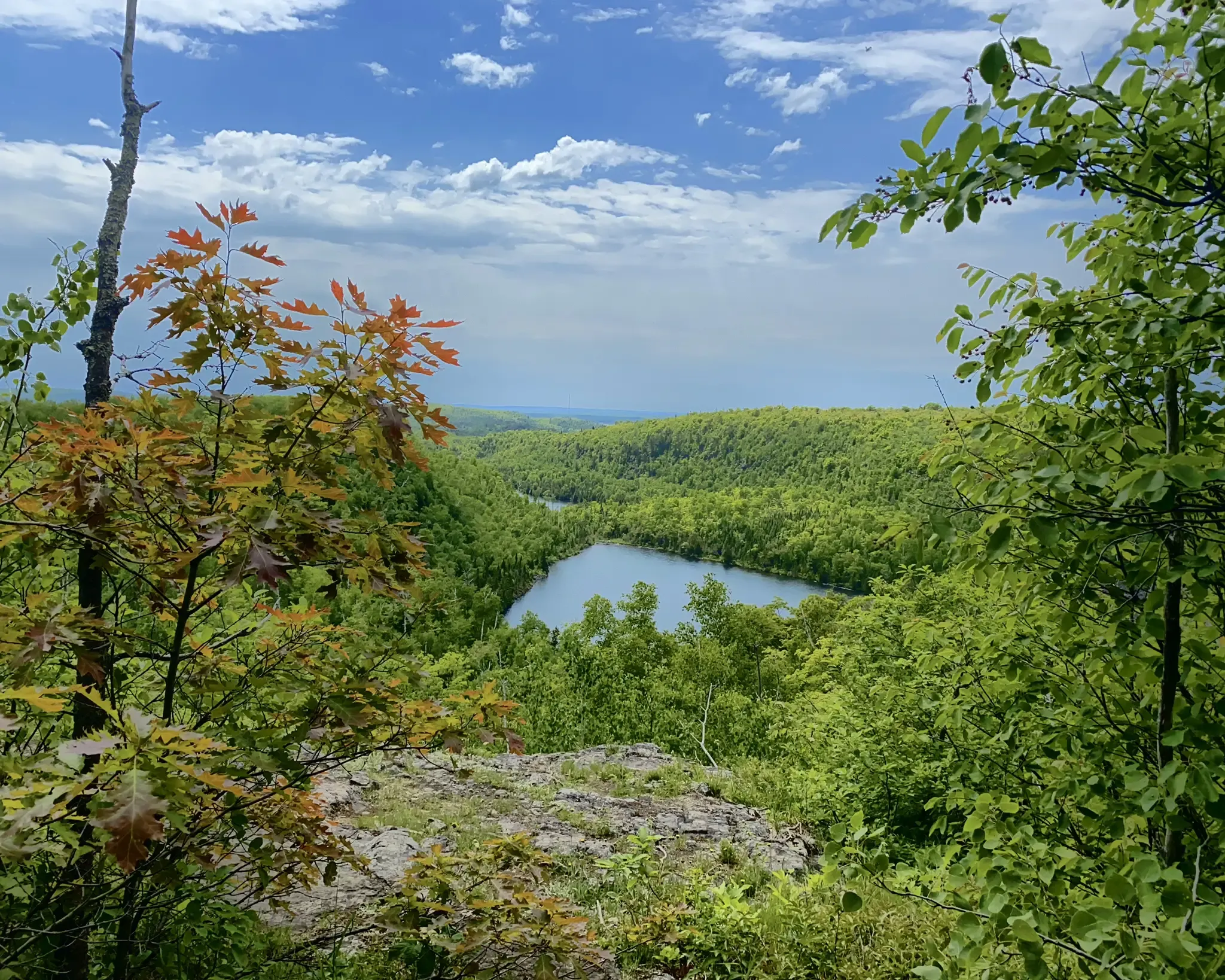
North Country Trail – 4,800 Miles along the edge of northern U.S.
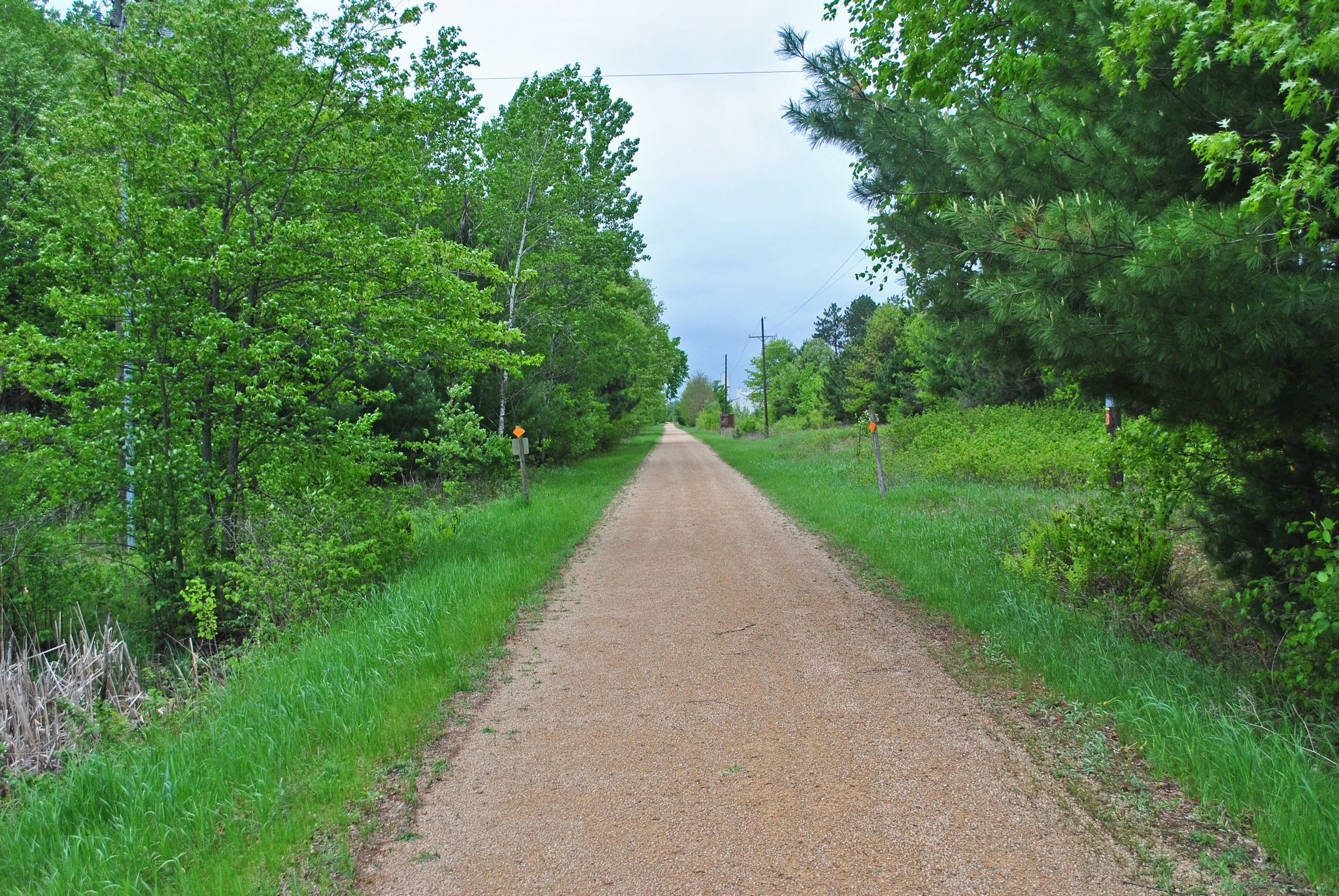
Gandy Dancer State Trail — In the footsteps of railroad workers
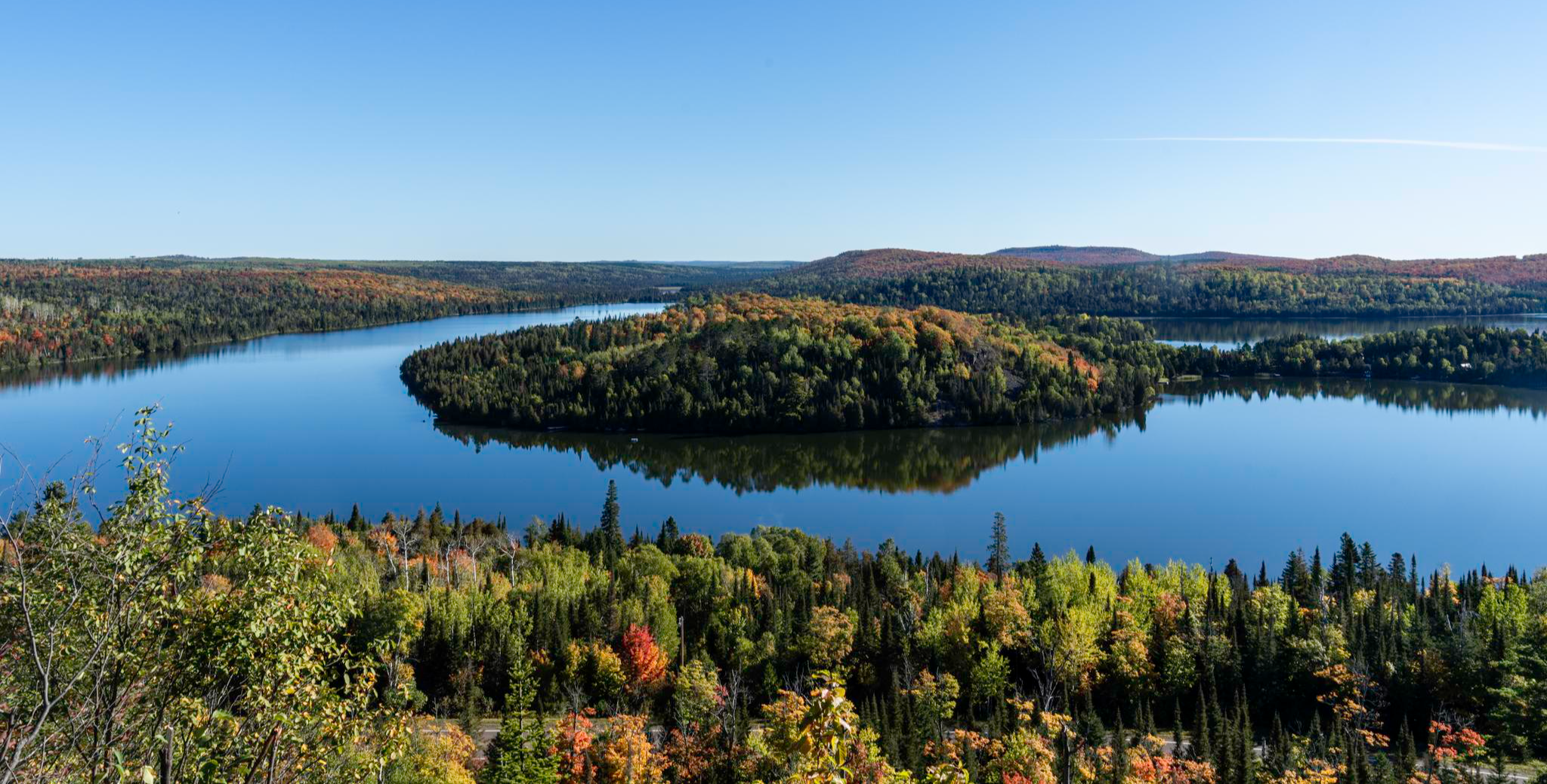
Superior Hiking Trail — Where the forest meets the lake

Around the World in 80 Days
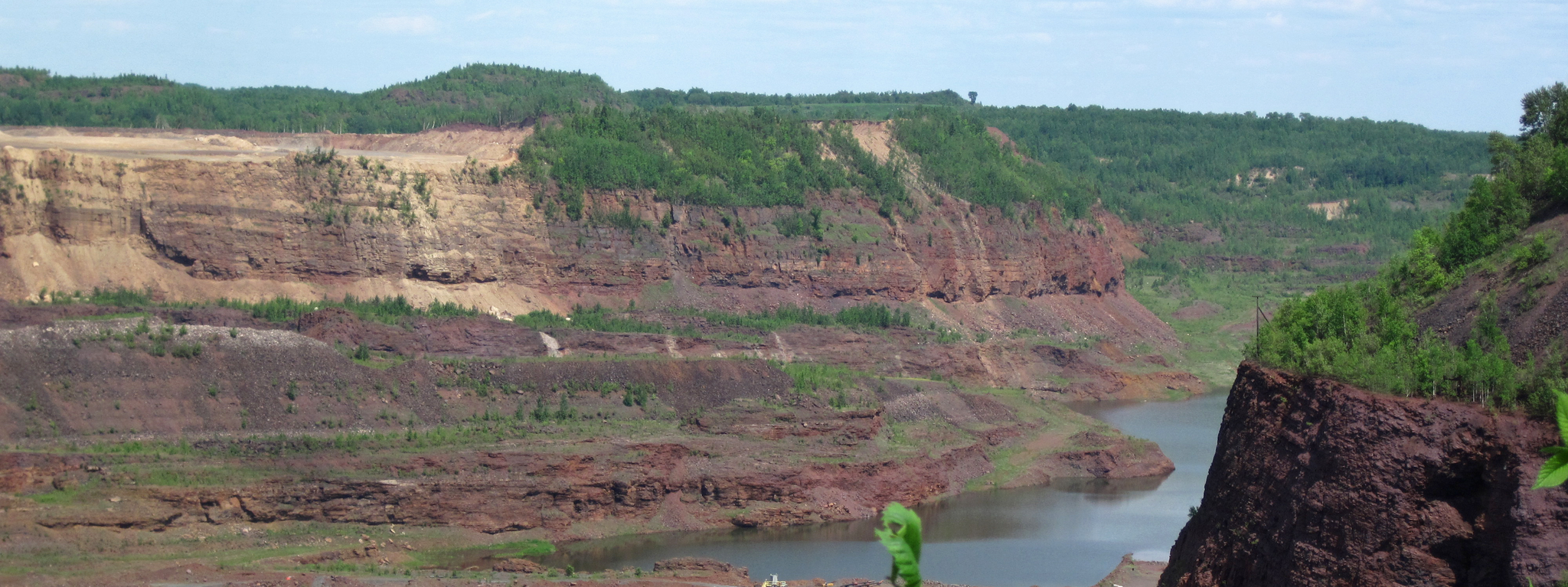
Mesabi Trail — Riding Minnesota’s Iron Range
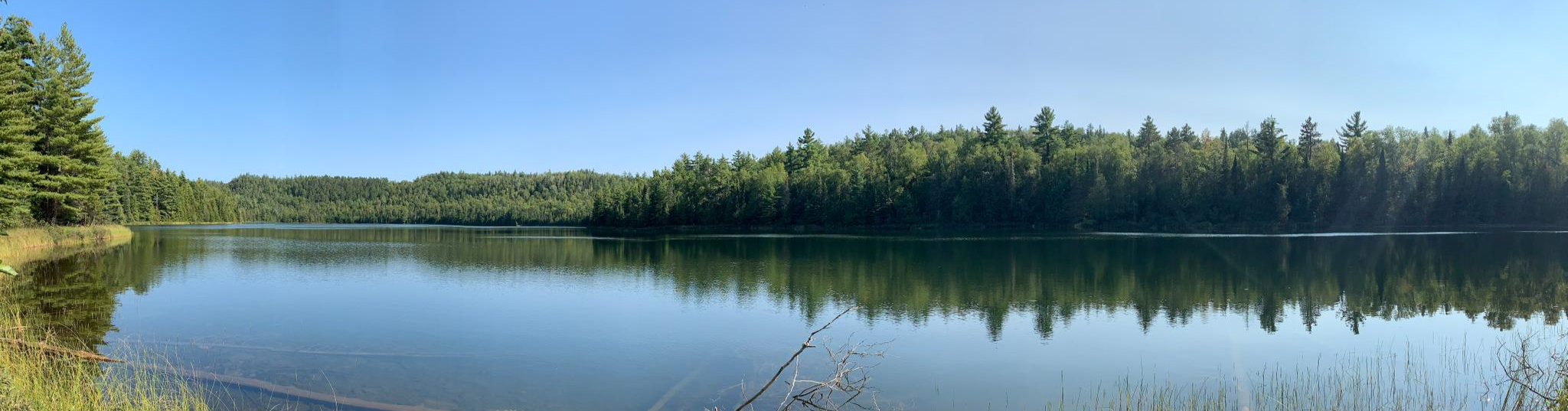
Border Route Trail — A remote Northwoods backpacking challenge
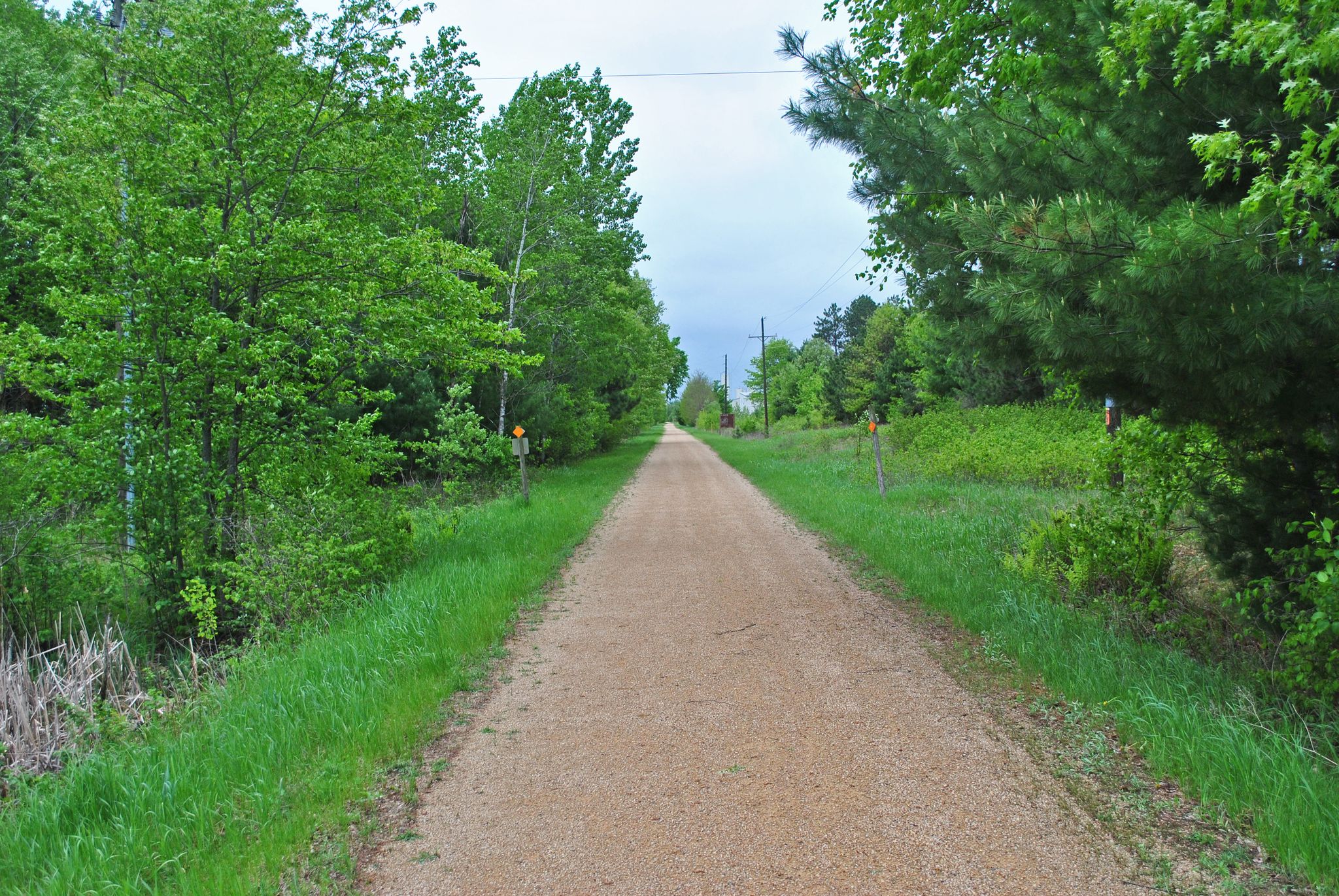
Gandy Dancer Trail — 98 miles of railroad history

The rhythms of the river – road trip along the Mississippi

On the shores of the Great Lakes
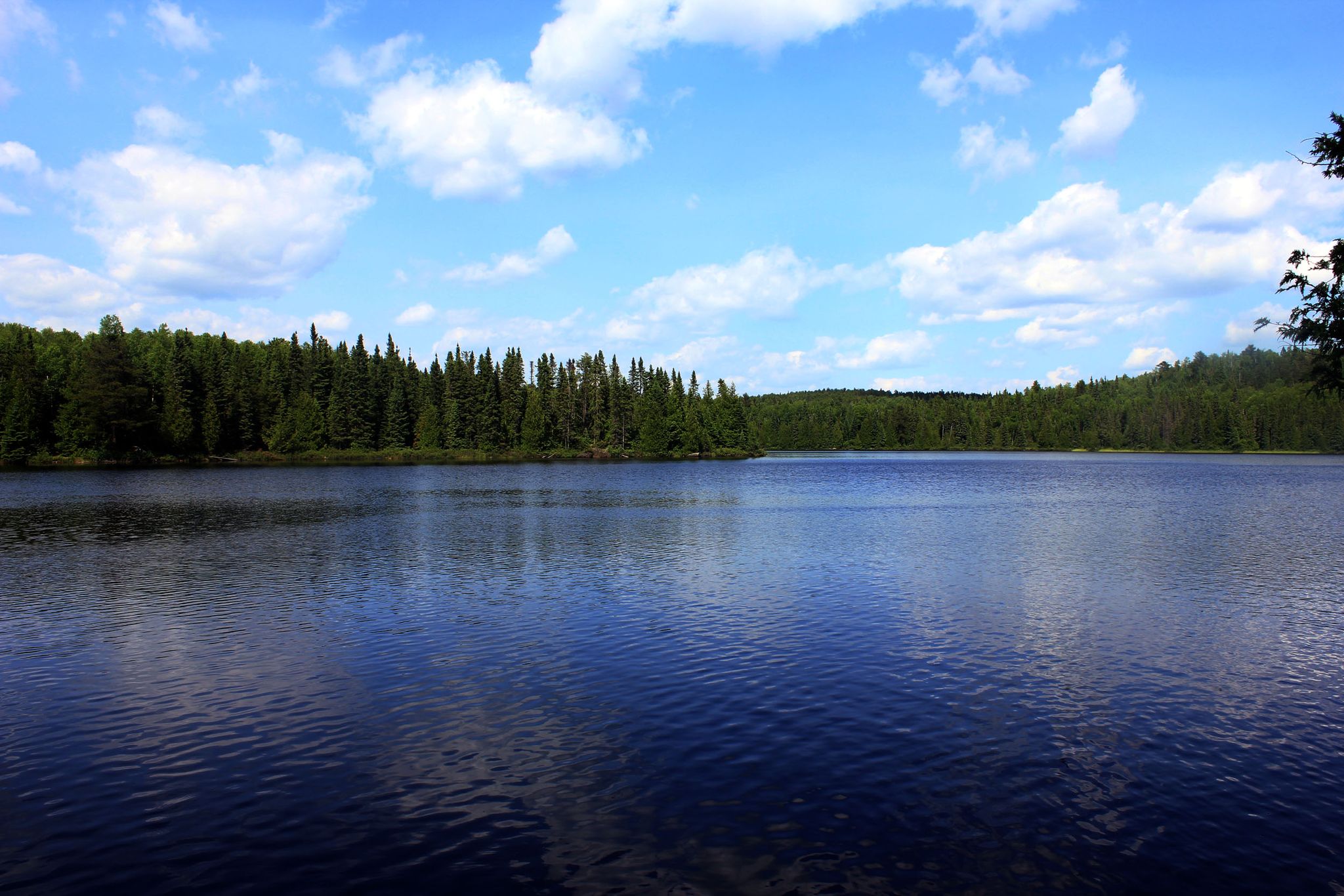
Sky-colored water – Mississippi River Trail
Other adventures in Minnesota


Tips from the Community

A cave into the cliffside has a spring flooding water into Canfield Creek. Today when I was there the creek had a fog rolling across it. Pretty atmospheric!
2
0
This SNA contains Goliath's Cave which is gated. They mowed some of the trails up to the woods, but it was pretty thick in the woods, would be better to come back with long sleeves, pants, and more bug protection to fully explore this area.
2
0
There is an entry fee to do a tour, but this cave has a water fall, stream, wedding chapel, and 450 million year old fossils. I did the UV light tour which gives all tour members a UV flashlight and there are sections where they leave the normal lights off in the cave and you can light your own way and you see minerals glow in the rock formations.
2
0
Not sure what was stored in this cave, but it was definitely man made and has some cool stone work. Lots of cold breezes flowing out of it.
2
0

At ground level where Minnehaha Creek meets the Mississippi River, the layer of rock you see is known as the St. Peter Sandstone. This rock formation is renowned for its "dazzling white" appearance—often likened to sugar because it is nearly 99% pure quartz—yet in the Mississippi River gorge, it often appears in vivid shades of yellow, orange, and rusty red. The vivid coloration you observe is not the inherent color of the sand but rather the effect of iron oxide (limonite) staining, which occurs through two distinct steps: Leaching: Water filters down through the overlying Platteville Limestone and Glenwood Shale, both of which contain iron-rich minerals. Oxidation: This mineral-laden water permeates the porous St. Peter Sandstone. As the dissolved iron is exposed at the cliff face or ground surface, it oxidizes (effectively "rusts"), coating the originally white quartz grains and producing the yellow and orange hues.
0
0
Now a dispensary and other businesses. Roets wanted to open here back in the day, but the ruins were not stable enough. I have seen videos online that you can still get into the brewery caves.
1
0
From the time when this was a part of the State Hospital and they would store their veggies and cheese in the cave for the winter.
0
0

The St. Croix Boom Site is a historic landmark that marks the place where logs were sorted and stored for the lumber industry from 1856 to 1914. Near the site, you can explore a cave that was once used by loggers and rivermen as a shelter and a storage place. The cave has a wooden door and a sign that reads "Boom Site Cave". Inside, you can see graffiti from past visitors and feel the cool air. The cave is a hidden gem for adventurous hikers who want to experience a bit of history and mystery.
0
0
Frequently Asked Questions
What are some of the most notable natural caves to explore in Minnesota?
Minnesota is home to several impressive natural caves. Among the most prominent are Mystery Cave, the longest cave in Minnesota with over 13 miles of passages, and Niagara Cave, renowned for its 60-foot underground waterfall and ancient fossils. Both offer unique geological formations like stalactites, stalagmites, and flowstones.
Are there any historical underground sites in Minnesota besides natural caves?
Yes, Minnesota offers unique historical underground experiences beyond natural caves. The Soudan Underground Mine State Park allows visitors to descend nearly a half-mile into Minnesota's first iron mine, offering insight into 19th-century mining life. Additionally, the Boom Site Cave near the St. Croix Boom Site was historically used by loggers for shelter and storage.
What kind of unique geological features can I expect to see in Minnesota's caves?
Minnesota's caves showcase a variety of unique geological features. You can find classic formations like stalactites, stalagmites, and flowstones, especially in caves like Mystery Cave and Niagara Cave. The Sandstone Overhang, for example, is known for its St. Peter Sandstone, which appears in vivid shades of yellow, orange, and rusty red due to iron oxide staining. Some caves also feature underground lakes and ancient fossils.
Are there family-friendly cave tours available in Minnesota?
Many of Minnesota's cave attractions are family-friendly. Mystery Cave offers a one-hour Scenic Tour that is wheelchair and stroller accessible, with paved trails and modern lighting. Niagara Cave also provides guided tours suitable for families. The Bruce Vento Nature Sanctuary in Saint Paul, while not solely a cave tour, features multiple caves along its trails within a diverse natural setting, making it a great outdoor option for families.
What is the best time of year to visit caves in Minnesota?
Caves in Minnesota maintain a consistent cool temperature year-round (e.g., Mystery Cave and Niagara Cave are around 48°F, Soudan Mine 40-51°F). This makes them an excellent escape during hot summer months. They are also accessible in spring and fall. While some may have seasonal closures or reduced hours, many popular cave tours operate from spring through fall. It's always best to check specific attraction websites for current operating schedules.
Do I need reservations for cave tours in Minnesota?
For popular cave attractions like Mystery Cave, Niagara Cave, and Soudan Underground Mine State Park, it is highly recommended to make reservations, especially during peak season or for specific tour types (e.g., 'Wild Caving' tours). This ensures your spot and helps manage visitor flow.
What should I wear when exploring caves in Minnesota?
Given the consistent cool temperatures inside Minnesota's caves (typically between 40-51°F), it's advisable to wear layers, including a light jacket or sweater, even in summer. Comfortable, closed-toe shoes with good traction are also recommended, as paths can sometimes be damp or uneven. Some tours may require helmets or provide them.
Are there any wheelchair-accessible caves or tours in Minnesota?
Yes, Mystery Cave offers a one-hour Scenic Tour that is wheelchair and stroller accessible. This tour features paved trails and modern lighting, making it a good option for visitors with mobility considerations.
What outdoor activities can I do near Minnesota's caves?
Beyond cave exploration, the areas around Minnesota's caves offer various outdoor activities. For example, Forestville/Mystery Cave State Park provides opportunities for hiking and trout fishing. Niagara Cave has picnic grounds and mini-golf. For cycling enthusiasts, you can find numerous routes nearby. Explore Road Cycling Routes in Minnesota, MTB Trails in Minnesota, or Gravel Biking in Minnesota for more options.
Are there any lesser-known or unique historical caves in Minnesota?
Beyond the major attractions, Minnesota has some unique historical underground spaces. The Old cheese cave and other remains, for instance, was once used by a State Hospital for winter storage of vegetables and cheese. Another interesting site is the Jordan Brewery Ruins, where videos online suggest you can still access the former brewery caves.
What is the general difficulty level for exploring caves in Minnesota?
The difficulty level varies significantly. Many popular cave tours, like the Scenic Tour at Mystery Cave or the guided tour at Niagara Cave, are considered easy to moderate, featuring paved paths and lighting. However, more adventurous options exist, such as 'Wild Caving' tours at Mystery Cave, which involve strenuous exploration through undeveloped passages and are much more challenging.
Most popular routes in Minnesota
Most popular attractions in Minnesota

Get inspired with the komoot mobile app


Explore more
Extend your search for the best caves by checking out these guides of the top ones in Minnesota:
