Top 3 Gorges around Willmars
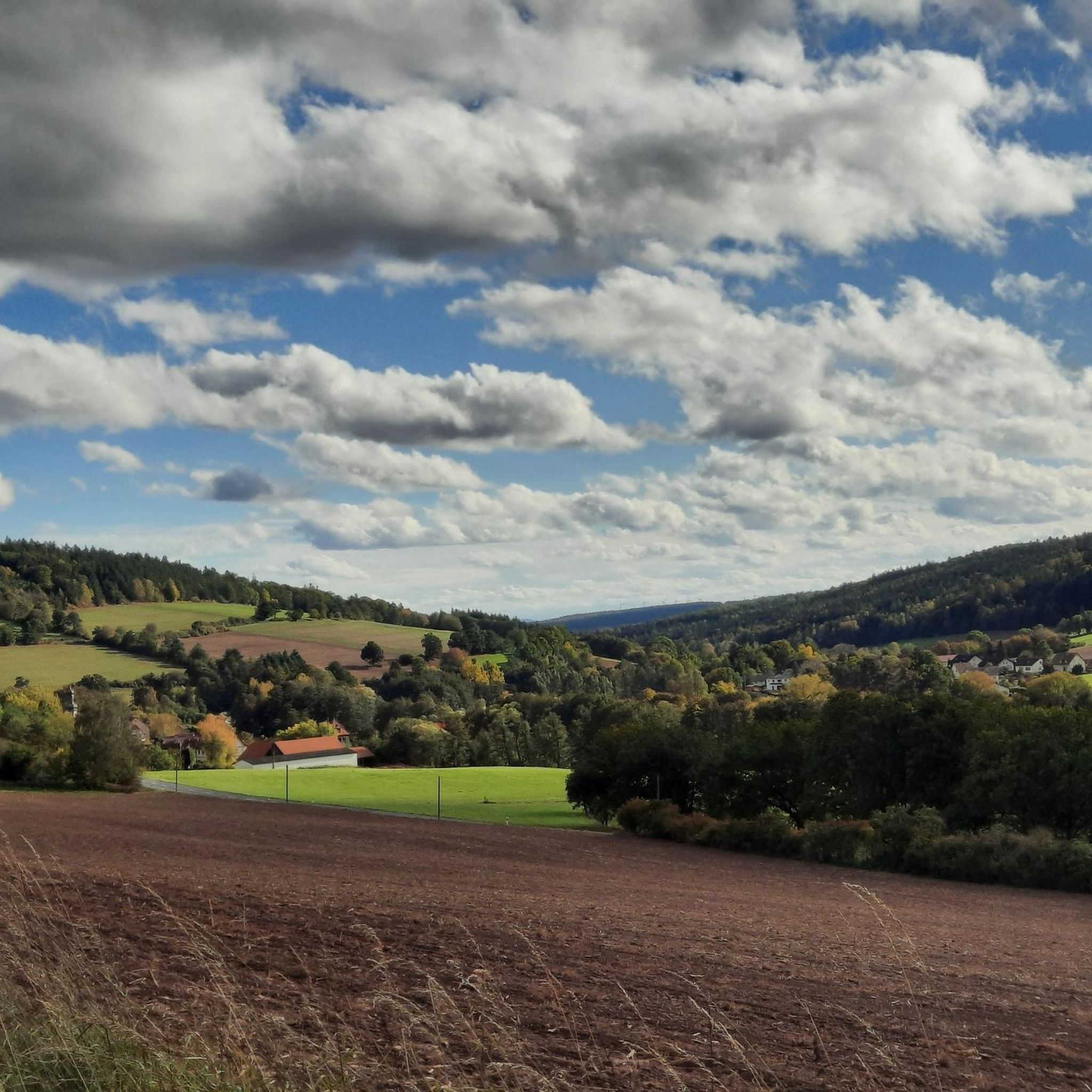
Best canyons around Willmars are primarily characterized by the Rhön-Grabfeld region's gentle hills, dense forests, and clear streams. This area, located in Northern Bavaria, offers varied topography suitable for outdoor exploration. Visitors can find numerous hiking routes that traverse natural landscapes, including several notable gorges and valleys. The region's trails provide opportunities to experience its natural features.
Best canyons around Willmars
- The most popular canyons is Eisgraben Nature Reserve, a forest that features a small gorge lined with basalt rock. This area is known for its wild brook and the sound of splashing water.
- Another must-see spot is Herpf Valley, a gorge that offers a beautiful route both on and off road. Visitors can expect well-signposted trails across the Dreißigacker plateau.
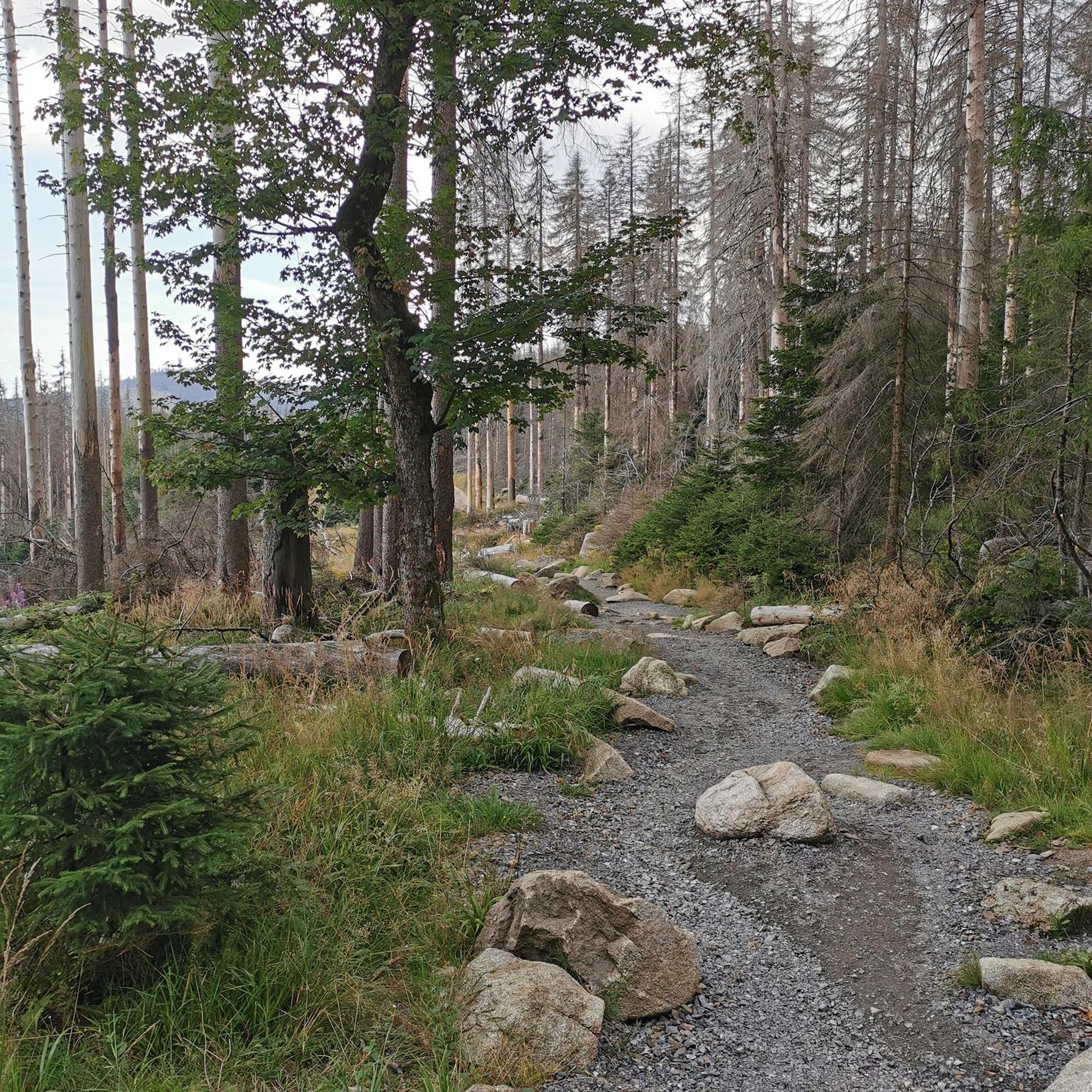
- Visitors also love Schwarzer Graben, a gorge that is a geographical name often used for flowing water. This trail follows a path in a depression towards the valley.
- Willmars is known for gorges, valleys, and forest trails. The region offers a variety of natural features to see and explore.
- The canyons around Willmars are appreciated by the komoot community, with over 100 photos and more than 290 upvotes.
Last updated: August 8, 2026
Eisgraben Nature Reserve
Highlight • Forest
Translated by Google •
Tip by

Bridge over the Eisgraben
Highlight • Bridge
Translated by Google •
Tip by
Sign up now to discover places like this
Get recommendations on the best single tracks, peaks, & plenty of other exciting outdoor places.
Sign up for free
Herpf Valley
Highlight • Gorge
Translated by Google •
Tip by

Eisgraben Hut
Highlight • Mountain Hut
Translated by Google •
Tip by

Schwarzer Graben
Highlight • Gorge
Translated by Google •
Tip by

Start today with a free account
Your next adventure awaits.
Login or Signup
Tips from the Community

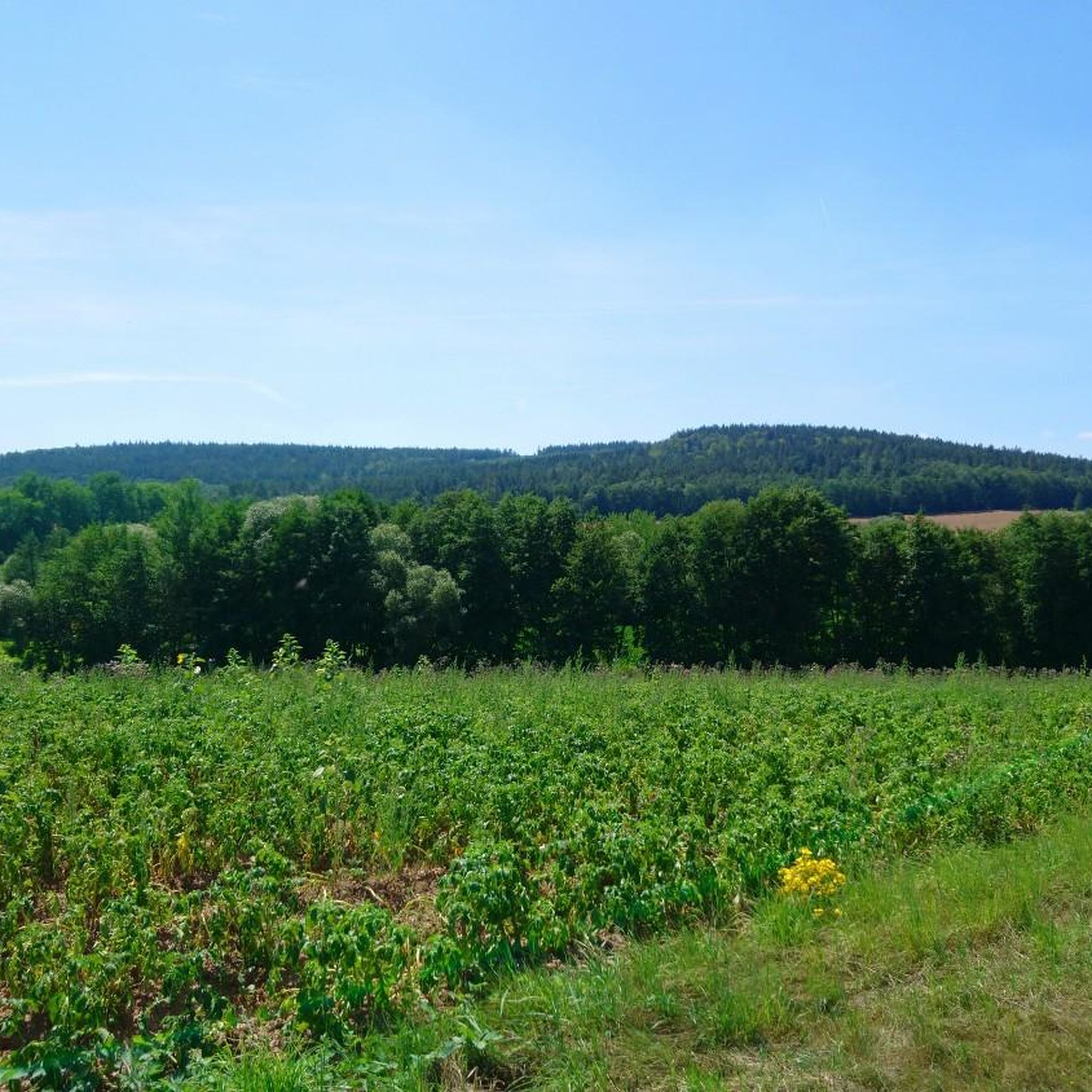
A beautiful piece of nature. Highly recommended.
1
0


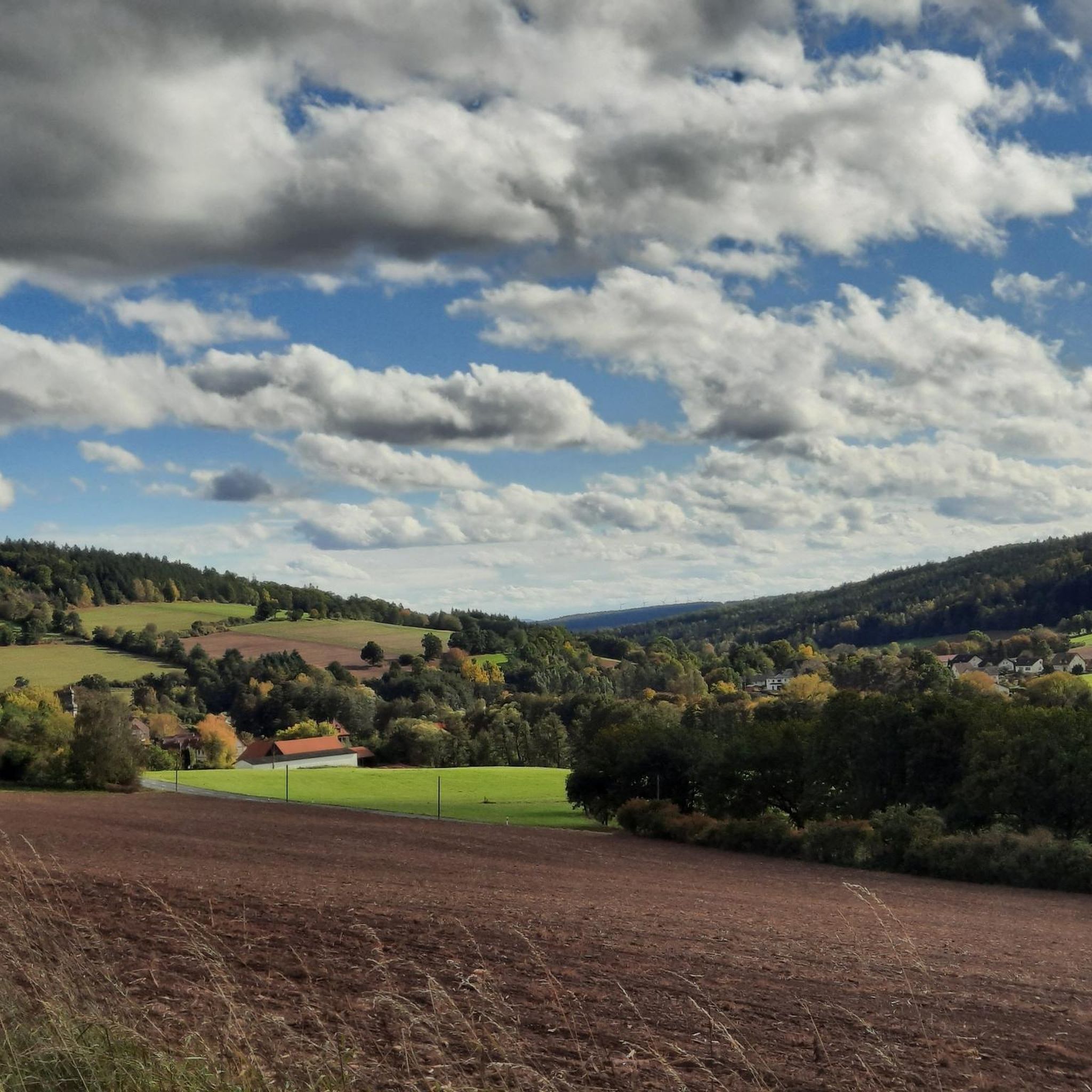
Always beautiful over the Dreißigacker plateau towards Herpf. Very well signposted route👍
1
0

www.biosphaere-rhoen.de Information from panel no. 2 Eisgraben - cold wind, natural forests The water of the Aschelbach, which flows over and between the basalt blocks of the Eisgraben, comes from the Black Moor on top of the Hohe Rhön - one of the last intact raised bogs in Germany. Cold air also flows from there down the valley channel. The Eisgraben owes its name to this, because it ensures that the frost lasts here well into spring. Large areas of the Eisgraben are designated as a natural forest reserve and enjoy special protection as a core zone of the UNESCO Rhön Biosphere Reserve. Leaving the moor, the Aschelbach initially meanders quietly through the landscape and finally plunges down a 4-meter-high waterfall. When it enters the forest, the stream is then called Eisgraben. It meanders between the trees and in places drops steeply by up to 10 meters on the side. Every spring, the floods of melting snow transform the narrow summer stream into a raging torrent that cuts ever deeper into the ground. An extreme storm on July 26, 1834 gave the Eisgraben its current appearance. Torrential rain caused a massive landslide that buried the town of Hausen. The catastrophe washed out brown coal in some places, which was then mined. A considerable system of tunnels was created. However, the brown coal was still quite young and therefore of poor quality, so mining was soon stopped. The women's cave is located in the lower part of the Eisgraben. At this point, the water has dug a 50-meter-long and 20-meter-deep cave into the rock. According to legend, this cave was a refuge for the women from the hamlet of Hillenberg in times of trouble. Today, the cave is no longer accessible. Also nearby are a hunter's hut and the ruins of Hildenburg.
1
0

The Aschelbach, which comes from the Rhön high plateau, has created the deep valley of the Eisgraben here. There is a reason for the name Eisgraben: the cool stream water and the accompanying cold air currents ensure that the temperature along the stream is a few degrees lower than in the surrounding area.
4
0
Not a highlight right away - but definitely a practical way to cross the ice ditch here.
3
0

The name “Black Graben” is a geographical name and is often used for flowing water. Unfortunately, she doesn't have any information either. This is probably what the path in the depression, towards the valley, is called.
0
0

Bridge over the Eisgraben. Which is unfortunately dry at the moment.
10
0
Frequently Asked Questions
What kind of gorge-like features can I explore around Willmars?
While Willmars is not known for deep canyons, the region offers several beautiful gorges and valleys that provide excellent hiking opportunities. Notable examples include the Eisgraben Nature Reserve, a small gorge with basalt rock formations and a wild brook, and the scenic Herpf Valley, which offers picturesque routes over the Dreißigacker plateau.
Are there family-friendly options for exploring the gorges near Willmars?
Yes, the Herpf Valley is specifically categorized as family-friendly, offering beautiful routes that are suitable for all ages. The general landscape around Willmars, with its gentle hills and forests, is conducive to pleasant family outings.
What natural features can I expect to see in the gorges around Willmars?
You can expect to encounter diverse natural features. For instance, the Eisgraben Nature Reserve features basalt rock formations and a wild, flowing brook. The region generally offers dense forests, clear streams, and varied topography influenced by the nearby Rhön Mountains, providing scenic views and a rich natural environment.
What is the best time to visit the gorges and natural areas around Willmars?
The region around Willmars, with its forests and valleys, is beautiful throughout the warmer months. Spring brings wildflowers, while autumn offers vibrant foliage. The trails are generally accessible from spring through fall, making these seasons ideal for hiking and exploring the natural landscapes.
Are there hiking trails near these gorges?
Absolutely. The Willmars area is well-regarded for its hiking opportunities. You can find numerous trails, ranging from easy walks to moderately challenging ascents. For more options, explore the Easy hikes around Willmars or the Hikes from bus stations around Willmars guides.
What other outdoor activities can I do near the gorges in Willmars?
Beyond exploring the gorges, the Willmars area is excellent for various outdoor activities. You can enjoy running on trails like those found in the Running Trails around Willmars guide, or embark on longer hikes through the scenic Rhön-Grabfeld region.
What do visitors enjoy most about the gorges and valleys in this region?
Visitors appreciate the natural beauty and tranquility. For example, the Eisgraben Nature Reserve is noted for its 'real, still wild brook' and the 'loosening' sound of splashing water. The Herpf Valley is praised for its 'beautiful route' and being 'very well signposted'.
Is the terrain in the gorges around Willmars challenging?
The gorges and valleys around Willmars generally offer varied terrain. Features like the Eisgraben Nature Reserve and Schwarzer Graben are categorized as intermediate, suggesting some moderate challenges. However, the region also provides easier paths, especially in areas like the Herpf Valley.
Are there any specific viewpoints or landmarks within these gorges?
The Herpf Valley is noted for offering a viewpoint, providing scenic vistas over the Dreißigacker plateau. The Eisgraben Nature Reserve, with its basalt rock formations and a hut, also serves as a natural landmark within the gorge.
Can I find circular trails that include these gorges?
Yes, many hiking routes in the Willmars area are circular, allowing you to experience the natural beauty without retracing your steps. For example, the 'Mauerschädel – Peace Cross on Lappberg loop' and the 'Lichtenburg Castle – Ostheim Waterworks loop' are popular moderate hikes that explore the wider region, often incorporating natural features like valleys and forests.
What kind of wildlife might I encounter in the gorges and surrounding areas?
The natural areas around Willmars, including the gorges and forests, are home to diverse wildlife. You might spot various bird species, deer, and other small mammals typical of woodland and meadow environments in the Rhön region. The 'wild brook' in the Eisgraben Nature Reserve also supports aquatic life.
Most popular routes around Willmars
Most popular attractions around Willmars

Get inspired with the komoot mobile app


Explore more
Already discovered everything in this region? See additional gorges around Willmars for your next adventure:
