Top 3 Caves in Leinster
Best caves in Leinster are found within a region characterized by diverse landscapes, from the fertile plains of the Boyne Valley to the rugged Wicklow Mountains and the coastline. The area features significant geological formations, including limestone caves and ancient subterranean structures. Leinster's caves offer insights into both natural history and human heritage, with sites ranging from natural caverns to prehistoric passage tombs. This variety provides opportunities for exploring different types of underground environments.
Best caves in Leinster
- The most…
Last updated: October 14, 2026
Newgrange Passage Tomb
Highlight • Historical Site
Translated by Google •
Tip by

Cliff Path Cave
Highlight • Cave
Tucked away along the rugged coastline, this cave is like a secret world. 🌊🌞🕊️
Tip by

Sign up now to discover places like this
Get recommendations on the best single tracks, peaks, & plenty of other exciting outdoor places.
Portrane Beach Caves and Rock Arch
Highlight • Beach
Tip by

Dunmore Caves
Highlight • Cave
Tip by

Start today with a free account
Your next adventure awaits.
Popular around Leinster
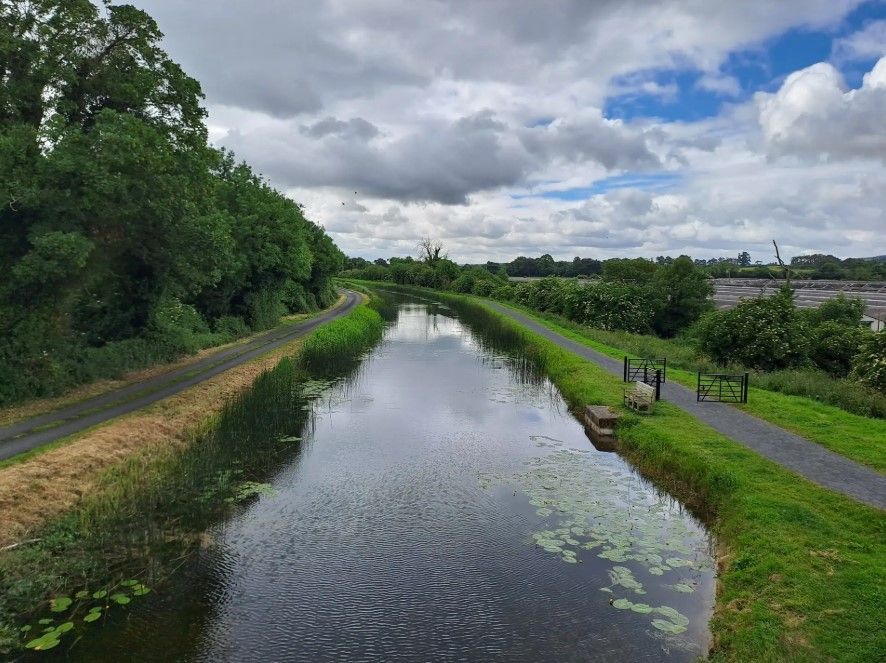
The Barrow Way — Walking Beside Quiet Waters
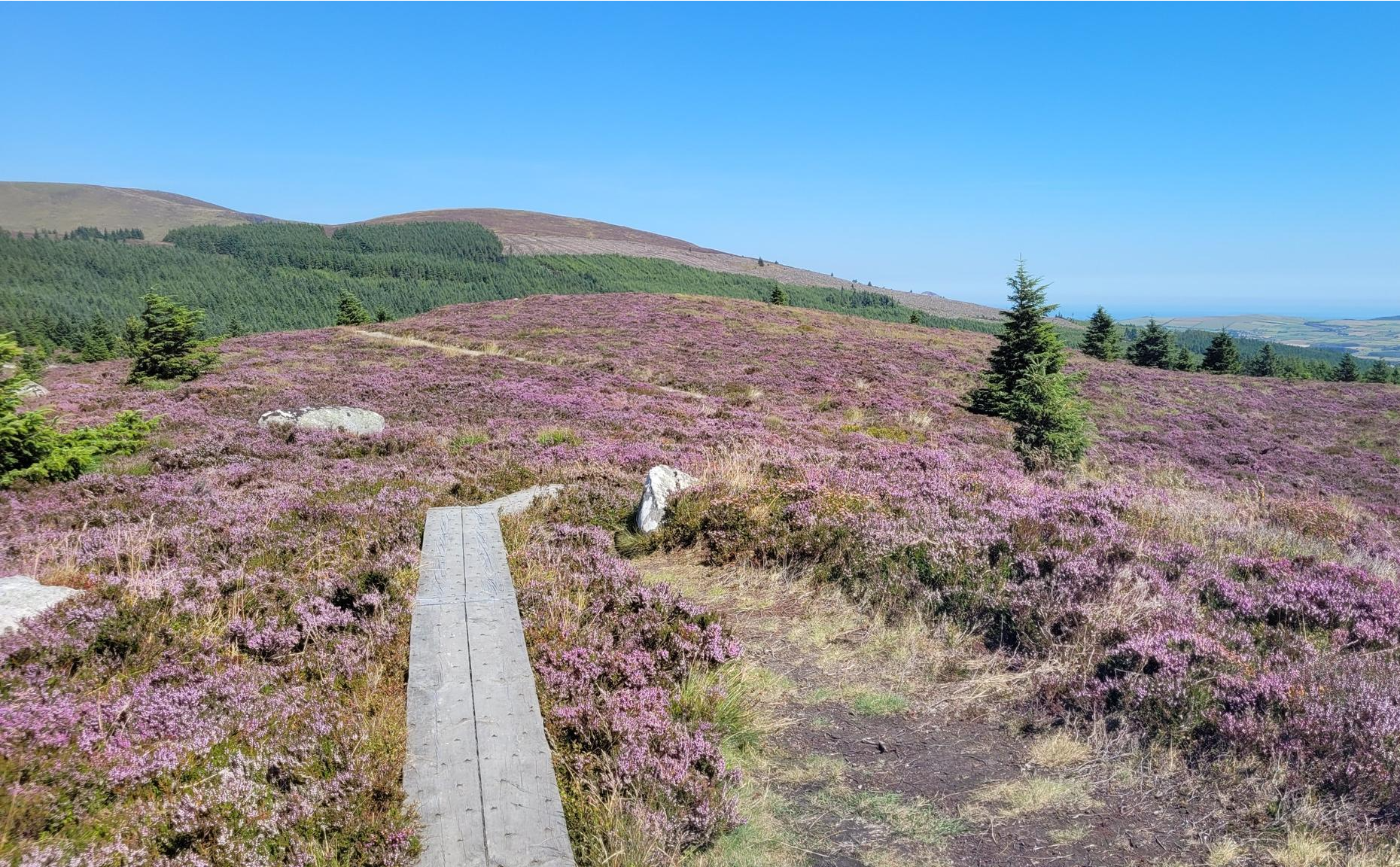
Running the Wicklow Way – From the city to the mountains
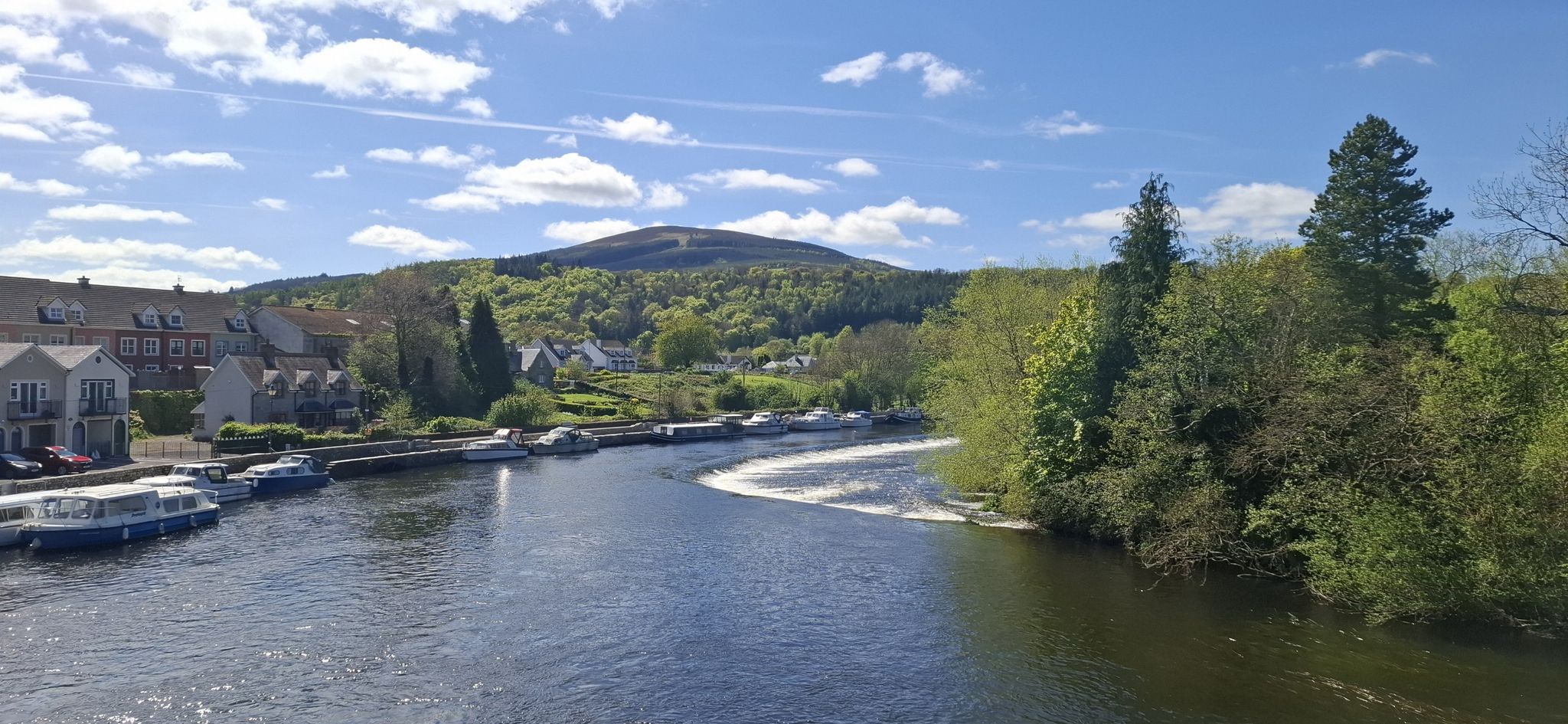
South Leinster Way – It's a long way to Tipperary
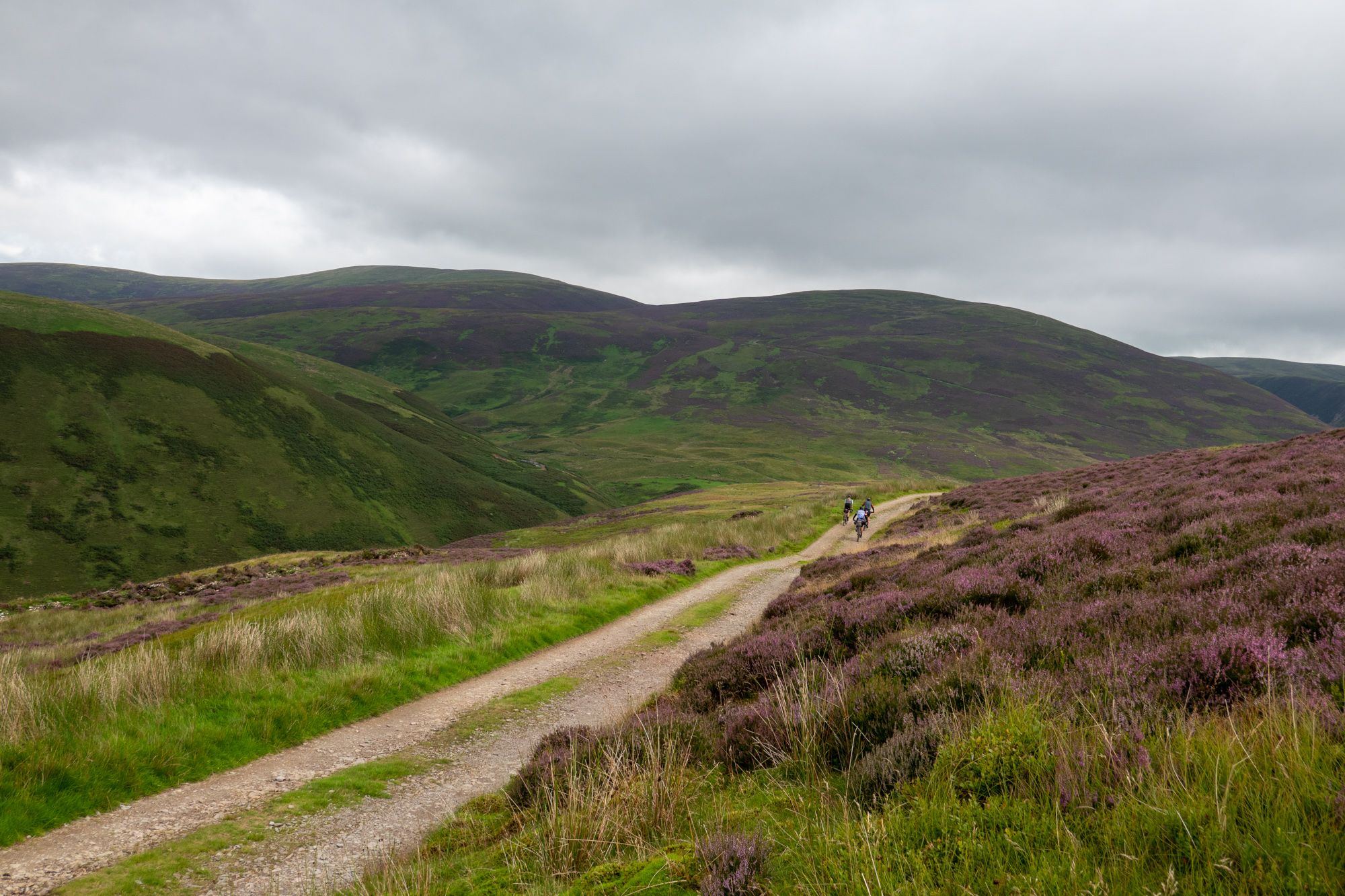
Bikepacking to the World Champs across Ireland and Scotland
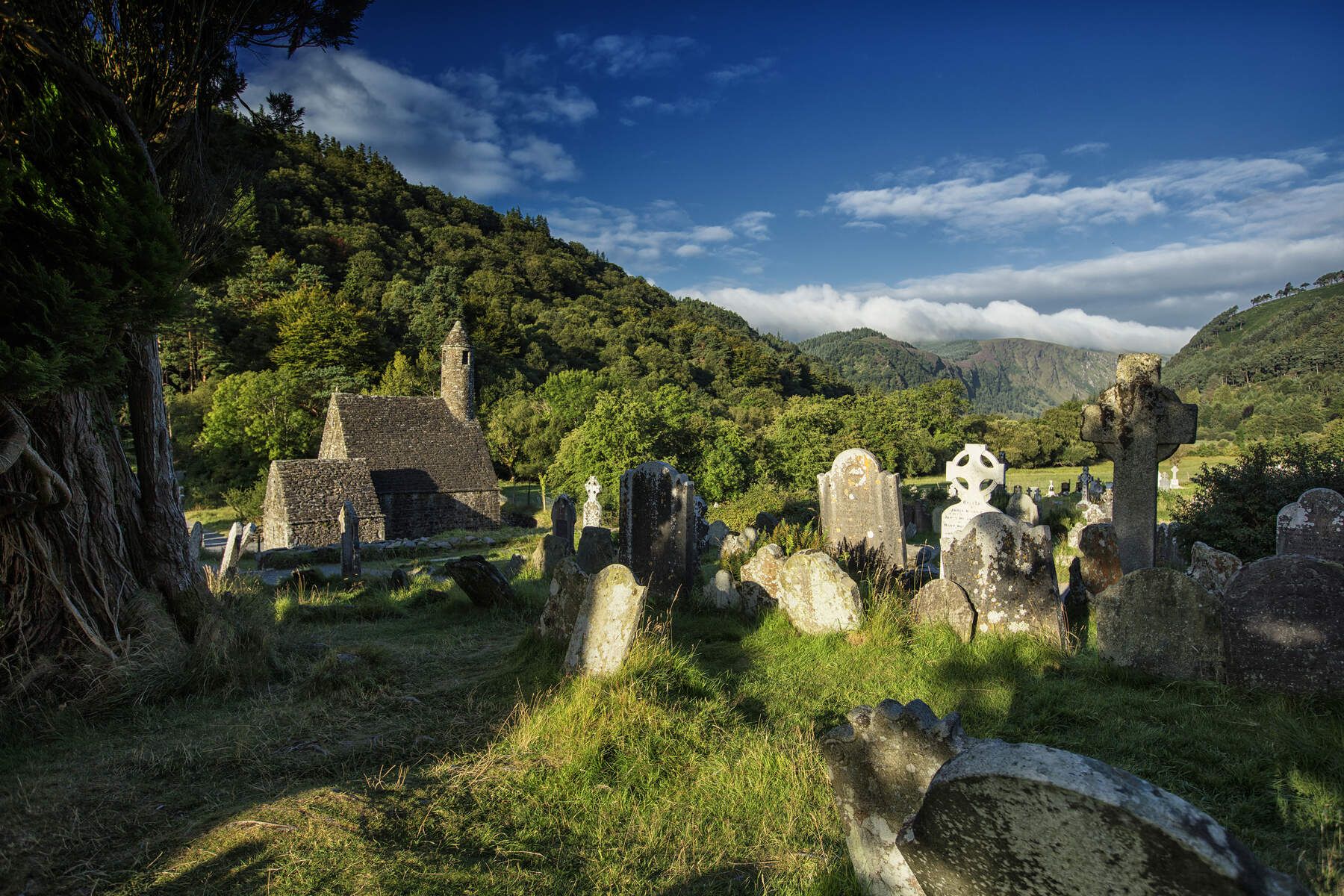
The Wicklow Way — discover Ireland's east
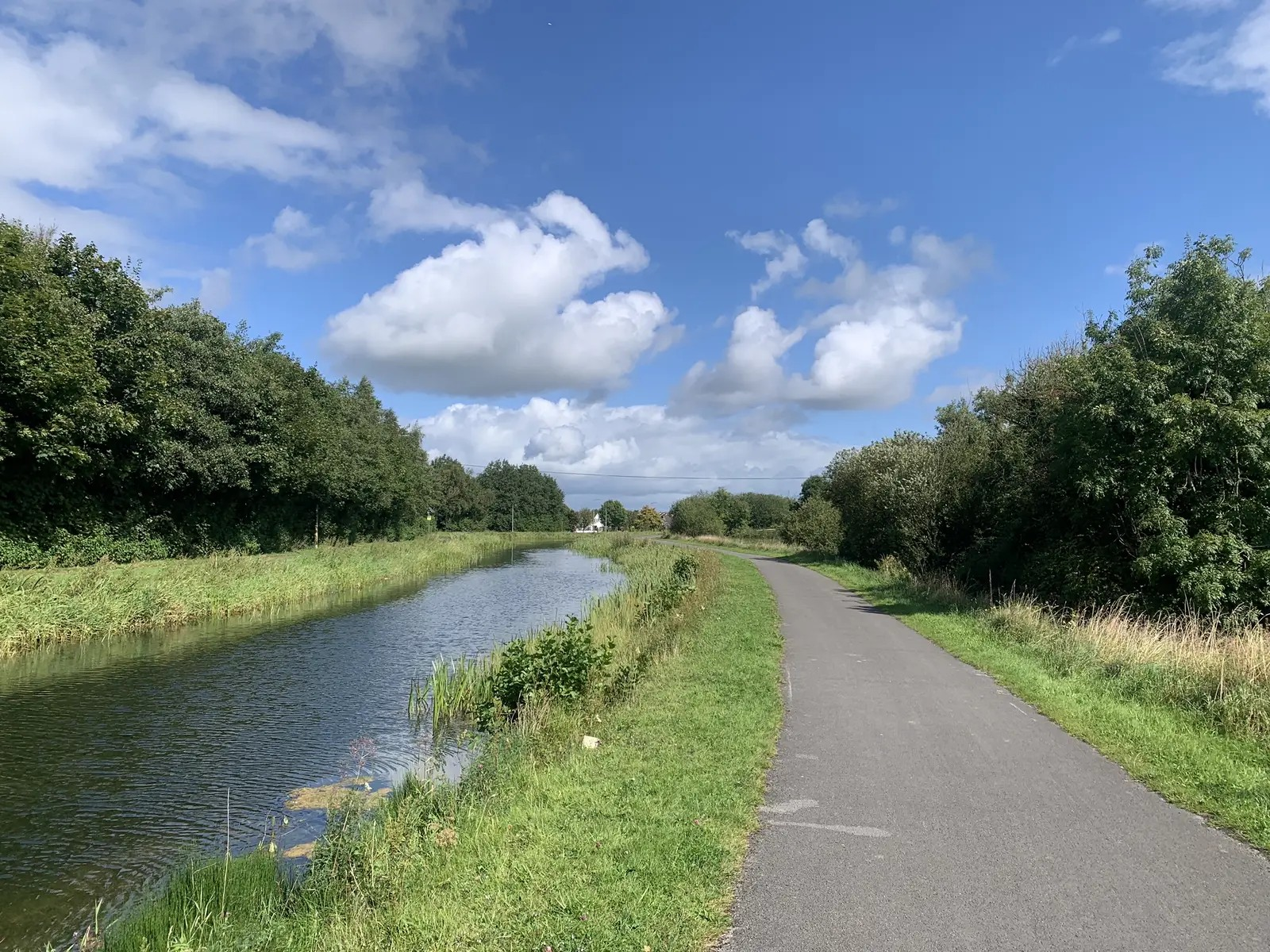
Old Rail Trail Greenway — a ride through central Ireland's heritage
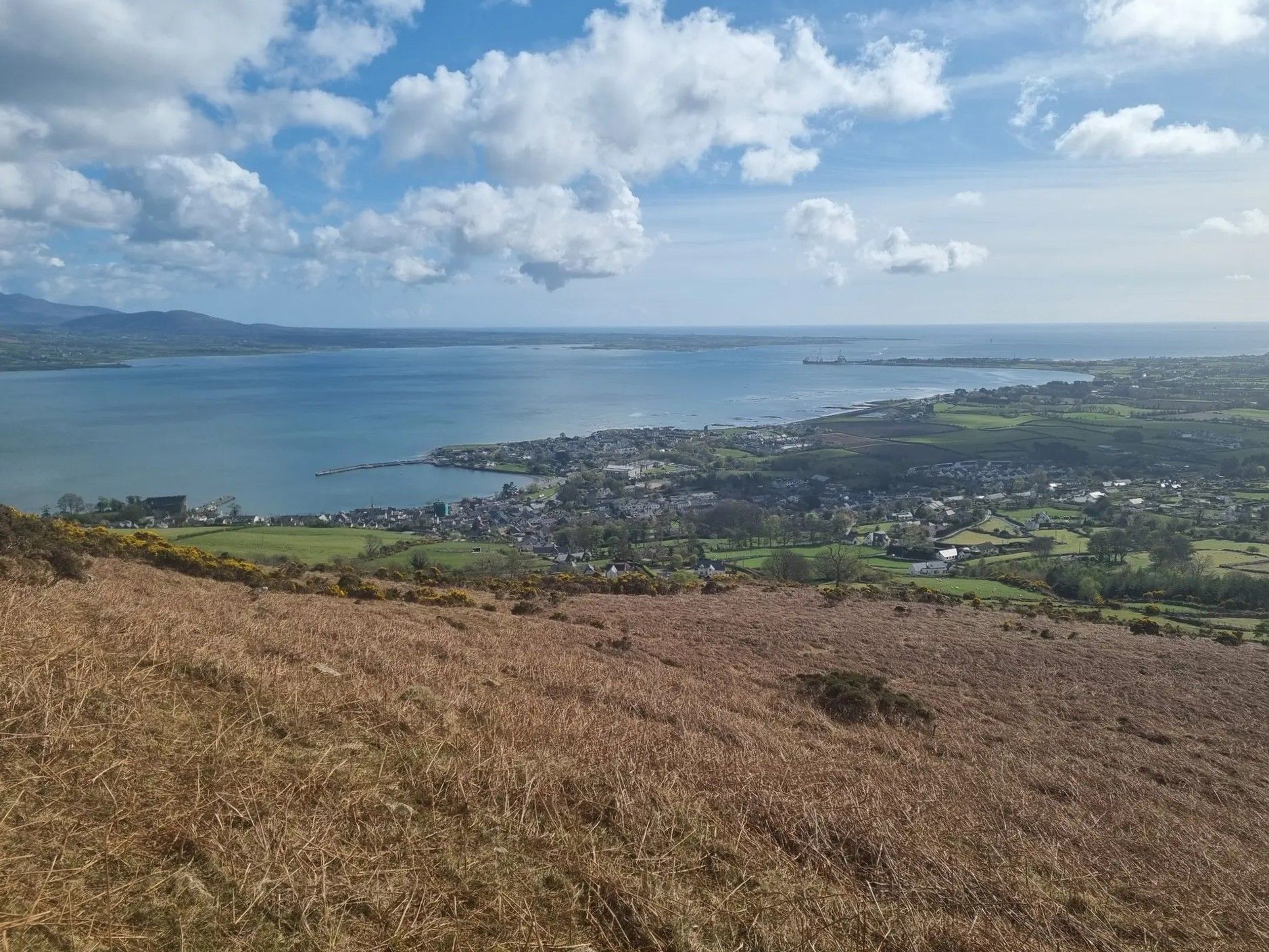
Táin Way – exploring the Cooley Peninsula
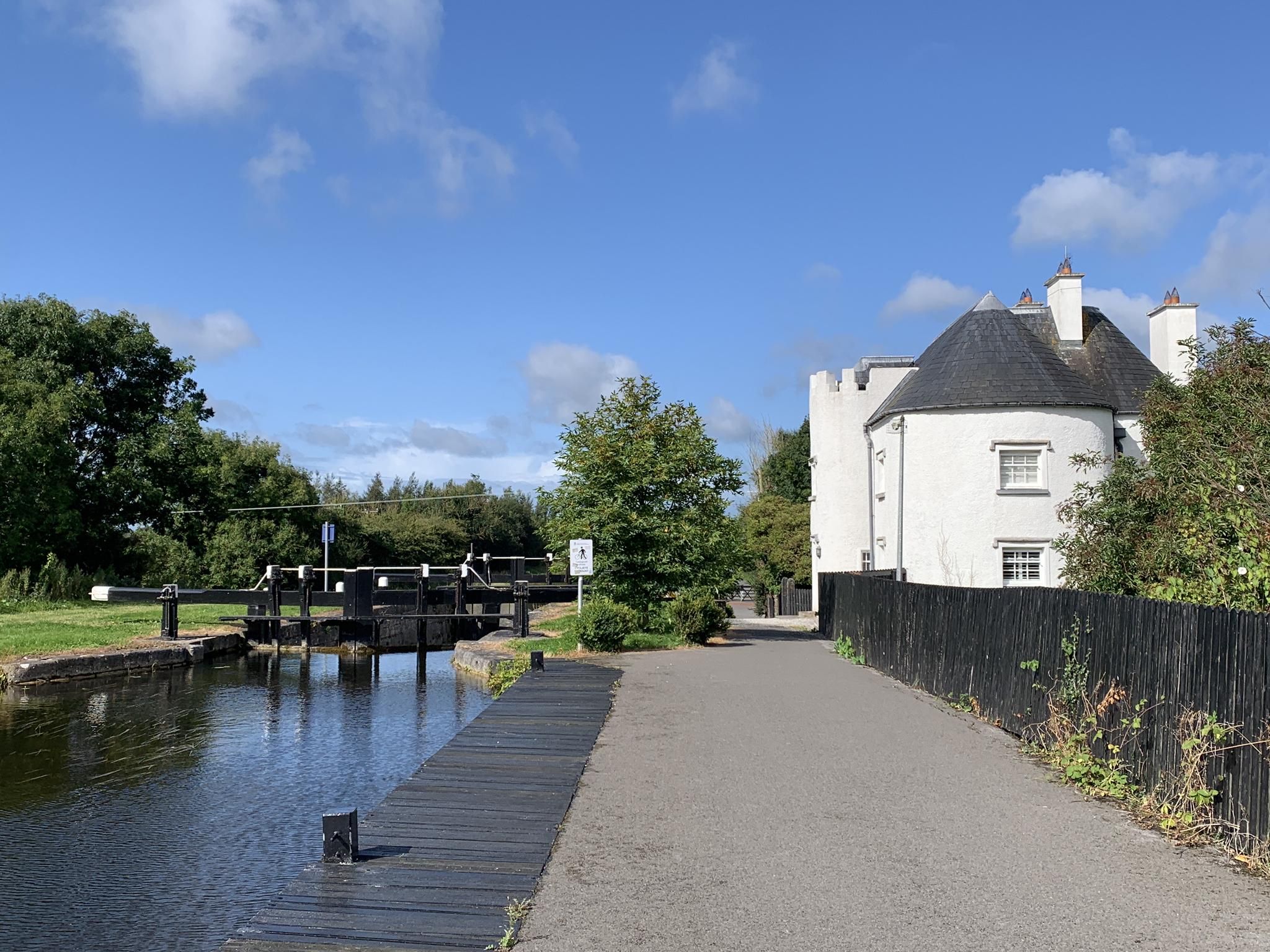
Grand Canal Greenway – cycling the heart of County Offaly
On the EuroVelo 1 through Ireland's south – green expanses & lonely beaches
Slieve Bloom Way — Experience the Slieve Bloom Mountains
Other adventures in Leinster


Tips from the Community

Tour is worth it in my opinion. Quite a few stairs, so be aware, and as far as I know it only opens later in the mornings.
0
0

Older than Stonehenge and the pyramids, this monument stands in the green countryside of County Meath and tells stories of a time long gone. The journey here takes you along quiet roads along the Boyne until you finally stand in front of the massive burial mound. The intricate decorations on the stones and the special architecture of the cross-shaped chamber are impressive. It is amazing how people back then were able to create such precise construction without modern tools. If you take a break here, you can feel the special energy of the place - as if history itself is whispering through the wind. A detour is worthwhile, especially if you want to incorporate a little culture into your cycling tour. The journey is easy and there are plenty of places to park your bike and explore the area.
1
0

Underground secrets... Newgrange isn't the only passage tomb in Ireland, of course. There are two more in Brú na Bóinne. Along with the nearby Knowth and Dowth tombs, Newgrange has been a UNESCO World Heritage Site since 1993. Not bad for a site that was once doomed to become a quarry! Nearby, at Oldcastle in County Meath, you'll find a lesser-known collection of passage tombs. Around a handful of hills in Loughcrew are several cairns dating back to around 3200 BC. More mysterious and difficult to reach, exploring them is even more like Indiana Jones. If you get the feeling you're being watched, you might be right. About 60km away, on the summit of Slieve Gullion in County Armagh, the passage of another tomb points directly towards Loughcrew. The two cairns at Slieve Gullion are located on either side of the summit lake. The southern grave is said to be aligned with the sunset on the winter solstice. In good weather you can even see Dublin Bay from here. (Source: https://www.ireland.com/de-de/magazine/built-heritage/newgrange/)
2
1
5,000 years. That makes Newgrange older than Stonehenge. It's also older than the Egyptian pyramids. But over the past five millennia, the passage tomb has lost none of its fascination. But let's start from the beginning: There is no direct access to Newgrange. If you're driving, don't let your sat nav take you to Brú na Bóinne/Boyne Valley (latitude 53.694567, longitude 6.4463). The visitor center there sells tickets and you can take a shuttle bus for a guided tour. If you don't have a car, that's no problem either: you can book a day trip from Dublin. Arriving at the iconic tomb is an overwhelming experience. You stand in front of an 80m wide mound, lined with decorated stones and covered in white Wicklow quartzite. A guide tells you about the myths and history behind the landmark. Newgrange could have been a tomb or a temple. Nobody knows for sure. The truth will remain hidden forever. (Source:https://www.ireland.com/de-de/magazine/built-heritage/newgrange/)
2
1

Office of Public Works (Brú na Boyne Visitor Center (Newgrange and Knowth), 2023-12-22): https://heritageireland.ie/places-to-visit/bru-na-boinne-visitor-centre-newgrange-and-knowth/ - Opening Times - Admission Wikipedia (Newgrange (Irish: Sí an Brú), 2023-12-22): https://en.m.wikipedia.org/wiki/Newgrange TheIrishRoadTrip ("Knowth: History, Tours + Why It's Just As Impressive As Newgrange", 2023-12-22): https://www.theirishroadtrip.com/newgrange/ “… book in advance! …”
2
1

Newgrange (Irish: Sí an Bhrú) is a large Neolithic passage tomb in County Meath, Ireland, on the River Boyne. It is a passage tomb with a cruciform chamber and a corbel vault, which is not common, but also occurs in Knowth, on Anglesey and in Orkney. It is an Irish National Monument. The name „Newgrange” dates back to the fact that in 1142 the surrounding area became part of the lands of Mellifont Abbey. Thus the designation „new grange” („new farmstead”) arose. In Irish, the area is called Brú na Bóinne [ˈbruː nə ˈboːnʲə] „inn/dwelling on the (River) Boyne” or originally probably „dwelling of the (goddess) Bóinn”. Newgrange is located above a wide bend in the river in one of Ireland's most fertile and therefore intensively farmed areas. The complex was built around 3150 BC. It is one of the most important megalithic complexes in the world. In the immediate vicinity are two other important megalithic complexes, Dowth and Knowth, which appear to be temporal precursors. In 1993, the complexes of Newgrange, Knowth and Dowth were declared a World Heritage Site. - https://de.wikipedia.org/wiki/Newgrange - https://en.wikipedia.org/wiki/Newgrange In 1994 I was in Newgrange and Knowth. Back then, I could drive to Newgrange, park my bike right at the entrance of the site and buy a ticket in a small booth for a small amount of money - very easy. By 2017, that was no longer possible - just driving up like that. There was a visitor center, located south of Newgrange - with admission and bus transfer to Newgrange and Knowth. It is possible to book only Newgrange or only Knowth - or both together. Everything was planned - small groups and a tour every half hour... I received a sticker for my jacket - which told me when it was my turn and which bus I had to get on... Arriving at Newgrange - then the same procedure - small groups - clearly organized who was next... Also the further bus transfer to Knowth - my group was given 10 minutes to walk around the site alone - the bus was already moving on. Knowth has become great - the whole thing beautifully restored! In 1994, Knowth was still a construction site - there was nothing to see then. Here too, unfortunately, only a short time to walk around alone - the bus was already ready for the return journey to the visitor center... But it was nice! I will definitely come back again!
1
0

Hidden within the cliff path, there's a mysterious cave! Tucked away along the rugged coastline, this cave is like a secret world. 🌊🌞🕊️
0
0

We already booked our tickets on the day that concerns the max time to pre-book and only got a few free slots left. Newgrange is well worth seeing, together with Knowth one of the oldest witnesses here in Ireland. In addition, an important indication of how many % of the Irish population are related to the inhabitants of that time.
7
3
Frequently Asked Questions
What are the most popular caves and subterranean sites in Leinster?
Leinster offers a variety of popular subterranean sites. Among them, Newgrange Passage Tomb is a UNESCO World Heritage Site and one of ancient Ireland's oldest witnesses. Other notable sites include Ballycorus Lead Mine Tunnel, a historical man-made tunnel, and Portrane Beach Caves and Rock Arch, known for coastal rock formations. For a natural cave experience, Dunmore Cave in County Kilkenny is highly recommended for its impressive calcite formations and rich history.
Are there family-friendly cave experiences in Leinster?
Yes, several sites are suitable for families. Newgrange Passage Tomb is considered family-friendly and offers a fascinating historical experience. While Dunmore Cave is a popular show cave with guided tours, visitors should be aware it involves about 700 steps, which might be challenging for very young children or those with mobility issues. Always check specific site requirements before visiting with family.
What historical or archaeological caves can I visit in Leinster?
Leinster is rich in historical subterranean sites. Newgrange Passage Tomb and Dowth Passage Tomb are Neolithic sites within the Brú na Bóinne World Heritage Site, offering a glimpse into prehistoric Ireland. Ballycorus Lead Mine Tunnel provides insight into industrial history. Dunmore Cave also has a dark history, including a Viking massacre recorded in ancient annals, making it a site of considerable archaeological interest.
Are there any natural caves or rock formations to explore on the coast in Leinster?
Yes, Portrane Beach Caves and Rock Arch offers coastal rock formations and caves to discover. This beach is known for its beautiful shells and stones, providing a unique natural experience by the sea.
What are the accessibility considerations for caves in Leinster?
Accessibility varies significantly. For instance, Dunmore Cave involves approximately 700 steps and is not accessible to wheelchair users. Many natural caves, especially those not developed as show caves, may require specialist equipment or guided tours and are generally not accessible. It's always best to check with individual sites for specific accessibility information.
What kind of geological features can be found in Leinster's caves?
Leinster's caves showcase diverse geological features. Dunmore Cave is a prime example of a limestone solutional cave system, famous for its impressive calcite formations, including striking stalactites and stalagmites. The region generally features limestone caves and coastal rock formations, offering a variety of underground environments.
What other notable caves exist in Leinster beyond the main attractions?
Beyond the more prominent sites, Leinster has several other caves. These include Poulnalhove Cave in County Laois, St. Kevin's Cave (also known as St. Kevin's Bed) and Burke's Cave in Glendalough, County Wicklow, and Mount Briscoe Cave in County Offaly. County Kildare lists Cobbler's Cave, Giant's Cave, and Poll I gCeann, while County Westmeath has Fore Cave, Pollnagat, and Rock of Curry Caves. Poll na gColm an Longfoirt is found in County Longford. Many of these are not developed for public access and may require specialist caving experience.
What outdoor activities can I do near the caves in Leinster?
Leinster offers a range of outdoor activities near its caves. You can find excellent cycling routes, including moderate to difficult options around Dublin Bay, Killiney Beach, and Poulaphouca Reservoir. For hikers, there are waterfall hikes in Leinster, such as the Spinc and White Route in Glendalough or the Glenbarrow Eco Walk. Gravel biking is also popular, with challenging routes in the Wicklow Mountains. You can explore more options on the Cycling in Leinster, Waterfall hikes in Leinster, and Gravel biking in Leinster guide pages.
What should I know about visiting Dunmore Cave?
Dunmore Cave is a significant show cave in County Kilkenny. It features impressive calcite formations and a rich, dark history. Visitors should be prepared for approximately 700 steps, and the cave can be cold and wet, so appropriate clothing and footwear are advised. Guided tours are available, bringing its geology, history, and folklore to life. It's located about 11 km north of Kilkenny City. For current opening times and admission, it's recommended to check the official Heritage Ireland website: heritageireland.ie.
Is there a best time to visit the caves in Leinster?
For underground sites like Dunmore Cave, the internal temperature remains relatively constant year-round, but the external weather can impact your overall experience. As caves can be cold and wet, visiting during drier, milder seasons might be more comfortable for the approach and exit. For sites like Newgrange Passage Tomb, which are largely indoors, the time of year is less critical, though booking in advance is often necessary, especially during peak tourist seasons.
What do visitors enjoy most about the caves and subterranean sites in Leinster?
Visitors to Leinster's caves and subterranean sites appreciate the blend of natural wonder and historical intrigue. Many find the ancient history of sites like Newgrange Passage Tomb captivating, noting its significance as one of Ireland's oldest witnesses. The impressive calcite formations in Dunmore Cave are a major draw, while the unique coastal rock formations at Portrane Beach Caves offer a different kind of natural beauty. The opportunity to explore disused historical sites like Ballycorus Lead Mine Tunnel also provides an interesting diversion.
Do I need to book tickets in advance for any caves in Leinster?
Yes, for popular sites like Newgrange Passage Tomb, it is highly recommended to book tickets in advance, especially during peak times, as slots can fill up quickly. For Dunmore Cave, while not always mandatory, checking the official website for booking requirements and tour availability is advisable to ensure entry.
Are there cafes or accommodation options near Leinster's caves?
For Dunmore Cave, located near Kilkenny City, you will find numerous cafes, pubs, and accommodation options. For sites like Newgrange Passage Tomb and Dowth Passage Tomb in the Boyne Valley, nearby towns like Drogheda and Slane offer amenities. For more remote caves, options might be limited, so it's best to plan ahead and check local services in the nearest villages or towns.
Most popular routes in Leinster
Most popular attractions in Leinster

Get inspired with the komoot mobile app


Explore more
Extend your search for the best caves by checking out these guides of the top ones in Leinster:
