Top 3 Gorges in Blue Mountains National Park
Best canyons in Blue Mountains National Park, a UNESCO World Heritage-listed area, are carved into a vast sandstone plateau. This region is known for its dramatic landscapes, featuring deep gorges and rugged cliffs. The park offers a range of experiences, from bushwalking to technical canyoning descents. Its unique geological formations and diverse ecosystems make it a significant natural landscape.
Best canyons in Blue Mountains National Park
- The most popular canyons is Evans Lookout, a viewpoint that offers sweeping views…
Last updated: October 12, 2026
Rocket Point lookout
Highlight • Viewpoint
Tip by

Wentworth Falls
Highlight • Waterfall
Tip by

Sign up now to discover places like this
Get recommendations on the best single tracks, peaks, & plenty of other exciting outdoor places.
Evans Lookout
Highlight • Viewpoint
Tip by

Furber Steps
Highlight (Segment) • Trail
Tip by
Carne Wall Landslide
Highlight • Natural Monument
Tip by

Sign up for free to discover even more gorges in Blue Mountains National Park.
Already have an account?
Start today with a free account
Your next adventure awaits.
Popular around Blue Mountains National Park
Tips from the Community

Furber Steps drops steeply down the escarpment towards the Jamison Valley, with sections of stone steps, metal stairs and track cut close against the sandstone cliffs. You’ll pass beneath large overhangs and get changing views across to Katoomba Falls as you descend. The way down is straightforward enough, but remember you’ll need to regain all that height if you’re returning the same way.
0
0
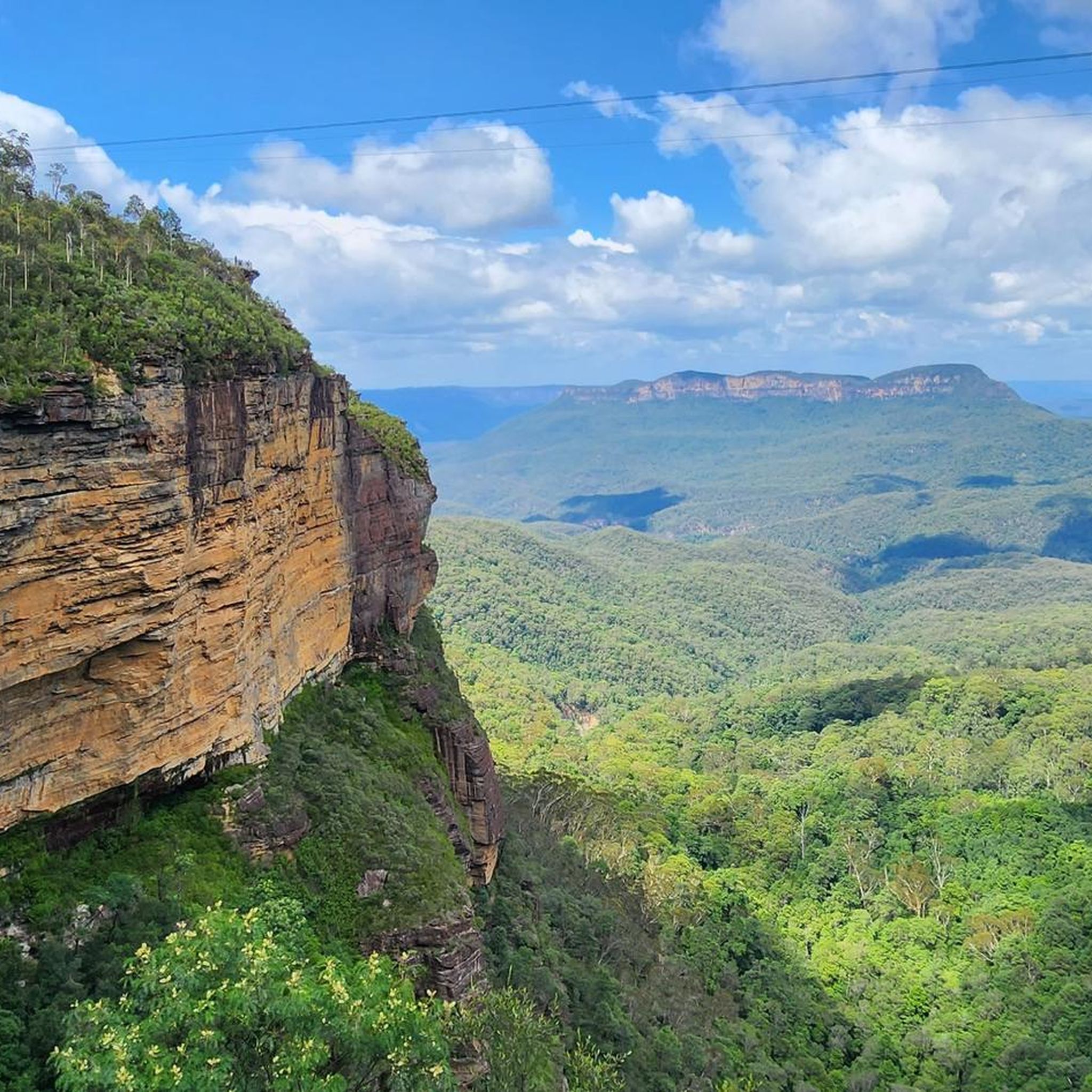
Set along the cliff edge in Blue Mountains National Park, this lookout sits on a narrow, fenced ledge with a direct view of Wentworth Falls as it drops into the valley below. The position brings you close to the escarpment, with steep drop-offs and a more immediate perspective of the waterfall and surrounding rock walls. Space is limited at the lookout, and surfaces can be uneven or slippery, particularly after rain.
0
0

Recently, at the beginning of August 2025, a huge landslide happened overnight, destroying two climbing routes: Big Loose Corner and Carnivore. Here you can see the lighter colored stone where 200,000 cubic meters of rock slid loose.
1
0

Undercliff Track traces along the cliffsides and passes by a number of amazing viewpoints. If you can time your hike after a rain then you'll see the waterfalls at their full potential.
1
0

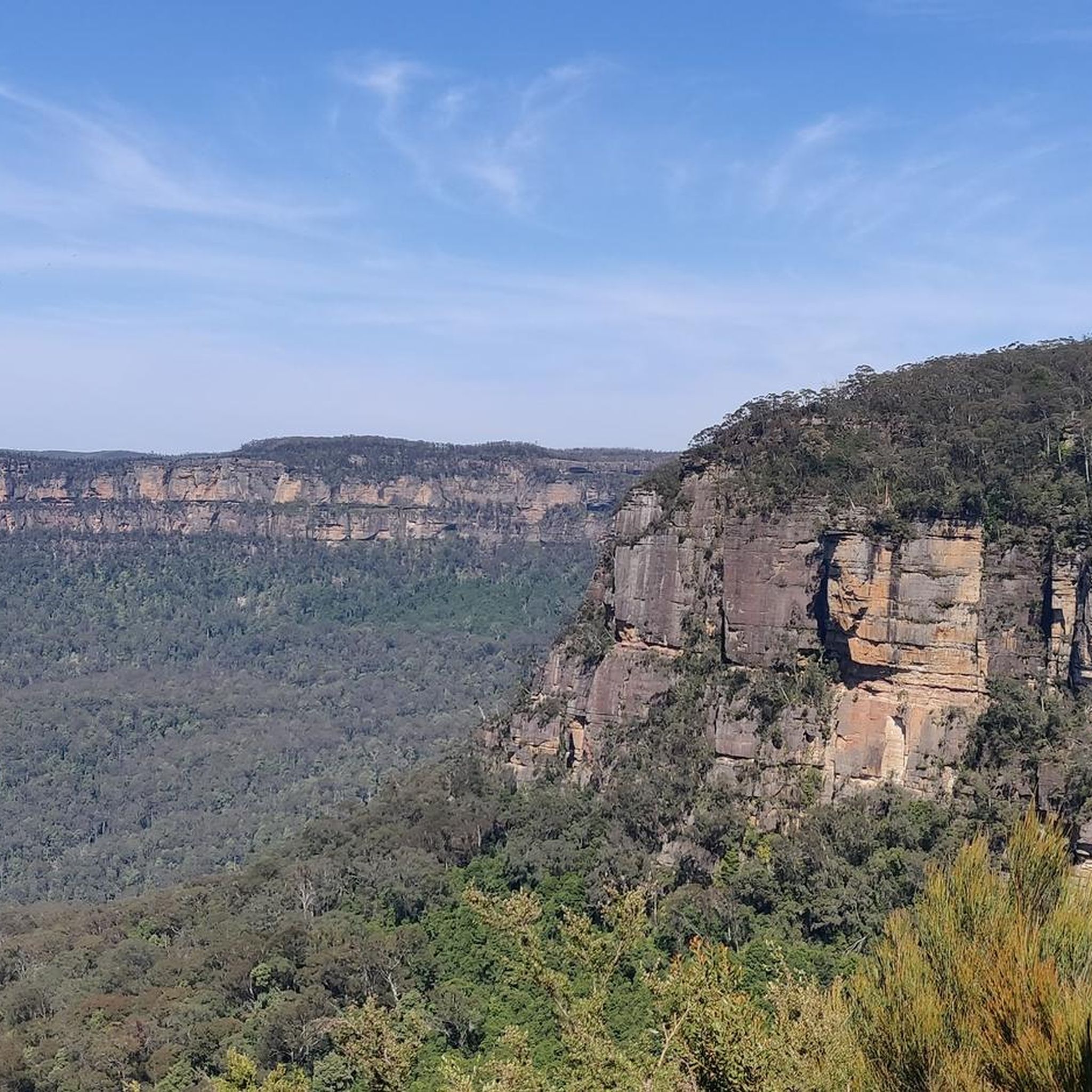
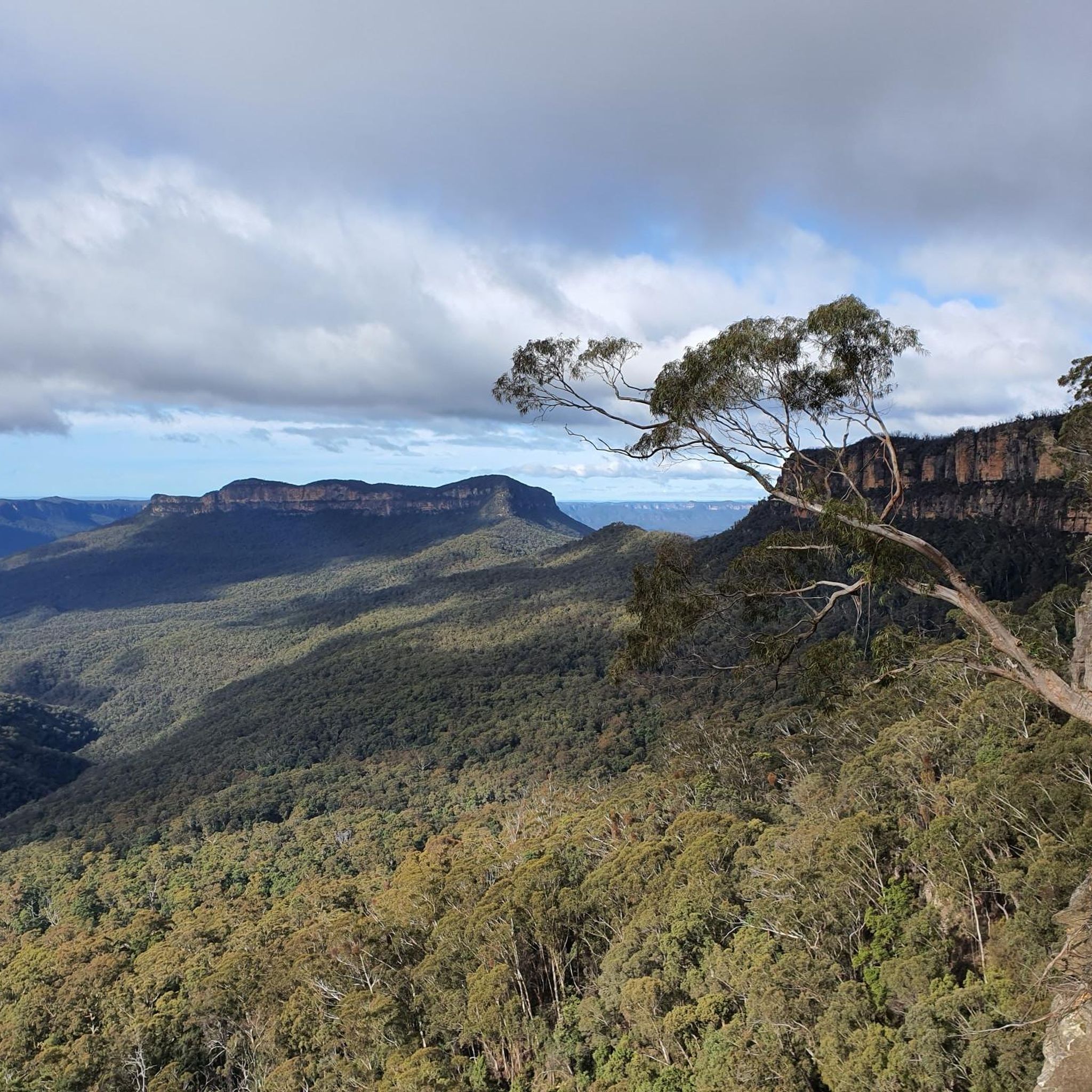
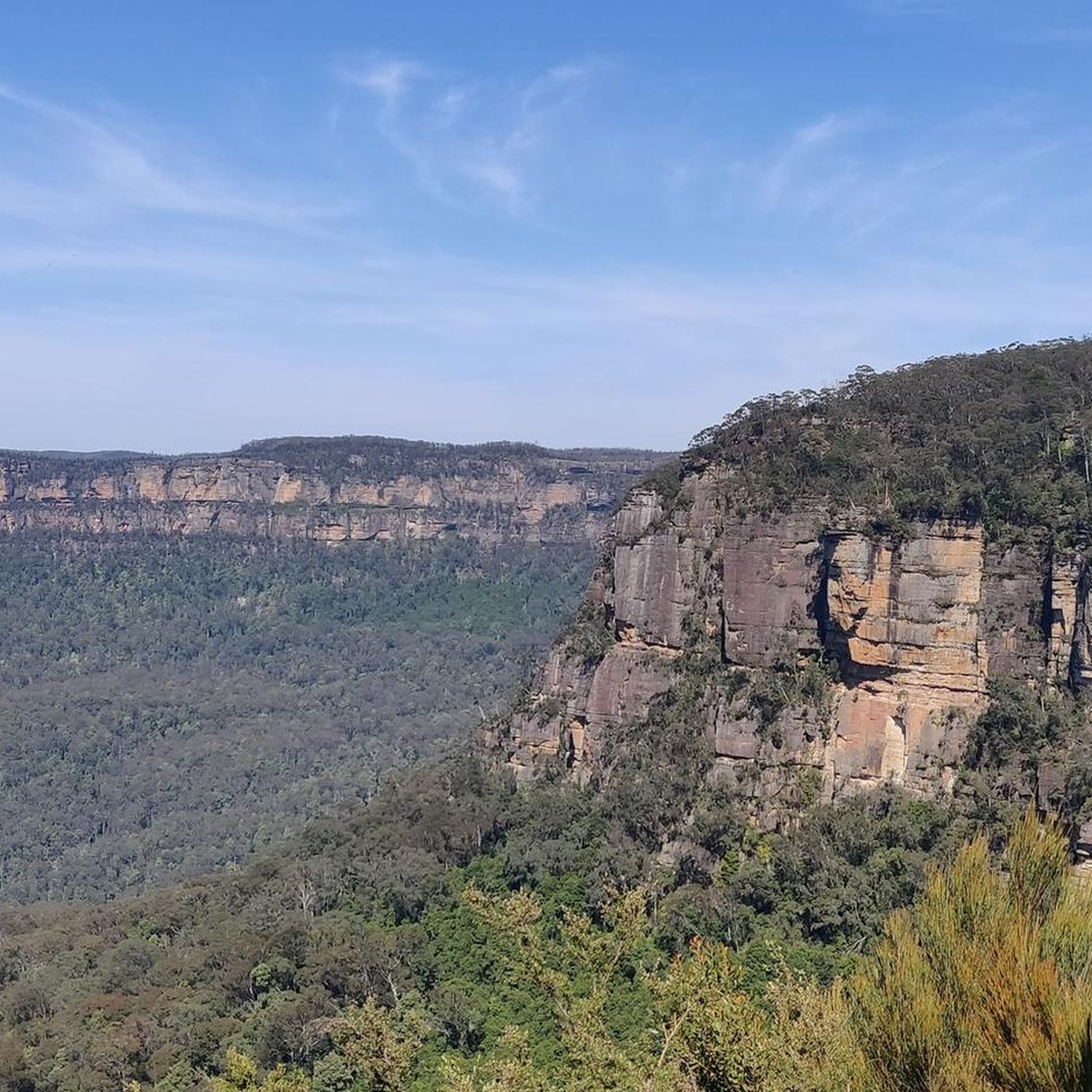
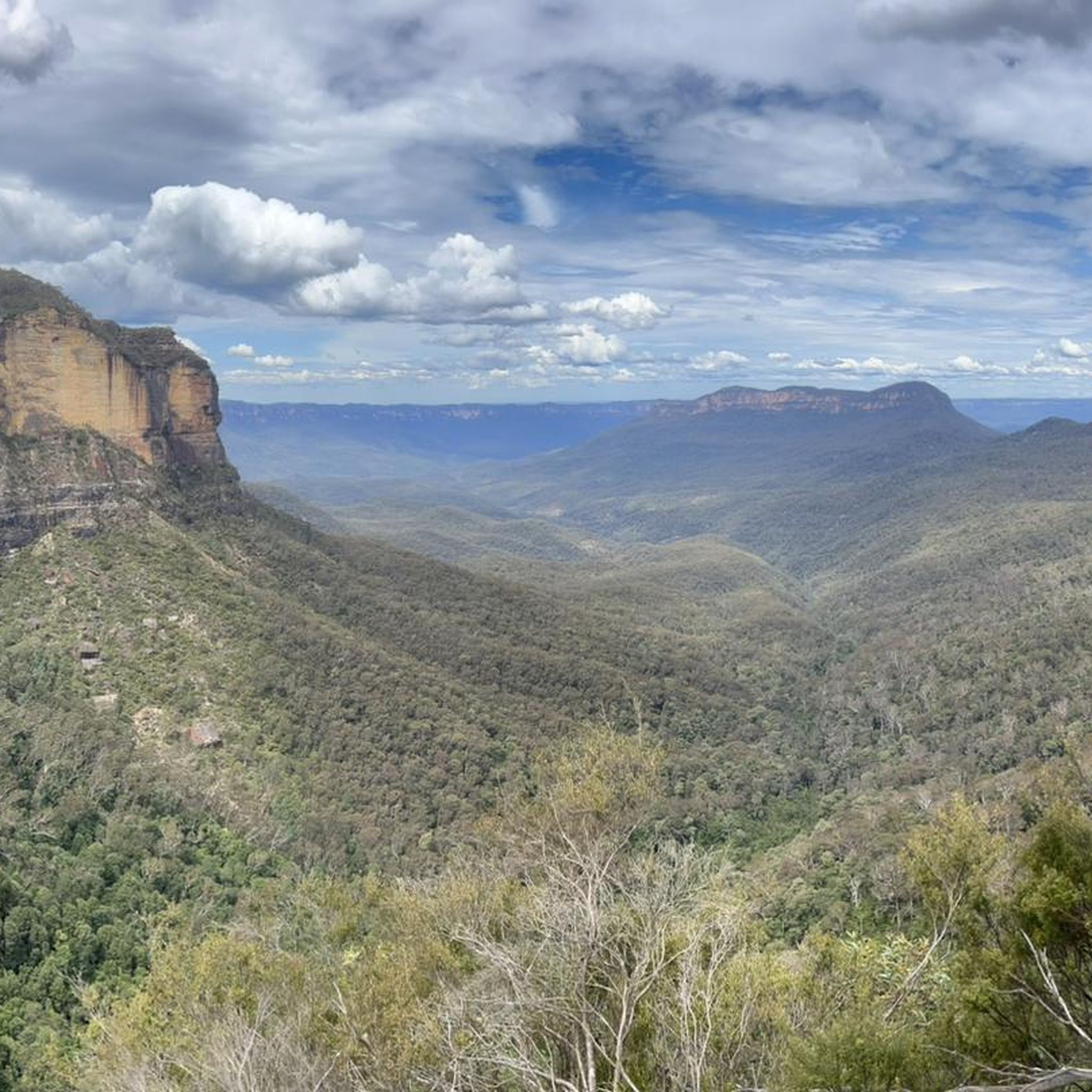
Evans Lookout sits on the edge of the Grose Valley, with sweeping views across sandstone cliffs and deep forested gorges. Just a short walk from the car park, it’s a favourite spot for sunrise and sunset and a common access point for the Grand Canyon Track. From here, you can descend into the canyon, following the track through rainforest gullies and sandstone walls before looping back to the rim.
0
0

From up here you actually have a better view of the waterfalls, and the light is better too. Plus, it's not as slippery as down below.
0
0

The way down is not very easy but it is worth it... the way back is much harder.
1
0

Frequently Asked Questions
What are some beginner-friendly canyons in Blue Mountains National Park?
For those new to canyoning, Empress Canyon near Wentworth Falls is highly recommended. It offers an action-packed trip with slides, jumps, and an exhilarating waterfall abseil finale, all within a lush rainforest setting. Another excellent option is the Grand Canyon near Blackheath, which features a world-class walking track that doesn't require specialist equipment for its main loop, showcasing waterfalls, ferns, and rainforest. For a non-technical, shorter option, River Caves Canyon in Wollemi National Park has water generally no more than waist-deep.
Are there family-friendly canyoning options in the Blue Mountains?
Yes, Joes Canyon is a great family-friendly choice, known for its narrow and spectacular slots. While it involves some deep puddles, they are typically knee-deep and accessible via a signposted track. The main loop of the Grand Canyon also offers a fantastic walking experience suitable for families, allowing them to explore its picturesque scenery without technical gear.
What unique natural features can I expect to see in the Blue Mountains canyons?
The canyons are carved into sandstone, creating dramatic landscapes. You'll encounter lush rainforests, numerous waterfalls, deep pools, and striking rock formations. For example, Claustral Canyon is famed for its 'Black Holes of Calcutta,' a series of abseils down mini waterfalls in semi-darkness. Wollangambe Canyon offers a unique experience of floating on an inflatable mattress beneath tall, sunlit cliffs, while Rocky Creek Canyon is celebrated for its verdant atmosphere and striking light beams.
What is the best time of year to go canyoning in the Blue Mountains?
The best time to visit depends on the type of canyoning you plan to do. For wet canyons, the warmer months (late spring to early autumn) are generally preferred. However, for 'dry canyons' like Coinslot Canyon, the colder months are ideal as they don't require a wetsuit and water can be avoided. Always check weather forecasts and seasonal conditions before planning your trip.
Do I need a permit for canyoning in Blue Mountains National Park?
Many canyons in Blue Mountains National Park, especially the technical ones, require specialized skills and equipment. While general entry to the park does not require a specific canyoning permit for independent groups, it's crucial to check the latest regulations with NSW National Parks and Wildlife Service for any specific area closures or requirements, particularly for remote or sensitive areas. Always inform someone of your plans and expected return.
What are some challenging canyoning experiences in the Blue Mountains?
For intermediate adventurers, Butterbox Canyon offers a challenging experience with numerous abseils, including a multi-pitch section, jumps, swims, and a rock climbing finish. North Bowens (aka Gobsmaker) is another excellent intermediate choice, featuring fewer abseils but including a unique pitch where you abseil through a hole in the sandstone alongside a waterfall. For advanced canyoners, Claustral Canyon is a standout for its exceptional beauty and unique features, though not always the most technically difficult.
What outdoor activities can I do near the canyons in Blue Mountains National Park?
Beyond canyoning, the Blue Mountains National Park offers a wide range of outdoor activities. You can explore numerous hiking and bushwalking trails, including the historic Grand Canyon Track. The area is also popular for cycling, with options for gravel biking, mountain biking, and road cycling routes available throughout the park.
Are dogs allowed in the canyons or on trails in Blue Mountains National Park?
No, dogs are generally not permitted in Blue Mountains National Park, including within the canyons and on most walking tracks. This is to protect the park's fragile ecosystems and native wildlife. Always check the official NSW National Parks website for specific regulations regarding pets before your visit.
What do visitors enjoy most about the Blue Mountains National Park canyons?
Visitors frequently praise the dramatic landscapes, the feeling of stepping into a 'lost world,' and the unique geological formations. Many highlight the exhilarating experiences like the waterfall abseil in Empress Canyon or the serene floating journey in Wollangambe Canyon. The sweeping views from lookouts like Evans Lookout and Govetts Leap Lookout are also highly appreciated for their photographic opportunities and expansive vistas across the Grose Valley.
What is a 'horizontal canyon' experience in the Blue Mountains?
A 'horizontal canyon' refers to a canyoning trip that involves no abseils but requires scrambling, wading, and swimming through the canyon's features. Twister & Rocky Creek (also known as Sheep Dip & Rocky Creek) is a prime example. It offers pure fun with several small jumps and slides in Sheep Dip, and then a verdant, aesthetically beautiful experience in Rocky Creek with aquatic scrambling, down climbing through constrictions, and short swims.
Are there any canyons suitable for exploring in colder weather?
Yes, Coinslot Canyon is considered the best 'dry canyon' in the region, making it ideal for colder months. It's located in the stunning Capertee Valley and allows for exploration without the need for a wetsuit, as water can generally be avoided. This magnificent formation offers an enjoyable scrambling approach.
Most popular routes in Blue Mountains National Park
Most popular attractions in Blue Mountains National Park

Get inspired with the komoot mobile app


Explore more
Already discovered everything in this region? See additional gorges in Blue Mountains National Park for your next adventure:
