The best gravel rides in Blue Mountains National Park
4.5
(2)
57
riders
11
rides
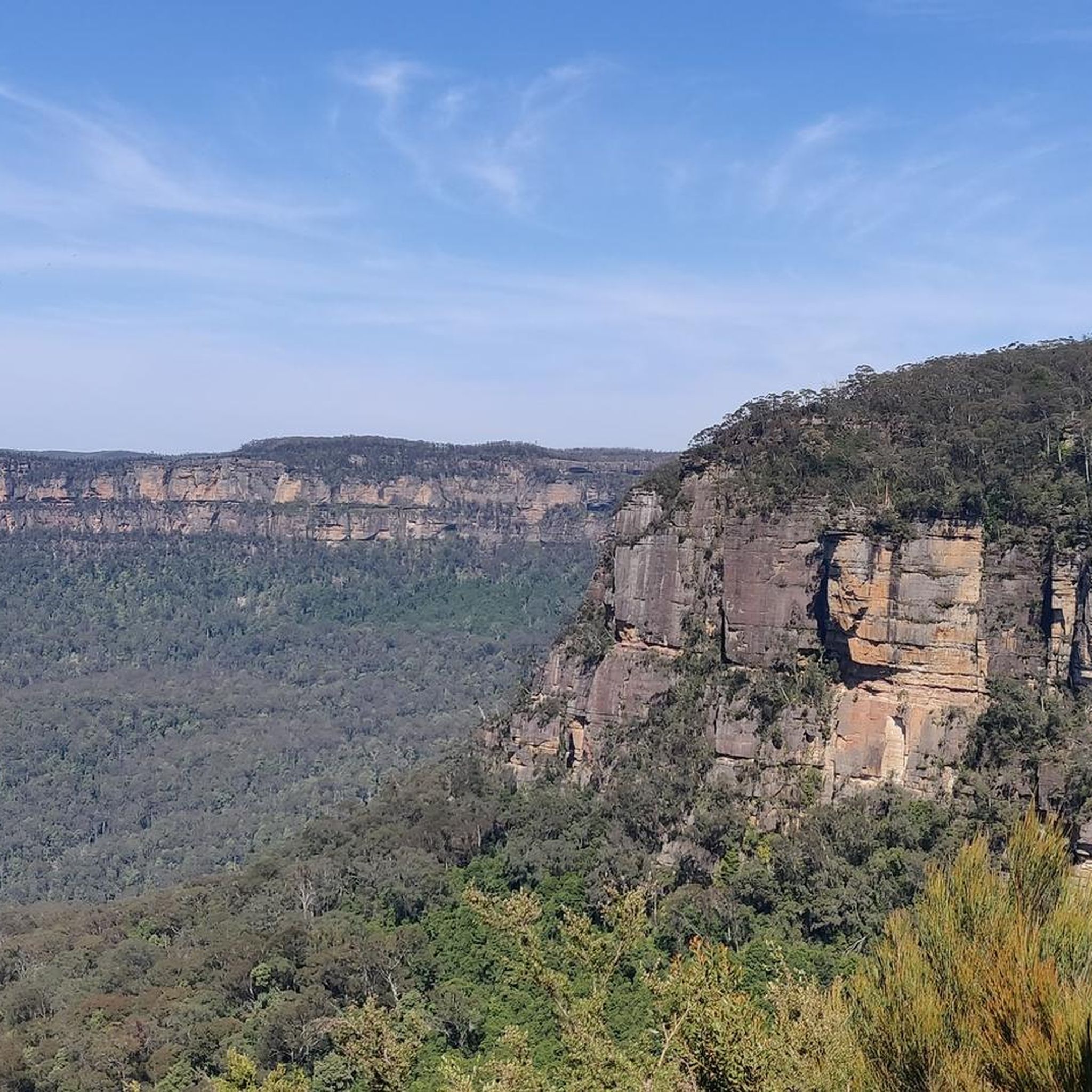
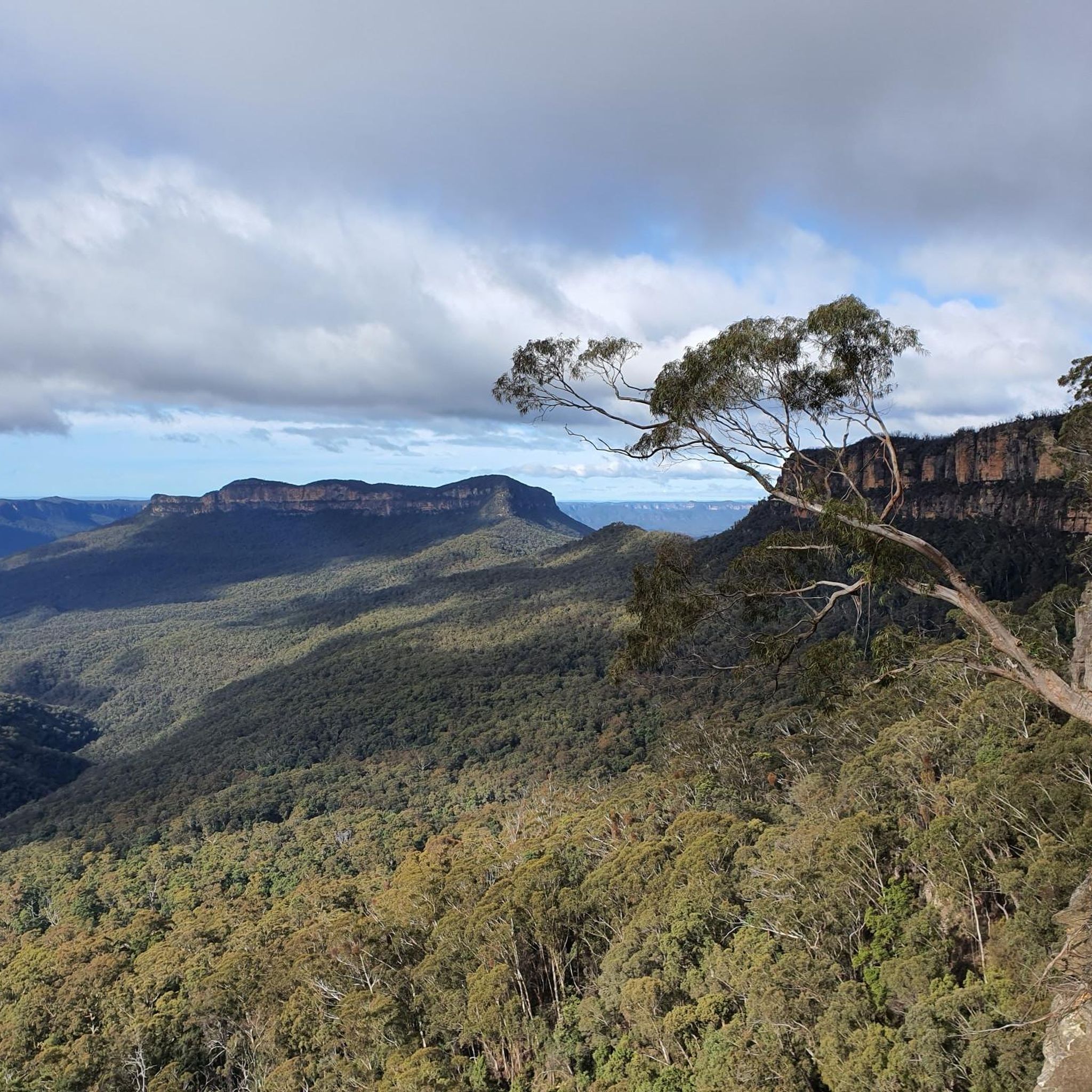
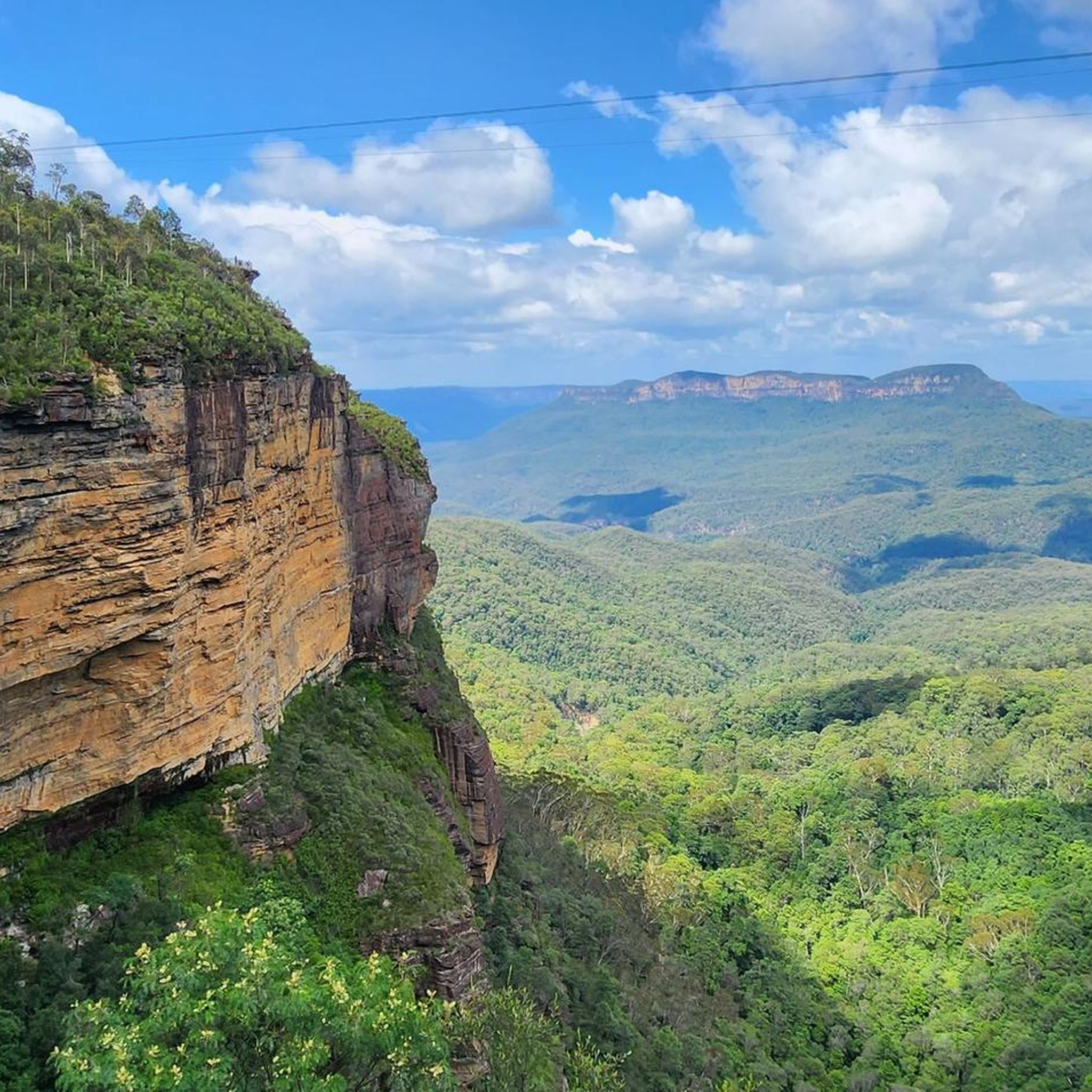
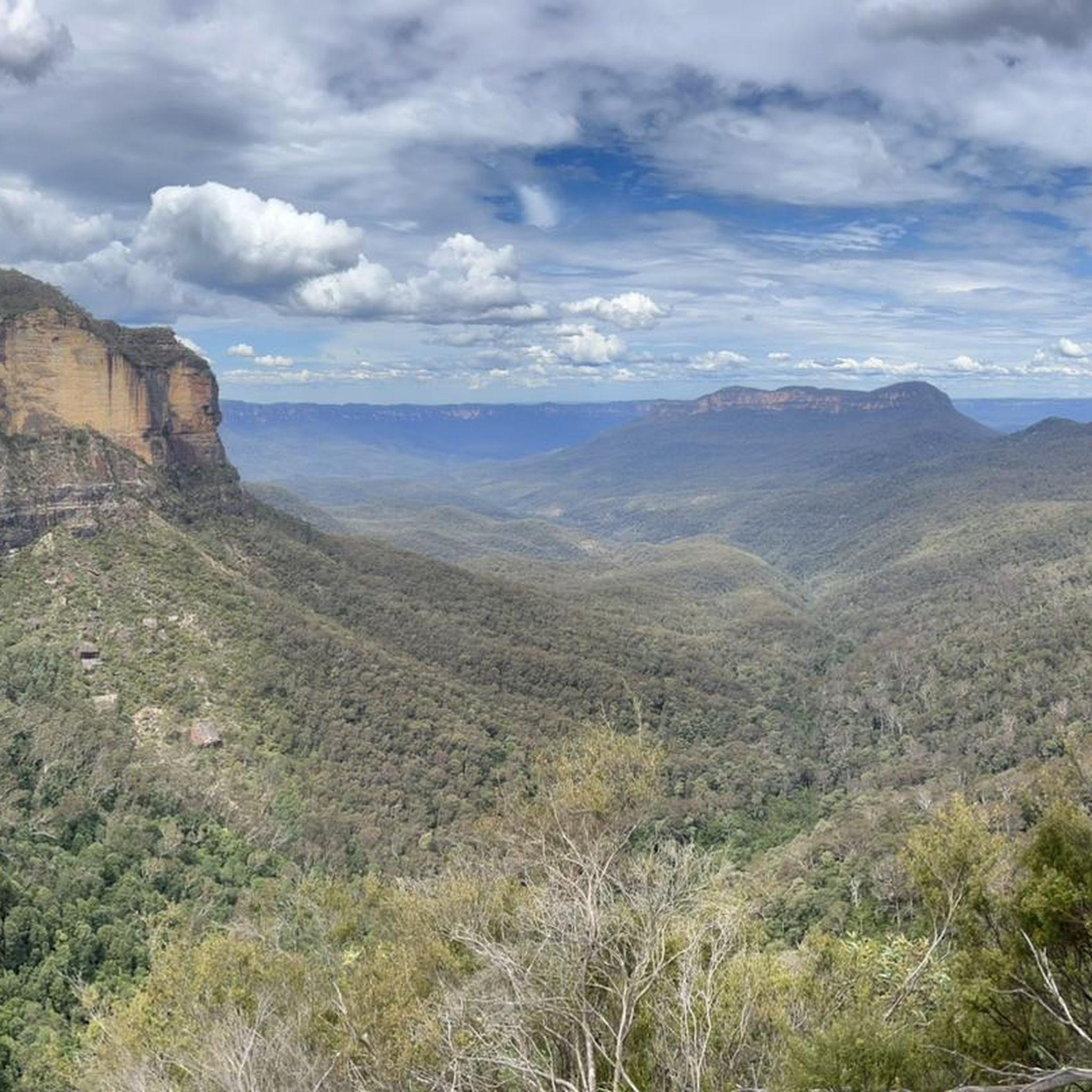
Gravel biking in Blue Mountains National Park offers diverse terrain across a UNESCO World Heritage site west of Sydney. The region is characterized by dramatic gorges, towering sandstone cliffs, expansive eucalypt forests, and vast valleys. An extensive network of fire trails and tracks provides numerous opportunities for gravel biking, ranging from ridge line routes to trails that delve into the valleys. These routes navigate through varied landscapes, including open eucalypt forests and areas with panoramic valley views.
Best gravel bike trails in Blue Mountains National Park
- The most popular gravel bike trail is Bodington Hill – Camp Cave Hill loop from Wentworth Falls, a 30.9 miles (49.6 km) trail that takes 4 hours 16 minutes to complete. This difficult route explores the area around Wentworth Falls.
- Another top favourite among local gravel bikers is Woodford Oaks Trail – Bedford Creek Crossing loop from Woodford, a difficult 29.6 miles (47.7 km) path. This loop incorporates sections of the well-known Woodford Oaks Trail.
- Local gravel bikers also love the The Helipad – Nepean River Lookout loop from Woodford, a 27.8 miles (44.7 km) trail leading through varied terrain, often completed in about 3 hours 56 minutes.
- Gravel biking in Blue Mountains National Park is defined by fire trails, ridge lines, and eucalypt forests. The network offers challenging routes for experienced riders, with one moderate option available.
- The guide includes highly-rated routes that showcase the best of the region's landscape. More than 70 gravel bikers have used komoot to explore Blue Mountains National Park's varied terrain.
Last updated: October 20, 2026
5.0
(1)
6
riders
49.6km
04:15
670m
670m
Hard gravel ride. Very good fitness required. Mostly paved surfaces. Suitable for all skill levels.
5
riders
46.5km
04:17
950m
950m
Hard gravel ride. Very good fitness required. Mostly paved surfaces. Suitable for all skill levels.

7
riders
44.7km
03:15
810m
810m
Hard gravel ride. Very good fitness required. Mostly paved surfaces. Suitable for all skill levels.
7
riders
66.4km
04:51
1,100m
1,100m
Hard gravel ride. Very good fitness required. Mostly paved surfaces. Suitable for all skill levels.
4.0
(1)
11
riders
54.8km
03:45
900m
900m
Hard gravel ride. Very good fitness required. Mostly paved surfaces. Suitable for all skill levels.
Get access to more routes and recommendations from other explorers.
Already have an account?
Our route recommendations are based on thousands of hikes, rides, and runs completed by other people on komoot.
Start today with a free account
Your next adventure awaits.
Tips from the Community

This crossing is a concrete causeway where Glenbrook Creek flows gently across the trail. Depending on water levels, you may need to walk or ride through a shallow sheet of flowing water, so take extra care as you cross, as the surface can be slippery. After heavy rain, the crossing may become impassable or be closed, so be sure to check recent weather conditions before you plan to explore this part of the trail.
0
0

Red Wire Saddle is sometimes referred to as Red Wire Saddle Cliffs, and sticks out above the forests to reveal a nice view of the lower Blue Mountains bushland and rolling hills. The saddle sits alongside sandstone cliffs. The name comes from utility workers and fire workers who put up basic telephone and emergency communication lines, and in order to stand up to harsh elements, bushfires, and rusting, the wires were copper-coated which aged into a distinct rusty red hue.
0
0
Woodford – Oaks trail is a wide fire management road that passes though eucalyptus forests and past streams, watering holes, reservoirs, campsites, picnic areas, and archaeological sites like Bora Ground. The entire trail stretches from Woodford to Glenbrook spanning almost 28 kilometres in total. The trail can be taken as an out and back or, for ambitious bushwalkers and bikers, an end-to-end adventure. The trail starts and ends very close to Woodford and Glenbrook train stations. This area can get hot in summer. During severe heatwaves, temperatures can occasionally soar past 40° C, so plan accordingly.
0
0
The Woodford – Oaks trail is an unsealed fire management road, not a public driving road. Just south of the Wheel Firefighting Reservoir spur trail, the Woodford – Oaks trail opens up to a large dirt car park for designated vehicles.
0
0
Green Parade is a road that is often paired with the Valley Heights Fire Trail to create a complete loop. Green Parade has a sidewalk for most of the way, but there are also just grassy and dirt areas to walk on the side of the road. Green Parade is not very busy, but still be careful when walking near traffic.
0
0


Great place to stop, rest, meditate and enjoy the beautiful view.
0
0
Frequently Asked Questions
What kind of terrain can I expect on gravel bike trails in Blue Mountains National Park?
Gravel biking in Blue Mountains National Park primarily involves riding on fire trails and ridge lines. You'll encounter diverse landscapes, from open eucalypt forests to areas with panoramic valley views. While many routes are challenging, there are also sections with mostly paved surfaces, offering a varied experience.
Are there any easy or beginner-friendly gravel bike trails in Blue Mountains National Park?
Most gravel bike trails in Blue Mountains National Park are rated as difficult, catering to experienced riders. However, there is one moderate option available. For beginners, it's advisable to look for routes with less elevation gain or those incorporating more paved sections, which can be found within the park's extensive network.
What are some notable natural features or landmarks I can see while gravel biking in the Blue Mountains?
The Blue Mountains are rich in natural beauty. You can encounter stunning waterfalls like Wentworth Falls and Katoomba Falls, dramatic gorges, and expansive eucalypt forests. Iconic viewpoints such as Echo Point Lookout (with views of the Three Sisters), Rocket Point Lookout, and Evans Lookout offer breathtaking vistas of the valleys and cliffs.
Are there any gravel bike trails that form a loop in Blue Mountains National Park?
Yes, several gravel bike trails in the park are designed as loops, allowing you to start and finish at the same point. Examples include the challenging Bodington Hill – Camp Cave Hill loop from Wentworth Falls, the Woodford Oaks Trail – Bedford Creek Crossing loop from Woodford, and the The Helipad – Nepean River Lookout loop from Woodford.
What is the best time of year for gravel biking in Blue Mountains National Park?
The Blue Mountains offer gravel biking opportunities year-round. Spring (September-November) and Autumn (March-May) generally provide pleasant temperatures and stable weather. Winter (June-August) can be cooler but often brings crisp, clear air, ideal for riding. Summer (December-February) can be hot, so early morning rides are recommended.
Can I bring my dog on the gravel bike trails in Blue Mountains National Park?
Blue Mountains National Park has strict rules regarding pets to protect its unique wildlife. Dogs are generally not permitted on walking tracks, fire trails, or in wilderness areas within the national park. Always check the specific regulations for the area you plan to visit before bringing your pet.
Are there any family-friendly gravel cycling options in Blue Mountains National Park?
While many routes are challenging, some sections of fire trails or less technical paths might be suitable for families with older children or those with good riding experience. Look for routes described as moderate or those with minimal elevation gain. Always check the route details and difficulty before heading out with family.
Where can I find parking or public transport access for gravel bike trails in the Blue Mountains?
Many trailheads within Blue Mountains National Park offer parking facilities. Popular starting points like Woodford, Wentworth Falls, and Blaxland often have designated parking areas. Public transport, primarily train services, connects Sydney to various towns within the Blue Mountains, such as Katoomba and Wentworth Falls, from where some trails may be accessible, though direct trailhead access via public transport can be limited.
What do other gravel bikers enjoy most about riding in Blue Mountains National Park?
The komoot community highly rates the gravel biking experience in Blue Mountains National Park, with an average score of 4.0 stars. Riders often praise the diverse terrain, the immersive experience of riding through expansive eucalypt forests, and the rewarding panoramic views from ridge lines and lookouts, away from more crowded tourist spots.
Are there any cafes or places to eat near the gravel bike trails in Blue Mountains National Park?
The towns surrounding Blue Mountains National Park, such as Woodford, Wentworth Falls, and Katoomba, offer various cafes, pubs, and eateries where you can refuel before or after your ride. While trails themselves are generally remote, these towns provide convenient options for refreshments and meals.
How long are the gravel bike trails in Blue Mountains National Park?
The gravel bike trails in Blue Mountains National Park vary significantly in length. You can find routes ranging from shorter rides to extensive loops. For example, the Bodington Hill – Camp Cave Hill loop from Wentworth Falls is nearly 50 km, while the Bedford Creek Crossing loop from Woodford is about 31 km. Always check the specific route details for distance and estimated duration.
Are there any specific permits required for gravel biking in Blue Mountains National Park?
Generally, no specific permits are required for gravel biking on designated fire trails within Blue Mountains National Park. However, standard park entry fees may apply at certain entry points, particularly if you are driving into specific areas. It's always a good idea to check the official NSW National Parks and Wildlife Service website for the latest information on fees and any specific area restrictions: nationalparks.nsw.gov.au.
Most popular routes in Blue Mountains National Park
Most popular attractions in Blue Mountains National Park

Get inspired with the komoot mobile app


Explore more
Browse the best Gravel rides in other regions.
