Top 4 Lakes in James Peak Wilderness
Best lakes in James Peak Wilderness are located within Colorado's Front Range, an alpine area spanning elevations from 9,200 to 13,294 feet. This wilderness encompasses over a dozen pristine alpine lakes, offering diverse ecosystems and rewarding hiking experiences. The landscape features a mix of sub-alpine forests and expansive alpine tundra. Designated in 2002, the area covers 17,084 acres and provides options for various skill levels.
Best lakes in James Peak Wilderness
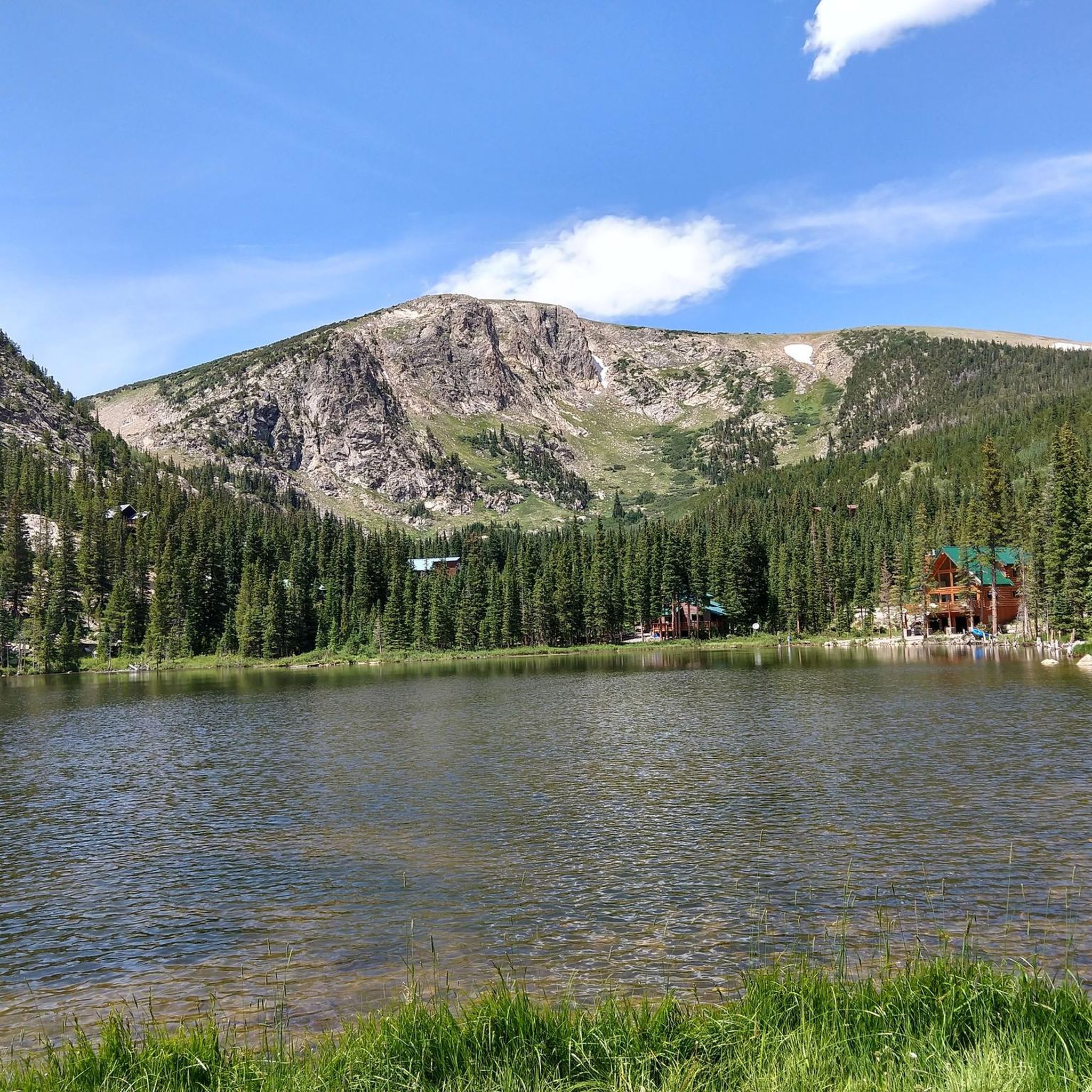
- The most popular lakes is Lower Forest Lake, a lake located at the base of Beacon Peak at 10,664 feet. It is the lower of the two Forest Lakes.
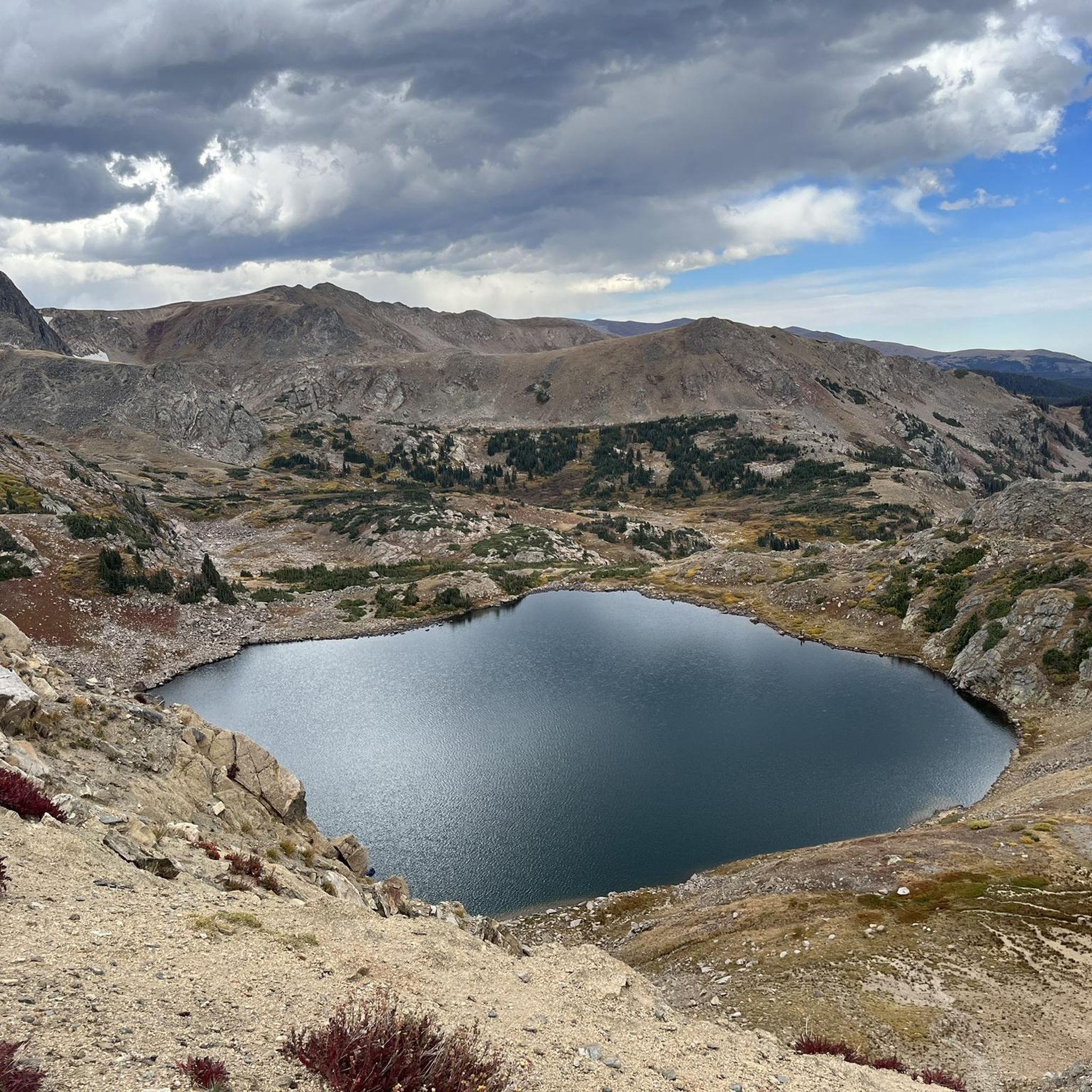
- Another must-see spot is Upper Crater Lake, a challenging lake destination that offers an alpine lagoon with wildflowers and mountain views. The trail to this lake is unmaintained in sections.
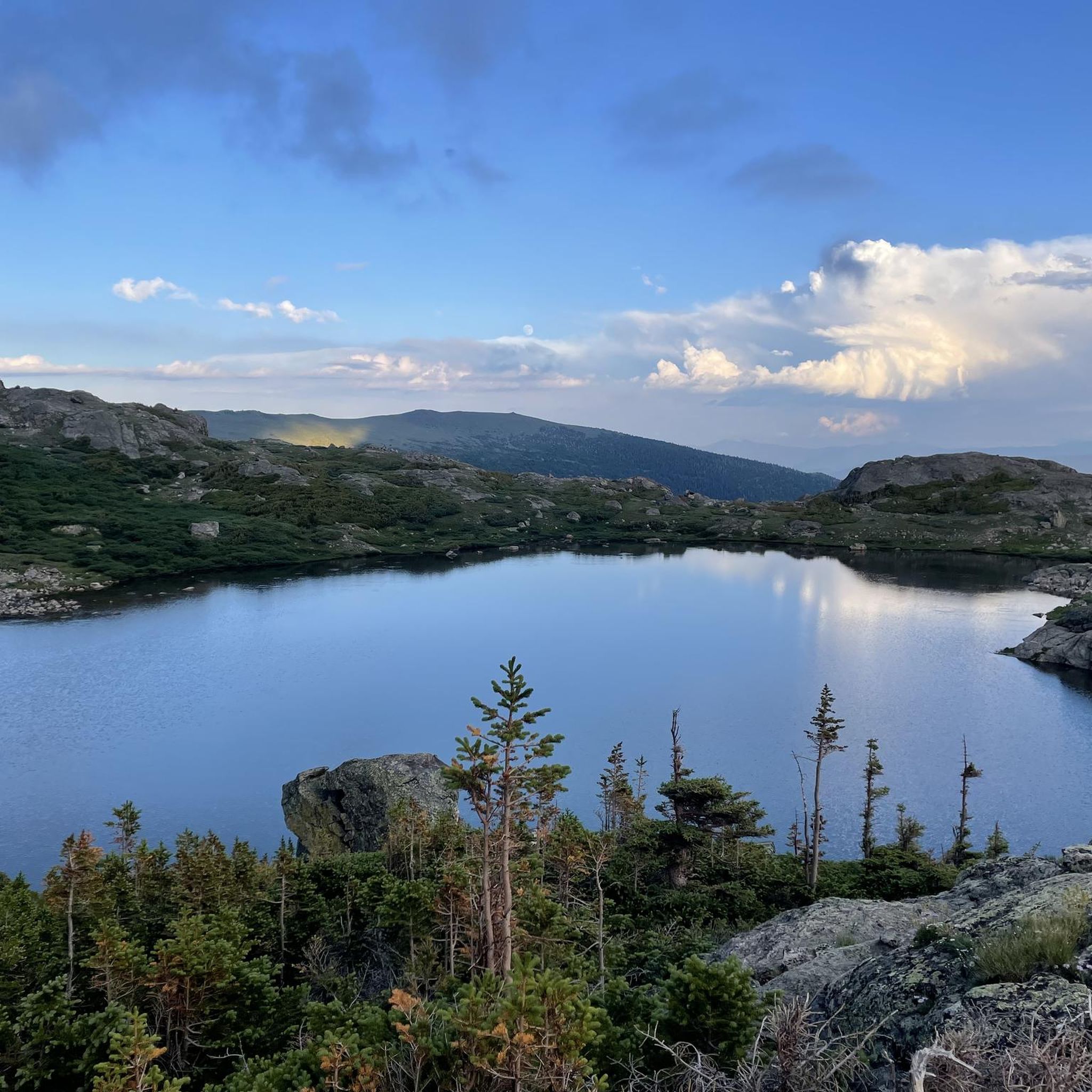
- Visitors also love Little Echo Lake, a lake located at an elevation of 11,200 feet off the Ute Trail. This picturesque lake can be added to other hikes or visited as a standalone destination.
- James Peak Wilderness is known for its alpine lakes, including crater lakes and forest lakes. The area offers a variety of lake environments to explore.
- The lakes in James Peak Wilderness are appreciated by the komoot community, with 2 upvotes and 3 photos shared for the highlights.
Last updated: July 2, 2026
Little Echo Lake
Highlight (Segment) • Lake
Tip by

Upper Crater Lake
Highlight • Lake
Tip by

Sign up now to discover places like this
Get recommendations on the best single tracks, peaks, & plenty of other exciting outdoor places.
Sign up for free
Forest Lake #2
Highlight • Lake
Tip by
Lower Forest Lake
Highlight • Lake
Tip by
Start today with a free account
Your next adventure awaits.
Login or Signup
Tips from the Community

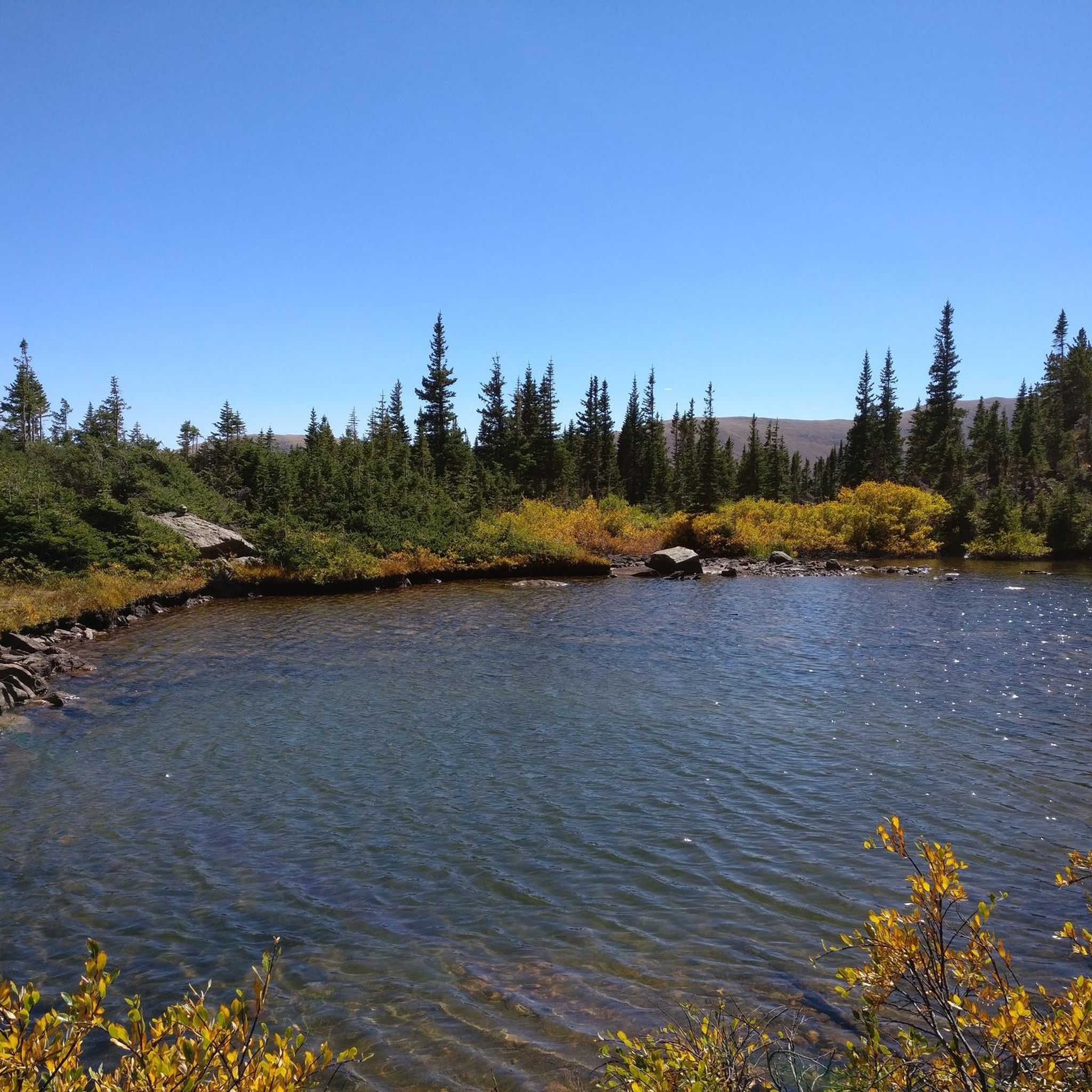
Little Echo Lake is located at an elevation of 11,200 feet off the side of the Ute Trail in the James Peak Wilderness. The picturesque lake can be added on to other trail in the area or used as a destination of its own. There are some camping spots around the lake. Keep LNT principles in mind when planning backcountry trips in the wilderness.
0
0

To get to the final lake, Upper Crater Lake, the trail in nonexistent, but the best route to take is to traverse right—going left will lead you to marshy water holes and potentially wet boots. From here you can enjoy an alpine lagoon with wildflowers and mountain views.
0
0
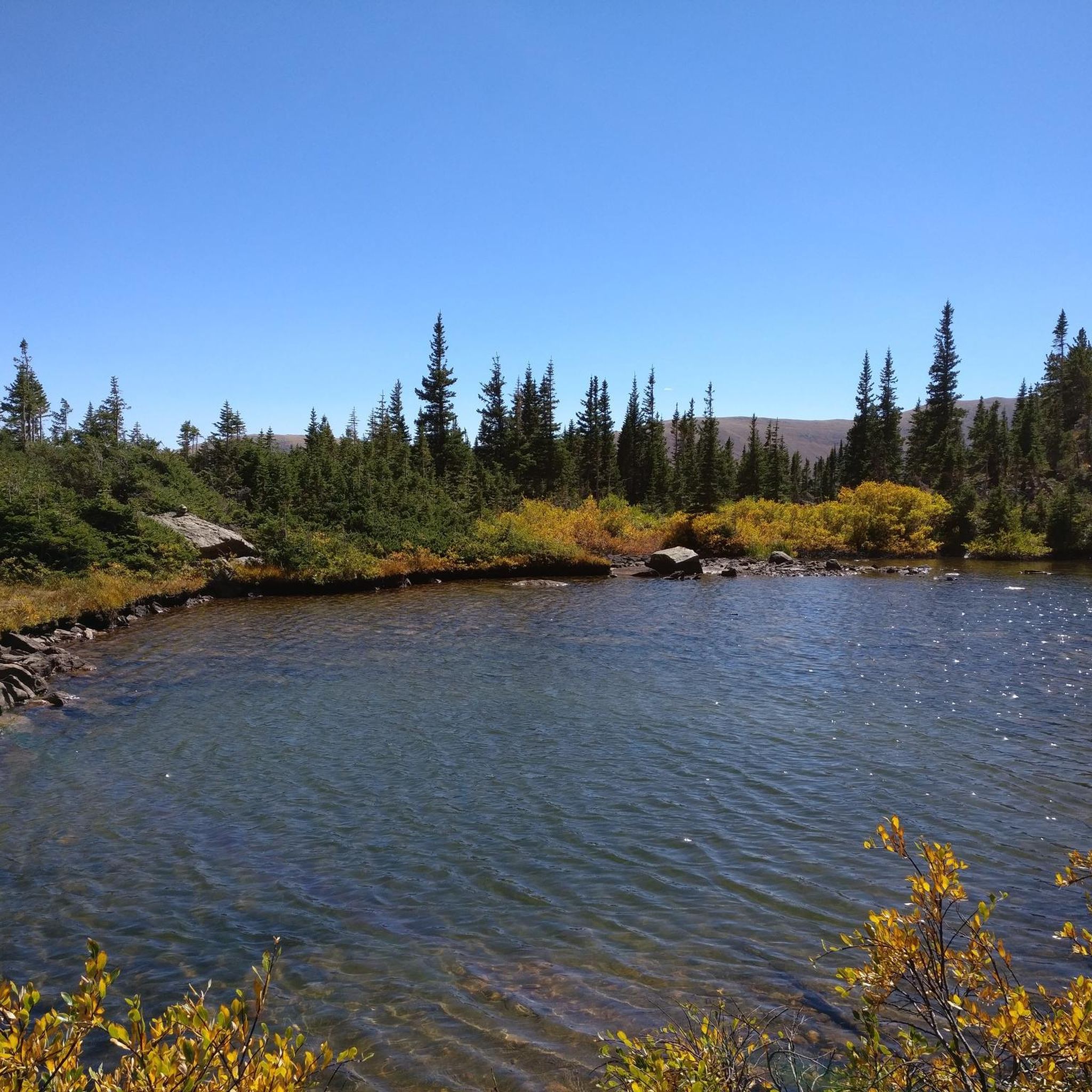
This is the second, slightly higher, Forest Lake located at 10,852'. Much of the shore is rugged and obstructed in places, but is still accessible by trail. Its size and many contours afford privacy and space, even when crowded.
0
0
There is a stunning mountain lake located at the base of Beacon Peak. This lake is the lower of the two Forest Lakes at 10,664'.
0
0
Little Echo Lake is located at an elevation of 11,200 feet off the side of the Ute Trail in the James Peak Wilderness. The picturesque lake can be added on to other hikes in the area or used as a hike of its own. There are some camping spots around the lake, but keep LNT principles in mind when planning backcountry trips in the wilderness.
0
0
Frequently Asked Questions
What are some of the most popular lakes to visit in James Peak Wilderness?
The James Peak Wilderness offers many stunning alpine lakes. Popular choices include the three Crater Lakes (Lower, North, and Upper), which are accessible via the Crater Lakes Trail. Other highly regarded destinations are Lower Forest Lake, located at the base of Beacon Peak, and Little Echo Lake, found off the Ute Trail.
Are there any challenging lake hikes in James Peak Wilderness?
Yes, for those seeking a challenge, the hike to Upper Crater Lake is highly rewarding. While the trail to this alpine lagoon can be steep, rocky, and unmaintained in sections, it offers impressive mountain views and wildflowers. Similarly, reaching Arapaho Lakes requires route-finding experience and a GPS, providing a more remote and challenging experience.
What kind of wildlife can I expect to see near the lakes?
The James Peak Wilderness is home to diverse wildlife. When hiking to Heart Lake, for instance, you have a good chance of spotting moose. The entire wilderness area, with its sub-alpine forests and expansive alpine tundra, supports various high-elevation ecosystems, making it a great place for wildlife viewing.
Are there family-friendly lake hikes in James Peak Wilderness?
Many trails in James Peak Wilderness offer options for various skill levels. The Crater Lakes, for example, are considered good for beginner backpackers due to their relatively short distance and manageable elevation gain, making them suitable for families looking for an accessible high-altitude experience.
What is the best time of year to visit the lakes in James Peak Wilderness?
The spring and summer months are ideal for visiting the lakes in James Peak Wilderness, especially for experiencing the vibrant wildflowers. Trails leading to lakes like Rogers Pass Lake and Heart Lake are particularly renowned for their wildflower displays during this time.
Can I camp near the lakes in James Peak Wilderness?
Dispersed camping is permitted in the James Peak Wilderness, including near some lakes like the Crater Lakes and Little Echo Lake. However, it is crucial to practice Leave No Trace principles and note that camping is generally not allowed within 100 feet of the lakes themselves to protect the fragile alpine environment.
Are there loop trails that include lakes in the James Peak Wilderness?
Yes, the Forest Lakes (Lower and Upper) are part of a 7.8-mile loop trail that winds through subalpine forests, offering a scenic hiking experience. You can access this loop by taking the Forest Lakes Trail junction from the South Boulder Creek Trail.
What outdoor activities can I do near these lakes?
Beyond hiking to the lakes, the James Peak Wilderness offers a variety of outdoor activities. You can explore numerous running trails, such as the challenging James Peak Loop Trail, or enjoy cycling routes like the Fraser River Trail. For more details on these activities, you can check out the guides for Cycling in James Peak Wilderness and Running Trails in James Peak Wilderness.
How do I access lakes like Yankee Doodle Lake and Jenny Lake?
Yankee Doodle Lake and Jenny Lake are accessible via the Rollins Pass Road. It's important to note that this is a rough 4WD road, so appropriate vehicle access is necessary.
What unique features do the Forest Lakes offer?
The Forest Lakes, including Lower Forest Lake and Forest Lake #2, are nestled within subalpine forests. Forest Lake #2, at 10,852 feet, is known for its size and many contours, which can afford visitors privacy and space even when the area is busy.
What makes Rogers Pass Lake a notable destination?
Rogers Pass Lake, situated above 11,000 feet, is celebrated for its spectacular rocky ridgeline views. The trails leading to this alpine reservoir are particularly beautiful during spring and summer due to their vibrant wildflower displays.
What should I know about visiting Arapaho Lakes?
Arapaho Lakes are an excellent choice for those seeking solitude and a more remote experience. This area features a beautiful section with a remote waterfall. Be prepared with route-finding experience and a GPS, as signage for the turn-off from the Forest Lakes trail may not be present.
Most popular routes in James Peak Wilderness
Most popular attractions in James Peak Wilderness

Get inspired with the komoot mobile app


Explore more
Still not found your perfect lake in James Peak Wilderness? Check out the guides of these regions to see even more beautiful places.
