The best walks and hikes in James Peak Wilderness
4.7
(41)
2,068
hikers
13
hikes
Hiking in James Peak Wilderness offers access to high-elevation ecosystems within Colorado's Front Range, characterized by majestic peaks, rugged terrain, and pristine alpine lakes. The area features challenging rocky ridges, subalpine forests, and expansive alpine tundra, with elevations ranging from 9,200 to 13,294 feet. Glacial cirques and rugged valleys define much of the landscape, providing dramatic views. This wilderness area protects a diverse range of natural features, including over a dozen alpine lakes.
Best hiking trails in James Peak Wilderness
- The most popular hiking route is 3 Crater Lakes — James Peak Wilderness, a 6.9 miles (11.1 km) trail that takes 4 hours 36 minutes to complete. This difficult route leads to alpine lakes situated beneath the Continental Divide.
- Another top favourite among local hikers is Heart Lake via South Boulder Creek — James Peak Wilderness, a difficult 9.1 miles (14.7 km) path. This trail offers access to a pristine alpine lake and often features wildflower meadows.
- Local hikers also love the Forest Lakes Trail loop — James Peak Wilderness, a 7.8 miles (12.5 km) trail leading through subalpine forests and towards picturesque lakes, often completed in about 4 hours 45 minutes.
- Hiking in James Peak Wilderness is defined by majestic peaks, pristine alpine lakes, and diverse subalpine forests, offering panoramic vistas. The network provides options for various ability levels, from moderate loops to challenging high-altitude ascents.
- The routes in James Peak Wilderness are highly rated by the komoot community with an average score of 4.8 stars from over 30 reviews. More than 1400 hikers have used komoot to explore James Peak Wilderness's varied terrain.
Last updated: October 10, 2026
5.0
(1)
50
hikers
5.58km
02:30
550m
0m
Hard hike. Good fitness required. Sure-footedness, sturdy shoes and alpine experience required.
4
hikers
5.81km
02:36
600m
0m
Moderate hike. Good fitness required. Mostly accessible paths. Sure-footedness required.

5
hikers
26.4km
09:22
1,010m
970m
Hard hike. Very good fitness required. Mostly accessible paths. Sure-footedness required.
5.0
(4)
219
hikers
11.1km
04:37
570m
570m
Hard hike. Good fitness required. Sure-footedness, sturdy shoes and alpine experience required.
5.0
(2)
66
hikers
14.7km
05:41
640m
640m
Hard hike. Very good fitness required. Mostly accessible paths. Sure-footedness required.
Get access to more routes and recommendations from other explorers.
Already have an account?
Our route recommendations are based on thousands of hikes, rides, and runs completed by other people on komoot.
Start today with a free account
Your next adventure awaits.
Tips from the Community


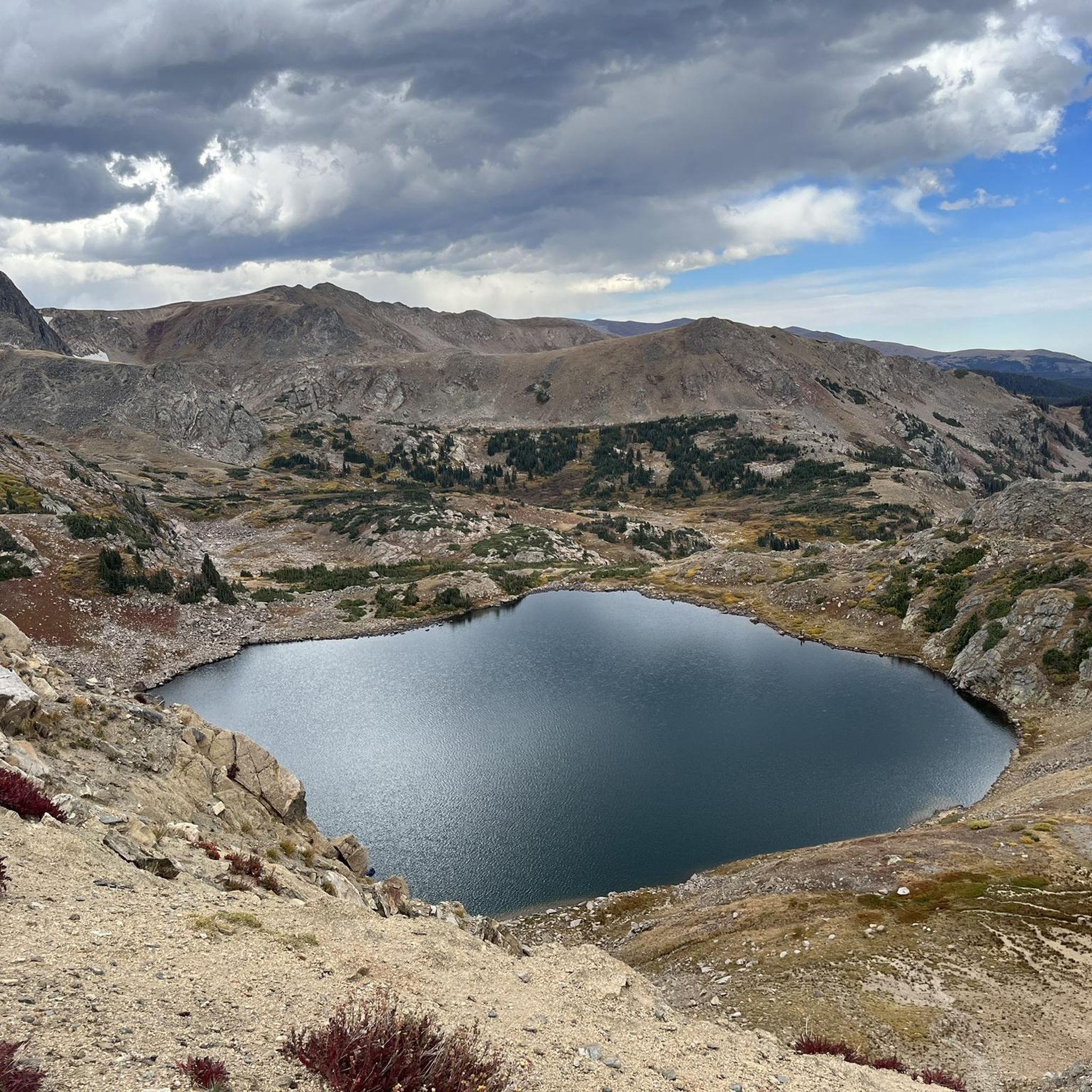
Heart Lake, located within James Peak Wilderness, is an alpine lake above the tree line. You follow a stream to get here and moose are very prevalent in the area!
0
0

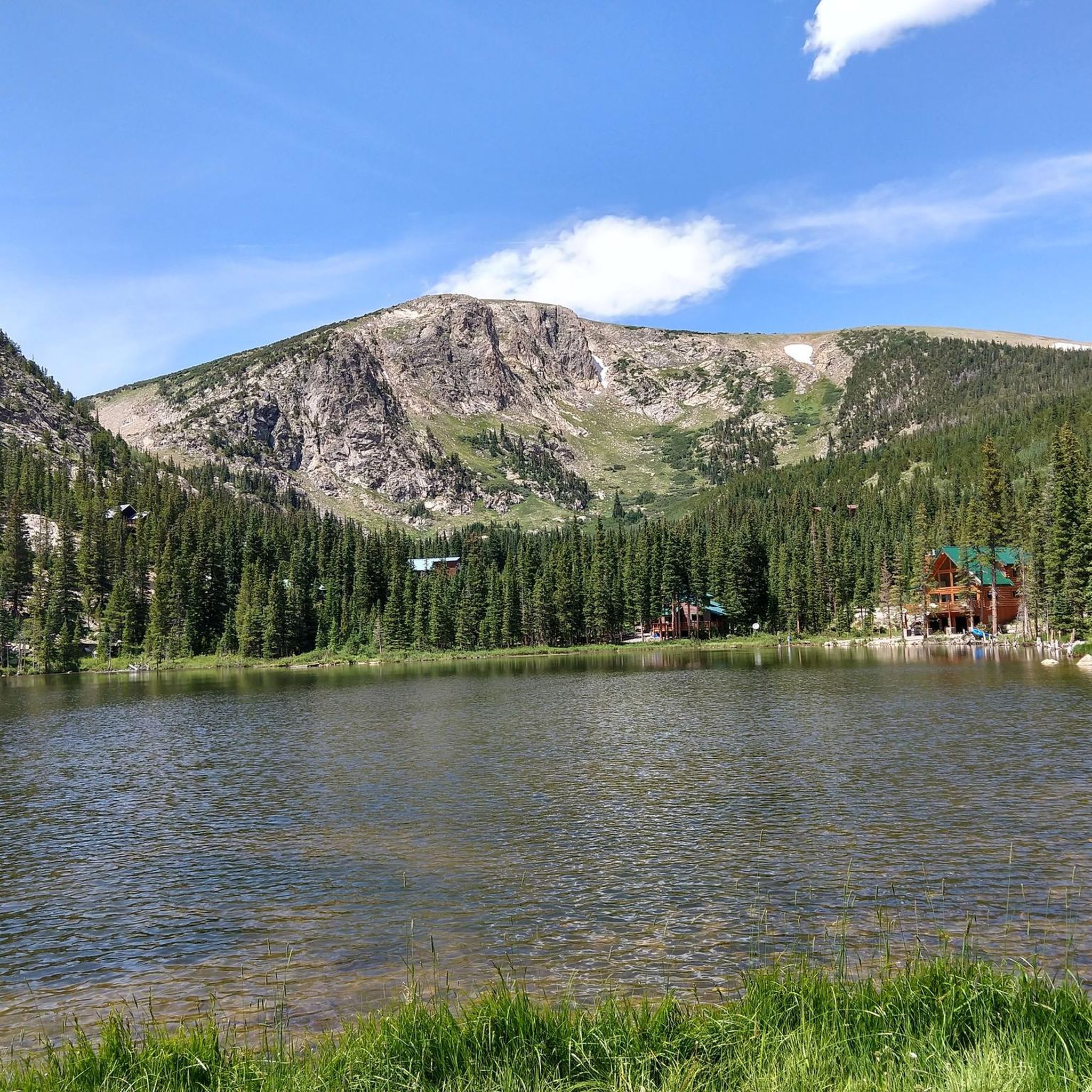
Rogers Pass Lake rests up above 11,000 feet and features rocky ridgeline views as its backdrop. The trails leading up to the alpine reservoir are known for their wildflowers in the spring and summer months.
0
0

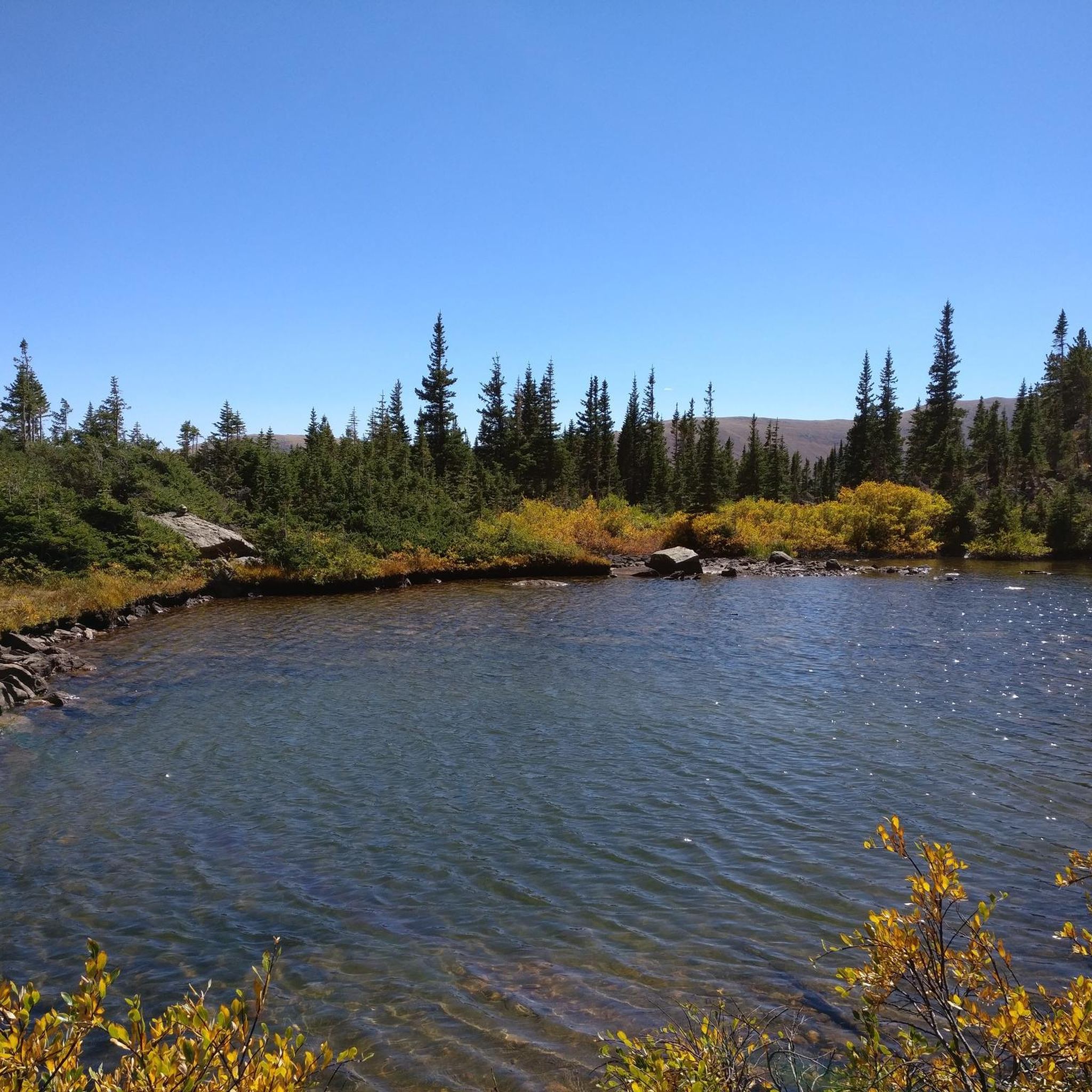
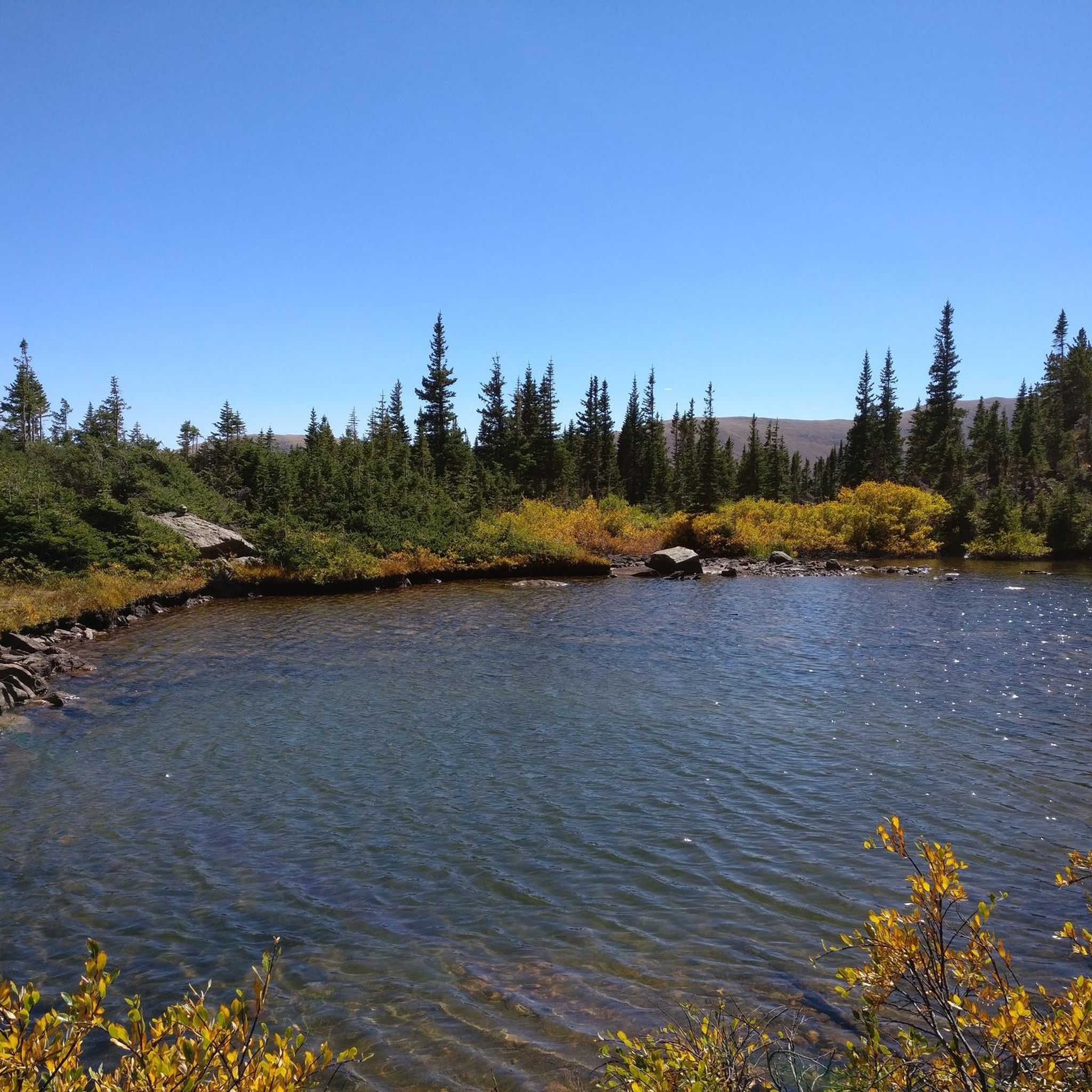
Located in the James Peak Wilderness, you will find three beautiful crater lakes. Lower Crater Lake North will be the first one you can see when hiking along Crater Lakes Trail.
0
0
Rogers Pass Lake rests up above 11,000 feet and features rocky ridgeline views as its backdrop. The trails leading up to the alpine reservoir are known for their wildflowers in the spring and summer months.
0
0

The Needle's Eye Tunnel was a short high altitude railroad tunnel on the Denver to Salt Lake Railway. It was closed in 1990 due to rock fall.
0
0
Heart Lake, located within James Peak Wilderness, is a alpine lake above the tree line. You follow a stream to get here and moose are very prevalent in the area!
0
0
To get to the final lake, Upper Crater Lake, the trail in nonexistent, but the best route to take is to traverse right—going left will lead you to marshy water holes and potentially wet boots. From here you can enjoy an alpine lagoon with wildflowers and mountain views.
0
0
Frequently Asked Questions
What kind of terrain can I expect when hiking in James Peak Wilderness?
The James Peak Wilderness features diverse terrain, ranging from challenging rocky ridges and subalpine forests to expansive alpine tundra. You'll encounter impressive geological formations, including glacial cirques and rugged valleys, with elevations spanning from 9,200 to 13,294 feet.
Are there many alpine lakes to discover in James Peak Wilderness?
Yes, the area is dotted with numerous pristine alpine lakes, with over a dozen in total. Notable examples include Heart Lake, Loch Lomond, Crater Lakes, Rogers Pass Lake, Yankee Doodle Lake, and Jenny Lake. Many trails lead to these scenic bodies of water, such as the route to 3 Crater Lakes — James Peak Wilderness.
What are some of the natural landmarks or points of interest in James Peak Wilderness?
Beyond the majestic peaks like James Peak and Mount Flora, the wilderness is known for its stunning alpine lakes. You can visit Little Echo Lake, Upper Crater Lake, and the picturesque Lower Forest Lake, among others.
What is the best time of year to go hiking in James Peak Wilderness?
The summer months are ideal for hiking, offering vibrant wildflower meadows and generally clear trails. Fall brings golden aspen groves, creating a beautiful backdrop. Due to the high elevation, winter conditions can persist, making some trails challenging or inaccessible.
Are there any loop trails available in James Peak Wilderness?
Yes, there are loop options for hikers. One popular choice is the Forest Lakes Trail loop — James Peak Wilderness, which takes you through subalpine forests and past picturesque lakes.
What kind of wildlife might I encounter on the trails?
The James Peak Wilderness provides habitat for a variety of wildlife. Hikers might spot elk, deer, bighorn sheep, mountain goats, and black bears. The area also supports several imperiled species, including the Canada lynx, wolverine, and boreal toad.
How difficult are the hiking trails in James Peak Wilderness?
The trails in James Peak Wilderness range in difficulty. While there are some moderate routes, the majority of the trails are considered difficult due to the high elevation, rugged terrain, and significant elevation gain. For example, the route to Heart Lake via South Boulder Creek — James Peak Wilderness is rated as difficult.
Are there any family-friendly hiking options in James Peak Wilderness?
While many trails are challenging, some sections or shorter routes might be suitable for families with older children who are accustomed to hiking at higher elevations. Always check the specific trail details for distance and elevation gain to ensure it matches your family's capabilities.
What do other hikers enjoy most about James Peak Wilderness?
The area is highly rated by the komoot community, with an average score of 4.8 stars from over 30 reviews. Hikers frequently praise the panoramic vistas, the pristine alpine lakes, and the challenging yet rewarding high-altitude ascents that define the region.
Is public transportation available to access trailheads in James Peak Wilderness?
The James Peak Wilderness is primarily accessed by car, with trailheads often requiring personal vehicle transport. Its proximity to Denver (just over an hour's drive) makes it a favored destination, but direct public transport options to specific trailheads within the wilderness are limited.
Are permits required for hiking or camping in James Peak Wilderness?
As a designated wilderness area, specific regulations apply. While day hiking generally does not require a permit, overnight camping or backpacking may necessitate permits, especially for certain areas or during peak seasons. It's advisable to check with the Arapaho National Forest service for the most current permit requirements before your trip.
What are the typical elevations for hikes in this region?
Hikes in James Peak Wilderness typically range in elevation from 9,200 feet to over 13,000 feet. The highest point in the wilderness is Parry Peak, and James Peak itself rises to 13,294 feet, meaning many trails involve significant high-altitude trekking.
Are there any trails that lead to multiple lakes?
Yes, several trails offer access to multiple lakes. For instance, the Arapaho Lakes — James Peak Wilderness route will take you past a series of beautiful alpine lakes.
Most popular routes in James Peak Wilderness
Most popular attractions in James Peak Wilderness

Get inspired with the komoot mobile app


Explore more
Browse the best Hikes in other regions.
