The 5 Most Amazing Peaks in Montezuma County
Best mountain peaks in Montezuma County are found in a diverse landscape, ranging from high desert to alpine tundra, with elevations reaching over 4000 meters. The region features prominent peaks offering challenging climbs and culturally significant landmarks. Its topography provides varied natural landscapes for exploration.
Best mountain peaks in Montezuma County
- The most popular mountain peaks is Point Lookout, a viewpoint that towers above the entrance to Mesa Verde National Park. This moderately challenging trail offers panoramic views of…
Last updated: June 26, 2026
Point Lookout
Highlight • Viewpoint
Tip by

Diorite Peak
Highlight • Summit
Tip by

Sign up now to discover places like this
Get recommendations on the best single tracks, peaks, & plenty of other exciting outdoor places.
Sign up for free
Park Point and Historic Fire Lookout
Highlight • Viewpoint
Tip by

Highline Trail
Highlight (Segment) • Trail
Tip by

Start today with a free account
Your next adventure awaits.
Login or Signup


Tips from the Community

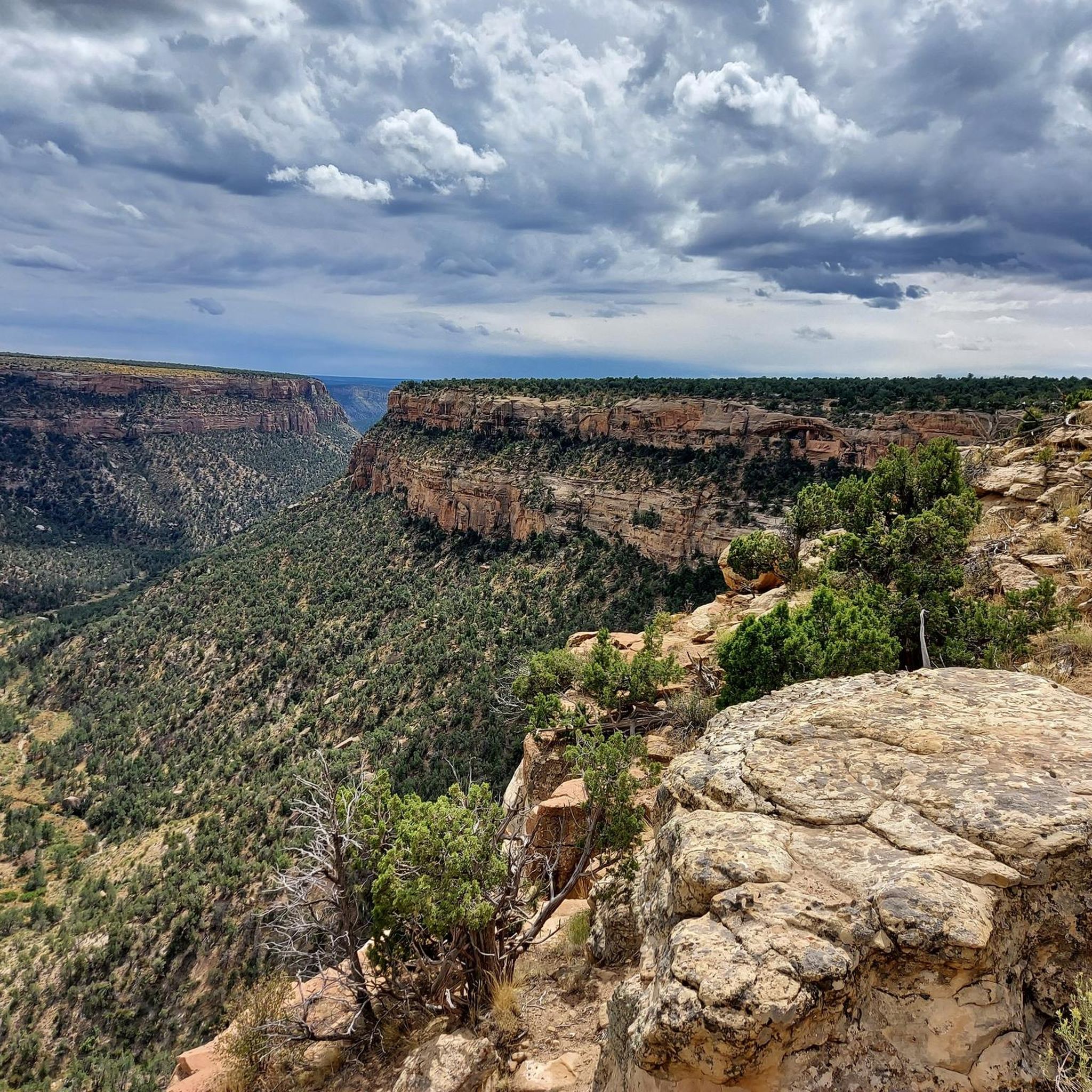
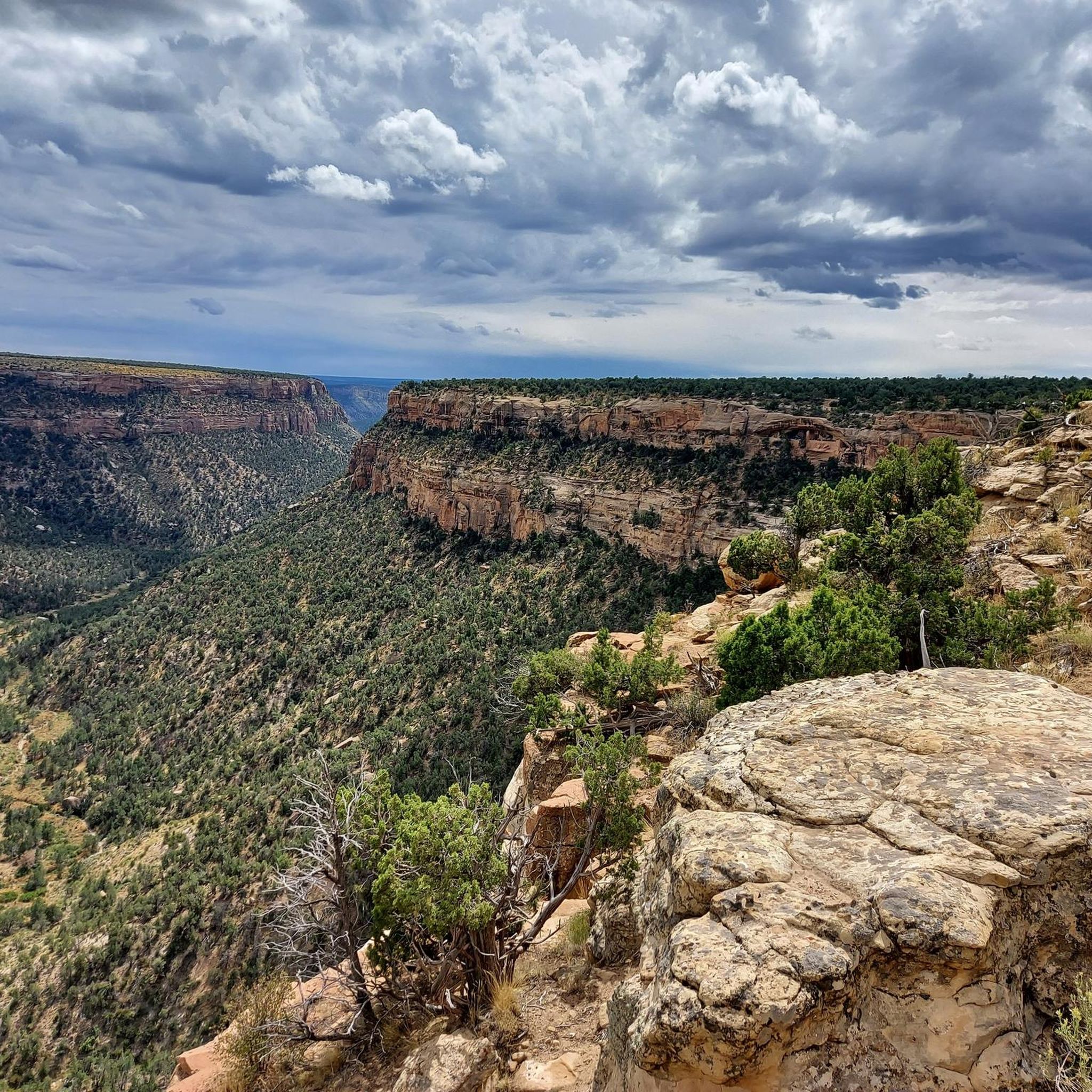
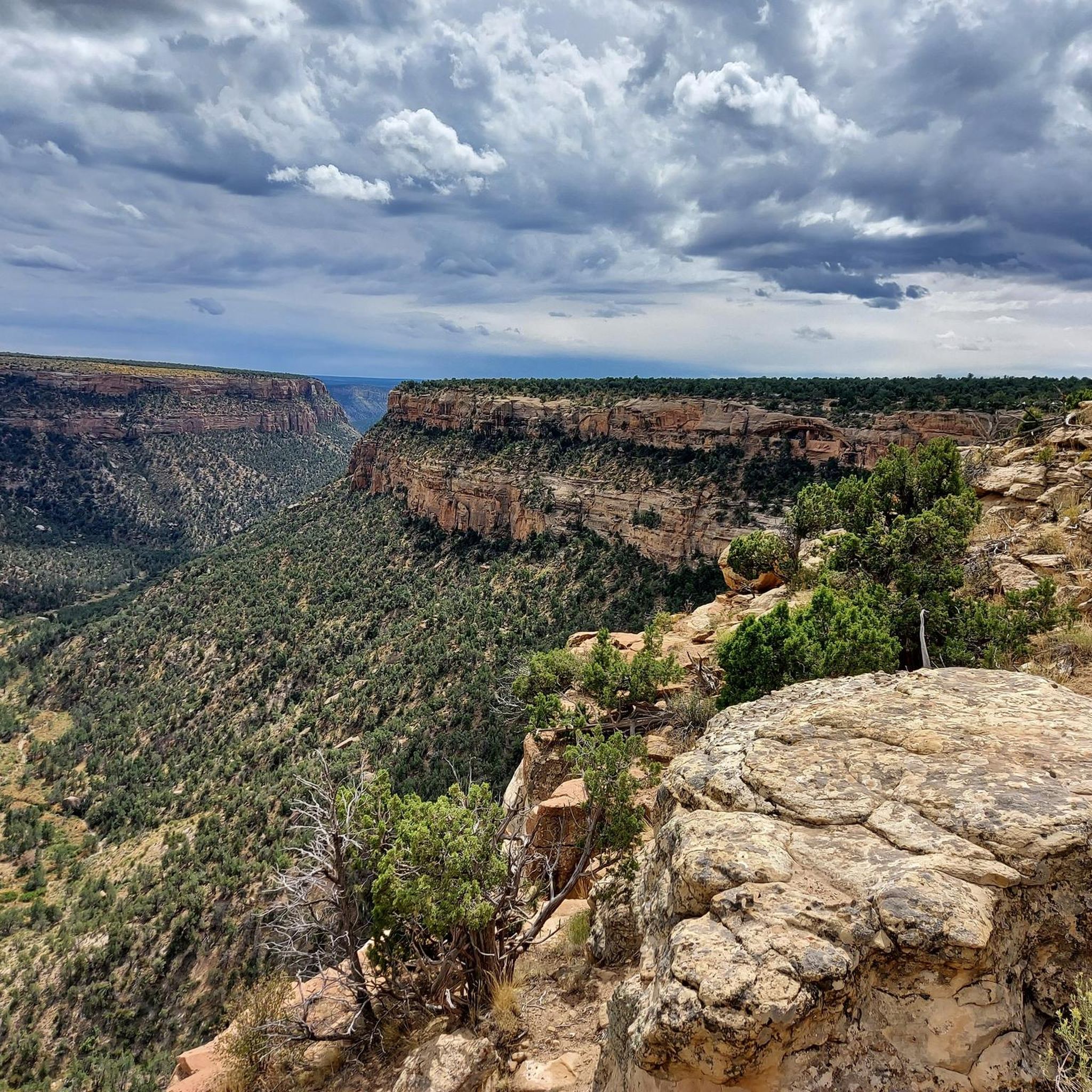
The Point Lookout Trail in Mesa Verde National Park is a popular hike that leads to a prominent overlook above the park entrance. From the summit, hikers are rewarded with sweeping panoramic views, including: - The surrounding Mancos and Montezuma Valleys - The San Juan and La Plata Mountains in the distance - A view of the park's historic access road
0
0

Highline Trail or Highline Colorado Trail overlaps part of Segment 28 on the Colorado Trail. This segment is exposed and a very scenic ridgewalk, and a series of a few climbs with amazing views on all sides.
0
0

Park Point Overlook, at 8,572 feet above sea level, is the highest point in Mesa Verde National Park and offers breathtaking panoramic views. This historic site features a fire lookout station, which remains operational during fire season to monitor weather conditions and potential wildfires. From this vantage point, visitors can see the peaks of the San Juan Mountains, the high deserts of New Mexico, Sleeping Ute Mountain, and the La Plata Mountains. The overlook includes picnic tables, seasonal restrooms, and parking for vehicles, but visitors are encouraged to stay on marked paths due to potential rockfalls. Access may be restricted during winter when the road is not plowed.
0
0

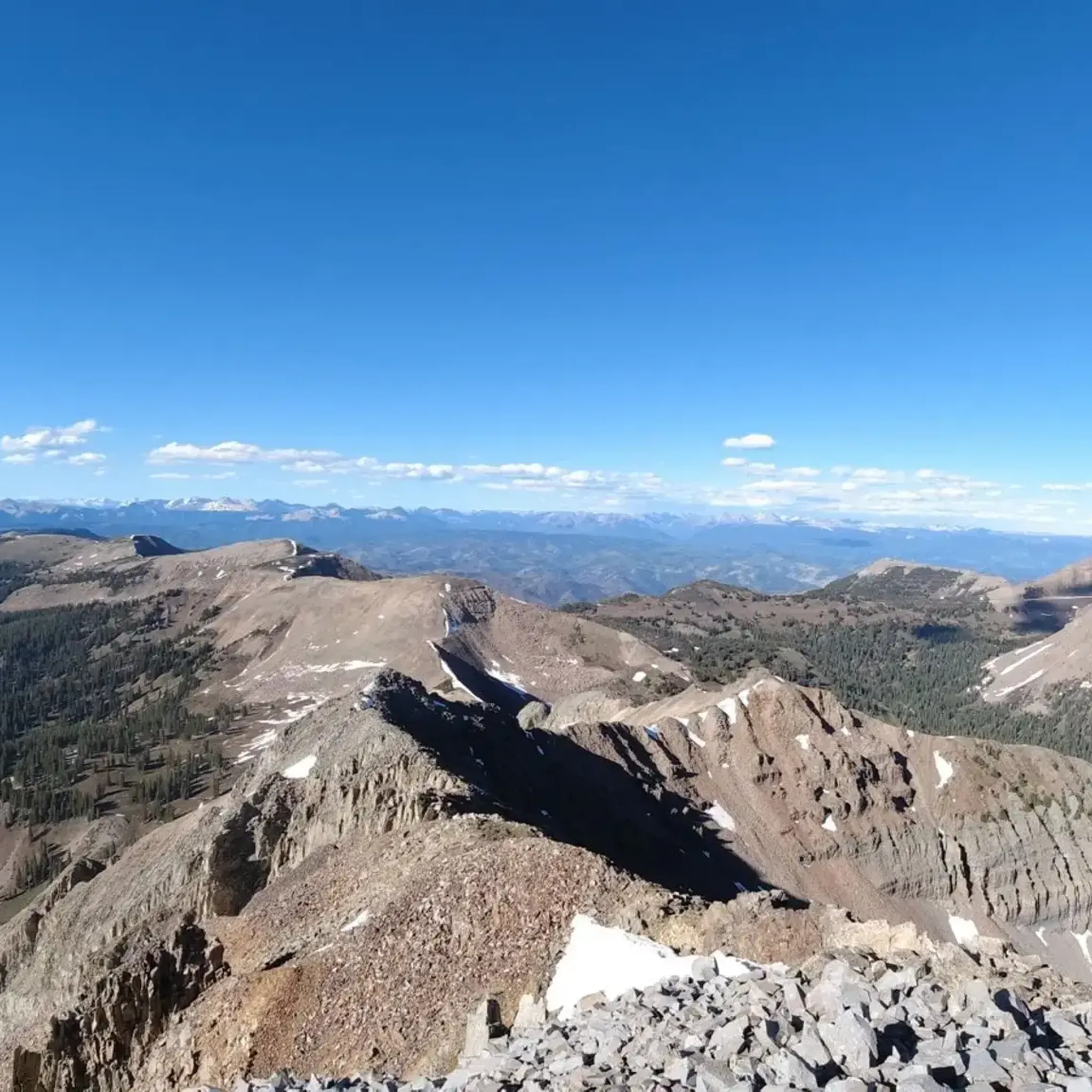
Diorite Peak (12,761 feet) is one of the most central mountains in the La Platas. The mountain is usually approached via a rocky logging road that ends in the midst of a bunch of switchbacks climbing up the southern face of the mountain. The trail is mainly class 1, but it is super steep in sections. You can truly see the entire La Plata Mountain Range from the top of this mountain.
0
0
Diorite Peak (12,761 feet) is one of the most central mountains in the La Platas. The mountain is usually approached via a rocky logging road that ends in the midst of a bunch of switchbacks climbing up the southern face of the mountain. The trail is mainly class 1, but it is super steep in sections. You can truly see the entire La Plata Mountain Range from the top of this mountain.
0
0

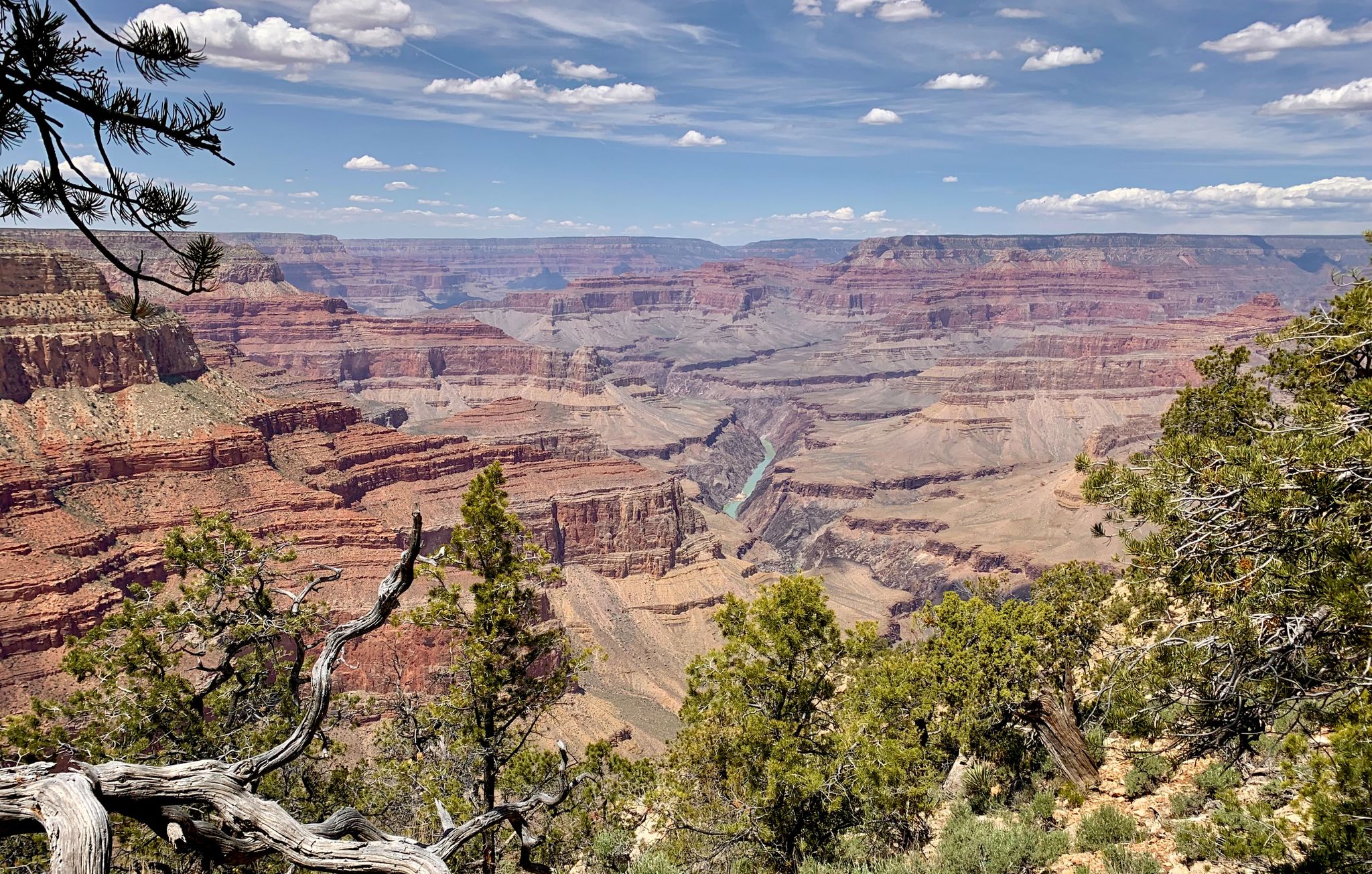
Point Lookout is a well-known formation that towers above the entrance to Mesa Verde National Park. The moderately challenging Point Lookout Trail takes hikers to the viewpoint, which gives superb views of the San Juan and La Plata Mountains.
1
0
Frequently Asked Questions
What are some of the most prominent mountain peaks in Montezuma County?
Montezuma County is home to several prominent peaks. Hesperus Mountain is the highest point in the county, offering rugged beauty. Ute Peak, also known as 'Sleeping Ute Mountain,' is a culturally significant landmark. Other notable peaks include Diorite Peak and Gibbs Peak in the La Plata Mountains, known for their challenging ascents and panoramic views.
What is the best time of year to visit Montezuma County's mountain peaks?
The best time to visit Montezuma County's mountain peaks for hiking and climbing is generally during the late spring, summer, and early fall months. During these periods, trails are typically free of snow, and the weather is more favorable for outdoor activities. Always check local weather conditions before heading out, especially at higher elevations.
Are there any culturally significant mountain peaks in Montezuma County?
Yes, Ute Peak, also known as 'Sleeping Ute Mountain,' holds immense cultural significance for the Ute Mountain Ute Tribe. Its distinctive silhouette resembles a sleeping warrior and is a powerful visual and cultural landmark in the region. While not open for public hiking due to its sacred status, its presence can be admired from miles away.
What are the difficulty levels of mountain peaks in Montezuma County?
Montezuma County offers a range of difficulties. Peaks like Hesperus Mountain, Sharkstooth Peak, Centennial Peak, and Montezuma Peak are suitable for seasoned hikers and climbers, often involving challenging routes, significant elevation gains, and route finding. For more moderate experiences, trails like Point Lookout offer rewarding views with less extreme challenges.
What kind of natural features can I expect to see from Montezuma County's peaks?
From Montezuma County's peaks, you can expect breathtaking panoramic views. For example, from Point Lookout, you'll see the San Juan and La Plata Mountains, as well as the Mancos and Montezuma Valleys. From Diorite Peak, you can see the entire La Plata Mountain Range. Higher peaks often offer dramatic ridgelines, alpine tundra, and expansive vistas stretching for miles.
Are there family-friendly mountain viewpoints in Montezuma County?
Yes, Park Point Overlook in Mesa Verde National Park is an excellent family-friendly option. It's the highest point in the park, offering panoramic views of the San Juan and La Plata Mountains, the high deserts of New Mexico, and Sleeping Ute Mountain. It also features picnic tables and restrooms, making it a comfortable stop for families.
What outdoor activities can I do near Montezuma County mountain peaks?
Beyond peak bagging, Montezuma County offers diverse outdoor activities. You can find numerous hiking trails, such as the Prater Ridge Trail. The region is also popular for mountain biking, with trails like those found in Phil's World, and road cycling routes, including those detailed in the Cycling in Montezuma County guide.
Are there specific hiking trails near Montezuma County peaks for different skill levels?
Yes, for challenging experiences, consider the routes to Hesperus Mountain or the Highline Trail, which involves a scenic ridgewalk with significant climbs. For moderate hikes, the Point Lookout Trail in Mesa Verde National Park is a great choice. You can find more options in the Hiking in Montezuma County guide.
What do visitors enjoy most about the mountain peaks in Montezuma County?
Visitors frequently praise the stunning panoramic views from the summits, the challenging yet rewarding climbs, and the sense of wild beauty. Many appreciate the less-traveled experience compared to other popular Colorado peaks, offering a chance for solitude and immersion in nature. The diverse landscape, from high desert to alpine tundra, also adds to the appeal.
Are there any permits required for hiking or climbing Montezuma County mountain peaks?
Permit requirements can vary depending on the specific area and activity. While many trails in the San Juan National Forest are open without specific permits for day hiking, some areas, especially within national parks or designated wilderness areas, might require entrance fees or permits. It's always best to check with the specific land management agency (e.g., National Park Service for Mesa Verde, US Forest Service for San Juan National Forest) for the most current regulations before your visit.
Can I bring my dog on mountain trails in Montezuma County?
Dog policies vary by location within Montezuma County. While many trails in the San Juan National Forest are dog-friendly, usually requiring dogs to be on a leash, national parks like Mesa Verde have stricter rules, often restricting pets to paved roads, campgrounds, and specific trails. Always check the regulations for the specific trail or park you plan to visit to ensure it's dog-friendly.
What kind of wildlife might I encounter on Montezuma County mountain peaks?
Montezuma County's diverse ecosystems support a variety of wildlife. In higher alpine areas, you might spot bighorn sheep, marmots, and various raptors. Lower elevations and forested areas could reveal deer, elk, black bears, and a wide array of bird species. Always maintain a safe distance and never feed wildlife.
Most popular attractions in Montezuma County

Get inspired with the komoot mobile app


Explore more
See even more amazing summits in Montezuma County with these guides:
