Top 20 Caves around Isla De La Palma
Best caves around Isla De La Palma offer a diverse range of geological formations and historical sites. The island, known for its volcanic origins, features lava tubes, sea caves, and ancient dwelling sites. These natural structures provide insights into La Palma's geological evolution and pre-Hispanic history. Exploring these caves reveals unique landscapes and cultural heritage.
Best caves around Isla De La Palma
- The most popular caves include Porís de Candelaria, a settlement where a village of around 20 houses is built into a large cave or overhang in the cliffs. This unique enclave served as a natural harbor and refuge, showcasing adaptation to the environment.
- Another must-see spot is Through 13 tunnels to the Marcos and Cordero springs, a challenging trail featuring multiple tunnels. Visitors can experience a unique hike through man-made and natural cave structures leading to natural springs.
- Visitors also love Hoyo de la Sima, a volcanic cave. This site offers views into a deep volcanic column, framed by a wooden railing for observation.
- Isla De La Palma is known for volcanic tubes, sea caves, and ancient dwelling sites. These include impressive lava tubes formed by eruptions and coastal caves sculpted by the Atlantic Ocean.
- The caves around Isla De La Palma are appreciated by the komoot community, with more than 340 upvotes and over 280 photos shared across 29 highlights.
Last updated: October 13, 2026
Buracas Caves
Highlight • Cave
(c) lapalmabiosfera.es/de/la-palma/lugares-visitables/item/conjunto-arqueologico-etnografico-de-buracas
Translated by Google •
Tip by

Porís de Candelaria
Highlight • Settlement
Circular route in the northwest of La Palma.
Approx. 4.5 - 6 hours with breaks. No shadow. Good beer in the end. : D
Way there (downhill) to Porís de Candelaria approx. 2.5 - 3 hours.
Approx. 12-14 km, approx. 850-1000 meters of altitude uphill and downhill, accumulated.
Max. Height approx. 600, min. 0 m above sea level. Up to 38% incline / decline with loose ground. Bathing possibilities depending on the sea and current in the former pirate and smuggler port Porís de Candelaria and Playa del Jurado via bathing ladders.
As always on Isla Bonita, it is well signposted.
The vertical meters are not to be underestimated. Not recommended in summer heat, see also senderosdelapalma.com.
During our hike there was some strange light, light gray, thin clouds and strange contrast, so the photos are not optimal. Optimal hiking temperature of around 20 ° C for this. :)
Translated by Google •
Tip by

Sign up now to discover places like this
Get recommendations on the best single tracks, peaks, & plenty of other exciting outdoor places.
Through 13 tunnels to the Marcos and Cordero springs
Highlight (Segment) • Trail
Translated by Google •
Tip by

La Cueva del Dragón (The Dragon's Head Rock), Tijarafe
Highlight • Cave
Translated by Google •
Tip by

Water Tunnel of La Palma
Highlight • Structure
Translated by Google •
Tip by

Hoyo de la Sima
Highlight • Volcano
Translated by Google •
Tip by

Playa del Callejoncito
Highlight • Beach
Translated by Google •
Tip by

Shrine Cave Above Barranco Norza
Highlight • Cave
Translated by Google •
Tip by

Barranco de La Luz Trail to Garafía
Highlight (Segment) • Trail
We walk a few meters along the edge of the Barranco and come to a path that leads down into the Barranco, the place is marked with a hiking sign. A beautiful path that gives you a first impression of the rest of the hike, dragon trees, caves, some of which are used as goat sheds.
Translated by Google •
Tip by

Cueva del Infierno
Highlight • Cave
Translated by Google •
Tip by

Sign up for free to discover even more caves around Isla De La Palma.
Already have an account?
Start today with a free account
Your next adventure awaits.
Popular around Isla De La Palma
La Palma – my favourite Tours on the Canary Islands’ Isla Bonita
GR 131 El Bastón – La Palma in all its splendour
Trail on the Canary Islands – discover the legendary races!
La Palma, El Hierro y La Gomera – explore the Canaries’ Green Islands on foot
Transvulcania - traverse la Palma in the Canary Islands on the GR 131
Around the beautiful island – La Palma Nature Trail (GR 130)
Hiking around Isla De La Palma
Running Trails around Isla De La Palma
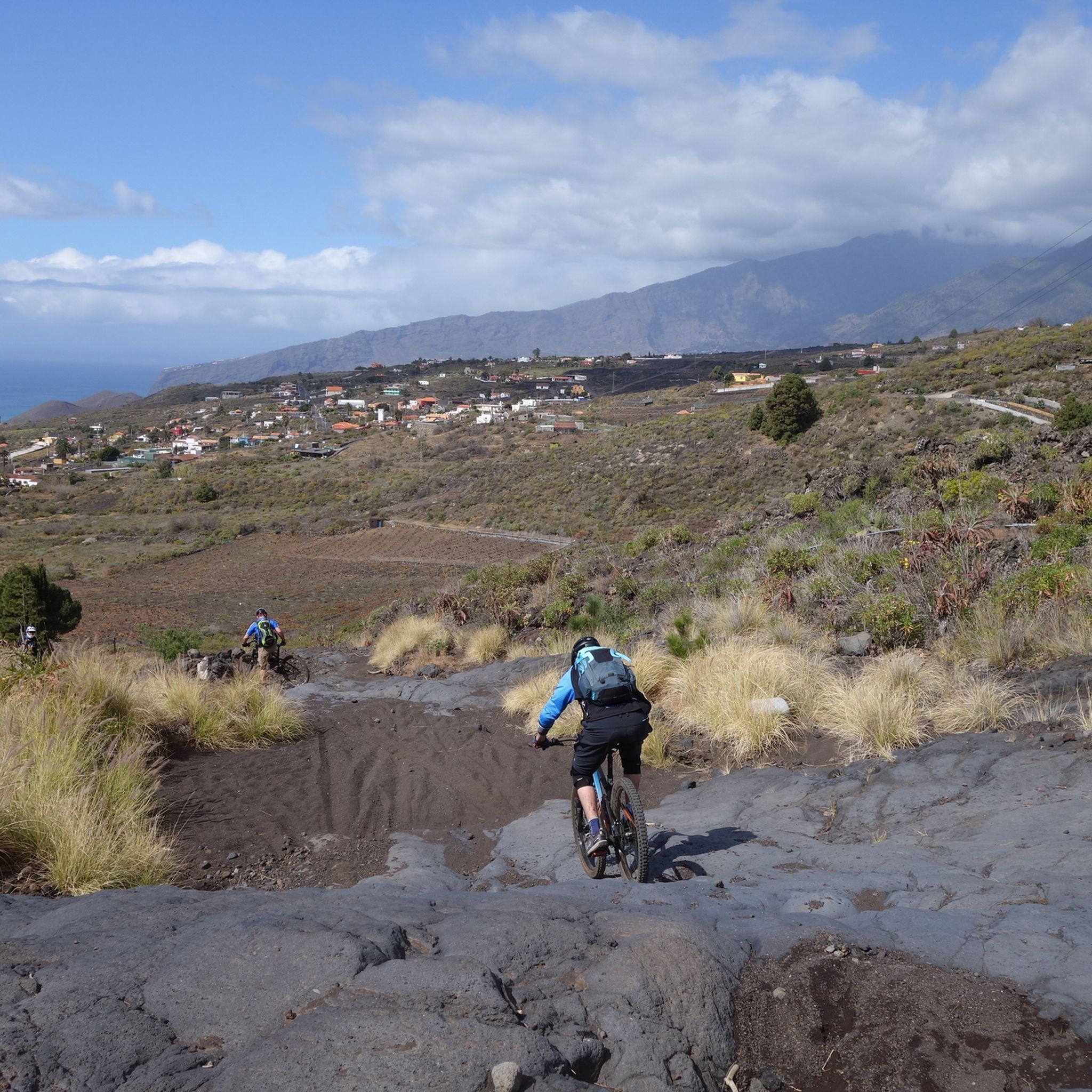
MTB Trails around Isla De La Palma
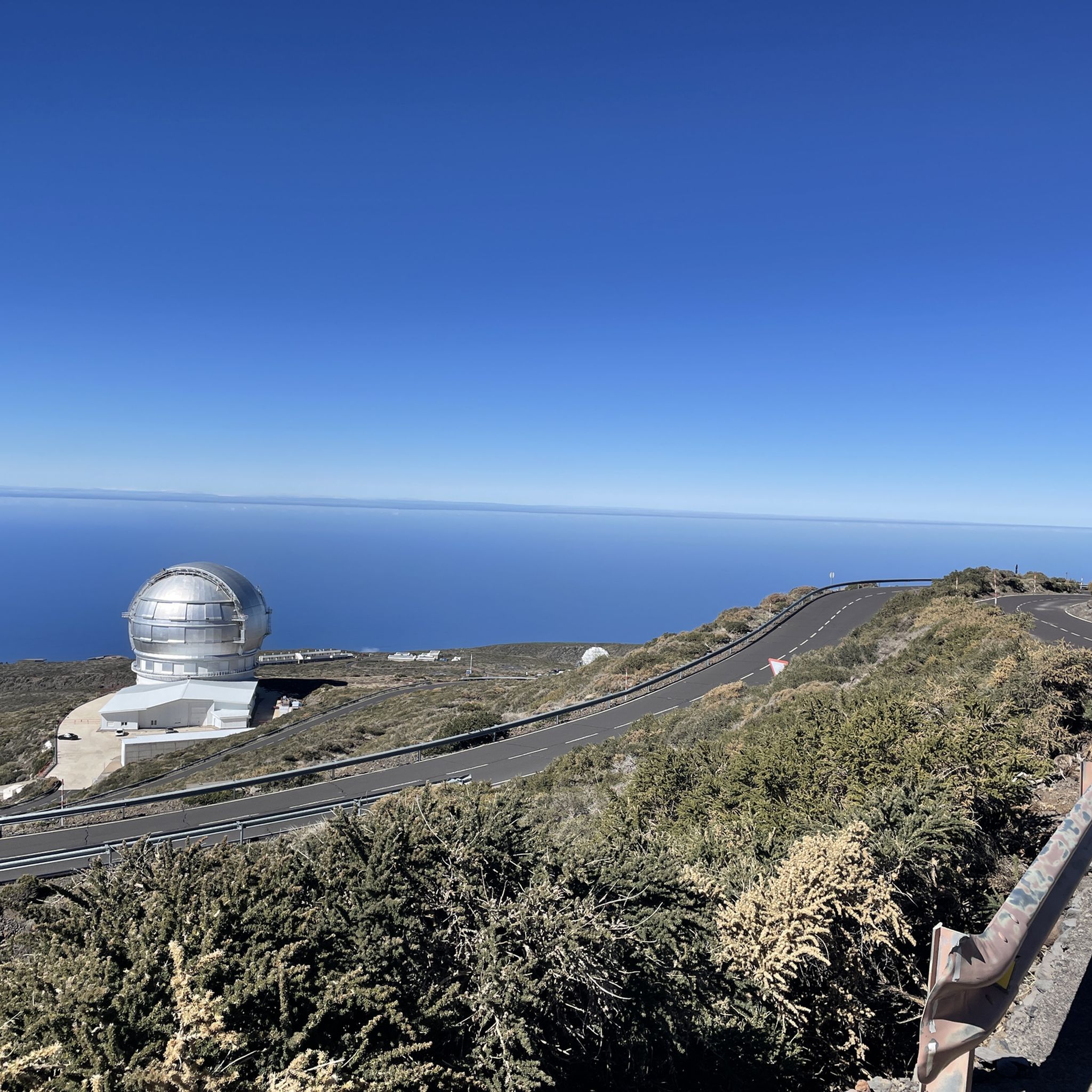
Road Cycling Routes around Isla De La Palma
Other adventures around Isla De La Palma


Tips from the Community

A stunningly beautiful hiking trail leads along here, surrounded by stunning nature. A visit is highly recommended and interesting 👍🏻.
1
0

A deep sinkhole opens up here: It's a volcanic vent approximately 70 meters deep, which can be circumnavigated on secured paths. A few steps allow you to descend into the hole, but trying to see the bottom is doomed to failure.
0
0

The Buracas Caves are a prehistoric and ethnographic site on the island of La Palma, located near Las Tricias. The archaeological site consists of natural caves that were once inhabited, necropolises, and three groups of geometric petroglyphs.
1
0

The route is currently closed.
4
0

Did this tour today. Some pretty narrow paths along steep cliffs. Not for the faint hearted! Be sure to have sufficient hiking experience and make sure you have hiking poles. Necessary! Else too dangerous / slip falls. Piece of advice: bring a flashlight for the water tunnels.
0
0

This was the first tour of our La Palma holiday. It was supposed to be an easy one. However, it ended up being a steep uphill climb over some rocky paths covered in roots. However, we were rewarded with a variety of plants, some of them exotic, that grow wherever there is a patch of earth. At the turning point in the tour, there is the option of doing the circular route through a tunnel, which also contains the channel that carries water from the summit into the valley. This tunnel is visibly blocked off with four gates, distributed along the entire route. However, you can go past it from the side, which is what a few hikers did, i.e. keep your head down. It is not completely dark, as the tunnel is repeatedly ventilated through holes in the rock.
0
0

At the Plaza of Santo Domingo de Garafia, past the village church, we head east and come to the Barranco de La Luz. We walk a few meters along the edge of the Barranco and come to a path that leads down into the Barranco, the place is marked with a hiking sign. A beautiful path that gives you a first impression of the rest of the hike, dragon trees, caves, some of which are used as goat sheds.
1
0

Decorated rock niches above the Barranco Norza.
0
0
Frequently Asked Questions
What types of caves can I explore on Isla De La Palma?
Isla De La Palma offers a diverse range of caves, including impressive volcanic lava tubes, magnificent sea caves, and ancient dwelling sites. These formations provide insights into the island's geological evolution and pre-Hispanic history.
Are there any impressive volcanic lava tubes to visit?
Yes, the Cueva de Las Palomas is an excellent example. This lava tube was formed during the 1949 eruption of the San Juan volcano and offers guided tours to explore its unique geological features, including plant roots penetrating rock and evolving minerals. It's suitable for those interested in learning about volcanic processes.
Can I visit sea caves on Isla De La Palma?
Absolutely. Cueva Bonita, often called the 'Sistine Chapel of the Atlantic,' is a stunning sea cave accessible only by boat. Sunlight streams through its two entrances, creating magical color effects, especially at sunset. It's a popular spot for boat tours and kayaking.
Where can I see ancient dwelling sites and petroglyphs?
The Buracas Caves near Las Tricias are a significant archaeological complex featuring natural caves once inhabited by pre-Hispanic islanders, along with geometric petroglyphs. Another site with petroglyphs is near the Cueva del Agua in Garafía, where you can find geometric patterns.
Are there any unique settlements built into caves?
Yes, Porís de Candelaria is a picturesque coastal village where about 20 houses are built directly into a large cave or overhang in the cliffs. This unique enclave served as a natural harbor and refuge, showcasing the islanders' adaptation to their environment.
Do I need a permit or guide to visit caves on Isla De La Palma?
For some caves, like Cueva de Las Palomas, guided tours are mandatory and provide educational insights. Other sites, particularly archaeological ones or those requiring specific access, might have regulations. It's always advisable to check local information for specific caves you plan to visit, especially for more challenging speleology sites like Benisahare or Cueva del Perdido.
What is the best time of year to explore caves on Isla De La Palma?
Isla De La Palma enjoys a mild climate year-round, making cave exploration possible in most seasons. However, for sea caves like Cueva Bonita, calm sea conditions are essential. For volcanic tubes, the experience is generally consistent. Avoid visiting during extreme heat for caves that involve significant outdoor walking, as some trails can be exposed.
Are there family-friendly caves suitable for all ages?
Yes, the guided tour of Cueva de Las Palomas is suitable for families and those interested in learning about lava caves without strenuous hiking. Its educational focus and accessible nature make it a good choice for visitors of various ages.
What should I wear for cave exploration on Isla De La Palma?
For most accessible caves, comfortable walking shoes with good grip are recommended. Layers of clothing are advisable as cave temperatures can be cooler than outside. If you plan to visit lava tubes or more adventurous sites, a headlamp or flashlight is essential, and some tours might require helmets or specific gear.
What hiking opportunities are available near the caves?
Many caves are integrated into or near hiking trails. For example, the area around Porís de Candelaria can be part of a scenic circular route in the northwest. You can find numerous hiking options across the island, from easy strolls to challenging treks. Explore more options on the Easy hikes around Isla De La Palma guide.
Can I find cycling routes near the caves of Isla De La Palma?
Yes, Isla De La Palma offers diverse cycling routes that can take you near various cave sites or through landscapes shaped by volcanic activity. You can find options for both road cycling and touring. Check out the Road Cycling Routes around Isla De La Palma or Cycling around Isla De La Palma guides for routes that might pass through relevant areas.
Where can I find a deep volcanic column viewpoint?
You can visit Hoyo de la Sima, a volcanic cave that offers views into a deep volcanic column. A wooden railing frames the observation point, allowing visitors to safely look into the deep throat of this geological feature.
Are there any caves with natural springs or water features?
The Cueva del Agua in Garafía is known for its 'spring cave' (Cueva de la Fuente) where natural water flows out. Additionally, Cueva del Infierno is noted for having a watercourse, offering a different kind of cave experience.
Most popular routes around Isla De La Palma
Most popular attractions around Isla De La Palma

Get inspired with the komoot mobile app


Didn’t find what you were looking for?
Discover more caves around Isla De La Palma region by region:
Explore more
Extend your search for the best caves by checking out these guides of the top ones around Isla De La Palma:
