Top 12 Lakes around Merida
Best lakes around Merida are primarily man-made reservoirs, often with Roman origins, situated within the Extremadura region of Spain. The area is characterized by its historical significance, featuring ancient Roman hydraulic engineering works that are still in use today. These lakes and their surroundings offer diverse natural landscapes, including natural parks, providing opportunities for outdoor activities and appreciating historical landmarks. The region's geography is defined by these large water bodies, which contribute to both its ecological and cultural value.
Best…
Last updated: October 13, 2026
Proserpina Roman Dam
Highlight • Monument
Translated by Google •
Tip by

Cornalvo Dam
Highlight • Monument
Translated by Google •
Tip by
Sign up now to discover places like this
Get recommendations on the best single tracks, peaks, & plenty of other exciting outdoor places.
Views of the Alange Reservoir
Highlight • Viewpoint
The concrete dam was …
Translated by Google •
Tip by
Viewpoint from the Sierra de la Zarza towards Alange
Highlight • Viewpoint
Translated by Google •
Tip by
Proserpina Reservoir
Highlight • Lake
Translated by Google •
Tip by
Cornalvo Reservoir
Highlight • Lake
Translated by Google •
Tip by

Proserpina Reservoir Viewpoint
Highlight • Viewpoint
Translated by Google •
Tip by

Las Muelas Reservoir
Highlight • Lake
Translated by Google •
Tip by
Alange Reservoir
Highlight • Lake
Translated by Google •
Tip by
Horno Tejero Reservoir (views of Cordobilla de Lácara)
Highlight • Lake
Translated by Google •
Tip by
Sign up for free to discover even more lakes around Merida.
Already have an account?
Start today with a free account
Your next adventure awaits.
Popular around Merida

Around the World in 80 Days
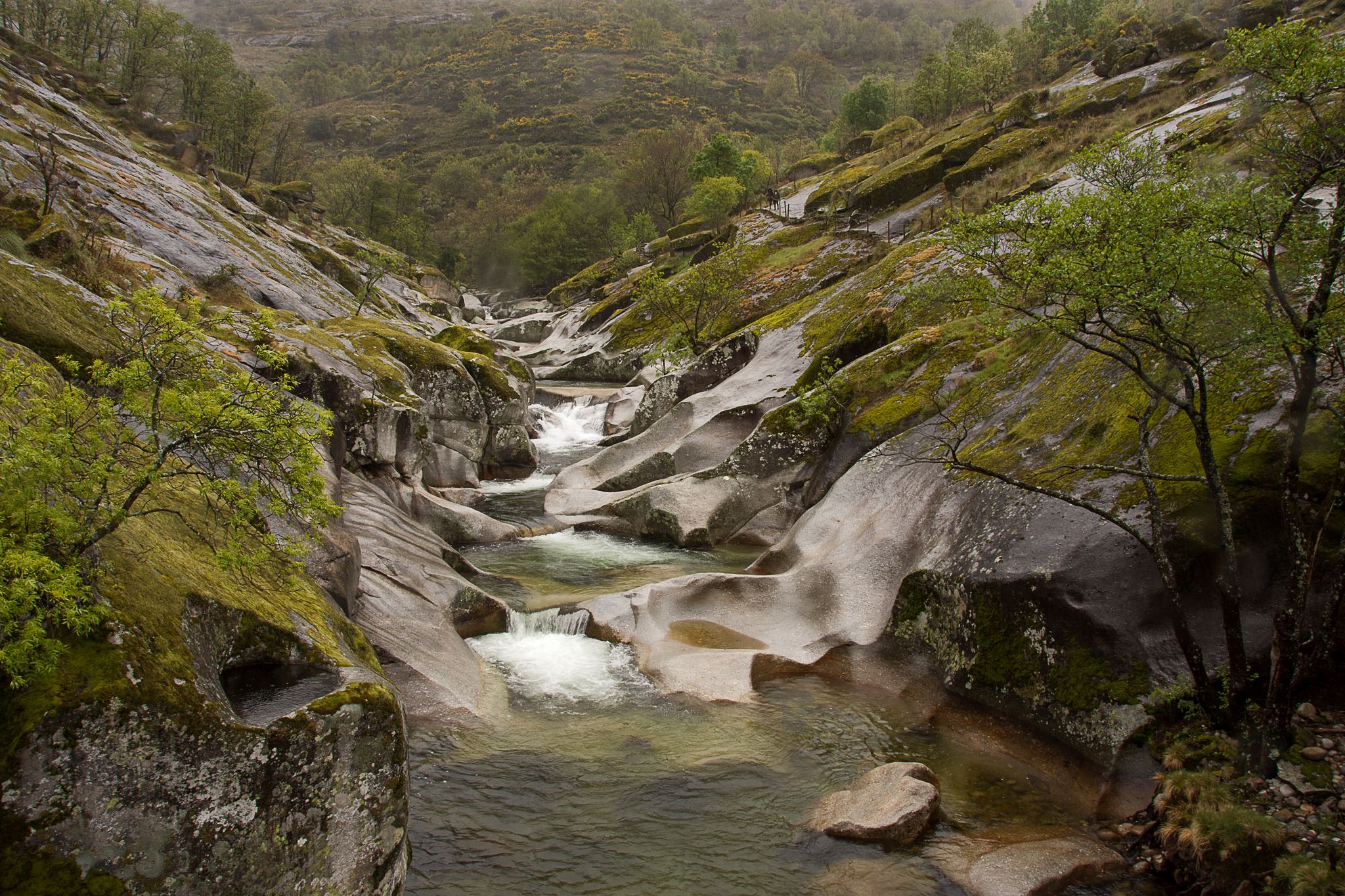
Six routes to discover Extremadura on foot
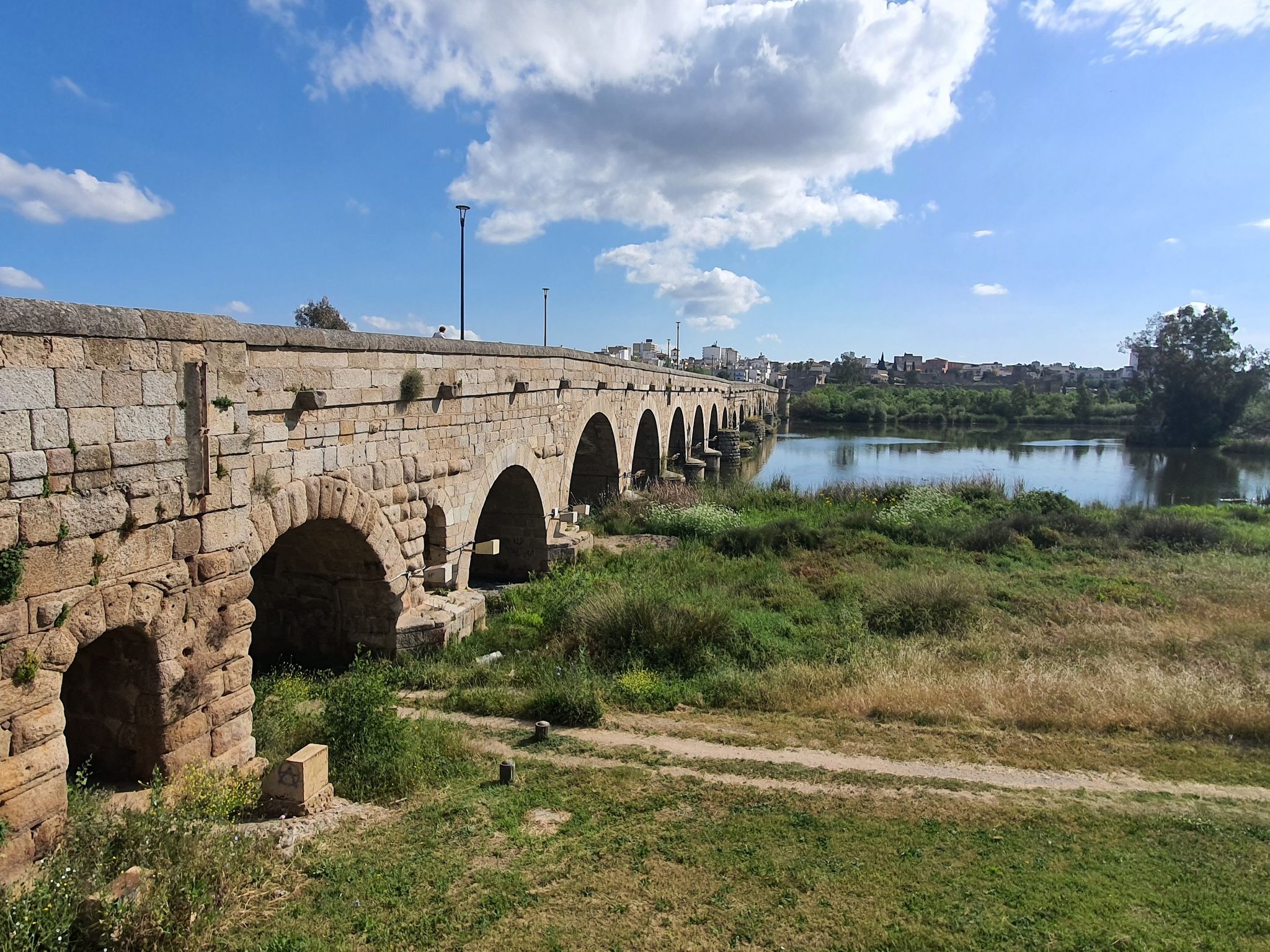
Gijón to Sevilla in Spain – Vía de la Plata (GR 100)
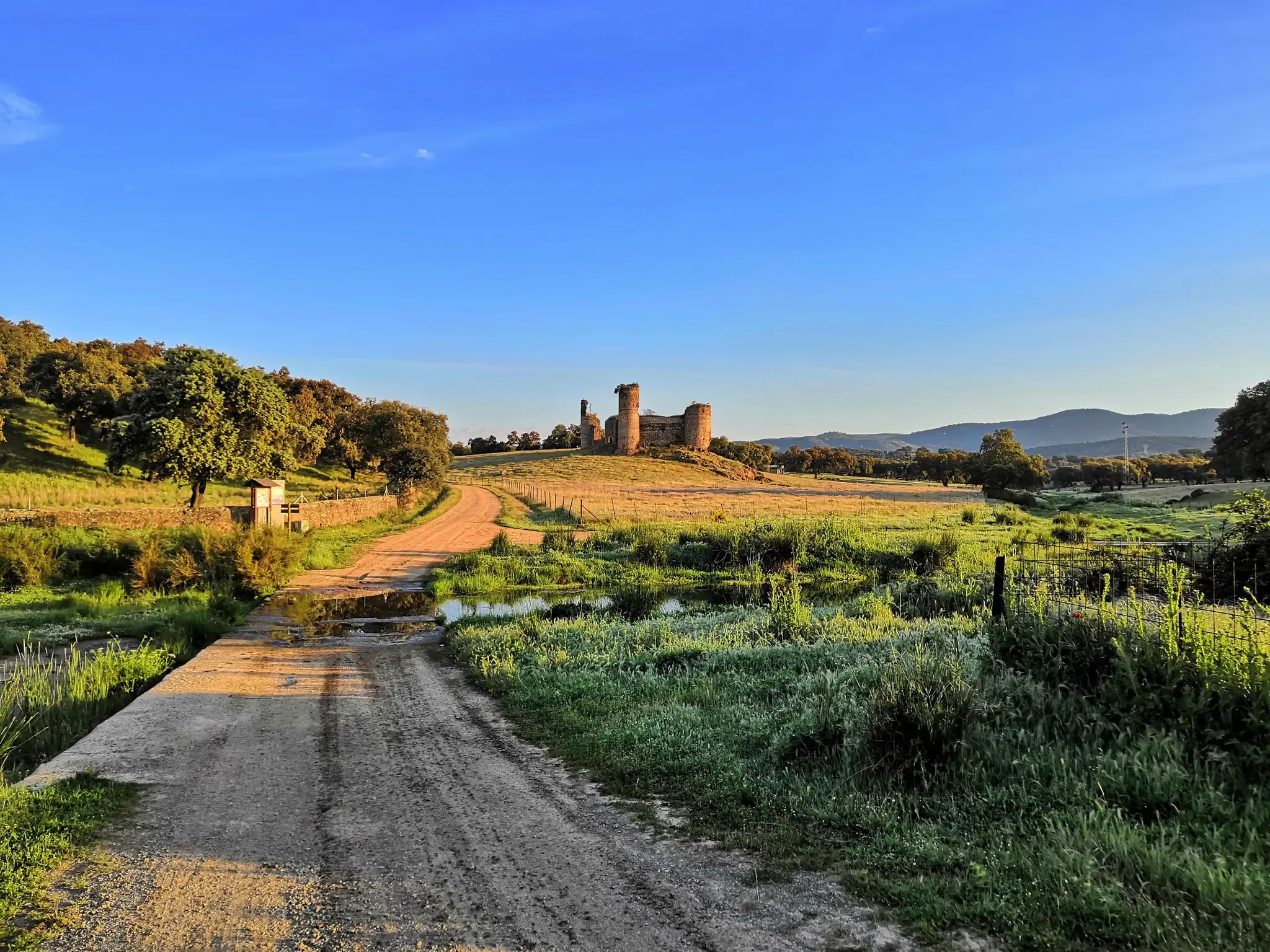
A romantic journey in the footsteps of the Romans – Via de la Plata
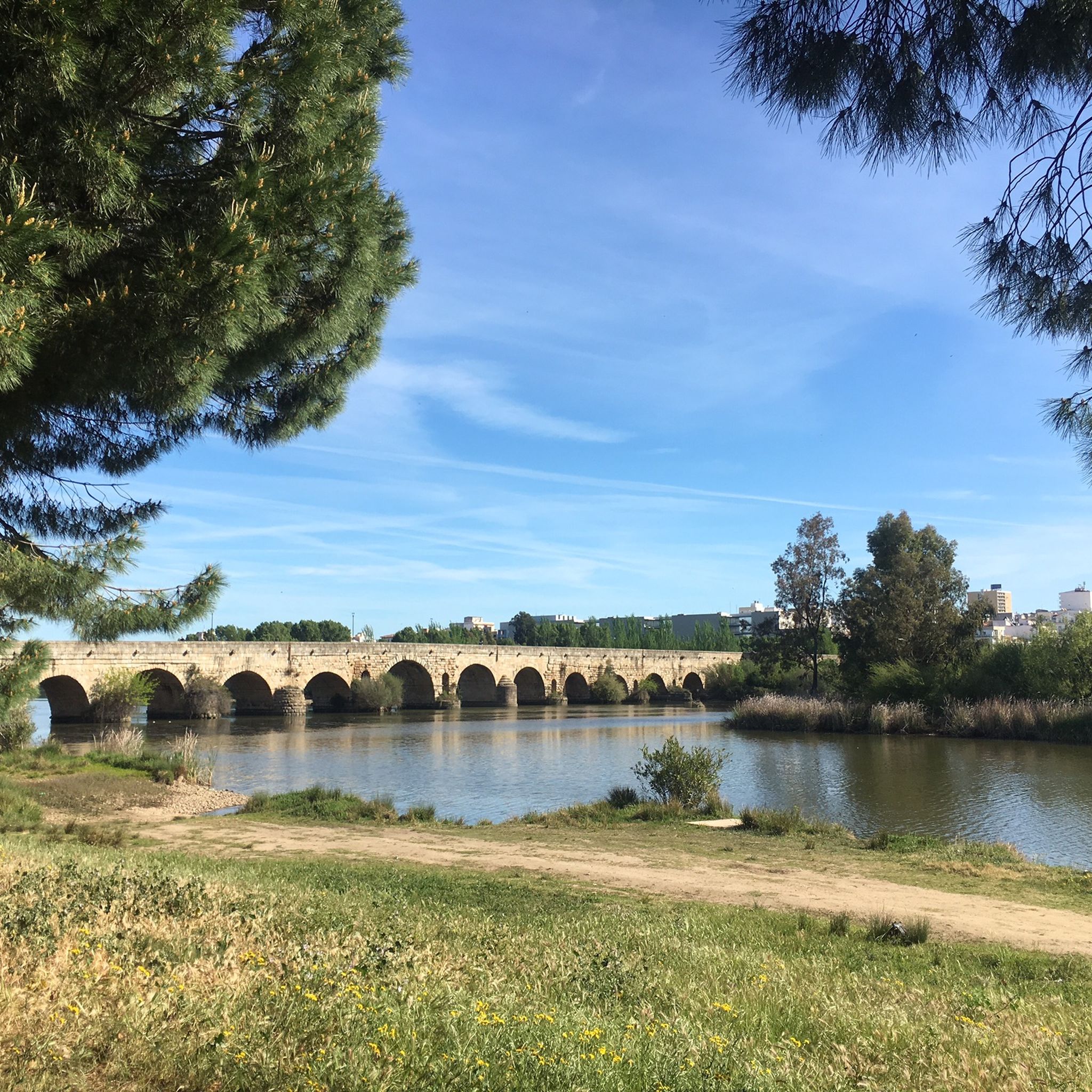
Hiking around Merida
Running Trails around Merida
Cycling around Merida
Road Cycling Routes around Merida
MTB Trails around Merida

Gravel biking around Merida
Other adventures around Merida


Tips from the Community

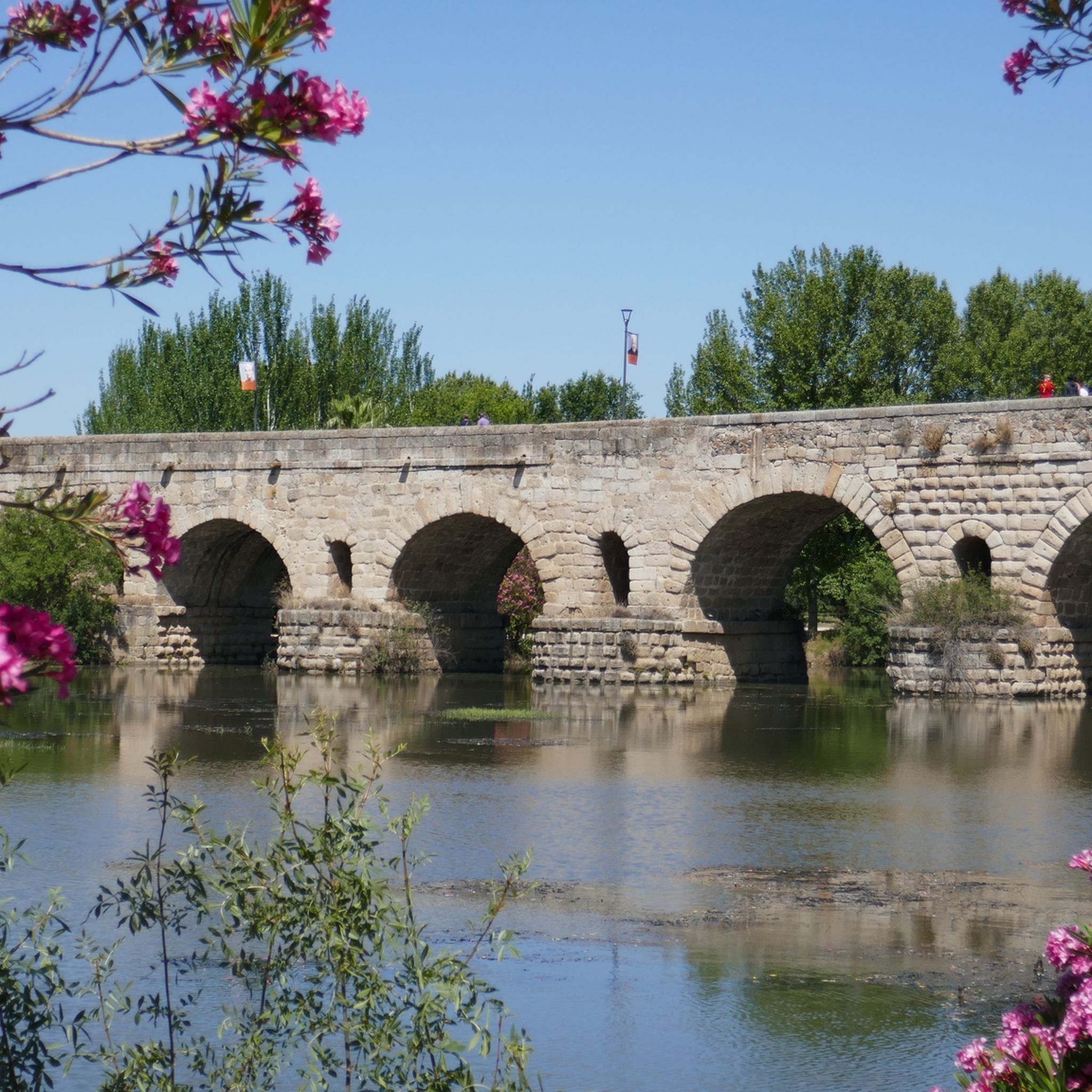
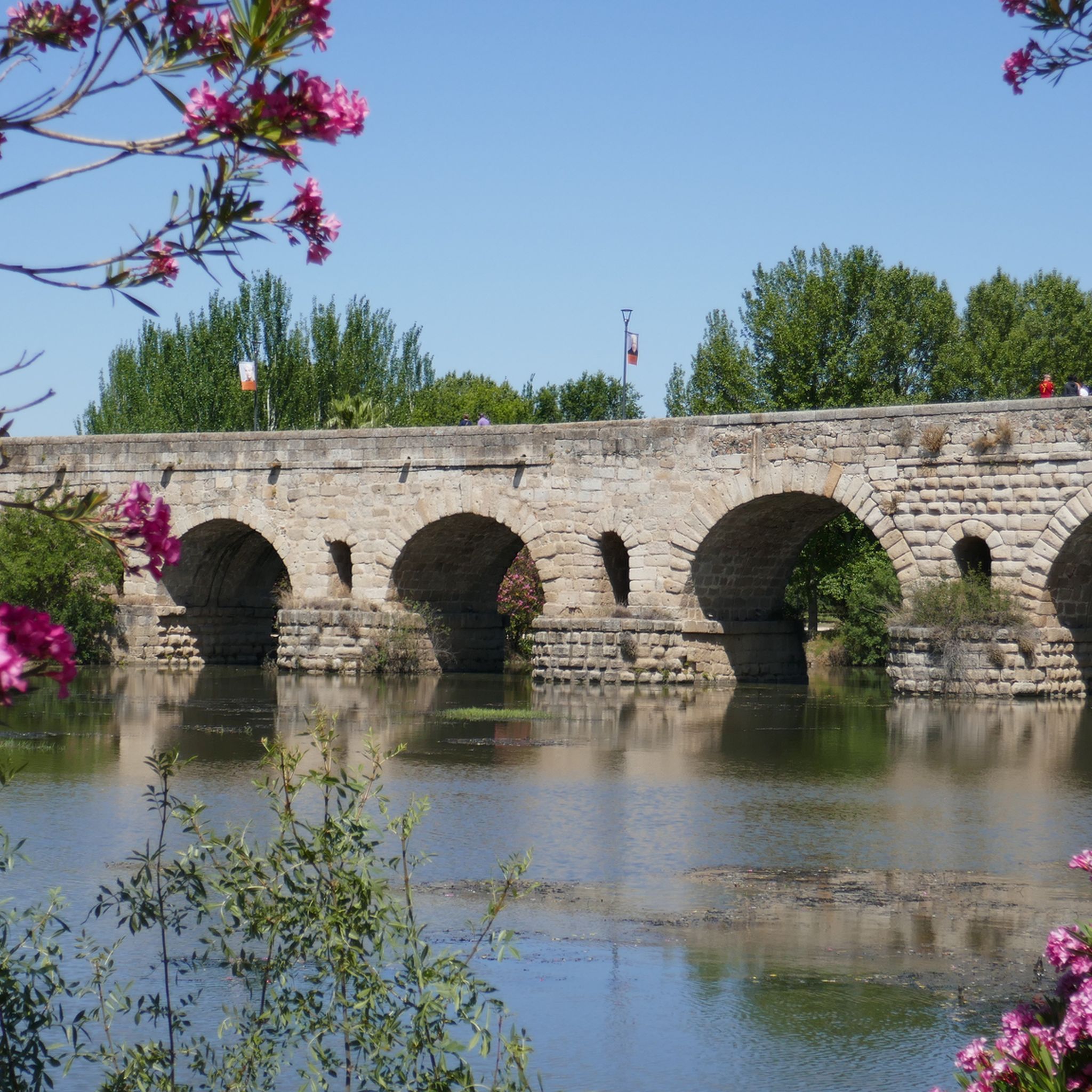
The Proserpina Dam or Reservoir is one of the oldest and best-preserved Roman hydraulic works in the world. It is located about 5 km north of Mérida, in Extremadura, and forms part of the Archaeological Ensemble of Mérida, declared a World Heritage Site by UNESCO in 1993. The name “Proserpina” was adopted in the 18th century, after the discovery of an inscription dedicated to the goddess Ataecina-Proserpina.
4
0
The Proserpina Dam or Reservoir is one of the oldest and best-preserved Roman hydraulic works in the world. It is located about 5 km north of Mérida, in Extremadura, and forms part of the Archaeological Ensemble of Mérida, declared a World Heritage Site by UNESCO in 1993.
3
0

From the Proserpina Reservoir viewpoint, you can enjoy a spectacular panoramic view of this ancient Roman reservoir: the stone wall stretches out in front of you, with its stepped buttresses and incredible views. On clear days, you can see the gentle undulations of the Sierra de Carija in the background.
0
0
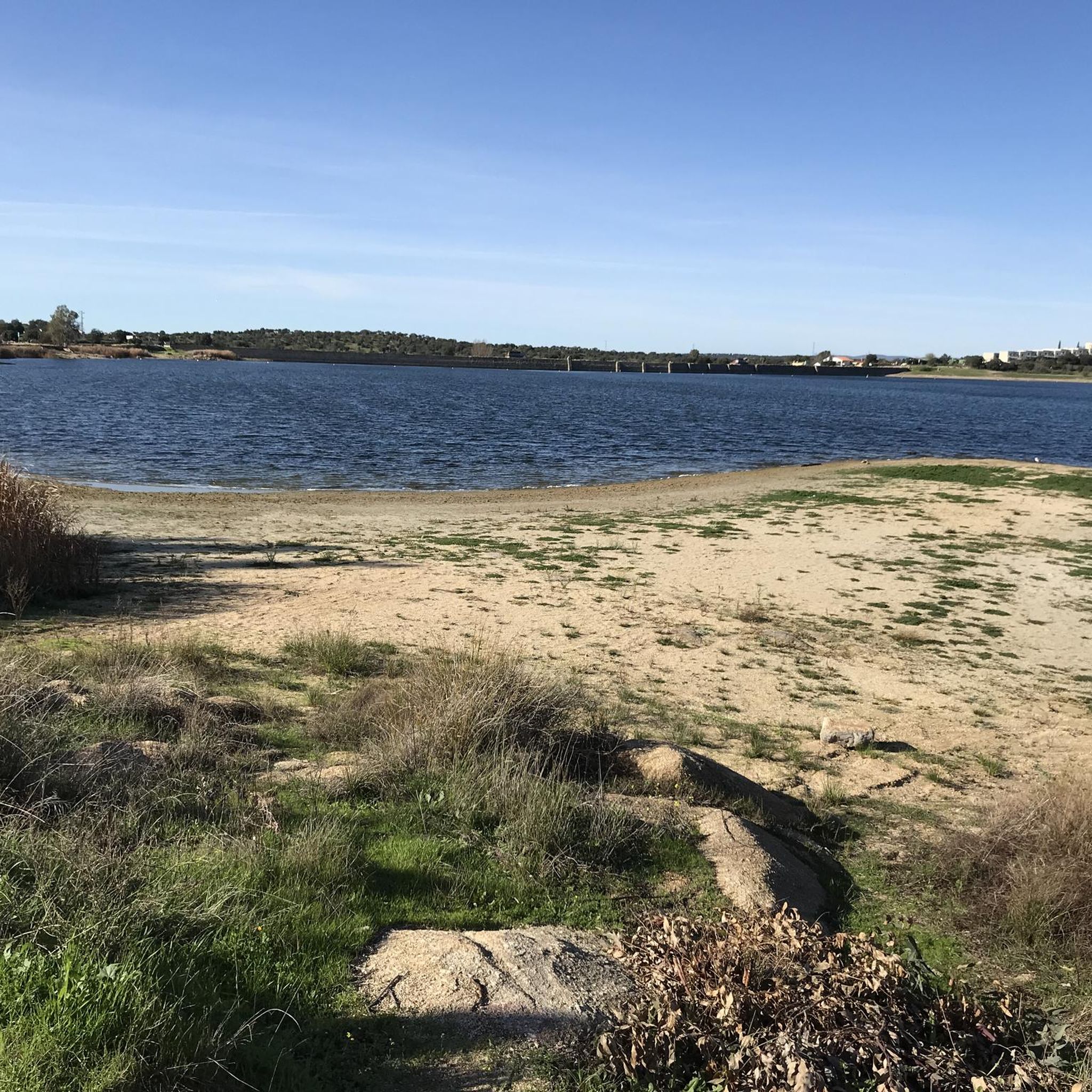
The Alange Reservoir is an impressive engineering work located in the province of Badajoz, Extremadura, near the town of Alange and about 20 km from Mérida. The concrete dam was inaugurated in 1992 and is located on the Matachel River, close to its mouth in the Guadiana River.
3
0
The Cornalvo Dam is an impressive Roman engineering work located about 15 km from Mérida. Built in the 1st century AD, this dam is still in use today and is part of the Cornalvo Natural Park. The reservoir is an ideal place to enjoy nature and explore Roman history.
7
0
About five kilometres to the northwest of the city is this Roman reservoir, in the same place where the famous Battle of Albuera took place. It was in this battle that Isabel la Católica decided the dispute over the throne of Castile between her and Juana “la Beltraneja”.
3
0
Built around 130 AD, this dam was used to supply water to the ancient Roman city of Augusta Emerita. The reservoir and its surroundings were declared a natural park in 2004, making it an ideal destination for nature and history lovers.
7
0

Alto de la Cruz. 1.5km and 60m of gradient to exit via the bike lane (or road) from Proserpina towards Mérida.
0
1
Frequently Asked Questions
What are the most popular lakes to visit around Merida?
The most popular lakes around Merida are primarily man-made reservoirs with significant historical value. Key highlights include the Proserpina Roman Dam, one of the oldest and best-preserved Roman hydraulic works globally, and the Cornalvo Dam, built around 130 AD to supply water to Augusta Emerita. Visitors also enjoy the Views of the Alange Reservoir, an impressive modern engineering work.
Are there family-friendly activities at the lakes near Merida?
Yes, several lakes offer family-friendly options. The Proserpina Roman Dam and Proserpina Reservoir are noted as family-friendly. The Cornalvo Dam and Cornalvo Reservoir, located within the Cornalvo Natural Park, also provide a blend of nature and history suitable for families. Other family-friendly spots include Las Muelas Reservoir and Alange Reservoir.
What kind of historical landmarks can I find at these lakes?
The lakes around Merida are rich in history, primarily featuring ancient Roman hydraulic engineering. The Proserpina Roman Dam is a UNESCO World Heritage Site. The Cornalvo Dam is another Roman engineering marvel still in use today. You can also find the Roman Dam "Charca Grande", offering more insights into the region's Roman past.
What outdoor activities can I do near the lakes around Merida?
The lakes provide excellent opportunities for various outdoor activities. You can enjoy hiking, running, and gravel biking. For hiking, consider routes like the 'El Rugidero – circular by the Cornalvo Natural Park' or 'Las Muelas Reservoir – El Rugidero loop.' Runners can explore trails such as the 'Ride to the Prosperina Reservoir' or the 'Cornalvo Reservoir Trail.' Gravel biking enthusiasts have options like the 'Roman Dam of Proserpina – Acueducto de los Milagros loop.' You can find more details on these activities in the Waterfall hikes around Merida, Running Trails around Merida, and Gravel biking around Merida guides.
Are there challenging hikes around the Merida reservoirs?
Yes, there are challenging hikes available. For instance, the 'El Rugidero – circular by the Cornalvo Natural Park' is rated as difficult. The 'Route Peñas Blancas by the Minas de la Zaza' and the 'Guadiana Natural Trail' are also considered difficult running trails that can be adapted for challenging hikes. These routes often feature varied terrain within natural parks.
What natural features can I expect to see around the lakes?
The lakes are often surrounded by diverse natural landscapes, including natural parks. The Cornalvo Dam and Cornalvo Reservoir are part of the Cornalvo Natural Park, which is particularly beautiful in leafy and wet seasons. You'll find scenic viewpoints like the Views of the Alange Reservoir, offering spectacular vistas of the water and surrounding terrain.
What is the best time to visit the lakes around Merida?
While specific seasonal recommendations for each lake vary, visiting during leafy and wet seasons can enhance the beauty of areas like the Cornalvo Natural Park. Generally, spring and autumn offer pleasant temperatures for outdoor activities. Always check local conditions before your visit.
Can I find circular walks around the Merida lakes?
Yes, circular routes are available. The 'Pantano de Cornalvo Circular Route' is a notable example, offering an intermediate trail around the Cornalvo Reservoir. Other routes, such as 'El Rugidero – circular by the Cornalvo Natural Park,' also provide circular options for exploring the area.
What do visitors enjoy most about the lakes around Merida?
Visitors particularly appreciate the blend of nature and history. The impressive Roman engineering works, such as the Proserpina Roman Dam and Cornalvo Dam, are highly valued. The scenic viewpoints, like those at the Alange Reservoir, and the opportunities for outdoor activities within protected natural areas also receive positive feedback from the komoot community.
Are there easy lake walks near Merida?
Yes, there are easier options for walks. For example, the 'Las Muelas Reservoir – El Rugidero loop' from El Rugidero or Parque Natural de Cornalvo are both rated as easy hikes, perfect for a relaxed stroll around the natural surroundings of the reservoirs.
Where can I find viewpoints of the lakes?
Many lakes offer excellent viewpoints. The Views of the Alange Reservoir is a dedicated viewpoint offering spectacular vistas of the impressive concrete dam. The ascent/descent to the Castillo de Alange also provides panoramic views of the reservoir. Additionally, the Las Muelas Reservoir and Horno Tejero Reservoir also feature viewpoints.
Most popular routes around Merida
Most popular attractions around Merida

Get inspired with the komoot mobile app


Didn’t find what you were looking for?
Find the best lakes around Merida per region:
Explore more
Still not found your perfect lake around Merida? Check out the guides of these regions to see even more beautiful places.
