Top 13 Lakes around Costera
Lakes around Costera offer a diverse natural landscape characterized by mountainous terrain, rivers, and springs. While prominent natural lakes are not a primary feature within the Costera comarca itself, the region provides various natural spots and hiking routes. These areas highlight the environmental richness, offering opportunities to explore Mediterranean landscapes and local flora and fauna. Visitors can find a mix of natural and man-made water bodies, including parks with artificial lakes and natural monuments.
Best lakes around Costera
- The most…
Last updated: October 13, 2026
Las Llamas Atlantic Park
Highlight • Rest Area
Translated by Google •
Tip by

Pozo Menor de Valcaba
Highlight • Lake
Translated by Google •
Tip by

Sign up now to discover places like this
Get recommendations on the best single tracks, peaks, & plenty of other exciting outdoor places.
Santoña Marshes
Highlight • Natural
Translated by Google •
Tip by

Oyambre Natural Park
Highlight • Natural Monument
Translated by Google •
Tip by

Santoña, Victoria and Joyel Marshes Natural Park
Highlight • Natural
Translated by Google •
Tip by
La Vaguada de Las Llamas Park
Highlight • Rest Area
Translated by Google •
Tip by

Lago Mayor de los Pozos de Valcaba
Highlight • Lake
Translated by Google •
Tip by
PozoMayor
Highlight • Lake
Translated by Google •
Tip by

El Juncal Reservoir
Highlight • Lake
Translated by Google •
Tip by
Lower Noja Pool
Highlight • Lake
Translated by Google •
Tip by
Sign up for free to discover even more lakes around Costera.
Already have an account?
Start today with a free account
Your next adventure awaits.
Popular around Costera
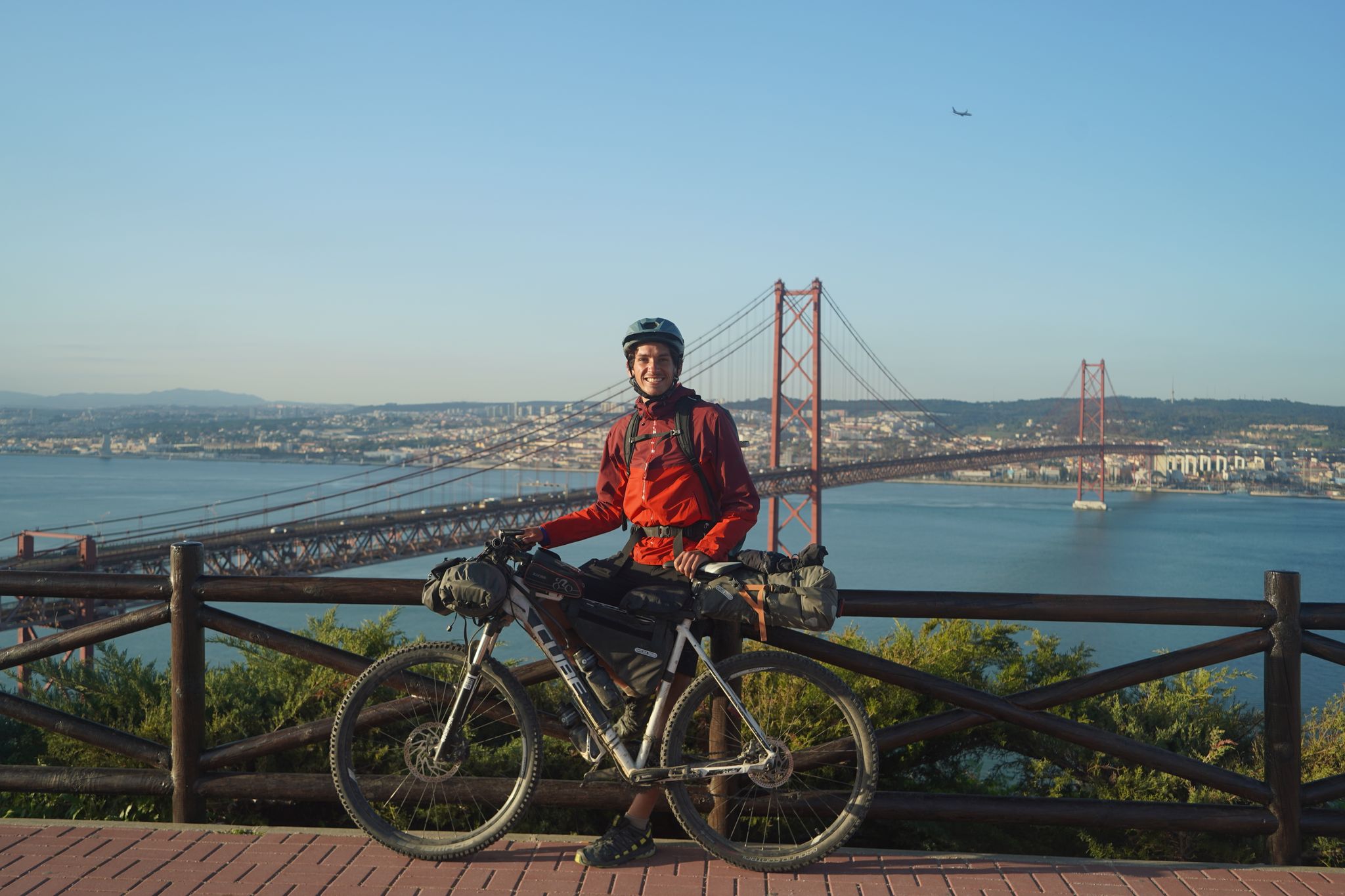
Road to Lisbon – bikepacking the Alps, Pyrenees and Picos de Europa
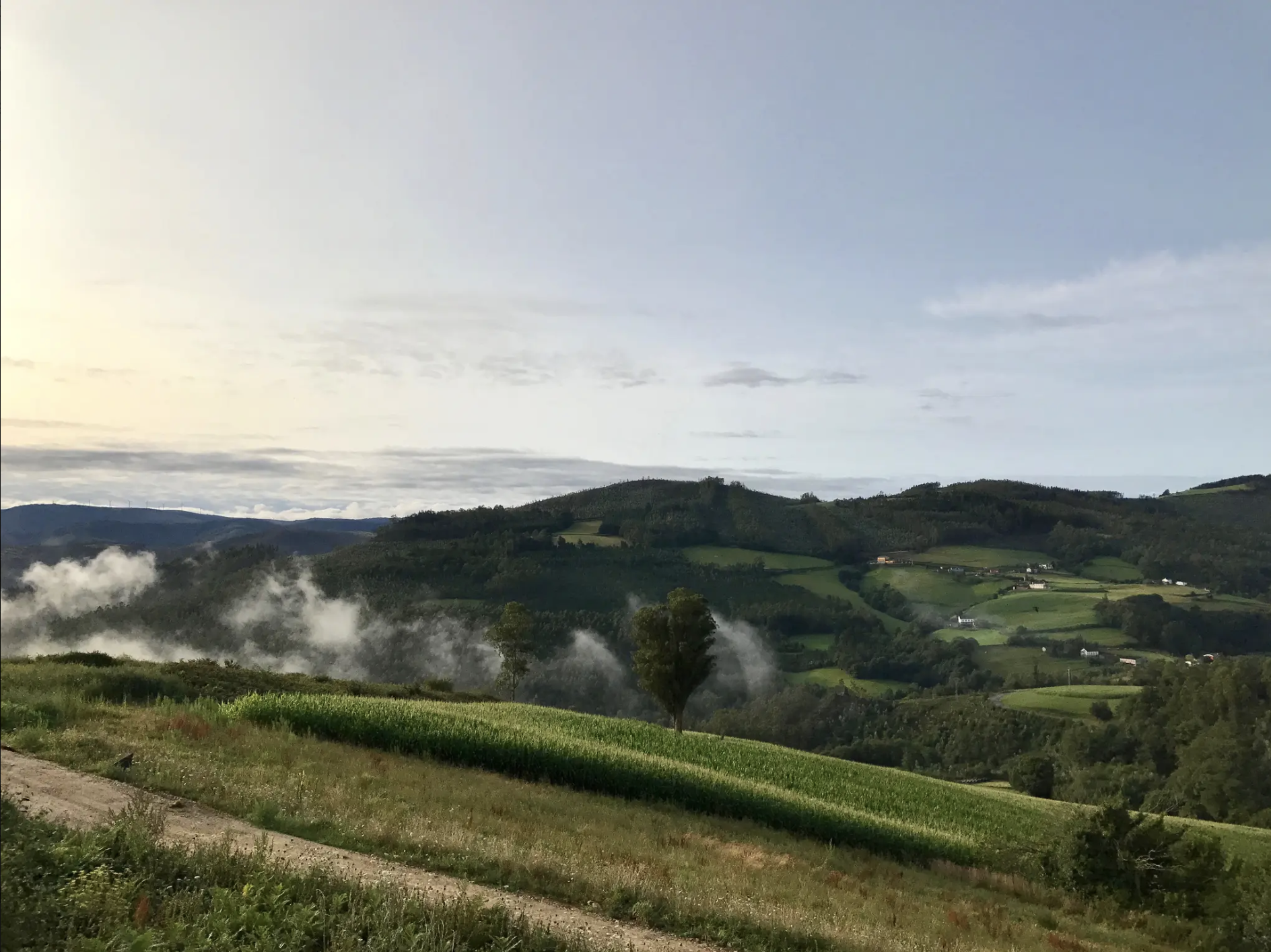
Camino del Norte (in reverse) – Discovering northern Spain's stunning coastline
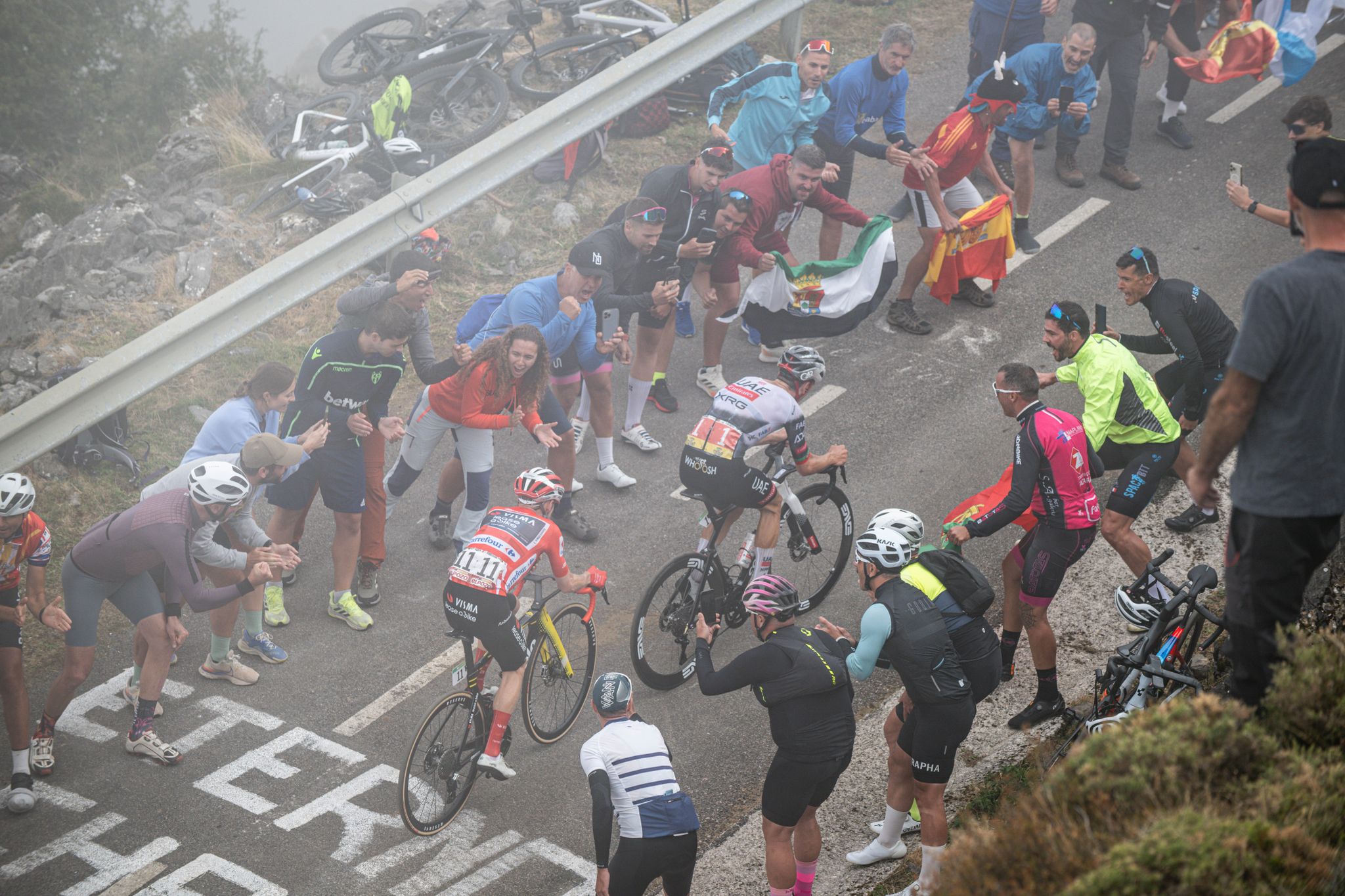
Mythical Passes and Sections of La Vuelta
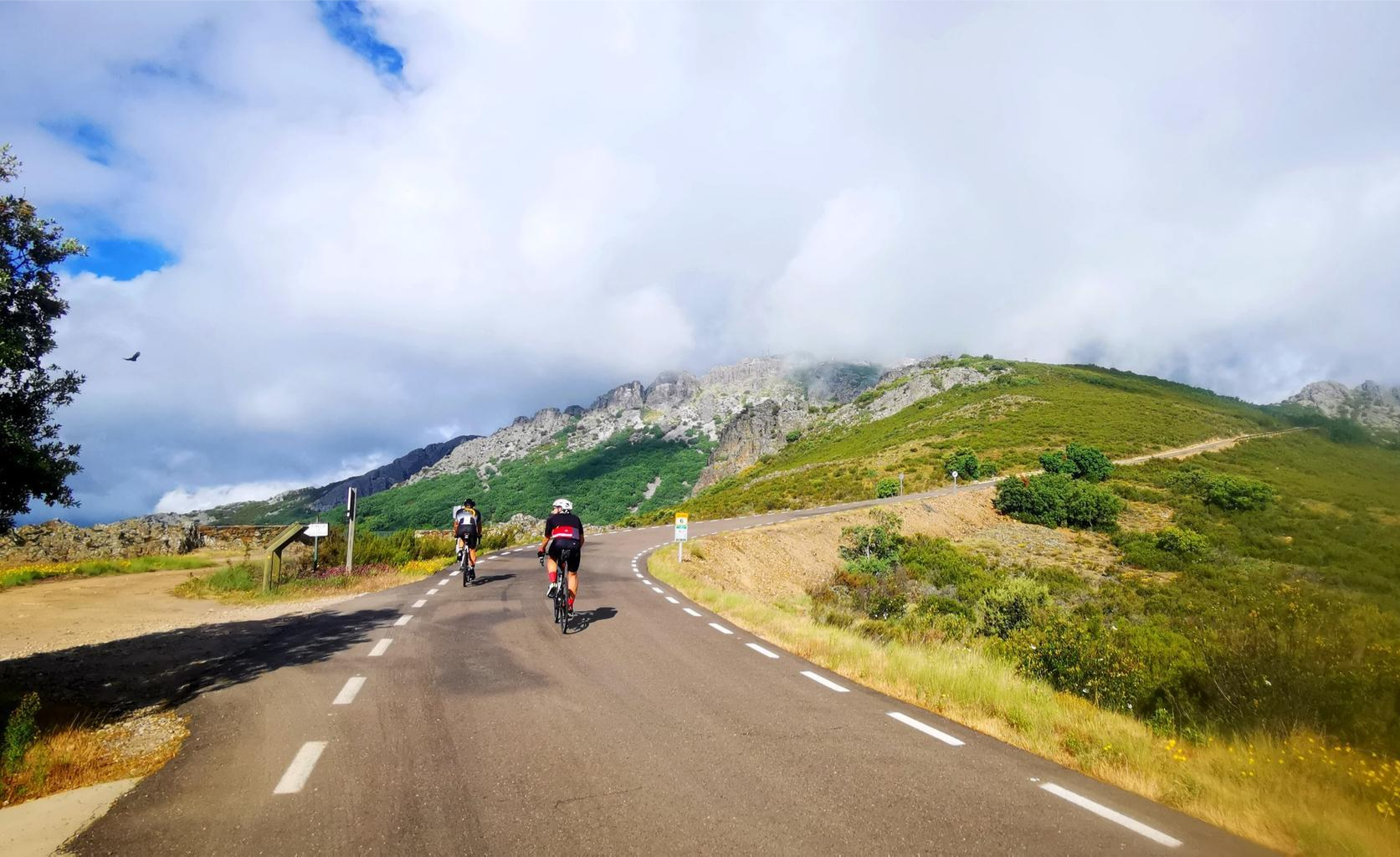
Legendary climbs - Ports of La Vuelta a España
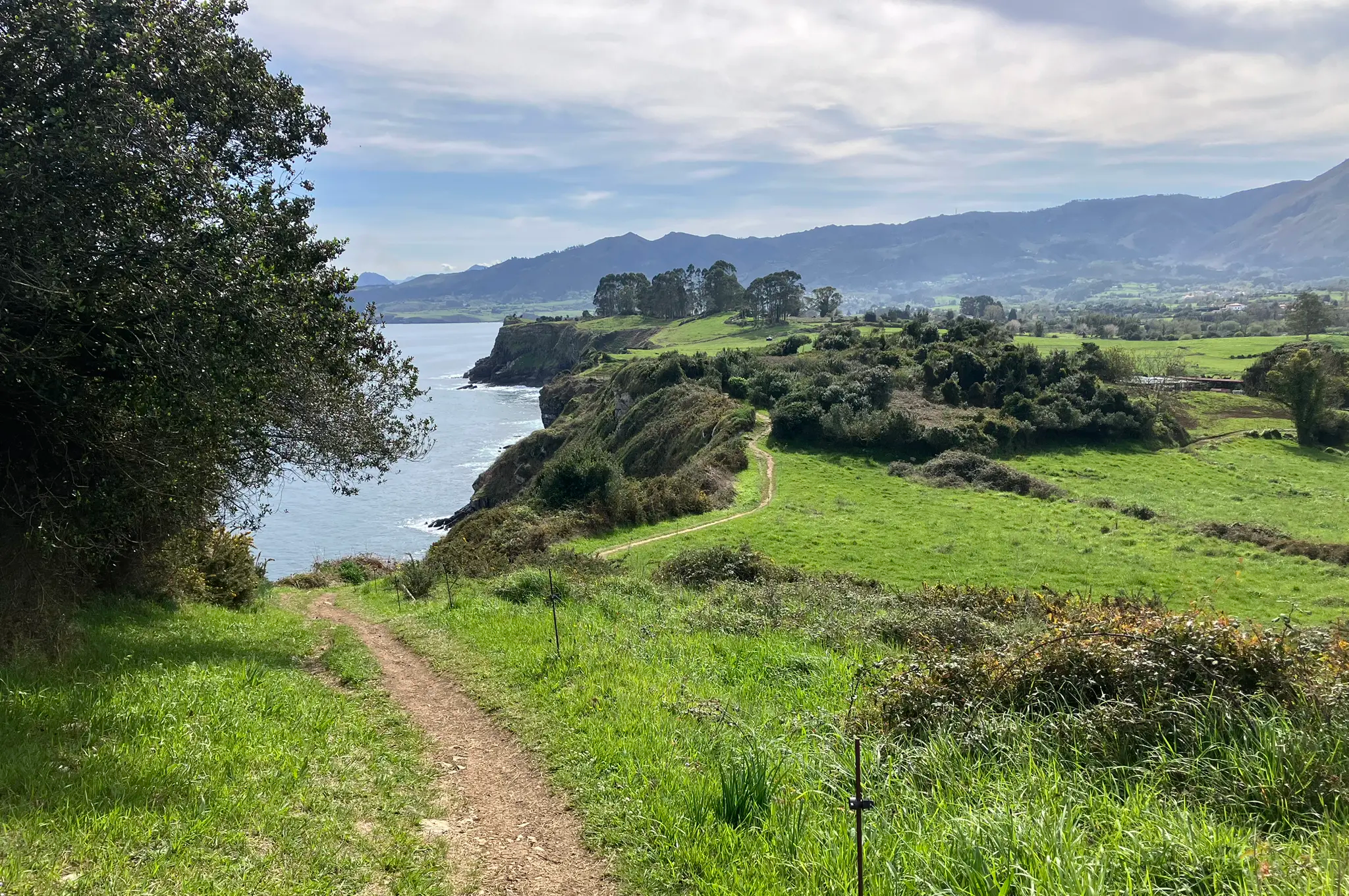
Green, Blue and Gold - Coastal Path through Asturias (GR 204)
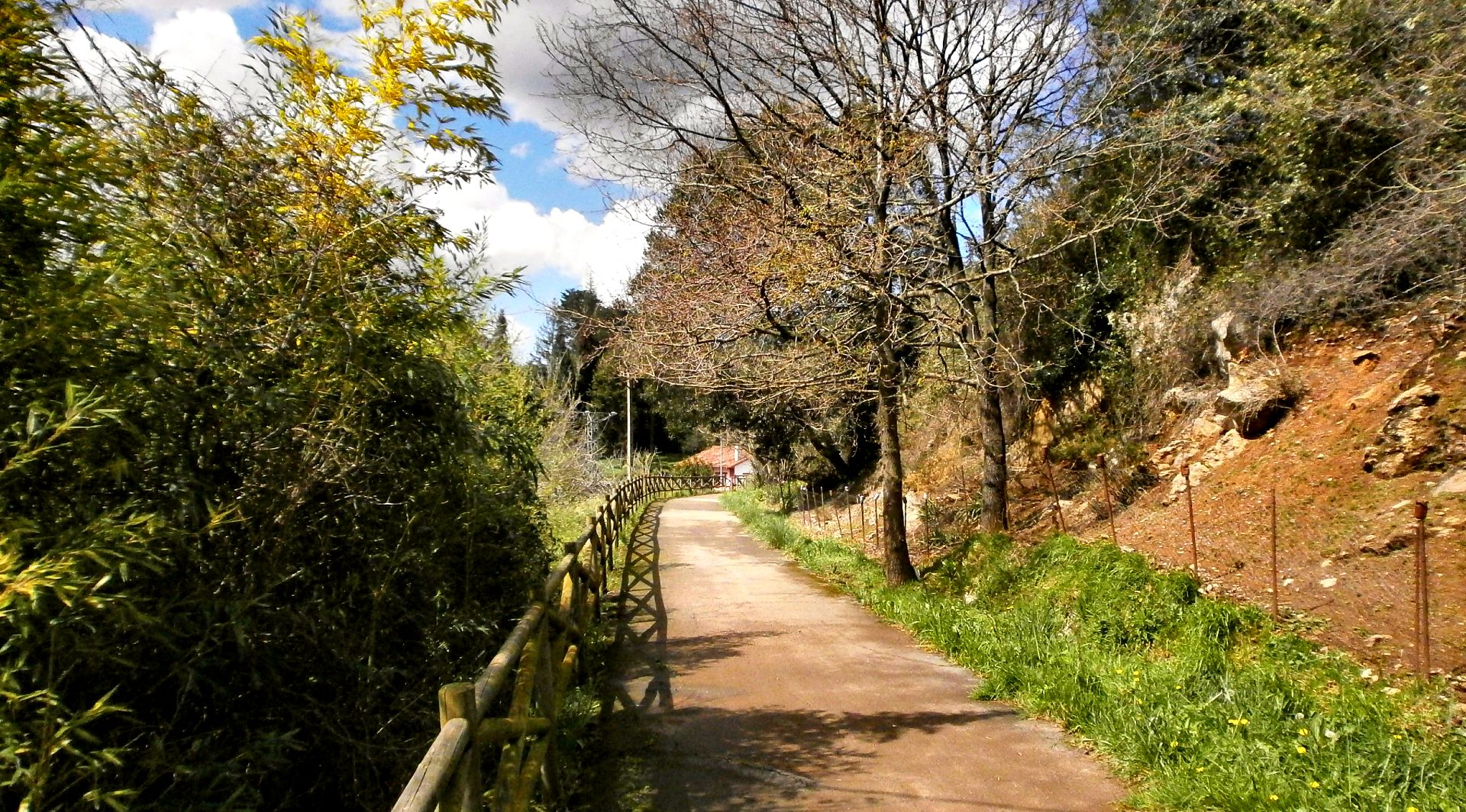
Vía Verde del Pas - Along the Riverbank through Cantabria
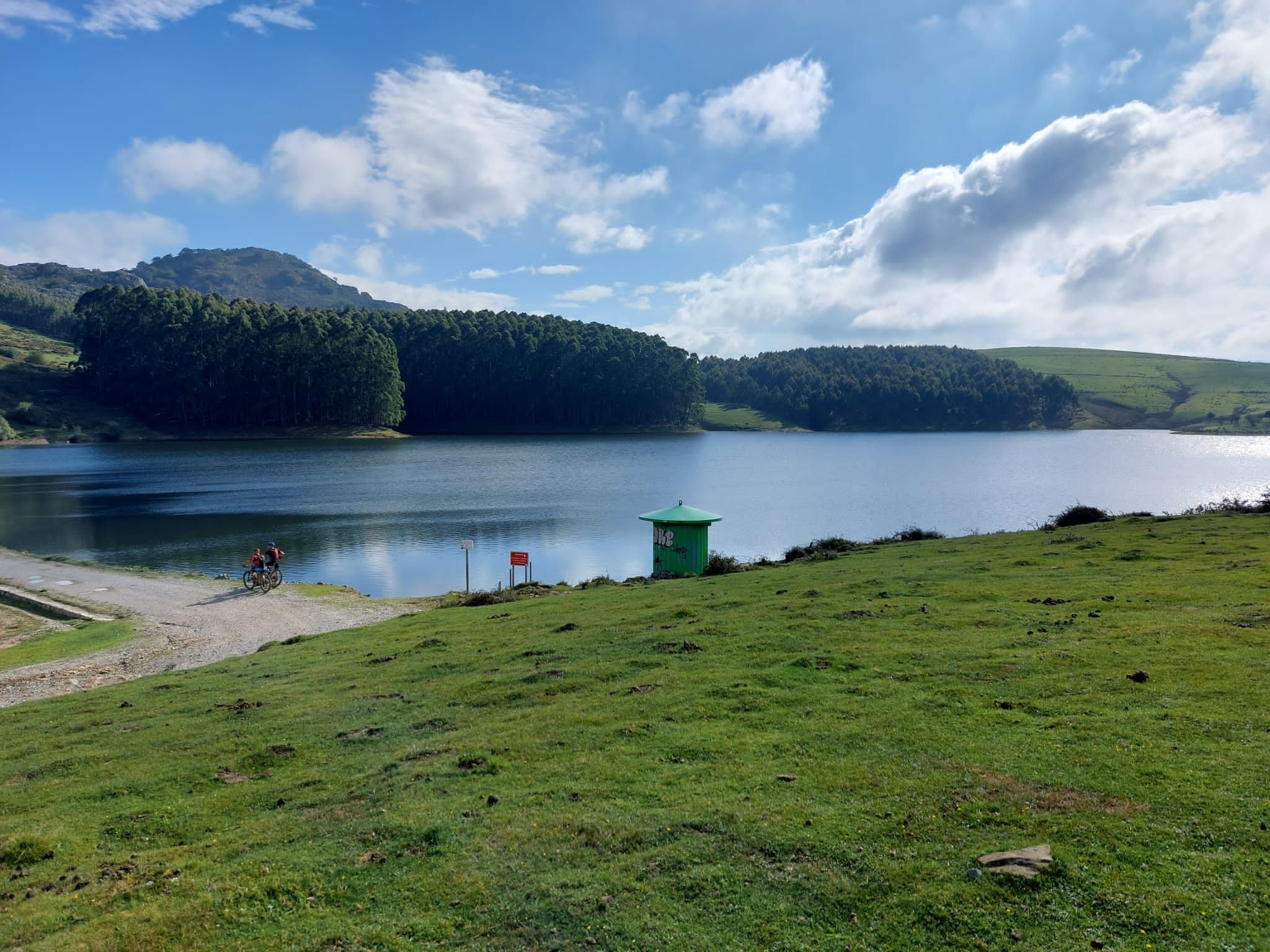
Cycle between land and sea in northern Spain – Pedales de Cantabria
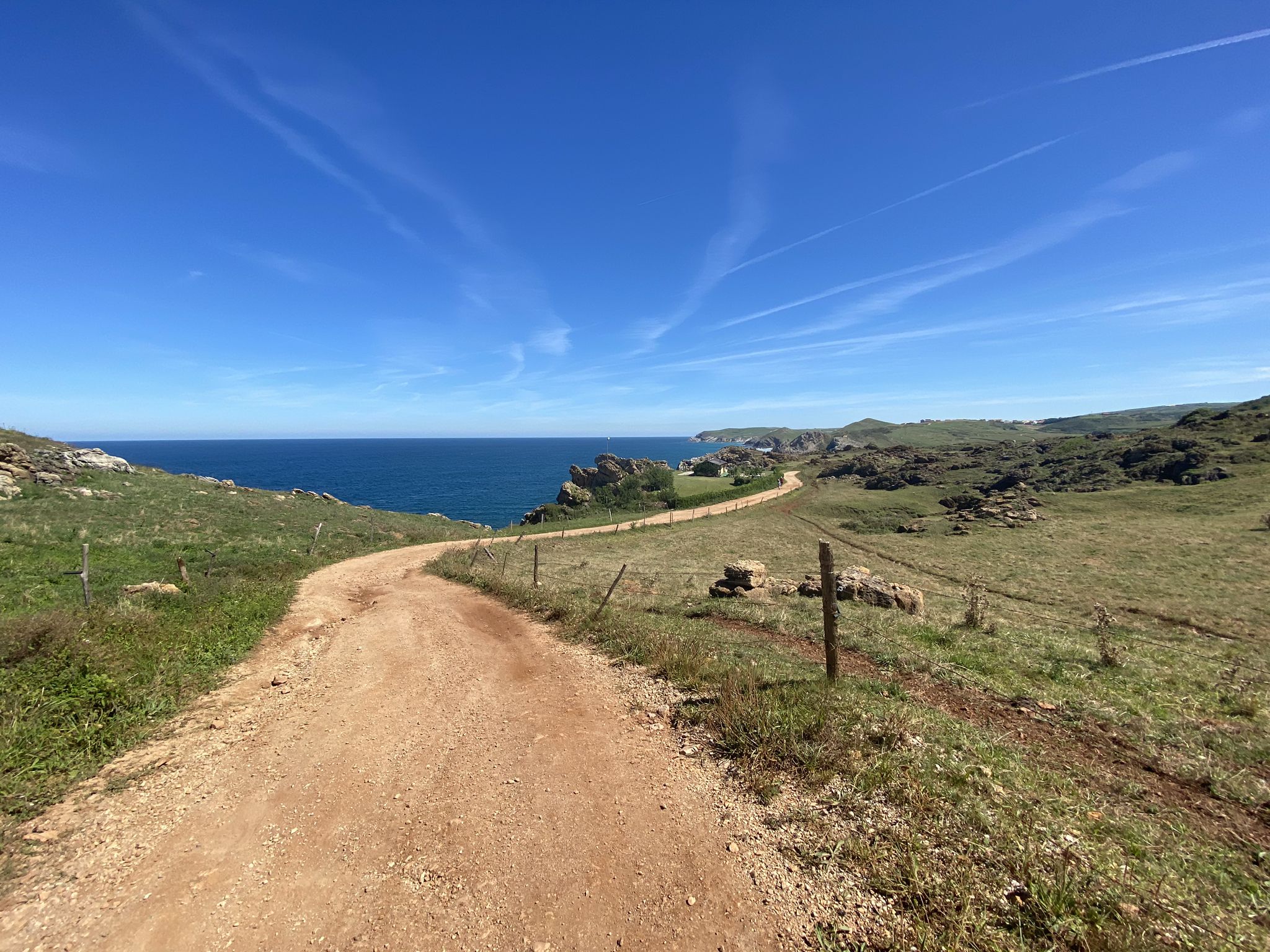
Paths and waves – surf trip by bike in Cantabria
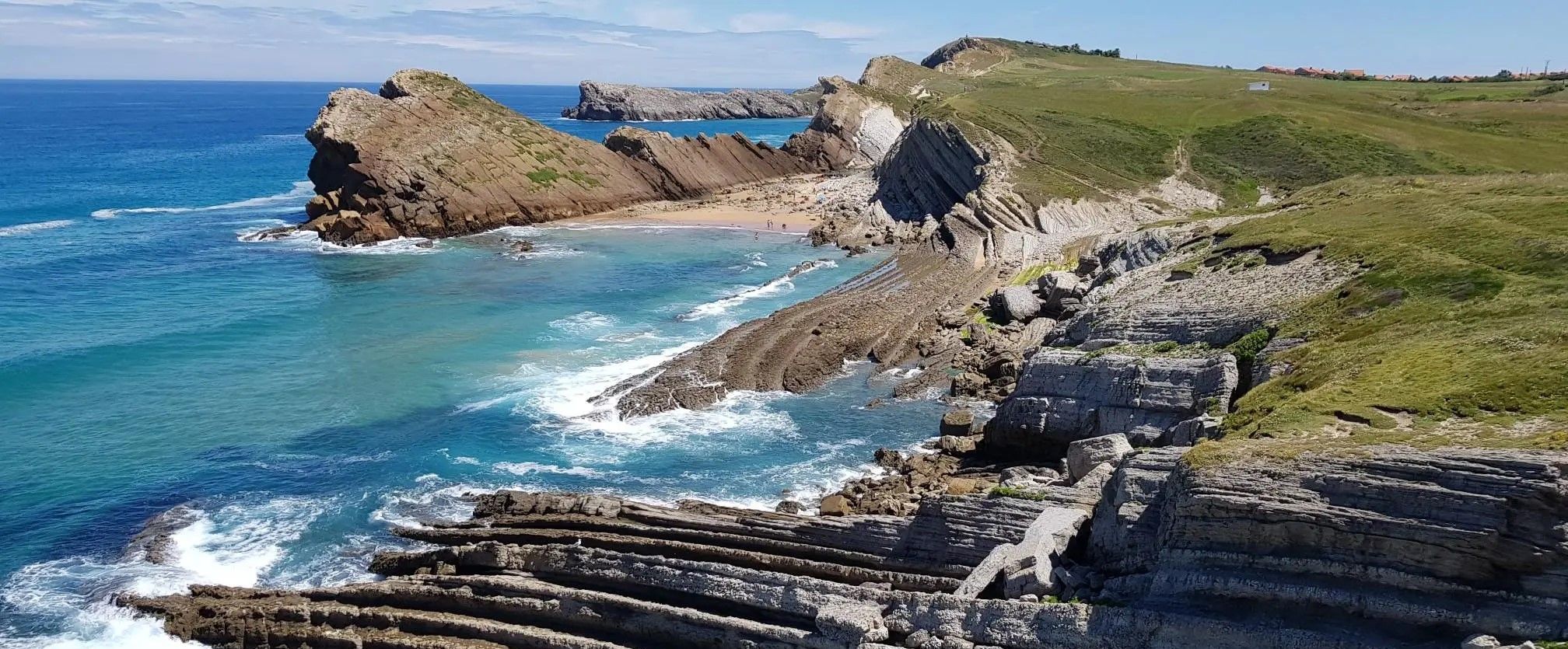
Water everywhere — Amazing routes near Santander
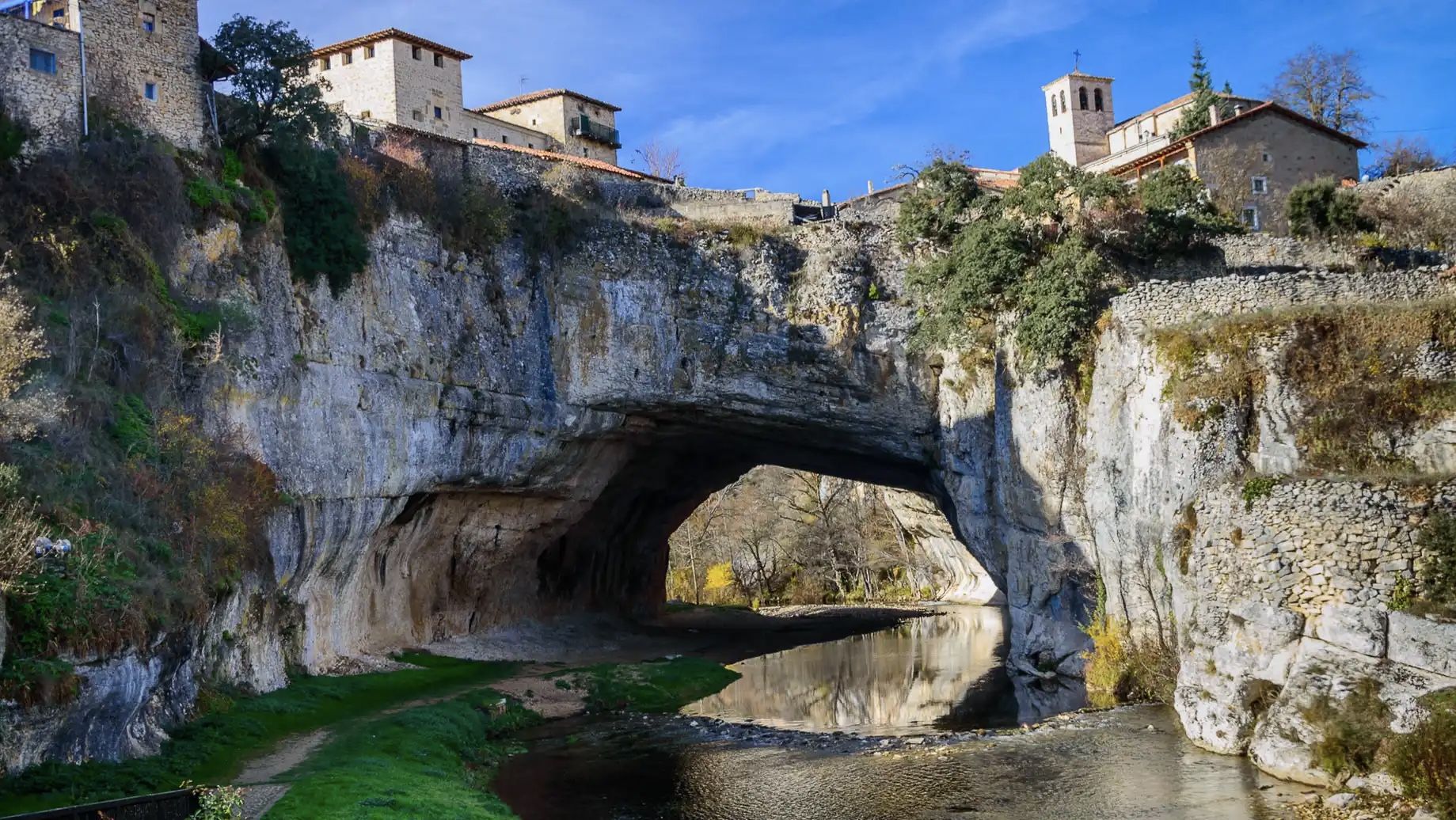
An epic getaway – Santander-Mediterráneo Nature Trail
Other adventures around Costera


Tips from the Community


Las Llamas Park or Las Llamas Valley Park (officially Las Llamas Atlantic Park) is an 11-hectare urban park in the city of Santander, in the autonomous community of Cantabria (Spain). The first phase of this green space opened to the public on May 11, 2007. Another 426,000 m² are planned, extending almost to the border with La Albericia. Once completed, it will be the most wooded park in the city.
1
0

Almost 2 hectares, it must be beautiful on a cloudy day. I tried to skirt it but had to give up.
3
0
A joyful corner, to think, to stop.
2
0
Smaller than their "superior" namesakes, but perhaps more charming than them.
2
1

Lower well of the two so-called Pozos de Noja, which were artificial pools from the old Electra Pasiega. It contains much less water than its brother, the upper well, but it has beautiful views of the bay and on its side are some ruins of a cabin and you can cross to the other side through its old retaining wall that is still standing.
2
1

The Natural Park of the Marismas de Santoña, Victoria and Joyel is the largest wetland in Cantabria with an area that covers 6679 hectares. It is the ideal place for bird watching - more than 121 species of waterfowl live here.
1
0
The Oyambre Natural Park has an extension of 57 square kilometers and consists of enormous beaches surrounded by an extensive forest mass. The Picos de Europa mountain range in the background is impressive. It is a territory of great ornithological richness, located mainly in its estuaries and marshes.
0
0
Frequently Asked Questions
What kind of lakes can I expect to find around Costera?
The Costera region is characterized more by rivers and springs than large natural lakes. However, you'll find a mix of natural spots with water bodies, artificial lakes within urban parks, and natural monuments featuring estuaries and marshes. These areas offer diverse landscapes for exploration.
Are there any significant natural parks with lakes near Costera?
While Costera itself doesn't have large natural lakes, the broader Valencian Community is home to the Albufera Natural Park. This vast freshwater lagoon, located about 10 kilometers south of Valencia, is Spain's largest freshwater lake and a crucial wetland for birdwatching and traditional rice cultivation.
Which lakes are best for families with children?
Several spots are great for families. Las Llamas Atlantic Park offers countless paths, artificial lakes, and fountains, perfect for a day out. La Vaguada de Las Llamas Park is another modern park with a mini biotope and ducks that children often enjoy. Additionally, Oyambre Natural Park provides extensive beaches and forests, suitable for family outings.
Where can I go for birdwatching near Costera's lakes?
For exceptional birdwatching, head to Oyambre Natural Park, known for its extensive estuaries and marshes which are rich in ornithological life. The Santoña, Victoria and Joyel Marshes Natural Park is also a prime location, being the largest wetland in Cantabria and home to over 121 species of waterfowl.
Are there lakes with good viewpoints for scenic photography?
Yes, several locations offer great views. Oyambre Natural Park provides impressive vistas with the Picos de Europa mountain range in the background. Santoña, Victoria and Joyel Marshes Natural Park also features viewpoints over its vast wetlands. Within urban settings, La Vaguada de Las Llamas Park offers pleasant views of its modern design and water features.
What outdoor activities can I do near the lakes around Costera?
The region around Costera offers a variety of outdoor activities. You can find numerous hiking trails, such as the challenging 'Devil's Eyes, Solpico, and Candina Loop' or the 'Cliffs of San Vicente de la Barquera Trail'. For cycling enthusiasts, there are routes like the 'Santander Coastal Trail' or the 'Pas Greenway Loop'. Explore more options on the Hiking around Costera and Cycling around Costera guides.
Are there any lakes suitable for easy walks or trails?
For easy walks, urban parks like Las Llamas Atlantic Park and La Vaguada de Las Llamas Park provide countless paved paths around their artificial lakes. For a more natural setting, the trails within Oyambre Natural Park offer accessible options through forests and along beaches.
Can I find lakes with parking facilities?
Yes, urban parks like Las Llamas Atlantic Park are designed with visitor convenience in mind and typically offer parking facilities nearby. For natural areas, it's advisable to check specific access points, but many popular natural parks have designated parking.
What is the best time of year to visit the lakes around Costera?
The best time to visit depends on your preferred activities. Spring and autumn offer pleasant temperatures for hiking and birdwatching, especially in natural parks like Albufera. Summer is ideal for enjoying coastal areas and beaches within parks like Oyambre, though it can be warmer. Winter can be good for less crowded visits and observing migratory birds.
Are there any man-made lakes or reservoirs in the Costera region?
Yes, the region includes man-made water bodies. For instance, El Juncal Reservoir is a notable example. Additionally, urban green spaces like Las Llamas Atlantic Park feature artificial lakes as part of their design.
What natural features, besides lakes, can I explore?
Beyond the lakes and water bodies, the Costera region offers a rich natural environment. You can explore extensive forest masses, natural dunes, and pristine beaches, particularly within Oyambre Natural Park. The region's mountainous terrain, rivers, and springs also provide opportunities to appreciate diverse Mediterranean landscapes and local flora and fauna.
Are there any less crowded lake spots for a peaceful visit?
For a more tranquil experience away from larger crowds, consider exploring some of the smaller, less prominent water bodies or natural monuments. Places like Pozo Menor de Valcaba or Pozo Tremeo and Forest Path might offer a quieter natural setting compared to the more popular urban parks or large natural reserves.
Most popular routes around Costera
Most popular attractions around Costera

Get inspired with the komoot mobile app


Didn’t find what you were looking for?
Find the best lakes around Costera per region:
