The best walks and hikes around Costera
4.4
(4709)
31,804
hikers
1,328
hikes
Hiking around Costera offers a diverse range of trails, primarily characterized by its coastal landscapes. The region features dramatic cliffs, lighthouses, and extensive litoral paths, providing varied scenery for hikers. These routes often present views of the Cantabrian Sea and lead through natural areas. The network of trails allows for exploration of both rugged coastlines and more sheltered paths.
Best hiking trails around Costera
- The most popular hiking route is Cliffs of San Vicente de la Barquera Trail, a…
Last updated: October 13, 2026
4.6
(119)
382
hikers
8.99km
02:32
180m
180m
Moderate hike. Good fitness required. Mostly accessible paths. Sure-footedness required.
4.7
(34)
166
hikers
12.9km
04:14
490m
490m
Hard hike. Good fitness required. Sure-footedness, sturdy shoes and alpine experience required.

4.4
(33)
110
hikers
14.2km
03:48
170m
170m
Moderate hike. Good fitness required. Mostly accessible paths. Sure-footedness required.
4.7
(38)
170
hikers
13.0km
04:35
570m
570m
Hard hike. Good fitness required. Sure-footedness, sturdy shoes and alpine experience required.
4.3
(14)
79
hikers
11.2km
03:02
150m
150m
Moderate hike. Good fitness required. Mostly accessible paths. Sure-footedness required.
4.8
(24)
105
hikers
15.0km
04:04
140m
140m
Hard hike. Good fitness required. Sure-footedness, sturdy shoes and alpine experience required.
4.6
(19)
130
hikers
Moderate hike. Good fitness required. Easily-accessible paths. Suitable for all skill levels.
4.6
(18)
68
hikers
15.5km
04:20
300m
300m
Moderate hike. Good fitness required. Easily-accessible paths. Suitable for all skill levels.
4.1
(16)
72
hikers
Hard hike. Good fitness required. Sure-footedness, sturdy shoes and alpine experience required.
4.5
(18)
67
hikers
8.79km
02:43
300m
300m
Moderate hike. Good fitness required. Mostly accessible paths. Sure-footedness required.
Get access to more routes and recommendations from other explorers.
Already have an account?
Our route recommendations are based on thousands of hikes, rides, and runs completed by other people on komoot.
Start today with a free account
Your next adventure awaits.
Popular around Costera
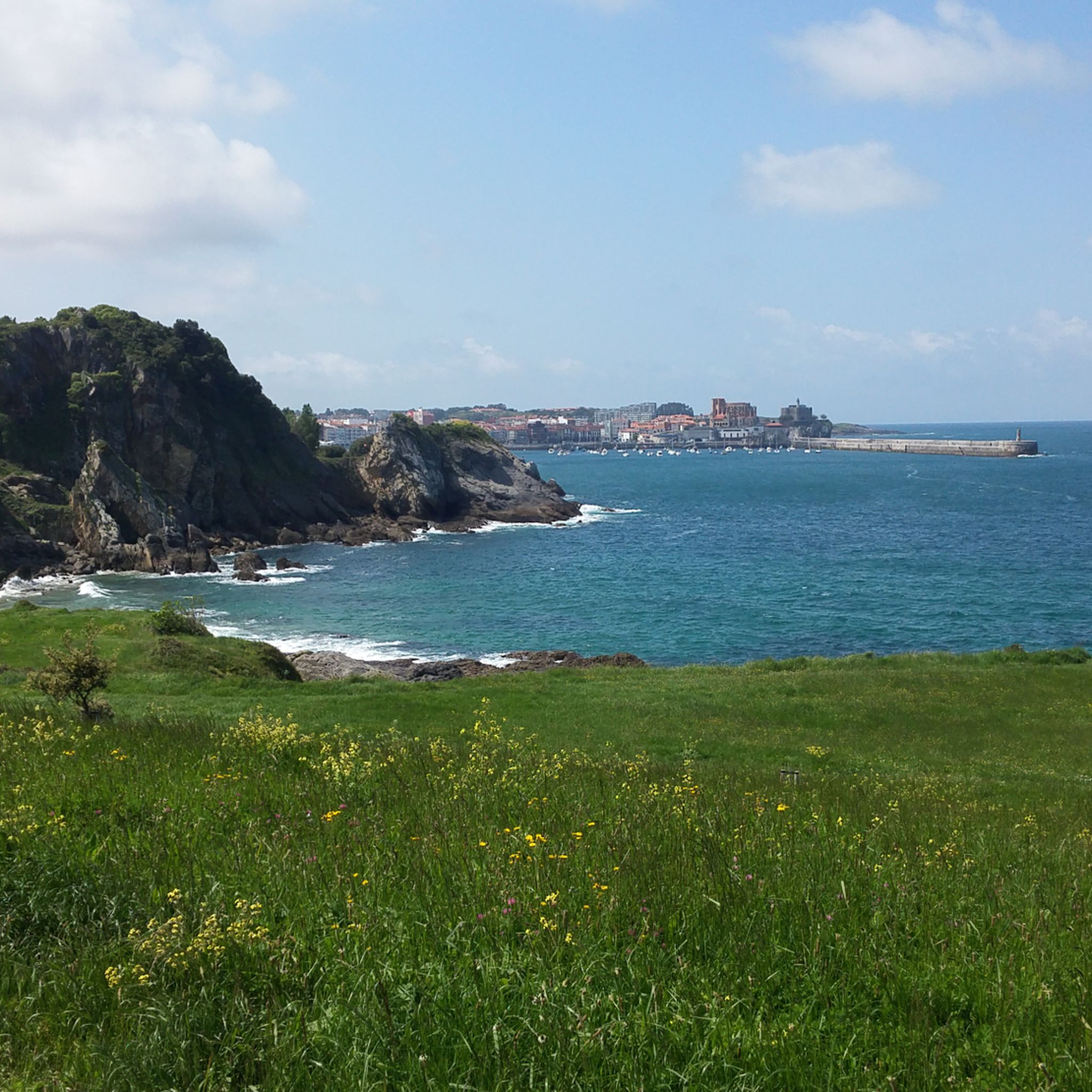
Hiking around Castro-Urdiales
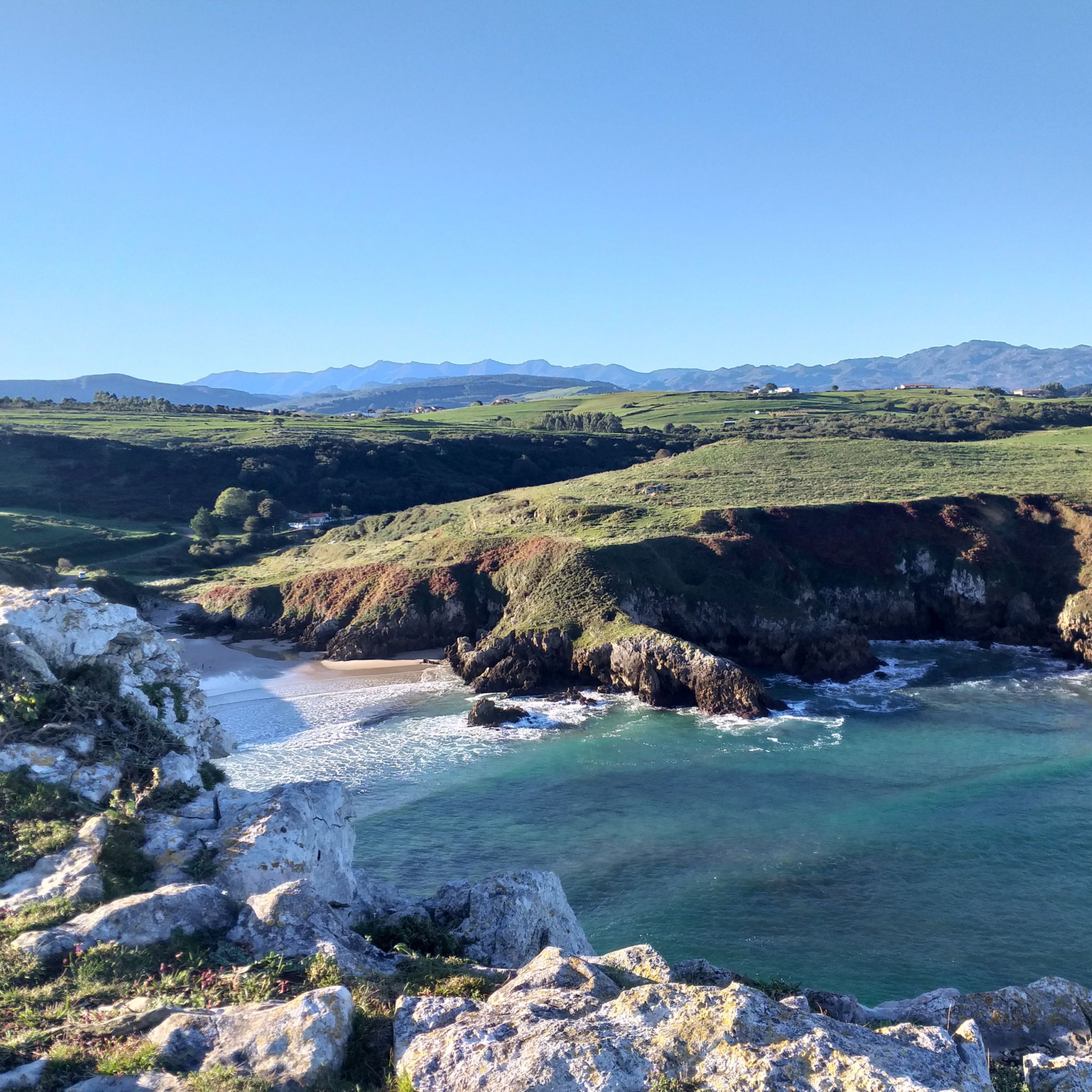
Hiking in Oyambre
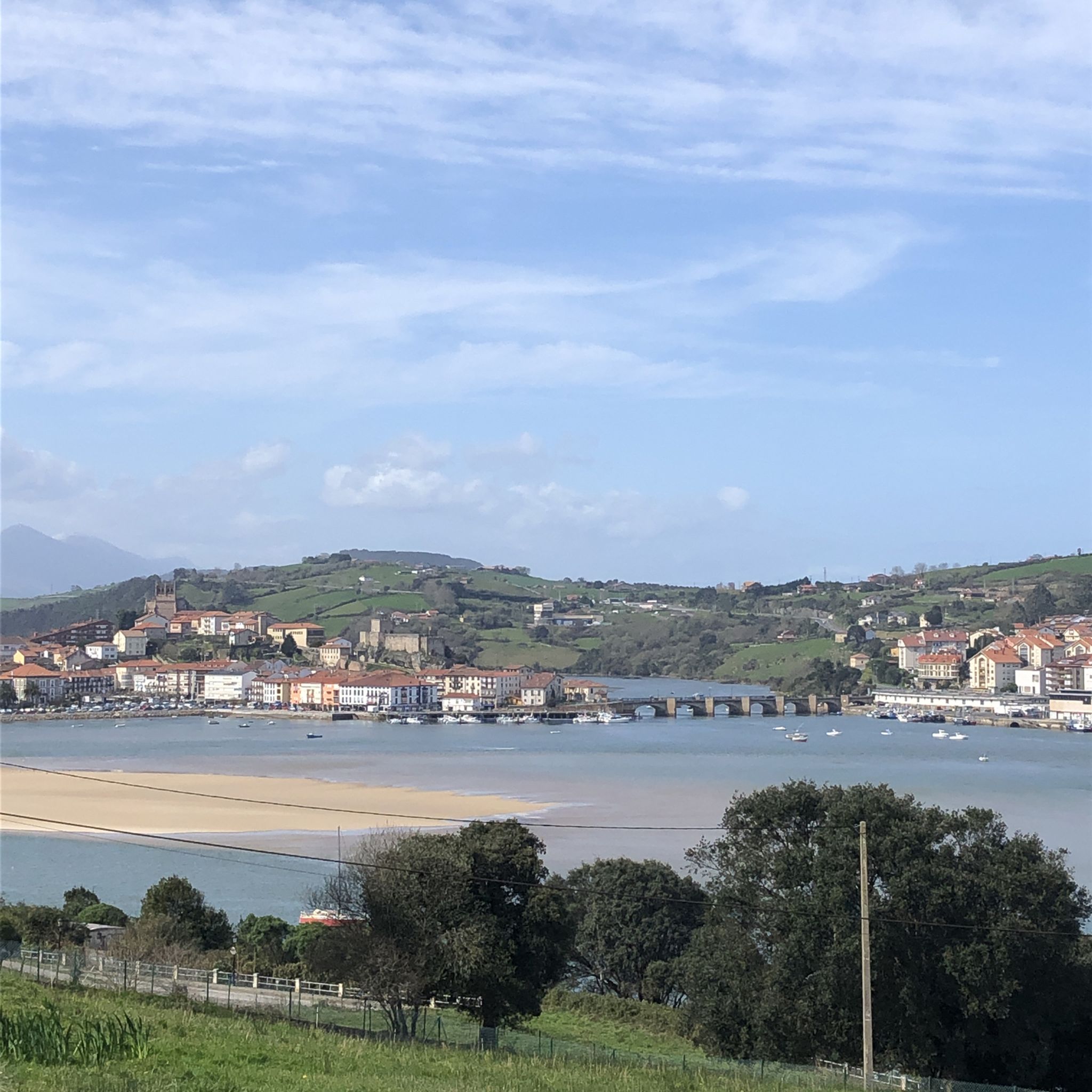
Hiking around National Park Oyambre
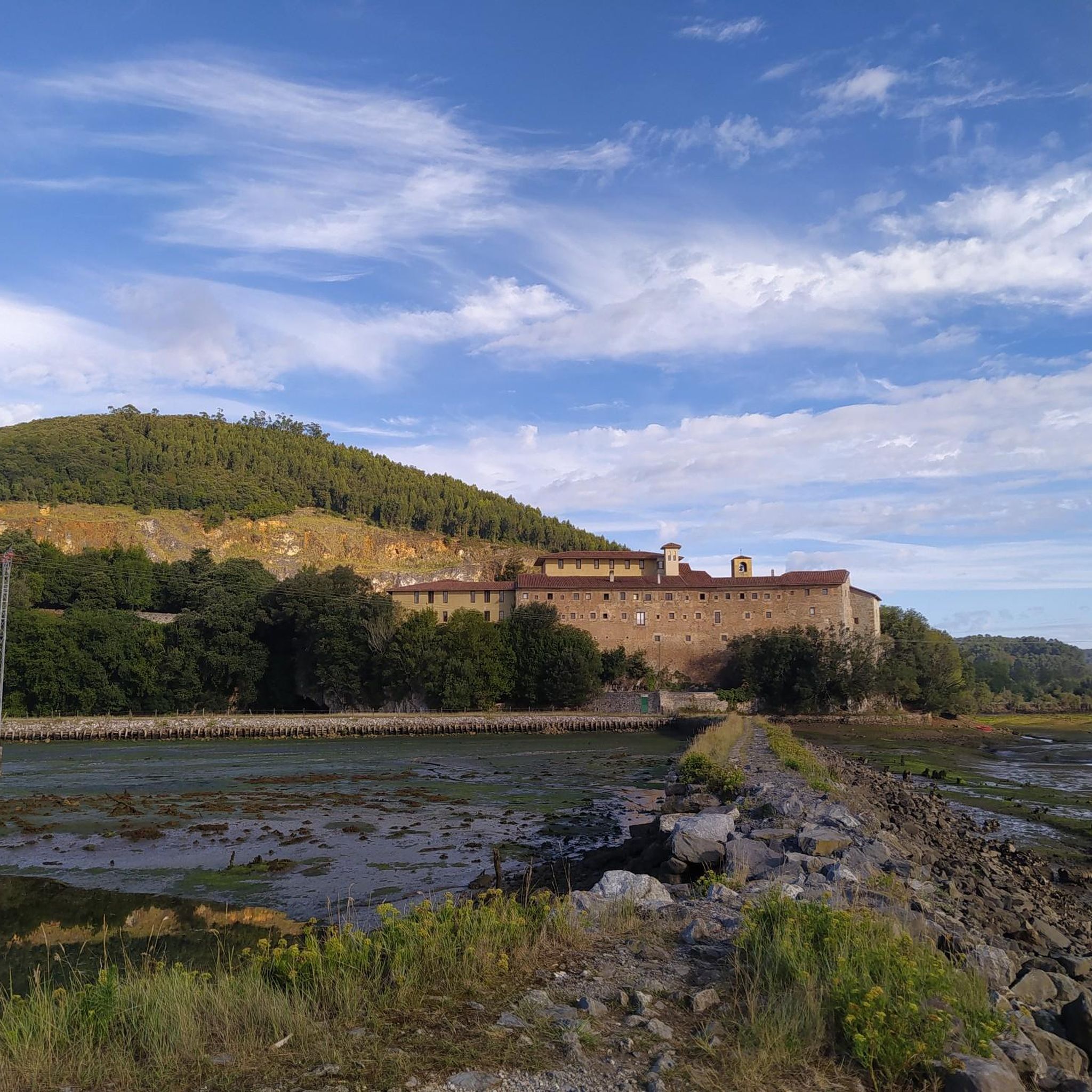
Hiking around Escalante
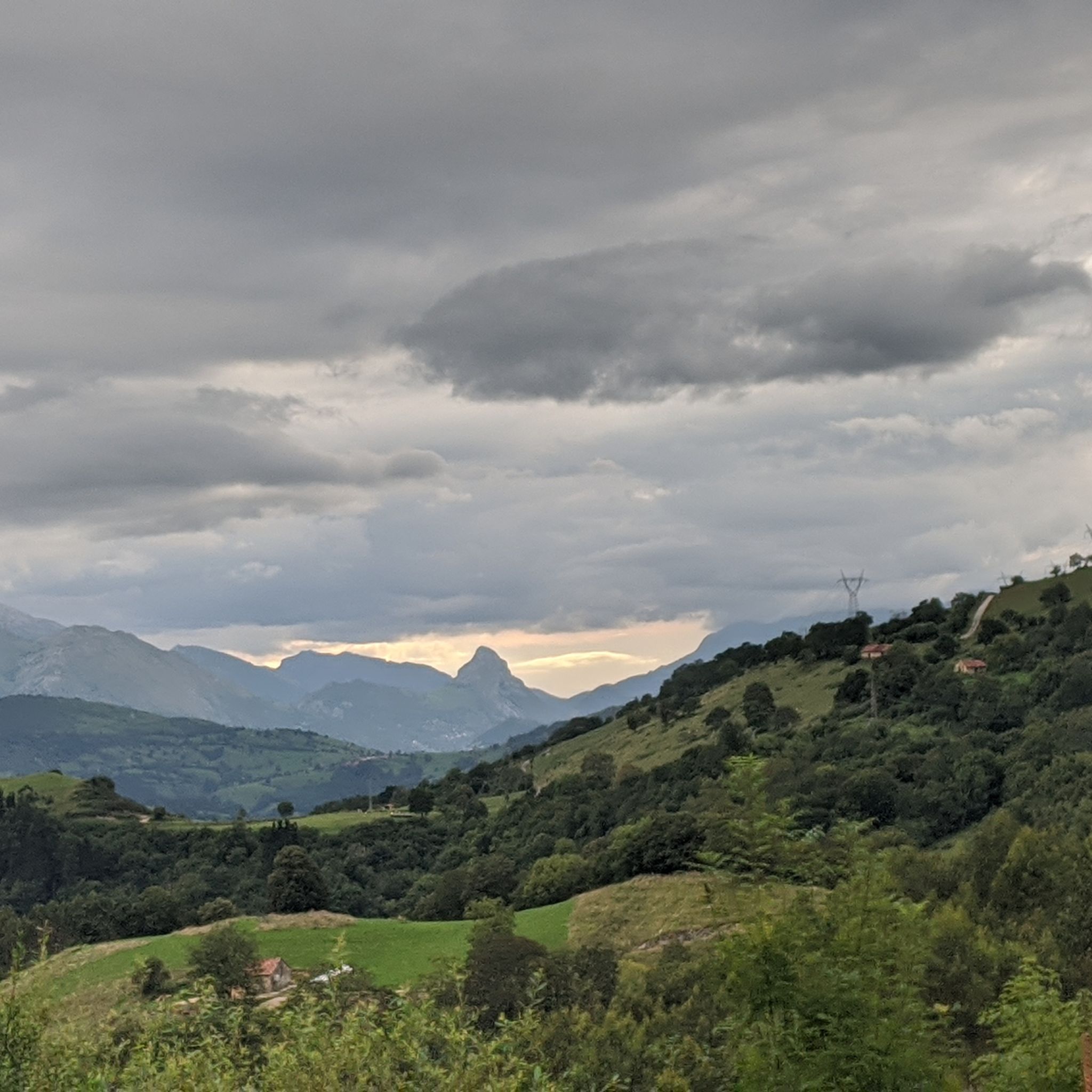
Hiking around San Vicente De La Barquera
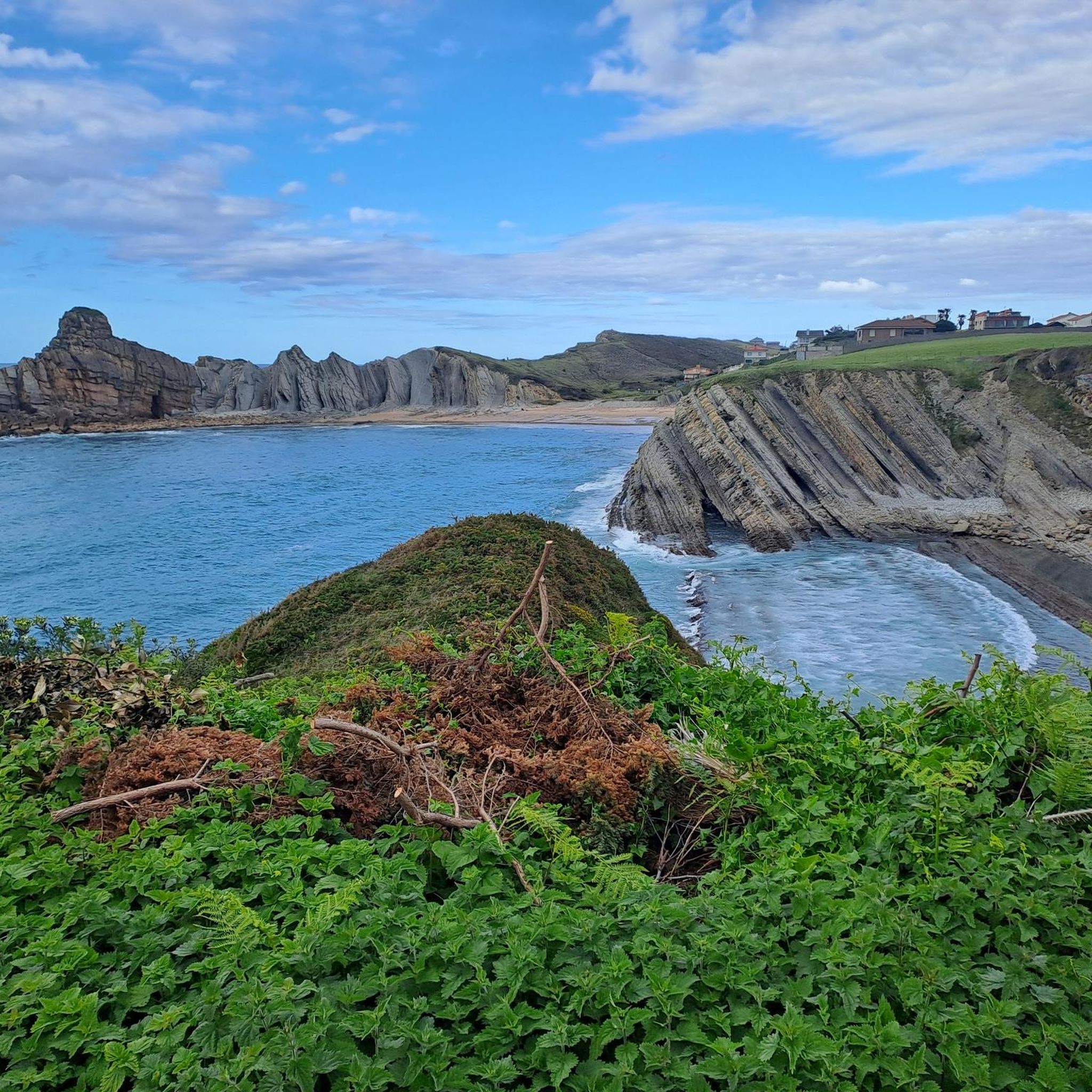
Hiking around Piélagos
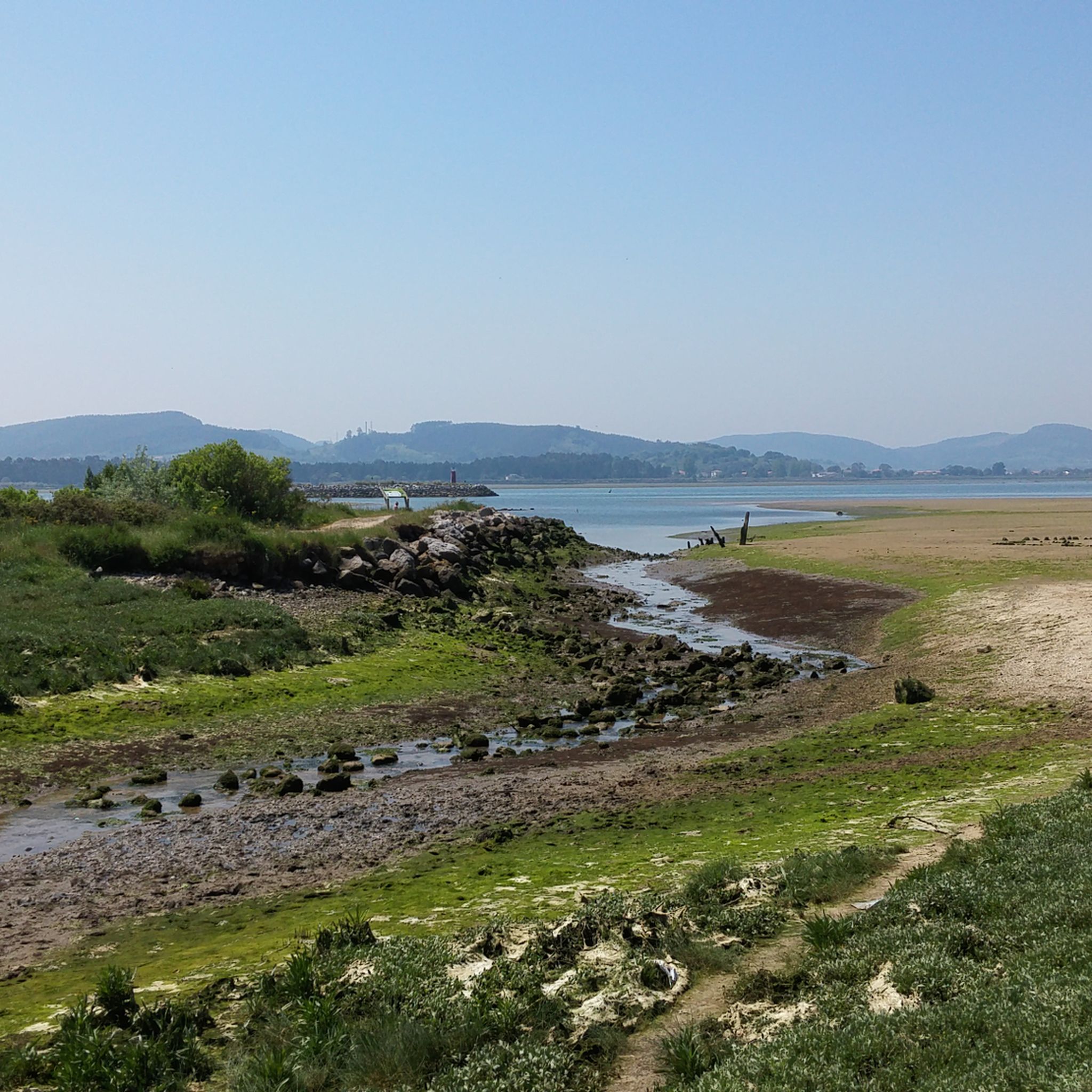
Hiking around Santoña
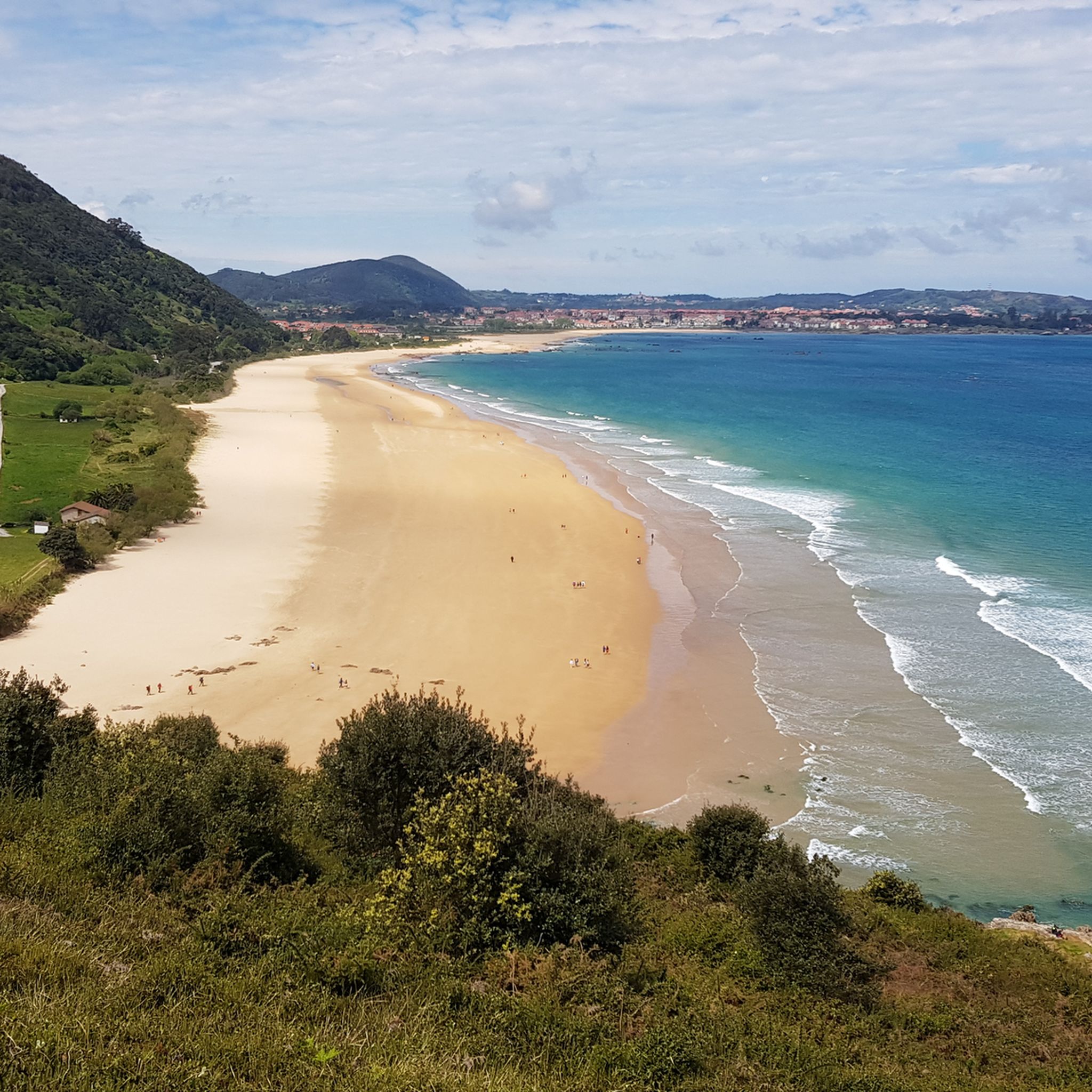
Hiking in Marismas De Santoña, Victoria Y Joyel
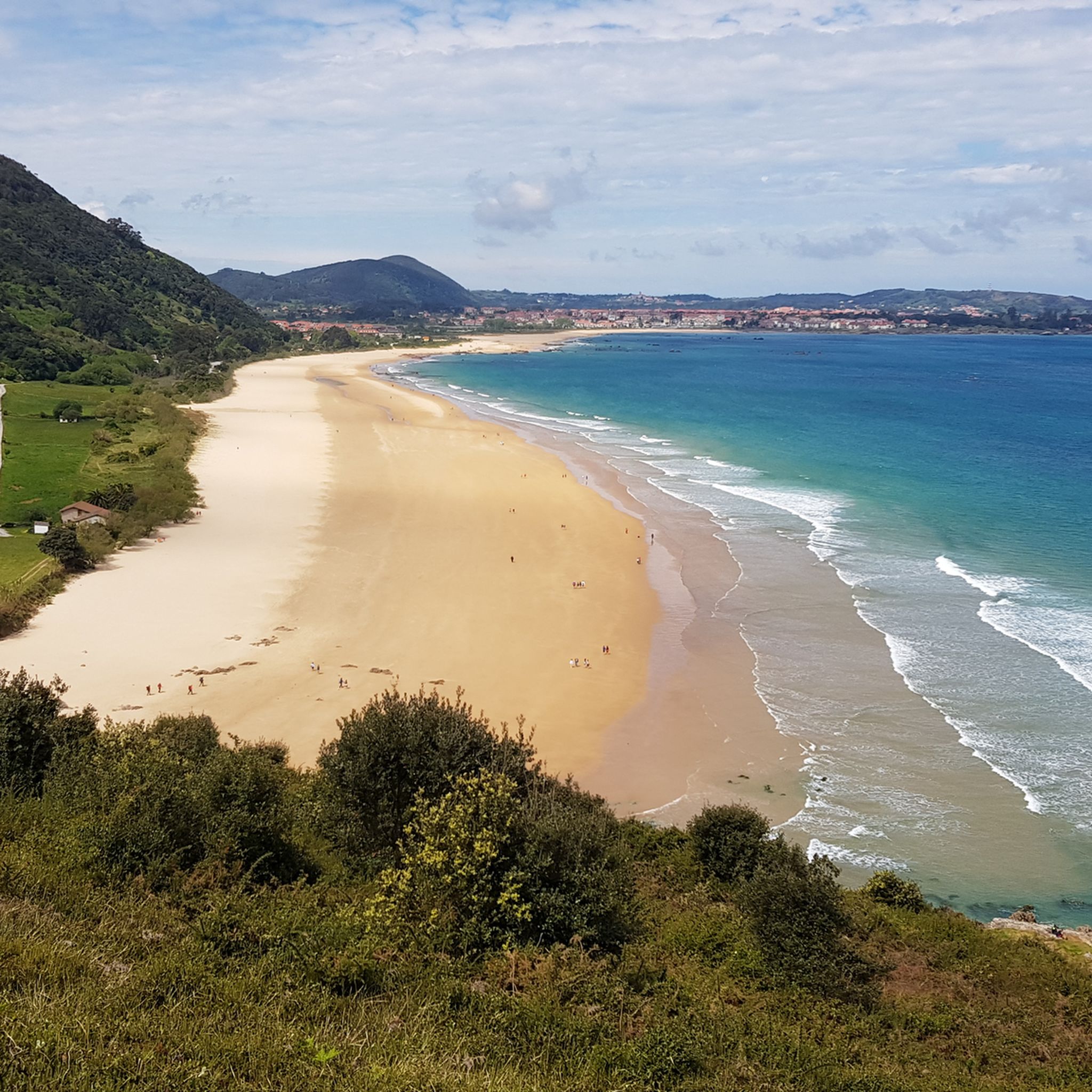
Hiking in Parque Natural De Las Marismas De Santoña
Hiking in Lic-Rias Occidentales Y Duna De Oyambre
Other adventures around Costera


Tips from the Community

For some, the term "raquero" comes from the verb "raquear," which in turn comes from the Latin "rapio, -is ," meaning to take what belongs to another against their will. For others, it comes from the English " wrecker ," which translates to ship thief or plunderer of shipwrecks. The Royal Spanish Academy (RAE) combines the two meanings and defines a "raquero" as a "thief who steals in ports and along coasts." In the past, the term was attributed to children who, in the late 19th and early 20th centuries, roamed among the machinery at Puerto Chico, waiting for an idle crew member or a wealthy tourist to throw a coin into the water that they could retrieve by diving. Today, it survives as a derogatory and contemptuous expression. Saiz Viadero points out that this is not a character exclusive to Santander, but has existed in other places such as Cartagena (where he is called icue ), in La Caleta in Cádiz, in Lisbon and, in general, in all the populous places of the coast, "his presence represents not only the misery in which the existence of a sector of the child and youth population of those cities that had a great traffic in their ports developed, but it is also representative of the large number of children from orphanages, with no other option than loitering to make a living mainly as friends of other people's property." Hence, the historian emphasizes the importance of keeping their memory alive.
0
0

The view through the devil's eye onto the coast at Sonabia is breathtakingly beautiful and rewards the strenuous journey here. The stone arch can be reached either via the coastal path between Sonabia and Villanueva or, less spectacularly, through the mountains to the south from a parking lot near the A8. An absolute postcard motif!
0
0

We gladly visit this simply furnished cathedral again today, just like in 2019 on our first Camino. You can get the pilgrim stamp downstairs in the lower church (parish stamp) and all the way down to the left in the pilgrim office (cathedral stamp).
0
0

A shame you can't get closer to the lighthouse.
0
0
It is difficult to reach this small rocky point.
1
0
These caves always impress me.
0
0
A very popular attraction for tourists.
0
0
Also, it's a good starting point for the route.
1
0
Frequently Asked Questions
How many hiking trails are available in the Costera region?
The Costera region offers a vast network of trails, with over 1,100 hiking routes available. These range from easy coastal strolls to more challenging treks, ensuring options for various skill levels.
What kind of landscapes can I expect to see while hiking in Costera?
Hiking in Costera is defined by its dramatic coastal landscapes. You'll encounter rugged cliffs, iconic lighthouses, and extensive litoral paths offering panoramic views of the Cantabrian Sea. The trails often lead through diverse natural areas, showcasing the region's unique blend of marine and terrestrial environments.
Are there any family-friendly hiking options in Costera?
Yes, Costera has numerous easy and moderate trails suitable for families. Many coastal paths offer relatively flat terrain and stunning views without significant elevation changes. For example, the Cliffs of San Vicente de la Barquera Trail is a moderate route that explores scenic coastal areas, which can be enjoyable for families.
Are there any circular hiking routes in Costera?
Yes, many trails in Costera are designed as circular routes, allowing you to start and end at the same point. A popular option is the Caves of La Ojerada – circular from Ajo, which leads through fascinating coastal formations. Another challenging circular route offering panoramic views is the Devil's Eyes, Solpico, and Candina Loop.
What are some interesting natural landmarks or attractions to see along the hiking trails?
The Costera region is rich in natural beauty. Along the trails, you can discover impressive rock formations like the Costa Quebrada Rock Formations, visit the unique Devil's Eye, or relax at beautiful spots like Canallave Beach and Somocuevas Beach. Iconic lighthouses such as Cabo Mayor Lighthouse also dot the coastline.
Are there any waterfalls accessible via hiking trails in Costera?
Yes, the Costera region features several charming waterfalls and river areas that can be explored on foot. You can find the Suscuaja River Waterfall, or explore the Aguanaz River and Frenchman’s Cave. There's also a dedicated Waterfall and Scenic Trail, offering picturesque views.
What do other hikers enjoy the most about hiking in Costera?
The Costera region is highly rated by the komoot community, with an average score of 4.4 stars from over 3,400 reviews. Hikers frequently praise the stunning coastal views, the variety of paths from easy to difficult, and the opportunity to explore dramatic cliffs and lighthouses. The well-maintained network of trails is also a common highlight.
What is the best time of year to go hiking in Costera?
The best time for hiking in Costera is generally during the spring (April to June) and autumn (September to October) months. During these periods, the weather is typically mild and pleasant, with fewer crowds than in peak summer. Summer can also be good, especially for coastal breezes, but can be hotter and busier. Winter offers a different, often more dramatic, coastal experience, though some paths might be more exposed to wind and rain.
Are there any challenging hikes for experienced trekkers in Costera?
Absolutely. For experienced hikers seeking a challenge, Costera offers several difficult routes with significant elevation changes and rugged terrain. The Monte Buciero: Lighthouses and Cliffs Trail and the Faro del Caballo – circular by the Natural Park of the Marshes of Santoña, Victoria and Joyel are excellent options, providing both demanding climbs and spectacular coastal vistas.
Can I find trails that offer great views in Costera?
Panoramic views are a hallmark of hiking in Costera. Many routes, especially those along the cliffs and litorals, offer expansive vistas of the Cantabrian Sea and the rugged coastline. Trails like the Tagle Cliffs Coastal Trail and Senda del Litoral: Costa Quebrada are particularly renowned for their breathtaking scenery.
Are there options for public transport to reach trailheads in Costera?
While specific public transport options vary by trailhead, many towns along the Costera region's coast are accessible by local bus services, which can get you close to various starting points. For routes near larger towns like Santander, public transport is generally more frequent. It's advisable to check local bus schedules for the specific trailhead you plan to visit.
Is parking available at Costera hiking trailheads?
Parking availability varies depending on the popularity and location of the trailhead. Many popular coastal towns and natural park access points offer designated parking areas, though these can fill up quickly during peak season. For less frequented trails, roadside parking might be an option. Always check local signage for parking regulations.
Most popular routes around Costera
Most popular attractions around Costera

Get inspired with the komoot mobile app


Didn’t find what you were looking for?
Check out more Hikes throughout Costera below and find the perfect route in your destination.
Explore more
Browse the best Hikes in other regions.
