Top 20 Lakes around Strijen
Best lakes around Strijen are primarily characterized by the region's polder landscape, featuring extensive wetlands, rivers, and interwoven smaller water bodies rather than large conventional lakes. Located in the Hoeksche Waard region of the Netherlands, Strijen offers natural areas known for their tranquility and ecological value. These water bodies around Strijen contribute to a diverse landscape, providing habitats for various wildlife and opportunities for outdoor activities. The area's connection to larger waterways like the Hollands Diep further enhances its water-rich…
Last updated: October 13, 2026
Oeverlanden Hollands Diep Nature Reserve
Highlight • Natural
Translated by Google •
Tip by

Bench Noordergat van de Visschen
Highlight • River
Showing Translation
Tip by

Sign up now to discover places like this
Get recommendations on the best single tracks, peaks, & plenty of other exciting outdoor places.
Sophiapolder Nature Island
Highlight (Segment) • Natural
Translated by Google •
Tip by

Volkerak
Highlight • Lake
Translated by Google •
Tip by

Gat van den Ham Creek
Highlight • Lake
In 1954, a …
Translated by Google •
Tip by

Sign up for free to discover even more lakes around Strijen.
Already have an account?
Start today with a free account
Your next adventure awaits.
Tips from the Community


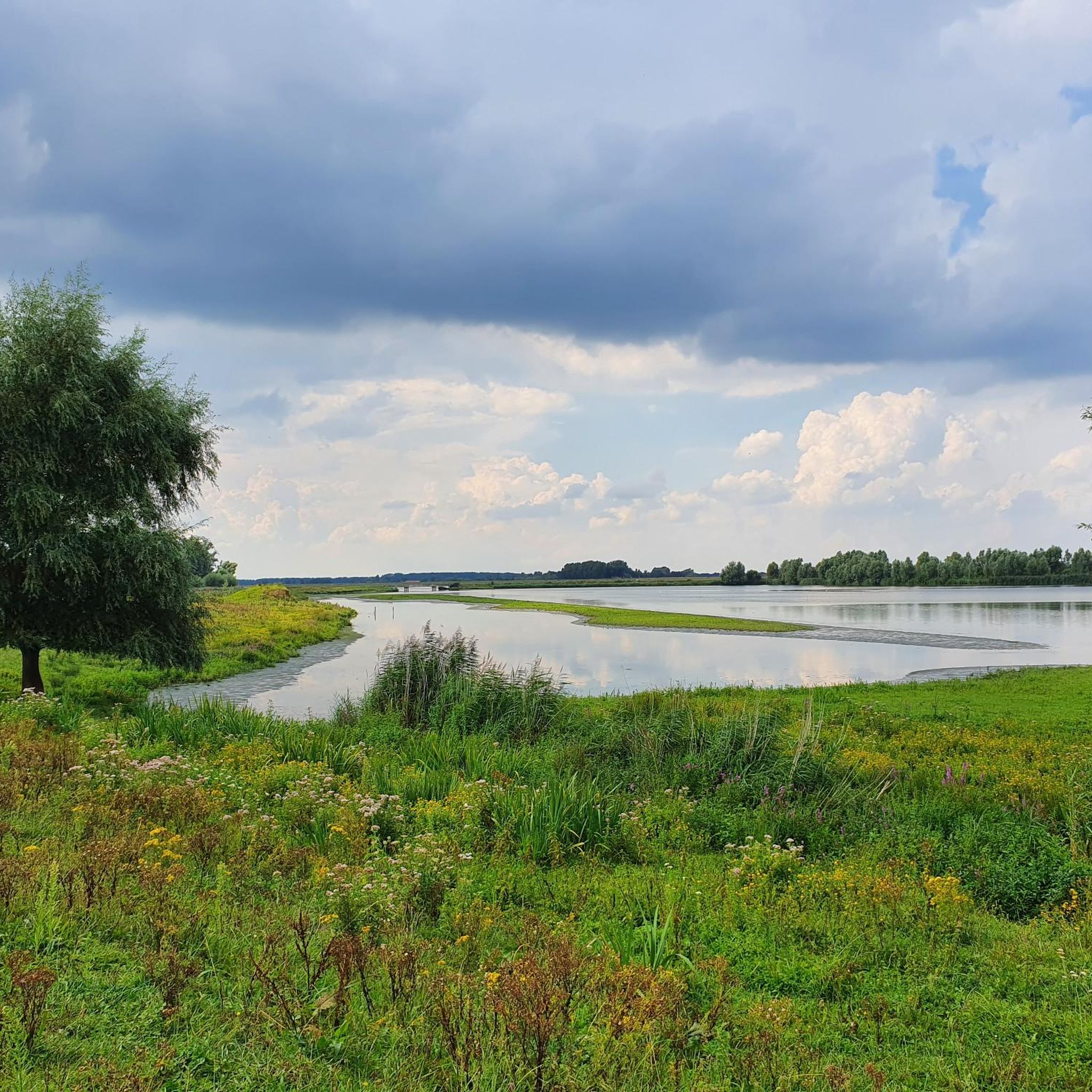
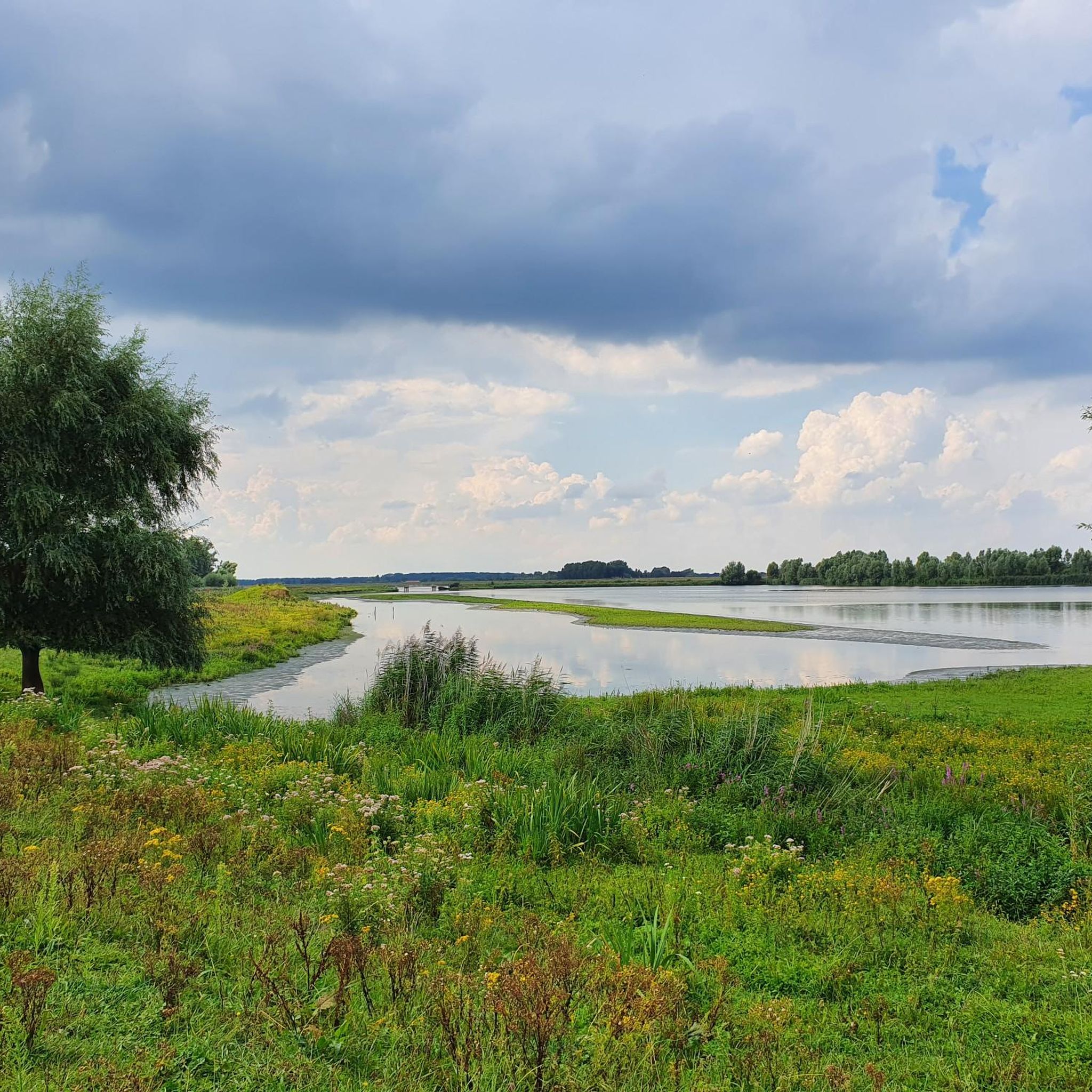
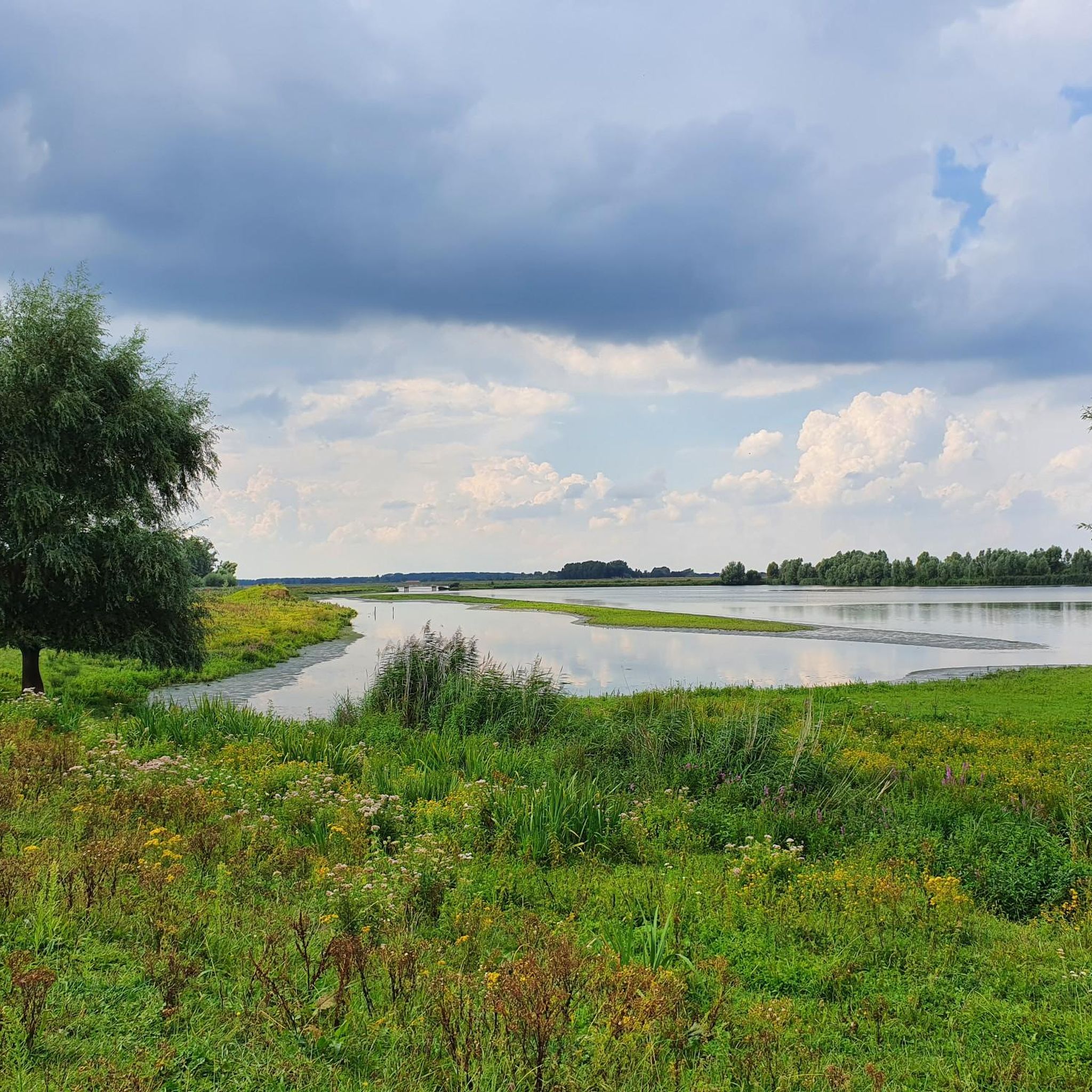
Anyone who is a fan of tidal areas will really do themselves a big favor by going for a walk here for a day. Beautiful nature and wonderfully quiet on weekdays. Watch out for the cattle that like to stand in the water when it is warm. Dragonflies, frogs, dozens of species of birds and beautiful flowers! Do bring your own food and drinks because there are no catering facilities or water points here.
2
0

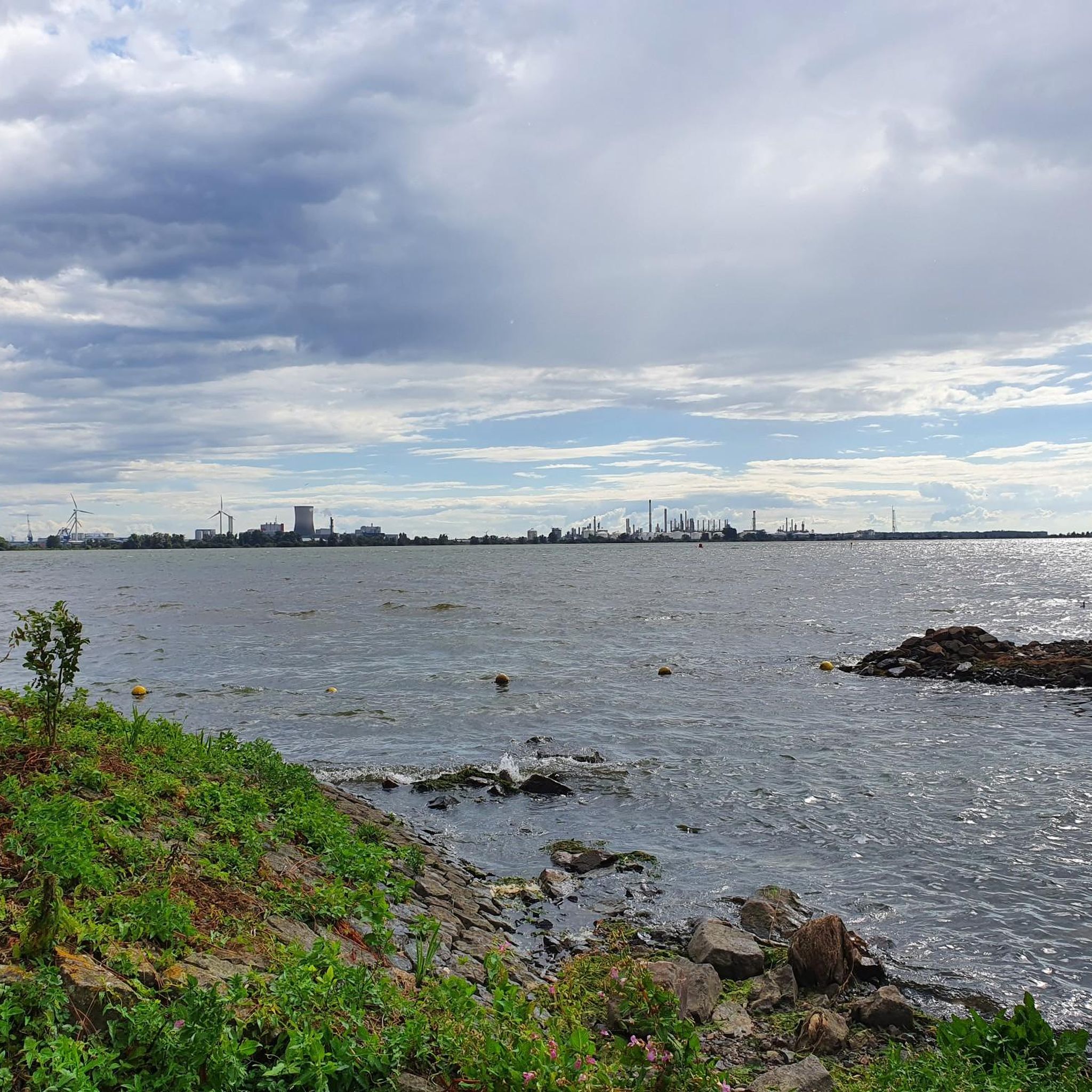
The Volkerak locks, west of Willemstad, were built as part of the Delta Plan. A secondary dam had to be built in the Volkerak to close off the Oosterschelde and the Haringvliet. However, the closing off of the Volkerak, which was planned in 1969, would also block an important shipping route between Rotterdam/Germany and Antwerp/France. It was therefore decided to build a lock complex in the dam to be constructed. The first two inland navigation locks were built in 1964. In 1977, the complex was expanded to the northwest with an additional lock for inland shipping, an inlet lock and finally a separate recreational lock. Bridges had already been built over the newly constructed locks: a fixed bridge and a double movable bascule bridge over the southern lock for commercial shipping. To the south of the locks are various service houses and a workshop and storage area for the emergency power supply and the nuclear shelter below. On the south bank of the Volkerak, at the beginning of the lock, there is a lookout tower, with a storage area for the reserve gates underneath. In addition, a new lock keeper's office was built around 2012; the old lock keeper's house between the eastern and middle locks was demolished shortly afterwards. At some distance from the locks on the south bank, there is another office and a door storage / workshop. In 1988, the complex was mentioned in the Guinness Book of Records as the largest inland shipping object in the world. The commercial shipping locks are each 325 metres long and 24 metres wide. The locks are built of concrete and each has four pairs of steel doors; two pairs for ebb and two pairs for flood.
7
0

A beautiful piece of nature here, the Biesbosch and you can cycle well on the dike.
0
1

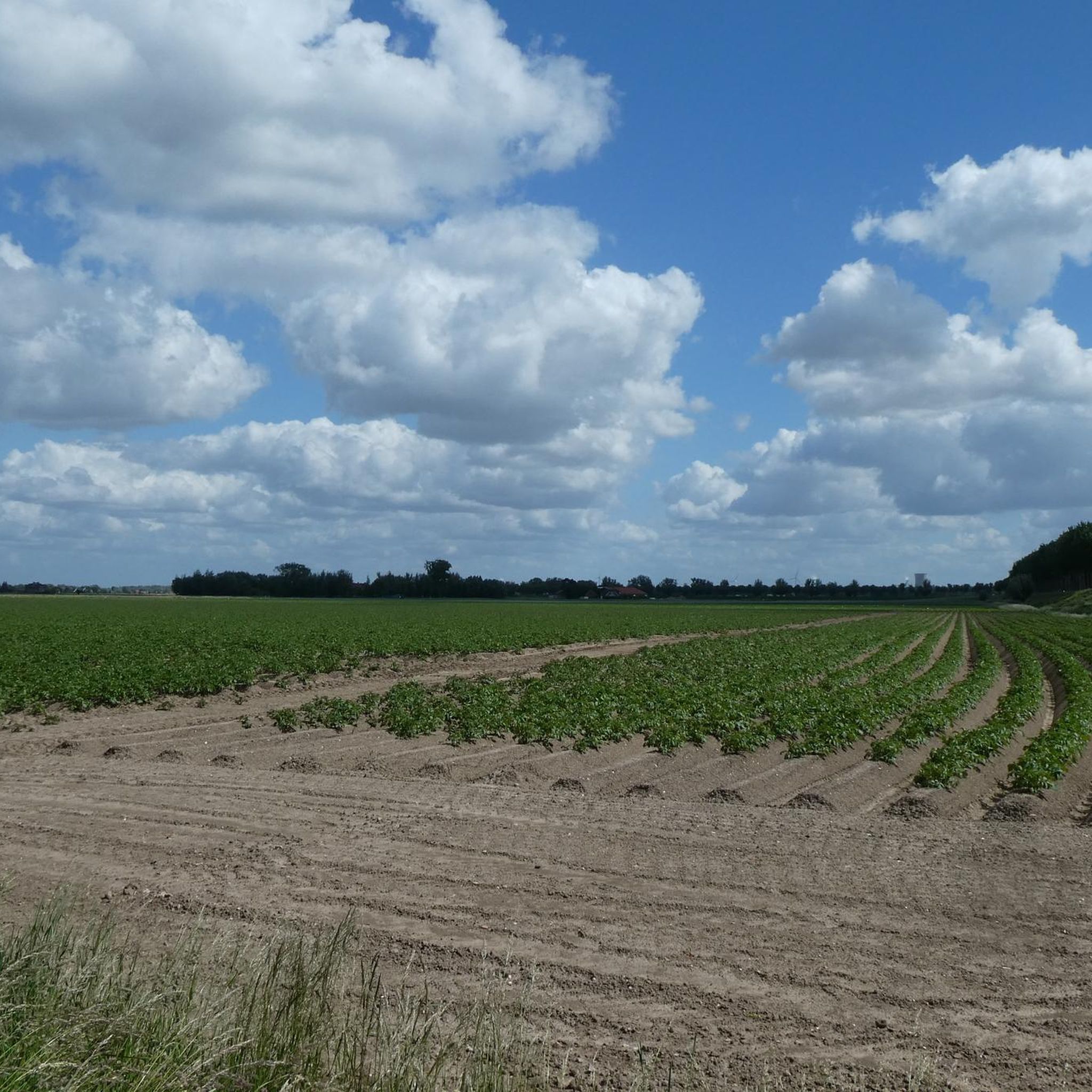
The Gat van den Ham is a creek, created during the Elisabeth flood in the fifteenth century, located between Lage Zwaluwe and Drimmelen, just below the Amer. In 1954, a dike was built along the south bank of the Amer. The creeks were thereby cut off from the river. The water level could therefore be better controlled. The remaining creeks are connected to the Amer via a sluice. The Gat van den Ham is somewhat isolated from the other creeks: Vloedspui and Zwaluwse Haven The area is surrounded by fairly large-scale arable and agricultural land. Triggered? Click through to https://www.westbrabantsevwg.nl/gebiedsbeschrijvingen/noorden-gat-van-den-ham/
6
0

The Volkerak is a body of water located southeast of the South Holland island of Goeree-Overflakkee. On the east side of the Volkerak are the Volkerak locks to the Hollands Diep; The Krammer is located on the west side. In the south of the Volkerak, the Scheldt-Rhine Canal to Antwerp begins
4
0

The creation of the riparian lands on the Hollands Diep is a fascinating interplay of nature and human effort. The Hollands Diep formed a natural division between areas, with its banks formed by the natural movement of water and sediment. However, with the arrival of humans, the landscape began to change. In the past, residents saw the potential of the fertile banks and started reclaiming pieces of land from the water with the help of dikes and ditches. This marked the beginning of an era of land reclamation and water management. As time and technology advanced, the experimental land reclamation efforts became more ambitious. Engineers designed complex systems of dikes and dams, creating more and more riparian lands. The once wild banks transformed into orderly, fertile lands, where nature and people together form a unique and harmonious landscape along the Hollands Diep. Each piece of land reclaimed became a new chapter in the timeless story of the interaction between land, water and people in the Netherlands.
7
0
Bench in a beautiful spot.
4
0
Frequently Asked Questions
What kind of water bodies can I expect to find around Strijen?
Strijen is located in a polder landscape, so you'll find extensive wetlands, rivers, canals, and smaller water bodies rather than large, conventional lakes. These areas are rich in natural beauty and ecological value, characteristic of the Hoeksche Waard region.
Where can I go for birdwatching near Strijen?
The Oeverlanden Hollands Diep Nature Reserve is an excellent tidal area known for its biodiversity, attracting numerous bird species. Additionally, the Oudeland van Strijen, a protected nature reserve, is a crucial meadow bird area, especially in winter for geese and in spring for species like godwits and lapwings. The Sophiapolder Nature Island is also a magnet for birds like avocet, redshank, shelduck, and spoonbills.
Are there any family-friendly water areas around Strijen?
Yes, the Volkerak is noted as family-friendly. The Gat van den Ham Creek also offers a natural setting suitable for family cycling on the dike.
What are the best places for walking or hiking near Strijen's water bodies?
The Oeverlanden Hollands Diep Nature Reserve offers quiet walking opportunities. The Oudeland van Strijen also provides an oasis of peace for walking and enjoying the expansive polder landscape. For more options, you can explore various routes in the area, including those found in the Hiking around Strijen guide.
Can I go cycling along the water near Strijen?
Absolutely. The Gat van den Ham Creek is surrounded by agricultural land and offers a natural setting perfect for cycling on the dike. Many routes in the region incorporate these scenic waterways. Check out the Cycling around Strijen guide for detailed routes.
What is the Sophiapolder Nature Island and how can I visit it?
The Sophiapolder Nature Island is a unique natural island located in the tidal river De Noord. You can only reach it via a foot ferry, which takes 5 to 10 minutes and is operated by voluntary skippers. Once there, you can enjoy a 2.5-kilometer walk over decking and dikes, observing the constantly changing landscape and diverse birdlife.
What is the significance of the Volkerak near Strijen?
The Volkerak is a significant body of water southeast of Goeree-Overflakkee, known for its impressive lock complex. These locks, part of the Delta Plan, facilitate an important shipping route between Rotterdam/Germany and Antwerp/France, and were once listed in the Guinness Book of Records as the largest inland shipping object in the world.
Are there any historical water features around Strijen?
Yes, the Gat van den Ham Creek, for example, was created during the Elisabeth flood in the fifteenth century, showcasing a historical connection to the region's water management and natural events.
What do visitors enjoy most about the water bodies around Strijen?
Visitors frequently appreciate the tranquility and natural beauty. Many enjoy the quiet walking opportunities, the rich biodiversity, especially for birdwatching, and the unique interplay of nature and human land reclamation efforts visible in areas like the Oeverlanden Hollands Diep Nature Reserve.
Where can I find a scenic viewpoint near the water?
The Bench Noordergat van de Visschen offers a beautiful spot within the Brabantse Biesbosch, providing scenic views of this wide creek. The Oudeland van Strijen also offers beautiful panoramic views of the polder landscape.
What is the best time of year to visit the natural areas around Strijen?
The Oudeland van Strijen is particularly notable in winter for observing countless geese and in spring for various meadow bird species. Generally, spring and summer offer pleasant weather for walking and cycling, while autumn brings beautiful colors to the landscape.
Are there running trails near the water bodies in Strijen?
Yes, there are several running trails that incorporate the water-rich landscape. For example, the 'Motte – Oeverlanden Hollands Diep loop' is a moderate 9.2 km route. You can find more options in the Running Trails around Strijen guide.
Most popular attractions around Strijen

Get inspired with the komoot mobile app


Explore more
Still not found your perfect lake around Strijen? Check out the guides of these regions to see even more beautiful places.
