Top 5 Castles around Crato
Castles around Crato, Portugal, are situated in the Alentejo region, characterized by its historical significance and strategic locations overlooking riverbanks and hillsides. The area features a landscape where medieval fortifications and later bastioned structures coexist, reflecting centuries of military architecture. Crato itself was a headquarters for the Order of Malta, influencing the region's cultural and architectural heritage. Visitors can explore remnants of these structures, offering insights into Portuguese history and defense strategies.
Best castles around Crato
- The most popular castles…
Last updated: June 26, 2026
Castelo de Vide
Highlight • Settlement
Translated by Google •
Tip by

Alter do Chão Castle
Highlight • Castle
It is classified as a National Monument.
Translated by Google •
Tip by

Sign up now to discover places like this
Get recommendations on the best single tracks, peaks, & plenty of other exciting outdoor places.
Sign up for free
Portalegre Castle
Highlight • Castle
Translated by Google •
Tip by

Flor da Rosa Monastery
Highlight • Religious Site
Translated by Google •
Tip by

View of Castelo de Vide
Highlight (Segment) • Viewpoint
Translated by Google •
Tip by

Sign up for free to discover even more castles around Crato.
Sign up for free
Already have an account?
Start today with a free account
Your next adventure awaits.
Login or Signup

Tips from the Community

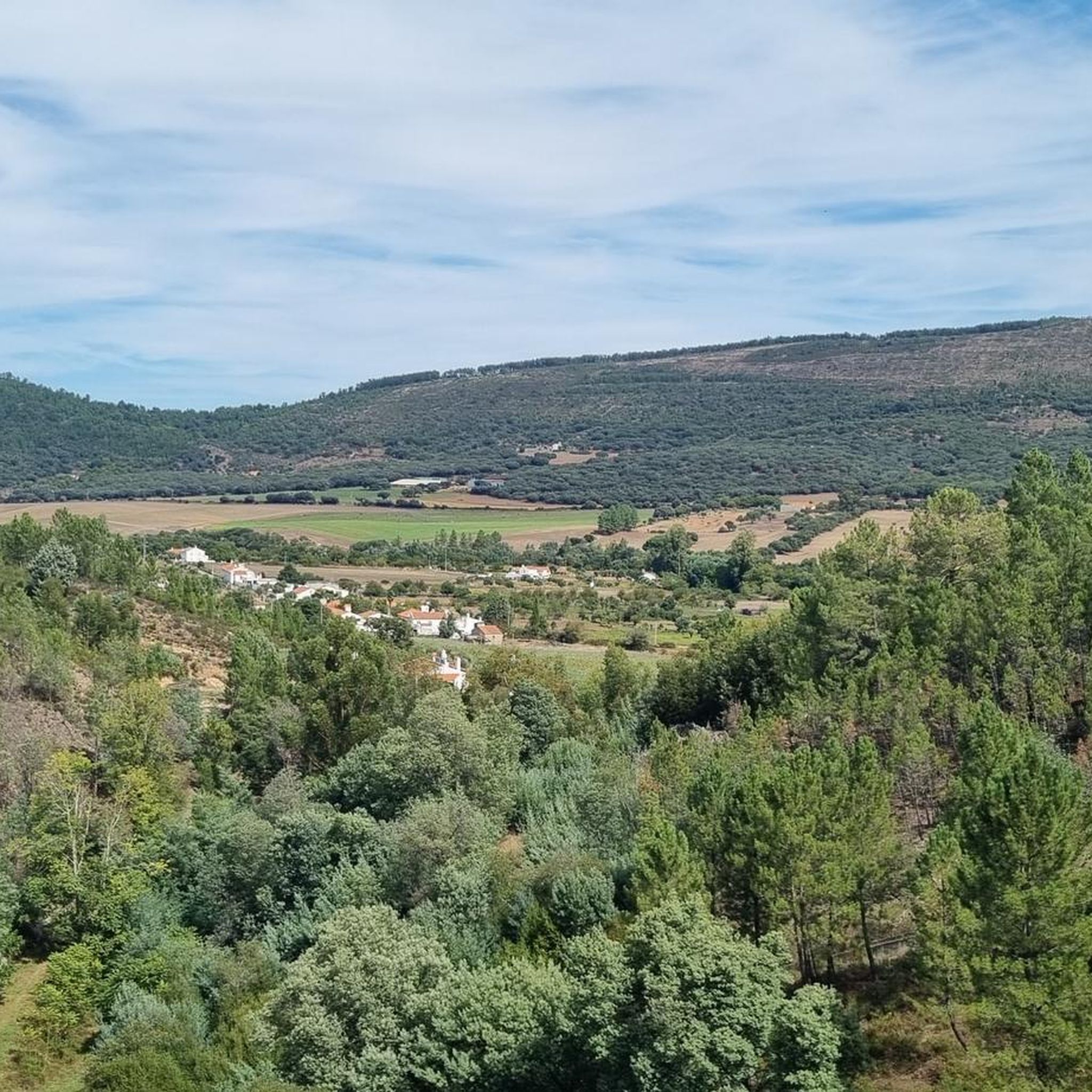
Far in the northeast of Alentejo lies Castelo de Vide, just a few kilometers from the border with Spain. The town is often called Cidade branca (white city), which is primarily due to the pretty whitewashed houses of the town. The highlight of the town (besides its great location in the Parque Natural da Serra de São Mamede) is the 14th-century Castelo de São Roque. From the castle, you have a fantastic view of the old town. Other sights in Castelo de Vide include the old Jewish quarter with the oldest synagogue in Portugal and the numerous churches and chapels of the town.
1
0

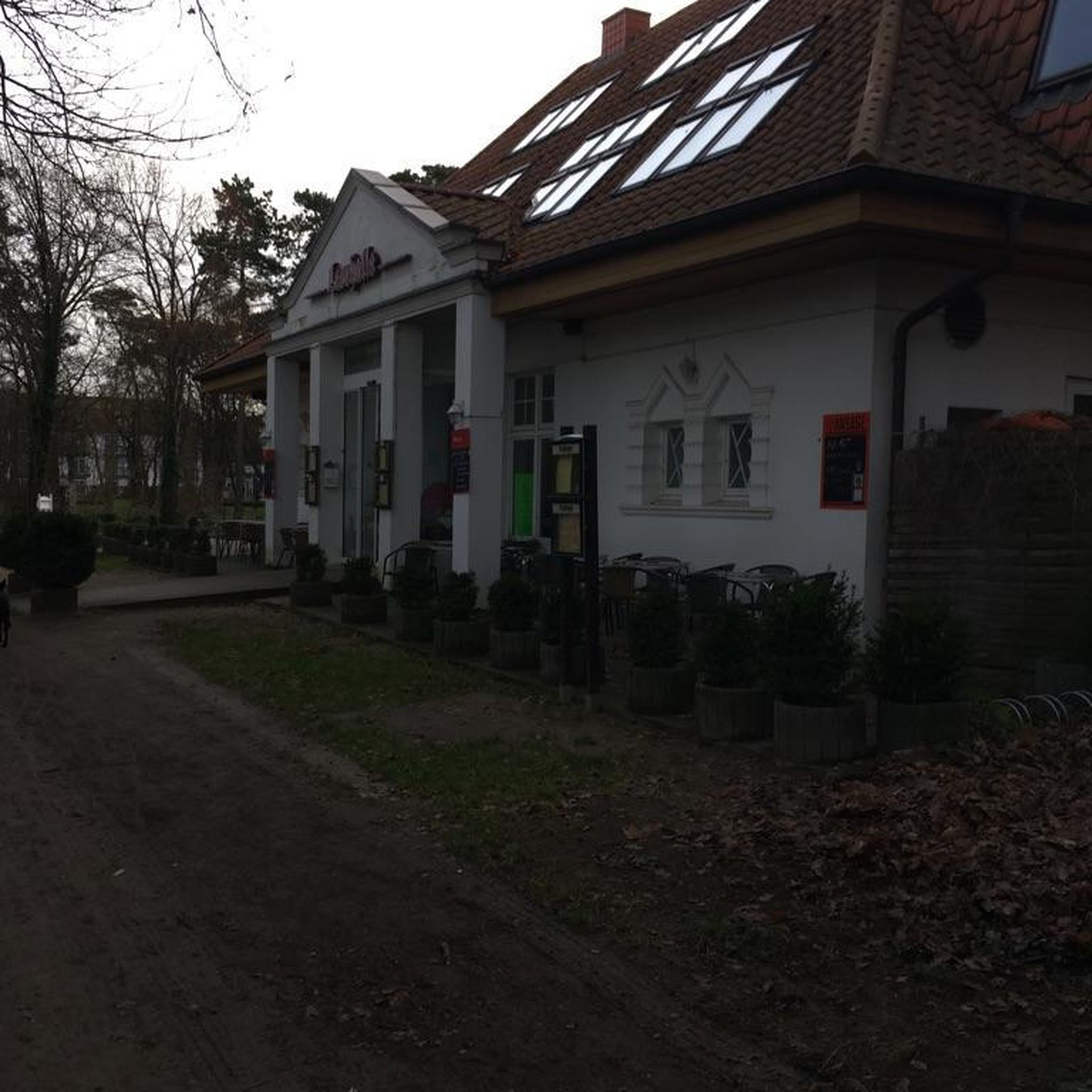
The castle was founded by King D. Dinis in 1290, with the aim of defending the Alentejo border. Originally, it had an imposing structure with a double ring of walls, twelve towers and eight gates. Over the centuries, it lost part of its structure to the growth of the city, but it remains a National Monument. The Keep is the best-preserved part of the original complex. Inside, there is a museum that you can visit.
1
0

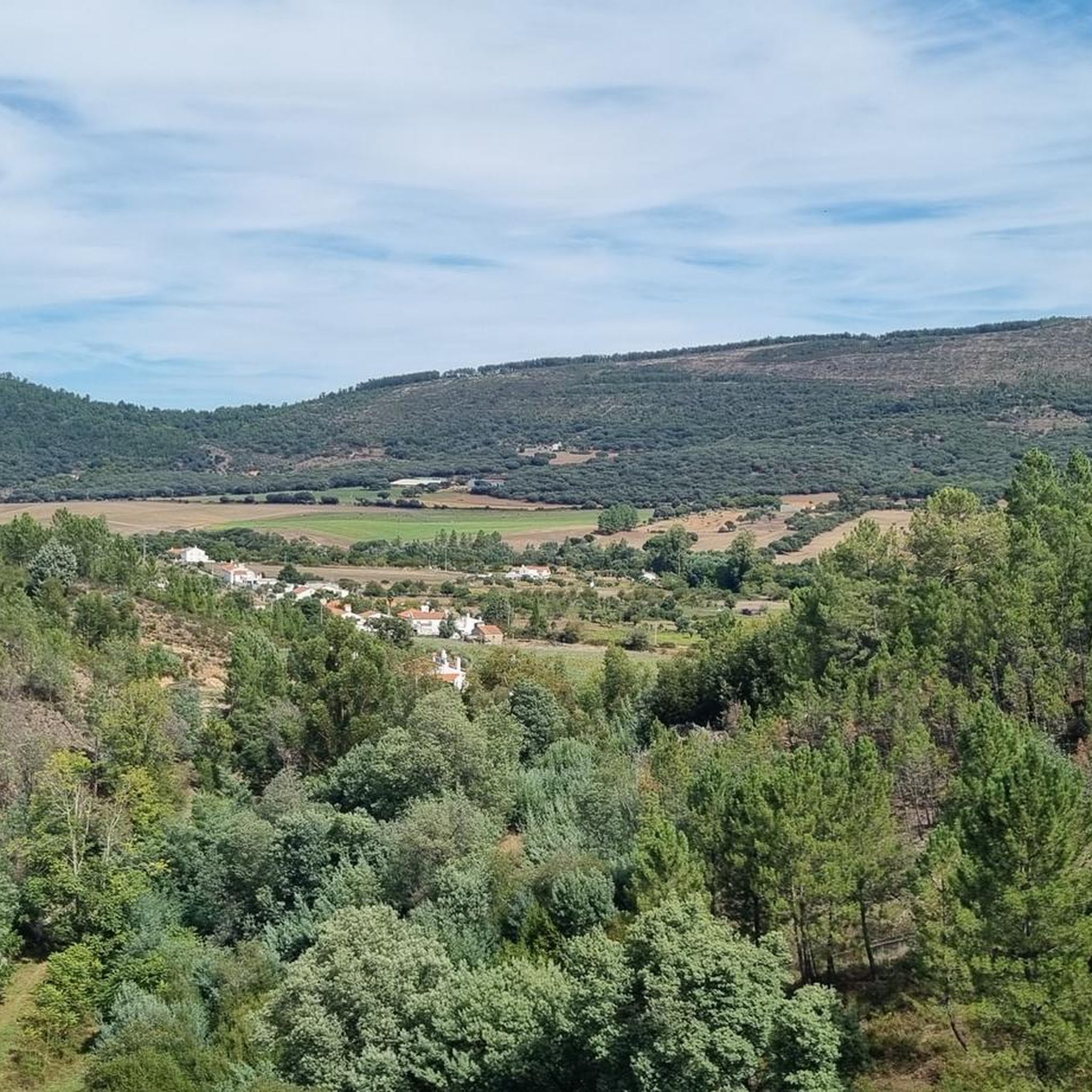
Between walls and legends of tragic love, the fields around Flor da Rosa hold memories that can be felt at every step. The Monastery, founded in 1356 by D. Álvaro Pereira, stands out as one of the most unique examples of Portuguese Gothic: a fusion of fortress and temple, a living legacy of the Order of the Hospital.
2
0

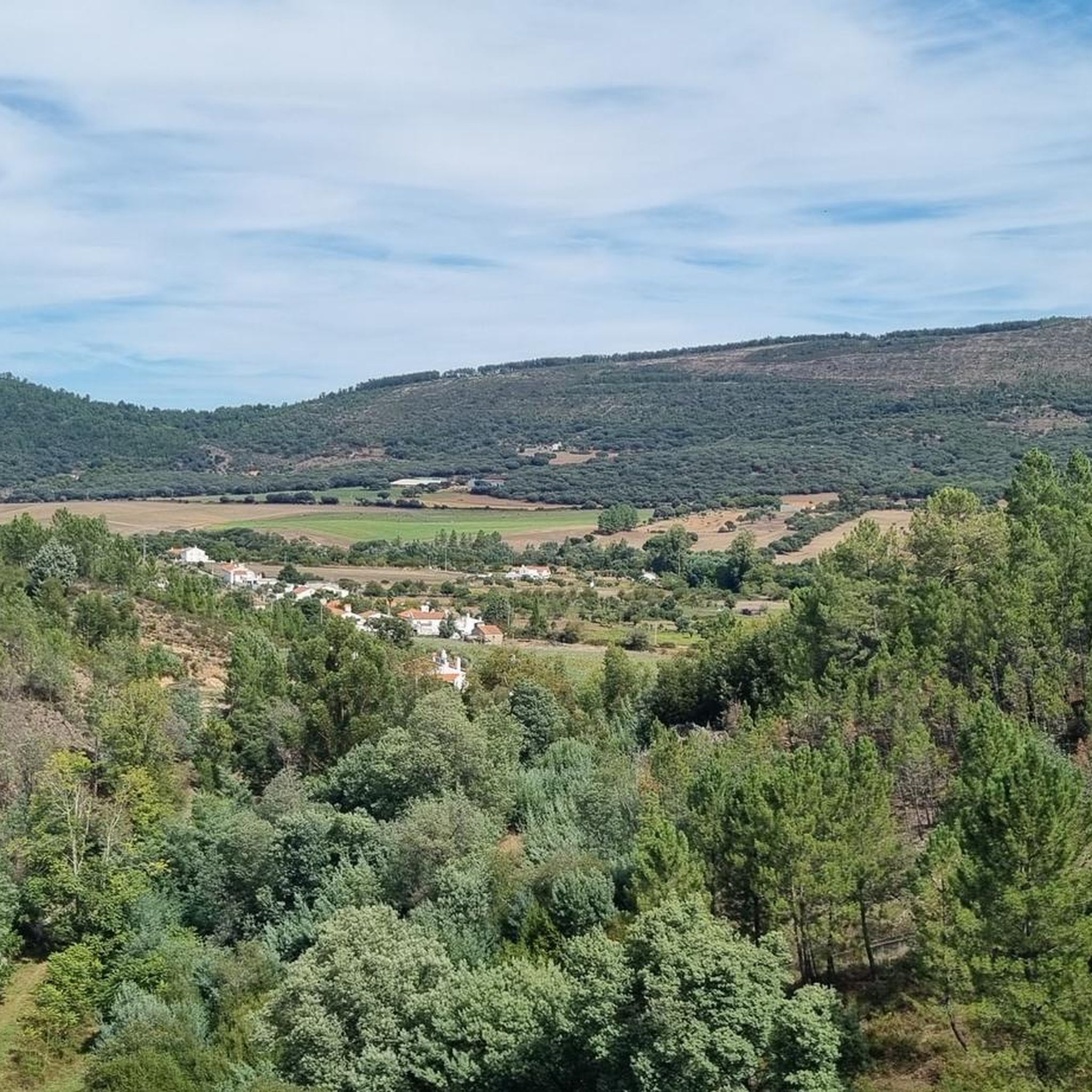
The Castle of Alter do Chão, in Alentejo, is located in the parish of Alter do Chão, in the town and municipality of the same name, district of Portalegre, in Portugal. In the historic center of the town, this castle is representative of 16th century medieval architecture, when it cooperated with the neighboring Castle of Alter Pedroso in the defense of this region. Alter do Chão Castle has been classified as a National Monument since 1910.
6
0

Magnificent medieval castle which was reconquered from the Arabs during the reign of D. Afonso II. It is classified as a National Monument.
18
0

Short but hard asphalt climb. Ramps around 10%. During the climb there are unbeatable views of the town and it ends at a Roman road.
2
0

Next Marvão the second beautiful city in the region
3
1
Frequently Asked Questions
What are some notable castles to visit around Crato?
Beyond the main Castle of Crato, you can explore the charming settlement and castle of Castelo de Vide, known as a beautiful city in the region. Another significant site is Alter do Chão Castle, a magnificent medieval castle classified as a National Monument. Don't miss Portalegre Castle, founded in 1290, which still features a well-preserved Keep.
What is the historical significance of castles in the Crato region?
The castles around Crato, including the Castle of Crato itself, hold deep historical importance, reflecting centuries of military architecture and strategic defense. Crato was the headquarters for the Sovereign Military Order of Malta (formerly the Order of Hospitallers) in Portugal, influencing the region's cultural and architectural heritage. These fortifications evolved from medieval structures to bastioned forts, adapting to changing warfare, particularly during the Portuguese Restoration War.
Are there family-friendly castles in the Crato area?
Yes, several castles in the region are considered family-friendly. Castelo de Vide and Alter do Chão Castle are both categorized as suitable for families, offering historical exploration in engaging settings.
Can I find hiking or cycling routes near the castles?
Absolutely. The Crato region offers various outdoor activities. For road cycling, you can find routes like the 'Castelo de Vide – Climb to Porto da Espada loop' from Portalegre. Mountain biking enthusiasts can explore trails such as the 'Gáfete Fountain – Flor da Rosa Monastery loop from Crato'. There are also running trails, including the 'Portalegre Castle loop from Portalegre'. You can find more details on these routes in the Road Cycling Routes around Crato, MTB Trails around Crato, and Running Trails around Crato guides.
What is the best time of year to visit the castles around Crato?
The Alentejo region, where Crato is located, experiences hot summers. Therefore, the best time to visit the castles is typically during the spring (April to June) or autumn (September to October). During these seasons, the weather is milder and more pleasant for exploring historical sites and enjoying outdoor activities.
Are there any viewpoints offering scenic views of the castles or the region?
Yes, the strategic locations of many castles naturally provide excellent views. For instance, the Castle of Crato offers expansive views over the Alentejo region. Additionally, there's a specific highlight called View of Castelo de Vide, which provides unbeatable vistas of the town and its castle after a short climb.
What kind of architecture can I expect to see in Crato's castles?
You'll encounter a blend of medieval and post-medieval military architecture. The Castle of Crato, for example, started as a medieval fortification and was later transformed into a bastioned fort in the 17th century to withstand artillery. You can see remnants of reinforced walls, corner towers, keeps, and later additions like bastions and artillery platforms. The Alter do Chão Castle is a prime example of 16th-century medieval architecture.
Is the Castle of Crato itself worth visiting?
Yes, the Castle of Crato is classified as a Site of Public Interest and is highly recommended for its rich and complex history. It showcases centuries of military architecture, from its medieval origins to its 17th-century adaptation as a bastioned fort. Visitors can explore remnants of its walls, artillery platforms, and the fort gate, gaining insight into the powerful Order of Malta and Crato's strategic importance.
Are there any other historical sites besides castles in the Crato municipality?
Yes, within the Crato municipality, the Flor da Rosa Monastery is another significant historical site. Founded in 1356 by D. Álvaro Pereira, it stands out as a unique example of Portuguese Gothic architecture, functioning as a fusion of a fortress and a temple, and is a living legacy of the Order of the Hospital (later Order of Malta).
What do visitors particularly enjoy about the castles around Crato?
Visitors appreciate the historical depth and the well-preserved aspects of these ancient structures. For example, Alter do Chão Castle is admired for being a magnificent medieval castle, while Portalegre Castle's well-preserved Keep is a highlight. The overall experience of stepping back in time and exploring the strategic importance of these sites is a common draw.
How long should I plan for a visit to the castles?
The time needed can vary depending on the castle. For a comprehensive visit to a larger site like the Castle of Crato or Alter do Chão Castle, plan for 1-2 hours to explore the grounds and any accessible interiors. Smaller castles or quick stops might take less time. If you plan to visit multiple castles or combine with nearby routes, allocate a full day or more.
Are there facilities like cafes or accommodation near the castles?
While specific facilities vary by castle, the towns where these castles are located, such as Crato, Castelo de Vide, Alter do Chão, and Portalegre, offer amenities. You can find cafes, restaurants, and accommodation options within these towns. For example, the Flor da Rosa Monastery has been transformed into a Pousada (historic hotel), offering a unique stay experience.
Most popular attractions around Crato

Get inspired with the komoot mobile app


Explore more
Looking for the best castles somewhere else? Discover other guides around Crato:
