The best cycling routes around Crato
3.0
(1)
85
riders
31
rides
Touring cycling routes around Crato are characterized by varied terrain, including rolling hills and more challenging ascents. The region features a network of trails that traverse diverse landscapes, from open countryside to areas with significant elevation changes. These routes offer opportunities to explore the natural features of the area, providing a range of experiences for touring cyclists.
Best touring cycling routes around Crato
- The most popular touring cycling route is Portagem Roman Bridge – Portalegre Castle loop from Portalegre,…
Last updated: June 27, 2026
4
riders
22.5km
02:00
120m
130m
Moderate bike ride. Good fitness required. Mostly paved surfaces. Suitable for all skill levels.
5
riders
50.8km
03:13
590m
600m
Hard bike ride. Very good fitness required. Mostly paved surfaces. Suitable for all skill levels.

Sign up for free
4
riders
23.1km
01:38
400m
400m
Moderate bike ride. Good fitness required. Mostly paved surfaces. Suitable for all skill levels.
5
riders
56.1km
03:37
530m
530m
Hard bike ride. Very good fitness required. Mostly paved surfaces. Suitable for all skill levels.
7
riders
51.7km
04:56
1,300m
1,290m
Hard bike ride. Very good fitness required. Mostly paved surfaces. Suitable for all skill levels.
Get access to more routes and recommendations from other explorers.
Sign up for free
Already have an account?
Our route recommendations are based on thousands of hikes, rides, and runs completed by other people on komoot.
Start today with a free account
Your next adventure awaits.
Login or Signup

Tips from the Community

For those planning to hike in the Alegrete area, the main reference route is the PR3 PTG – Percurso de Alegrete. This circular route offers a complete immersion in the Serra de São Mamede Natural Park, combining the medieval heritage of the village with montado landscapes and water lines. The Main Route (PR3 PTG) The PR3 PTG - Percurso de Alegrete is about 11.4 km long and is classified as medium/low difficulty. The recommended starting and ending point is near Fonte Nova, although many hikers start their journey in the village of Alegrete itself to explore the historic center right away. Castle and Village: The Castle of Alegrete is the (literal) highlight of the hike. Situated at about 500 meters above sea level, it offers a panoramic view of the Alentejo border region. Don't miss the Clock Tower (Torre do Relógio). Nature and Biodiversity: The trail crosses areas of cork oak montado, pine forests, and riparian areas. It is an excellent place for bird watching (such as the robin or the titmouse) and, near the water lines, you can find rare vegetation like the royal fern. Religious Heritage: During your passage through the village, you can also visit the small Chapel of Mercy (Capela da Misericórdia), which is part of the local historical complex. Practical Hiking Tips Time of Year: Avoid the months of July and August due to the extreme temperatures in the Alentejo. Autumn and spring are ideal for the colors of the vegetation and mild temperatures. In winter, be careful with the ground, which can become quite slippery on cobblestones and rocky trails. Equipment: Use footwear with good grip (the ascents and descents to the castle and river have sections of loose stones). Bring enough water, as outside the village, refueling points are scarce. Safety and Respect: Always follow the official signage (yellow and red marks).
0
0

The castle was founded by King D. Dinis in 1290, with the aim of defending the Alentejo border. Originally, it had an imposing structure with a double ring of walls, twelve towers and eight gates. Over the centuries, it lost part of its structure to the growth of the city, but it remains a National Monument. The Keep is the best-preserved part of the original complex. Inside, there is a museum that you can visit.
1
0

Castelo do Alegrete is an imposing medieval fortress located on a rocky outcrop near the village of Alegrete, Portugal. Dating back to at least the 13th century (with probably older origins), it played a key role in defending the border with Spain. It features a large quadrilateral wall with cubic towers. Although part of the castle is in ruins, it still retains elements such as parapets, gates and arrow slits. It offers spectacular views of the surrounding landscape and is an important national monument, a testimony to the defensive history of the region.
0
0

Portalegre is a historic town in the Serra de São Mamede near the Spanish border, known for its medieval strategic role and rich religious and architectural heritage. It became a city in the 16th century under King João III. Today, it blends baroque charm with cultural landmarks like the Tapestry Museum and José Régio’s House-Museum.
0
0
The Castle of Portalegre is a medieval Portuguese castle located in the town of Portalegre. Positioned on a high point overlooking the old town, it stands out for its dark walls contrasting with whitewashed houses. Historically, it served as a key defense on the frontier with Castile.
1
1
Castelo do Alegrete is an imposing medieval fortress located on a rocky outcrop near the village of Alegrete, Portugal. Dating back to at least the 13th century (with probably older origins), it played a key role in defending the border with Spain. It features a large quadrilateral wall with cubic towers. Although part of the castle is in ruins, it still retains elements such as parapets, gates and arrow slits. It offers spectacular views of the surrounding landscape and is an important national monument, a testimony to the defensive history of the region.
1
0
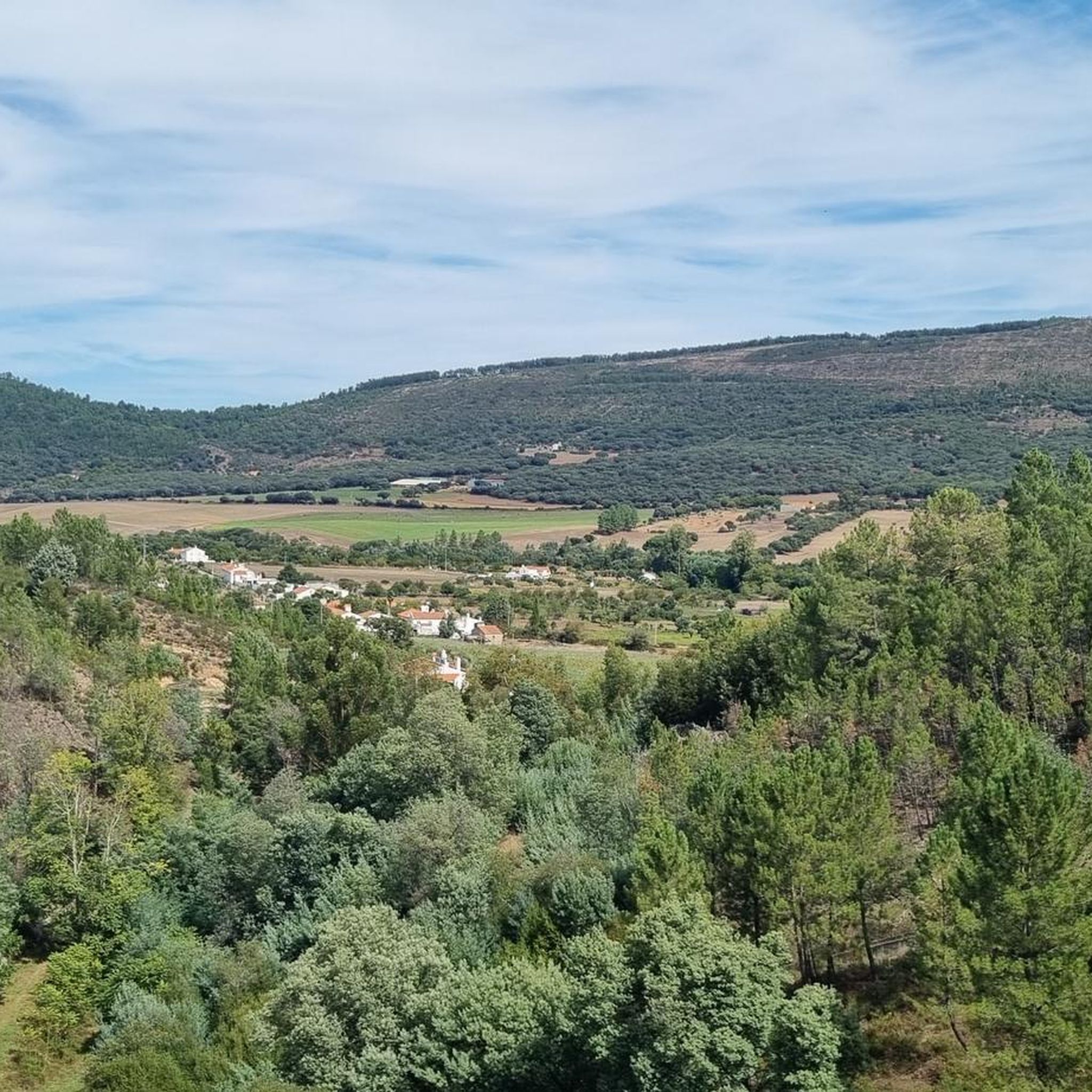
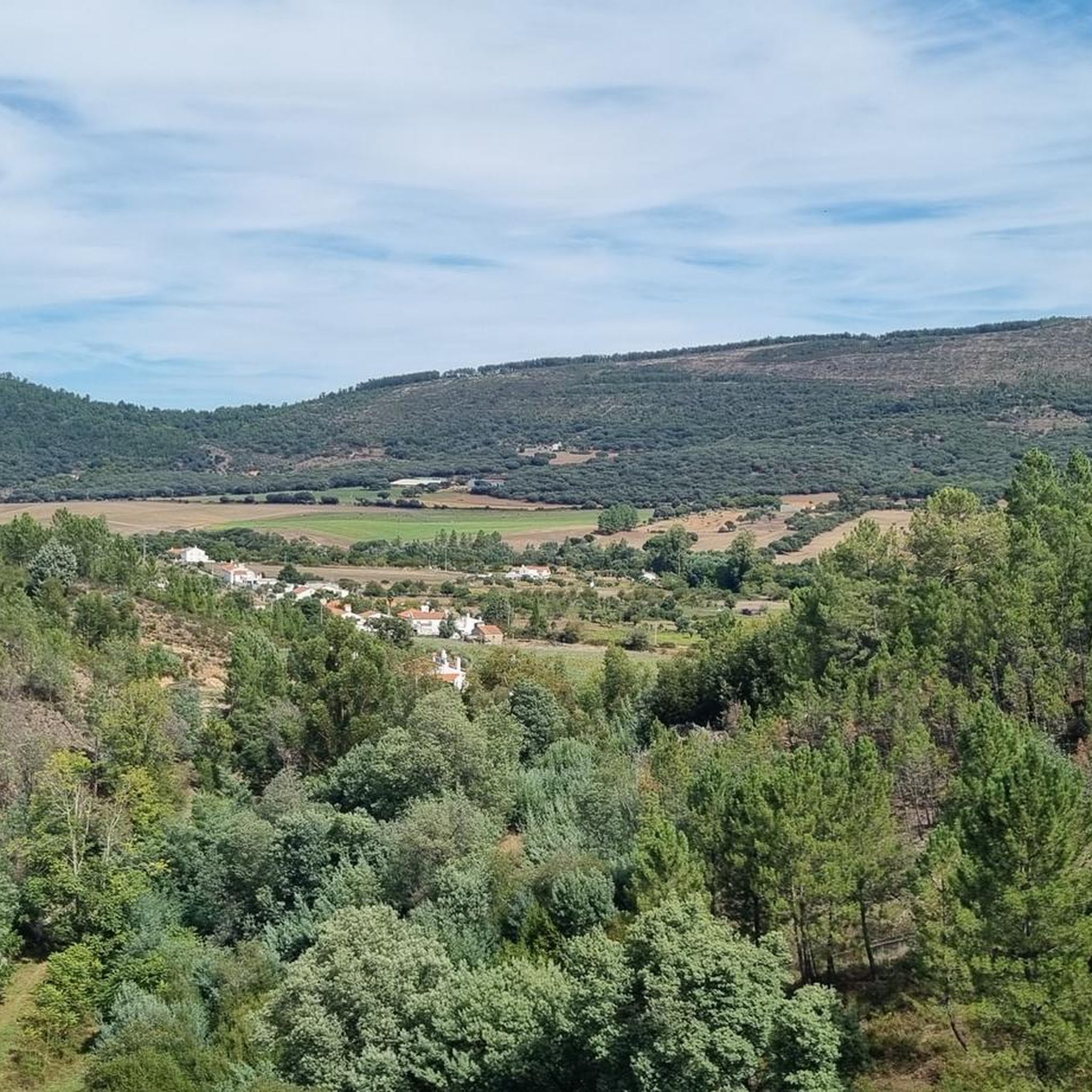
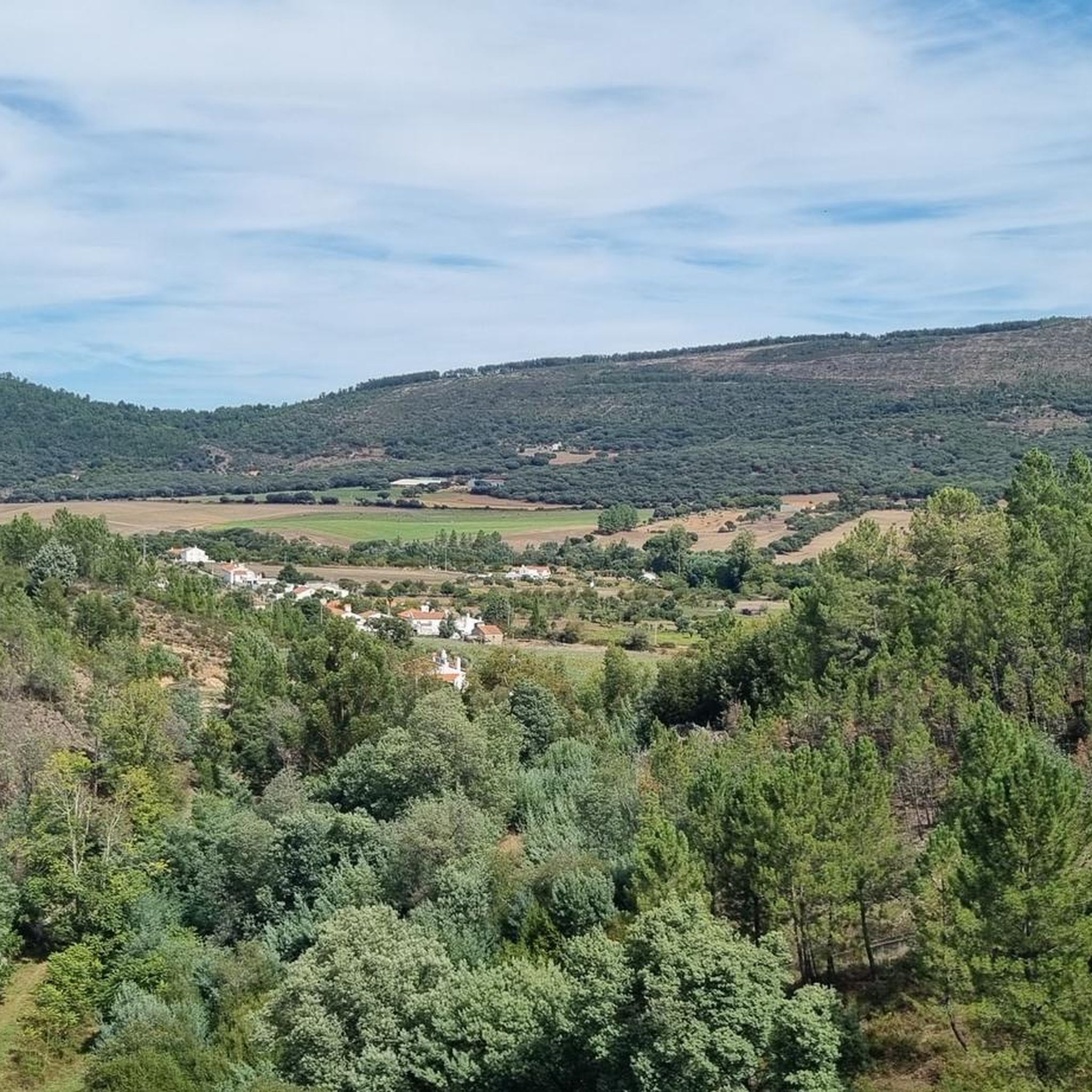
Fabulous view over the village of Castelo de Vide. Several trails, paths and roads for access.
1
0
Frequently Asked Questions
How many touring cycling routes are available around Crato?
There are over 25 touring cycling routes around Crato, offering a variety of experiences. These routes range from moderate to difficult, providing options for different skill levels.
What is the general difficulty level of touring cycling routes in Crato?
The touring cycling routes in Crato are generally classified as moderate to difficult. There are 13 moderate routes and 16 difficult routes, often featuring significant elevation changes as they traverse the region's varied terrain.
What do other cyclists say about touring in Crato?
The touring cycling routes in Crato are highly rated by the komoot community, with an average score of 3.0 stars. Over 80 touring cyclists have used komoot to explore the area, often praising the diverse landscapes and challenging climbs.
Are there routes that explore the Araripe Plateau or Serra do Araripe?
Yes, many routes in the Crato region traverse the magnificent Araripe Plateau and Serra do Araripe. These areas offer breathtaking views and varied terrain, with elevations reaching over 1,000 meters in some parts, providing a more challenging yet beautiful experience for cyclists.
Can I find routes with waterfalls or water features?
The Araripe region is rich in water sources, including over 300 springs and several waterfalls like Bica do Sozinho, Cachoeira Areia Branca, and Cascata das Flores. While specific routes may not directly pass every waterfall, the presence of these features indicates a lush environment with opportunities to explore natural water elements.
Are there opportunities to experience the Araripe National Forest?
Crato serves as a primary gateway to the Araripe National Forest (FLONA do Araripe), Brazil's first National Forest. This protected area is known for its incredible biodiversity and extensive trails, including a nearly 50 km single track. Cycling through this forest offers a shaded and well-marked path amidst diverse ecosystems.
Are there any long-distance touring routes or multi-day options?
Yes, the region features the dedicated Ciclotour Chapada do Araripe, a 280 km ciclotourism route connecting Crato with neighboring municipalities. This route primarily uses trails and rural roads, incorporating natural, historical, and cultural attractions, and can be completed as a multi-day tour, typically over three days.
Are there circular touring cycling routes in Crato?
Many touring cycling routes around Crato are designed as loops. For example, you can explore the Portagem Roman Bridge – Portalegre Castle loop from Portalegre, a difficult 53.9 km route, or the moderate Albufeira da Arreganhada loop from Gáfete, which is 22.5 km long.
What are some notable landmarks or attractions I can visit along the routes?
Along the touring cycling routes around Crato, you can encounter several interesting landmarks. These include historical sites like Castelo de Vide and Alter do Chão Castle. You might also find viewpoints such as View of Castelo de Vide from Senhora da Penha, offering scenic breaks during your ride.
What is the best time of year to go touring cycling in Crato?
The elevated position of the Serra do Araripe results in milder temperatures compared to the surrounding semi-arid region, especially at night. This makes touring cycling more comfortable during periods when lower altitudes might be too hot. Generally, the dry season offers more predictable weather for cycling.
Are there routes suitable for beginners?
While there are no routes specifically classified as 'easy' in our guide, there are several moderate options that beginners with some cycling experience might find enjoyable. The View of Castelo de Vide loop from Quinta do Pomarinho is a moderate 23.1 km route with an elevation gain of 403 meters, offering a good introduction to the region's terrain.
What kind of natural landscapes can I expect to see while cycling?
Crato's touring cycling routes offer diverse ecosystems. You can expect to see lush green hills, expansive valleys, and the unique vegetation of the Cerrado, featuring native fruits like Pequi, Jatobá, and Araticum. The region's natural beauty provides a rich backdrop for your cycling adventures.
Most popular attractions around Crato

Get inspired with the komoot mobile app


Explore more
Browse the best Cycling routes in other regions.
