Top 5 Waterfalls around L'Albère
Waterfalls around L'Albère are found in a region characterized by the Albera massif, offering diverse natural landscapes. Situated in the Pyrénées-Orientales department near the Spanish border, the area provides numerous hiking opportunities. Visitors can explore various cascades and streams within this natural setting. The region is part of the Albera Natural Park, known for its rich biodiversity.
Best waterfalls around L'Albère
- The most popular waterfalls is Salt de Baoussous Waterfall, a waterfall that is also a natural monument. This…
Last updated: June 25, 2026
Cascade of the Gorges de la Fou
Highlight • Waterfall
Access is possible via the alpine trail.
Translated by Google •
Tip by

Salt del Fitó
Highlight • Waterfall
Translated by Google •
Tip by

Sign up now to discover places like this
Get recommendations on the best single tracks, peaks, & plenty of other exciting outdoor places.
Sign up for free
Salt de Baoussous Waterfall
Highlight • Waterfall
Translated by Google •
Tip by

Massane Waterfalls and Natural Pools
Highlight • Waterfall
Translated by Google •
Tip by

Cascade
Highlight • Waterfall
Translated by Google •
Tip by
Start today with a free account
Your next adventure awaits.
Login or Signup
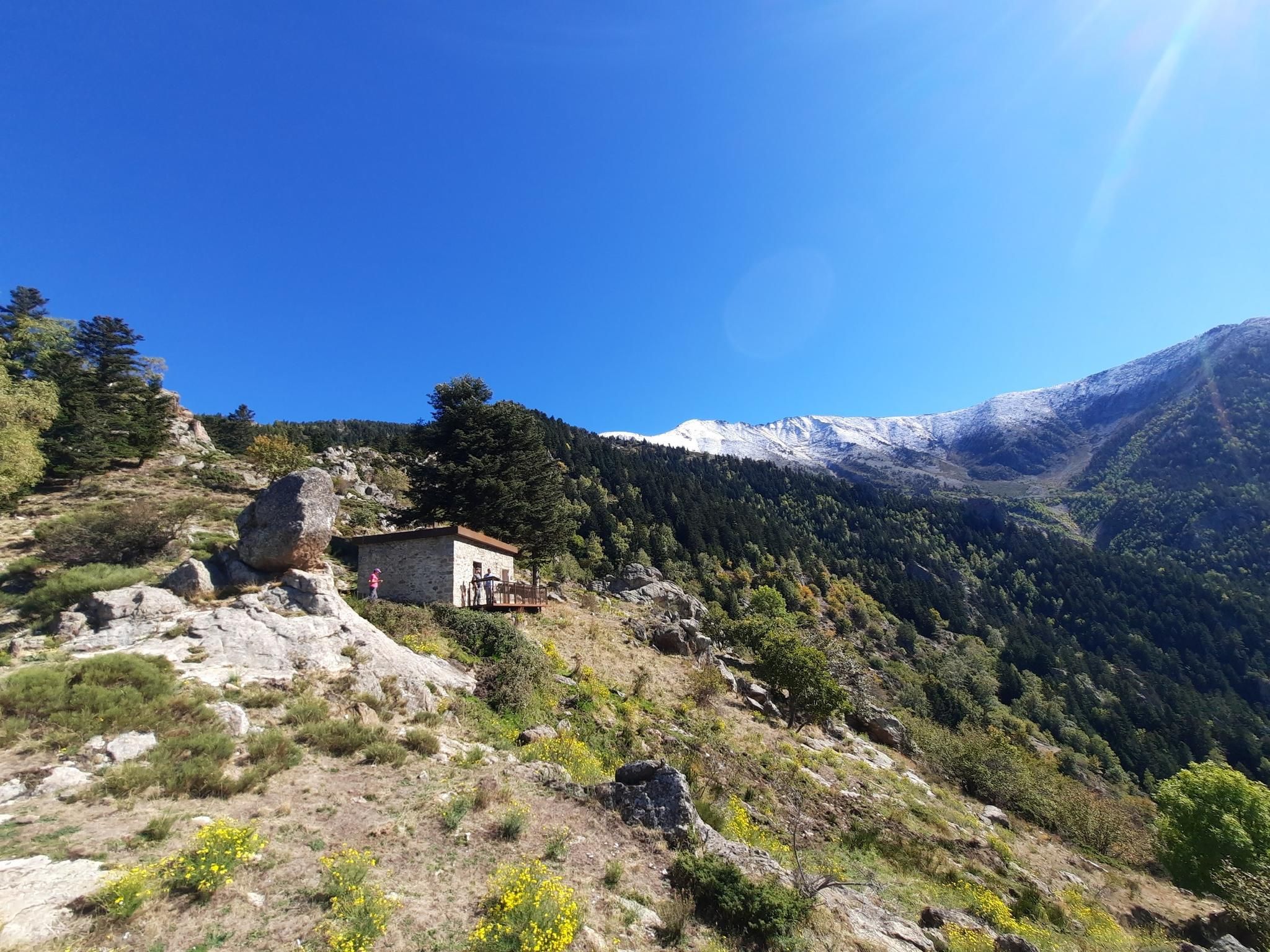
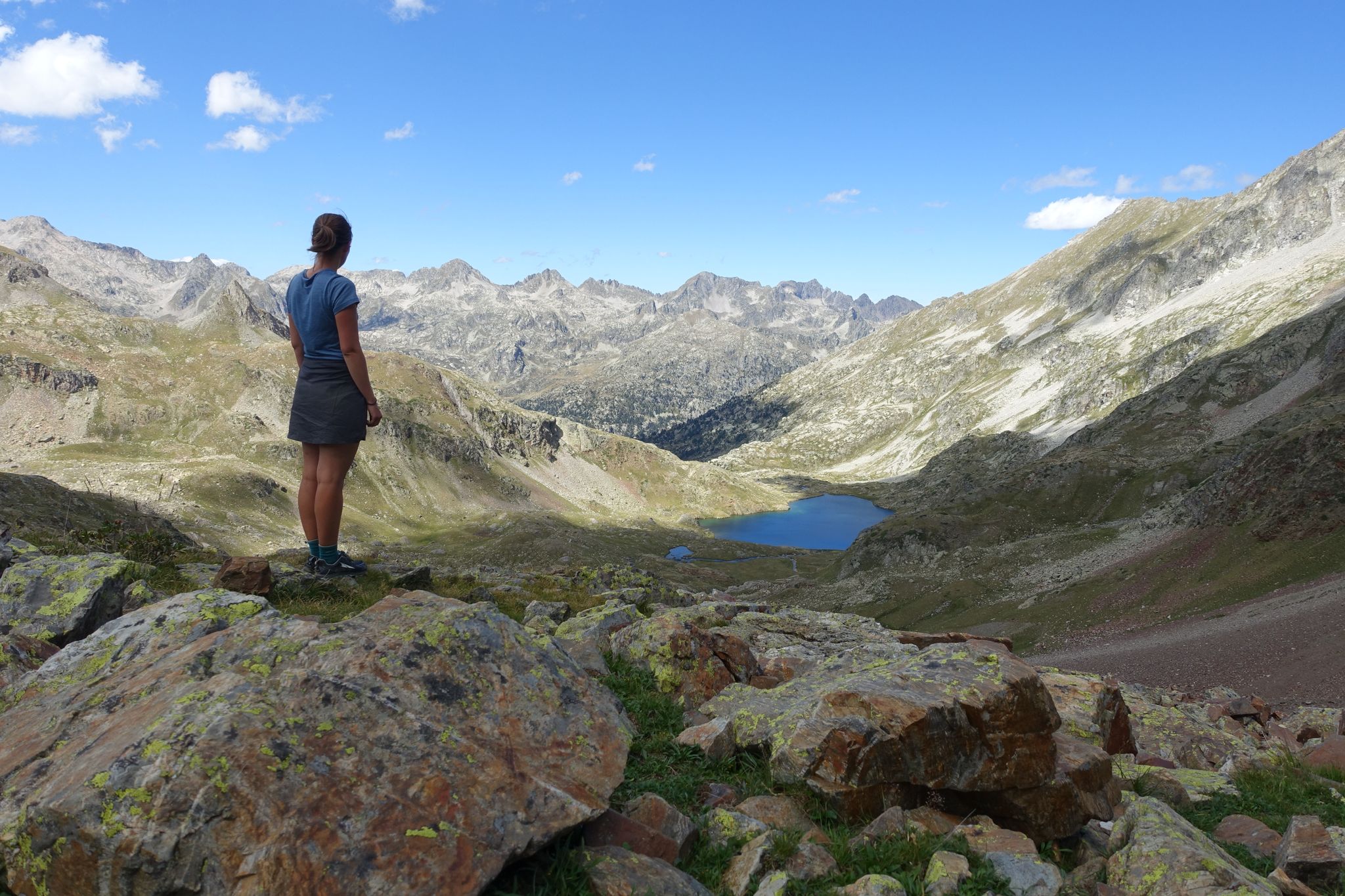
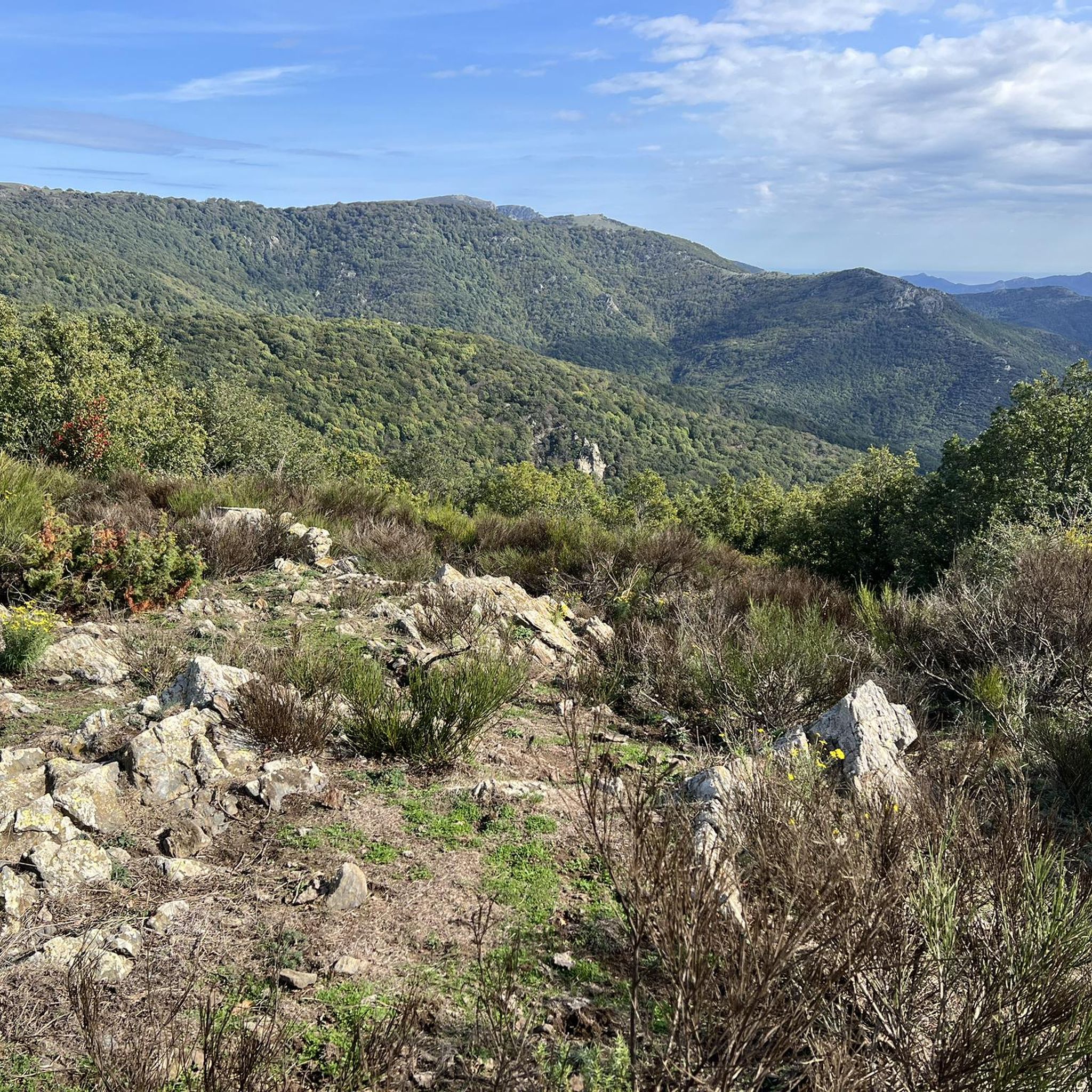
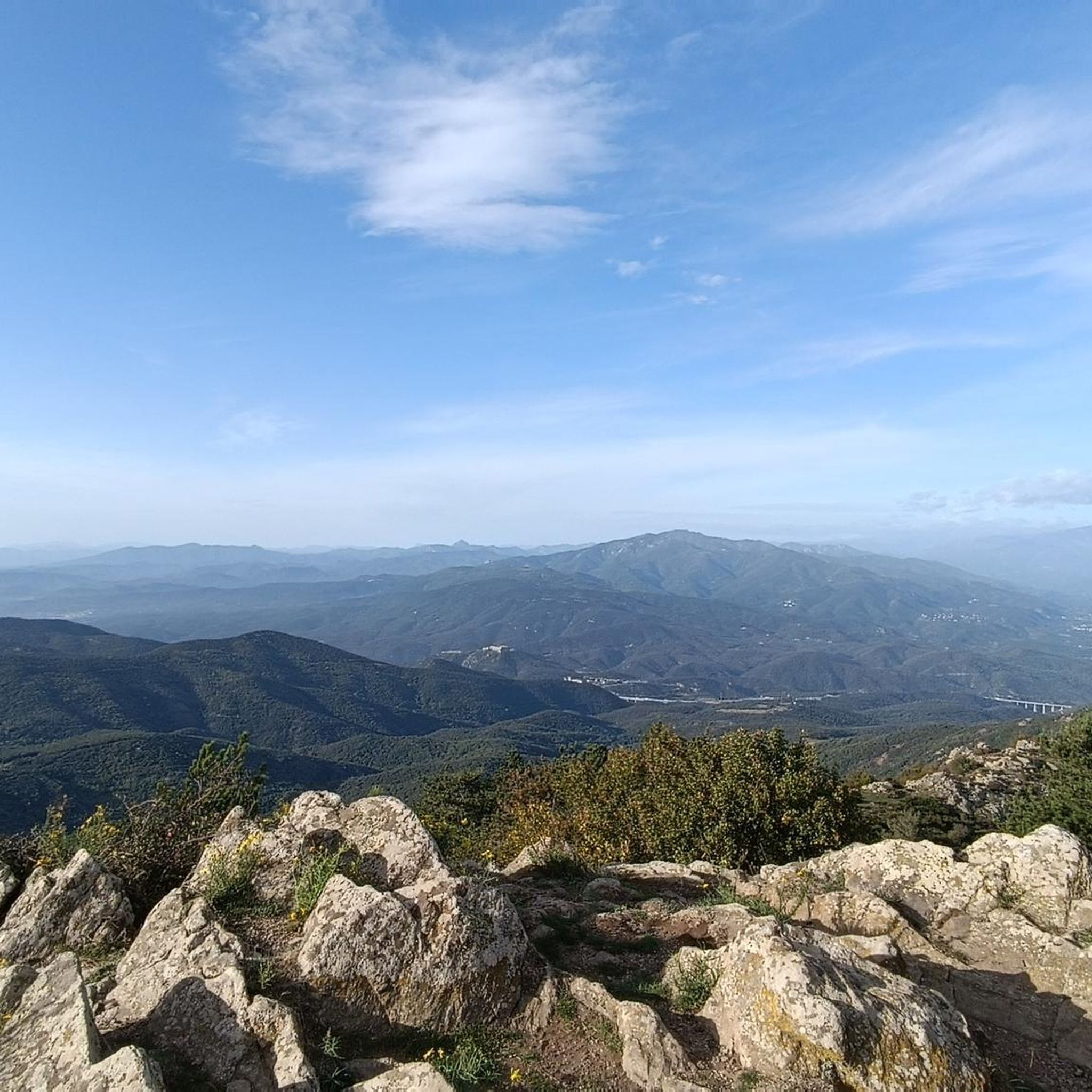
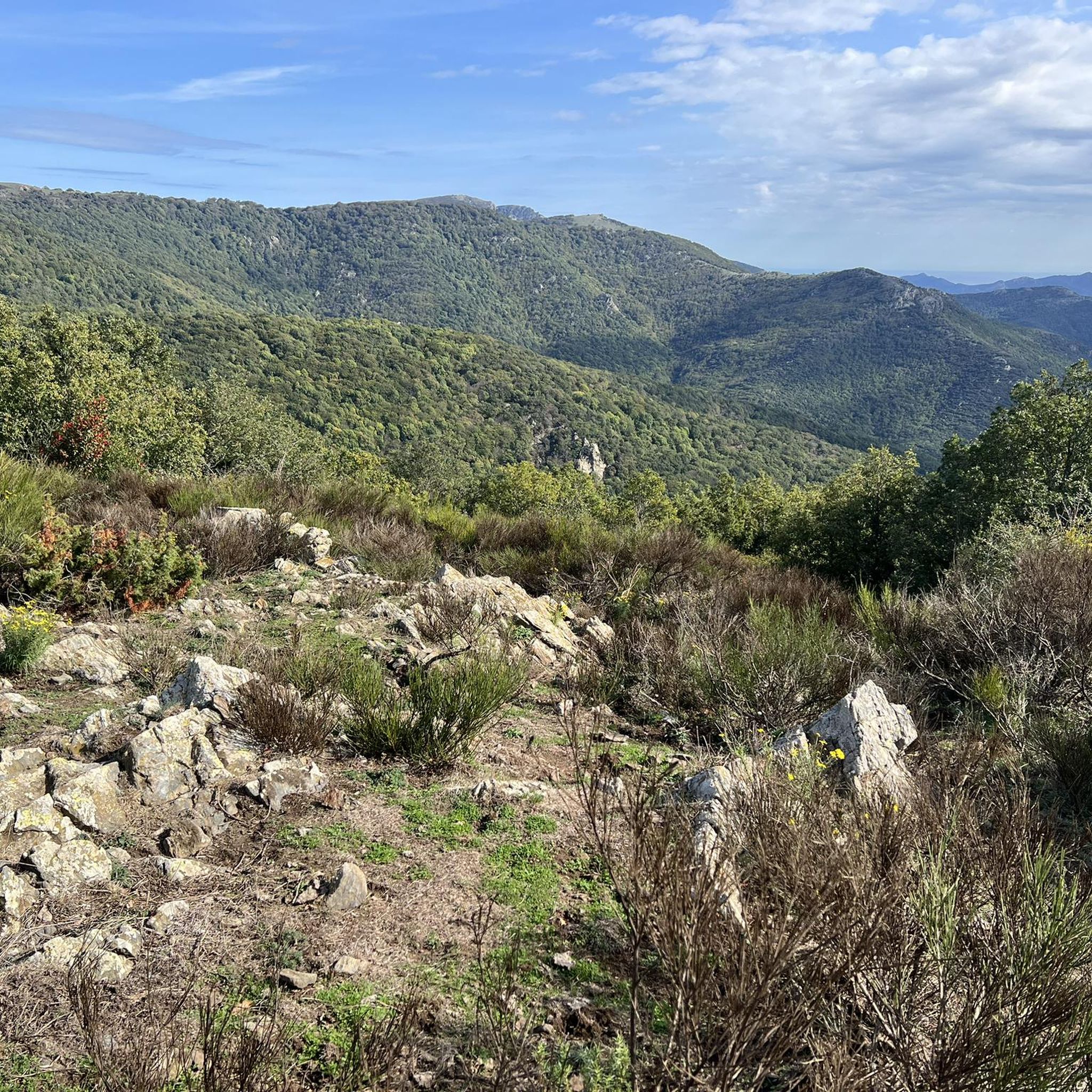
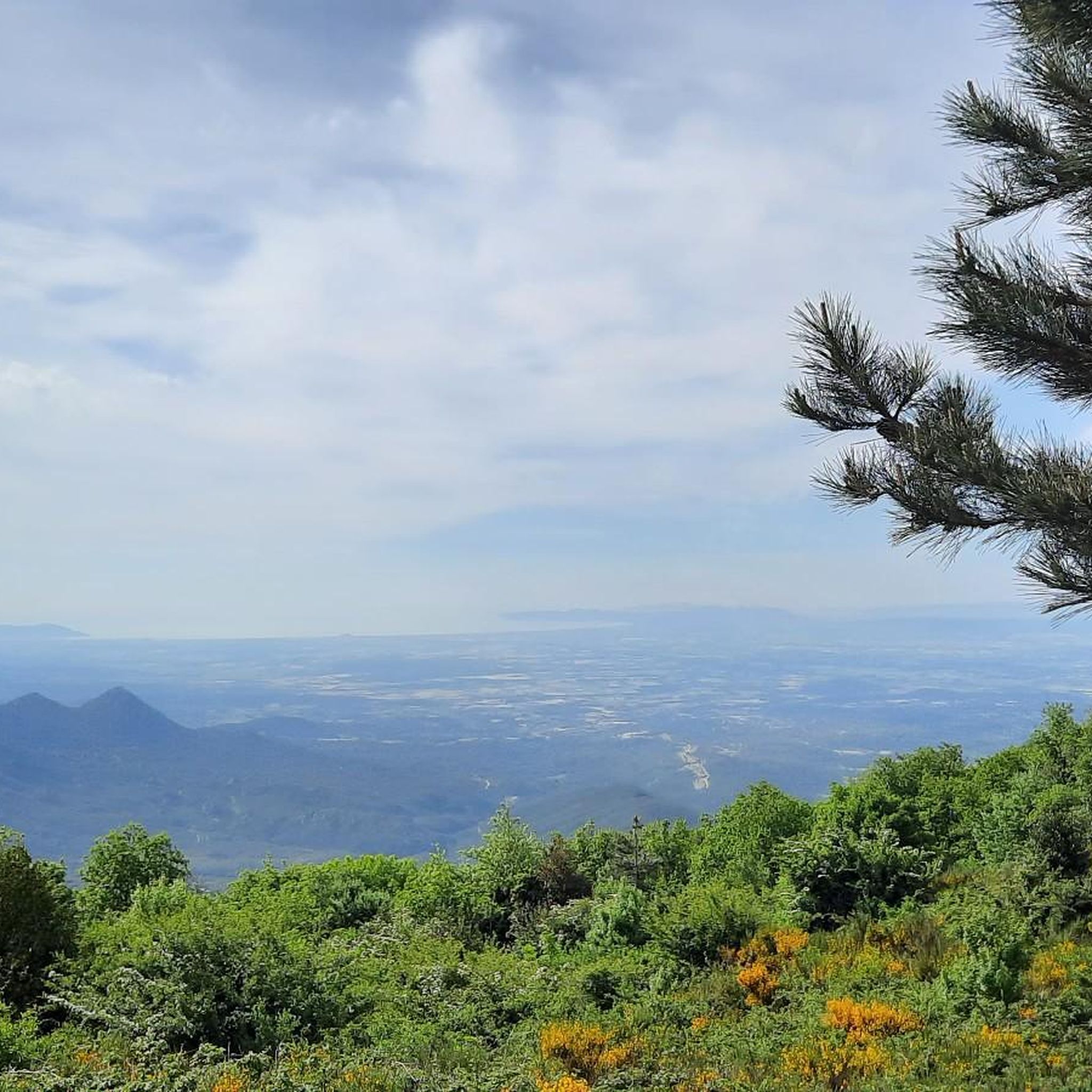
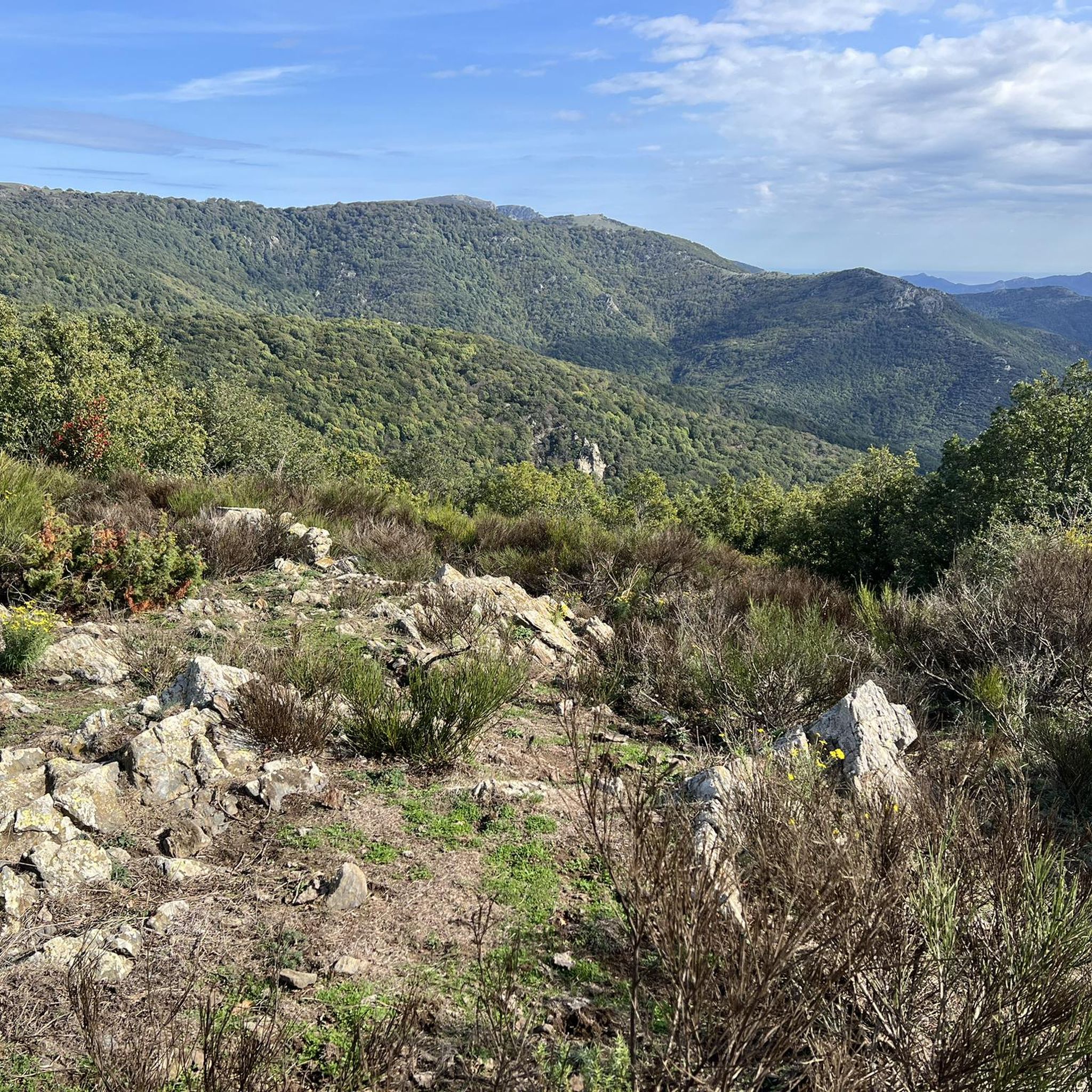



Tips from the Community

Be careful: there's a tricky section at the top where you can't miss a step. There's also a nice waterfall where you can take a dip.
0
0

Absolutely fun ( also in winter ) to dip in the fresh mountain water ! after a nice warm up hike . pretty steep rockclimbing descend ( at least where i went down .. )
1
0

The name of the place is called "Salt de Baoussous"
1
0

Beautiful stream valley with an exposed passage secured with a wire rope. Surefootedness required!
2
0

‼️⚠️ As with all bathing pools in river valleys, only get in when the weather is absolutely stable. When it rains, the water level can rise quickly!
2
0
‼️⚠️ As with all bathing pools in river valleys, only get in when the weather is absolutely stable. When it rains, the water level can rise quickly!
1
0
2023: Due to the extreme drought and the poor water quality, swimming is no longer allowed in most of the pools. Here it goes ....
1
2
2023 - also in July: extremely little water compared to the previous year. There is an official warning for swimming in rivers.
0
0
Frequently Asked Questions
What are some of the most impressive waterfalls near L'Albère?
One of the most impressive is Salt del Fitó, a striking 60-meter high waterfall located in the Albera Natural Park. It's considered the highest waterfall in the Eastern Pyrenees and is best visited after rainfall for the strongest flow. Another notable spot is the Cascade of the Gorges de la Fou, known for its beautiful pools arranged in a cascade, accessible via an alpine trail.
Are there any waterfalls around L'Albère that are natural monuments?
Yes, both Salt de Baoussous Waterfall and Salt del Fitó are recognized as natural monuments in the region. The Massane Waterfalls and Natural Pools also hold this distinction.
What kind of hiking trails lead to waterfalls in the L'Albère area?
Many waterfalls, like Salt del Fitó, are typically accessed via hiking trails, some starting from nearby towns like Le Perthus. These trails can range from low-difficulty walks through lush forests to more demanding routes with challenging ascent passages, such as those leading to the Cascade.
Are there any challenging waterfall hikes for experienced trekkers?
Absolutely. The hike to the Cascade involves a demanding ascent with climbing passages, offering a rewarding view. Similarly, the Massane Waterfalls and Natural Pools are reached via a more demanding hike through loose boulders with significant rates of climb. The Cascade of the Gorges de la Fou also requires surefootedness on its alpine trail.
When is the best time to visit the waterfalls around L'Albère?
The waterfalls are generally best appreciated after rainfall, as the river flow is stronger, enhancing their visual impact. Spring and autumn often provide good conditions with more water and pleasant hiking temperatures. During dry periods, especially in summer, some waterfalls may have significantly reduced flow.
Can I swim in the natural pools near the waterfalls?
Some waterfalls, like the Massane Waterfalls and Natural Pools and the Cascade of the Gorges de la Fou, feature pools that invite cooling off. However, it's crucial to exercise caution: only enter when the weather is absolutely stable, as water levels can rise quickly after rain. Additionally, be aware that due to extreme drought in recent years, swimming may be restricted or not recommended in some areas due to poor water quality.
What other outdoor activities can I combine with a waterfall visit in L'Albère?
The region around L'Albère offers diverse outdoor activities. You can explore numerous hiking trails, including routes like the Puig Sant Cristau Loop Trail or the Puig Neulós – Ullat Pass loop. There are also options for gravel biking and road cycling, with guides available for Gravel biking around L'Albère, Hiking around L'Albère, and Cycling around L'Albère.
Are there any viewpoints near the waterfalls for scenic photography?
Yes, many of the waterfall trails offer spectacular views of the surrounding Albera massif. For instance, the challenging ascent to the Cascade promises a rewarding vista. The Salt del Fitó is also situated in a scenic area, with some longer routes offering panoramic views of historical sites like Bellegarde Fort.
What should I wear or bring for a waterfall hike in L'Albère?
Given the varied terrain, it's advisable to wear sturdy hiking shoes with good grip, especially for trails involving loose boulders or alpine passages. Bringing water, snacks, and appropriate clothing layers is recommended. If you plan to swim, pack a towel and swimwear, but always check local conditions and warnings first.
What makes the Albera Natural Park, where many of these waterfalls are located, special?
The Albera Natural Park of National Interest, which encompasses L'Albère and its surroundings, is renowned for its rich biodiversity and verdant landscapes. It's a region of diverse ecosystems, offering an immersive nature experience beyond just the waterfalls, with a variety of flora and fauna to discover.
Are there any specific safety considerations when visiting waterfalls in this region?
Yes, safety is paramount. Always be aware of changing weather conditions, especially the risk of sudden water level increases in river valleys during rainfall. Trails can be challenging, with exposed passages or loose terrain, so surefootedness is often required. Pay attention to any official warnings regarding swimming or trail conditions.
Most popular routes around L'Albère
Most popular attractions around L'Albère

Get inspired with the komoot mobile app


Explore more
Happy to travel a little further afield? Then browse these guides for the best waterfalls around L'Albère:
