Top 5 Caves around Dugny-Sur-Meuse
Best caves around Dugny-Sur-Meuse are primarily found within the region's limestone bedrock, offering a blend of natural formations and significant historical sites. The area is characterized by the Meuse River valley, with picturesque landscapes featuring rock faces and woodlands. These geological features have been utilized for centuries, from prehistoric human occupation to strategic military installations during World War I. The region provides opportunities for exploring both natural cave systems and historical underground shelters.
Best caves around Dugny-Sur-Meuse
- The most popular…
Last updated: July 9, 2026
Douaumont Cave Shelter
Highlight • Historical Site
Source: Trace of War
Translated by Google •
Tip by

Abri DV3 (Fort de Vaux Shelter)
Highlight • Historical Site
Translated by Google •
Tip by
Sign up now to discover places like this
Get recommendations on the best single tracks, peaks, & plenty of other exciting outdoor places.
Sign up for free
Combat Shelter - PC 118
Highlight • Historical Site
Tip by

Gibet Caves
Highlight • Cave
Translated by Google •
Tip by

Intermediate Depot Under Rock
Highlight • Historical Site
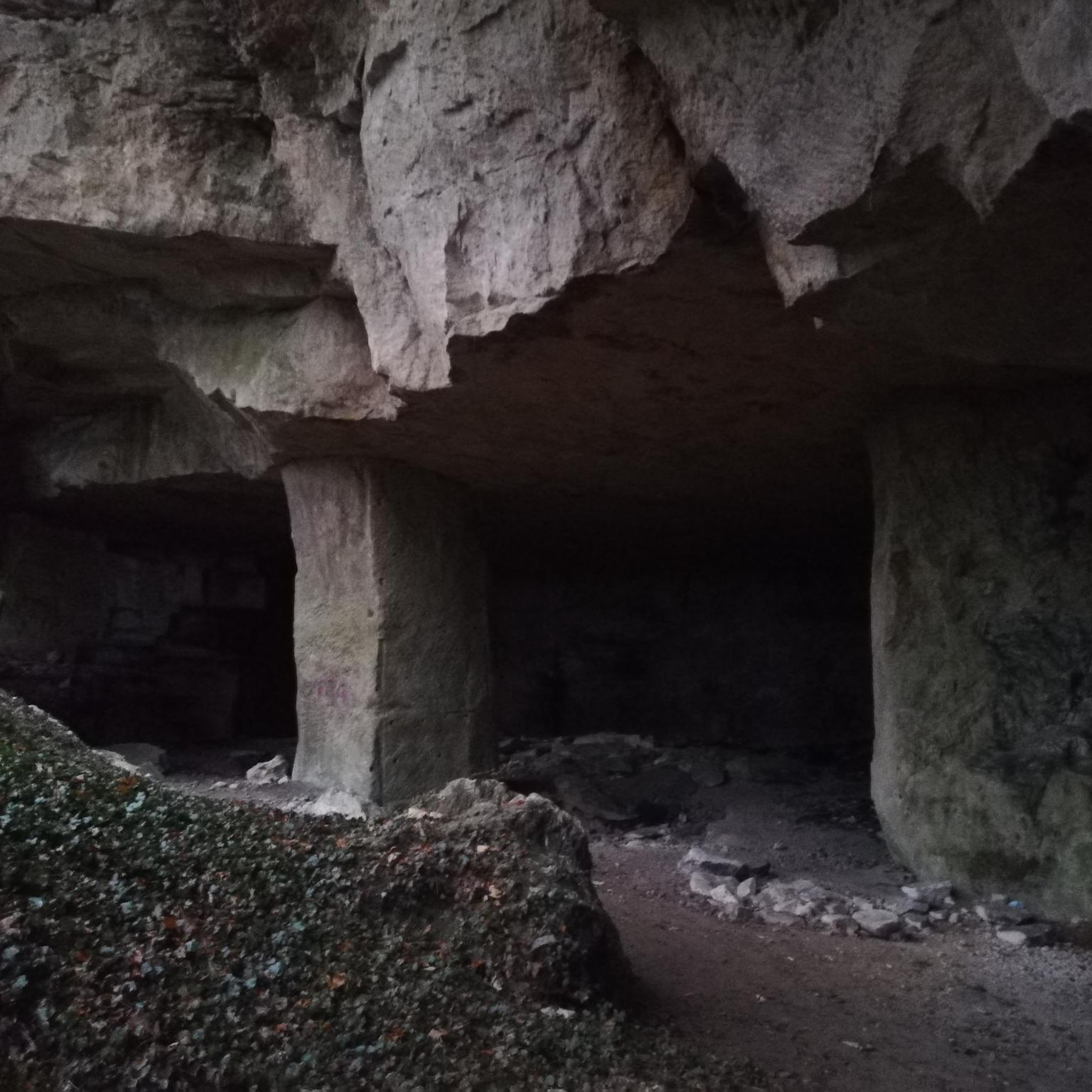
You can only take a look into the tunnel complex at the first meters.
Translated by Google •
Tip by
Start today with a free account
Your next adventure awaits.
Login or Signup
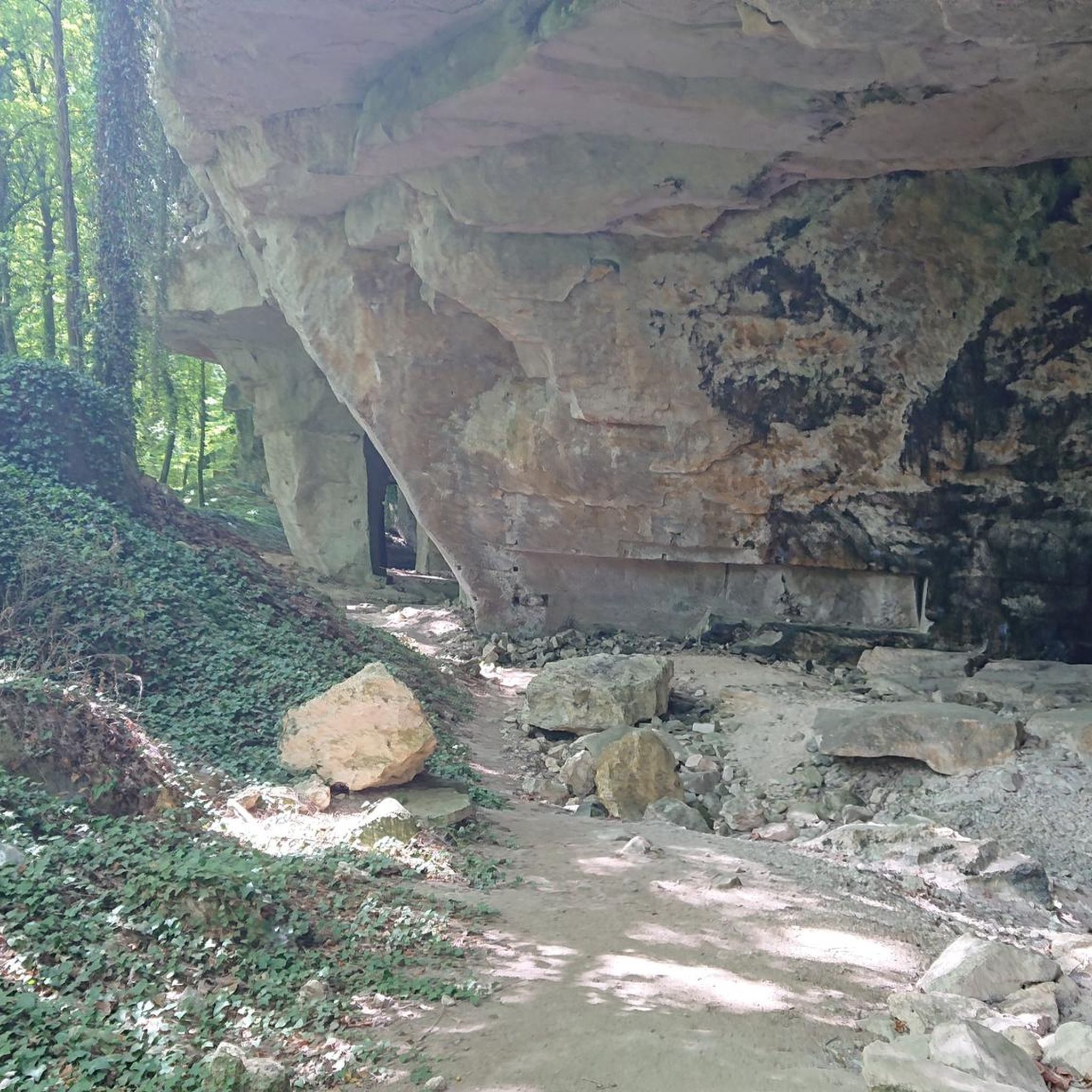

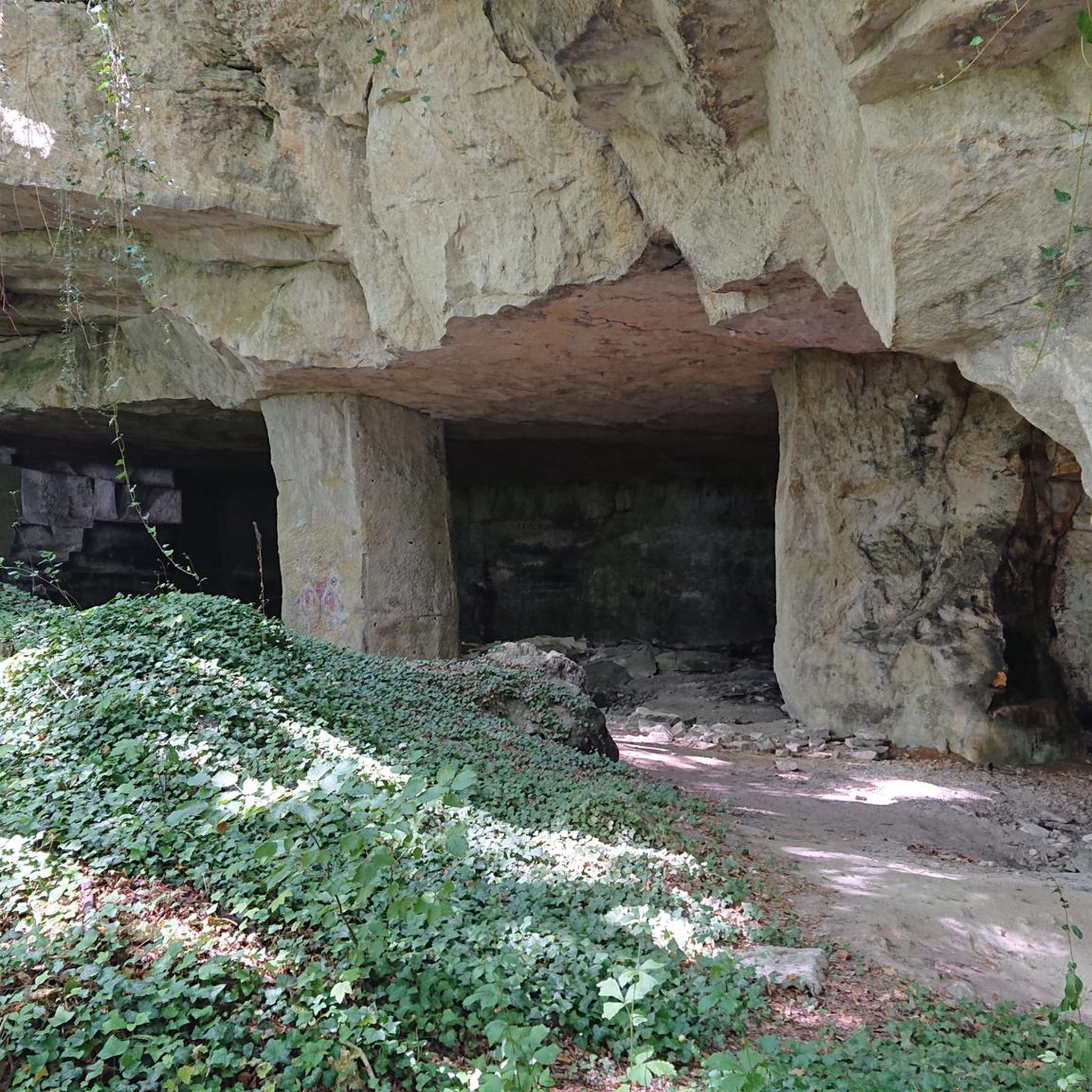
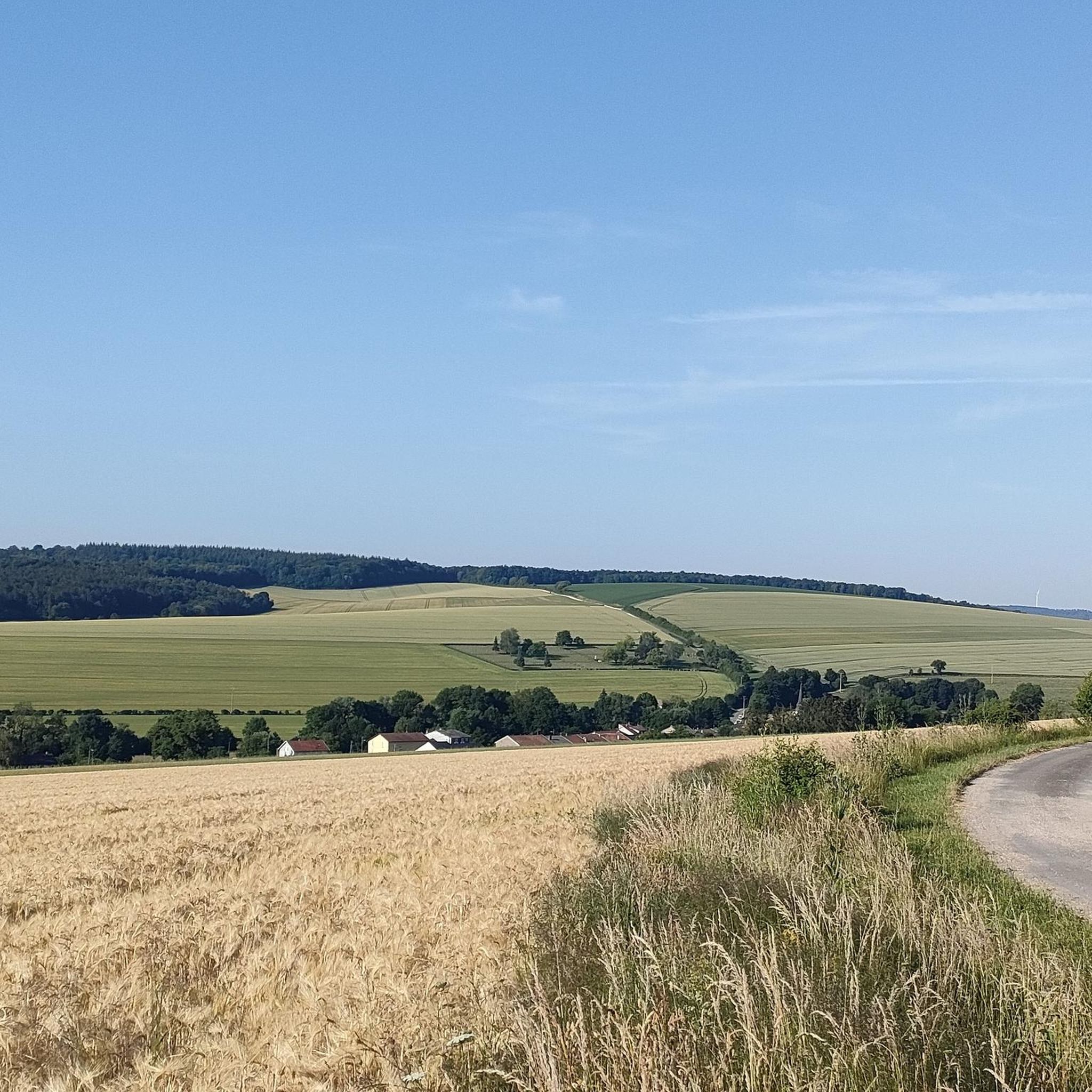
Tips from the Community

The shelter now serves as a summer roost for a large colony of bats that should not be disturbed by visitors.
2
1
The FT3 combat shelter was built in 1906 on the right bank of the Meuse River as part of the Verdun fortress system, designed to house 100 infantry soldiers. During the Battle of Verdun in 1916, it was converted into a command post (PC118) and changed hands multiple times between French and German forces. The shelter was heavily damaged by French artillery when occupied by German troops, particularly on its vulnerable masonry facade facing Verdun, rendering it unusable.
2
1

The Abri-Caverne de Douaumont was an underground shelter for French troops during the Battle of Verdun. Carved into the limestone bedrock, this shelter offered protection from artillery fire and served as a rest and assembly point close to the front line. Strategically located near Fort de Douaumont, it played a crucial role in supplying and sheltering soldiers during the fiercest fighting of 1916.
6
0

Abri is forbidden access. Still, it gives an impression of what war violence can do.
3
0
Abri-Caverne de Douaumont, also known as Abri 320, is located approximately 8 meters underground in the slope there. This Abri is located near the Ossuary and the French cemetery. The Abri could accommodate 300 men. Source: Trace of War
6
0
A special location that is forbidden to enter. You can only take a look into the tunnel complex at the first meters.
3
0
Abri-Caverne de Douaumont, also known as Abri 320, is located approximately 8 meters underground in the slope there. This Abri is located near the Ossuary and the French cemetery. The Abri could accommodate 300 men. Source: Trace of War
5
0

This bunker facility is certainly not a risk-free area... bringing your own light source is an absolutely sensible thought
1
0
Frequently Asked Questions
What is the historical significance of the caves around Dugny-sur-Meuse?
The caves in this region hold significant historical importance, spanning from prehistoric times to modern military history. The Grottes de la Falouse, for instance, show evidence of human occupation dating back 75,000 years and were quarried for limestone from the 12th century. Additionally, many caves, such as Combat Shelter - PC 118 and Douaumont Cave Shelter, served as strategic military installations and shelters during World War I, particularly during the Battle of Verdun.
What geological features can I expect to see in the caves?
The caves around Dugny-sur-Meuse are primarily carved into thick limestone layers from the Late Jurassic period. These formations exhibit varied sedimentary series, including reef, oolitic, and chalky limestones. You can observe numerous diaclases, which are fissures in the rock caused by erosion from water, frost, and pressure, showcasing the natural geological processes that shaped the landscape.
Are there family-friendly trails or activities near the caves?
While direct access to some caves may be restricted, the area around the Grottes de la Falouse offers a scenic hiking trail connecting Belleray to Dugny. This shaded, pastoral path provides remarkable views of the Meuse valley and is suitable for walks and jogging, making it ideal for nature lovers and families. For more options, you can explore the Running Trails around Dugny-Sur-Meuse, which include moderate loops like the 'Grottes de la Falouze loop from Dugny-sur-Meuse'.
What outdoor activities can I do near these caves?
Beyond exploring the cave sites, the region offers various outdoor activities. You can find numerous running trails, MTB trails, and cycling routes that traverse the picturesque Meuse River valley. These routes often pass by historical sites and offer scenic views of the natural landscape.
What is the best time of year to visit the caves and surrounding area?
The scenic beauty of the Meuse valley, with its rock faces and sloping woodlands, can be enjoyed throughout much of the year. Spring and autumn generally offer pleasant temperatures for hiking and outdoor activities around the caves. Some historical cave shelters, like Combat Shelter - PC 118, also serve as summer roosts for bats, which should not be disturbed, so visitors should be mindful of local wildlife considerations.
Are the trails around the caves dog-friendly?
The hiking trail around the Grottes de la Falouse, connecting Belleray to Dugny, is a shaded, pastoral path suitable for walks. While specific dog rules for this exact trail are not detailed, many natural trails in France are dog-friendly, especially if dogs are kept on a leash. It's always advisable to check local signage or contact the Verdun tourist office for the most current regulations regarding pets on specific paths.
Do I need permits to explore the caves?
Access to the interior of the Grottes de la Falouse is restricted due to private ownership. Similarly, historical sites like Abri DV3 (Fort de Vaux Shelter) and Intermediate Depot Under Rock are forbidden to enter due to safety concerns. For any specific caving activities in the Meuse department, it is recommended to inquire with local authorities or caving associations regarding necessary permits or guided tours.
How can I learn more about the Grottes de la Falouse?
You can find additional information about the Grottes de la Falouse, including its historical and geological context, through local tourism resources. For further details, you may visit the official tourism websites: tourismevaldemeusevoiesacree.fr or tourisme-verdun.com.
What do visitors enjoy most about the caves and shelters in this region?
Visitors appreciate the unique blend of natural beauty and profound historical significance. The opportunity to witness geological formations alongside sites that played a crucial role in World War I, such as the Douaumont Cave Shelter, offers a powerful experience. The scenic hiking opportunities and the chance to reflect on the past in a natural setting are also highly valued.
Is there parking available for visiting the caves?
For those wishing to explore the area around the Grottes de la Falouse, parking is typically available in nearby villages like Belleray or Dugny-sur-Meuse, from where you can access the hiking trails. Specific parking details for other historical cave shelters may vary, so it's advisable to check local information or maps for designated parking areas near your intended destination.
Are there any natural caves that are accessible for exploration?
While many sites have historical significance or restricted access, the Gibet Caves are a natural cave formation and a natural monument. However, some areas, like the path along the side channel of the Meuse near Gibet Caves, may not be easily passable, and caution is advised. Always prioritize safety and respect any access restrictions.
Most popular routes around Dugny-Sur-Meuse
Most popular attractions around Dugny-Sur-Meuse

Get inspired with the komoot mobile app


Explore more
Extend your search for the best caves by checking out these guides of the top ones around Dugny-Sur-Meuse:
