Top 6 Caves around Alberschweiler
Best caves around Alberschweiler are primarily represented by unique rock formations and natural shelters within the Palatinate Forest. The region is characterized by its geological features, including impressive sandstone blocks and rock cliffs. While traditional underground caverns are not prominent, the area offers remarkable natural rock experiences. These sites are often integrated into scenic hiking trails, providing opportunities for exploration and outdoor activities.
Best caves around Alberschweiler
- The most popular caves is Saint-Léon Cave, a cave that is the…
Last updated: June 25, 2026
Einsiedlerhütte and Troglodyte Houses of Falkenfelsen
Highlight • Historical Site
Translated by Google •
Tip by

Falkenfels Cliffs
Highlight • Natural Monument
Translated by Google •
Tip by

Sign up now to discover places like this
Get recommendations on the best single tracks, peaks, & plenty of other exciting outdoor places.
Sign up for free
Saint-Léon Cave
Highlight • Cave
Translated by Google •
Tip by

The Geisterfelsen
Highlight • Natural Monument
Translated by Google •
Tip by

Grand Rougimont
Highlight • Viewpoint
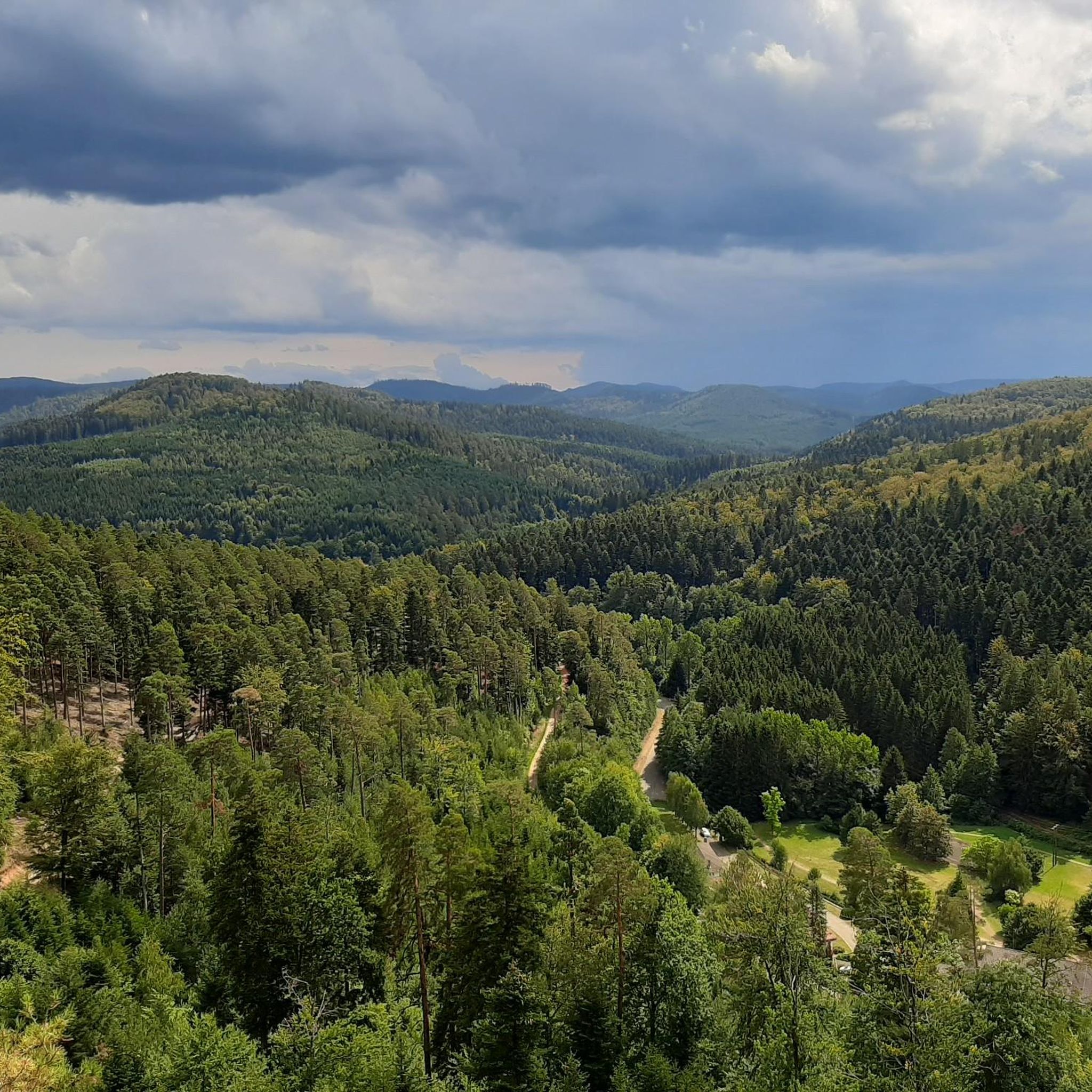
Nice point of view, caves to explore below and a point of high energy to recharge the batteries...
Translated by Google •
Tip by

Sign up for free to discover even more caves around Alberschweiler.
Sign up for free
Already have an account?
Start today with a free account
Your next adventure awaits.
Login or Signup
Popular around Alberschweiler
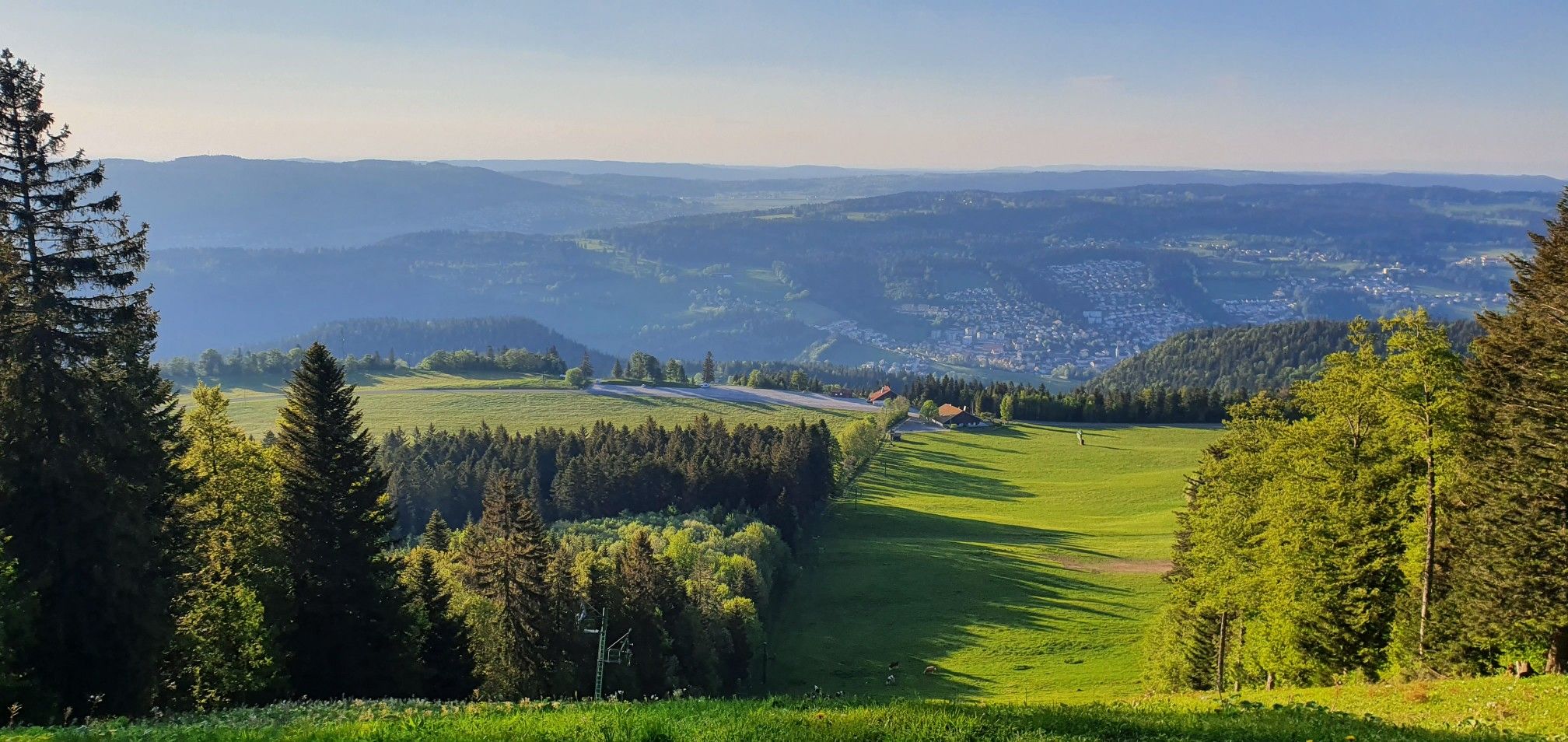
GR 5 – The Europe Trail from the Mediterranean to Germany
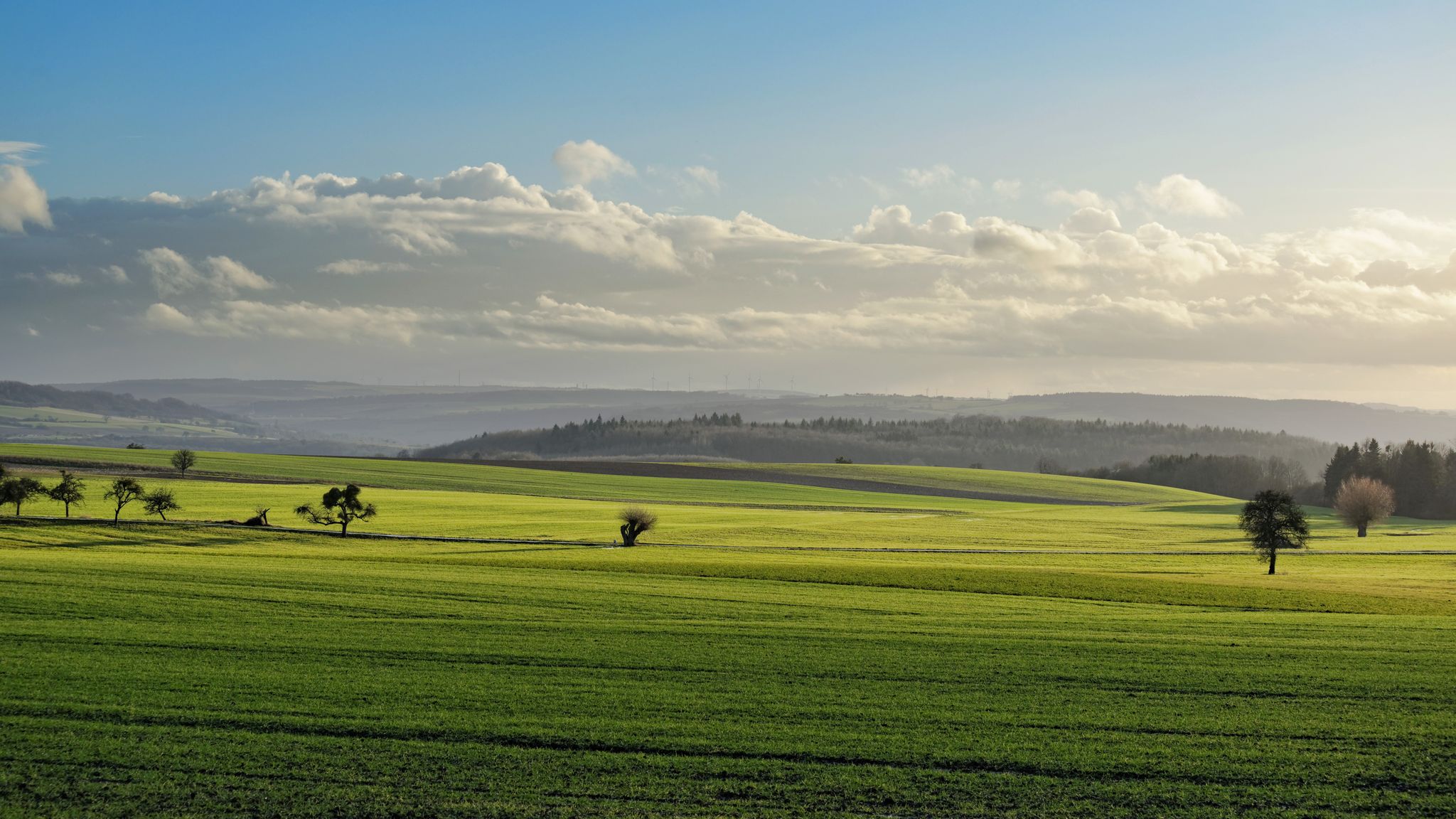
GR5 — The Europe Trail from Abreschviller to Apach
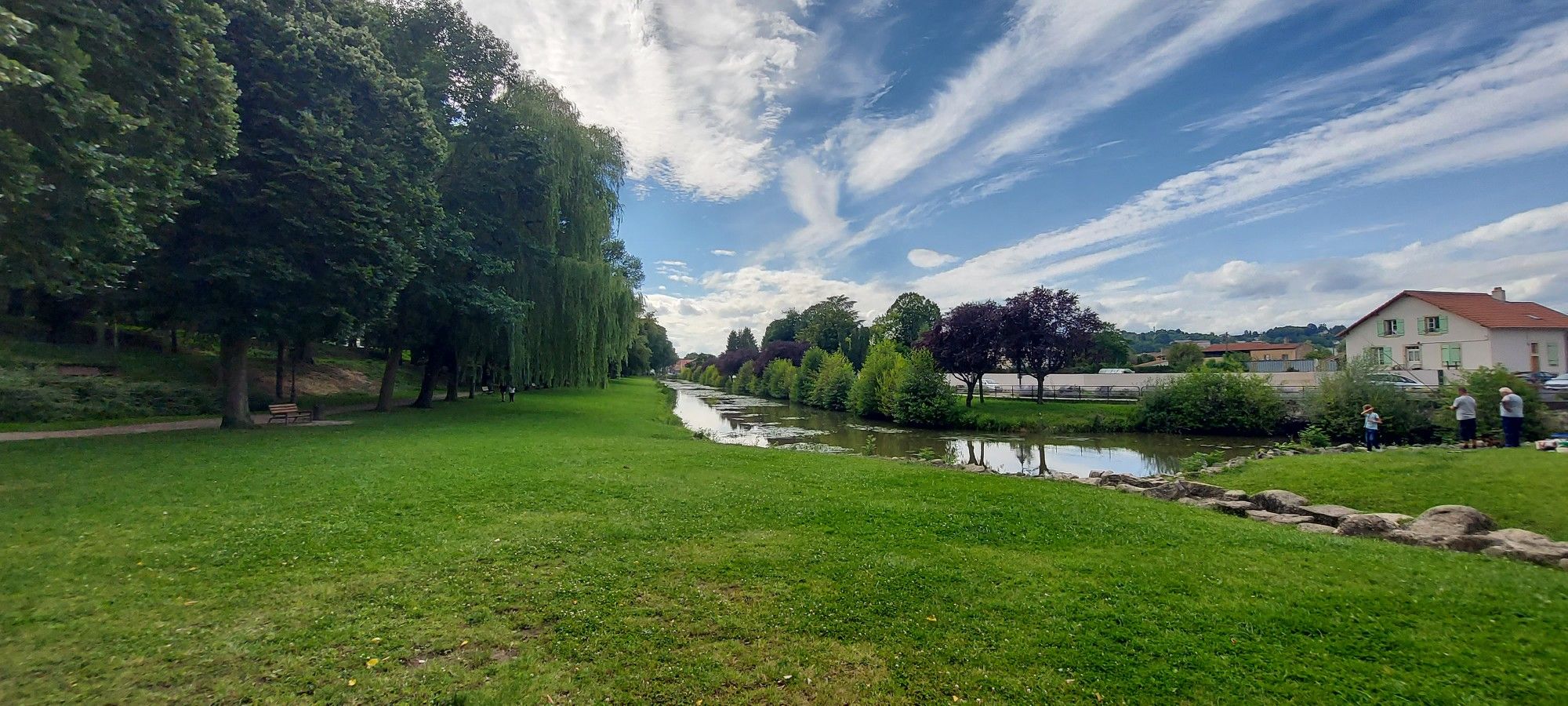
Linking Lorraine and Alsace – Stanislas-Kléber Path (GR 534)
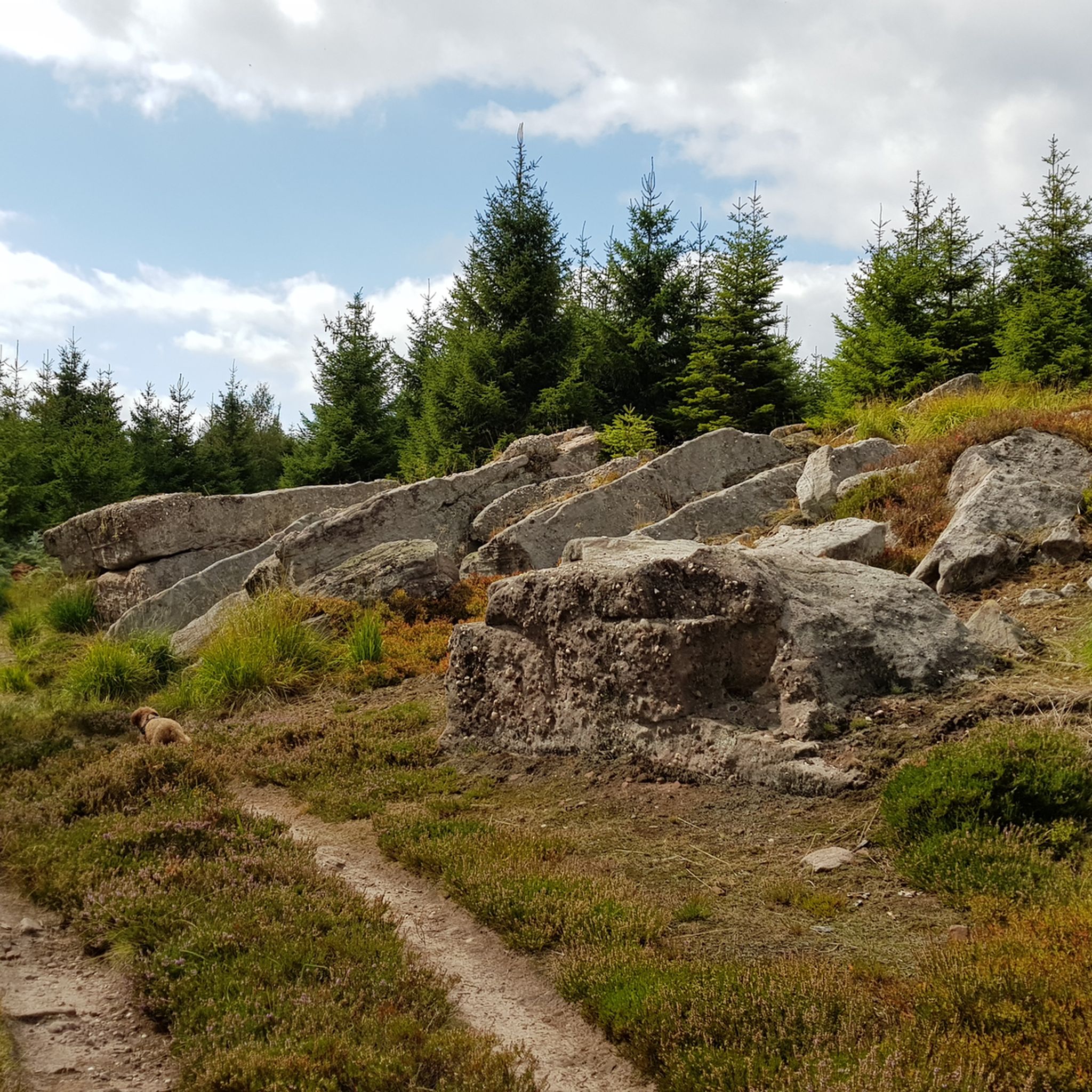
Hiking around Alberschweiler
Cycling around Alberschweiler
Road Cycling Routes around Alberschweiler
MTB Trails around Alberschweiler
Running Trails around Alberschweiler
Gravel biking around Alberschweiler
Other adventures around Alberschweiler


Tips from the Community

Under the very rock, which forms a rock shelter, lived for a long time the hermit known as "the Falkenfels", from 1895 until his death in 1902. There is no certainty about the origins of Edouard Hinbeer, nicknamed friendly by the population and in the archives the Waldbruder (brother of the forest). A valiant man, he looked after the pigs of the commune of Hellert. The population esteemed him, considered him a holy man and took turns bringing him their midday meals.
0
0

Magnificent almost 360 degree panorama. There is a very appreciable calm as the area is not very busy and the roads are far away. (you can even squeeze into some cavities in the rock!)
0
0

The Falkenfels is now in a year-round protected area. All paths there are forbidden and also dismantled and blocked.
0
0

Here you can find 2 former rock houses. Also a bench with a table for a picnic. There is an information board in French at the entrance. It's about 15 minutes from the parking lot. We did a little circular walk.
0
0

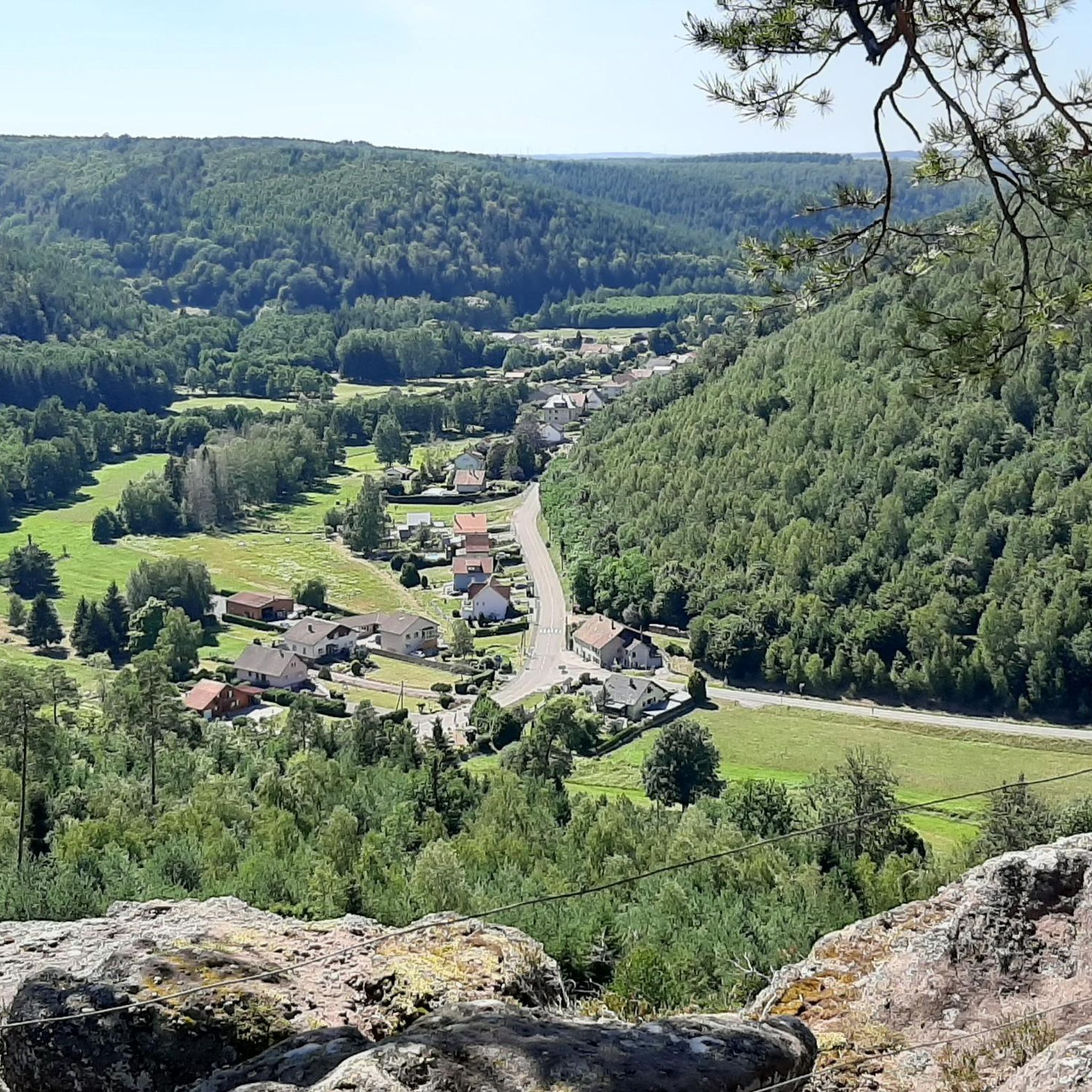
Several paths lead around the rocks. At the foot there are some cave dwellings - from the top you can enjoy a fantastic view over the valley and on the Dabo rock. Incidentally, not only falcons breed here, but according to the information sign even eagle owls.
3
0
The trail around the Geisterfelsen is absolutely fantastic. Do not hesitate to make a small detour to circumvent the buttress along the blue circle. It's worth it ! 👍🤩
3
0

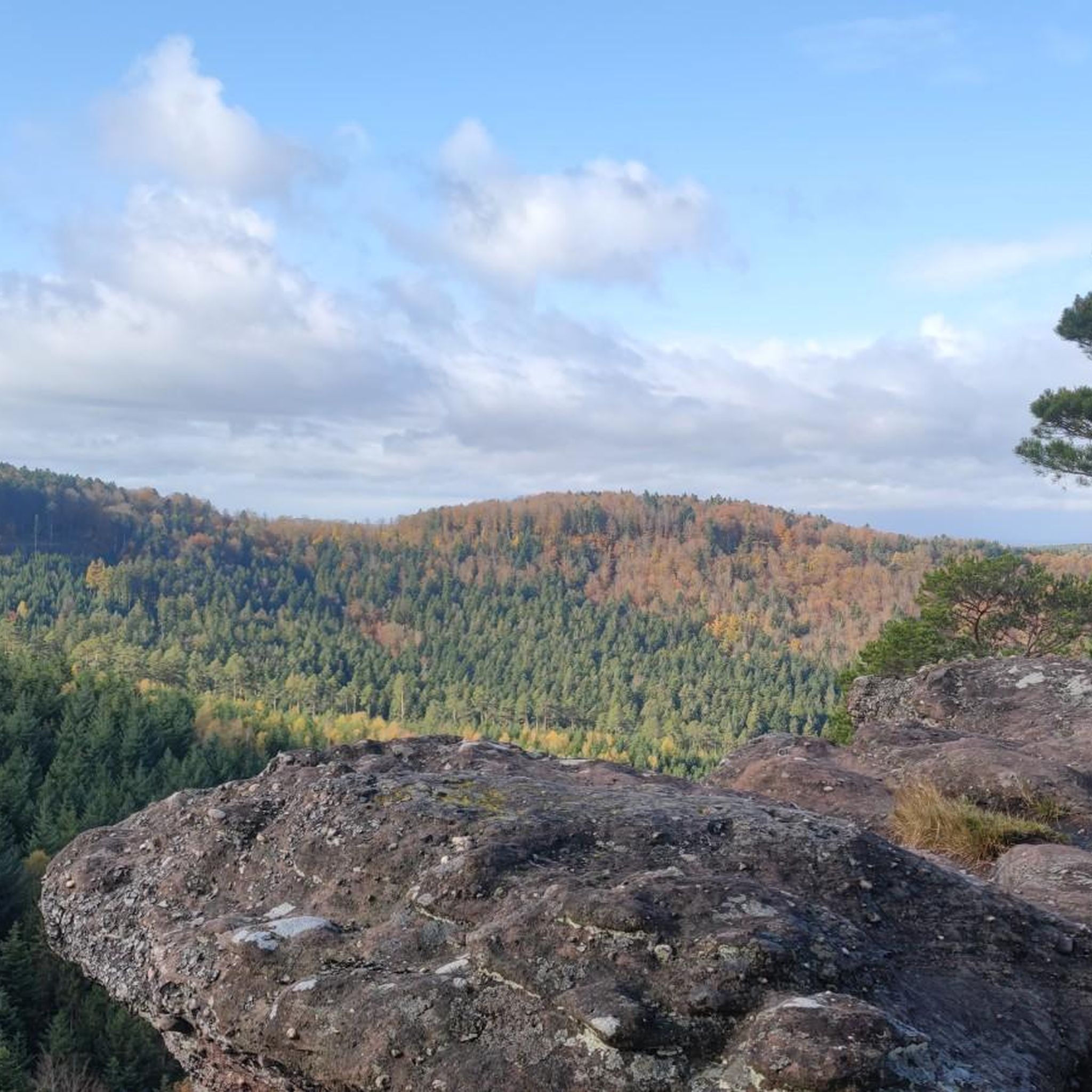
Incredible and majestic rock cliffs to explore.
4
0

Dug into the sandstone, this cave is the largest natural cavity in the Vosges mountains. It is possible to climb above its entrance to enjoy a magnificent panorama of Walscheid and its surroundings.
1
0
Frequently Asked Questions
What kind of 'caves' can I expect to find around Alberschweiler?
The region around Alberschweiler is known more for its unique rock formations and natural shelters rather than traditional underground caverns. You'll discover impressive sandstone blocks, rock cliffs, and geological features like the Felsenmeer Hüttenberg, which is a fascinating 'sea of rocks' formed by natural processes. These sites offer remarkable natural rock experiences, often integrated into scenic hiking trails.
What are some notable rock formations or 'cave' sites to visit near Alberschweiler?
Beyond the Felsenmeer Hüttenberg, you can explore several unique spots. The Saint-Léon Cave is the largest natural cavity in the Vosges mountains, dug into sandstone. Another impressive site is The Geisterfelsen, featuring majestic rock cliffs. For a historical perspective, visit the Einsiedlerhütte and Troglodyte Houses of Falkenfelsen, which are former rock dwellings.
Are there any historical 'cave' dwellings or shelters in the area?
Yes, the Einsiedlerhütte and Troglodyte Houses of Falkenfelsen offer a glimpse into past rock dwellings. This site features two former rock houses and an information board detailing the history of a hermit who lived there. Additionally, at the Falkenfels Cliffs, you can find some cave dwellings at the foot of the rocks.
What is the Felsenmeer Hüttenberg and why is it significant?
The Felsenmeer Hüttenberg, or Felsenmeer Kalmit, is a natural monument near Alberschweiler. It's a vast 'sea of rocks' consisting of large sandstone blocks, some up to 10 meters high. These formations are the result of frost shattering during the Ice Ages. It's significant for its unique geological features, offering a rare opportunity to witness extensive natural erosion and weathering of Buntsandstein.
Are there hiking trails that incorporate these rock formations and 'caves'?
Absolutely. The rock formations and 'caves' are often integrated into scenic hiking trails. For example, the Felsenmeer Hüttenberg is part of numerous trails, including routes leading to the Kalmit. You can find various hiking options around the region, such as those listed in the Hiking around Alberschweiler guide, which includes routes like the 'Chalice Rock Loop' and trails near Saint-Léon Cave.
What is the best time of year to visit the rock formations and 'caves' around Alberschweiler?
The region is generally pleasant for outdoor activities from spring through autumn. Spring offers lush greenery and blooming flora, while autumn provides beautiful fall colors. Summer is also suitable, but be prepared for warmer temperatures. Winter visits are possible, but some paths might be slippery or less accessible due to frost or snow, especially around rock formations.
Are the 'caves' and rock formations around Alberschweiler suitable for families?
Many of the rock formations and associated hiking trails are suitable for families, especially those looking for outdoor exploration. Sites like the Einsiedlerhütte and Troglodyte Houses of Falkenfelsen offer historical interest and a picnic area. When planning, check the difficulty of specific trails, as some areas, like the Falkenfels Cliffs, can be more challenging.
Are there any opportunities for bouldering or climbing at these rock formations?
Yes, the Felsenmeer Hüttenberg is a popular spot for sport climbers and boulderers due to its numerous sandstone blocks. While the guide data doesn't specify other climbing spots, the impressive rock cliffs in the region suggest potential for such activities, though always check local regulations and safety guidelines.
What other outdoor activities can I do near the 'caves' around Alberschweiler?
Besides exploring the rock formations and hiking, the region offers various cycling opportunities. You can find routes for touring bicycles in the Cycling around Alberschweiler guide, and dedicated routes for road cycling in the Road Cycling Routes around Alberschweiler guide. These guides feature diverse routes, including challenging climbs and scenic loops.
Do I need any special permits to access these rock formations or 'caves'?
Generally, no special permits are required for accessing the natural rock formations and 'caves' mentioned, as they are typically part of public hiking areas. However, some areas, like parts of the Falkenfels Cliffs, might be in protected zones with restricted access or forbidden paths, so always observe local signage.
How long does it typically take to explore these sites?
The time needed varies greatly depending on the site and your activity. A visit to a specific highlight like Einsiedlerhütte and Troglodyte Houses of Falkenfelsen might take 15 minutes from a nearby parking lot for a quick look. Exploring the Felsenmeer Hüttenberg or undertaking a longer hike that incorporates multiple rock formations could take several hours or even a full day.
What should I wear when visiting the rock formations and 'caves'?
Given that most 'caves' are open rock formations or shelters, and often involve hiking, it's best to wear comfortable, sturdy hiking shoes with good grip. Dress in layers suitable for the weather, and consider bringing a waterproof jacket. For exploring rock formations, gloves might be useful for scrambling, and a headlamp could be handy for darker shelters, though not strictly necessary for most open sites.
Most popular routes around Alberschweiler
Most popular attractions around Alberschweiler

Get inspired with the komoot mobile app


Explore more
Extend your search for the best caves by checking out these guides of the top ones around Alberschweiler:
